Album Review: Mareike Wiening – Reveal

photo by Luke Marantz; photo courtesy of hubtone PR

Album Review of Mareike Wiening – Reveal

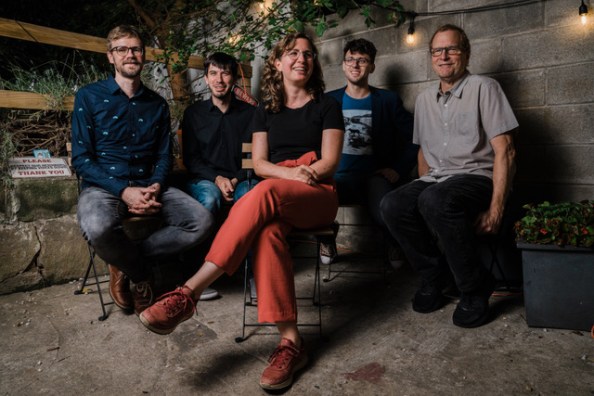
Drummer/bandleader/composer Mareike Wiening teams with Rich Perry (saxophone), Glenn Zaleski (piano), Alex Goodman (guitar), and Johannes Felscher (bass) on Reveal. They’re joined by Dave Douglas (trumpet) on three of the album’s eight tracks.

image courtesy of hubtone PR

The music on this disc is smooth – great music to listen to while working, as I’m fond of saying about my favorite instrumental discs. That means, of course, that it’s unobtrusive enough that it doesn’t interrupt my thought process but memorable enough that I find myself humming them later in the day (or bobbing and swaying to them while working).

Album opener “Time for Priorities” is one of my favorite songs on Reveal. I love the journey the saxophone takes throughout the song, bolstered by some percussion and keys that help to bridge the gaps and some thumpy plucking on the bass in the style that those of us who aren’t jazz experts expect from a jazz bassist.

photo by Luke Marantz; photo courtesy of hubtone PR

My other favorite song on this album is “Reveal,” and rock fans who enjoy drum solos might appreciate the featured drum part early on, which leads into the lively horn part that serves as a recurring thread to stitch this song together.

There are elements that stand out on all the tracks. I mean, I really enjoy the pianowork early in “The Girl By the Window.” And “Encore” and “Balada” are probably the most melancholy tracks, at least predominantly. Whether you’re a big jazz fan or, like me, a more casual enjoyer of some occasional jazz, you’ll discover something you like on Reveal.

Looking Ahead

Per the “Shows” page of Mareike’s website, she’ll be performing in Germany (plus one date each in Vienna and Zurich) in January, February, and March. If that’s near you, be sure to check her website for dates and venues.

Single Review: The String Revolution feat. Tommy Emmanuel – “Folsom Prison Blues”

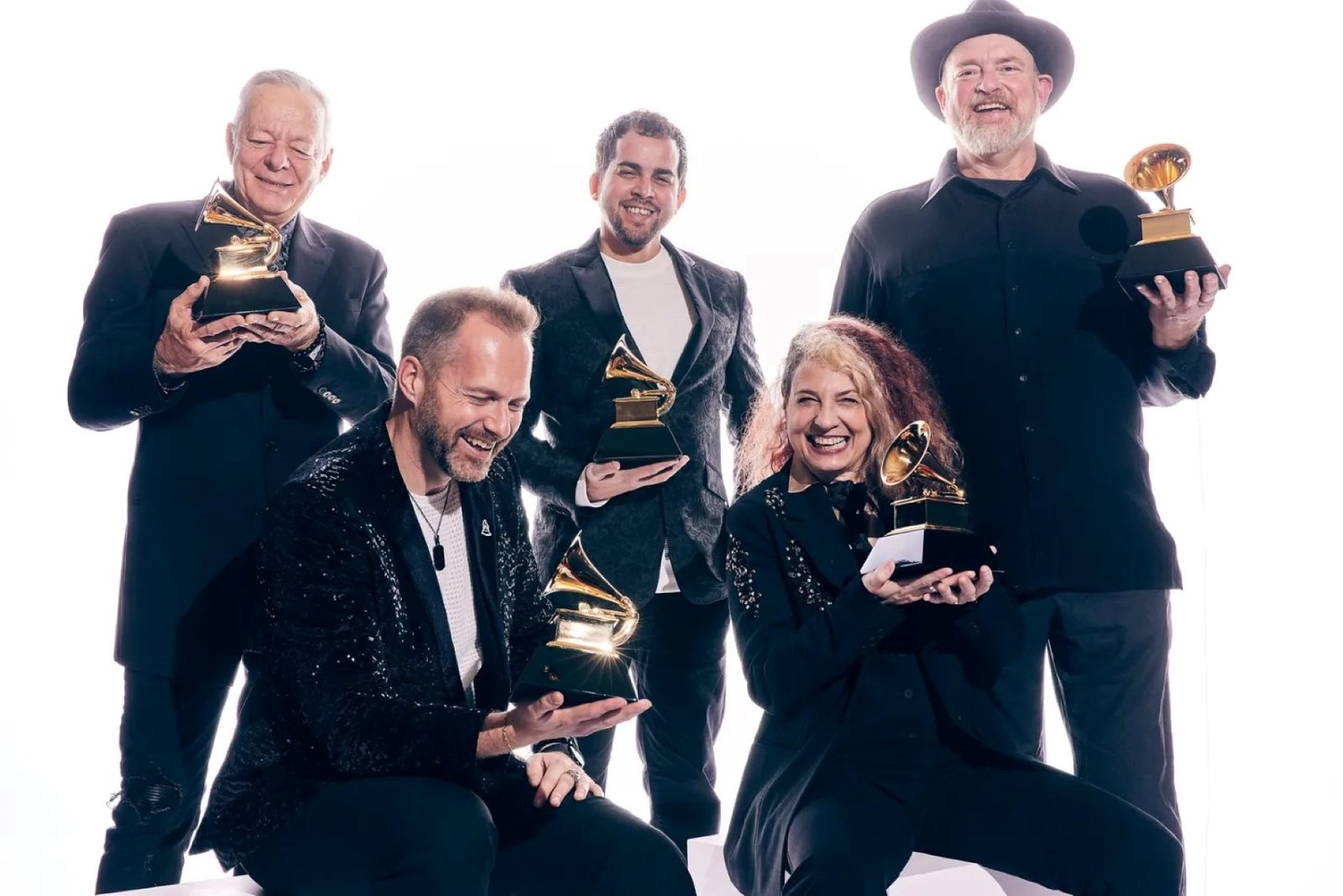
photo by Mark Marynovic; photo courtesy of Leighton Media

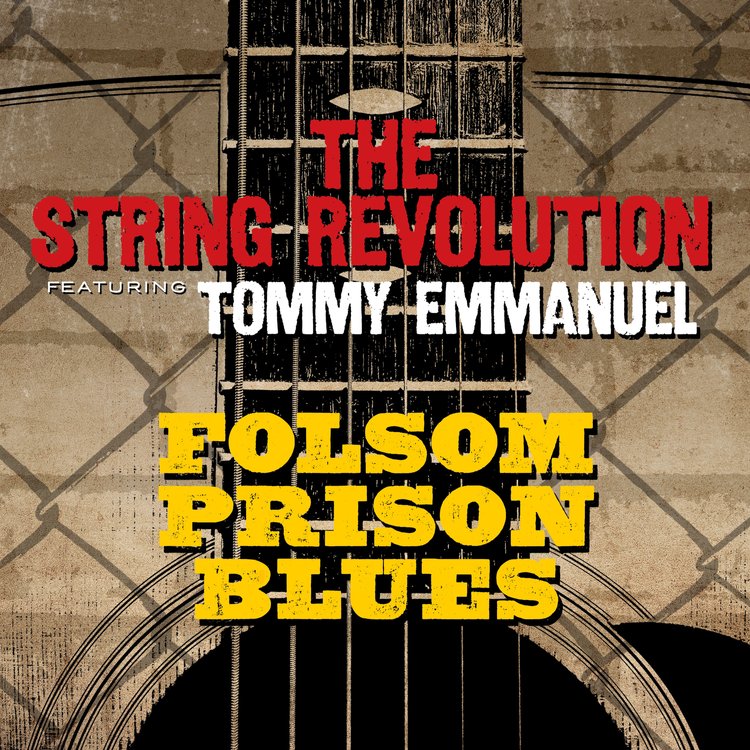
Single Review of The String Revolution feat. Tommy Emmanuel: “Folsom Prison Blues”

We all know this song, made famous by Johnny Cash. It’s a song that almost shouldn’t be covered. And yet it was, winningly. Grammy winningly, in fact. This instrumental cover by The String Revolution, joined by guitar luminary Tommy Emmanuel, won the 2024 Grammy for Best Arrangement, Instrumental or A Cappella. The arrangement earned a Grammy for The String Revolution trio of Markus Illko, Janet Robin and Rober Luis, plus Tommy Emmanuel and John Carter Cash.

image courtesy of Leighton Media

This version of “Folsom Prison Blues” utilizes multiple guitarists intricately well, as I suppose as you’d expect from a band of guitarists. There’s a nifty little lead-in – a lead-in that turns a bit ominous for a stretch before transitioning to the classic song’s easily-recognizable opening notes. A blending of picking, thumping, and tempo carry the song predictably for a while, but there’s plenty of creative originality front, middle, and back of the song (including a mid-song return of that ominous sequence) while still staying wholly true to the “Folsom Prison Blues” we know and love.

photo by Maarten de Boer at iheartmaarten; photo courtesy of Leighton Media

In all, this song, as performed by this award-winning trio (or, I suppose foursome, with Tommy Emmanuel on board) is an energetic guitar-pickin’ package. It’ll be a neat addition to the music collections of Johnny Cash fans… or those who enjoy intricate guitarwork or excellent musicianship. It’d be hard not to enjoy this piece; and it’s obvious why this is a Grammy-winning arrangement. But don’t take my word for it – check it out for yourself.


Album Review: Bees Deluxe – Hallucinate

photo courtesy of Bees Deluxe

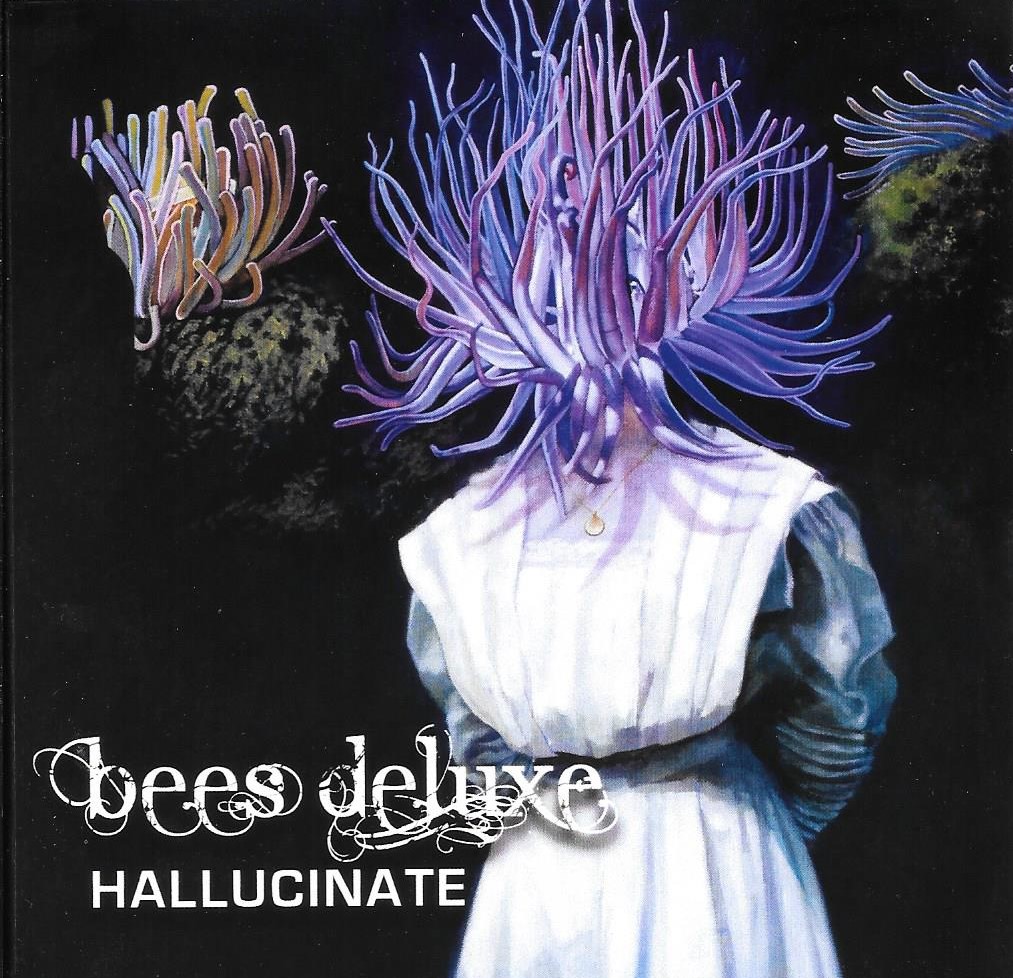
Album Review of Bees Deluxe: Hallucinate

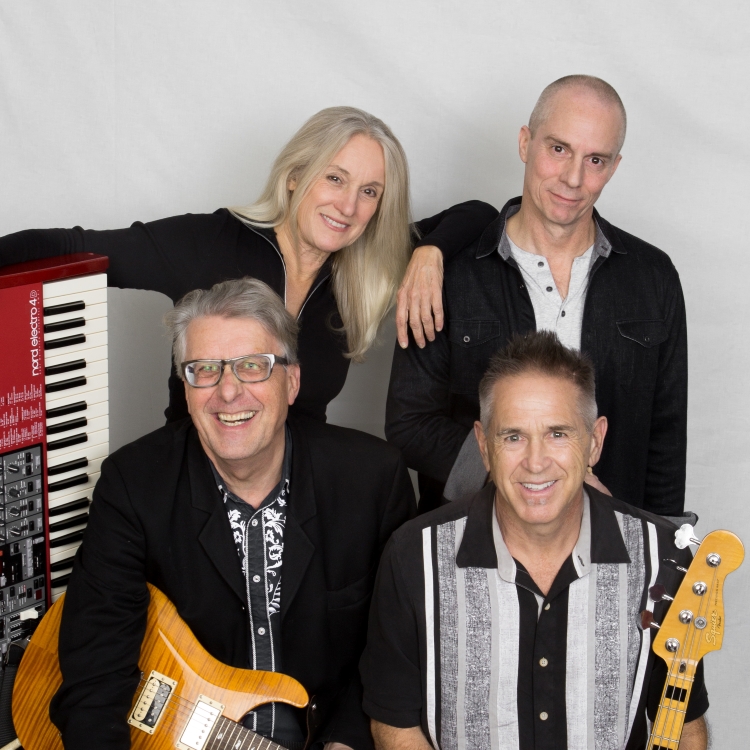
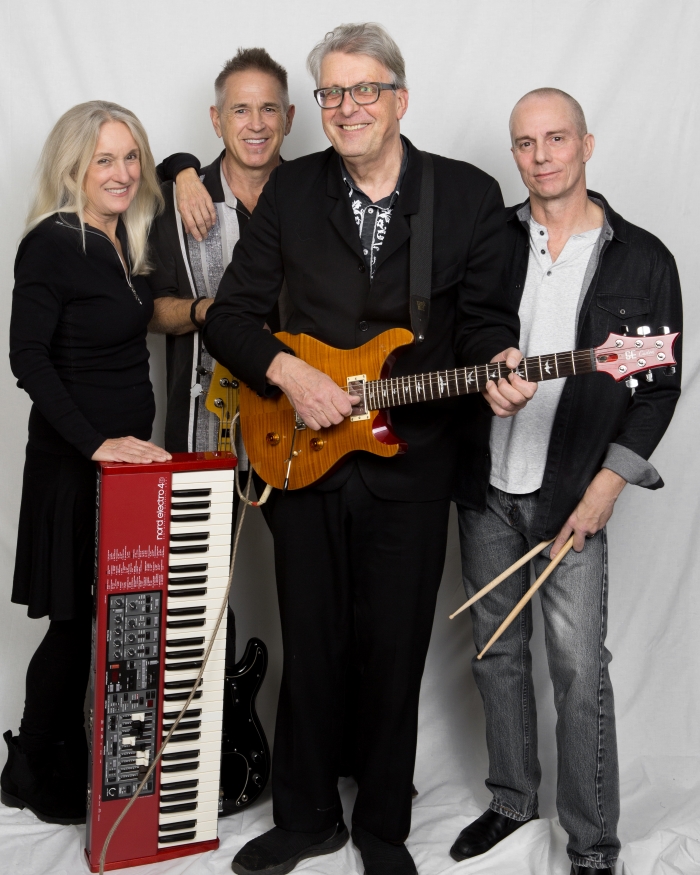
Bees Deluxe‘s music is a unique, progressive combination of blues, jazz, and funky rock. On the band’s newest album Hallucinate, Conrad Warre (guitar, bass, vocals, trumpet, kaossilator, strings, keyboards), Carol Band (keyboards, vocals, harmonica), Paul Giovine (drums, percussion), and Adam Sankowski (bass guitar) are joined by a half-dozen additional musicians to round out the sound on various tracks. You can read the liner notes via this link for a glimpse at the other exceptional instrumentalists involved in this project.

The album has a cohesive sound, with an experimental bent permeating throughout, giving a jazz feeling and even an alternative progressive rock flavor to what is, if you dig deeply, primarily a blues album. The band refers to itself as Boston’s British/American acid blues, the “British” referring to guitarist Warre’s British origin, and who am I to argue with the description? I certainly can’t concoct a better description to this high-brow mélange of musical influences.

Bees Deluxe opens Hallucinate coolly with the rhythmically catchy “Sharkskin Suit,” then follows it immediately with the funky grooves of “When Is Yesterday.”

There’s a familiarity I feel for Bees Deluxe’s sound, and it comes from an entirely different – or seemingly entirely different – musical style. At least, there’s a similarity to an artist I’ve always thought of as a different genre. Notably, “Houdini” and “What’s Wrong with Me” both remind me of the Les Paul’s (The Paul’s) albums I’ve previously reviewed, and Warre’s vocals throughout hint just a bit (or quite a bit, as the case may be) at the vocal stylings found on Les Paul’s (The Paul’s)’s releases.

photo courtesy of Bees Deluxe

Back to Bees Deluxe, though, and there’s an originality in the band’s sound that makes its music difficult to categorize (blues and jazz with a bit of an old-school alt-pop-rock energy) but easy to enjoy. “Queen Midas” stands out as a song that might have stood a chance as a crossover song, with a soft-edged but still clearly punk attitude and aggression intertwined with the smoother overall music bed.

I’m especially drawn to a song that stands out by being so different, the smooth, keyboard-driven instrumental piece, “How to Play 96 Tears,” that lacks the edginess of the surrounding tracks. It’s just a really good, short piano number. The other instrumental piece on the record, “Gary Burton’s ex-Guitar Player Stole My Highschool Girlfriend and Now I Can’t Stop Dreaming About Her,” features some cool, contemplative guitar noodling, something you’ll need to replay the song to notice, since you spent the whole three minutes the first time through just reading the song title.

photo courtesy of Bees Deluxe

And finally, if you ever hear me call a song “hep,” as in “cool-but-old school,” it’d have to sound a lot like Bees Deluxe’s “Call Me Frank.”

I’ve already mentioned the two final songs on the album, “Houdini” and “What’s Wrong with Me,” the latter a catchy pop-jazz-blues groove that’ll leave you wanting more. Or, at least, to start over and play the album again.

Hallucinate is a solid entry from this I-suppose-they-must-be-blues-maybe outfit, one of the more unique – and uniquely talented – groups on the Boston music scene. I’m guessing it’ll be a groovy live performance; hopefully, I’ll find my way to one of their gigs one of these days.


Album Review: Red Sammy – Holy Fluorescent Light

photo courtesy of Red Sammy

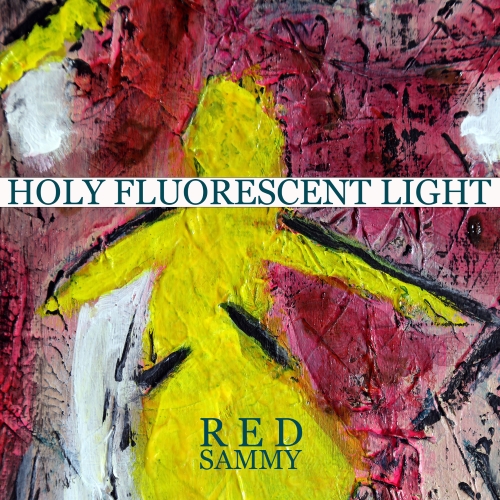
Album Review of Red Sammy: Holy Fluorescent Light

A year ago, I reviewed Red Sammy’s very cool single, “Some Days I Feel Crazy.” That song is track number two on Red Sammy‘s newest 8-song album, Holy Fluorescent Light, that dropped early this year. Founded by bandleader/singer/songwriter Adam Trice in 2007, this newest release in Red Sammy’s ten studio album. On this album, Trice (guitar, vocals) is joined by Bruce Elliott (guitar), Greg Humphreys (bass, backing vocals), and Kenneth Noble (drums, percussion).

image courtesy of Red Sammy

On Holy Fluorescent Light, Red Sammy delivers a variety of tempos and energy levels. Some of the songs on the disc are rattly and raucous, while others are more truly mellow. Regardless, though, the songs carry a laid-back vibe that runs through all of Red Sammy’s music, while the distinctive songwriting and Trice’s unique vocals further provide that inter-song link. Ah, those vocals. They’re a sort of mumbled warble with a folky drawl but a college alt-rock delivery; combined with the music, the resulting style might be described as Bob Dylan meets R.E.M. In any case, the whole album – beginning to end – is a cool listen. If not by the end of your first listen, then certainly within a few listens, you’ll be hooked on this jangly sound that I’m convinced must translate exceptionally to a live performance. Across a broad range of venues, in fact; it’s a style that’d be capable of entertaining audiences equally from the big stages of open-air festivals or in the cramped confines of college dive bars.

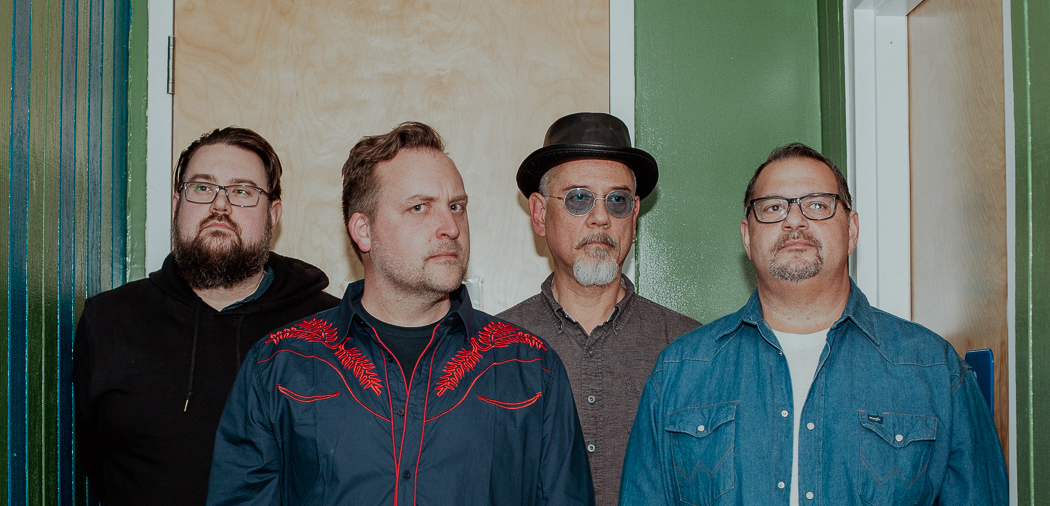
Red Sammy’s Adam Trice; photo courtesy of Red Sammy

The whole collection makes for a fun, cohesive listen, but I’ll point out a few of my personal favorites. Album-opener “Gettin’ It Over” chugs along moderately energetically, a great way to kick things off. It’s followed by the previously-reviewed single, the catchy, quirky Americana-rocker “Some Days I Feel Crazy.” And I’m kind of fond of the mellow, strumming growler “I Couldn’t Find a Way Home Last Night,” which Trice delivers as if he may have had a rough time last night and was truly unable to find a way home. But you, know, it’s all cool.

“Don’t Know What to Say” has a distinctive guitar line that connects with the Parrothead-ish vibe I mentioned in my review of the band’s single late last year. Meanwhile, album-ender “I Worry Sick About You” has a singalongable chorus – well, the line “I worry sick about you,” basically.

Beginning to end, Holy Fluorescent Light offers a cool listen of college rock-flavored Americana with fun, identifiably quirky songwriting and delivery. The album serves as a nice introduction to Red Sammy for new listeners or equally as a well-anticipated tenth studio album for longtime fans.

photo courtesy of Red Sammy

Looking Ahead

Be sure to check the “Upcoming Shows” page of Red Sammy’s website for concert dates. It looks like the band will be performing at the Apollo Civic Theatre in Martinsburg, WV on Saturday, February 22nd. Keep an eye out for additional shows as they’re added.

Album Review: Jaime Kyle – Wild One

photo courtesy of BJF Media

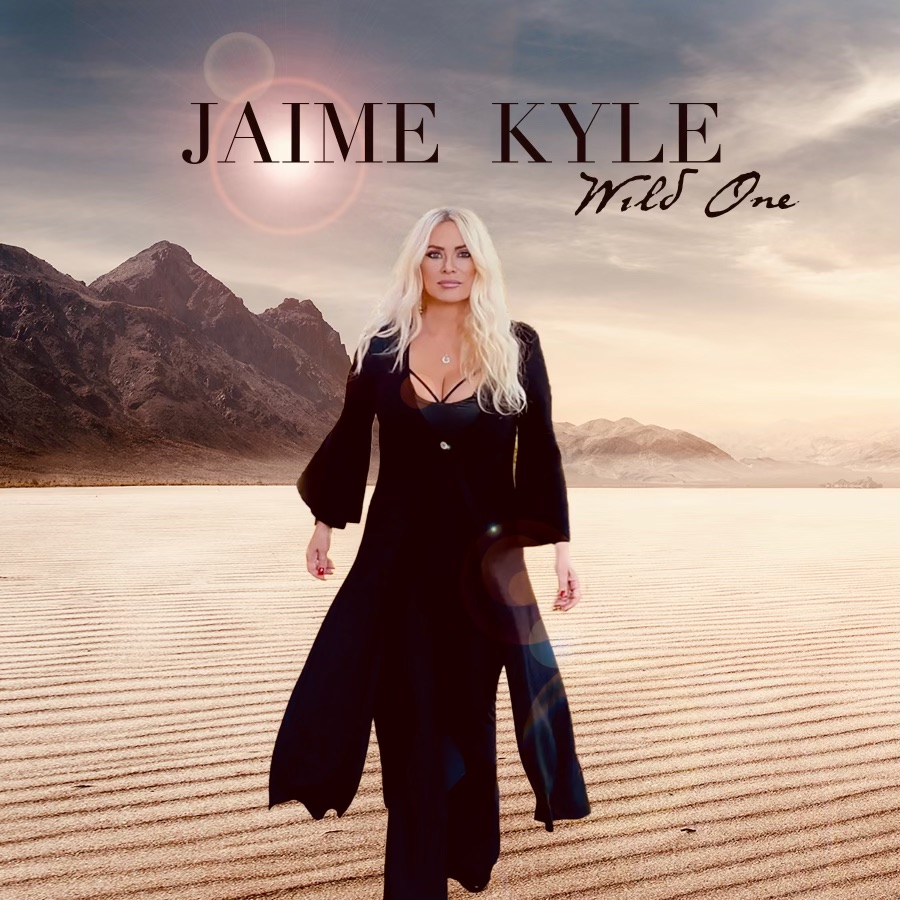
Album Review of Jaime Kyle: Wild One

Jaime Kyle is a talented rock ‘n roll singer-songwriter. Her songs have been covered by a variety of artists. In fact, this album’s title track, which Jaime co-wrote, was recorded 30 years ago by Faith Hill. Rest assured, when you listen to this album (if you’re not already familiar with Jaime), you’ll notice her chops are every bit as exceptional as her songwriting. (I mean, natch. I only review music I would recommend.) Wild One, the album, ranges from rollicking rockers to heartfelt ballads, playing to Jaime’s myriad vocal strengths, even hinting at country on one ballad; of course, she knows how to write for country, so that’s probably not much of a stretch for her.

image courtesy of BJF Media

Jaime roars out of the gates on this record with the title track, a full-throttle, anthemic rocker. Song number two “Driving with the Brakes On,” is only slightly less persistent, with a little more texture in the verses but no less energy in the chorus.

“Change” is kind of a Pat Benatar-ish softer rock number – one of those tracks with a not-quite-slow-enough-to-be-a-ballad tempo, but it’s definitely a slow song. It’s a song that requires an almost whispery soft-touch vocal as well as cutting vocal power, showcasing the versatility in Jaime’s chords. And it’s followed by “Blue Night,” a true ballad that hints at country. Or, at least, explores rock-country ballad territory a little.

photo courtesy of BJF Media

Next up, “Perfect Love” is a playful rock ‘n roll romp, an uncredited duet that excels in part due to the exceptional vocal interplay. “Lie,” meanwhile, is a song so full of spit and vinegar you’d might expect it to be covered by Miranda Lambert at some point.

The rest of the disc is equally a mix of slow songs and rockers; I’ll mention a few of my faves. “Not About Love” is the closest thing to a soaring torch song you’ll find on this disc. “Dirty Goodbye” is a mid-tempo rocker that feels as if it exceeds that medium energy level thanks to some well-placed, divine guitar riffs. And the disc closes playfully and fun with the upbeat, sunsplashed “Happy Town.”

For those who like big, open, catchy rock albums with a nice mix of rockers and ballads – and maybe the stray vocal or guitar riff that hints at country – you’ll dig Jaime Kyle’s Wild One.

Album Review: Jason Charles Miller – Cards on the Table

photo courtesy of BJF Media

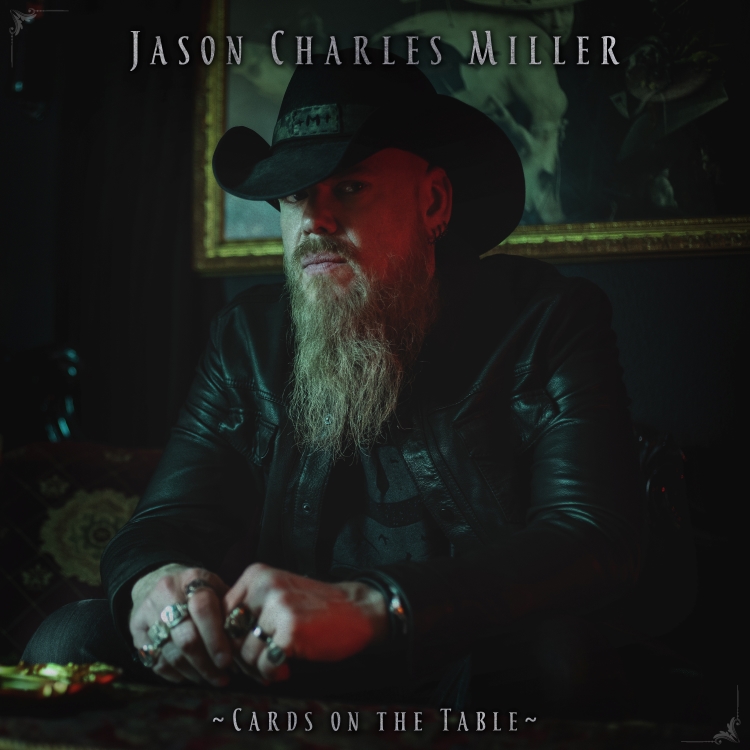
Album Review of Jason Charles Miller: Cards on the Table (Golden Robot Records)

Jason Charles Miller‘s eighth solo studio album, Cards on the Table, should be an instant classic. It’s hard-rocking, powerful, and catchy. On this disc, Jason combines the angry swamp rock intensity I’ve referenced when reviewing Kristian Montgomery and the Winterkill Band with the sidewinding hard rock power of bands like Love and a .38.

Cards on the Table hits hard from the very opening with kind-of-ominous power rocker “The River” and revs up the energy on persistent, hard-charging “Reckless.” Yet, Jason Charles Miller shows the ability to slow things down effortlessly, too, on the power rock ballad “Day After Day.”

Southern-flavored, explosive rocker “Losing My Way” – my recommendation for the second song to check out on this album, by the way – twists, twangs, and soars, all driven by an incessant straight-ahead rhythmic beat. The first song you should check out? Well, that’s “You’re About To,” a song so filled with attitude you’ll be screaming along with the lyric “If you don’t know by now, you’re about to!” before the end of your first listen.

image courtesy of BJF Media

As much as I love those two songs, though, the first single I’d have released from the album, if I were Miller’s label (and rock radio still ruled the airwaves) would be “Chasing the Sun” (featuring Austin Hanks). It has a twangy Southern rock flair, a sunshine-bright warmth, and some the way-too-cool opening lyrics: “I’m from one of those towns where you leave the windows down, truck’s unlocked outside your place, where the born-to-runs are gone by twenty-one, and the stick-arounds get stuck in their ways.” The perfect song for cruising down the highway with your windows down. And a lot of us grew up in “one of those towns.”

There’s really not a weak song in this collection – even though I’ve skipped a few in my review – but I’d be remiss in not finishing with a mention of the album-ender, Jason’s heartfelt, soft country-rock, by-now (because I’ve taken so long to review the album) critically-acclaimed (and rightfully so!) cover of Iron Maiden’s “Wasted Years.” It’s a mellow-rockin’ friggin’ work of art.

This is probably one of my favorite albums of the last few years. I’ve placed 8 of the 11 tracks on my phone, making them potential selections for my #PhoneOnShuffle playlist. (Twitter/X followers will be familiar with this, a recurring post I’m trying to occasionally feature on Threads too, for variety, though I’m still getting a lot more engagement with it on X. 1,600+ of my favorite songs on shuffle; the phone decides which ones I hear.) So yeah, I think this is a helluva record, and if you’re a rocker, too, I bet you’ll agree.

More Recently

Cards on the Table was a 2023 release. Jason has since released Knives in the Dark, which I’ve only just sampled a few songs from on Spotify. Seems like an excellent ninth release, so after you’ve checked out Cards on the Table (and after it’s become on of your all-time favorite albums), you can join me in looking forward to exploring Knives in the Dark.

Album Review: Zanov – Lost in the Future

photo courtesy of Zanov

Album Review of Zanov: Lost in the Future

Lost in the Future is French electronic music innovator Zanov‘s follow-up to his 2020 release Chaos Islands, which contributor Eric Harabadian reviewed here at the blog three years ago. A synth wizard since the 1970s, Zanov knows his way around a composition and delivers an enjoyable, engaging musical journey with Lost in the Future.

image courtesy of Zanov

As some of you may recall, I’ve discovered how useful it is to have instrumental music on my playlist, as I typically listen to my review queue while I work, and certain portions of my work lend themselves better to playing lyricless music while I work. Bland music is boring, but there’s a sweet spot instrumental collections can hit that make them well-suited for a brain-work soundtrack, with varied, interesting, engaging tempos, rhythms, and movements but without lots of attention-disrupting aural assaults. Lost in the Future hits such a sweet spot, with some of the interesting musical patterns perhaps even enhancing my ability to do quality analytical work.

Album opener “Quantum World” kicks things off with a little spacy energy before broadening the wall of sound and settling into a softly energetic mid-tempo progression whose insistent energy belies the song’s modest pace. It’s always a good call to start a record with a strong number, making “Quantum World” a wise introductory offering.

photo courtesy of Zanov

The following track, “Conscious Machines,” begins slow and sparse, gradually building in density and intensity before settling down again toward the end. For me, it’s an album track that sets up what follows.

What follows is “Brain to Brain,” which features a recurring sonic theme that becomes familiar and recognized with each additional listen. There’s a journey – from brain to brain, I suppose – as musical, synthesized synapses travel forth purposefully. I can’t quite tell if the song’s audio overtones are hopeful or foreboding; most likely, a little of both.

“Extended Life” opens with haunting, organic synthwork that reveals a meandering, exploratory musical canvas before reverting to its foreboding origins.

photo courtesy of Zanov

“Living With Robots” returns to the more tentative, explorative patterns from the middle of the preceding number, extending the musical theme into a richer, deeper sound throughout the track.

“Interstellar Travel” follows, initially with an echoing, church sanctuary-esque reverberation of the “Living With Robots” theme, then adding synth runs that seem to move through the composition, a movement that recalls and befits this song’s title.

The album closes with “Time Manipulation,” which pulls together the musical themes and sound sequences found elsewhere in Lost in the Future, providing a concise offramp for this well-crafted, synth-driven musical journey, reaching a moderately zippy tempo by its middle section, particularly when compared to the meandering nature of much of the rest of the collection.

In its entirety, Lost in the Future has, for the last several months, provided an enjoyable soundtrack to some of my analytical work. Now that I’ve written this review, I’m going to miss it. If your sector of the musical galaxy includes synth-driven instrumental music, Zanov’s Lost in the Future deserves a listen.