Single Review: The Dollyrots – “Attention Span”

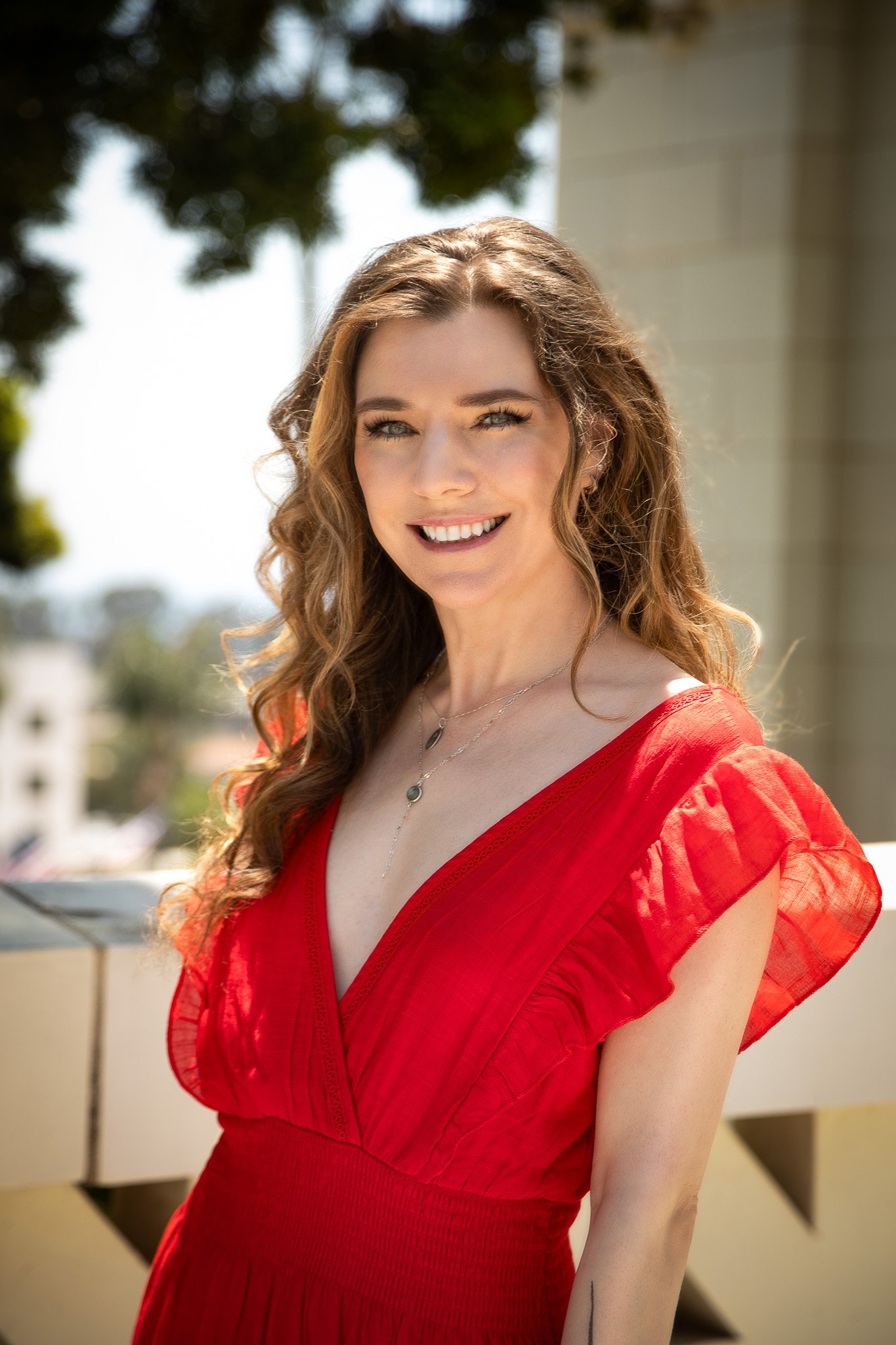
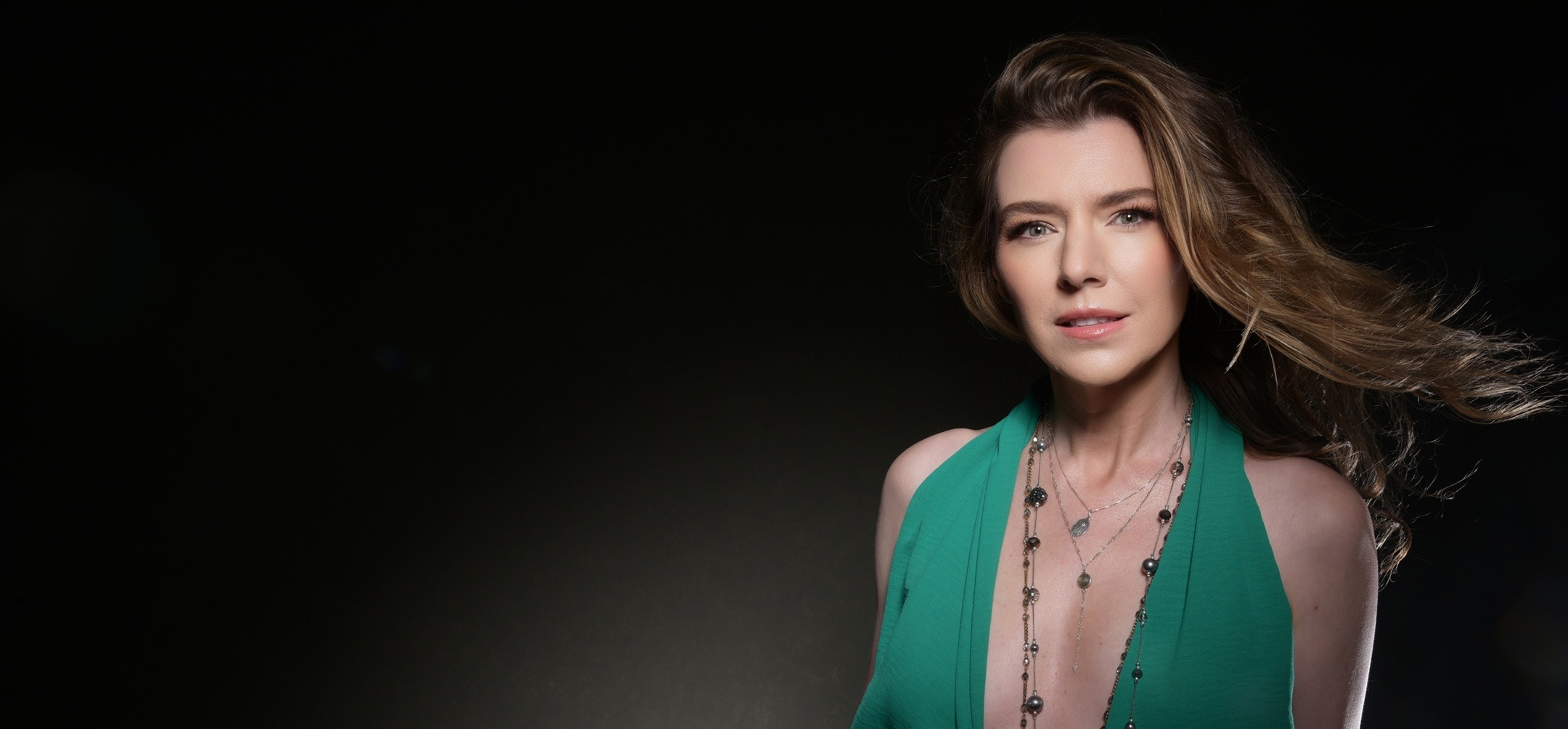
photo by Jen Rosenstein; photo courtesy of Earshot Media

Single Review of The Dollyrots: “Attention Span” (Wicked Cool Records)

The Dollyrots are the husband-wife duo of Kelly Ogden (bass, vocals) and Luis Cabezas (guitar), and I feel like the Dollyrots’ catchiness is well-known, even among those who haven’t heard their music before. But if that’s the case, well, the band’s new release “Attention Span” is a good place to start. It’s a fun, energetic song with the spirit of old-school punk, the hookiness of modern pop-punk, and an energetic joy that’ll appeal well beyond either of those categories of music fans. (The band itself, in its Instagram bio, refers to itself as a “bubblegum punk band,” and yeah, that sounds like a perfect description.)

image courtesy of Earshot Media

The sound itself is throwback. In fact, this seems like something Cher and her friends might listen to in Clueless. The movie, not the TV show. As if! The opening guitar riffs are raw and staticky, but once the song kicks in they’re crisper and tunefully crunchy, driving the song forward along with the rhythm section (with John Fields providing drums on this recording), both leaving enough soundspace to feature the vocals.

What does all that mean? It means that this is a catchy, fun song you’re likely to get into really quickly. Like, by the end of the first listen. Totally. But in all seriousness, this is a seriously fun song!


Album Review: Greg Nagy – Just a Little More Time

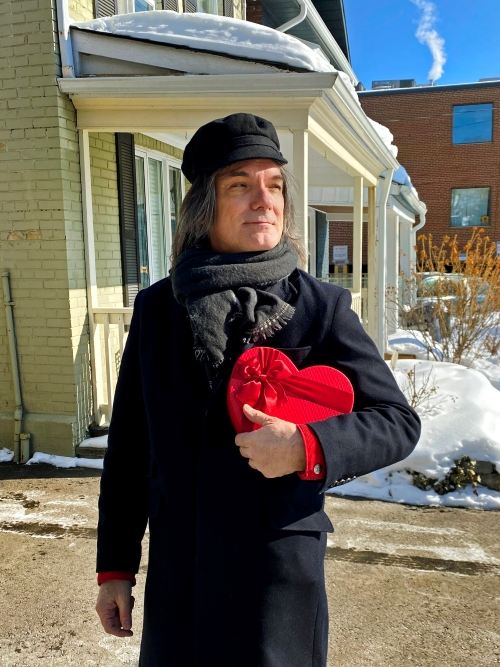
photo courtesy of Greg Nagy

Album Review of Greg Nagy: Just a Little More Time

One of Michigan’s elite bluesmen is back again with an extraordinary new album. Five originals, six covers, a style all his own, and one of the best, most versatile blues-based voices you’ll ever here – blues, soul, swing… the man can do it all. That’s Greg Nagy and his newest album, Just a Little More Time.

The album opens like a big, brash, live stage show, with its title track sauntering in full of horns, swagger, a little playfulness in the lead vocals, and a whole lot of playfulness in the instruments, plus some occasional but well-placed background vocals. “Just a Little More Time” gives a peek at Nagy’s range; it’s a Greg Nagy original, so it’s almost as if he knows how to write to his own full range. And by that I mean yes, that’s exactly how it is.

image courtesy of Greg Nagy

That’s followed by a full-on, hornsy rendition of Guitar Slim’s “It Hurts to Love Someone” before returning to another original, the smoothly instrumented “Breaking Me,” this time leaning on emphatic organ and nifty guitarwork to augment Nagy’s blues-meets-soul vocal style.

“Between the Darkness and the Light” draws upon some psychedelic, ’70s-styled, funky blues rock guitar and organ to serve up a slappin’, groovy, rhythmically mid-tempo arena-worthy number, replete with frantic, distorted rock fretwork that’d put lava lamp-era bands to shame.

How do you follow that? With a smooth “Love Letter,” of course. The cool, brassy slow song comes with a story (told here by Greg on Facebook), a big, sweeping song from the late Bobby Murray’s final 2021 album, Love Letters From Detroit. Michiganders will dig the reference to Woodward Avenue, if you haven’t heard the song before, as I hadn’t. Nagy serves up some of his biggest, boomingest vocals on this song, delivering all the power and emotion it deserves.

photo courtesy of Greg Nagy

Such big vocals, in fact, that they apparently couldn’t be followed, vocally anyway. The next track, “My Buddy,” is a playful, funky blues instrumental, with some well-placed keys and bass helping carry the load. It reminds me a bit of the instrumentals blues pianist Bob Malone slides into his albums, songs with so much character they don’t need vocals. Of course, “My Buddy” is guitar-driven, whereas Bob’s are piano-based. Regardless, “My Buddy” is a cool number and a good palate cleanser because it’s followed by… wait for it…

“Only Women Bleed.” Yes, Nagy takes on Alice Cooper’s decades-old hit ballad “Only Women Bleed.” You know, the original was awfully bluesy to begin with (as I confirmed by re-listening to it), so it wasn’t as big a rearrangement as you might initially think, but even so, Nagy makes it all his own. Powerfully, with his rich, textured vocals, combined with soft guitar strums and a rich organ keyboard sound, this performance will leave a lump in your throat.

If you thought an Alice Cooper cover would be the rockin’est song on the record, you’d be wrong. The peppy, rhythmic “Big City” – a Nagy original – brings that blues rock energy and even sports an almost progressive-meets-psychedelic guitar solo in the middle of the song. I mean, the song itself is not really more than medium-tempoed, and there’s not any real guitar shredding. It really has more of a laid-back rock-meets-blues style but with a strutting, big-city vibe. But its energy is pure rock ‘n roll.

photo courtesy of Greg Nagy

A cool, laid-back rendition of “Rainy Night in Georgia” follows, with organ and horn sounds as if straight outta the ’70s. It’s followed by – again, ’70s anyone? – the Grateful Dead’s “Sugaree.” Actually, no, technically it was from Jerry Garcia’s first solo album, and it was Garcia’s only-ever solo Billboard Hot 100 hit. In Nagy’s hands, it’s a smooth, hit-worthy, mid-tempo rockin’ blues tune.

The final song on this impeccably curated collection is a nearly ten minute long, full-on slow-motion blues jam cover of John Lee Hooker’s “I’m in the Mood for Love.” And that, my friends, is the way to close an album!

More Recently

Since the release of Just a Little More Time, Nagy has released a pair of covers, both slow-paced, bluesy Nagy-ized yet respectful renditions of a pair of classics. In April, he released a mellowly delivered rendition of “Georgia on My Mind.” Then, in mid-June, his cool cover of Bonnie Raitt’s “I Can’t Make You Love Me” dropped.

If you’re like me, every Greg Nagy release is a welcome new listen. So if you’re new to Greg Nagy’s music and like blues music at all, start with Just a Little More Time and then work both forward and backward to keep discovering one of Michigan’s best bluesmen.

Single Reviews: The Ringer Soundtrack – “In Real Time” and “Voicemail”

photo by Sean Hall @ PowerPro Media; photo courtesy of Knyvet

Single Reviews of The Ringer Soundtrack: “In Real Time” and “Voicemail”

Boston’s The Ringer Soundtrack has a sound that’s a blend of pop and alt-rock, and the two singles that have found their way to my inbox in the last year represent different ends of the band’s musical spectrum, from distorted heavy-sounding slow rock (“In Real Time”) to a lighter, poppier version of alt-rock (“Voicemail”).

image courtesy of Knyvet

The Ringer Soundtrack – Mick Coyne (vocals and piano), Brandon Forbes Dalrymple (guitars), and Ross Goodwin (bass) – serve up a modern sound that harkens back to the college rock bands of two or three decades ago, putting their personal spin on a style that’s both timeless and a little underrepresented sonically these days, offering the band a chance to claim its own slice of the modern music landscape… or pie, if I don’t want to mix metaphors.

As much as I stand by the sound comparison, the opening distortion field of “In Real Time” is most decidedly modern, its warped notes opening into a distorted guitar riff that dominates the sound field – the static field seeming impossibly almost visible – before vocals enter more than a minute in, serving up an alt-pop, broad audience appealing, almost radio-friendly tunefulness. The song remains widely accessible, leaning into its pop influence vocally and lyrically while refusing to discard its distorted sacrificial offering to the college guitar rock gods. You’ve heard all of these musical ingredients before, but there’s just something a little unique within the particular recipe of “In Real Time.”

image courtesy of Knyvet

“Voicemail,” meanwhile, deploys less thick (but by no means light) instrumentation and embraces a little more pop-rock bounciness in its music and neatly rhythmic lead vocal cadence. It’s still a little rough around the edges, giving that raw edge you’d expect from a college rock band, and despite the increased nod to pop-rock sensibilities when compared with “In Real Time,” Dalrymple’s guitar riffs are everpresent in “Voicemail,” with the guitar line’s nuances a little more evident thanks to the lack of distortion.

When you listen to both songs, “Voicemail” serves as a nice counterpoint to “In Real Time,” confirming that The Ringer Soundtrack has range, and that’s exactly what you want from a live band (or a long-form recording). It leaves you wanting more.

photo courtesy of The Ringer Soundtrack via Knyvet

More Recently

Speaking of wanting more, just a couple weeks ago, the band provided more with its release of “Signals.” I just gave it a quick listen, as opposed to “In Real Time” and “Voicemail,” which have been part of my review queue for a while now, but “Signals” leans back toward the distorted aura of “In Real Time,” though with its own nuances, obviously. After a quick listen, “Signals” just solidifies my opinion that, if you’re an alt-rock fan, The Ringer Soundtrack ought to be on your radar.

Single Review: Rocketsuit Rogue – “The Best Last Day on Earth”

image courtesy of Earshot Media

Single Review of Rocketsuit Rogue: “The Best Last Day on Earth”

Rocketsuit Rogue, led by former Zebrahead frontman Matty Lewis (songwriter, vocalist, guitarist), is set to release its debut album, Hello, Apocalypse!, on August 21st. “The Best Last Day on Earth” is the third (and most recent) single released in advance of the album.

The first two singles, “Our Last Parade” and “Home Sweet Home (Sweet Misery),” gave raucous, faster-than-typical pop-punk vibes, showing off some neatly blistering guitar riffs and intense vocals, with the former leaning a little more anarchic punky while the latter pegged the tunefulness harmony needle a little bit harder. When compared with the first two single releases, I think “The Best Last Day on Earth” has a much stronger chance to attract a massive crossover audience, appealing to fans spanning multiple rock ‘n roll subgenres.

photo courtesy of Earshot Media

“Best Last Day…” gets faster-paced in spots, but mostly it’s a mid-tempo, alt-rock number with radio-friendly tunefulness. The tone, tempo, and melodiousness all remind me of one of my favorite fun, uber-catchy, mid-speed rock bands, Best Not Broken. Right from the get-go, the guitar tone on “Best Last Day…” is warm and a little swoopy (by that I mean not slack but still a bit beachy), there’s some playfulness in the tempo, and the verses adeptly set up the “whoa-oh!” level-up to the power of the peppy chorus. Drum use, bent guitar lick as a transition, vocal breakdown in the late song lyrical bridge, faster tempo in the back half of the song to keep the energy up – it’s as if every hook-creating, crowd-appealing tactic has been thrown into a single song, and it all works.

So, yeah, if you like pop music, rock music, pop-punk, really anything with a guitar, you’ve gotta hear “The Best Last Day on Earth.” It may be the catchiest song you hear this year, and it might even become your song of the summer. You can thank me later.

Single Reviews: TELL – “Things to Do When It’s Dark” and “Hate Yourself in the Morning”

photo by Dan Saltzman; photo courtesy of Knyvet

Single Reviews of TELL: “Things to Do When It’s Dark” and “Hate Yourself in the Morning”

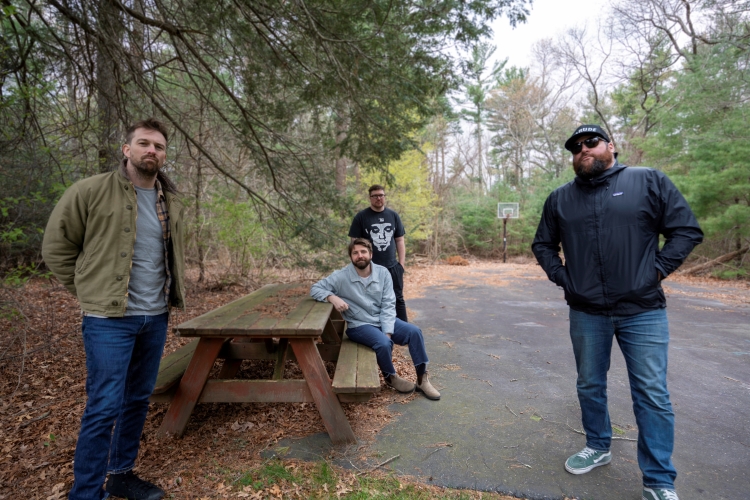
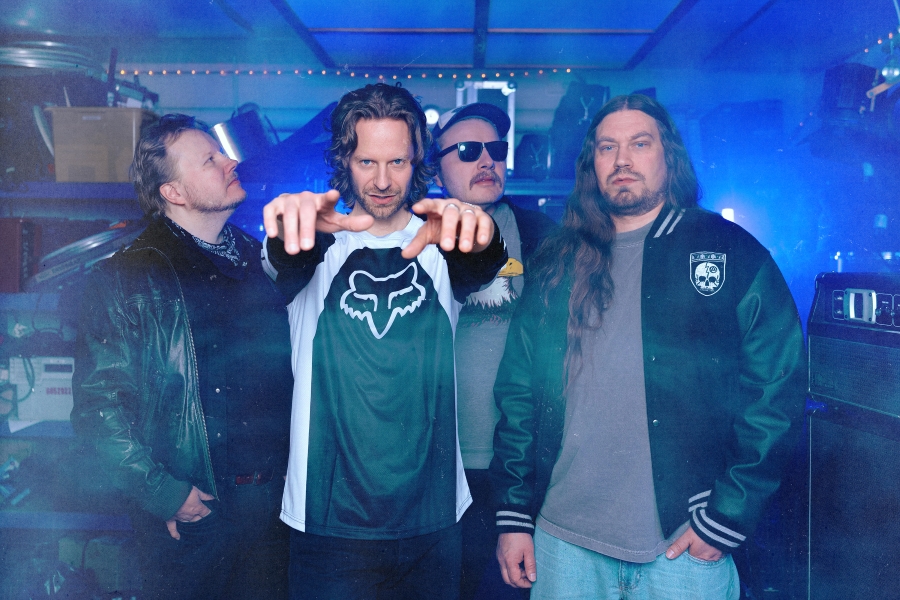
You’ve just gotta love this band’s rock ‘n roll sound. Well, I’m not gonna force you, but I sure do! TELL – Jim Foster (lead guitar, backing vocals), David Wildman (guitar, lead vocals, keyboards), Jason Raffi (bass), and Pat Crann (drums) – is an old-school, raucous-raising, rabble-rousing, raw, guitar-based, classic rock-friendly alt-rock band. “Things to Do When It’s Dark” and “Hate Yourself in the Morning” are the band’s most recent singles, its two releases since I reviewed a pair of TELL singles last summer.

cover designed by J. Kaliontzis; image courtesy of Knyvet

The first of these two new singles, “Things to Do When It’s Dark”, was released in November. The dissonance and haunting – or maybe haunted – musical overtones are representative of the song’s message, railing against ICE and, more broadly, the current threats to democracy. Yet there’s a little playfulness in the song, musically here and there in the bridges and verses and lyrically, from a caller ID “Scam Likely” reference that amuses me much more than it probably should to the word choices in more serious lines of lyrics, such as “can’t believe that anyone voted for these fucks.” Though it paints a grim picture early on, toward the end the song turns hopeful – “We’re holding our heads up high. They can’t stop our words and music. We’ve got our sense of what’s right, and we know how to use it” – and then finally defiant – “When it gets dark, we’ll make it ours, we’ll take back our country. When it gets dark, we’ll make it ours, we’ll take back democracy.” Indeed, songs of defiance in difficult times are not just a hallmark of folk singers. Rock bands like TELL enter the fray, too, with entries like “Things to Do When It’s Dark.”

Photo and design by Jay Raffi and edited by Joanne Kaliontzis; image courtesy of Knyvet

The band’s more recent release, “Hate Yourself in the Morning,” which was released just a week and a half ago, is less clearly directed at a particular topic. It’s a song of next-day regret, basically, which I suppose could be construed politically if played directly following “Things to Do When It’s Dark” or not at all politically when spun on its own. “Hate Yourself…” is rough-edged; it’s punk in production value but not in style. It’s really more accurately described a raw garage rock song. And wicked catchy. The opening guitar jangle is an initial enticement. The song’s tone, rhythm, and vocal and instrumental hooks are relentlessly cheerful, even if the lyrics are, shall we say, less so. You’ll sing along with the echo vocal “and when you see me” and with the “na, na na na” bridge vocals. It’s guitar-driven garage rock at its best.

While “Things to Do When It’s Dark” is an impressive, serious work, “Hate Yourself in the Morning,” by contrast, is a catchy earworm. Pairing the two singles in the same review seems a little odd, as the two songs are as different as night and… well, a totally different night. Regardless, if you like your guitar-driven alt-rock raw, well-constructed, and a bit playfully unpredictable, TELL and the band’s two latest singles need to be on your radar.

Album Review: Robert Ellis Orrall – Wonderland

photo courtesy of Knyvet

Album Review of Robert Ellis Orrall: Wonderland (Infinity Cat Recordings)

Robert Ellis Orrall is a talented singer-songwriter. He has penned singles for the likes of Carlene Carter, Shenandoah, Clay Walker, Taylor Swift, and Reba McEntire, has produced, has been an indie label head. He has also recorded and released his own music through the years. In fact, I was planning to review his previous album, Wrong Thing, but before it reached the top of my review queue, Wonderland dropped, so I slipped the new release into its place in the queue. They’re both damn fine discs, but I’m not reviewing two albums, so here’s my take on the newer one, Wonderland. And if you dig it, check out REO’s back catalog, for sure! No, not Speedwagon, dude – that’s Robert Ellis Orrall’s initials. You know, but also Speedwagon, too, sure. In fact, I’d dig seeing REO and REO on a double-bill.

As for the album, it’s a great rock ‘n roll singer-songwriter album. There are a couple outstanding records from the ’00s that have long filled this lane for me – Martin Briley’s 2006 release It Comes in Waves and John Waite’s 2004 release The Hard Way. And less than two months ago, I made the Briley comparison in my review of Robert Scheffler’s 2025 release Truce. Now, with Robert Ellis Orrall’s Wonderland, I have two new albums to pair with my old rock ‘n roll singer-songwriter favorites. Of course, it’s more than just that they’re rockin’ singer-songwriters – I’ve reviewed plenty of those without making this comparison. Rather, it’s this particular rock ‘n roll style. There’s a distinct soaring, heartfelt emotionally appealing edge to these songs. They seem very big-cityish – no, don’t ask me to explain that because I can’t. There’s a hint of that in some of Gavin DeGraw’s ’00s and ’10s releases, though DeGraw had a different flourish in his music. This particular big city-ness is also there in many Billy Joel’s songs, particularly his ’70s work. It’s just… well, it’s big-city rock ‘n roll singer-songwriter music!

image courtesy of Knyvet

Five years ago, Orrall reformed his old ’80s era band, the group that released several albums on RCA – Orrall (vocals, keyboards), Kook Lawry (guitars), Don Walden (bass), and David Stefanelli (drums and percussion). Since reforming, the band has released five albums, most recently Wonderland.

Orrall kicks off Wonderland with its title track. Soulful, pleading, soaring, “Wonderland” leads with its simple piano atop an orchestral soundbed. It’s almost Disney love story-ish in its styling, yet old-school adult contemporary radio-friendly, as well.

“Brand New Me,” next, opens with a soft rock guitar riff – right there cementing for me the Briley comparison – lifting itself into an an edgily soaring tune of self-discovery, regret, and reminiscence. This may very well be my favorite song on this record. Or not; depending on my mood, I can say that about several of the way-cool tracks in this collection. Probably usually one of my top two, at least, though.

“I’m Coming With You” adds a hint of Athens-era alt-rock in the guitar riffs, adding a new flavor – nifty original seasoning, at least – to this mid-tempo soft-rocker. It’s followed by “Carol Ann,” which borrows a bit from pop-friendly progressive rock (and also, sometimes, hints of the Beatles) in its musical phrasing; while the style is consistent with the rest of the disc, the nuances from song to song are likely to appeal to a slightly different subset of fans, meaning every song will be someone’s favorite. I’d bet any prog-leaning soft rocker is gonna especially dig “Carol Ann.”

photo courtesy of Knyvet

“I Disappear” is a classic guitar rock-style ballad in song structure, but with a softer touch than the songs typically categorized as such, leaning into softer vocals and instrumentation but effectively tugging at all the same emotions, and I mean that in the best possible way. So if you wish your power ballads had a little less power and a little more ballad, this one’s going to be a special new find for you.

“When Will You Love Me Again” is well-placed, as a soft ballad like “I Disappear” most definitely should be followed by an uptempo tune. The song topic, too, is in line with what you’d expect on Wonderland, particularly once you realize its long-form album title is Wonderland and More Unrequited Love Songs. Clearly, from the song title alone you can predict “When Will You Love Me Again” will fit into that category, and it doesn’t disappoint, with the persistently pleading vocals and the lyrics that, well, maybe let’s not look too closely at the lyrics lest they result in a restraining order.

“Underground,” at least, adds some perkier music, and in fact you’ll probably begin singing along with “So if you’re wondering where I am right now, I’ve gone underground. Bah, bah bah bah, bah. Bah, bah bah bah!” Truthfully, you’ll probably mostly just sing along with the “bah bah”s, but still, fun and catchy.

“Where Do We Go From Here” is another soft rocker with a somewhat stringy orchestral soundbed that’ll tug at your emotions, as will “I’m Only Me (When I’m With You).” This one’s a classic love ballad, supported even more orchestrally, rising and falling with the song’s moods. You may find this one incredibly romantic (or you may not, depending on how you interpret the lyrics, but I’ll let you decide for yourself because I don’t want to ruin it for you). But wow, it’s powerful!

And then the record closes with the second song that’s most likely to be my favorite. It’s “End Title Song.” Just as it sounds, it’s an ode to the end title songs of movies. It’s upbeat, uptempo, cheerful, and earnestly delivered, which is the only way a song as conceptually playful (silly?) as this one works. It’s a song worthy of Weird Al. If you consider that a supreme compliment, as I do, then you’ll love “End Title Song.” It’s also, cleverly, the final song on the record. Really, the sole departure from an album devoted almost exclusively to its subtitled topic, and exceptionally so.

If you dig heartfelt, singer-songwriter soft rock, with love songs (mostly of the unrequited variety) even a little bit, you’ll love this record.

Single Review: Figures on a Beach – “Play”

image courtesy of The Sound Cove via Knyvet

Single Review of Figures on a Beach: “Play” (The Sound Cove)

The backstory of this song’s release is a winding, interesting story of its own. The short version is that Figures on a Beach achieved some success on the synth-pop scene, released a pair of albums on Sire Records in the late ’80s, and recorded an EP worth of songs at Q Division in Boston in 1991. The band disbanded, and those songs never saw the light of day. Fast-forward 34 years, and Figures on a Beach’s Anthony Kaczynski played “Play” for The Sound Cove’s Garrett Vandermolen, who was blown away by it and wanted to release the long-lost earworm on The Sound Cove.

I’ve gotta agree. I supposed that’s why I called it an “earworm” rather than a song. It’s catchy as heck, with a fresh sound that belies the decades that have passed since its recording. With “Play,” it seems that Figures on a Beach may have found their big breakout song in 1991; unfortunately, it didn’t find its audience at the time. But if you like energetic, top 40 radio-friendly (when “top 40” was a thing) pop music that’ll remind you of some of your ’80s New Wave faves, give this one a listen. You’ll sing along with the “I, I, I…” and dance to the catchy rhythm.

As has always been true of the best songs of this genre, “Play” starts slow, with jangly synth and a rhythmic slow build, with the vocals mirroring the music in that sense. About a minute in, the song levels up a notch while continuing to build, as some of the vocal and musical bursts become more dynamic, all the while residing atop a consistently jangly beat. After a couple trips through verses and choruses, by late in the song you get a musical breakdown, a final more energetic verse and chorus, a late song near-musical dropout, with just a synth buzz, before one final explosion of music and vocals, concluded with a crash and quick fade-out.

So yeah, it’s not the most simple song structure, but it’s also pretty straightforward, and it’s structured, performed, and produced impeccably, resulting in one of the catchiest synth-pop songs you’ve likely heard in three decades; nevermind that it was recorded three and a half decades ago. It’s refreshing to have a new favorite in this style. And I know back when this was recorded, music fans used to listen well beyond their core favorite style (thanks, top 40 radio!), so I urge anyone of a certain age to check out what might become one of your favorite new “nostalgic” songs; and, if you’re younger than that, give it a listen, too. This is what catchy synth-pop is supposed to sound like!

Live Review: Danielle Miraglia and Bob Enik at Sanctuary

photo by Geoff Wilbur

Danielle Miraglia and Bob Enik

Sanctuary Bar & Lounge, Maynard, MA

July 2, 2026

Danielle Miraglia was back last evening for the latest installment her “Drinks with Friends” series of first-Thursday performances at Sanctuary. Joining Danielle on this particular evening was fellow Charles River Reprobate Bob Enik. (Longtime readers may have seen my “bonus coverage” of the Reprobates at the bottom of my Los Goutos live review back in 2018.)

As an aside, for those here in the far western suburbs, if you’re not yet familiar with Sanctuary, check ’em out. This is a venue that brings a lot of metro Boston’s top musicians out to the outer suburbs, giving us a chance to catch top local artists without having to travel to Boston or Cambridge. Of course, there aren’t many local artists as “top” as Danielle Miraglia, and the appreciative crowd knew that. This particular night was a rare double-header. Usually the Sanctuary hosts early evening no-cover bar shows, 5:30 on weekdays, followed by ticketed big-stage shows at 8:00. Well, last night the 8:00 performance was another no-cover bar gig, featuring one of Boston’s most decorated Americana acts, the Sado-Domestics. Now, I had other plans, so I couldn’t stay for the late show, but I did review one of their Sanctuary bar gigs earlier this year. Top-friggin’-notch!

Enough sidebar – I’ll get on with the review: It seems as if I’m always a few minutes late to a 5:30 show at Sanctuary, and yesterday was no exception. I walked in while Danielle and Bob were playing Danielle’s original “Glimmer of Gold.” There were plenty of Danielle Miraglia originals in the evening’s performance; as you might expect, that pleased me.

photo by Geoff Wilbur

Next up, the duo dove into a pair of Bob Dylan tunes. First, a nifty, bluesy performance of “Tonight I’ll Be Staying Here With You.” Then, a little more slappy (hey, it’s an acoustic guitar thing) and a bit livelier tempoed performance – one that also featured that trademark Danielle Miraglia vocal smirk – of “You’re Gonna Make Me Lonesome When You Go.” And, while Bob’s guitarwork was rarely conspicuous and his flourishes never out of place, this song included the ideal spot for a well-placed Enik guitar-pickin’ run.

A nifty spin through “Cry” (from Nothing Romantic) was a thumping offering well-suited for this duo format; it was followed by a soulful, wailing, laid-back cover of the Rolling Stones’ “You Got the Silver.”

Next up was the rhythmic, stompin’ “Stagger Lee.” It’s a great song for two guitars, allowing Bob to noodle a little while Danielle powered ahead, followed by the perky, amusing “You Can Love Yourself,” the Keb Mo tune that appeared on Danielle’s Bright Shining Stars record.

The tone changed a little with full-on funky rhythmic fave “Monster,” a song that’s sooooo cool, even if it is a little painfully too topical at the moment. The first set closed with “Home,” an absolute crowd pleaser that the audience always soaks in.

After a short break, the duo returned with a mishmashed combo of Prince’s “When You Were Mine” and the Stones’ “Shattered,” flowing back and forth between the two songs a couple of times, because of course leave it to Danielle Miraglia to find the proper interplay between two of her favorite artists.

“C.C. Rider” was a strong next choice, followed by a rendition of “All My Heroes Are Ghosts” that featured a slow, soulful lead-in, and a really slowed-down, achingly bluesy version of “Drive” that showed off Danielle’s vox.

A rollicking rendition of Big Mama Thornton’s “Hound Dog” followed before Danielle and Bob closed with Prince’s “Kiss,” serving up a dynamic cover, with notably cool flourishes from Enik’s guitar, as the duo kept the song funkin’ all the way ’til the end.


EP Review: Frank Viele – The Silo EP

image courtesy of Frank Viele

EP Review of Frank Viele: The Silo EP

Oh, my, that rich, gravelly voice! Frank Viele‘s ability to deliver a song earnestly and heartfelt-edly is a unique gift. A honed craft, sure. But a gift to the rest of us. His talent and dedication haven’t gone unnoticed, as he’s racked up numerous honors, including a plethora of New England Music Awards, including Artist of the Year in 2023, something you may have read about here at the Blog.

The Silo EP is Viele’s most recent long-form recording, containing a quintet of songs, each revealing a unique variation of his rich, warm, welcoming singing, songwriting, and performance style.

photo courtesy of Frank Viele

So if it’s such a welcoming style, then why does the first song on the EP sport such an ominous, foreboding opening? OK, I can’t explain that, but you’ve gotta admit, it’s really effective; the EP-opening title track “Silo” gets your attention quickly and pulls you in. The music is like something straight out of an old Italian Western, while Viele’s steady voice with the occasional hint of gravel absolutely holds your attention.

The mood lightens quickly; “We Can’t Have It All” starts with an upbeat strum. This song is very stylistically akin to a richly-instrumented folk number, as Viele’s expressive, seemingly knowing delivery serves up the its message matter-of-factly. And that twangy guitar line that wafts through the verses? It’s not a hook exactly, but it adds richness and vibrance to the song, adding a sense of intentional direction, as well.

“Better Late Than Too Soon” is lightly instrumented and a bit lower tempo than “We Can’t Have It All.” There’s something about the arrangement and Viele’s delivery that brings to mind that this is what Bruce Springsteen might sound like if he went so fully acoustic on such a heartfelt song. At least, it’s reminiscent of that. The earnestness, the grainy emotional edge to the vocals, and the real-life, emotionally connecting message. Whew!

photo by Lisa Sanchez Gonzalez; photo courtesy of Skye Media

But don’t expend all of your “whew!” just yet. If possible, Viele dials it up a notch on “She Sleeps Better in the Rain,” with light instrumentation again offering the opportunity to underscore the gravity of his vocals, as well as providing an easy canvas upon which even modest increases in the fullness and volume of the instrumentation can add additional weight to the song’s tone and message. Very cool!

Finally, Viele closes the EP with the disc’s only non-original, digging deep to find enough heartfelt vocal gravelliness to do justice to a song originated by one of my favorite old-school rockers, and not just because of my allegiance to the mitten state. Viele’s performance of Bob Seger’s “Against the Wind” is guided on a lightly strummed guitar and a more hushed vocal delivery. This acoustic performance of “Against the Wind” sometimes gives me chills, it’s so cool.

Though it’s a short five songs, Frank Viele’s The Silo EP feels like an exceptional, top-shelf record. It’s an album – er, EP – that carries gravitas, a collection that conveys its weightiness to its recording artist. First-time listeners will not be at all surprised that this singer-songwriter has won awards; the question they’ll ask is why Frank Viele isn’t even more widely known. I know Frank’s working on it. In the meantime, he’s served up some damn fine music for those of us “in the know” to enjoy.

Single Review: Dwayne Haggins & John Galle – “Crazy (Live from the Gold Hill Store 2025)”

photo by Dustin Martin; cover image courtesy of Dwayne Haggins

Single Review of Dwayne Haggins & John Galle: “Crazy (Live from the Gold Hill Store 2025)”

This Patsy Cline hit, penned by Willie Nelson, as Dwayne Haggins points out in the song’s intro, is a classic. This rendition, recording more than 60 years after the Cline’s 1962 release, most absolutely does it justice.

Stylistically, the pair put their own spin on the tune while remaining true to it in spirit. John Galle‘s fiddling is light and playful, while Haggins’ voice covers plenty of real estate. A versatile local Americana favorite here in the northeast, Haggins takes a light touch to the vocals, playfully dancing about the melody, hitting an impressive high note or two, and honoring the song’s spirit throughout. For fans of the genre – or fans of Patsy’s version of this classic – this is a rendition you’re likely to welcome into your collections and into your homes.

The location where this song was recorded, the Gold Hill Store is a venue in Boulder, Colorado. Haggins, meanwhile, tours widely throughout the northeast and sometimes, obviously, beyond. The “Shows” page of his website lists a plethora of upcoming shows across New England and New York, plus a few dates much farther west, including September 11 and 12 appearances at the Gold Hill Store in Boulder where this single was recording. Meanwhile, you can remain abreast of what Galle is up to by following his Instagram account.