
EP Review: Derek Smith and the Cosmic Vultures – Songs from the Plastic Ballroom

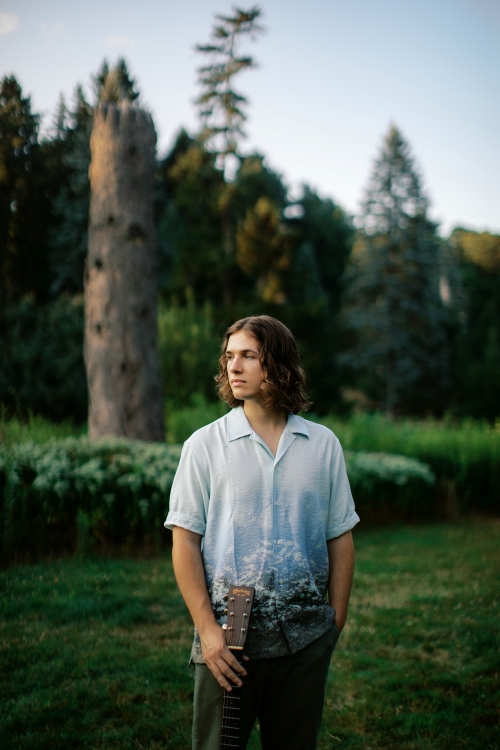
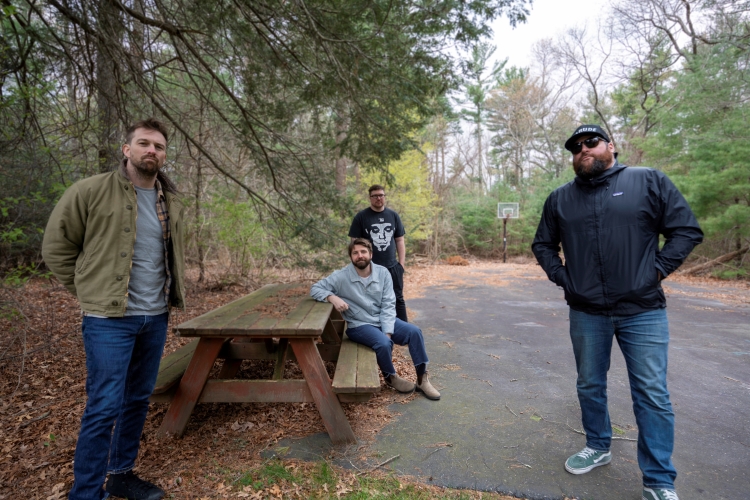
photo by Gia Smith; cover design by Derek Smith; image courtesy of Knyvet

EP Review of Derek Smith and the Cosmic Vultures: Songs from the Plastic Ballroom

I always feel like Derek Smith and the Cosmic Vultures are throwing me back to the ’70s, to the golden age of radio-friendly, soft album oriented rock. The four songs on this latest all-new collection live in that same universe – throwback, moderately progressive, exceptionally accessible rock from a time gone by, though not exactly, as there are elements in the music that flag it as more modern, whether rhythms more likely to be found in modern music or simply a modern angle in the production. Regardless, this is yet another collection of well-written songs steeped in an earlier rock era. As for that well-written bit, indeed, Derek Smith‘s songwriting talent has garnered notice, most recently with a Songwriter of the Year nomination from the New England Music Awards.

First track “Rolling Over” is a song whose straightforward rock approach is mostly unwavering, while its steady, uncomplicated beats and regimented vocal pattern are augmented by full-on background harmonies and something about the vocal delivery that makes me, personally at least, picture a character who sings out of one side of his mouth. You know, like in the cartoons.

“I Don’t Wanna See You Cry” leans even harder into that ’70s sound, so much so that the high vocals and psychedelic musical elements will have you exclaiming, “Man, that’s groovy!” Yes, it is. The song features soft-touch phrasing and just enough instrumentation to fill in the gaps yet make it feel like the soundbed is full-on and rich. What a cool arrangement! And an era-appropriate quick fade.

“Astral Days” is the “put-your-hands-up and dance” song on this EP. It meanders a little, like any progressive classic rock number. Yeah, I know, “progressive” at under 3 minutes? That really is cutting edge! But Smith packs a lot into this short track. Again, like a period piece from album rock’s heyday, it’ll transport you back in time. To a carnival, perhaps, given the circus-esque musical style that periodically invades this tune. It’s really cool, never really settles into a groove, and as a listener, you won’t mind one bit. You’ll almost certainly sing along each time Smith sings “and all the people say” with “ohh, ohh, ohh, ohh.” Oh, yeah, such fun!

“Surreal World” opens with a reference to “the sarcasm store”? [snort-laugh] Love it! Truly a surreal world. This song actually reminds me of something the Beatles might have attempted in their more experimental, adventurous numbers. The chorus sways nicely, serving as a central focal point upon which Smith can riff musically, as he does occasionally, but it returns to center often enough for the song to sound cohesive, and the fade out at the end is a nice way to bring this 4-song collection to a close.

For those who haven’t heard Smith’s music before, this is a nice sampler-caliber introduction to a songwriter whose creativity you’ll come to value, whose future releases you’ll look forward to. And, of course, whose music you’ll enjoy listening to, preferably long-form, with headphones on, in a single sitting. For a suitably long sitting, you’d need to pair Songs from the Plastic Ballroom with other Smith releases or play it on repeat, unless you consider not quite a dozen minutes to be a suitably long way to enjoy classic, ’70s-inspired album-oriented rock. But you get the point.
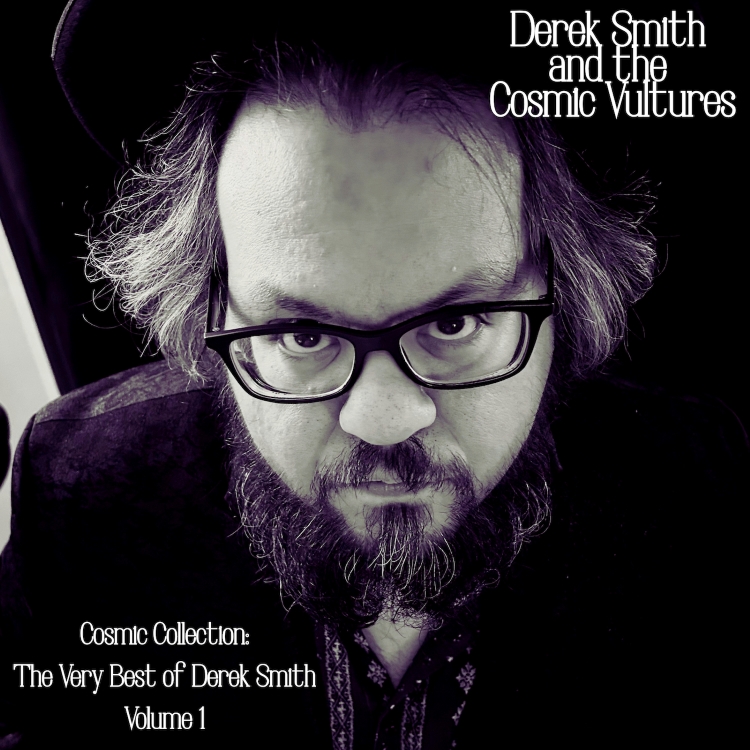
photo by Gia Smith; cover design by Derek Smith; image courtesy of Knyvet

More Recently

I said Songs from the Plastic Ballroom was Derek’s latest all-new collection? Yes, but it’s not his most release release. That honor goes to Cosmic Collection: The Very Best of Derek Smith Volume 1, a 33-minute record (hey, that solves the problem of what to play back-to-back with …Plastic Ballroom!) that contains 10 songs from Smith’s prior work. The Very Best album includes “White Spade Symphony,” a truly inspired, incredible song I reviewed nearly two years ago, “The Puppets of Hypocrisy,” from Temporary Circus: Act 1, which Eric Harabadian reviewed here at the blog nearly a year and a half ago, and eight more songs from Smith’s past releases, starting with the very cool, atmospherically emotional Southern blues-rock-influenced “Black Angel,” which… well, I’m not going to write a whole other album review right here under the “More Recently” subheader. Cosmic Collection is a record you’ll just have to discover on your own. (And you should!)


EP Review: Satch Kerans Band – Gotta Be Better

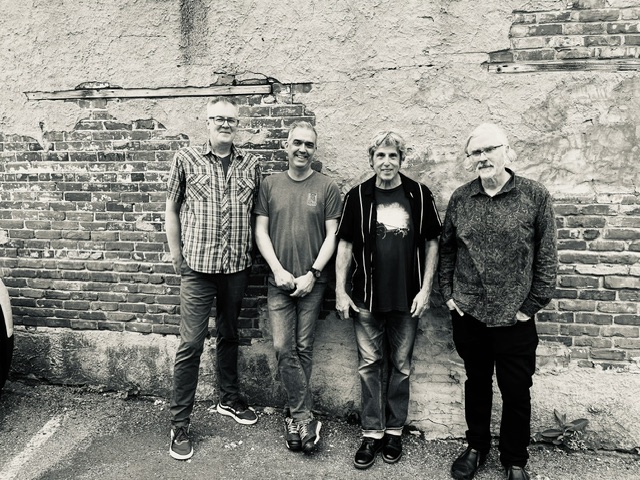
photo courtesy of Satch Kerans

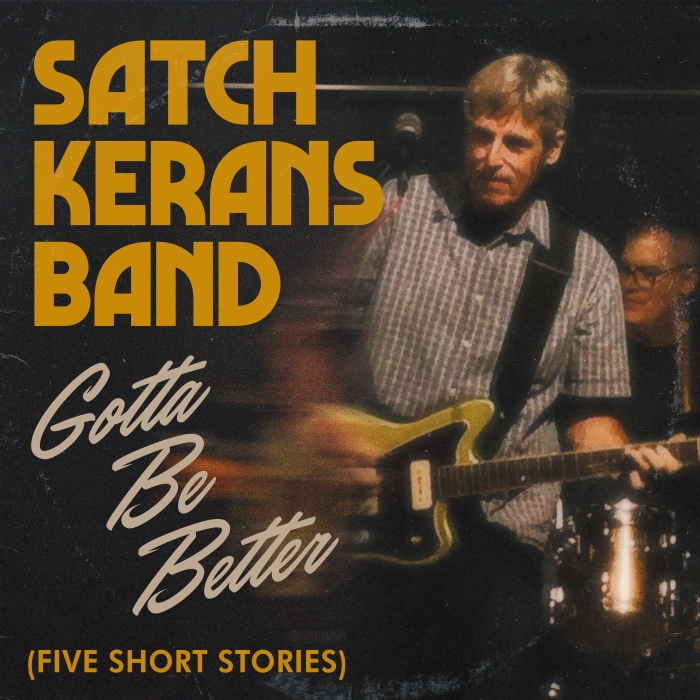
EP Review of Satch Kerans Band: Gotta Be Better (Five Short Stories)

Now this is rock and roll! Catchy, full of hooks, a little garagey at times, mixing in some blues influenced from time to time, as well as classic, punk, and mainstream rock threads. The Satch Kerans Band brings some cool rock ‘n roll variety on Gotta Be Better, wrapped up in a cohesive, trademark sound. It’s an engaging sound, one that earned the band a Rock Act of the Year nomination from the New England Music Awards this year.

The band members on this record are Satch Kerans (vocals, guitar), George Hall (lead guitar, backup vocals), Jamie Griffith (bass), Roger Brockelbank (drums), and Brad Hallen (bass on “Those Lies”).

The first of the EP’s five songs, the title track “Gotta Get Better,” kicks off with a grainy, catchy guitar riff, an auspicious start. And the song doesn’t disappoint. You almost wonder if it’s gonna go rockabilly early on, but then the vocals kick in, and it’s broad-appeal yet a little raw. There’s a recurring guitar twang and vocal cadence from time to time that remind me of Sheryl Crow’s “All I Wanna Do,” but not exactly. More like the timeless rock ‘n roll Crow’s song reminds me of, more old-fashioned rock ‘n roll than anything specific. From a pure catchiness perspective, this is my favorite song on the record. But not by much, as there’s no weak link among the quintet of songs.

image courtesy of Satch Kerans

Track two, “Do Ya,” leans into jangly guitar and a steadily progressive pace, but the guitarwork adds just enough of a hook to hold your attention. If there’s a band this recalls for me, it’s classic rockers The Doughboys, who I reviewed here at the blog a few years ago. I also dig the reference to Willie Nile, a New York icon I reviewed just last year, though “Do Ya” references his hairstyle, not his music.

While “Gotta Be Better” is probably my favorite song on this EP from a purely musical standpoint, “Helen of Troy (NY)” is probably my favorite song overall, music and lyrics combined. In its case, “Helen of Troy (NY)” features lyrics as clever as the guitar line that meanders among them.

Penultimate track “Those Lies” is a straightforward, hooky garage rocker. After it, the EP is closed by “Wearing His Pain,” a hoarsely sung, more matter-of-fact than pleading rocker, its straightforward modest-tempo rock approach – what you might expect from a lyric-driven folk rock number – supplemented by harmony vocals and a guitar riff following the chorus that almost sound like its crying, in line with the lyrics.

It’s a nifty five-song collection, a great introduction to a versatile old-school rock band, the engaging Satch Kerans Band.

Looking Ahead

Boston-area rock fans can catch the Satch Kerans Band next week – and this is definitely a band whose sound will translate well to a live performance! – at the Square Root in Roslindale on November 19th.

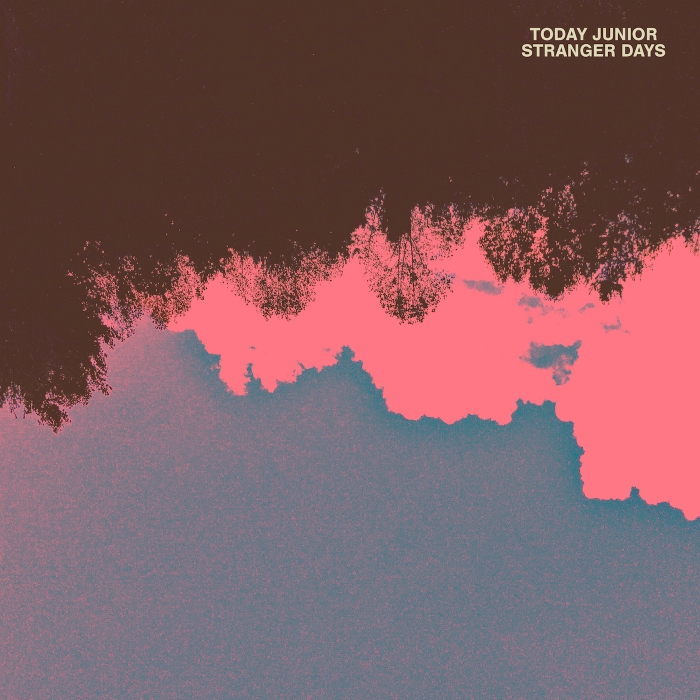
Album Review: Today Junior – Stranger Days

photo by Jonathan Hislop Photography; photo courtesy of Knyvet

Album Review of Today Junior: Stranger Days

One of the advantages of a long review queue is that, after I decide to add an album to the queue, it’s often weeks later that I first really dig into the record’s sound. The advantage is that it’s weeks or more since I last read anything about the music – even the subject line of the e-mail – so my description really is my impression of the record. In this case, I decided Today’s Junior‘s sound might be best-described as “laid-back surf pop-punk.” Curious, I checked out the band’s press release, and it refers to Today Junior as “indie fuzz-punk surf-rock.” I like that, too. It adds language that captures the band’s low-fi alt-rock production and the kind of fuzzy veneer on the guitarwork that I hadn’t quite captured in my quick descriptor. When you listen to Today Junior’s new album Stranger Days, you’ll hear a sound that encompasses both of those descriptive phrases.

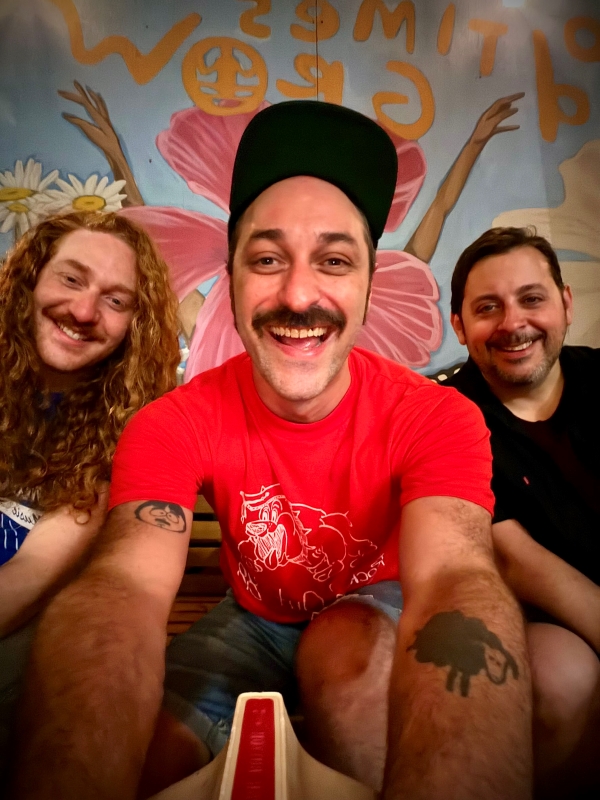
Boston-based Today Junior is comprised of Harry O’Toole (guitar, lead vocals), Mike O’Toole (drums, percussion, backing vocals, harmonies), and Jonathan Hislop (bass, backing vocals). And Stranger Days is the band’s first full-length album since its self-titled 2023 release.

artwork by Harry O’Toole; image courtesy of Knyvet

The album Stranger Days is a fun full-length listen, as it contains a sound you can just melt into, easily missing the fact that you’ve just misplaced 37 minutes of your life to a single groovy style. The sound is comprised of jammin’ guitarwork, steadily thumping drums, and a kind of soft-touch vocal that’s probably the one element I wouldn’t say is really very much pop-punk. Rather, it’s got a laid-back surf feeling, as does some of the guitarwork, when it’s not jamming. Combined, the song has a sort of sunny twang, though with a noisy buzz befitting low-fi alt-rock.

While the album is permeated by a relatively steady groove, and many of the songs are relatively unassuming – pleasant and enjoyable but unassuming – a few tracks are notably attention-grabbing. One of those is the very first song, “If You Want To.” I absolutely suggest putting a catchy song first, particularly one that delivers a fun energy from the get-go, and the swirling guitar at the beginning of “If You Want To” is ideal in that regard. The song is a moderately high energy number with a cool guitar part and the repeated, eminently singalongable line: “If you want to, we could let go. Just hold my hand. Baby, let’s go.” Yes, you’ll be singing along by the end of the song. And in a live setting, the joint will be buzzing with energy. It’s not the only time on the disc Today Junior gets this energetic – they are a punk band, after all – but it’s at the peppier end of the songs on this record.

photo by Jonathan Hislop Photography; photo courtesy of Knyvet

“Werewolves of Boston” and “Keep On Pushing Me” are a couple of the other peppier songs on the record, though not quite as energetic as “If You Want To.” Maybe in spots, but not overall. “From the Sun” also clocks in with a moderately strong energy level, with the very surf-rock opening providing the first hint; indeed, the rhythm section keeps things pretty uptempo throughout, and there’s a cool lyric “ah-oo-ah-oo-ooh” that’s a fun singalong, though I tend to start howling when I sing along sometimes; the song doesn’t, but I do because it’s just plain fun. At least it’s in the spirit of the song.

Much of the rest of the album is a little more laid-back. And that’s a cool thing. There are some clever guitar sounds in “Wide Awake” worth listening for. “Coastlines” provides a pleasant road trip flavor – and lyrics like “let’s ride to the coast” help that feeling; combined with some interesting strumming and picking pattern, this is a song I’d pick as a favorite among the relaxed numbers.

And finally it’s worth calling out title track “Stranger Days,” which offers a little different feel, softly lilting harmonies, offering the sort of variety that’s an important component of an enjoyable full-album listen. And it’s a cool number that hints a little at psychedelic rock while offering a softer energy, likely to make it the favorite Today Junior song among one subsegment of the band’s fan base.

Beginning to end, the ten songs on Today Junior’s Stranger Days are a fun listen. And for alt-rock fans, soft-touch poppy punk fans, and those looking for a stylish long-form listen, I wholeheartedly recommend checking out this Today Junior album.

Looking Ahead

Today Junior earned a New England Music Awards nomination in the Punk Rock Act of the Year category. Winners will be announced on November 15th.

You can catch Today Junior live on Saturday, November 28th at Deep Cuts in Medford, MA. They’ll be part of a 4-band bill with K.C.U.F., Unseemlier, and Grub Lord.


EP Review: Baxter Hall – The Work

photo by Adriana Arguijo Gutierrez; photo courtesy of Knyvet

EP Review of Baxter Hall: The Work

Baxter Hall has the tools to be one of those transcendent artists whose appeal goes well beyond his genre. That genre, at least on The Work, is acoustic-ish singer-songwriter. The arrangement leans folk, but not in the exclusionary way that term can sometimes mean. And that’s because there’s some nifty pop-rock singer-songwriter feel to these songs, too, landing the Americana descriptor for his music sometimes, too. On The Work, Hall keeps it simple, but that simplicity belies the richness of the EP’s production. So, too, could I see more elaborate arrangements taking Hall’s songs in multiple directions, though again, the arrangements are more complicated than they seem at first glance. Regardless, this is a helluvan introduction to Hall. It’s going to be exciting to see where he takes his skills next. I’d say his career ceiling is atmospheric, in the company of soft-touch broad-appeal singer-songwriters like John Mayer, Jason Mraz, or Andy Grammer. Superstardom notwithstanding, a less-spectacular but steady career with longevity in the folk-rock world would be another great possible result for Hall.

EP artwork by Baxter Hall, Bella Lepore Hall and Alandra Hall; image courtesy of Knyvet

For now, though, let’s focus on The Work. Herein Hall has presented us with a rich, engaging, peppy, acoustic-leaning record with a lot more variety than you’ll probably initially expect if you’ve only heard a single song.

“You Were the One” opens the EP with a sunshiny pleasantness, musically anyway. I know there are two sides to every story, but as the first-person voice in the song, Hall makes his convincingly. Based on the lyrics, this song should be heavy and a little resentful, but the healthy mental approach in the lyrics is matched by the song’s cheery tunefulness, replete with nifty little playful guitar riffs right out of the textbook for ’70s light pop singer-songwriter radio hits. I think Jim Croce would be proud of this one.

photo by Adriana Arguijo Gutierrez; photo courtesy of Knyvet

The EP’s pre-release single, “The Work,” opens with a more finger-picking guitar style before thumping strumming takes over, as the guitar and vocal volumes both pick up. It’s an insightful song with cool lyrics like “despite what you’ve heard, not all hurt people make people hurt.” The lyrics are the sort that suggest the songwriter knows a thing or two about family therapy and the theories underpinning it. And the song builds into a rich, booming, catchy pop-rock-folk number.

Song three of four, “Tricks” is an enjoyable swayer with a nifty guitar pattern, a bouncing rhythm, and a coolly subtle musical surge to power to emphasize the chorus. This track also sports a nice lyrical repeat for the last minute that’ll get listeners singing along. And a fadeout. You know how you don’t hear song fadeouts anymore? Well, now they sound fresh again, and that lyrical repeat to fadeout is exactly the right way to engineer one – Hall knows what he’s doing.

Finally, “Way Too Easy” is a playful, energetic, cheerful song calling out a narcissist in no uncertain words. It’s a fun romp that leads to the payoff chorus line of “You made walkin’ away way too easy.” And the guitar riffs – the buzzy little playful one that mingles with the lyrics and the more energetic one that provides emphasis in key spots here and there – may not be as easily noticeable behind Hall’s engaging vocal style, but they’re what makes this song special.

I can’t tell you which of the songs I prefer most. I think choosing “The Work” for the first single was the right move, as it’s the most powerful. For the second single, I’m torn between “You Were the One” and “Way Too Easy,” probably leaning toward “Way Too Easy” because “You Were the One” is a little more laid back and might play well as a third single. Finally, “Tricks” will be a favorite among some, but I think that’ll be a more selective subset of listeners. Then again, what do I know? That swirling lyrical repeat is really cool, so maybe that’ll be the biggest hit.

Four killer songs on a four-song EP is a good problem to have. And, of course, for the listener, it’s not a problem; rather it’s a delight. Folk, pop, singer-songwriter, hooky soft rock… if you’re a fan of any of those styles of music, I heartily recommend Baxter Hall’s The Work.

Additional Notes

Baxter Hall was nominated for two Boston Music Awards this year. He is up for an award in the Singer/Songwriter of the Year category, and his single “The Work” has been nominated for Song of the Year. He’ll find out if he won during the BMAs’ December 16th ceremony.

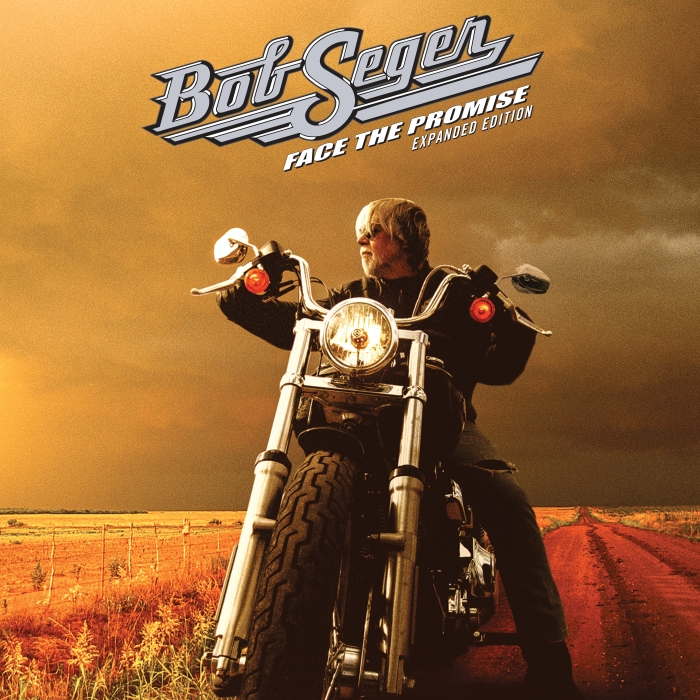
Album Review: Bob Seger – Face the Promise (Expanded Edition)

photo by Clay Patrick McBridge; photo courtesy of UMe

Album Review of Bob Seger: Face the Promise (Expanded Edition) (Capitol/UMe)

20 years ago, I had recently stepped away from music journalism – and new music discovery in general – so I missed the release of Bob Seger‘s Face the Promise. It was a strong album for Seger, debuting at number four on the Billboard 200 chart and achieving RIAA platinum certification in just three months. Flash forward, and recently, in September, Capitol/UMe celebrated the album’s 20th anniversary with a 16-song “expanded edition,” featuring three previously unreleased songs and one track that had been an exclusive-to-iTunes bonus track, “Red Eye to Memphis.” Audiophiles will also appreciate that this release is also the album’s first-ever 2 LP vinyl release. And more than just a straight rerelease, even the original dozen tracks on this edition of Face the Promise were newly remastered by longtime Seger mastering engineer Robert Vosgien.

Since none of the songs on this record broke significantly into mainstream consciousness – clearly just a sign of the times, since this is a kickass, trademark Bob Seger-style rock album – discovering this music now has been a treat for me. (I’d have said “spoiler alert” but you know I only review music I like, that I think you’ll want to and need to hear.) You know how I frequently say “If you haven’t heard it, it’s new to you!”? Well, Face the Promise is new to me, and I’ve been having so much fun getting to know this “new” Bob Seger album! I’m sure you’ll feel the same way if it’s new to you.

image courtesy of UMe

The record kicks off with crunchy guitar riffs, opening a classic Seger-styled rocker, “Wreck This Heart.” It’s an uptempo number, with a big in-your-face beat a la “Like a Rock” but with a faster tempo, cool background vocals punching up some key spots in the song – any Detroiter would appreciate that Motown backing vocals staple – and a very Seger-esque everyday working man’s viewpoint in the lyrics. At the time, this was Seger’s first release since the last Bob Seger & the Silver Bullet Band release more than a decade earlier, and this song, I’m sure, put a lot of his fans’ concerns to rest, acknowledging that this was still Seger doing exactly what we love about him, just with the little tweaks and musical growth that make new music worth hearing and, of course, that are the whole point of creating something new for the artist himself.

What about a Seger ballad? Well, that’s song two, “Wait For Me.” Talk about goosebump-inducing! Seger delivers that smooth voice and adds soaring guitar runs and well-placed harmony background vocals, as pianowork and guitar strumming form the song’s basis. Two songs in, and just whew! What a record! (I can’t believe I was totally out of the loop on new music in 2006 and missed this!) Of Face the Promise‘s singles, “Wait For Me” was the only one to chart, though not on the Billboard Hot 100. Rather, it reached number 17 on Billboard‘s Adult Contemporary chart.

The record doesn’t slow down for long. A funky blues bassline supports title track, “Face the Promise,” a concert-ready rocker that includes shout-outs to several states, regions, and cities. You just know one of those locations would be replaced in a live concert with someplace local – crowds love when artists do this, obviously. In any case, this is a third slightly different variation of Seger’s identifiable style in the first three songs, all absolutely top-shelf. As an aside, one of the cool things here for locals (I mean here in Massachusetts, where I live, not in Michigan where I grew up) will be the Massachusetts call-out, a mention of Framingham, pronounced correctly. Just something for my adopted home state’s locals to listen for. Regardless of whether or not you connect with one of the regional mentions, the hypnotic, sidewinding rhythm of “Face the Promise” is going to snag you and make this song a fast favorite.

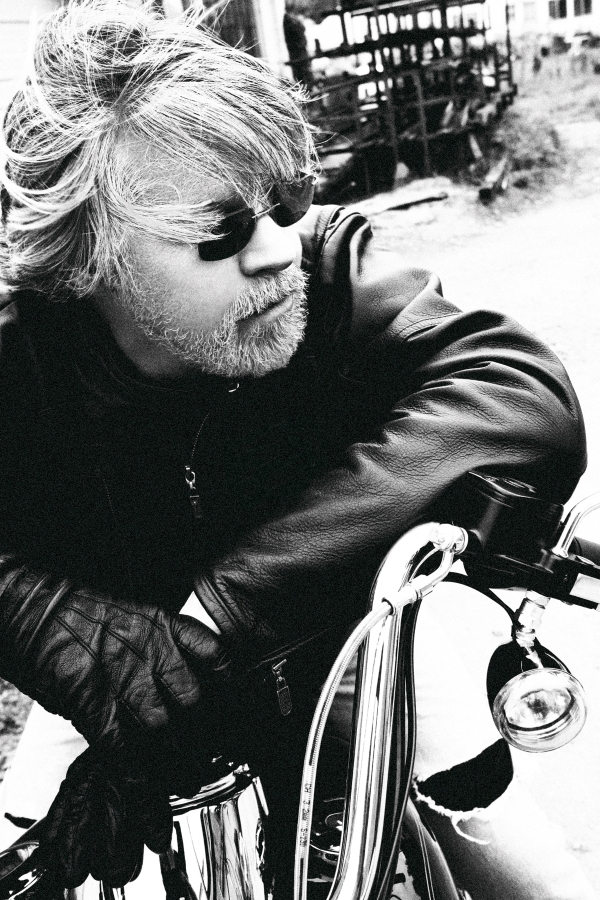
photo by Cybelle Codish; photo courtesy of UMe

Next up, “No Matter Who You Are” kicks off with a familiar keyboard rhythm, at least similar to past Seger intros on his slower, heartfelt boomers. And the Motown-esque background vocals continue to add depth and flavor to this album, as well as an uplifting feeling underpinning even the most hardscrabble lyrics. But yeah, this is definitely one of those sway-along songs.

Grindy, thumping, deep bluesy-rocker “Are You” follows. Then funky-rockin’ “Simplicity” (you’ll dig the cool horn parts!), which reminds me a little – but not too much – of “Shakedown” from the Beverly Hills Cop soundtrack. And “No More,” a soaring number with a big, orchestral rocking sound, follows, with its big, expansive, wide-open sound.

“Real Mean Bottle” is a raucous, rollicking duet with Kid Rock, with Kid Rock’s thinner grizzled vox meshing exceptionally well with Seger’s richer, fuller delivery. It’s followed by a heavy, dirge-like, flowing ballad, “Won’t Stop.” Next up is “Between,” a rhythmic, slightly funky, drum- and bass-driven thumper about social isolation and disillusionment with a nod to the environmental crisis and the need for more societal cooperation.

“The Answer’s in the Question” is a country-tinged, flowing ballad, a duet with Patty Loveless that you’d think should have been a massive commercial hit, with a violin helping countrify Seger’s vocal parts, while Loveless, of course, contributes her own piercing, country vocal power. When singing together, the vocal combo is an exceptional blend of Seger’s gravel and Loveless’s purer delivery.

The final song of the original dozen are the soulfully crooned “The Long Goodbye.”

The “expanded edition” of the album concludes with those four additional tracks I mentioned. Four songs that are, except for those who had heard the iTunes-exclusive “Red Eye to Memphis,” are new to everyone. The first of this foursome, “Time,” is a blues-based rocker, with the rhythm section setting a heavy, thumping baseline upon which Seger’s vocal wails could sit, accompanied by some blistering, slightly distorted axework, including a long, dancing solo to conclude the song.

“Little Jane,” which dropped as a single on July 23 this year almost two months in advance of the Face the Promise (Expanded Edition) release, is absolutely single-worthy. (How was this a previously-unreleased track?! And what other unreleased gems are sitting in that vault?) Seger’s delivery on this number is matter-of-fact rather than booming, though he does ramp it up a little in a couple spots. But it’s the emotional quiver Seger can do so well that provides “Little Jane” with its subdued pizzazz. This is a song you could hear Seger singing perhaps alongside similarly-tempoed Springsteen or Mellencamp tunes. Would a songwriters’ circle of these three be too much to ask? Probably. But a selection of this song from Seger followed by similar tracks from the rest of that trio would be the beginning of a cool, laidback playlist.

“Red Eye to Memphis” is a gritty blues number – really, with a title like that? Who’d’ve guessed? Seriously, though, the beat just oozes cool, with Seger in top form at the blues end of his range, and some nifty guitar parts and harmony/backing vocals punching up a few vocal wails.

The extended collection closes with “Let Me Try.” A song about life’s difficulties, with a knowing empathy very few can pull off as well as Bob Seger. And just when you think the song has settled in, you get some big-time gospel background vocals lifting it up another notch for its final minute. A terrific way to end a great album.

Now, if you know this album already, I’m sure it’s a favorite, and I hope you’ve enjoyed my assessment of the original dozen songs and my take on the 4 new bonus tracks. And if you’re like me – life happens, sometimes you’re not discovering new music for a while, and you may have missed it – this album is an absolute treat for Bob Seger fans who are just discovering it. Join me; it’s so absolutely worth listening to… repeatedly!

EP Review: The Northern Line – The Northern Line

photo by Geoff Wilbur

EP Review of The Northern Line: The Northern Line

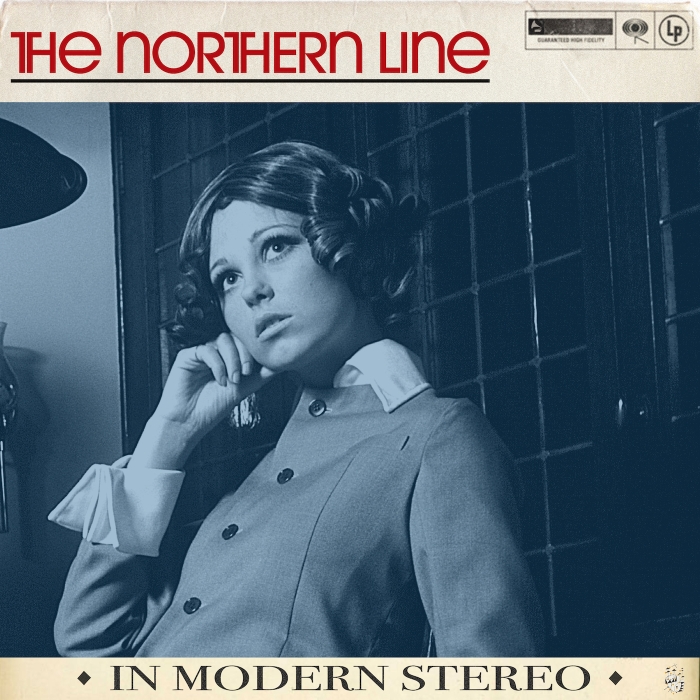
The Northern Line released its self-titled debut EP this year, following pre-release single releases of two of the EP’s four tracks. I reviewed those two tracks, “Lightning Strikes” and “Throw a Fist,” last year, so I’ll focus more on the record’s two new songs, “Let’s Roll On” and “Out in the Drift.”

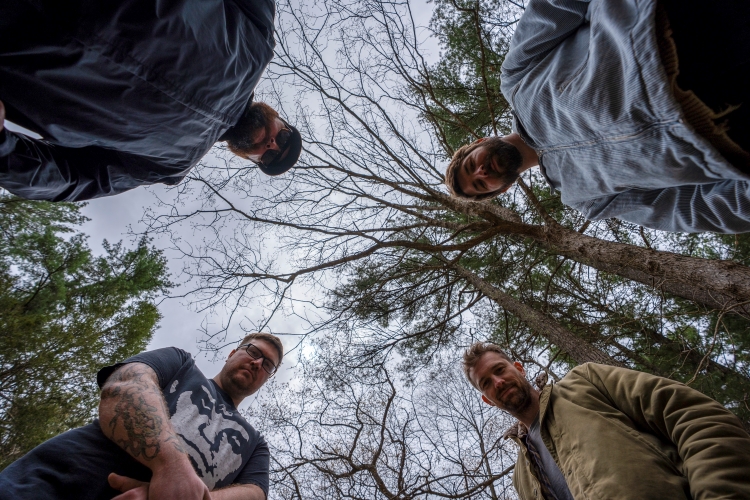
The Northern Line is Bilvox (lead vocals, rhythm guitar), Pete Kitchener (lead guitar), Mike Ackley (keyboards), Carrie Ingber (additional keyboards), Joshh Magee (bass), and McG (percussion, backing vocals). This tight outfit produces an original sound that draws heavily upon British indie influences. The band is already gaining accolades, nominated in the New Act of the Year category for this year’s New England Music Awards.

art design by Bilvox; image courtesy of Knyvet

The cohesive quartet of songs comprising The Northern Line’s eponymous EP begins with “Let’s Roll On.” The Northern Line’s rhythm section is key to the band’s funky Brit-alt-rock infused sound on this track. The nifty, distorted musical backdrop drives the song forward, but it’s the organ-style keyboardwork, guitar lines that dance through occasionally, and a vocal style that regularly slightly overemphasizes individual syllables in the course of a phrase to create a distinct sound that add the color that keeps your attention throughout. They all combine with an airier portion that’s primarily driven by guitarwork – not exactly a traditional solo, but rather a bluesy guitar run that interacts with the vocalist – to turn “Let’s Roll On” into a full musical meal rather than just an appetizer.

It is followed by “Lightning Strikes,” which I dove into in detail last year. Noisy rock ‘n roll in its own right, “Lightning…” does offer a little lighter musical density, for the most part, making it a distinctly different second entry on the record but still within the same musical palate. And damn, Kitchener’s guitarwork! This song wouldn’t work nearly as well without his cool riffs.

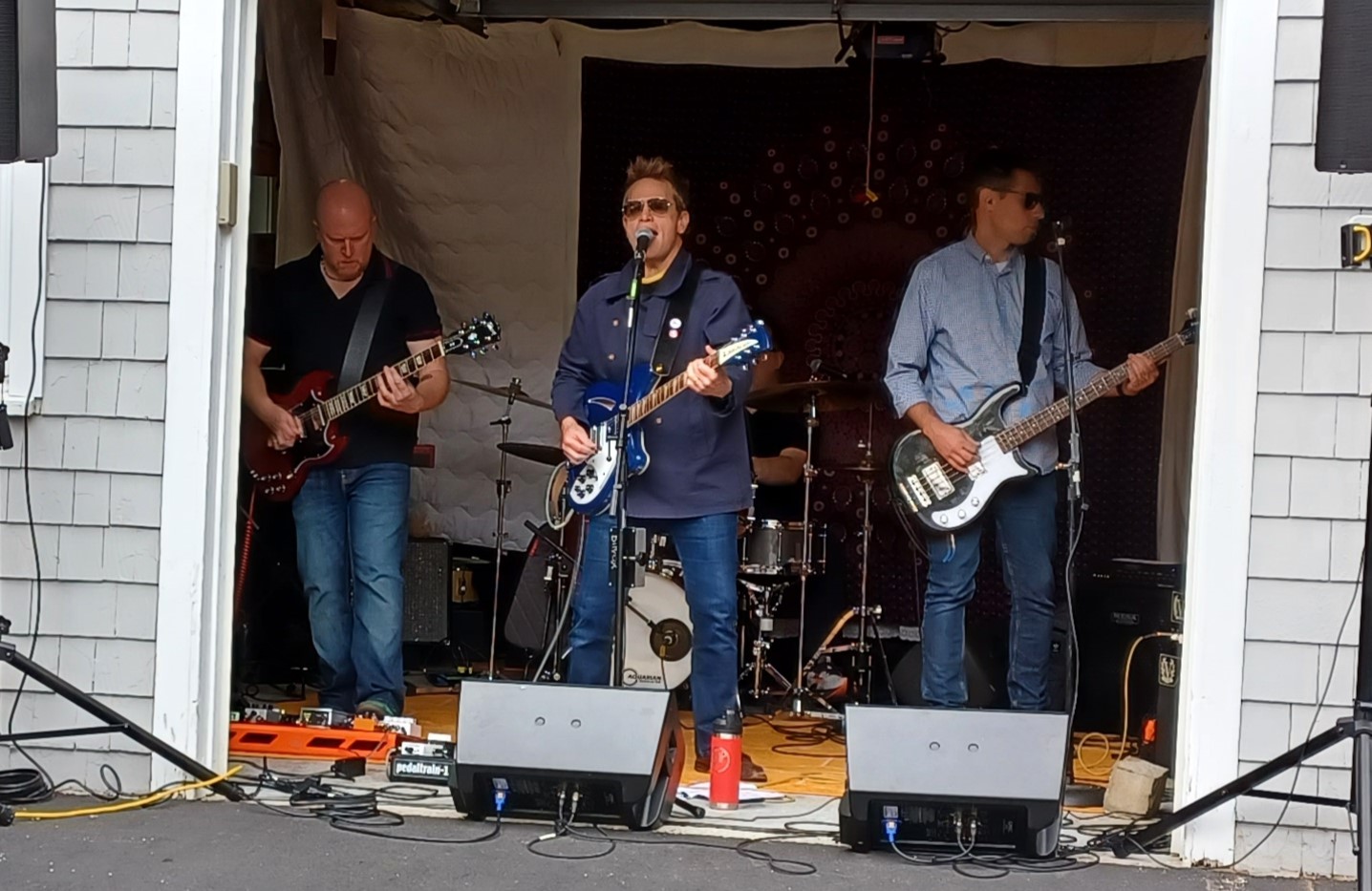
The Northern Line band photo

photo by Harrison Searle; photo courtesy of Knyvet

The third track is on the EP is “Out in the Drift,” a song with a little darker vibe than the rest of the disc. There’s kind of a bluesy-western twang in the guitarwork that, combined with some lyrically-relevant anguished wails by Bilvox from time to time, give “Out in the Drift” its own distinct sub-style. The song rises and falls in volume and energy a couple times to give it a sense of movement, but the volume increases toward the end, making it seem to gain intensity before a quite late fade.

The record ends with “Throw a Fist,” the thumping, somewhat laid-back rocker I dug into in great detail in last year’s review. But yeah, it’ll make sure you exit your listening experience bouncing a bit.

Combined, these four songs are a solid introduction the The Northern Line. And it’s a sound that translates well to live performance, as I can attest from catching the band’s set at this year’s Maynard Porchfest. So grab this EP; it’s got a groovy sound. And catch The Northern Line live if you can; they put on a great performance. In fact, if you’re in the Boston area, you can catch the official vinyl release concert for this EP at The Square Root in Roslindale on Friday, November 6th.

EP Review: Pareidolls – Jessie

photo by Robert Russell; photo courtesy of Crowflies Communications

EP Review of Pareidolls: Jessie (Red Licorice Records)

Pareidolls‘ “Jessie” was released by Red Licorice Records as a 7″ vinyl single with “Give and Take” as its B side. The 4-song Jessie EP also contains two tracks – “Slater Street” and “Freefalling” – recorded live at the 100 Club.

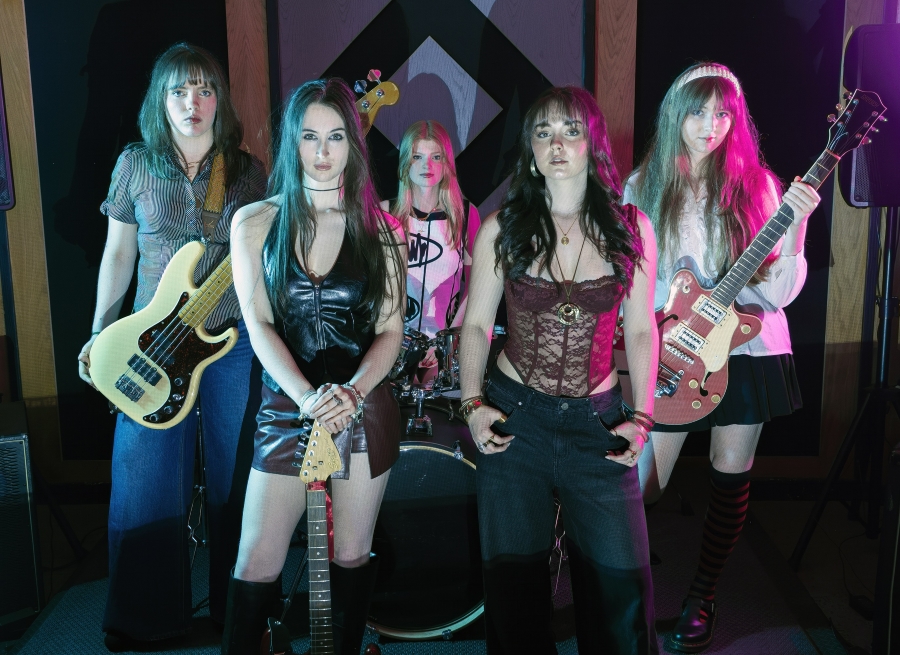
The band of talented teenagers is comprised of Georgia Attwood (vocals), Freya Wilcox (drums), Bethan Sheldrick (bass), Tabitha Law (guitar) and Biba Russell (guitar). The music jams and jangles, and the tight rockin’ sound is a fitting homage to the female rock pioneers cited in the band’s promo material: The Go-Go’s, The Bangles, and L7. I’d place Pareidolls at the L7 rockin’ end of the spectrum. From the pages of the Blog, though, a lot of what I’m hearing in Attwood’s vocals remind me of teens-at-the-time-I-reviewed them TOS’s lead singer Sophie Ward, especially when the vocal requires a lilting edge.

photo by Robert Russell; photo courtesy of Crowflies Communications

The title track, “Jessie,” starts a straight-forward rocker with a funky bassline, a soulful-rockin’ vocal line, a bluesy/crunchy axework. It’s an energy-packed romp for the first two minutes before it seems to experience a power loss for about 30 seconds, becoming exceedingly slow and drawn out for about 30 seconds before a 15-second build-up (energy recovery) back to its previous energetic, just a hair shy of frantic pace as it races to the end. I mean, it was already a song worth hearing even without that nifty late-song slowdown and recovery, but with that added clever maneuver, it’s a must hear. I guarantee “Jessie” will become a quick favorite.

“Give and Take,” the 7″ inch’s B side, is a crunchy, bangin’ rocker. It also gives Attwood a chance to unveil a very cool, ear-shattering rock ‘n roll wail.

photo by Robert Russell; photo courtesy of Crowflies Communications

“Slater Street,” next, is more straightforward rocker with a straightforward line of attack and some impressive guitarwork. EP-ender “Freefalling” takes a more methodical funky-bluesy angle, at least with the bass, while the guitar and drums are straight-up rock ‘n roll all the way. A nifty bridge that’s lightly instrumented behind Attwood’s high, crisp vocals also adds a neat touch to “Freefalling.”

If I take just one thing away from this EP, it’s that “Jessie” is a song that’s likely to become a fast favorite, while the rest of the EP reveals a band with a sound that’ll be very entertaining at a live concert and capable of spawning several more hits over the coming years.

To keep up with this rising young band, check out Pareidolls’ linktree and follow their socials. (You can find links to their socials at their linktree).

EP Review: Something Sneaky – Old Notes

photo by Stevie George; photo courtesy of Knyvet

EP Review of Something Sneaky: Old Notes

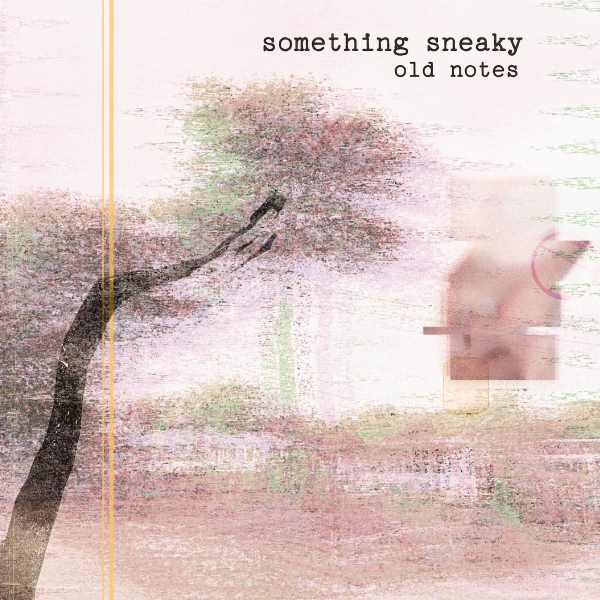
Distorted, grungy, heavy garage rock. Or maybe basement rock. Indeed, Old Notes, the newest EP from Something Sneaky, is the sort of raw rock ‘n roll you’d expect to hear in an unfinished basement live music venue in a college town.

Justin Iacovino (vocals, guitars, keyboards) is joined in Something Sneaky by Jeremy Iacovino (drums), Chris Casserly (bass), and Jesse George (guitars). Old Notes is the band’s first long-form recording since its 2017 release Pictures.

artwork by Dan Nelligan and Cal Ciarcia; image courtesy of Knyvet

The song with the most crossover potential – the one most likely to appeal to listeners beyond the band’s core noisy, raw, kinda punky alt-rock core – is album opener “Stevie’s Here.” From its strumming open to its its catchy repeated guitar hooks, “ooh-ooh” parts, mainstream alt-rock tempo changes, and only moderately distorted jangly guitar bridge, “Stevie’s Here” is stylistically related to a lot of indie rock hits. The rest of the album doesn’t combine all those pieces the way the album-opener does.

However, the rest of the songs do cohesively complete an excellent 5-song beginning-to-end listen. Indeed, that’s not to suggest the other songs are similar to each other. Far from it, in fact, as stylistic differences give each of the tracks on this EP a very different feel.

“Hole Foods” is likely to be a club favorite, both live for Something Sneaky and as an ideal choice for clubs’ between-bands playlists. The song thumps along with its heavy, almost grungy bass and drums-driven rhythm. The vocals and song structure take what seem like some engaging aural detours before returning to the forcefully advancing primary rhythm. Again, concertgoers are going to dig this song; and, it’s the sort of energy-maintaining song that would keep rock crowds buzzing when the recording is played between sets of multi-act concerts. (I honestly don’t think I’ve ever recommended a song for that purpose before.)

photo by Stevie George; photo courtesy of Knyvet

As for the rest of the EP, “Gold Notes” is more of a swaying wailer. And I should point out that I didn’t dub Something Sneaky’s style “basement rock” just because of the “I’m trapped in a basement” lyric in “Gold Notes.” In fact, I thought of the phrase before I noticed the lyric, which made it fun to discover. “Depressure,” next, is a slow, aptly-entitled, depressive-instrumented, slow moody number. And album-closer “Stoner Kids” is a six-minute epic that maintains the same rhythm throughout but builds in noise as the song advances through its second half. I mean, yeah there are jangles and nuances I could mention, but I’ll let you discover those for yourselves as you listen to the very cool, mind-numbing cacophony until it closes with a buzz.

Regardless, everyone needs to hear “Stevie’s Here.” And the rest of the album? If this is your brand of musical noise, you’ll dig it from the get-go. Even if it’s not quite your usually-preferred rock sub-style, give it a few listens. As you begin to hear the nuances, the other songs may grow on you, too, as they did on me.

EP Review: Steve Geraci – There Goes the Neighborhood

image courtesy of Steve Geraci

EP Review of Steve Geraci: There Goes the Neighborhood

Last year, I reviewed “Voice in My Head,” the lead single from Steve Geraci‘s 4-song EP, There Goes the Neighborhood; the EP was released in its entirety early this year. The 4 tracks are an eclectic mix of throwback, ’70s and early ’80s-influenced rock ‘n roll, occasionally gritty, often a little experimental, and always interesting, entertaining, and original. Most of all, on There Goes the Neighborhood, Geraci tries to keep the listener on edge, as the lyrics, instrumentation, and composition are all designed to produce an uneasiness, even as the end result is a raucous, fun alt-rock/garage rock listen.

The first song, the title track “There Goes the Neighborhood,” is probably the most commercially viable of the collection, with a melodious tunefulness in the verses and the chorus. Geraci’s rough, hoarse-ish rock ‘n roll voice adds both alt-rock street cred and a thoughtful intensity to the vocals, as the lyrics are an ode – no, what’s the opposite of an ode? a warning? – to living beyond one’s means, focusing primarily on the moment it all comes crashing down. But, you know, in a catchy, singalong kind of way. Indeed, the whole EP is solid, but this is the breakout song on the record, the most likely to appeal to the broadest swath of fans.

photo by Jennifer Geraci; photo courtesy of Knyvet

It’s followed by kind-of-funky alt-rocker “Voice in My Head,” another relatively catchy song. Then “Paradise Lost,” which incorporates some cool, soulful saxwork to add some smoothness to the otherwise edgy number, though even the sax is a little abrupt, befitting the song’s lyrics and somewhat matching Geraci’s vocal delivery.

Finally, “Save Yourself,” after a distortedly bluesy-rockin’ opening guitar and drum exchange, settles into its garage rock style, with a steady rhythm driving the listener to sway along.

In the end There Goes the Neighborhood is a must-hear for garage rock/alt-rock fans, especially if you enjoy the kind of music you’d have heard in college dive bars in the ’70s or ’80s, rough-edged, thoughtful, and topical, where the music and the lyrics go hand in hand stylistically.

image courtesy of Steve Geraci

Single Review of “Top Shelf People”

Just recently, on October 9, Geraci released a new single, “Top Shelf People.” It’s kind of a scatty, jazzy number, very much not what I was expecting, with lots of open space, vocals that are more frantic than frenetic, mostly just riffing that almost seems random, at times, though it all comes together; the listener will be able to piece it all together by the end. So what would I call the musical style? Experimental alt-jazz, I suppose.

Topically, Geraci’s website does a good job describing what the song is about, those absolutely worthwhile friends and acquaintances. The truly good ones. The top shelf people.

In the grand scheme of things, “Top Shelf People” sounds exactly like and not at all like a Steve Geraci number, both at the same time. It doesn’t have the rock ‘n roll edge you’ve come to expect, but it experiments with sounds and arrangements, as Geraci is generally wont to do.

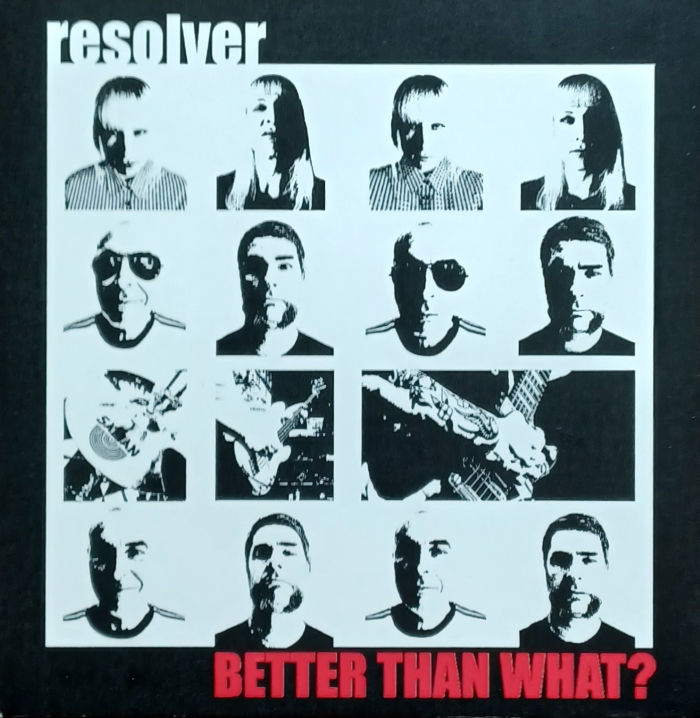
Album Review: Resolver – Better Than What?

Album Review of Resolver: Better Than What?

Resolver‘s Better Than What? arrived in my mailbox a couple years ago, was misplaced along with some other CDs, and then more recently made it back into my awareness, and I’m so glad it did! It’s a raw punk record with plenty of rough edges, but it’s steeped in modern, crisper production quality and some damn engaging – while at the same time riotous – melodies.

Better Than What? is the debut EP of Resolver, a band featuring former members of RazorCut, The Opposition, The Clinch, and Marching Orders, none of whose music I’ve ever heard, but then again I’m not super-knowledgeable about Australian street punk. What I am more familiar with is what damn good music sounds like, and this is, indeed, that.

The whole record surges relentless forward, providing seven songs of raucous energy. “Better Than What?” kicks things off, as a steady rhythm section, slightly-distorted buzzy axework, commanding lead vocals, and well-placed supporting vocals combine to form a catchy, memorable rock song, heavily punk in attitude but with steady yet understated broader-appeal axework, and a melody, too, that’ll reach fans well beyond a core punk rock audience.

“Beast” is another fast-paced, broader-appeal number, and again it’s the guitarwork that’s the most obvious key contributor to gaining the attention of a more mainstream audience, but that’s only because Resolver’s music stems from the brand of raw-yet-melodic punk rock that has always spun off an occasional crossover hit.

All seven songs continue in the same vein, each with their own nuances. For example, the drums play a key role in the appeal of “Mind Control,” as do some subtle key changes and guitar patterns that you’d more expect to hear from a pop-metal band. And album-closer “To Grow is a Privelege” has a singalongable, occasionally repeated lyric that seems to cycle faster as the song goes along, drawing the listener in.

If you’re a fan of raw, energetic Australian street punk (their words; I’m not sure exactly what would distinguish that subgenre), you probably already know and love Resolver. Other punk rockers are likely to dig this music, as well. And broader rock fans whose tastes don’t necessarily skew toward raw punk, like me, will connect with some of the broader pop and rock elements in Resolver’s songs. Therefore, Resolver’s Better Than What? is a record all rock ‘n roll fans should check out.