Single Reviews: Michelle Forziati – “Stranger” and “Strings”

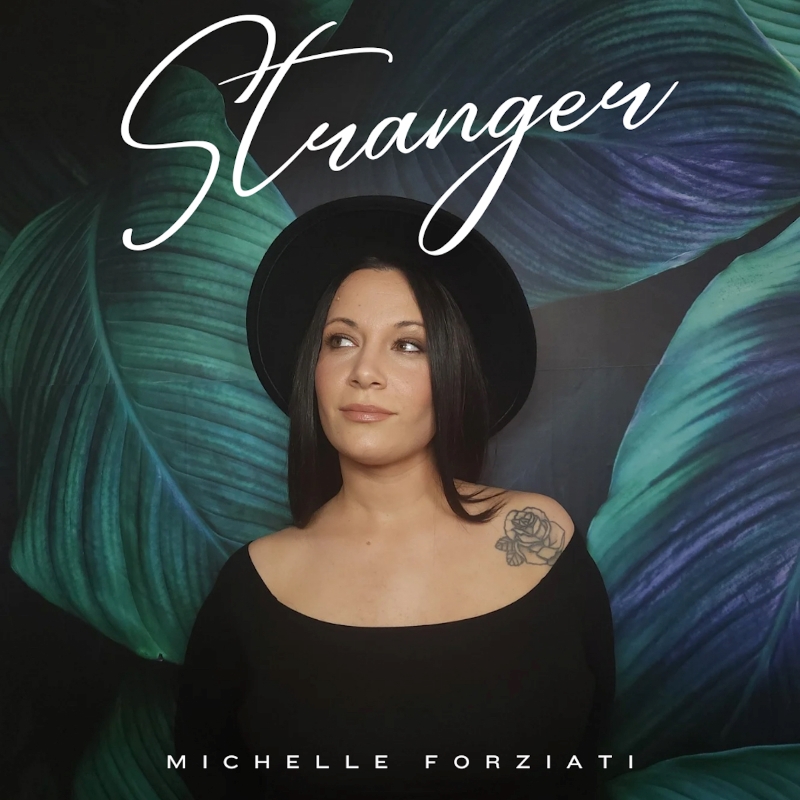
Michelle Forziati – "Stranger" single cover

cover design by Michelle Forziati; image courtesy of Knyvet

Single Reviews of Michelle Forziati: “Stranger” and “Strings”

Michelle Forziati‘s biggest claim to fame so far is as an actor, appearing in the 2017 film Stronger. Songs like “Stranger” aim to change that. This cool, slow-groove, R&B-based pop song shows off her emotional vocal chops. The song is soft and slow, with a lot of empty space around the pianowork and an echoey vibe that’s consistent with some of the mellower work of pop singers like Nick Jonas, who would be one of many headliners for whom Forziati would be an apt opening act. “Stranger” is an addictively engaging song, likely to become a staple of your personal playlist after a few listens.

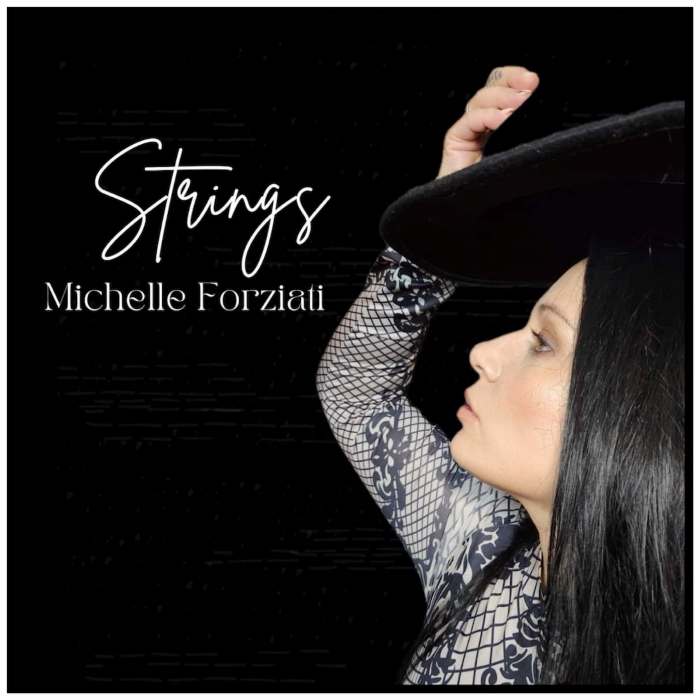
Michelle Forziati – "Strings" cover art

cover design by Michelle Forziati; image courtesy of Knyvet

Shortly after the release of “Stranger,” Forziati dropped another single, “Strings.” “Strings” is a slightly more uptempo number, though still a slow song, featuring syncopated rhythms and displaying some vocal variety with choppier diction in spots where it’s appropriate. It’s a nice companion piece to “Stranger,” forming an enjoyable one-two punch as back-to-back listens.

What’s Next?

There aren’t any recent posts on Forziati’s Facebook page or at her Instagram or her TikTok accounts, but it’s worth following them to find out when she announces her next move.

Album Review: Fernando Perdomo – Self

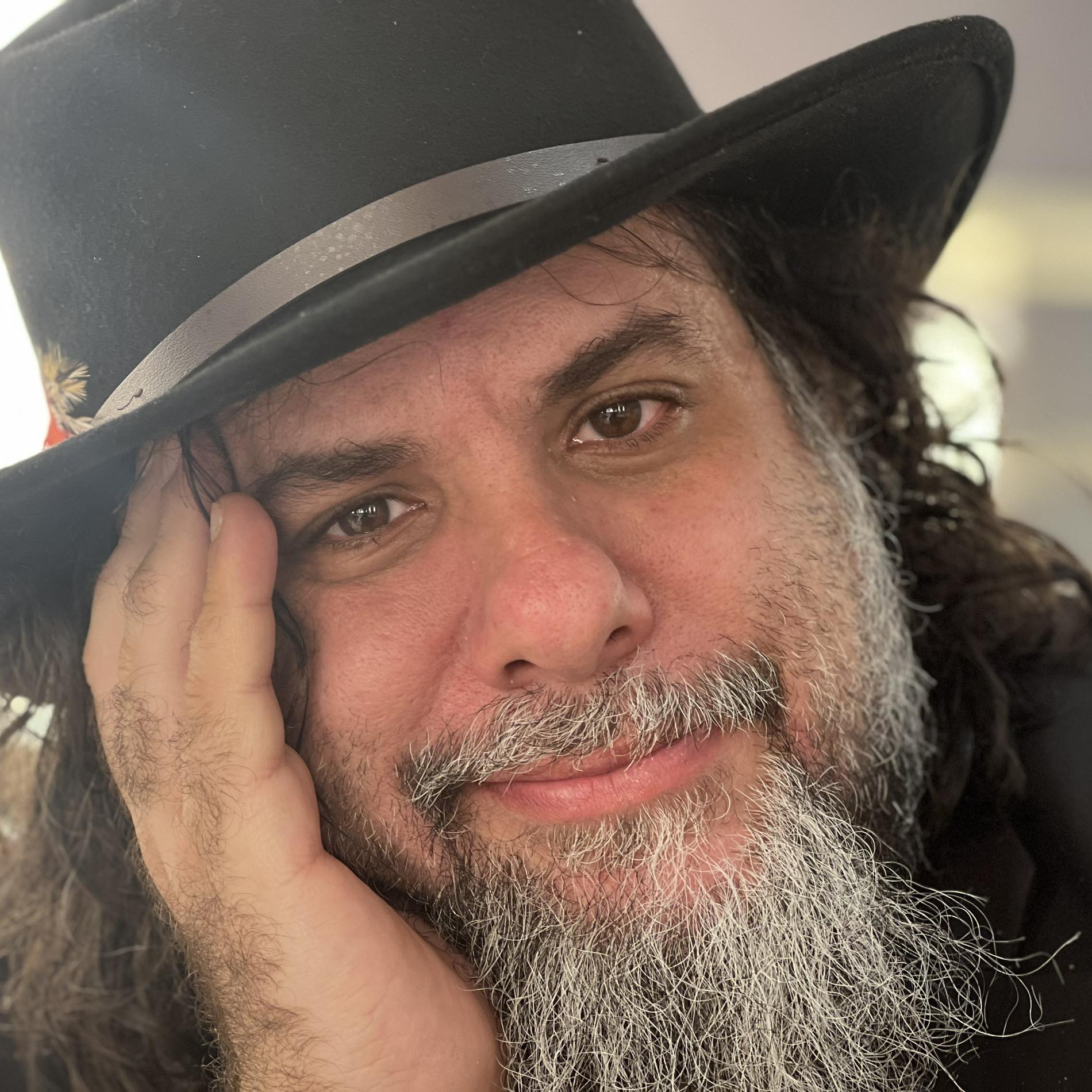
Fernando Perdomo

photo by Claudia Adamczyk; photo courtesy of Fernando Perdomo

Album Review of Fernando Perdomo: Self

You’ve read about Fernando Perdomo a few times here at the blog. And you’ve almost read about him a few more times, when his music crossed our desks during times we simply didn’t have time to review all the great music we received. Between performing and recording with other musicians, both well-known and lesser-known, producing others’ music, and recording his own, Fernando’s music output is prolific. His sterling reputation, for his talent and hard work, is well-deserved.

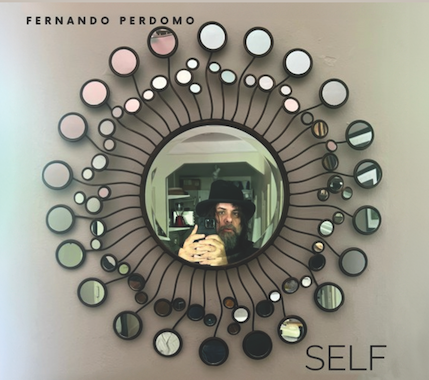
Fernando Perdomo – Self album cover

image courtesy of Fernando Perdomo

Fernando’s mid-2024 release Self showcases a broad swath of his rock ‘n roll influences, including energetic, hooky, old-school rock, progressive rock, and experimental and quirky rock.

Disc-opener “Searching For Myself” gives off super-strong Beatles vibes. The soft guitar strums and lilting tone support Fernando’s not-as-gravelly-as-it-first seems vocals, which express emotion and stylistic range throughout the various corners of this song.

Next up, “Everything Leads to Now” sports some nifty guitar-plucking and is a little more experimental within the confines of a classic pop-rock musical envelope. Can someone help me here? In some of the more creatively-unique spots, it’s not exactly hints of Moody Blues I’m hearing, but it’d be someone they might share a stage with.

“Optimist Prime” is a swift, energetic, relatively fast-paced catchy pop-alt-rock ditty that you’ll probably remember from the frequently-repeated lyric “my way” until you learn the song title. It’s the tempo and electric energy that’ll get you hooked.

Fernando Perdomo

photo by Erik Nielsen; photo courtesy of Fernando Perdomo

“Absolute Silence” is a grainy, dreamy number that floats along as if elusively off in the distance like a mirage. Or as if you’re listening to it while floating in a swimming pool at a kitschy Route 66 motel. It’s not far from being shoegaze, even.

“Who I Really Am” is a slow-paced number with a kind of funky ’70s vibe.

Instrumental “All of Us Under the Same Moon” has one of the more memorable chord progressions on the album, as the guitarwork trickles like a stream across a bed of music pebbles.

And the album closes with what’s probably the most progressive/experimental rock thing possible – a nearly-20-minute track entitled “Self.” Essentially, the entire B-side, if this were on vinyl. The song is a meandering journey, but it’s so tightly assembled that, when it’s over, you realize that, while it’s clearly a long song, it doesn’t feel nearly as long as the 19 minutes and 41 seconds that elapse. The song itself is a journey to self. Or perhaps mostly Fernando’s self.

And that’s really what it’s all about. As Fernando himself says, “Self is not just an album. It is a definition of who I am. It is the most complete statement I have ever made as a recording artist.” We should thank him for sharing the statement with us; it’s a cool musical journey.

More Recently

Since releasing Self in 2024, Fernando has committed to releasing a series of “Waves” albums in 2025, one each month. Waves and Waves 2 are already available, while Waves 3 can be preordered. Fernando has also released a cool single entitled “Is That Love.” All of those recordings can be found on his bandcamp page.

Single Reviews: Smitt E. Smitty & The Fezztones – “Bye Bye Sunday Afternoon” and “#1 Most Likely”

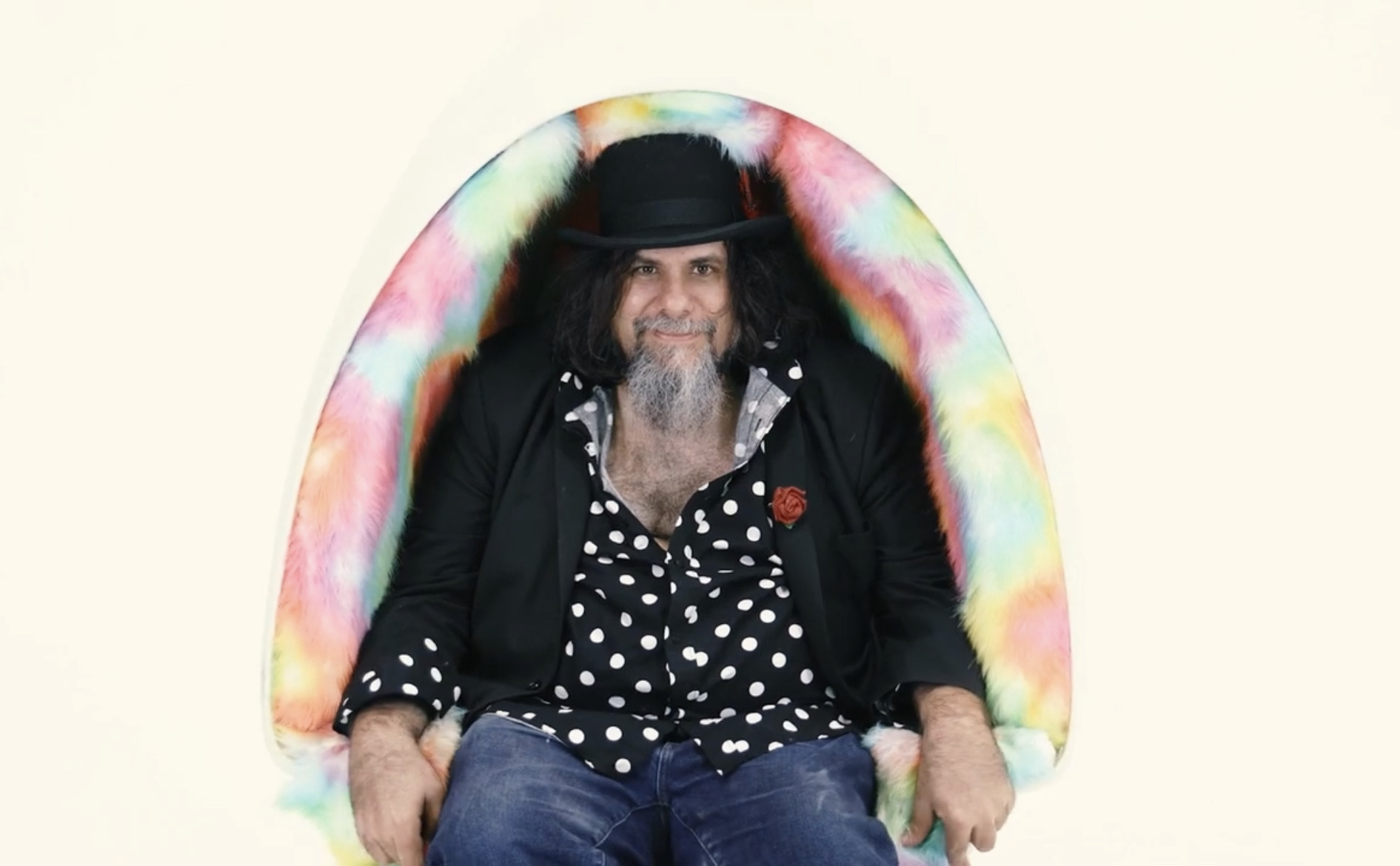
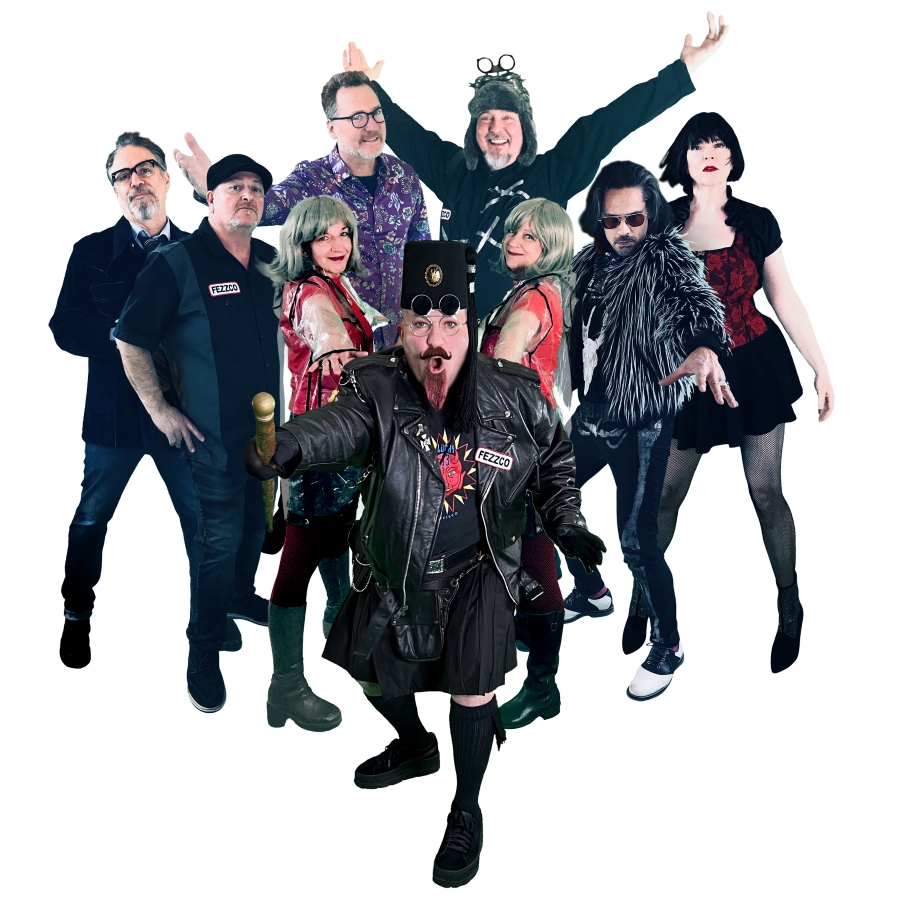
Smitt E. Smitty & The Fezztones

photo courtesy of Smitt E. Smitty & The Fezztones via Knyvet

Single Reviews of Smitt E. Smitty & The Fezztones: “Bye Bye Sunday Afternoon” and “#1 Most Likely” (Rock Garden Records)

Smitt E. Smitty & The Fezztones released “Bye Bye Sunday Afternoon” last spring. It was the group’s first release for Rock Garden Records, an excellent selection and an outstanding introduction to the band, an eight-piece Boston outfit comprised of Subtle (JoEllen Saunders Yannis, vocals), Serious (Linda Bean Pardee, vocals), Smitt E. Smitty (vocals, drums, harmonica, keyboards, percussion), James Melanson (guitar), “Crazy” Eddie Nowik (guitar), Andrew Padua (bass), Jonathan LaMaster (violin), and John Sestito (drums).

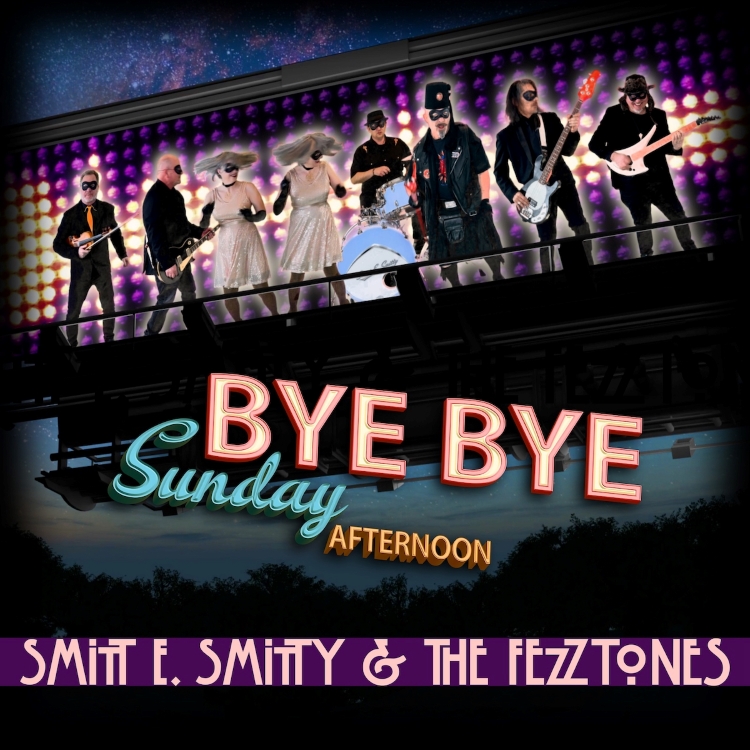
Smitt E. Smitty & The Fezztones – "Bye Bye Sunday Afternoon" single cover

image courtesy of Smitt E. Smitty & The Fezztones via Knyvet

Now, I’ve been racking my brain to figure out what Smitt E. Smitty & The Fezztones’ “Bye Bye Sunday Afternoon” reminds me of. It’s a kickin’, medium-fast tempo number with a completely fun vibe and clearly enunciated lyrics despite a seemingly somewhat raucous musical backdrop. There’s a timeless, somewhat old-fashioned feel to the music, which is best dubbed simply rock ‘n roll. But it took my probably too long to realize that the underlying musical vibe was very B-52s-ish. I could seriously picture the B-52s performing this. Not exactly, of course. Smitty & The Fezztones have a unique sound all their own, but “Bye Bye Sunday Afternoon” will absolutely appeal to fans of that light-hearted, vibey rock music style. Or, of course, rock fans in general. It’s a fun song that I’ve been digging for months now, and it never gets old.

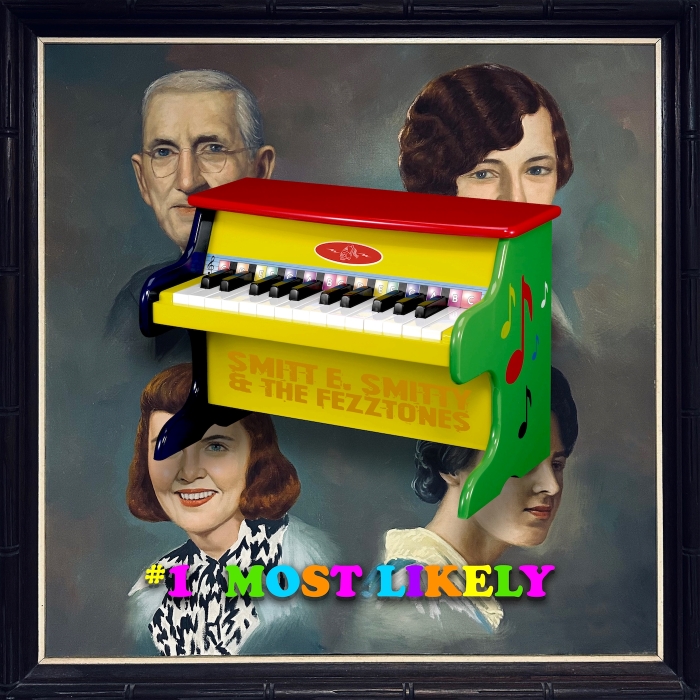
Smitt E. Smitty & The Fezztones – "#1 Most Likely" cover art

image courtesy of Smitt E. Smitty & The Fezztones via Knyvet

More recently – just a week ago, in fact, on Valentine’s Day – the band released its new single, “#1 Most Likely,” sporting the very Valentinesy lyrics “You’re #1 most likely to break my heart.” The song sports an old-school mainstream alt-rock feel – I could almost hear Simple Minds singing this song, though not quite with Smitt E. Smitty & the Fezztones’ pizzazz. Still, this song would fit well on a John Hughes movie soundtrack. Sound interesting? Unlike “Bye Bye Sunday Afternoon,” which was an immediate favorite, “#1 Most Likely” actually took a few listens to grow on me, but now it’s stuck in my brain. I can’t necessarily explain why; it’s a great tune. See what you think!

Album Review: Jennifer Tefft and the Strange – Strange Beginnings

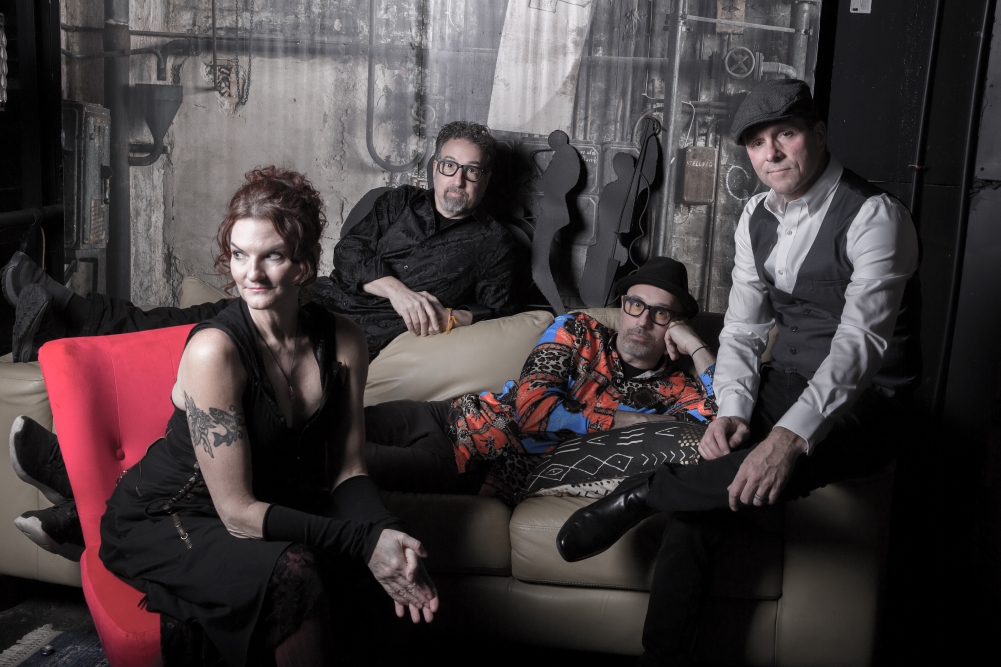
Jennifer Tefft and the Strange band photo

photo by John Parrillo; photo courtesy of Knyvet

Album Review of Jennifer Tefft and the Strange: Strange Beginnings (Rock Garden Records)

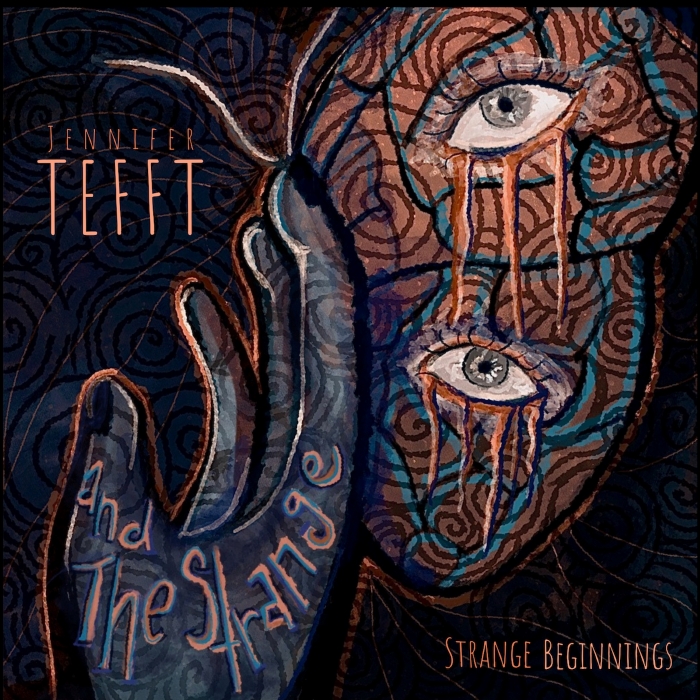
Strange Beginnings, the 2024 album released by Jennifer Tefft and the Strange, won Album of the Year at the 2024 New England Music Awards. And deservedly so! This is a tight, varied collection of kickass rock ‘n roll, ranging from soft songs to hard rockers. You can hear elements of a broad range of rockers in Tefft’s delivery, from Blondie to Pat Benatar, from Joan Jett to the more rockin’ edge of the Go-Gos. I know I’ve refenced a fair bit of classic rock, but this album is really more timeless rock. In musical listings, I tend to see Jennifer Tefft and the Strange labeled as alternative rock, and I can see the comparison, but they’re certainly at the more polished end of the alternative rock spectrum, and I spot a lot of classic and mainstream rock influences, even if the band does like to take it to the edgier ends of those rock categories.

Quite a while back, I reviewed “Love and War,” one of the pre-release singles from this album, and it has aged well. It remains one of the disc’s strongest hard-rockin’ tracks, even after dozens more listens. On this record, it’s joined by several more new favorites, too.

Jennifer Tefft and the Strange – Strange Beginnings album cover

image courtesy of Knyvet

“Caffeine,” another of the pre-release singles, was a great selection to get things started. The album-opener kicks things off with a gritty guitar lick – with axeman John Parillo making a statement that yeah, this album is gonna rock – before the song builds into a steady rock rhythm. The song is tuneful despite a jangly wall-of-noise backdrop and Tefft’s howling wails, guided by drumwork that’s steady even while feeling not-so, thanks to a creatively varied beat and some interesting fill choices. Then there’s that helicopter-ish ending. The band could go completely limp from this point on and you’d still think you’d listened to a rockin’ album. Fortunately, while the music is varied throughout the disc, it still always obviously rocks… and is never limp.

I really dig the imagery in “Paper Cut,” from the edginess of the vocals and guitar runs occasionally drizzling through the background of this heavy-sounding slow song. The imagery? Cool lyrics like “You’re a switchblade, paper-thin. You’re a paper cut on smooth white skin.” Ouch; I can feel that. And a fade-out ending. Remember when rock bands used to do this? Well, Jennifer Tefft and the Strange still do.

Throughout the rest of the disc you’ll find more alt rock-meets-punk-meets-classic rock tracks like “Shoulda Known Better,” which is one of those songs that feels a lot faster than it is because the delivery is so raucous, creating an illusion of speed despite its moderate tempo.

That moderate tempo is relatively common on this album, as is the case with “Lullaby,” and it is partly responsible for the album’s heavy feel, though drummer Chris Georgenes’ powerful skin-striking plays a role, too. Stephen “Sharky” Beccia’s thumping bassline also rises in the mix in certain tracks. Like “Lullaby,” for example, where I notice myself mentally thumping along with the bass toward the song’s close.

“Second Chance,” next up, stands out as a potential hit. It has a cool lyric you’ll get to know: “Drawn to the flame, we burn our wings, but we crave the fire and the pain it brings. Now we’re picking through the ashes for a second chance Drawn to the fire, we fly too close where we burn the things we love the most. Now we’re picking through the ashes for a second chance, a second chance to burn.” Is that badass, or what? Tefft’s vocals range from edgy to soaringly smooth supported by smooth guitarwork and heavy rhythms.

“Down On My Knees” brings some punk attitude and a straight-ahead musical attack punctuated in a few spots with a neat southwestern distorted riff that just hints at that Chris Isaak “Wicked Game” sound. (You can hear it now, can’t you?) But you hear it just briefly when it pops in, like just the right amount of flair, nowhere the amount of flair a Chotchkie’s manager would recommend.

“Going Out” is a fun rocker sung from the point of view of a past-her-clubbing-days woman preparing to completely overdo it on a rare night out. Irreverent, fun music for not-so-young adults.

And the album closes with power, the previously-reviewed “Love & War.”

Eight songs probably isn’t enough, but better to leave the audience wanting more, I guess. If my descriptions haven’t clinched the deal for you yet, the record was produced by Grammy-winning producer Bob St. John (Collective Soul, Duran Duran, Extreme, etc.), so you can count on top-shelf production value. And, of course, in this case, a kickass rock band delivering the goods.

Single Review: We Demand Parachutes – “Cheerful Coping”

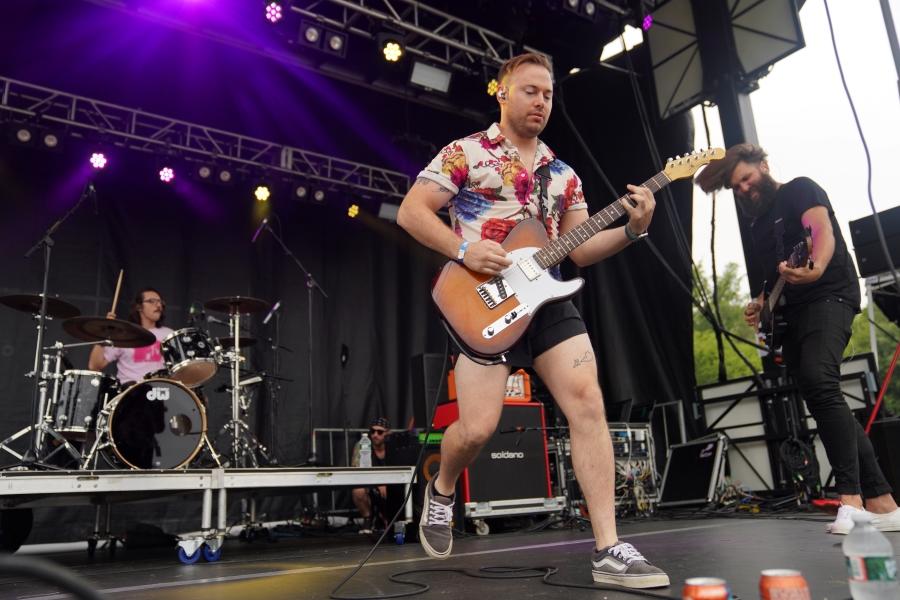
We Demand Parachutes live performance photo

photo by Mickey Renger; photo courtesy of Knyvet

Single Review of We Demand Parachutes: “Cheerful Coping”

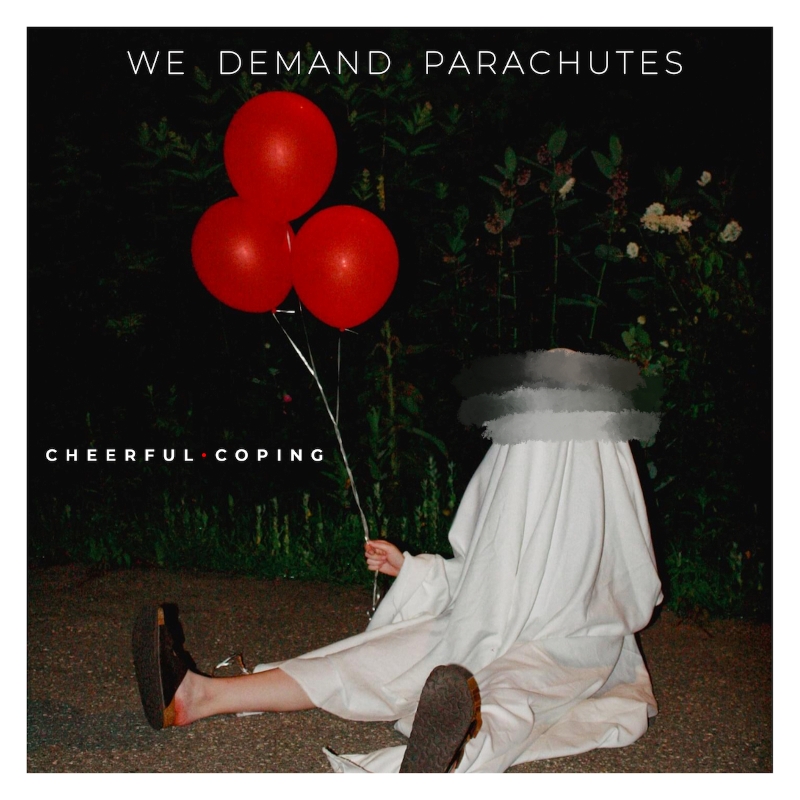
If you’re a fan of bands like Good Charlotte, Simple Plan, and New Found Glory, you’re likely to really dig We Demand Parachutes‘ pop-punk banger “Cheerful Coping.” Guitarist/vocalist Kevin McCord is joined by Ben Shumaker (drums/percussion) and Seth Richardson (bass and programming) to deliver an infectious, memorable, resolute rocker.

We Demand Parachutes – "Cheerful Coping" single cover

image courtesy of Knyvet

The guitars jangle, and even though the tempo is relatively slow, the guitars and drums pick up the pace, making the song seem faster than it really is. The distorted, muddy music bed provides a buzzy backdrop of crackling energy. And the beat, particularly leading into the chorus provide a modest pogoing vigor.

The band has produced two versions of “Cheerful Coping,” and, while the radio edit’s “bloodshot” is actually a much more clever lyric, the original version is more fun to sing along with.

We Demand Parachutes live performance photo

photo by Internal Vision; photo courtesy of Knyvet

I’m not entirely sure which version of this catchy tune I’m going to save to my phone, since it will eventually pop up on one of my #PhoneOnShuffle playlists. I often listen in coffeeshops and diners, so I’d need to be able to resist accidentally singing along with the NSFW version, but I’m not sure I can. But that’s my problem, not yours. You need to hear this song because it’s catchy af and a great energy release.

“Cheerful Coping” was We Demand Parachutes’ first single and title track from the band’s 6-song EP, Cheerful Coping.


Single Review: The Lilac Hour – “Feeling Again”

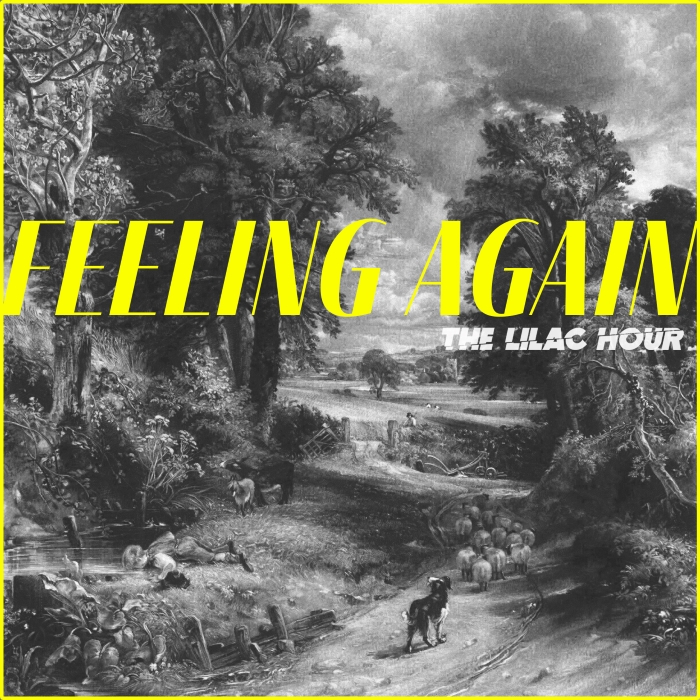
The Lilac Hour – "Feeling Again" single cover

image courtesy of BJF Media

Single Review of The Lilac Hour: “Feeling Again”

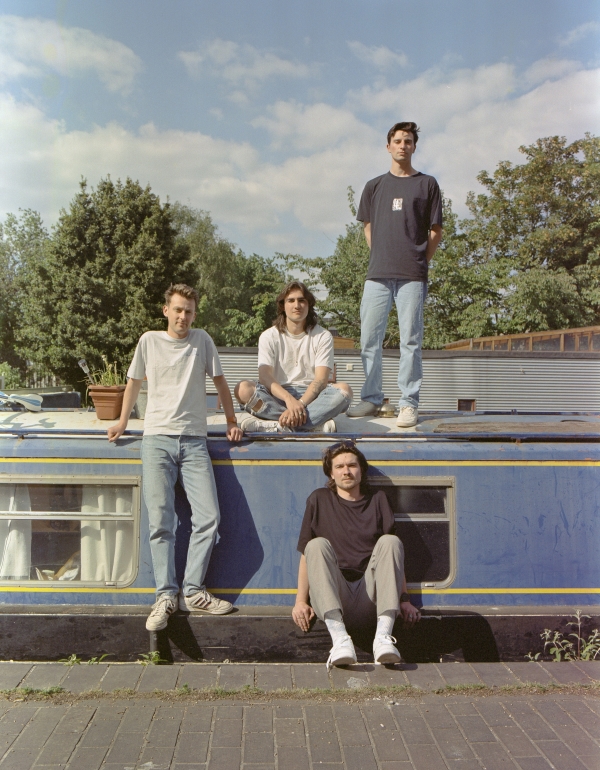
The Lilac Hour – Jake McCollum (lead singer, rhythm guitar), Matt Davies-Saunders (lead guitar), James Katz (bass), and Matt Volpato (drums) – is a London-based indie/alt-rock band whose style is laid-back but with a certain type of energy – in other words, laid-back but not lazy, songs with direction, music that’s going somewhere.

The band’s overall broad-appeal alt-rock sound is timeless and draws upon apparent influences spanning several decades. “Feeling Again” would be my recommended introduction to The Lilac Hour for fans of ’80s British pop/new wave bands like Tears for Fears or The Human League. Not the faster songs. “Feeling Again” has a slower pace with a flowing sound and some big, round, fat moments in Jake McCollum’s vocals.

The Lilac Hour

photo courtesy of BJF Media

For a more modern reference, it’s worth noting that “Feeling Again” was recorded at Kempston Street Studios in Liverpool, where Blossoms and Coldplay recording many of their earlier songs like “Charlamagne” and “Yellow,” respectively, and you can hear a bit of a similar sonic vibe in “Feeling Again,” particularly compared with “Charlamagne.”

In any case, “Feeling Again” is a cool song that fans of modern alt-rock and older Britpop alike are likely to enjoy. Or, as in my case, those who simply like well-written songs. If any of that describes you, check out “Feeling Again.”

More Recently

Since the release of “Feeling Again,” The Lilac Hour has dropped two more singles – “Everyone But You” and “Strawberry Lemonade.”

Album Review: Anaria – Holding Cell

Anaria band photo

photo by Wildthorn Productions; photo courtesy of Anaria

Album Review of Anaria: Holding Cell

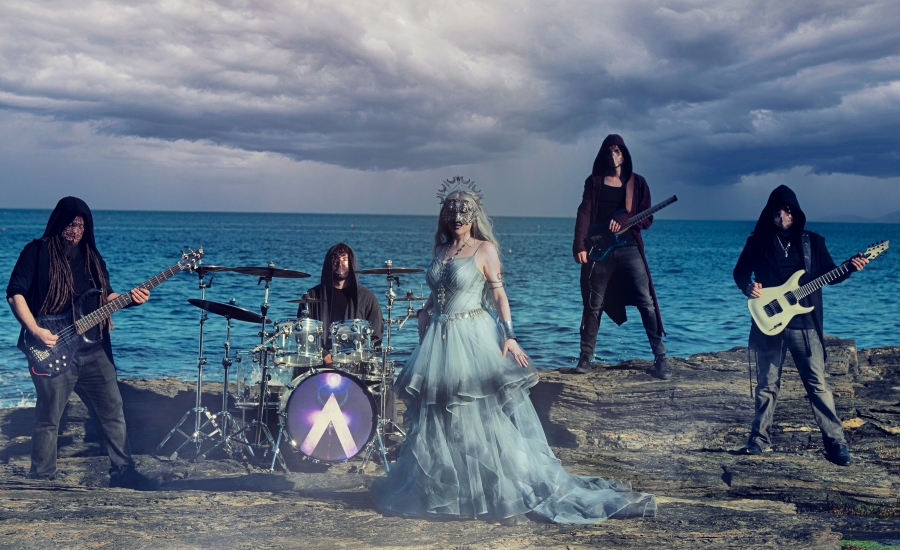
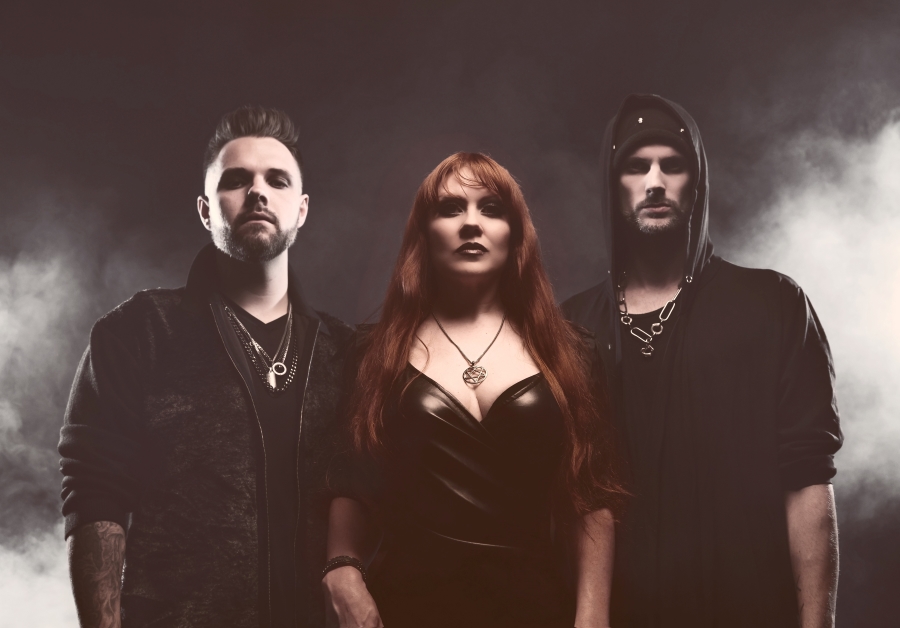
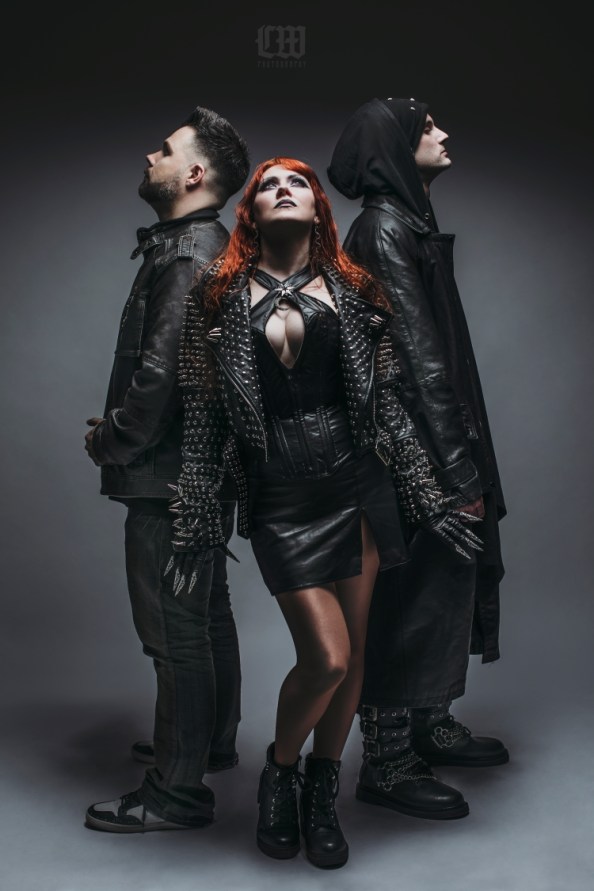
Anaria is a powerful, progressive metal band featuring soaring vocals, shredding guitar, and intricate song arrangements. Yes, I’ve just described any decent band of this subgenre, but it’s the details that count, so let’s dig in.

Stylistically, Anaria might share the stage with Evanescence, Edge of Paradise, or Major Moment. Their music frequently shows pop sensibility (a la Evanescence) but only to the extent that a modern metal band might occasionally appeal to a broader audience without sacrificing their street cred. The Edge of Paradise comparison is due to a combination of powerful vocals that produce many soaring tracks but also the willingness to experiment with unusual tempos and arrangements from time to time. The Major Moment comparison is the band’s ability to create a powerful wall of melodic modern metal sound that’ll blow their listeners’ minds, but this might be the least obvious comparison because when they reach musical peaks of power, the two bands’ tendencies are to take the songs in very different directions. And yes, the Evanescence comp was a lazy comparison on my part, which I included mostly because I figure the broadest set of readers will know the reference. But I’m sure modern metal fans will also know the other comps. And many of you already know Anaria – the band’s large social media following and 2024 New England Music Awards nomination in the Hard Rock/Metal Act of the Year category prove they’re garnering some well-earned attention.

Anaria – Holding Cell album cover

image courtesy of Anaria

Holding Cell kicks of with the title track, a powerful number that pulls you in immediately with a very cinematic-feeling opening, followed by flowing verses intermingled with thumping choruses and the lyric you’ll want to sing along with: “Is this real? Because it feels like hell!” This feels like a big concert-opening number that would amp up an arena full of fans. I can even picture the light show – at times dark with lasers shooting through the fog, other times, a big wall of blinding lights flashing, pointed directly at the audience. Always cool when a song is so rockin’ that you can picture it as an arena performance. Totally love starting an album with a number like “Holding Cell.”

Next song, “Synthesis” soars vocally atop a heavy, thumping soundbed, akin to “Holding Cell.” It’s followed by “Freakshow,” an edgier number with a bit of a carnival-flavored music bed, with the harsher vocals (at times) showcasing Jessica Mercy’s vocal versatility. “The Sandman” seems a bit more straight-up heavy but includes some winding rhythms and sprinkles in a little musical uneasiness. Sprinkled like sand, I suppose.
Anaria band photo

photo by Cory Wilmer; photo courtesy of Anaria

“Circle of Love” is notable for its particularly memorable chorus, a chorus that’s heavier than the song verses, which flow a bit lighter, but a bit more flowing than the bridges. It’s a cool song design, and the chorus’ rhythm is memorably, even if there are a bit more words than I can remember to sing along. As with any good progressive-influenced new metal track, of course, there’s a solid instrumental segment near the end, somehow delivering an enjoyable, song-element-heavy heavy rockin’ tune in under 3 minutes. Actually, that’s a them on this disc – songs that are relatively short for Anaria’s genre, even though nothing’s missing.

“Worthy” is probably one of the songs most likely to reach a very broad audience. It’s a slower, melodic-yet-powerful – Anaria’s sound is always super-robust – song with emotionally soaring vocals, a new metal slow song with a sound that perfectly matches its message. It’s a song about valuing yourself despite life’s struggling, with lyrics: “See yourself like I do. Beautiful scars are part of you. See your flaws and embrace them ‘cause you are perfect how you are, and you are worthy of love.” The lyrics are something anyone who has struggled can relate to, and they’re affirming uplifting. “Worthy” is a powerful track.

“Vampire Disco,” next, is a bit more playful, sung with a vocal slyness in the opening, with sidewinding guitar work, and a really cool, brief pause before crashing into the chorus.
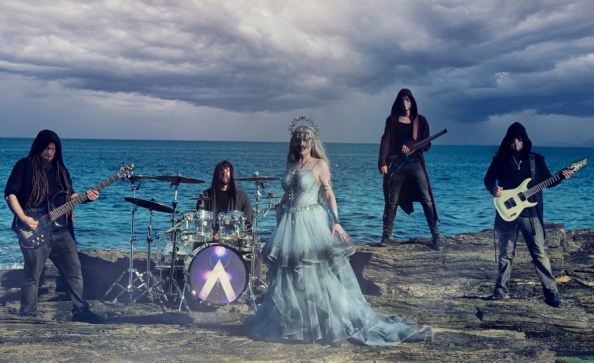
photo of Anaria from the filming of their music video "The Sandman"

photo by Kendall Couture, for Wildthorn Productions; photo courtesy of Anaria

Anaria continues to mix its tone and sounds within the envelope of the band’s general style. “Ritual” is musically aggressive. “Golden Crown” is a little slower-tempoed (for the most part). And “The Red Queen” soars but still manages to fit the ominous lyrics.

Finally, the band closes with its cover of HIM’s “Wings of a Butterfly.” It’s energetic and fun to sing along with, at least until you realize you’ve just screamed “Come on and show them your love. Rip out the wings of a butterfly.” Hopefully no one heard it. Anaria’s cover sports a bigger sound, features vocals that soar a bit more, and is musically a little heavier than the original. All in all, an exceptional cover. And a song you might know right of the bat as you get familiar with the rest of the disc.

My favorites on Holding Cell are “Holding Cell,” “Vampire Disco,” and “Worthy” – one fast, one mid-tempo, and one slow. But ask me tomorrow, and I’ll probably choose others. In all, this is a strong release from an arena-caliber melodic/progressive metal band.

More Recently

Since releasing Holding Cell, Anaria has also released an EP, Sign of Life, which the band notes is a 3-song collection of unreleased material with a space theme, and three more singles: “Trigger,” “Crave,” and a cover of Lady Gaga’s “Disease.”

Album Review: Walter Sickert & the Army of Broken Toys – Between Breaths

Walter Sickert & the Army of Broken Toys – Between Breaths album coverAlbum Review of Walter Sickert & the Army of Broken Toys: Between Breaths

I can’t really explain why I enjoy listening to Walter Sickert & the Army of Broken Toys so much. Their music is unusual, irreverant, sometimes outlandish, performed with precision, and joyously original and positively fun to listen to. Oh, will you look at that? I guess I can explain it.

More than a year ago, I reviewed this group’s exceptionally creative single “Goth Beach.” Well, Between Breaths is a full-length collection of Walter Sickert & the Army of Broken Toys’ theatrical, over-the-top originals, and it’s the album you never knew you really needed.

Disc-opener “Bed and Breakfast” is probably my favorite in the collection. At least, it’s the most memorable, notably that I’ll always refer to a B&B now as a bed and “motherf***ing breakfast!” The lyrics are imaginative and fun, and the vocal delivery is soaring and edgy, sometimes simultaneously.

Stylistic variance is significant across the selections on this record, though they’re all very clearly within the somewhat exaggerated musical delivery style of Walter Sickert & the Army of Broken Toys.

“Wally Wonka,” for example, sounds musically like psychedelically demented carousel music. (And if randomly pops into my head all the time, so it’s clearly catchy!) “Firefly” and “Holes in the Sky,” meanwhile, could be powerful classic or progressive rock songs with different arrangements; instead, it sounds like a WS&tAoBT cover of such a song (though, of course, it’s an original).

“Laundromat” and “Pusssy Cat” deliver another style, along the lines of over-the-top, rhythmic industrial music-styled tunes.

“Silver Screens” and “Around the Circle” are softer, more atmospheric songs, with “Silver Screens” having somewhat softer edges and, therefore, being the song more likely to appeal to a broader listenership.

If you ever wanted to have this band committed to an asylum, well, a lot of their songs would do the trick, but “Dream Spell for Time Travel,” a less-than-one-minute spoken word track, is perhaps the best option. Tim Burton would have a hard time matching this odd prose. However, it leads into “Ima Hex,” whose rhythmic rise and fall is based on an exceptionally engaging rhythm and Sickert’s emotionally raw (perhaps hysterically so) vocals that are gravelly scream-sung at the song’s apexes. OK, so it’s hard to describe, but it’s engaging as hell… or hex.

The rest of the disc continues in a similarly eclectic way. “I Shine Me Down” has a catchy rhythm. “City in an IV” is a distantly rhythmic number. “Between Breaths” is a softly psychedelic, relaxing-mood piece. And, finally, “Never Sleep Nervously” starts with an almost music-box piano feeling before flowing into an oddly disturbing number that might be sung by a deranged clown that haunts your dreams. It’s an effectively unnerving way to end an album. But that’s exactly what you’d expect from this exceptionally talented troupe that might be described as the carnival sideshow of Boston’s top musical outfits. (That’s meant, of course, in the best possible way.)

Personally, my favorite songs on Between Breaths are probably “Bed and Breakfast,” “Holes in the Sky,” “Silver Screens,” and “Ima Hex.” Give this unusual 14-song collection a listen and, if you enjoy the musical insanity therein, see which songs will be your faves.

Album Review: Saxon – Hell, Fire and Damnation

Saxon – Hell, Fire and Damnation album cover

image courtesy of New Ocean Media

Album Review of Saxon: Hell, Fire and Damnation

Classic metal. That was always Saxon. All rock fans always respected Saxon and knew a Saxon concert would be a hell of a concert, even fans of less heavy, more melodic metal (which – who are we kidding? – was really melodic hard rock, and I say that as a huge fan of that subgenre). Well, Saxon hasn’t lost a step. Hell, Fire and Damnation is a heavy rock album full of classic old-style metal, varying significantly from song to song but always relentless.

The album starts with a minute-and-a-half spoken word opening, “The Prophecy,” delivered ominously by renowned English actor Brian Blessed OBE. It sounds like the opening proclamation of the sort of epic fantasy movie the album’s cover would suggest. The songs that soar are almost Dio-reminiscent, while others are merely weighty guitar-driven classic heavy rock.

The title track, “Hell, Fire and Damnation,” is a steadily plodding classic power rocker, with Biff Byford’s vocals echoing as if from a mountaintop. There’s plenty of power guitar, as well as dancing guitar solos, from axemen Doug Scarratt and Brian Tatler. And the rhythm section of Nigel Glockler (drums) and Nibbs Carter (bass) is heart-thumpingly heavy.

Next up, “Madame Guillotine” opens with a softer version of its dominant rhythm, one that’s interrupted only for a mid-song softly meandering guitar solo before additional instruments join back in and reintroduce the pounding rhythm.

Focusing on Marie Antoinette, that’s just the first of the historically-based songs on the album. Other historical subjects covered on the disc are Kubla Khan (“Kubla Khan and the Merchant of Venice”), the Battle of Hastings (“1066”), and the Salem witch trials (“Witches of Salem”). The band also goes historically supernatural on “There’s Something in Roswell.”

Album-ender “Super Charger” is a strong way to finish, full of energy and power. A great driving song, especially if you’re on the autobahn because with its tempo, there’s no way you’re keeping it below 120 mph – I mean, 193 kph.

My three favorite tracks are “Hell, Fire and Damnation,” “Madame Guillotine,” and “Super Charger,” but the album is so solid, I’m sure there’ll be plenty of disagreement. Hell, Fire and Damnation is a great beginning-to-end listen. The guitarwork is impeccable, and it’s probably the main reason this disc doesn’t feel too heavy to me, even though it’s clearly an awesome display of rock power. It will not disappoint fans of heavy rock. Aside from the occasional brief respite to showcase powerful vocals or fancy guitar shredding, this album is relentless old-school-power heavy rock.

Single Review: Derek Smith and the Cosmic Vultures – “White Spade Symphony”

Derek Smith and the Cosmic Vultures – "White Spade Symphony" single cover

image courtesy of Knyvet

Single Review of Derek Smith and the Cosmic Vultures: “White Spade Symphony”

“White Spade Symphony” from Derek Smith and the Cosmic Vultures is the best brand-new ’70s-style psychedelic classic rock song you’ll have heard in quite some time.

Derek Smith and the Cosmic Vultures band photo

photo courtesy of Knyvet

The song clocks in at under 4 minutes, but it feels longer, as would be expected from a true ’70s psychedelic rocker. There’s a long instrumental section in the middle of the song that showcases screaming classing rock axework, giving it the feeling of one of those 5-to-7 minute AOR opuses from the seventies. (Note the foreshadowing there, kids.) There are segments of the song that remind me of Buffalo Springfield’s “For What It’s Worth (Stop, Hey What’s That Sound),” though the classic rock reference is meant more generally, based on the tone of the guitars and the thin, distant seventies rock sound of Derek’s vocals.

In any case, “White Spade Symphony” is memorable and so well-done that it will soon become a favorite if you’re a fan of guitar-based classic rock in general, not just the ’70s psychedelic subcategory.

More Recently

Since the release of “White Spade Symphony,” the band has released two more singles – “Tomorrow Morning” and “Songbird” – and a full-length album, Opus, which contains both of those two singles but not “White Spade Symphony.”