
Album Review: Cryin’ Out Loud – Play Loud & Smoke Often

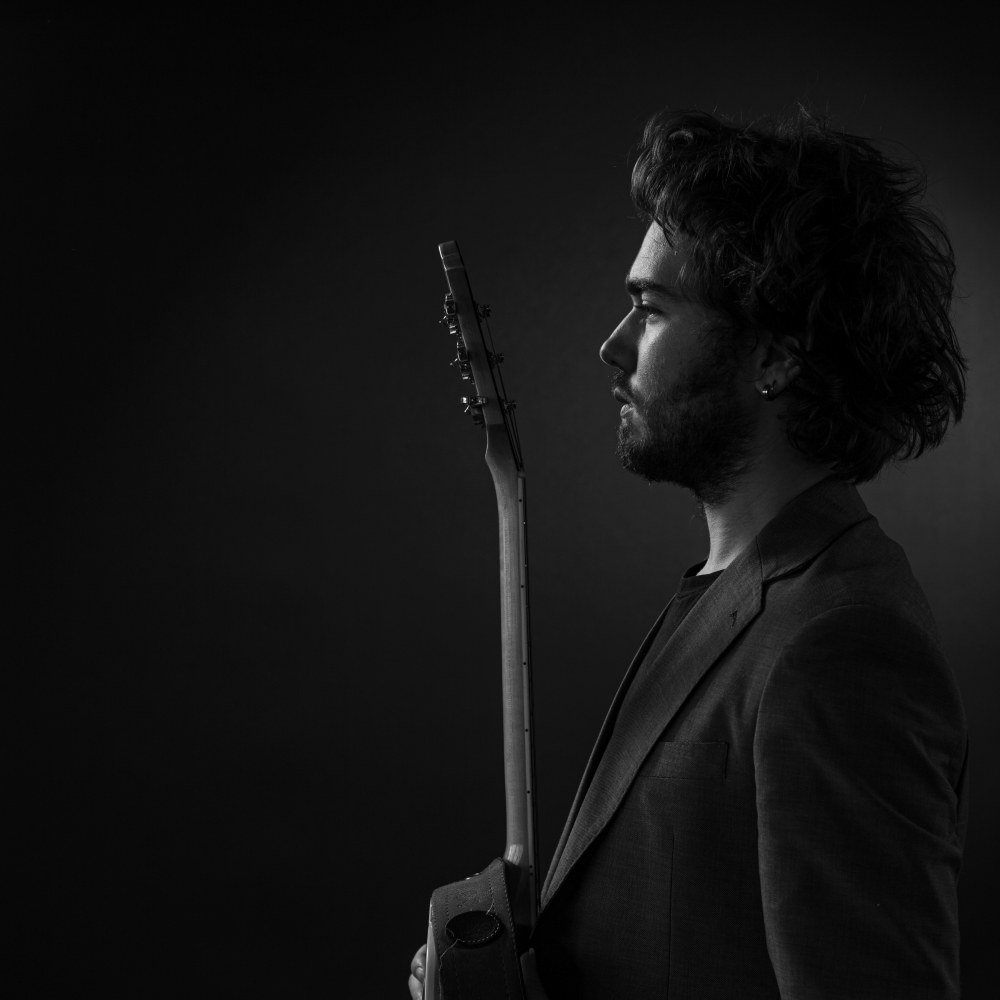
Cryin' Out Loud – Play Loud & Smoke Often

image courtesy of Frank Roszak Promotions

Album Review of Cryin’ Out Loud: Play Loud & Smoke Often

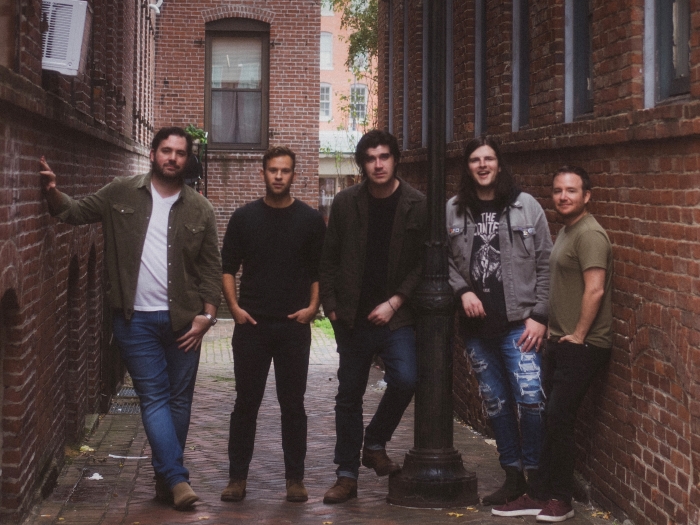
This is a good ol’ rowdy, smoky barroom-era rockin’ blues (and bluesy rock) record. On Play Loud & Smoke Often, Cryin’ Out Loud, comprised of Ben Chute (guitar), Brandon Stallard (vocals, guitar), and Jim Fratini (bass, background vocals), welcomes guest appearances from Erik Lawrence (Little Feat), the late, great Paul Nelson (The Paul Nelson Band), and Brooks Milgate (Ana Popovic’s band).

The first three songs kicks things off with some raucous, playful, rockin’ blues energy, letting the listener know this band knows how to create (and enjoy) a good time. Right off the bat, vocalist/songwriter Stallard leaves no doubt about the band’s proclivity with the raucous, fun, rockin’ blues number “I Smoke Cigars and I Play the Blues.” The energy level remains high with “I’m Gonna Drink My Way to Memphis,” at least once the song amps up and gets groovin’. And a swingin’ opening provides a new nuance to the bands style while maintaining the fun energy, as “You Can Dance to the Blues” kicks into groove. Play Loud & Smoke Often, a great record throughout, is front-loaded with electric energy.

Finally, the band slows things down with the methodically thumpin’, slow blues wailer “If You’re Gonna Leave.” Personally, I like the lyric, “When you leave, honey, be sure and take your momma, too.” That’s some downhome blues.

The rest of the disc remains solid and varies a bit more. I won’t name every song to rest of the way; I’ll focus on a few personal favorites. “Unconditionally,” for example, is soft and heartfelt – the only song on this record that doesn’t seem to be at all blues, but rather more like a Southern folk number. However, you can see why it’s on the disc. It’s a sweet song about daddy missing his little girl that’ll put a lump in your throat. “Tell Her” is a blues-based rocker featuring very Bob Seger-styled vocals, with maybe a hint of The Boss, and sporting a pace of delivery that maybe a little Mellencampy. “Moonshine Love” is another cool departure, a more swingin’, ’50s rock-influenced blues number with an almost Joe Cocker-ish edge to the vocals.

Finally, “Time Away From You” closes things with a fun energy, opening with the nifty line “I need a drink. I need a smoke. I need to run around with a girl I don’t know. I need to laugh. I need to sing. I need time away from you, if you know what I mean.” Its moderately-fast tempo and bluesy lyrical snark are a great way to end this entertaining record.

Looking Ahead

The “Events” tab of Cryin’ Out Loud’s Facebook page lists numerous shows around Maine throughout the rest of the year. Mainers, this is good news for you. For the rest of us, especially here in New England, it might be worth a trip. I mean, a visit to Maine is always a great idea, but it might be worth wrapping the trip around a Cryin’ Out Loud gig.

Album Review: Edoardo Liberati “Synthetics” Trio – Turning Point

Edoardo Liberati

photo by Pino Donato; photo courtesy of Edoardo Liberati

by Eric Harabadian, Contributing Blogger

Album Review of Edoardo Liberati “Synthetics” Trio: Turning Point (Wow Records)

Edoardo Liberati is an Italian jazz guitarist extraordinaire who works in a variety of musical mediums. He is an accomplished composer who wrote seven of the nine tunes on this freewheeling and free-flowing trio date. He is joined by Dario Piccioni on double bass and Riccardo Marchese on drums.

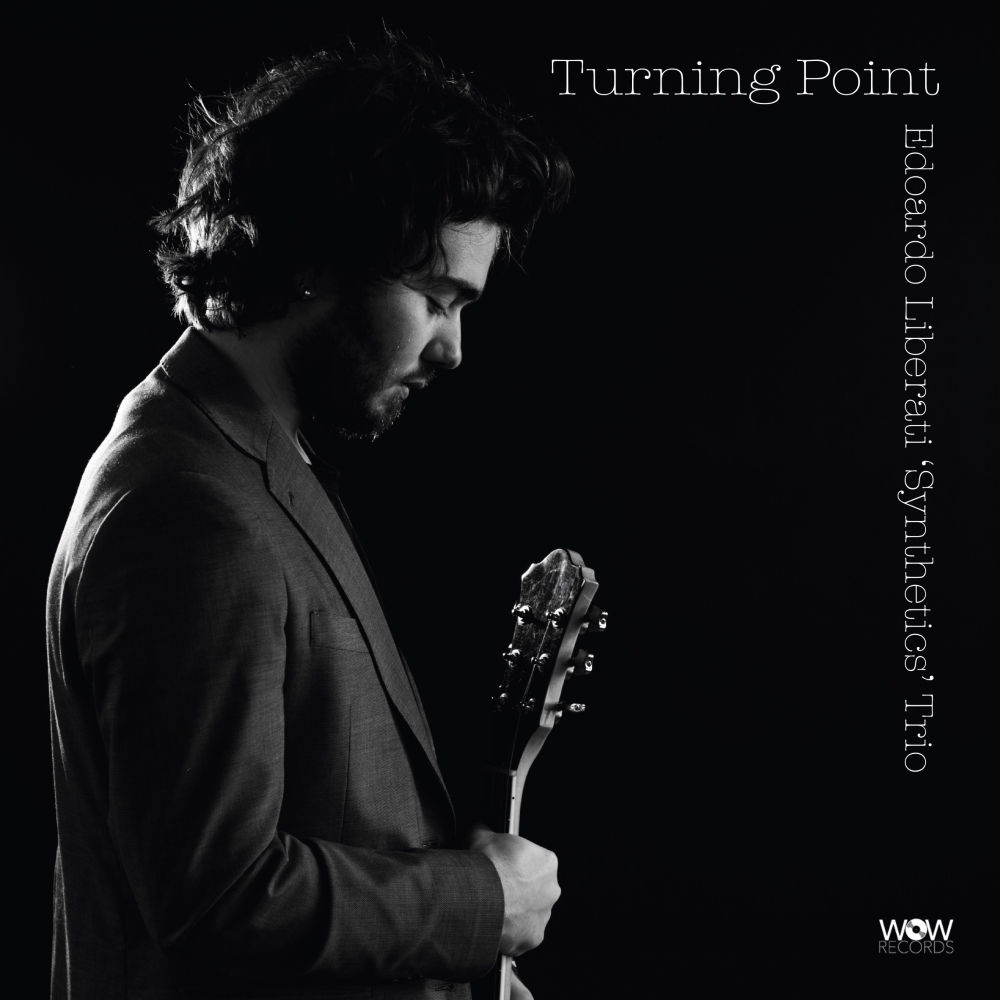
Edoardo Liberati "Synthetics" Trio – Turning Point album cover

album cover photo by Pino Donato; photo courtesy of Edoardo Liberati

Stylistically, Liberati is influenced by a mix of classic and modern masters of jazz and improvisational guitar. Everyone from John Scofield and George Benson to Julian Lage and Kenny Burrell seem to rise to the surface when this young burgeoning talent hits the strings.

Upon the first listen to this album, perhaps the trio’s strongest suit is their ability to listen and play off one another. There is simpatico in their relationship where they are tight in their ideas, rapport, and connectivity. These are all the qualities that should be the goals of any successful band. And this group has it in spades. Liberati may be the leader, but they are the “Synthetics” Trio and are a fully functioning unit in every sense of the word.

Edoardo Liberati

photo by Roberto Ceccaroni; photo courtesy of Edoardo Liberati

“Dear Jane” begins the album, with a sweet and delicate melody that sounds like a love letter to someone special. There is plenty of air and space in the way the notes and solos are placed that it allows the listener to truly absorb and take in the enormous beauty this tune has to offer. Overall, the tune has a lilting quality that recalls some of Pat Metheny’s early work. Liberati’s acoustic work is superb and blends nicely, with the light cymbal and snare interplay from Marchese and Piccioni’s bass solo.

“Porcelain” is a rare and surprising addition to the roster. It is a deep cut from Red Hot Chili Peppers’ Californication album, and it gets a respectful and slightly re-harmonized treatment here. Liberati is faithful to the contemplative quality of the song. He pays great attention to each phrase and note within the verse. Both the guitar and bass work in concert and focus on sustain and ambience. The result comes off like a very hip lullaby.

Edoardo Liberati

photo by Pino Donato; photo courtesy of Edoardo Liberati

“One For Uncle John” is dedicated to one of the young guitarist’s heroes, the aforementioned John Scofield. It’s a smooth slice of modern bop, with an asymmetrical feel that bobs and weaves via the subtle rock steady inertia of Piccioni and Marchese’s interplay. Liberati also alters his tone slightly and emits a mild growl and bite to his chords and single note lines.

The stylistic diversity continues on the tune “Apnea.” It’s got a waltz-like time signature and has a very open vibe, not unlike some of John McLaughlin’s Mahavishnu Orchestra or early solo material. The mid-section features beautiful and energetic support from the bass and drums as Liberati works subtle volume swell-induced soundscapes into the mix. It’s a dreamy head trip of a journey.

The trio goes for a traditional jazz feel, with the title track, “Turning Point.” Upon the first downbeat, what captures your ear right away is Marchese’s lithe snare brush work. He delicately stirs it up and lays the groundwork for Liberati’s wonderful Pat Martino-like lyricism. Once that’s established, Liberati takes the first solo, which features a deft and thoroughly engaging blend of modal flourishes and dazzling intervallic leaps. When he passes the solo baton to Piccioni he provides ample space, with open chords and light anchor notes.

Edoardo Liberati

photo by Roberto Ceccaroni; photo courtesy of Edoardo Liberati

Inspired by the great George Benson, Liberati performs a solo guitar version of the Hoagy Carmichael classic “Stardust.” It’s a lovely and serene adaptation that finds the ambitious axe man weaving in and out of the traditional structure of the song, yet retaining its integrity along the way. “Another Story” tells another tale in regard to the “Synthetics” Trio. Seemingly built on some atonal-like chord changes , a musical dialogue is created between, first guitar and drums, and then guitar and bass. They each trade solos back and forth. As the tune builds, so does the intensity of the interplay. It’s probably one of the more “out there” tunes on the album.

Again, within the context of the trio setting, Liberati leads this group through folk and country-type waters on the track “Small House.” The guitarist goes acoustic here and, even, takes on a gypsy Django Reinhart-like quality in his phrasing and tone. Marchese employs the brushes while Piccioni digs in, with a muscular edge. It almost kind of bookends the album, with that touch of lightness found in “Dear Jane.”

Edoardo Liberati

photo by Roberto Ceccaroni; photo courtesy of Edoardo Liberati

They conclude, with the lively and uptempo “Round Town.” There is a decidedly gritty veneer to the guitarist’s tone. It’s a tad brighter and the chords sharper, as the melody ascends and descends at a moderately brisk pace. The drums and bass follow in kind, and the tune crescendos in a no holds barred vamp.

Edoardo Liberati “Synthetics” Trio is doing some amazing things in the name of modern jazz and improvisational music. They can take contemporary rock/pop or traditional fare and craft it to suit their collective and expansive vision. Liberati and company deserve all the accolades they have received thus far. They are truly taking instrumental music into exciting new directions.

Where to Follow Edoardo

You can find Edoardo online at his website. You can also stay up-to-date with his latest goings-on by following him on Facebook or Instagram.

Album Review: Dirtbag Republic – Bad Decisions

Dirtbag Republic

photo courtesy of Dirtbag Republic

Album Review of Dirtbag Republic: Bad Decisions

On the heels of the instant classic Tear Down Your Idols, Dirtbag Republic returns with the band’s fourth studio album, Bad Decisions, a new collection of raw, rowdy, unrepentant rock ‘n roll songs pandering to fans of cleverly-phrased, energetic, filthy-catchy anthems. Recalling the early-eighties Sunset Strip bands whose gritty demos belied their mammoth hooks and blistering axework, Dirtbag Republic is energetically raucous, and this album is like a slow-moving virus. Slowly, as your battered brain begins to adept to the album’s fast pace and the music sheen of white noise, it discovers an album of soon-to-be favorites. If I had to pick a band to compare them to, Hanoi Rocks would come closest, but these guys are Dirtbag originals.

The album kicks off the a jangly dirty-glam rock guitar riff before Sandy Hazard’s inimitable voice – a tuneful, rough-hewn, does-he-gargle-razor-blades?-tinged classic rock wail – takes over, and by the end of the song you’re singing along with “I don’t care about nothin’.” And, like most of the disc, the music elicits the sound and feel of the sort of dark, sticky live music clubs that smell like flop sweat and desperation, places where all the best nights of your young life happened.

Dirtbag Republic – Bad Decisions album cover

image courtesy of Dirtbag Republic

One of the coolest things about these guys – and I’ve gotta go here in part because there are only so many ways to describe fun, raucous, guitar-driven rock songs – are the songs’ lyrics. Someone here is a songwriting savant. Sure, some song titles give it away – for example, you know you’ll soon be singing along with the title lyrics of turn-it-to-ten, energetic “Bipolar Rollercoaster” – and others sound interesting (“Streetlight Parasite”) while the memorable lyrics are thematically title-adjacent, but sometimes the coolest lyrics – and the ideal sonic and vocal deliveries – come in less obvious locations.

“I Fought Them All,” for example, amid its fast-driving tempo and relatively blistering, attention-grabbing, late-song axework, and what you think is going to be the singalong title lyric, “I fought them all, I fought them all,” sneaks in surprisingly clever elocutive riffs like “Beatdown a-comin’, don’t stop a-runnin’. It’s up to you, my friend. Bitchslap a-comin’ don’t stop a-runnin'” and the Mr. T-esque “you think you’re better than me, fool.” Yeah, I know. It’s not just the lyrics; it’s also the delivery.

And on dive-bar anthem “Bad Decisions,” the band paints a vivid picture with the lyrics “I’m warning you lady, I know you’re on a mission. Don’t come any closer, you smell like bad decisions” supported by the appropriate steady, thumping drum beat, jangly guitar riffs, and grizzly vocal tone. Again, the well-oiled, favorite dive-bar sound makes sense… and, in this case, scents. Well, OK, I guess mabye that one is title-adjacent.

Dirtbag Republic

photo courtesy of Dirtbag Republic

But I think my favorite lyric, certainly of the last year and quite possibly of the decade, comes in “Hard in the City.” Compared with the other songs here, there’s a bluesier, blues-rock edge right from the start. But the sneakiest favorite lyric is hiding in plain sight in the chorus: “Raining hard down in the city, washing away the piss and despair…” Yes, that’s right. Now try not thinking of that lyric whenever you’re in a city in the rain. Makes me think of Paris. Fondly.

Of course, it’s not all about the lyrics. Even without the clever wordsmithing, Bad Decisions would be a fun favorite record. And it’s not all an adrenaline ride. Dirtbag Republic can take it down a notch, too, though they rarely do. However, this disc contains one of those classic open-space songs – is that organ in there? – “Here I Am,” replete with a Billy Joel-ish late-song keys solo and some lyrical runs that remind me a little of Blog favorite rockabilly-ish alt-country singer Adam Lee.

The album’s penultimate track, “Cocaine Heart,” digs a little deeper and channels a little more ’70s classic rock energy. And it’s followed by energetic disc-ender, “Light Your Fuse,” with a tempo that’ll get your blood pumping.

So yeah, Bad Decisions is yet another instant-classic record from Dirtbag Republic. The production and delivery are a little rawer than I typically favor, which causes my listening habits to recall the first time I heard Dirtbag Republic. The music grows on me slowly, with the sneaky hooks slowly digging in, and by a few listens, I can’t imagine these catchy songs – so many of them new favorites at this point – being performed any other way. Give these guys a listen. You’ll probably love the whole album like I do. But for sure you’ll at least find a couple new favorite tunes.

Album Review: Sado-Domestics – Camouflage: Stories by T.J. Gerlach

Sado-Domestics band photo

photo courtesy of the Sado-Domestics

by Eric Harabadian, Contributing Blogger

Album Review of Sado-Domestics – Camouflage: Stories by T.J. Gerlach

Sado-Domestics – Camouflage: Stories by T.J. Gerlach album cover

image courtesy of the Sado-Domestics

Sado-Domestics are a Boston-based collective of singer-songwriters and instrumentalists that draw from heavy folk, blues, pop, rock and Americana roots. Chris Gleason and Lucy Martinez lead the charge vocally and composition-wise. They are joined by Jimmy Ryan on mandolin, Eric Royer on pedal steel, Jim Gray on bass, and Jeff Allison on drums.

The band has a series of releases out, with their latest being based on fictional short stories by author T.J. Gerlach. All the songs on this album were inspired by Gerlach’s process of “die-cut” word play. The author would take significant words from various other authors’ books he admired and create his original nuggets of fiction derived from snippets of borrowed words. Hence, Gleason and Martinez employed that same approach to the songs. The result creates a world that resides somewhere between the literal and the impressionistic.

Sado-Domestics

photo courtesy of the Sado-Domestics

The dozen songs here feature the exquisite harmonies of Gleason and Martinez where the stories are right up front and the band totally supports the message in subtle and nuanced reflection. Songs like “Dusk” and “Shale” run the emotional and musical gamut from ambient, tuneful and melodic to a slow burning country feel, with Royer’s tasty pedal steel work running throughout.

Martinez simply shines on the song “Hands.” It features a crisp and brisk mid-tempo rock feel. “Shades” ushers in brilliant harmonies from Martinez and Gleason. Ryan’s mandolin and all the other elements converge to give this one a decidedly Celtic and bluegrass intent. “Phantom Punch” sounds like it could be an outtake from a latter day Byrds or Little Feat record.

Sado-Domestics

photo courtesy of the Sado-Domestics

Other tracks that seem to jump out and emotionally grab you in multiple ways are the dreamy ambience of “Corridor,” the traditional country lilt of “Deep Blue,” the melodic alternative and sparse rhythms coupled with angelic vocals that define “Photographs,” the lackluster Tom Waits-like “Everyone is From the Past,” and the slightly experimental and eerie, yet melodic “Apocalypse.”

Camouflage is a great listen and should appeal to fans that appreciate all facets of Americana music and its offshoots. But, lyrically, it differs from other albums in the Sado-Domestics’ catalog in that they base all their concepts on Gerlach’s somewhat unorthodox methods to storytelling. However, kudos go to the brain-trust of Gleason and Martinez.  As primary songwriters they chose to go off script in a fresh and creative direction. Some of the songs may seem obtuse or obscure, but they are so worth the emotional investment.

More Recently

Since the release of Camouflage, the Sado-Domestics have released three more singles – “Big Cat,” “Good Day,” and “Chancer” – which can all be found on the “Music” page of the band’s website.

Sado-Domestics band photo

photo by Jenny Jarrad; photo courtesy of the Sado-Domestics

Looking Ahead

You can find several upcoming performances on the “Shows” page of the Sado-Domestics’ website. (Notice that you should click “Next” at the bottom of the list of shows to see additional dates.) There are several shows listed above and beyond the “Second Sundays” shows at the Square Root in Roslindale, MA.

Album Review: BlitZ – Kicking Up a Storm

BlitZ band promo photo

photo courtesy of Head First Entertainment

Album Review: BlitZ – Kicking Up a Storm (Shock Records/Vanity Music Group)

BlitZ has a timeless hard-rockin’ style all its own, but it’s clearly rooted in a classic ’80s-style hard rock (“classic melodic metal”) sound. Comprised of Stuart Corden (bass, lead vocals), Kevin Simpson (guitars, backing vocals), and Mat Davis (drums, backing vocals), BlitZ has been rocking the world from its Nottingham, UK base since 2015, first earning recognition for its self-titled debut EP in 2016. After several more releases, garnering a fair amount of attention, particularly in the UK, BlitZ released Kicking Up a Storm in 2024.

BlitZ – Kicking Up a Storm album cover

image courtesy of Head First Entertainment

From the latest disc, Kicking Up a Storm, the explosively, energetically melodic “C.O.G.” (Crawling on Glass) is the song that’s stuck in my head most often from this record, but it’s also the cleanest, most straightforward rock track on the record. Similarly energetic, “Give Me Tonight” adds just a hint more grittiness and slightly more sidewinding guitarwork. If I were to make it a trio of the most mainstream melodic hard rock songs on Kicking Up a Storm, I’d include “I’ll Find You in Yesterday,” an old-school classic hard rock ballad – every melodic hard rock album’s gotta have one – that reminds me of Skid Row’s ballads.

BlitZ band promo photo

photo courtesy of Head First Entertainment

You like things a little heavier? Well, BlitZ has you covered there, too. In fact, that’s how the record starts. “Break Neck” is an energetic classic metal rocker with a heavy rhythm driving the song forward and vocals that seem on the verge of becoming ragged several times, though they don’t as Corden’s vox is up to the task. That’s followed by the really heavy-thumping “Shell Shock,” which firmly establishes the band’s metal street cred before they start to mix in a little more melodic-focused finesse on some of the following tracks.

Several other songs stand out, too, on this ten-track release. In the band’s notes about Kicking Up a Storm, BlitZ mentions AC/DC as in influence in “Keep Moving On” and Freddie Mercury/Queen as an inspiration for “Freddie Said.” Yeah, you’ll hear those influences, though there’s a really un-AC/DC-like, very cool, creative funky midsection in “Keep Moving On”; “Freddie Said,” a uniquely theatrical hard-rockin’ must-hear, remains more Queen-reminiscent throughout.

BlitZ band promo photo

photo courtesy of Head First Entertainment

“We Are the Power” is a uniquely BlitZ song I can’t entirely compare to other bands, with a little funky hard rock vibe mixing with a straight-ahead rock rhythm and the audience participation-inducing shout-along lyrics “we are the power!”

In fact, the whole record is a great listen, serving up a nice variety of classic hard-rock/classic metal songs. It ends with the title track, “Kicking Up a Storm,” the track with the funkiest rhythm on the album, with a few abrupt direction-shifts and tempo changes to keep you guessing. It’s a cool song, and by closing the record with it, BlitZ jolts you into pressing play and re-listening, if you’re so inclined.

If you’re a classic hard rock fan, this record is a must-hear. It’s influenced by a lot of your favorite bands, but BlitZ combines those influences into a sound that’s all its own.

More Recently

Kicking Up a Storm remains BlitZ’s most recent original recording, but in November they released a cool cover of Billy Idol’s “White Wedding.”

Album Review: A Doll’s House – Annum

A Doll's House

photo courtesy of Thermal Entertainment

Album Review of A Doll’s House: Annum

A Doll’s House has an interesting backstory. To summarize the “About” page on the band’s website, Dav Petrunich (guitar), Seth Rafkin (bass), and Tony DeFranco (drums) were in a band together in the late ’80s, playing gigs at the big LA clubs – The Whiskey, The Roxy, The Troubadour, etc. After parting ways for about 30 years, they reassembled, joined by LA vocalist David Santos, to release Annum, an album produced by Brian Wheat (who rock fans may know as Tesla’s bass player).

Something about A Doll’s House’s sound reminds me of The Moody Blues, America, Bread, Cream and similar seventies-style rockin’-yet-laid-back classic rock bands. Interestingly, from perusing the band’s bio, none of these were mentioned as early influences. Regardless, there’s a cool, smooth rock vibe permeating Annum, an album that would fit well into AOR playlists of almost any era.

A Doll's House – Annum album cover

image courtesy of Thermal Entertainment

“And Time” kicks things off with an opening, smooth flow, with a hint of slow progressive styling and modest-tempo guitar noodling driving the song’s sound.

“Hey Wait,” the first single, somehow moves steadily forward despite a a floating hauntiness. If playlist companioins were a wine pairing, I’d match this with Buffalo Springfield’s “For What It’s Worth.” “Hey Wait” is slower, smoother, and more richly produced – and I may really just be vibing on the “hey,” as in the latter’s “stop, hey, what’s that sound” – but it still strikes me as a solid two-fer.

“Woven” sneaks in some Beatles-esque soaring vocal runs. And “Change Your Mind” seems like an unpsychedelized (yeah, I know, not a word) version of a slow-tempoed, classic psychedelic rocker.

“Over Easy” could be a semi-acoustic ballad from a top ’80s/’90s band, with soft opening lyrics “You wish it wasn’t over, but it looks like it is. Try to straighten up your shoulders from that kick in the ribs.” Of course, the musical and vocal power kicks in whenever the song exits its verses, as in the immediately following lyrics, “And I can tell you, ‘Honey, you’re gonna be alright.” This was a great, AOR-friendly choice for the album’s second single.

A Doll's House

photo courtesy of Thermal Entertainment

By now, at Annum‘s halfway point, A Doll’s House has established itself as a diverse, soft-tempo classic rock band that’s an easy, pleasant listen. If the “B side” doesn’t disappoint, this’ll be a good beginning-to-end listen whenever you want the mellower side of classic guitar rock on your turntable. Spoiler alert: The “B side” doesn’t disappoint.

“Woodwork” has almost a folk rock-influenced sound, simply smooth and flowing. “Steps to Summer,” next, opens with an almost country – maybe more Southern rock – guitar, with clever lyrics tying Summer, the woman, to summer, the season. In addition, the arrangement on “Steps to Summer” is unique from the rest of the disc, a cool diversion.

“Witch’s Tree” returns to mellow psychedelic-influenced rock, though it morphs into a guitar-screamer late in the song, channeling seventies classic rock stylings. I almost even hear hints of Boston in the song’s blistering axework.

As a Doll’s House nears the end of the record, the band really slows things down with the uber-mellow “Chimney” before flowing into the album’s closing track, the almost-as-mellow “Wisteria (Bloom).” Yet there’s something catchy about the song’s movements in “Wisteria,” from the flowing lead vocals to the richly harmonious “ooo-ooh”s to the soft, slowly-paced, perfectly suited mid-song guitar solo.

In total, Annum is a sneaky-good record, one I might have easily overlooked without a half-dozen listens. Fortunately, I gave the record its necessary spins. If this is your style of music, I’d recommend you give Annum a sufficient chance to win you over, too.

Album Review: Lori Triplett – When the Morning Comes

Lori Triplett standing in a clearing in the woods with the sun shining through the trees behind her

photo by Taylor Christian Jones; photo courtesy of Skye Media

Album Review: Lori Triplett – When the Morning Comes

When the Morning Comes is a collection of well-written, lyrically interesting, catchy songs at the country-folk singer-songwriter end of the Americana genre. Lori Triplett‘s songwriting is compelling, and her delivery is envelopingly engaging on so many of this album’s tracks that you’ve gotta give this a listen.

While there’s a lot of introspection and profound thinking to unpack in this release, there’s also plenty of hope and whimsy. Triplett’s voice is sweet but powerful and emotionally adept at navigating such a heavy yet pleasant collection of songs.

Lori Triplett – When the Morning Comes album cover

image courtesy of Skye Media

Album opener “The Wishing Star” kicks things off with whimsy, with clever lyrics from the point of view of your favorite star light, star bright.

“The Good in Us,” next, is more of a weighty-seeming, shuffling-along song with a tone that’s consistently slightly foreboding and a delivery that keeps you a little off-balance while still being pleasant and cautiously hopeful, as voiced by the final phrase of the chorus, “We gotta find it – the good in us.” It’s songs like this, with its not-so-straightforward style and emotion, that help make Triplett such an intriguing artist, ensuring When the Morning Comes remains an interesting listen, even after it appears nearly daily on your – well, let’s say your (my) “review queue” – for weeks and months. Or your “playlist,” if you prefer.

“Sanctuary” is a darkly soaring, introspective number with a full sound bed. It’s followed by the more sparsely instrumented “All I’m Letting Go Of,” a song that asks questions you never thought to ask, with a chorus that starts with “I want to know where it goes when you let it go. Does it just take a lap and come right back around?” and leads to the payoff “I want to know where all I’m letting go of goes.” It’s a mostly slow song with a occasional advancement of the tempo occasionally, briefly, when appropriate. The delivery is sweet and pleasant with tiny instrumental flourishes adding to the lyrics’ whimsy while sustaining the song as a serious repeated listen.

Lori Triplett smiling in promotional photo

photo by Taylor Christian Jones; photo courtesy of Skye Media

One of the songs I’ve been almost surprised to find pop repeatedly into my head is the smooth, vacation-flavored (a la Buffett, slightly – perhaps Buffett-adjacent) flowing number, “Mexico.” The linguist in me wishes Lori didn’t pronounce the “s” at the end of “anyway” during the line “thank you anyway, Mexico,” but that’s just the insidious language nitpicker inside of me. It doesn’t diminish my love for this soaring performance.

Lori begins the back half of the album with the somewhat foreboding instrumental opening of “Hollow White Oak,” replete with a haunting “oo-oo-oooh” lyric. As a lyricist, Lori turns some nifty phrases in this song, too, like “I’m headed out to sit beneath her, my wooden savior, secret keeper.” The sweet cadence of the phrase. I mean, this song is a rich, haunting sonic wonder, but as a writer, I keep noticing nifty couplets. Check it out for yourself.

Lori Triplett seated on a chair in a grassy field

photo by Wonder Film Co.; photo courtesy of Skye Media

“Things You Said to Me” is a breezy, steadfast song about when it’s better to let go than hold on, and though that phrase is not particularly different from a particular line in the song, mostly the lyrics coolly make that point without making it out straight. As in, it’s an interesting song lyrically, and the light strumming and come-closer, I’m-saying-something-profound, sometimes-nearly-a-whisper delivery is a perfect vehicle for the message.

One song that grew on me over many listens and is now one of my favorites in the light, cheerful, relentlessly hopeful “Light From Another Room.” Sure, times are hard, “but there’s a light on, there’s a light on somewhere… I see it cutting through the darkness of my deepest blues. There’s a light from another room.” At times, if you’re blue, that light could be this song. So put it on a playlist somewhere you can find it easily when you need it. And yes, sometimes it’s just “a soul-sucking routine” that’s responsible for the blues, but that doesn’t make it any less difficult to find the light sometime. Thanks, Lori.

“Night Rider,” the album’s penultimate track, is deep and dark, with a rich, atmospheric keybed and a vocal delivery that makes the entire song sound… well, deep and dark.

Lori closes the disc with melancholy, the sweet “Here for a Minute” that urges, gently, to live and share love because “we’re only here for a minute.” The song is an easy favorite, a pleasant listen and, depending on your mood at the time, potentially deeply moving. And, with that, the album is over.

Somehow, this album almost slipped past me, but when I had a chance to give it a good listen, I discovered When the Morning Comes really is something special. It’s soft and pleasant but complex, varied, and an easy repeated listen that soon becomes a favorite record. I’m so very glad it found its way into my consciousness.

Album Review: Shania Twain – The Woman in Me

Shania Twain

photo by John Derek; photo courtesy of UMe

Album Review of Shania Twain: The Woman in Me (UMe)

In February, Shania Twain‘s record label celebrated the 30th anniversary of Shania’s breakout album, The Woman in Me. It wasn’t Shania’s first album. Her self-titled debut peaked at 67 on the Billboard country chart, failed to break into the Billboard 200, and resulted in two singles that didn’t even make the top 50 on the country singles charts. No, The Woman in Me was Shania’s second release, and it’s the one that launched her to the stratosphere. It reached number one on the country charts – peaked at 5 on the Billboard 200 – and notched three number one singles on the country chart, eight top 50 country singles, and two top forty hits on the Billboard Hot 100 singles chart. It was the album that put Shania on the map, to be followed by a number two album and a number one, as Shania became a crossover country-pop superstar.

Shania Twain – The Woman in Me album cover

cover photo by John Derek; image courtesy of UMe

The two crossover hits – “Whose Bed Have Your Boots Been Under?” and “Any Man of Mine” – remain well-known classics. I’d posit “Any Man…” was the song that gave Shania the sort of confident, fun, ballbusting image that she built upon on the following album – in particular, I’m thinking of the attitude she brought to “That Don’t Impress Me Much.”

Of course, songs like “You Win My Love” and “If It Don’t Take Two” – both fun, mid-tempo country-rockers – balanced that with sassy but heartfelt appeals to true love. “If It Don’t Take Two,” by the way, was one of just four songs on the 12-song album that wasn’t released as a single, but over the course of multiple re-listenings of this album, it has become a personal favorite. And there’s a classic ballad on the record, too, that showcases Shania’s versatility. “The Woman in Me (Needs the Man in You)” was a top 20 country hit, which is a pretty big deal but pales a little on an album that spawned four country number ones. Still, it’s a heartfelt number that I’m sure graced many wedding playlists, at least at the time.

It’s odd that I never reviewed this album before, but at the same time, not so odd. When it was released, I was publishing Geoff Wilbur’s Renegade Newsletter, and though I was receiving most of the top country albums (Nashville was getting almost all of its biggest releases into my hands for inclusion in my publication), I had a bunch of great writers, so I often sent the hottest music their way for review. In particular, I had a particularly strong country music reviewing staff on that publication, so even though I reviewed some great country albums myself, I let my staff handle most of them. Come On Over, the next release, is part of my CD collection, so apparently I reviewed that one myself. (One day, maybe I’ll sift through my archives to see if The Woman in Me was reviewed in my publication 30 years ago.) But I digress…

Shania Twain

photo by John Derek; photo courtesy of UMe

As much fun as many of the songs on The Woman in Me are, it was an album whose song list was filled with very stereotypically on-brand country music heartbreak. The album kicks off with another personal favorite, the balladic “Home Ain’t Where His Heart Is (Anymore).” Heartstring-tugging songs like “Is There Life After Love?” and “Raining On Our Love” expressed similar, if slightly different sentiments; oddly, neither of those two songs were released as singles, but they’re fantastically powerful, both of them. And “Raining On Our Love,” heavy as it is, is followed by “Leaving is the Only Way Out,” an Opry-esque crooner that’ll bring you down to an even lower emotional depth, if possible.

Other songs range from even-more-sassy, as in “(If You’re Not In It For Love) I’m Outta Here,” and simply playful, like the fun “No One Needs to Know,” to the album-closer, “God Bless the Child,” a “hallelujah”-filled song that sonically recalls Sarah McLachlan’s “Angel.” Though Shania’s song is older, so maybe that recollection should be stated the other way around.

Anyway, for those who remember first hearing all of these songs 30 years ago, this is a great trip down memory lane. For those of us who heard the singles but didn’t know the album, there are some soon-to-be-favorites on here that never previously entered our consciousness. And some of the rest of you? Well, maybe you’re relatively new to Shania (yes, some people were born after the nineties). Maybe you’re familiar with her 2023 release Queen of Me (which charted in Canada with “Waking Up Dreaming” and “Giddy Up!”) or her kickass 2023 single with Anne-Marie, “Unhealthy.” Well, then this is a great way to start your journey.

Shania Twain

photo by John Derek; photo courtesy of UMe

Final Word

This goes out to the longtime, old-school Shania Twain fans: If you haven’t heard Queen of Me, give it a listen. And if I can only convince you to check out one song from that 2023 release, skip the singles. Instead, check out “Pretty Liar.” (But not at work; it’s a little NSFW.) I mean, yeah, you can check out the singles, too, and the rest of the album, but I’ve just told you what my favorite song is.

Album Review: Hell’s Addiction – Nine O’Clock Horses

Hell's Addiction

photo courtesy of Head First Entertainment

Album Review of Hell’s Addiction: Nine O’Clock Horses

Whether you consider this genre to be heavy rock or classic metal, Hell’s Addiction‘s Nine O’Clock Horses is a collection of fast-paced, engaging, hard-driving earbleeders… in the best possible way.

The album opens heavy – full of guitar, drums, and fury – with power rocker “Leave It Alone.” The next song, “Upside Down,” opens kinda haunty before launching into a sidewinding, heavy, unnerving rhythm with a cool, edgy delivery.

Hell's Addiction – Nine O'Clock Horses album cover

image courtesy of Head First Entertainment

Song number three on the disc, “Scream Your Name,” was the album’s first single, and it was a terrific choice. “Scream Your Name” is a hook-filled heavy melodic rocker with that utilizes stop-starts, tempo changes, soaring vocals, and repeated guitar hooks to jump off the record. This song, in particular, is straight out of the late ’80s/early ’90s, akin to something that might have been a big hit for Slaughter.

“Run For Your Life” follows, equally catchy and classic hard rock-based but a little more timeless. “Crying Over Me,” which follows, is a little heavier and a little edgier.

Hell's Addiction

photo courtesy of Head First Entertainment

“Your Master Plan” opens as a guitar-driven, eerily soaring heavy metal ballad, with the “there’s got to be another way” serving as the singalong lyrics while the music bed roars with muted power.

“Save Me” serves up a heavy thumping rock rhythm that drives the song forward forcefully in support vocals that are generally more tuneful than the aggressive instrumentation might typically suggest. Then, similar to the “Run for Your Life”/”Crying Over Me” sequence earlier in the record, the following song “Give Me a Sign” skews heavier. And it’s followed by a ballad.

Hell's Addiction

photo courtesy of Head First Entertainment

In this case, though, said ballad “Love” is a stripped-down, barebones heartfelt plea for more than half of the song, seemingly a la Mr. Big, before quite suddenly but naturally morphing into a very electric guitar-driven power ballad with much fuller production for the final minute-plus. Very cleverly arranged.

Sidewinding guitar rocker “Playing Chicken With a Knife,” straightforward classic rocker “Stare Into the Sun,” and chicken-fried, swampily rhythmic heavy rocker “Cannot Hide” close things out.

Beginning to end, Nine O’Clock Horses is a robust, enthusiastic guitar rock album that draws upon the heavier, edgier segment of the ’80s-style classic, heavy melodic rock subgenre. If you rock hard and dig guitars, you’ve gotta hear this disc.

Album Review: The Outfit – Go

The Outfit band photo

photo courtesy of Pavement Entertainment

Album Review of The Outfit: Go (Pavement Entertainment)

The Outfit‘s Go is one helluvan AOR album. Guitar-driven rock with intricate musicianship, a big, arena-filling sound, and hooks catchy enough to have made several songs hits during the genre’s heyday. Instead, The Outfit will have to settle for being a favorite new discovery of guitar rock fans, however they might discover new music. (Hopefully, a few of you discover new music here at the Blog.)

Actually, fans who follow current rock music closely may have already discovered The Outfit. The band’s self-titled debut album in 2018 spawned the song “Soldier Boy,” which received rock radio airplay and reached #34 on Billboard‘s Mainstream Rock Radio chart. A second album, Viking, followed in 2020, with the video for that album’s title track racking up 380,000 views on YouTube. So yeah, maybe I’m the one who’s late to the party, after the decent success The Outfit found with its first two albums. Go, The Outfit’s third album, the one that gained my attention (because it was sent to me for review consideration, and it’s a friggin’ rock masterpiece) was released last year.

The Outfit – Go album cover

image courtesy of Pavement Entertainment

The Outfit is mainly a classic-styled rock band, but some of their most engaging songs are unique originals in which the band takes a big swing and hits it out of the park. “Arrival of Jane,” for example, has a big, open, progressive rock feeling, a sci-fi-related theme, booming drums, and soaring guitars. It’s the sort of thing some ambitious bands were able to succeed with in the ’70s or ’80s but not so much since. That’s the second track on Go, following album-opener “Monster,” which introduces The Outfit fittingly as a power rock band, perhaps hinting at some later variety via guitar runs that spin forth from the pounding, heavy rhythm.

The third track, “Big Eyes,” is another favorite and perhaps the uptempo song with the most crossover hit possibility in this collection, at least across fans of various guitar-driven rock subgenres. The heavy music bed and screaming guitars part periodically for the fun-to-sing-along with “hey, hey, hey, big eyes seem to follow you; hey, hey, hey, big eyes seem to haunt you.”

Of course, “Mountain,” a rock ballad, has this record’s most crossover appeal, with the ability to reach beyond guitar rock fans, as slow rock songs more often reach the broadest audiences.

The first of two very British, punk-recalling rockers, “Elo Kiddies,” is up next. (That song title would be pronounced “ello, kiddies!”) This sort of irreverent attitude won’t be found again until the last song on the record, The Outfit’s raucous cover of “God Save the Queen.”

“Go” marks the return of smoothly heavy rock, a full-tilt, energy rocker driven by its powerful rhythm section and the repeated, singalongable lyric “If she won’t go, I will go.” “Fire Eye” follows, with a heavy thumping rhythm and vocal delivery that recalls “Arrival of Jane,” with an almost haunting vocal delivery transitioning to a brightly engaging chorus.

The album’s penultimate track, “You Say,” is probably my favorite song on the back half of the disc – though it’s close. This song is built on a steady rock rhythm with one of those attention-grabbing, stop-and-go-boom pauses between the verse and the chorus. It’s actually the last track performed in the predominant style found throughout Go; as I noted above, the disc closes with “God Save the Queen,” which really is a fun way to close the record.

Looking Ahead

As the band notes in this Facebook post, there’s a new record on the way. I can’t wait to hear it! This post gives a release date of March 14th for the new album’s first single, “Hard On Me.” You can pre-save at this link (or click through to view, post-release).