
Album Review: Jennifer Tefft and the Strange – Strange Beginnings

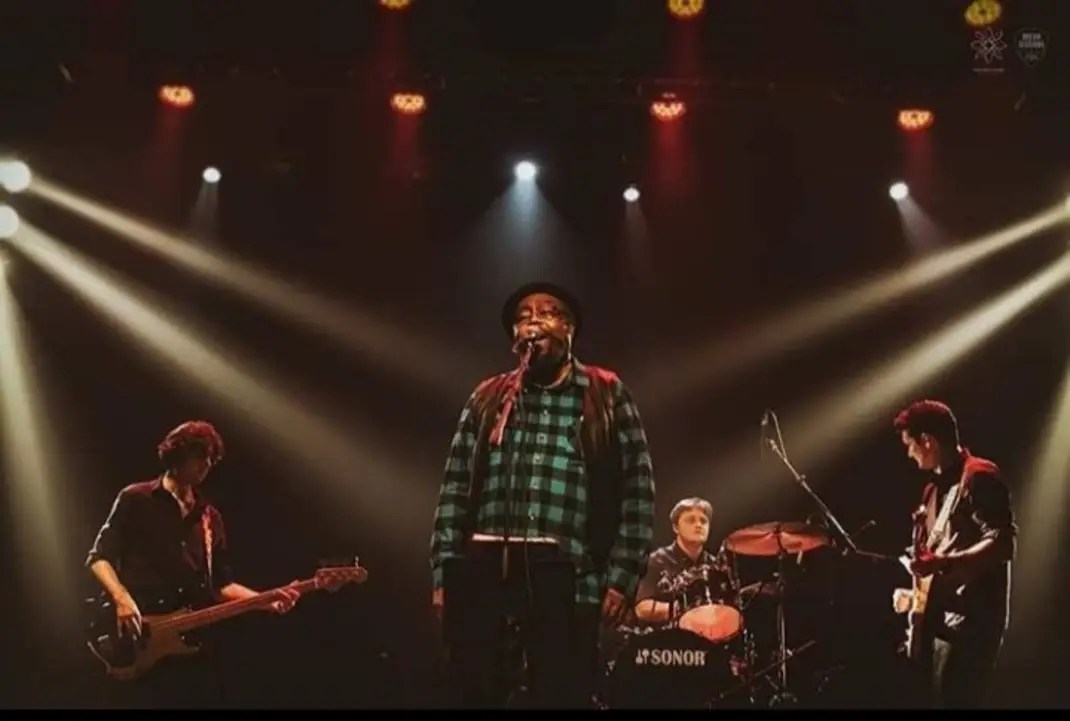
Jennifer Tefft and the Strange band photo

photo by John Parrillo; photo courtesy of Knyvet

Album Review of Jennifer Tefft and the Strange: Strange Beginnings (Rock Garden Records)

Strange Beginnings, the 2024 album released by Jennifer Tefft and the Strange, won Album of the Year at the 2024 New England Music Awards. And deservedly so! This is a tight, varied collection of kickass rock ‘n roll, ranging from soft songs to hard rockers. You can hear elements of a broad range of rockers in Tefft’s delivery, from Blondie to Pat Benatar, from Joan Jett to the more rockin’ edge of the Go-Gos. I know I’ve refenced a fair bit of classic rock, but this album is really more timeless rock. In musical listings, I tend to see Jennifer Tefft and the Strange labeled as alternative rock, and I can see the comparison, but they’re certainly at the more polished end of the alternative rock spectrum, and I spot a lot of classic and mainstream rock influences, even if the band does like to take it to the edgier ends of those rock categories.

Quite a while back, I reviewed “Love and War,” one of the pre-release singles from this album, and it has aged well. It remains one of the disc’s strongest hard-rockin’ tracks, even after dozens more listens. On this record, it’s joined by several more new favorites, too.
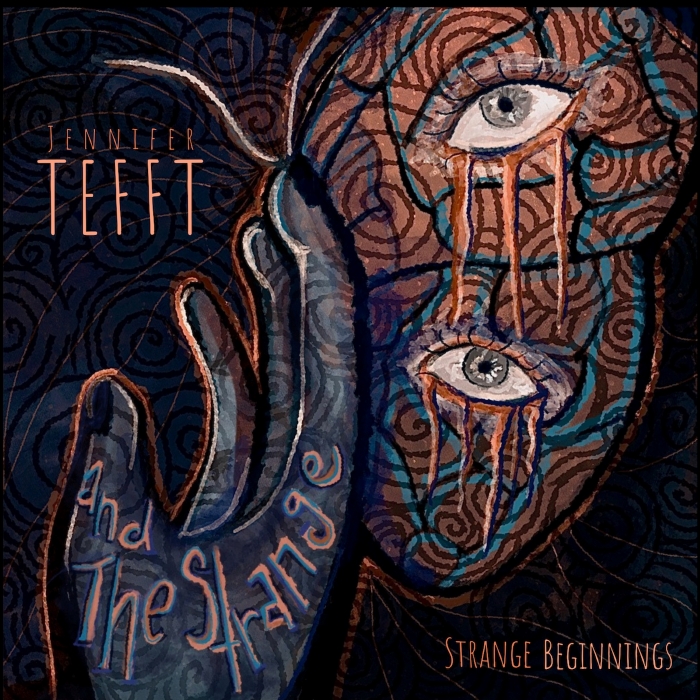
Jennifer Tefft and the Strange – Strange Beginnings album cover

image courtesy of Knyvet

“Caffeine,” another of the pre-release singles, was a great selection to get things started. The album-opener kicks things off with a gritty guitar lick – with axeman John Parillo making a statement that yeah, this album is gonna rock – before the song builds into a steady rock rhythm. The song is tuneful despite a jangly wall-of-noise backdrop and Tefft’s howling wails, guided by drumwork that’s steady even while feeling not-so, thanks to a creatively varied beat and some interesting fill choices. Then there’s that helicopter-ish ending. The band could go completely limp from this point on and you’d still think you’d listened to a rockin’ album. Fortunately, while the music is varied throughout the disc, it still always obviously rocks… and is never limp.

I really dig the imagery in “Paper Cut,” from the edginess of the vocals and guitar runs occasionally drizzling through the background of this heavy-sounding slow song. The imagery? Cool lyrics like “You’re a switchblade, paper-thin. You’re a paper cut on smooth white skin.” Ouch; I can feel that. And a fade-out ending. Remember when rock bands used to do this? Well, Jennifer Tefft and the Strange still do.

Throughout the rest of the disc you’ll find more alt rock-meets-punk-meets-classic rock tracks like “Shoulda Known Better,” which is one of those songs that feels a lot faster than it is because the delivery is so raucous, creating an illusion of speed despite its moderate tempo.

That moderate tempo is relatively common on this album, as is the case with “Lullaby,” and it is partly responsible for the album’s heavy feel, though drummer Chris Georgenes’ powerful skin-striking plays a role, too. Stephen “Sharky” Beccia’s thumping bassline also rises in the mix in certain tracks. Like “Lullaby,” for example, where I notice myself mentally thumping along with the bass toward the song’s close.

“Second Chance,” next up, stands out as a potential hit. It has a cool lyric you’ll get to know: “Drawn to the flame, we burn our wings, but we crave the fire and the pain it brings. Now we’re picking through the ashes for a second chance Drawn to the fire, we fly too close where we burn the things we love the most. Now we’re picking through the ashes for a second chance, a second chance to burn.” Is that badass, or what? Tefft’s vocals range from edgy to soaringly smooth supported by smooth guitarwork and heavy rhythms.

“Down On My Knees” brings some punk attitude and a straight-ahead musical attack punctuated in a few spots with a neat southwestern distorted riff that just hints at that Chris Isaak “Wicked Game” sound. (You can hear it now, can’t you?) But you hear it just briefly when it pops in, like just the right amount of flair, nowhere the amount of flair a Chotchkie’s manager would recommend.

“Going Out” is a fun rocker sung from the point of view of a past-her-clubbing-days woman preparing to completely overdo it on a rare night out. Irreverent, fun music for not-so-young adults.

And the album closes with power, the previously-reviewed “Love & War.”

Eight songs probably isn’t enough, but better to leave the audience wanting more, I guess. If my descriptions haven’t clinched the deal for you yet, the record was produced by Grammy-winning producer Bob St. John (Collective Soul, Duran Duran, Extreme, etc.), so you can count on top-shelf production value. And, of course, in this case, a kickass rock band delivering the goods.
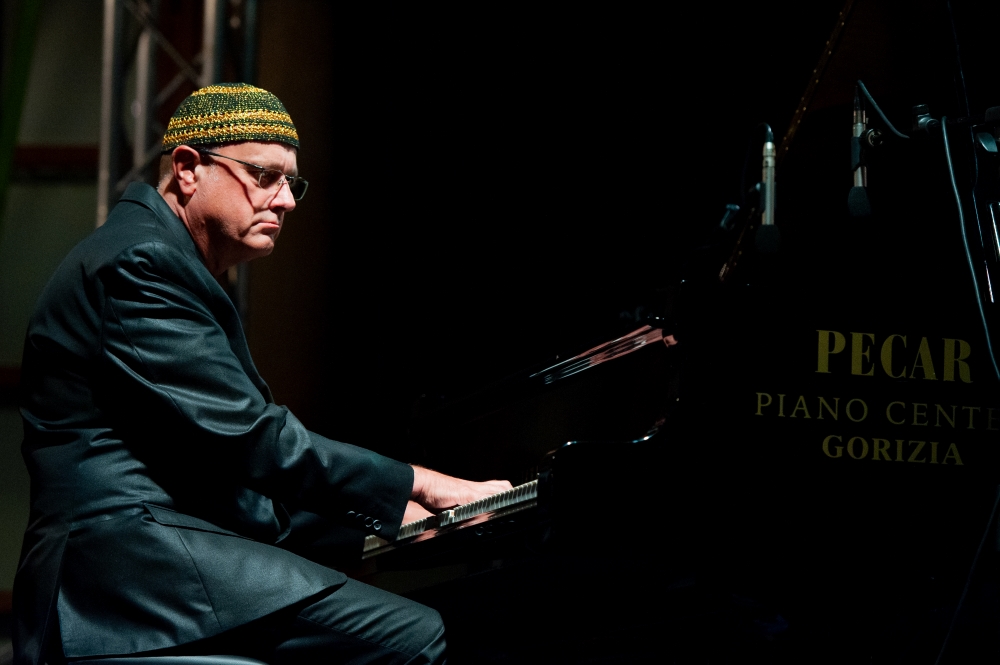

Album Review: Roberto Magris – Freedom is Peace

Roberto Magris

Roberto Magris; photo by Rosario Pino Varsaica; photo courtesy of Roberto Magris

by Eric Harabadian, Contributing Blogger

Album Review of Roberto Magris: Freedom is Peace (JMood Records)

World-renowned Italian jazz pianist Roberto Magris is reunited after 20 years with his globally-recognized Europlane ensemble. He is joined on this recording by an international roster of stellar players, including Hungarian tenor saxophonist Tony Lakatos, German bassist Rudi Engel, Slovakian trumpeter Lukas Oravec, Slovenian drummer Gasper Bertoncelj and Austrian alto and baritone saxophonist Florian Brambock.

Roberto Magris – Freedom is Peace album cover

cover photo by Herbert Hoepfl; image courtesy of Roberto Magris

Recorded live in Bad Goisern, Austria in April of last year for the European Capital of Culture 2024 event, this band was itching to play, and they came out swinging! This is the initial handiwork of Magris, who was commissioned by a promoter, Emilian Tantana, to resurrect this classic European jazz group for this special event. This recording serves as a world premiere of Magris’ new original compositions and arrangements. While this set of compositions was embraced by the entire ensemble, putting it all together was especially heartfelt for Magris, as the experience reflected not only his attempt to recreate the sound of the original Europlane group but also the evolution of his career, over the past 20 years, as a solo artist and sideman.

Rudi Engel

Rudi Engel; photo by Herbert Hoepfl; photo courtesy of Roberto Magris

Poised before a very appreciative and enthusiastic audience, the Magris-led group delivered the goods… and then some. There is a tertiary subtext of social consciousness that runs through this live eight track set, beginning with Magris’ “Freedom is Peace.” Musically, the piece unfolds in a strident and bold manner, with heavy McCoy Tyner/Horace Silver-like left hand piano action and a powerful front line melodic statement. The impetus behind the tune comes from Magris who says: “This new composition of mine comes from the pressing need to now stand for peace, freedom, friendship, brotherhood and positive values… ‘Freedom is Peace’ is a call to stand for peace and beauty as a counterpart to the ugly feelings that are more and more surrounding us. Music, and especially jazz, is energy. And in this period we need positive energy.”

Lukas Oravec

Lukas Oravec; photo by Herbert Hoepfl; photo courtesy of Roberto Magris

“The Island of Nowhere” slows things down a bit to a light swing, with shadings of cool noir. There is a meticulously orchestrated Oliver Nelson/Claus Ogerman vibe at play. The rhythms leisurely glide along, providing a platform that inspires great solos from everyone. The horns are strong, with an exceptional bass spotlight from Engel that seems to summarize the piece.

Florian Bramböck

Florian Bramböck; photo by Herbert Hoepfl; photo courtesy of Roberto Magris

“Malay Tone Poem” is a tune written by South African pianist Hotep Idris Galeta. This displays the diverse virtuosity of the band, exemplifying  their collective use of space and eerie alternate modes. There is a strong anchor from the bass and drums that allows the piano and horns to venture into seemingly unknown territory. In particular, Magris’ solo is inventive and playful.

Another cover that is a favorite of the composer-arranger is Andrew Hill’s “Laverne.” Magris has played this beautiful ballad with various bands for years and brings that familiarity and richness to this ensemble. It features intricate uncommon harmonies, with a soft, lilting feel that will cast you into a romantic or alternate state. Lakatos’ wonderful soprano sax work here really soars.

Tony Lakatos

Tony Lakatos; photo by Herbert Hoepfl; photo courtesy of Roberto Magris

Another significant message to his European countrymen and women is the piece “Something to Save from EU (You)” by Magris. It begins with a rubato piano and bass intro which leads into a bouncy and upbeat ensemble feel. Overall, there is a positive vibe to the piece, with tasteful brush work by drummer Bertoncelj during the mid-section. At over 12 minutes, the tune has time to fully blossom and breathe. This allows the opportunities for stellar solos. Again, Magris comments on goings on in Europe and our society at large. He says: “Many people are wondering if the European Union was and is still a good idea. Personally, I think it was and is. But now we need to change completely and move from financial priorities to social and cultural priorities. Apart from politics, the European culture needs to be saved. We need to save culture and we need to save art.  We need to save music (classical, pop, jazz, rock, folk, etc.). And above all, we need to save melody.” You definitely get that urgency from this group in the message.

Gasper Bertoncelj

Gasper Bertoncelj; photo by Herbert Hoepfl; photo courtesy of Roberto Magris

“When You Touch Me” was written by an Israeli musician Boaz Sharabi. In Magris’ travels throughout the world he found Israel to have a lot of positive atmosphere and connected with some great jazz people there. May this act as a healing salve to what the Israeli and Palestinian people have endured during the strife and human tragedy experienced in the last year or so. Magris took this old Israeli pop song and restructured it, with a slight Latin approach. The delicate group harmonies and Lakatos’ lithe soprano work stands out.

“Loose Fit” is a Magris composition that sounds just like the title. It’s a cool and funky number that rocks out. When it unfolds into swing mode it just feels so good. The ascending and descending melody has a cascading effect. And all the band’s solos drift effortlessly atop a driving beat. The drum break toward the end was unexpected, but gives it a nice kick.

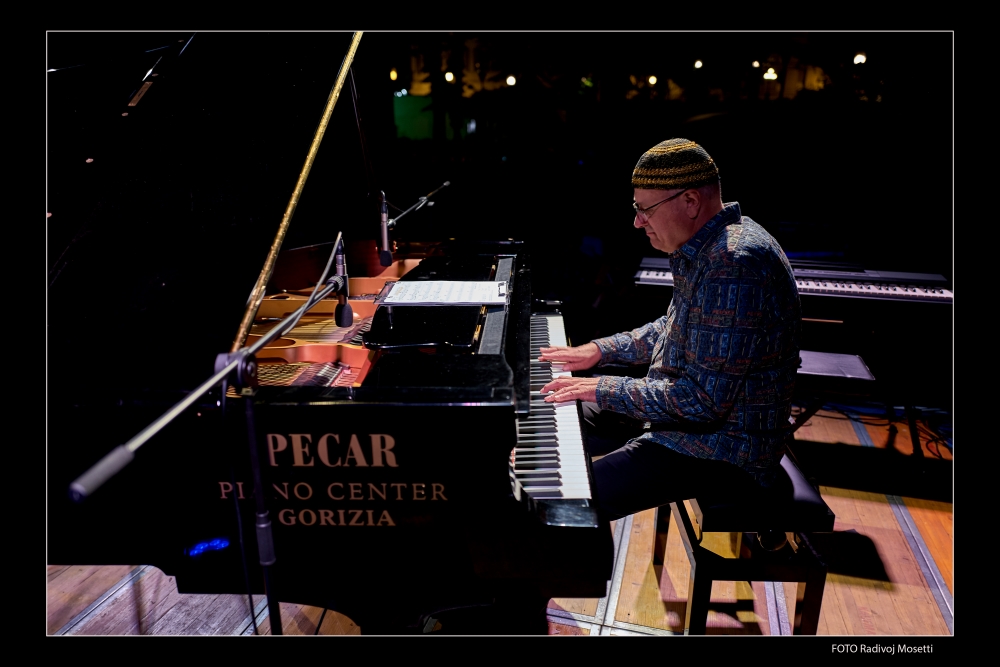
Roberto Magris

Roberto Magris; photo by Radivoj Mosetti; photo courtesy of Roberto Magris

“Hip! For the Conference” is an older tune by Europlane ensemble that was rearranged and modernized for this event by Magris. It starts with a capella horns and then comes in swinging. I guarantee you’ll be humming this melody all day! Notable solos erupt from everyone as this hard bop gem brings the house down.

The Europlane ensemble led by Roberto Magris might not be familiar to American audiences, per se, but, regardless, they are one of the finest modern jazz groups you are ever gonna hear! Make a note and put this on your essential listening docket now!

Album Review: David Udell – It’s Worth It

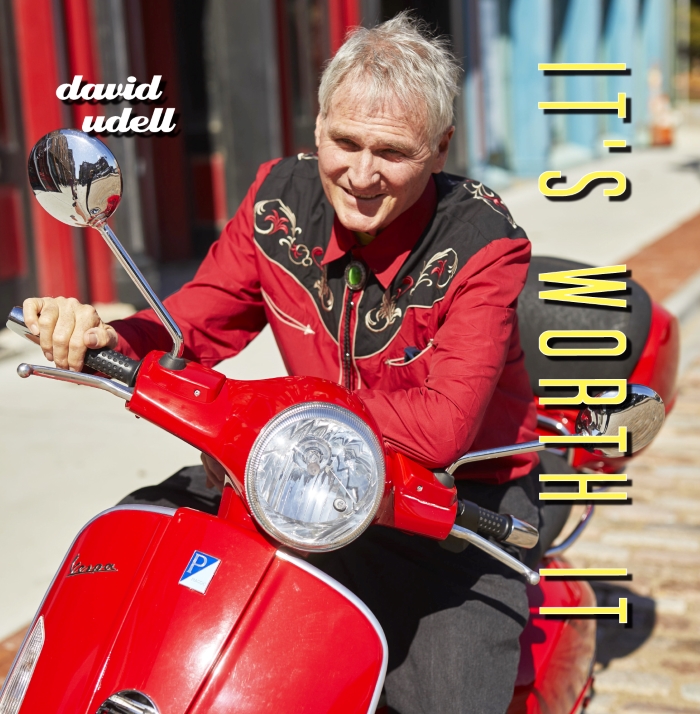
David Udell – It's Worth It album cover

image courtesy of Rock Rose Music

by Eric Harabadian, Contributing Blogger

Album Review of David Udell: It’s Worth It

This is David Udell’s second solo album and employs a lot of the sounds and textures he’s used in the past as a burgeoning guitarist and keyboardist with St. Louis-based avant-prog group Wax Theatricks and synth-pop instrumentalists Delay Tactics.

Working in a solo context, Udell creates a unique landscape of sound that encompasses elements of pure pop, Americana, prog, ambient, and straight up rock ‘n roll. His satirical lyrics combine with tuneful melodies, while the record’s multi-layered production rides that wave reserved for artists as vast as King Crimson, The Cars, Duran Duran, Phil Manzanera, R.E.M., Steve Hackett, The Beatles, and Can.

Udell is all over the map, in a seat-of-the-pants sort of way, starting with “Watching the Freak Parade.” He bursts out of the shoot, with a spirited rocker that has a clear and clever sense of irony and humor. “It’s Beginning to Look Like Rain” shifts gears down to a spacious, serene kind of vibe. This is an acoustic-flavored tune that spotlights Udell’s keen use of melodic hooks.

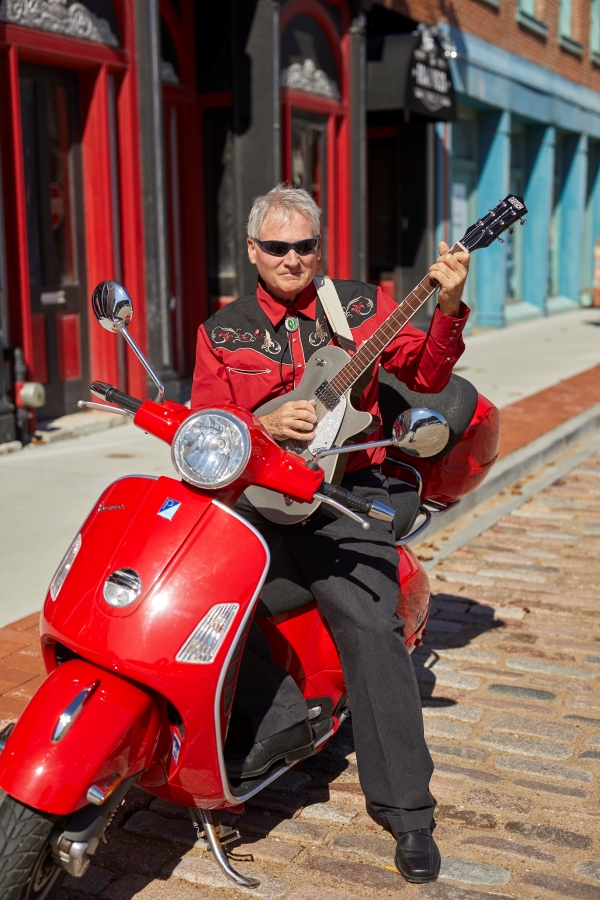
promo photo of David Udell

photo courtesy of Rock Rose Music

“Slow Song” features his fellow guitar and composer buddy from his mid-’80s Delay Tactics days, Carl Weingarten. The multi-tracked vocals and various echoed guitars give this a strong psychedelic feel.

“The Motion Song” is a composition from Udell’s early ’80s catalog and is a quick and light experiment in natural rhythms and toy percussion. “Our River” has a real Americana vibe, with a psyche component that sets the vocals in a swirling motion like streams down a river. “Solid Ground” has a folk-like early British feel that is accentuated by Margaret Bianchetta’s golden flute passages.

“Made My Peace” sounds like an outtake from The Beatles’ Sgt. Pepper’s album or something. It’s got a cool arrangement, with back masking and all these little sonic buzzers and bells happening underneath the action.

Udell asks the question “Is it Worth It?” And before he answers it at the end of the album, he cleverly goes through a litany of questions directed at mankind’s inhumanity and lust for control. It’s an existential ride that features some sizzling guitar in the mid-section.

“Unexplored Expanses” goes back to his roots as an electronic adventurer. It’s a short interlude that blends ambience and a Can/Holger Czukay-type of unorthodoxy. The title song and answer to the previous track, “It’s Worth It” kind of sums up the album. It’s somewhat of a hopeful song, with some tasteful Robert Fripp/Steve Hackett-like sustained guitars. It’s an appropriate finale that really builds in a semi-symphonic, almost Baroque-infused manner.

David Udell is a talented and multi-faceted artist, firmly rooted in art and progressive rock, but with a strong melodic crossover appeal.

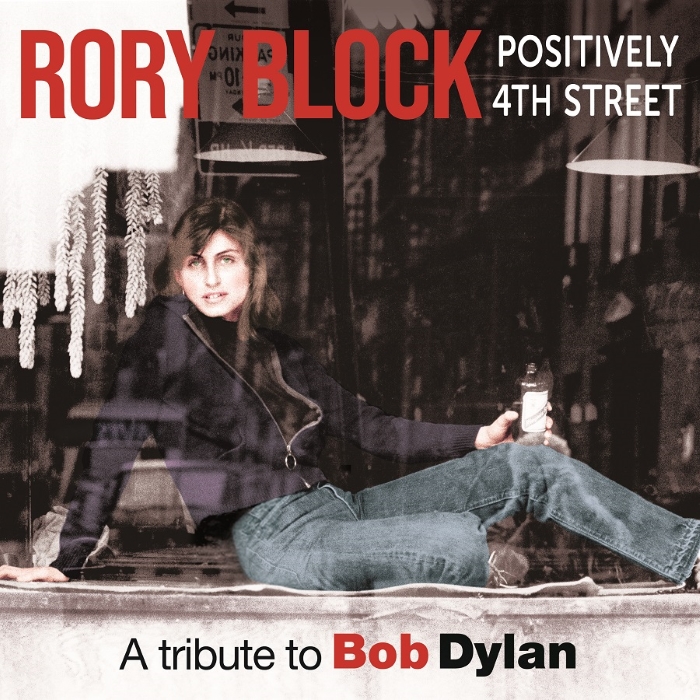
Album Review: Rory Block – Positively 4th Street

Rory Block – Positively 4th Street album cover

image courtesy of Mark Pucci Media

by Eric Harabadian, Contributing Blogger

Album Review of Rory Block: Positively 4th Street (Stony Plain Records)

Rory Block is a singer-songwriter and guitarist who was on the ground floor of the folk and blues movement in the burgeoning ‘60s Greenwich Village scene. Both her mother and father were musicians, and her family ran in the same circles as musical icons like Pete Seeger, Maria Muldaur, John Sebastian, Joan Baez, and Bob Dylan.

Block’s father owned a sandal shop in the Village and a lot of the evolving folk and blues greats would frequent his establishment. Dylan, in particular, hit it off with Block’s family, and young Rory was smitten by Dylan’s poetry and emphasis on maintaining his love of music and artistic integrity.

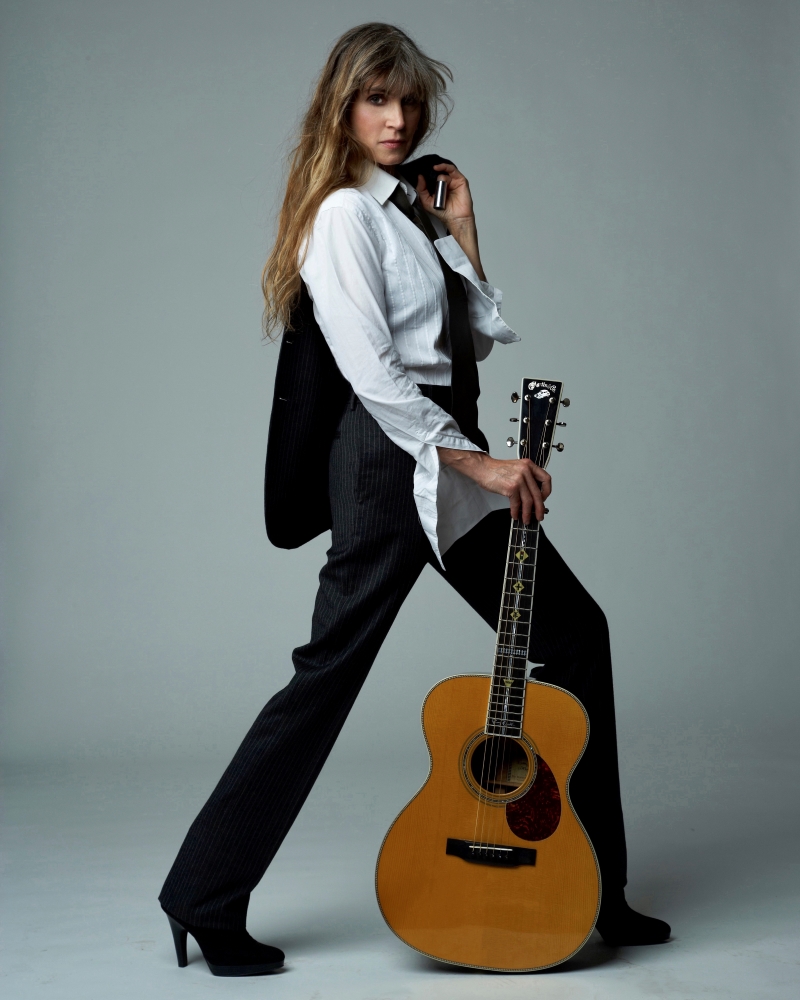
Rory Block promo photo

photo by Sergio Kurhajec; photo courtesy of Mark Pucci Media

As a young teenager Block studied classical guitar and taught herself Delta blues styles. She became so enamored with traditional blues that she left home at 15 to seek out the fathers of Delta blues like Mississippi John Hurt, Son House and Reverend Gary Davis. She eventually wound up in Berkley, California, where she honed her craft in clubs and coffeehouses.

Bob Dylan is America’s poet laureate who, for an amazing sixty-plus years, has been part of the musical zeitgeist and artistic fabric of our society. And, with the addition of the multiple Oscar-nominated bio-pic A Complete Unknown out now, Dylan’s legacy and social impact is as relevant as ever.

The timing to release a Bob Dylan tribute album could not be more perfect. But, again, Block is someone who was there. She witnessed and was a part of the folk incubator that was the ‘60s-era Greenwich Village. This album is as much a love letter to the folk movement as anything else.

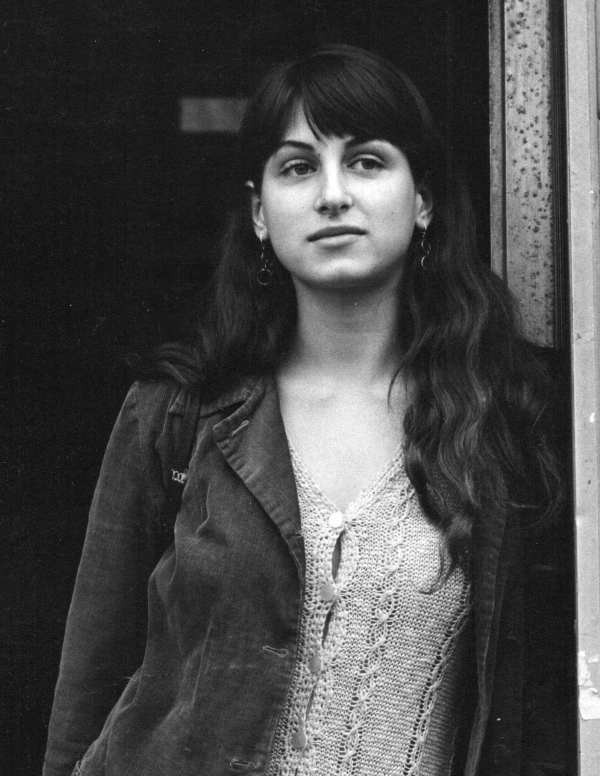
Rory Block promo photo

photo by David Gahr; photo courtesy of Mark Pucci Media

The very youthful-looking and slender Block is the real deal. And she has chosen nine tracks from the Dylan catalog that blend the big hits with the deeper, more ponderous cuts. A case in point is the very bluesy opening track “Everything is Broken.” Her somewhat smooth, world-weary voice is laced with a touch of humor. She sings the ironic and clever lyrics accompanied by her adept slide guitar work. “Ring Them Bells” follows, done in an original folk-blues style.

Block plays all guitars and drums on the album and the mild groove serves this song well. Everyone knows “Like a Rolling Stone,” and she delivers a reading of it that is pretty spot-on with the original. Another deep cut, “Not Dark Yet,” is significant for its slow and reflective tone. She hangs onto each word where you hear the pathos and raw emotion in her voice.

“Mr. Tambourine Man” has been done by so many artists. Block’s is probably one of the best in terms of really getting back to Dylan’s initial intent. The title track “Positively 4th Street” spotlights some fine slide guitar and rudimentary drums. She really captures the essence and mood of Dylan’s words. “A Hard Rain’s A-Gonna Fall” and “Mother of Muses” are nice back-to-back mixes of Block’s ability to run the emotional gamut from somewhat upbeat to a haunting lullaby.

The finale “Murder Most Foul” is a 20-plus minute treatise on the turbulent ‘60s-era and beyond. It addresses, in many ways, the cracks in our society, particularly in the United States. It’s kind of a combination of rap and monologue that Block conveys in a starkly hypnotic style. Powerful stuff!

Album Review: Anaria – Holding Cell

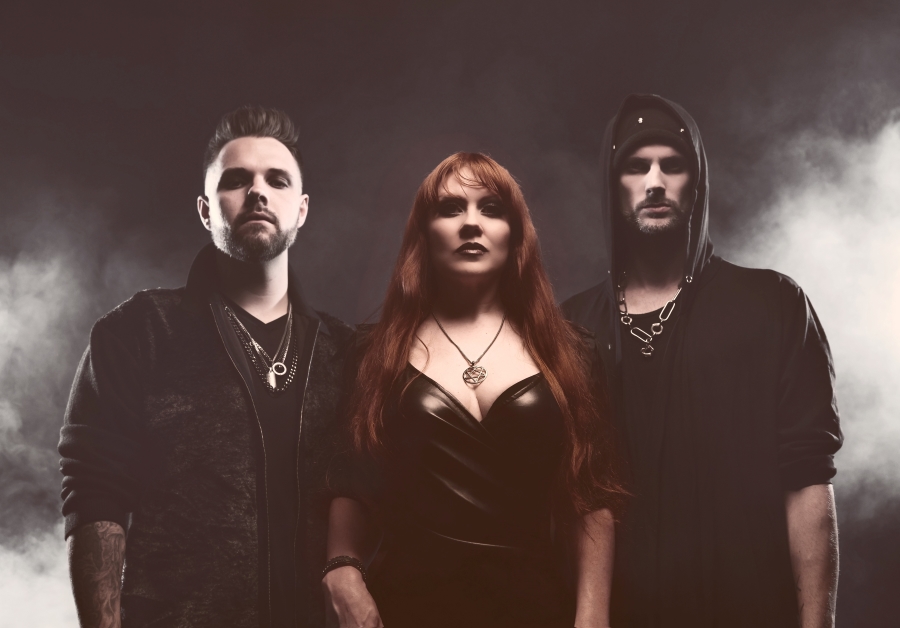
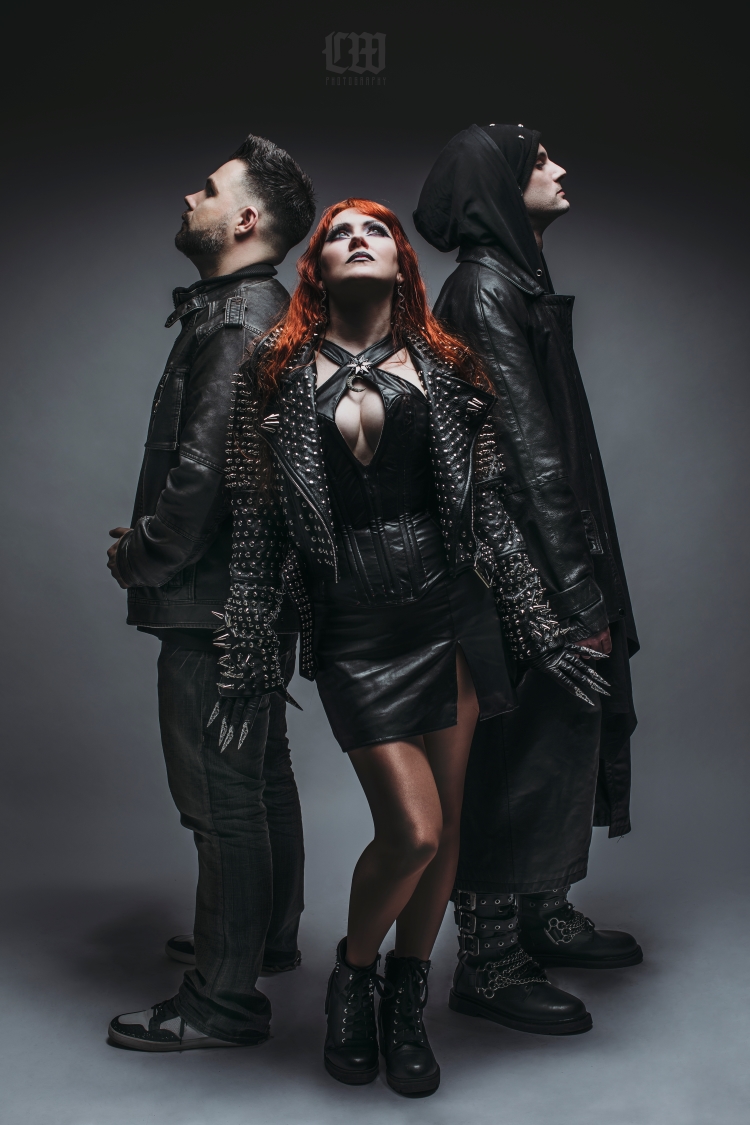
Anaria band photo

photo by Wildthorn Productions; photo courtesy of Anaria

Album Review of Anaria: Holding Cell

Anaria is a powerful, progressive metal band featuring soaring vocals, shredding guitar, and intricate song arrangements. Yes, I’ve just described any decent band of this subgenre, but it’s the details that count, so let’s dig in.

Stylistically, Anaria might share the stage with Evanescence, Edge of Paradise, or Major Moment. Their music frequently shows pop sensibility (a la Evanescence) but only to the extent that a modern metal band might occasionally appeal to a broader audience without sacrificing their street cred. The Edge of Paradise comparison is due to a combination of powerful vocals that produce many soaring tracks but also the willingness to experiment with unusual tempos and arrangements from time to time. The Major Moment comparison is the band’s ability to create a powerful wall of melodic modern metal sound that’ll blow their listeners’ minds, but this might be the least obvious comparison because when they reach musical peaks of power, the two bands’ tendencies are to take the songs in very different directions. And yes, the Evanescence comp was a lazy comparison on my part, which I included mostly because I figure the broadest set of readers will know the reference. But I’m sure modern metal fans will also know the other comps. And many of you already know Anaria – the band’s large social media following and 2024 New England Music Awards nomination in the Hard Rock/Metal Act of the Year category prove they’re garnering some well-earned attention.

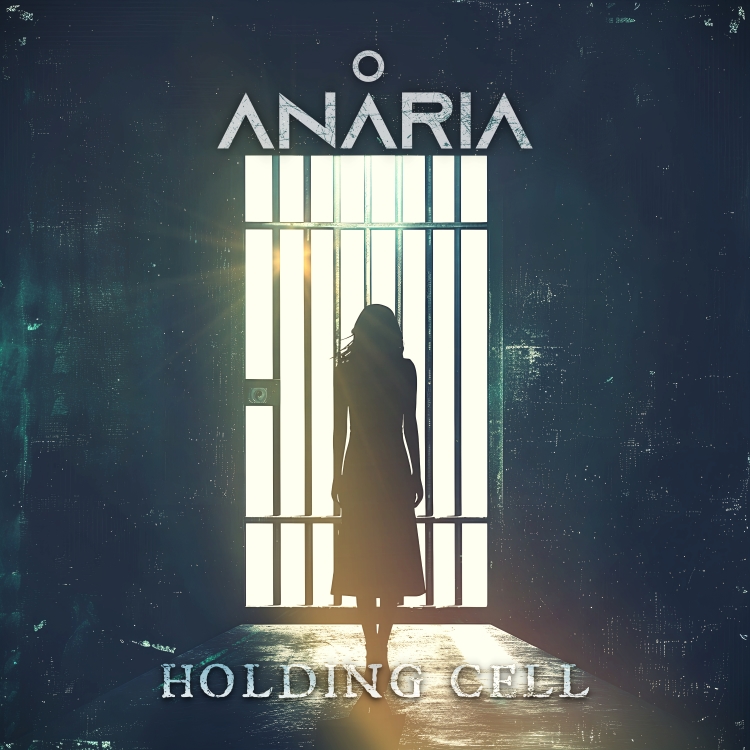
Anaria – Holding Cell album cover

image courtesy of Anaria

Holding Cell kicks of with the title track, a powerful number that pulls you in immediately with a very cinematic-feeling opening, followed by flowing verses intermingled with thumping choruses and the lyric you’ll want to sing along with: “Is this real? Because it feels like hell!” This feels like a big concert-opening number that would amp up an arena full of fans. I can even picture the light show – at times dark with lasers shooting through the fog, other times, a big wall of blinding lights flashing, pointed directly at the audience. Always cool when a song is so rockin’ that you can picture it as an arena performance. Totally love starting an album with a number like “Holding Cell.”

Next song, “Synthesis” soars vocally atop a heavy, thumping soundbed, akin to “Holding Cell.” It’s followed by “Freakshow,” an edgier number with a bit of a carnival-flavored music bed, with the harsher vocals (at times) showcasing Jessica Mercy’s vocal versatility. “The Sandman” seems a bit more straight-up heavy but includes some winding rhythms and sprinkles in a little musical uneasiness. Sprinkled like sand, I suppose.

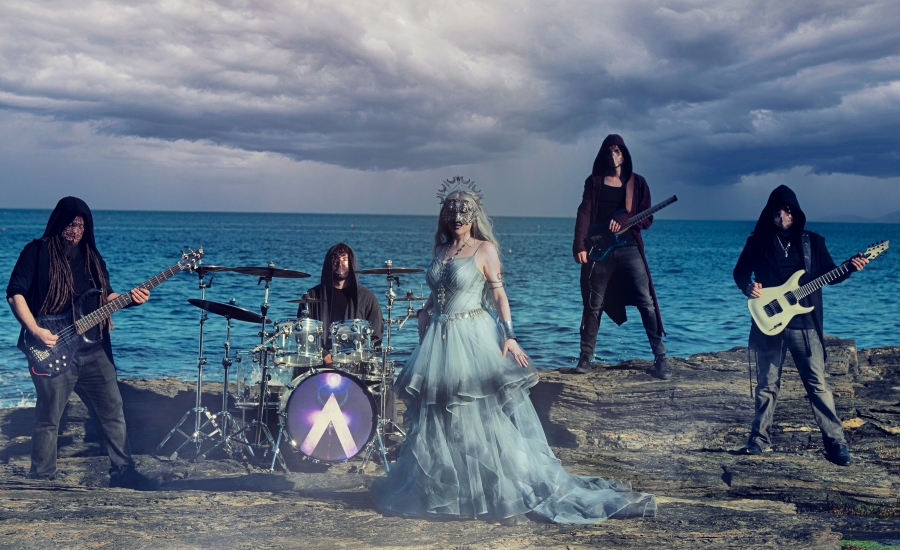
Anaria band photo

photo by Cory Wilmer; photo courtesy of Anaria

“Circle of Love” is notable for its particularly memorable chorus, a chorus that’s heavier than the song verses, which flow a bit lighter, but a bit more flowing than the bridges. It’s a cool song design, and the chorus’ rhythm is memorably, even if there are a bit more words than I can remember to sing along. As with any good progressive-influenced new metal track, of course, there’s a solid instrumental segment near the end, somehow delivering an enjoyable, song-element-heavy heavy rockin’ tune in under 3 minutes. Actually, that’s a them on this disc – songs that are relatively short for Anaria’s genre, even though nothing’s missing.

“Worthy” is probably one of the songs most likely to reach a very broad audience. It’s a slower, melodic-yet-powerful – Anaria’s sound is always super-robust – song with emotionally soaring vocals, a new metal slow song with a sound that perfectly matches its message. It’s a song about valuing yourself despite life’s struggling, with lyrics: “See yourself like I do. Beautiful scars are part of you. See your flaws and embrace them ‘cause you are perfect how you are, and you are worthy of love.” The lyrics are something anyone who has struggled can relate to, and they’re affirming uplifting. “Worthy” is a powerful track.

“Vampire Disco,” next, is a bit more playful, sung with a vocal slyness in the opening, with sidewinding guitar work, and a really cool, brief pause before crashing into the chorus.

photo of Anaria from the filming of their music video "The Sandman"

photo by Kendall Couture, for Wildthorn Productions; photo courtesy of Anaria

Anaria continues to mix its tone and sounds within the envelope of the band’s general style. “Ritual” is musically aggressive. “Golden Crown” is a little slower-tempoed (for the most part). And “The Red Queen” soars but still manages to fit the ominous lyrics.

Finally, the band closes with its cover of HIM’s “Wings of a Butterfly.” It’s energetic and fun to sing along with, at least until you realize you’ve just screamed “Come on and show them your love. Rip out the wings of a butterfly.” Hopefully no one heard it. Anaria’s cover sports a bigger sound, features vocals that soar a bit more, and is musically a little heavier than the original. All in all, an exceptional cover. And a song you might know right of the bat as you get familiar with the rest of the disc.

My favorites on Holding Cell are “Holding Cell,” “Vampire Disco,” and “Worthy” – one fast, one mid-tempo, and one slow. But ask me tomorrow, and I’ll probably choose others. In all, this is a strong release from an arena-caliber melodic/progressive metal band.

More Recently

Since releasing Holding Cell, Anaria has also released an EP, Sign of Life, which the band notes is a 3-song collection of unreleased material with a space theme, and three more singles: “Trigger,” “Crave,” and a cover of Lady Gaga’s “Disease.”

Album Review: Walter Sickert & the Army of Broken Toys – Between Breaths

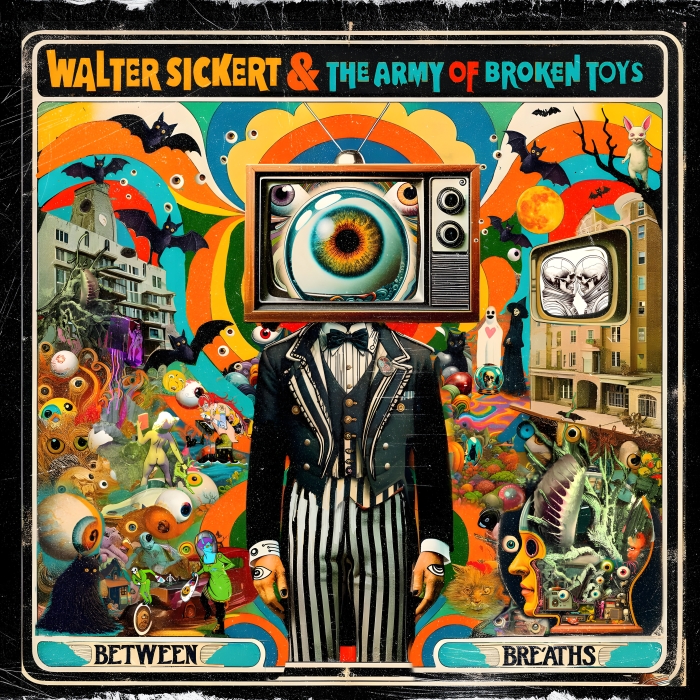
Walter Sickert & the Army of Broken Toys – Between Breaths album coverAlbum Review of Walter Sickert & the Army of Broken Toys: Between Breaths

I can’t really explain why I enjoy listening to Walter Sickert & the Army of Broken Toys so much. Their music is unusual, irreverant, sometimes outlandish, performed with precision, and joyously original and positively fun to listen to. Oh, will you look at that? I guess I can explain it.

More than a year ago, I reviewed this group’s exceptionally creative single “Goth Beach.” Well, Between Breaths is a full-length collection of Walter Sickert & the Army of Broken Toys’ theatrical, over-the-top originals, and it’s the album you never knew you really needed.

Disc-opener “Bed and Breakfast” is probably my favorite in the collection. At least, it’s the most memorable, notably that I’ll always refer to a B&B now as a bed and “motherf***ing breakfast!” The lyrics are imaginative and fun, and the vocal delivery is soaring and edgy, sometimes simultaneously.

Stylistic variance is significant across the selections on this record, though they’re all very clearly within the somewhat exaggerated musical delivery style of Walter Sickert & the Army of Broken Toys.

“Wally Wonka,” for example, sounds musically like psychedelically demented carousel music. (And if randomly pops into my head all the time, so it’s clearly catchy!) “Firefly” and “Holes in the Sky,” meanwhile, could be powerful classic or progressive rock songs with different arrangements; instead, it sounds like a WS&tAoBT cover of such a song (though, of course, it’s an original).

“Laundromat” and “Pusssy Cat” deliver another style, along the lines of over-the-top, rhythmic industrial music-styled tunes.

“Silver Screens” and “Around the Circle” are softer, more atmospheric songs, with “Silver Screens” having somewhat softer edges and, therefore, being the song more likely to appeal to a broader listenership.

If you ever wanted to have this band committed to an asylum, well, a lot of their songs would do the trick, but “Dream Spell for Time Travel,” a less-than-one-minute spoken word track, is perhaps the best option. Tim Burton would have a hard time matching this odd prose. However, it leads into “Ima Hex,” whose rhythmic rise and fall is based on an exceptionally engaging rhythm and Sickert’s emotionally raw (perhaps hysterically so) vocals that are gravelly scream-sung at the song’s apexes. OK, so it’s hard to describe, but it’s engaging as hell… or hex.

The rest of the disc continues in a similarly eclectic way. “I Shine Me Down” has a catchy rhythm. “City in an IV” is a distantly rhythmic number. “Between Breaths” is a softly psychedelic, relaxing-mood piece. And, finally, “Never Sleep Nervously” starts with an almost music-box piano feeling before flowing into an oddly disturbing number that might be sung by a deranged clown that haunts your dreams. It’s an effectively unnerving way to end an album. But that’s exactly what you’d expect from this exceptionally talented troupe that might be described as the carnival sideshow of Boston’s top musical outfits. (That’s meant, of course, in the best possible way.)

Personally, my favorite songs on Between Breaths are probably “Bed and Breakfast,” “Holes in the Sky,” “Silver Screens,” and “Ima Hex.” Give this unusual 14-song collection a listen and, if you enjoy the musical insanity therein, see which songs will be your faves.

Album Review: Saxon – Hell, Fire and Damnation

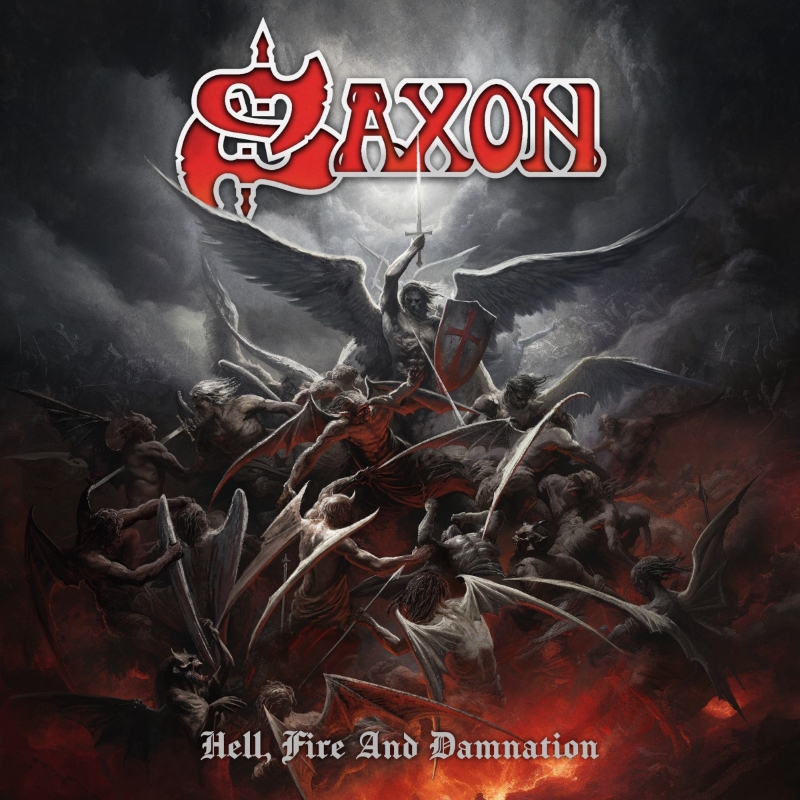
Saxon – Hell, Fire and Damnation album cover

image courtesy of New Ocean Media

Album Review of Saxon: Hell, Fire and Damnation

Classic metal. That was always Saxon. All rock fans always respected Saxon and knew a Saxon concert would be a hell of a concert, even fans of less heavy, more melodic metal (which – who are we kidding? – was really melodic hard rock, and I say that as a huge fan of that subgenre). Well, Saxon hasn’t lost a step. Hell, Fire and Damnation is a heavy rock album full of classic old-style metal, varying significantly from song to song but always relentless.

The album starts with a minute-and-a-half spoken word opening, “The Prophecy,” delivered ominously by renowned English actor Brian Blessed OBE. It sounds like the opening proclamation of the sort of epic fantasy movie the album’s cover would suggest. The songs that soar are almost Dio-reminiscent, while others are merely weighty guitar-driven classic heavy rock.

The title track, “Hell, Fire and Damnation,” is a steadily plodding classic power rocker, with Biff Byford’s vocals echoing as if from a mountaintop. There’s plenty of power guitar, as well as dancing guitar solos, from axemen Doug Scarratt and Brian Tatler. And the rhythm section of Nigel Glockler (drums) and Nibbs Carter (bass) is heart-thumpingly heavy.

Next up, “Madame Guillotine” opens with a softer version of its dominant rhythm, one that’s interrupted only for a mid-song softly meandering guitar solo before additional instruments join back in and reintroduce the pounding rhythm.

Focusing on Marie Antoinette, that’s just the first of the historically-based songs on the album. Other historical subjects covered on the disc are Kubla Khan (“Kubla Khan and the Merchant of Venice”), the Battle of Hastings (“1066”), and the Salem witch trials (“Witches of Salem”). The band also goes historically supernatural on “There’s Something in Roswell.”

Album-ender “Super Charger” is a strong way to finish, full of energy and power. A great driving song, especially if you’re on the autobahn because with its tempo, there’s no way you’re keeping it below 120 mph – I mean, 193 kph.

My three favorite tracks are “Hell, Fire and Damnation,” “Madame Guillotine,” and “Super Charger,” but the album is so solid, I’m sure there’ll be plenty of disagreement. Hell, Fire and Damnation is a great beginning-to-end listen. The guitarwork is impeccable, and it’s probably the main reason this disc doesn’t feel too heavy to me, even though it’s clearly an awesome display of rock power. It will not disappoint fans of heavy rock. Aside from the occasional brief respite to showcase powerful vocals or fancy guitar shredding, this album is relentless old-school-power heavy rock.

Album Review: Emerson, Lake & Powell – Complete Collection

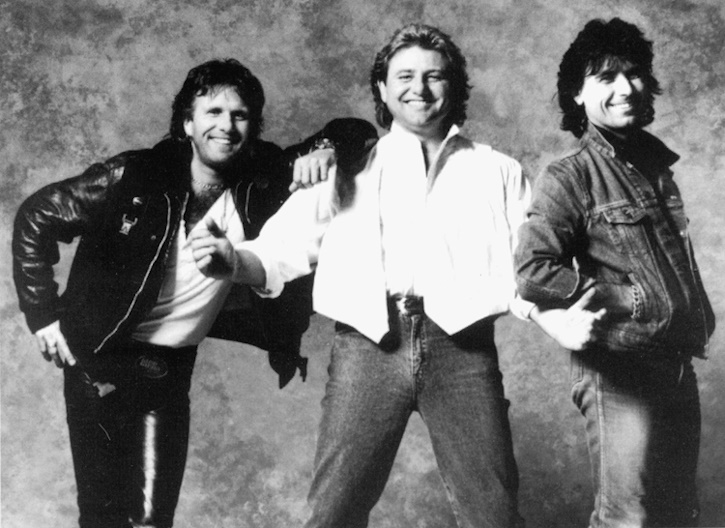
Emerson, Lake & Powell band photo

photo courtesy of Glass Onyon PR

Album Review of Emerson, Lake & Powell: Complete Collection (Cherry Red Records)

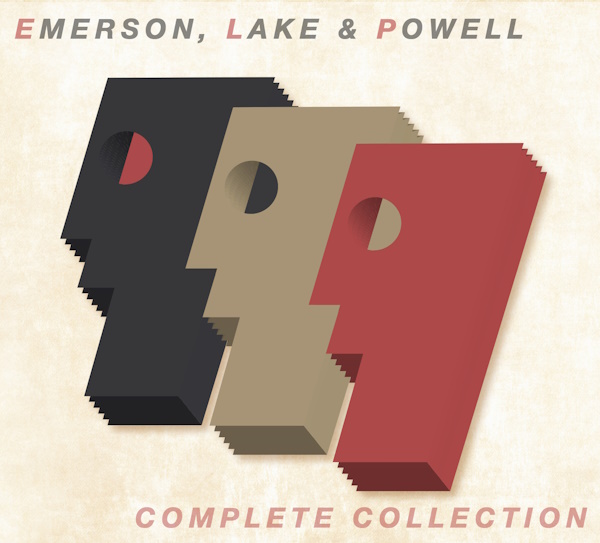
Last year, Cherry Red Records released a 3-CD box set of Emerson, Lake & Powell‘s music. 3 CDs? How is that possible when the band only released one studio album and one live album? Well, the self-titled album is disc one, featuring three bonus tracks – two B-sides and a “single edit” of “The Score.” The second CD contains The Sprocket Sessions, a live rehearsals collection heretofore only available as a bootleg, a 12-song album that features six of the songs from the debut album. The third album is the live album, Live in Concert.

Emerson, Lake & Powell – Complete Collection album cover

image courtesy of Glass Onyon PR

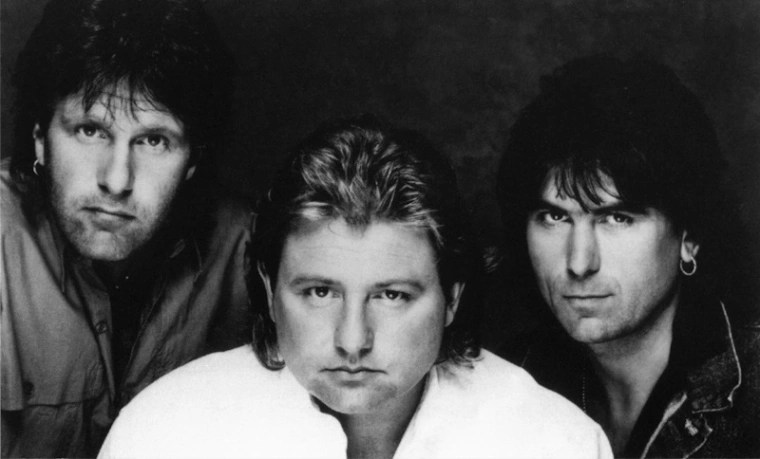
I know many of you will already know this, but I’ll include it for newbies to ELP. Of course, Emerson, Lake & Powell isn’t the classic line-up of ELP. That was Keith Emerson, Greg Lake, and Carl Palmer – Emerson, Lake & Palmer. The original ELP quietly broke up in 1979. In 1984, while Palmer was now a member of successful supergroup Asia, Emerson and Lake were auditioning drummers to hit the road again. They enjoyed performing with ex-Whitesnake drummer Cozy Powell. The band insists the “P” in Powell’s last name was just a coincidence, but nevertheless, it ushered in a one-studio-album version of ELP with Powell in place of Palmer.

I don’t think I ever owned any of ELP’s albums, though I was familiar with at least a couple of the songs, particularly “Touch and Go,” which received some airplay on MTV and moderate radio play; it actually hit number 60 on the Billboard Hot 100. And the Emerson, Lake & Powell version of ELP is the one that coincided with my music fandom, so this is my ELP.

My personal favorite track from the studio album, Emerson, Lake & Powell, remains “Touch and Go.” It soars with that big, open, we’re-performing-in-a-big-empty-warehouse echo that was present in many of the seventies and eighties progressive rock songs that crossed over to mainstream rock fans. It just feels expansive but also rockin’. A close second, for me, is album-opener “The Score,” which, like “Touch and Go,” features Emerson’s big, open organ-sounding keyboard sound. The original version of “The Score” clocks in at 9:10, so it makes sense there’s a “single edit.” The single edit still runs 6:11, though, so it’s still not exactly conducive to mainstream radio. (“Touch and Go,” meanwhile, clocks in at an airplay-friendly 3:39.) The whole disc is strong – it’s Emerson, Lake & Powell, after all, and these guys are legends for good reason – so your favorites may differ. Maybe you’ll like something mellower like “Step Aside,” a song that saunters along coolly and on which the keyboardwork is like a piano. The added tracks are cool, too. Notably, there’s a nifty instrumental version of “The Loco-Motion” that gets the full ELP treatment.

Emerson, Lake & Powell band photo

photo courtesy of Glass Onyon PR

Discs two and three in the box set – The Sprocket Sessions and Live in Concert – will probably be of the greatest interest to hardcore ELP fans. That is, if you don’t own the discs already. You’ll find five of the eight songs from the studio album on The Sprocket Sessions, with three of them – “Touch and Go,” “The Score,” and “Mars, the Bringer of War” – also appearing on Live in Concert.

The rest of discs two and three are primarily Emerson, Lake and Palmer songs. “Knife Edge,” “Lucky Man,” and “Pirates” are on both discs. Well, sort of. “Lucky Man” on The Sprocket Sessions is just a 48-second instrumental snippet. But “Pirates” runs 13-plus minutes on both discs, so you’re not getting shortchanged there. The Live in Concert disc closes with a medley of “Karn Evil 9 (1st Impression),” “America,” and “Rondo” that’s kicked off with the memorable ELP line “Welcome back my friends to the show that never ends.” If you’re a rock fan from that era, even if you had no idea what song (or band) it came from, you’ll still definitely remember that line. At least, that’s true for me. And yes, “America” is a musical nod to West Side Story. And thus ends the three-disc collection, quite a haul for an exceptional band of legendary musicians whose studio output was but a single album.

Album Review: The Rifters – The Enchanted World

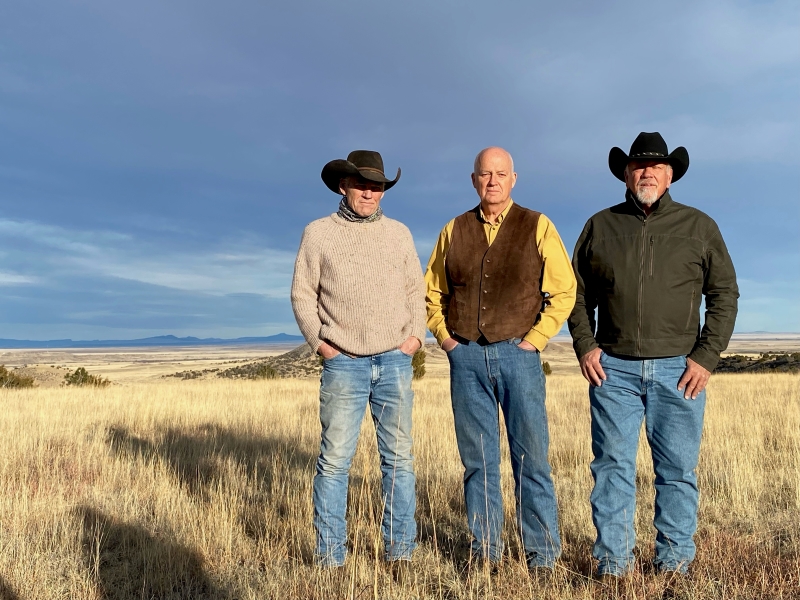
The Rifters band photo

photo by Teri McCartney; photo courtesy of Broken Jukebox Media

Album Review of The Rifters: The Enchanted World (Howlin’ Dog Records)

You may remember that country music was previously referred to as “country and western” music. The “and western” has been dropped from the moniker almost everywhere. But the Rifters are a reminder about that forgotten segment of the music spectrum, delivering a brand of Americana that mixes a western openness, folky songwriting, and a bit of country. If music can sound like the American southwest, then this is what that sounds like. And in case you don’t notice from the music itself, there are plenty of ranching and wide-open-spaces references in the lyrics. To me, the music seems folk-centered, so I’d probably just call it very good folk music, but my folk categorization is largely tied to the album’s song- and lyric-centric with a lot of guitar picking. However, the richer music bed and the harmonies suggest something bigger, so Americana is more likely a most representative category for this trio – Rod Taylor, Jim Bradley, and Don Richmond – and the talented musicians who joined them in the studio for a song here and there among The Enchanted World‘s fourteen tracks.

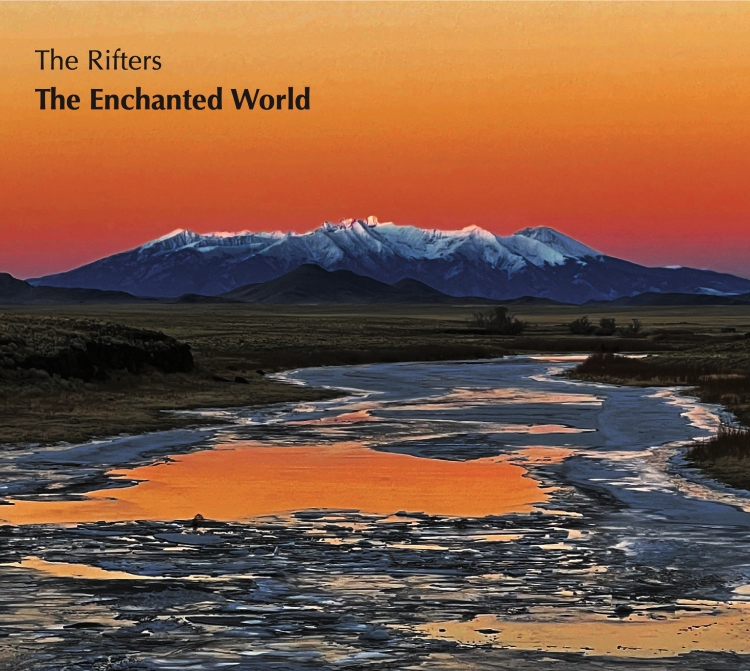
The Rifters – The Enchanted World album cover

image courtesy of Broken Jukebox Media

“The Circle,” the first song on band’s recent album, The Enchanted World, opens with some attention-grabbing finger-picking that soon progresses to an overall soaring musical style and features a matter-of-fact vocal delivery that signals authenticity. And, with that, this particular, pleasant musical journey with The Rifters has begun.

“The Greatest Mystery,” next, is another standout slower number; then the tempo picks up a little on the third song, the title track.

“The Perfect Dance” is a nifty banjo-pickin’ country dancehall number strung together with clever phrasing in both the lyrics and the music.

“It’s Cause You Lived” follows, an ode to aging with a very soft seventies pop-country styled soundbed. It’s followed by a more uptempo “At the Foot of the Mountain,” a song that makes me think a little of John Denver’s “Country Roads,” with smooth vocals but supporting instrumentation that’s bit more rustic and elicits mental imagery more befitting of an episode of The Waltons.

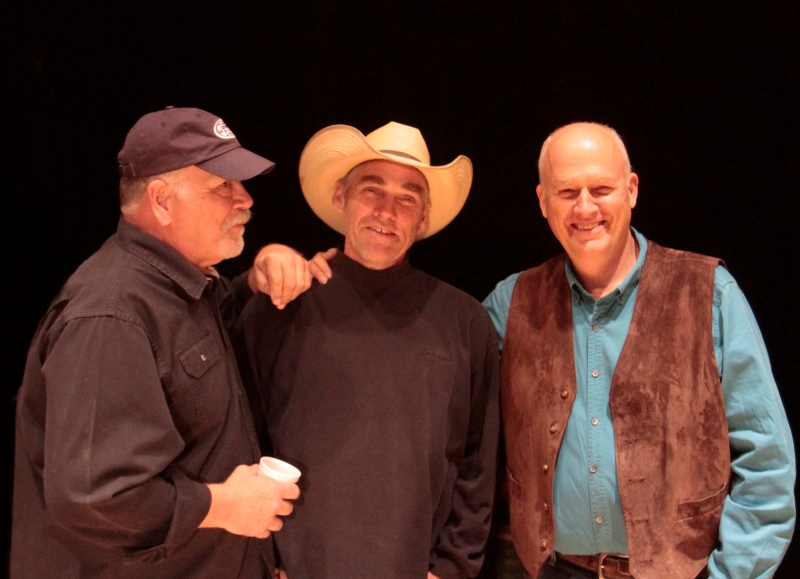
The Rifters band photo

photo by Jim Cox; photo courtesy of Broken Jukebox Media

“The Dollar Worth of Mother Earth” follows, earnestly and tunefully calling for humans to take better care of nature. Indeed, there’s nothing more “western” than a cultural connection to the land, caring about leaving nature unspoiled, taking care of the earth, taking our stewardship of mother earth seriously. In this case, the song is, lyrically, a bit of an apology from a generation that created this mess to those that follow, urging action.

I like that such a heavy song is followed by the playful “Tres Peis,” cheerfully honoring a friend’s joyful three-legged dog, before the Rifters slow things down with “The Wonder of You,” a song whose musical arrangement and performance make it seem like something you’d slow dance to during a barn dance.

Next up is one of my favorite songs on the disc, surprisingly one of the few this trio didn’t pen themselves, a cover of “Nothing is Free,” originally written and recorded by Moors & McCumber.  The Rifters’ performance is something special, with prominent string bass and fiddle parts providing the ideal soundbed for Rod’s vocal delivery.

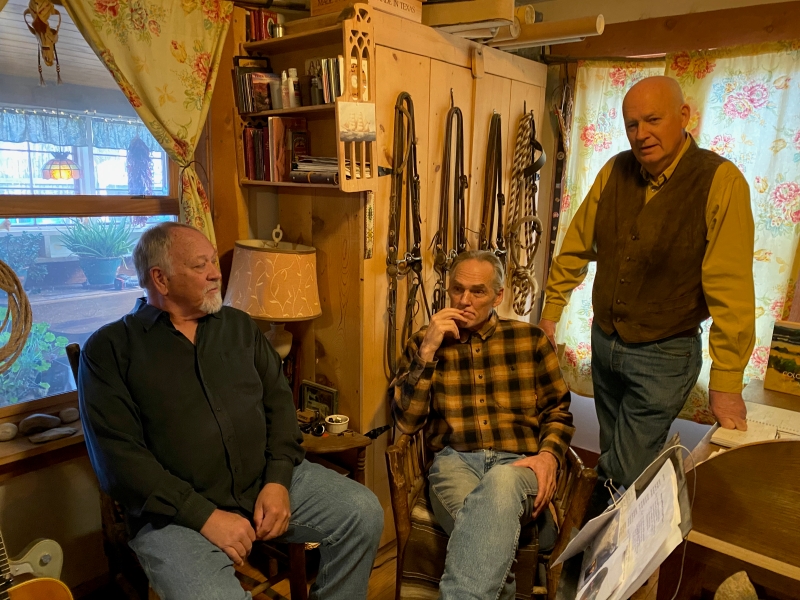
The Rifters band photo

photo by Teri McCartney; photo courtesy of Broken Jukebox Media

“That Lucky Old Sun,” a 1949 number one hit for Frankie Lane, is delivered by the Rifters as an engaging pretty-slow song performed with an old-fashioned, stripped-down delivery.

“So Many Different Things” is sneaky brilliant, as it reveals over a few very careful listens. It has a more uptempo delivery again, an uplift from the prior track; it doesn’t quite have the energy of “Nothing is Free” but is still one of the more moderately energetic songs in the collection. The vocals are simultaneously light and earnest. The violin also touches upon playfulness but with a tone that isn’t convincingly cheerful. In the end, the song musically portrays exceptionally well the weight of the world while still being hopeful and perhaps a bit defiant.

The Rifters live performance photo

photo by Dave Hensley; photo courtesy of Broken Jukebox Media

“At the Rail,” next, is more unapologetically dark. Rod’s deep vocals are so deep and booming they’re nearly Johnny Cash-esque. The instrumentation is relatively simple – acoustic guitar, bass, and accordion – and the musical arrangement is sparse, with the instruments providing just the necessary support for the vocals.

The Rifters close The Enchanted World with a fun rendition of “Gentle on My Mind.” I’m most familiar with the Glen Campbell version. Of course, it was originally written and performed, with success, by John Hartford. The most recent band to find success with “Gentle on My Mind” was the Band Perry just a few years ago. Well, the Rifters’ outstanding rendition, with the assistance of Pete Wernick’s energetic banjo playing, sounds like a concert-ending song – or perhaps a bar-closing number – sending you home with a smile. You don’t have to go home, but you can’t stay here. However, since this is an album, you can go back to song number one and play it again.

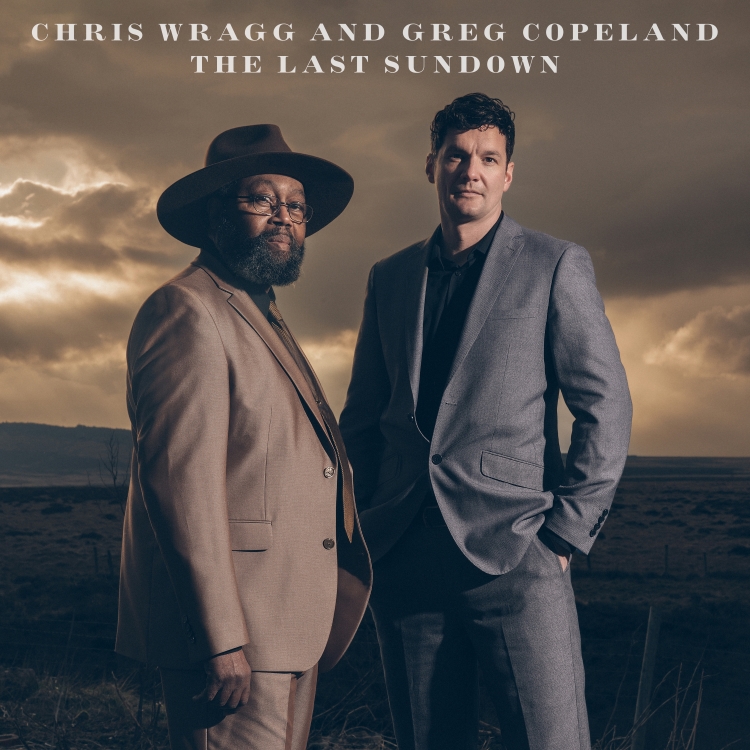
Album Review: Chris Wragg and Greg Copeland – The Last Sundown

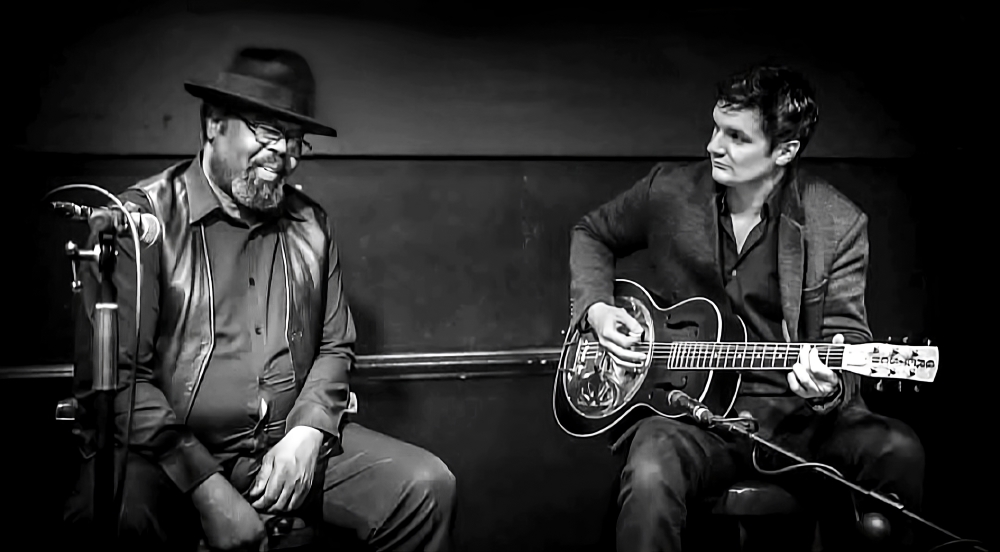
photo courtesy of Chris Wragg

Album Review of Chris Wragg and Greg Copeland: The Last Sundown

Greg Copeland’s deep, hoarse-yet-smooth, rough-hewn vocals and Chris Wragg’s guitarwork, which is at times deft and at other times emits a soulful wail, are about as blues as it gets. The Last Sundown, the second full-length album from Chris Wragg and Greg Copeland, is a deep and powerful release, covering a broad swath of blues ground across its 14 tracks, which run the gamut of blues tempos and delivery styles.

The album kicks off with a blues wailer, a cover of Louisiana Red’s “Alabama Train,” a track you’ll enjoy almost immediately and one of just two covers on the album. Chris and Greg follow it with a slower number, “Can’t Shake These Blues,” an earnest but smooth song that will soon have you singing along with “I’ve been misused, and I’ve been abused, but I just can’t shake these blues.”

image courtesy of Chris Wragg

“Don’t Let the Devil Ride” is probably the funniest song on the album. The oft-covered Oris Mays track is absolutely done justice by Chris and Greg, from Chris’ riffs ranging from jagged to rip-roaring and Greg’s vocals primarily earnest but also acknowledging the lyrics’ silliness with his vocal inflection in the spoken word portion.

Before and after that fun number are a pair of songs that delve into shameful times in American history. “1964” is a soulful civil rights song on which Chris’ unnerving, dancing guitar line and the nuances of the song’s mix combine well with Greg’s heavy, rough-edged vocals, with spoken words “We got to love each other, y’all” near the end of the song providing the forward-looking words to live by. Meanwhile, “The Last Sundown” is told from the point of view of the great great great great grandson of a slaveowner and a slave talking to the slaveowner on the last night of his life, via emotional lyrics that include his closing words, “As I look so deep into your eyes, I get the chance to see just how a coward dies.” The tempo and the guitar riffs add to the power of the vocals and lyrics. The song’s closing lyrics are an indictment on just how little things have progressed since then: “I guess the only thing that changes in America is the weather.”

photo courtesy of Chris Wragg

“House Burned Down” takes on the task of following that powerhouse, and its softly sung and sparsely instrumented arrangement meets that task with aplomb. “Losing Hand,” next, is kind of a slow-rocking blues number with a nifty guitar hook, a probably crowd-pleasing “say yeah” lyric, and an always enjoyable rhythm – one of those songs you’ll turn up the volume to whenever you hear it.

“When the Cold Winds Blow” is perhaps the best slow-tempo song on the disc, with a slowly-plodding rhythm propelling the song forward. Meanwhile, “Miss Ruby” and “Just a Man” offer some mid-tempo enjoyment with varying soundbeds – “Miss Ruby” more booming, “Just a Man” more of a jazzy blues groove.

“After the Sun Goes Down” warrants mention, with a guitar line that’s almost a blues-based classic rocker before the album closes with one final slow, dark, and weighty number, “Gonna Be With My Maker.”

Beginning to end, The Last Sundown is a powerful album, impeccably performed and memorable. If you’re a blues fan, it’s an absolute must-hear.