Single Review: Pat Smillie – “Lovers & the Leavers”

Pat Smillie – Lovers & the Leavers album cover

image courtesy of Pat Smillie

by Eric Harabadian, Contributing Blogger

Single Review of Pat Smillie: “Lovers & the Leavers”

“Lovers & the Leavers” is the first in a series of singles Detroit-born and raised singer-songwriter Pat Smillie is releasing through Fat Bank Music. And the song fits comfortably in Smillie’s wheelhouse of blues and soul-infused rock. The veteran raspy-voiced soul man belts out an acoustic-based ballad that speaks to his rich observations on love and the games people play.

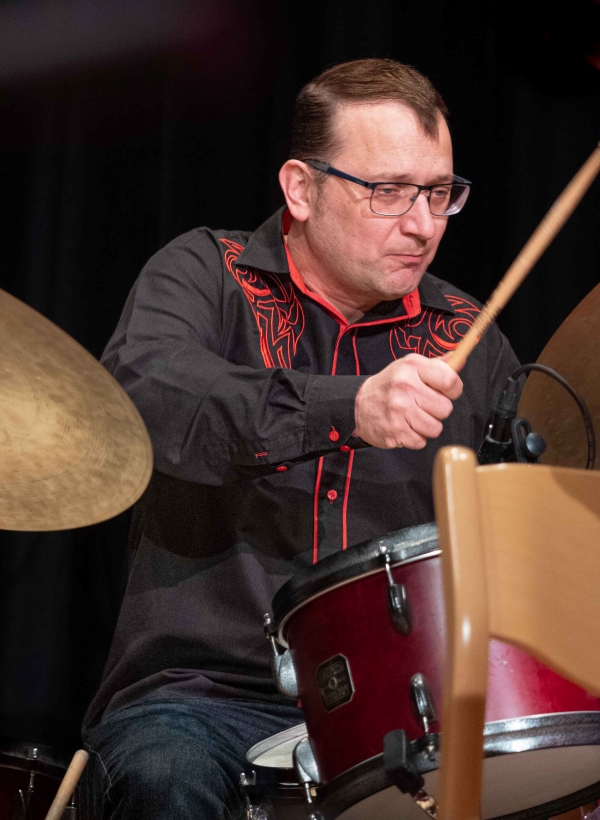
The track is co-written and produced by Smillie’s main man, guitarist Josh Ford. Also on board are Johnny Rhoades (acoustic guitar/electric guitar), Dale Grisa (keyboards), Rocco Popielarski (bass), Todd Glass (drums), Tina Howell (backing vocals), and Ashley Stevenson (backing vocals). This is, primarily, the studio group that Smillie has been using the past few years, and they certainly have risen to the occasion here.

Perhaps the first thing you glean, a few notes in, is Smillie’s sincerity and innate ability to spin a yarn. He’s a master storyteller and will stop you in your tracks with his authentic points of view. It’s a tight, radio-ready single that harkens back to the days of AM radio superstations like Windsor-Detroit’s CKLW. Smillie has all the vocal command and bluster of Bob Seger, Rod Stewart, and Frankie Miller combined. And the sweet sustained sounds of Ford’s slide work blended with Grisa’s Floyd Cramer-like piano trills set all the emotions of Smillie’s lyrics ablaze.

Pat Smillie and company are the future of Detroit music and carry the torch led by all those classic Motown artists, past and present, that have come before.

Album Review: Roberto Magris – Freedom is Peace

Roberto Magris

Roberto Magris; photo by Rosario Pino Varsaica; photo courtesy of Roberto Magris

by Eric Harabadian, Contributing Blogger

Album Review of Roberto Magris: Freedom is Peace (JMood Records)

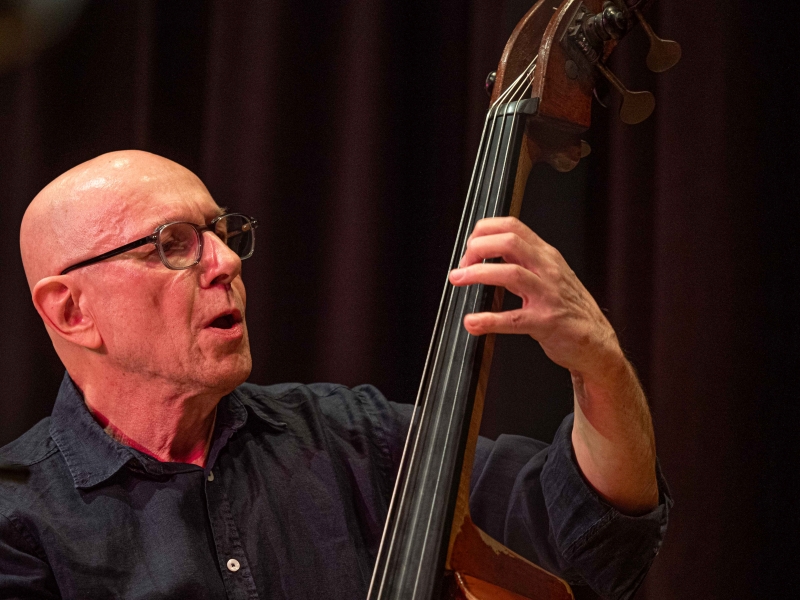
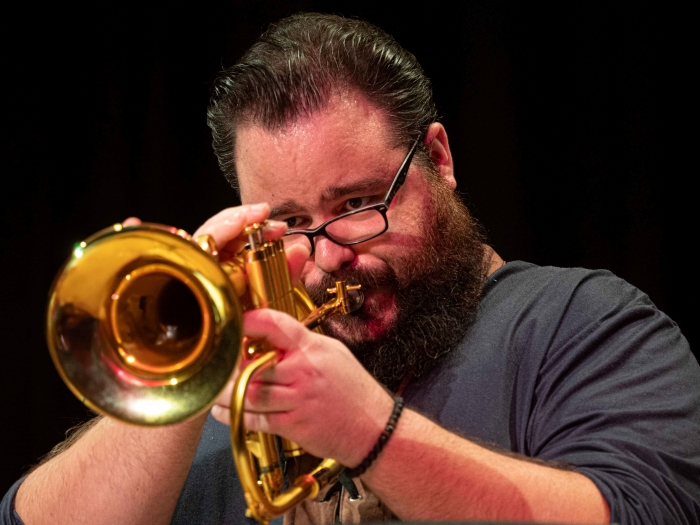
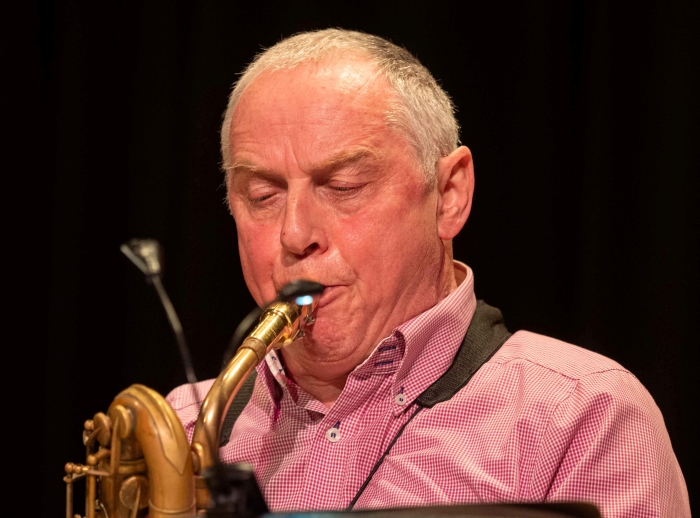
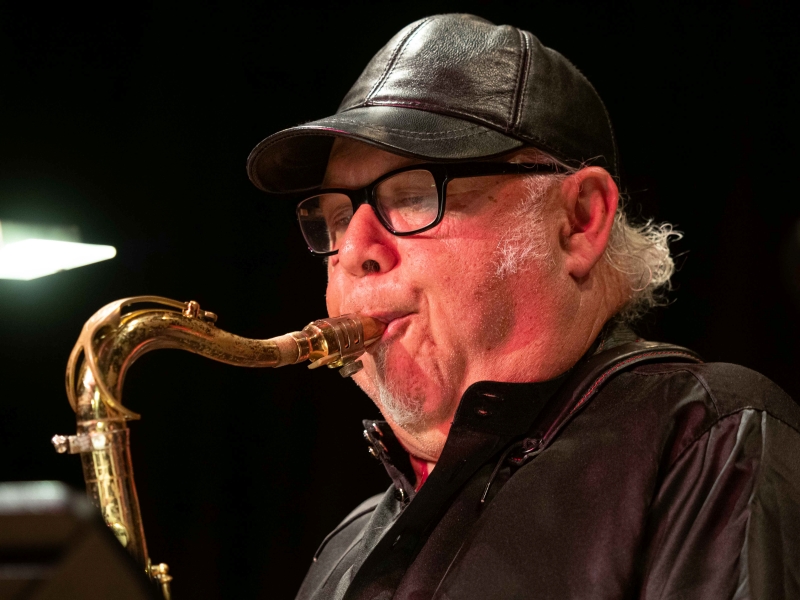
World-renowned Italian jazz pianist Roberto Magris is reunited after 20 years with his globally-recognized Europlane ensemble. He is joined on this recording by an international roster of stellar players, including Hungarian tenor saxophonist Tony Lakatos, German bassist Rudi Engel, Slovakian trumpeter Lukas Oravec, Slovenian drummer Gasper Bertoncelj and Austrian alto and baritone saxophonist Florian Brambock.

Roberto Magris – Freedom is Peace album cover

cover photo by Herbert Hoepfl; image courtesy of Roberto Magris

Recorded live in Bad Goisern, Austria in April of last year for the European Capital of Culture 2024 event, this band was itching to play, and they came out swinging! This is the initial handiwork of Magris, who was commissioned by a promoter, Emilian Tantana, to resurrect this classic European jazz group for this special event. This recording serves as a world premiere of Magris’ new original compositions and arrangements. While this set of compositions was embraced by the entire ensemble, putting it all together was especially heartfelt for Magris, as the experience reflected not only his attempt to recreate the sound of the original Europlane group but also the evolution of his career, over the past 20 years, as a solo artist and sideman.

Rudi Engel

Rudi Engel; photo by Herbert Hoepfl; photo courtesy of Roberto Magris

Poised before a very appreciative and enthusiastic audience, the Magris-led group delivered the goods… and then some. There is a tertiary subtext of social consciousness that runs through this live eight track set, beginning with Magris’ “Freedom is Peace.” Musically, the piece unfolds in a strident and bold manner, with heavy McCoy Tyner/Horace Silver-like left hand piano action and a powerful front line melodic statement. The impetus behind the tune comes from Magris who says: “This new composition of mine comes from the pressing need to now stand for peace, freedom, friendship, brotherhood and positive values… ‘Freedom is Peace’ is a call to stand for peace and beauty as a counterpart to the ugly feelings that are more and more surrounding us. Music, and especially jazz, is energy. And in this period we need positive energy.”

Lukas Oravec

Lukas Oravec; photo by Herbert Hoepfl; photo courtesy of Roberto Magris

“The Island of Nowhere” slows things down a bit to a light swing, with shadings of cool noir. There is a meticulously orchestrated Oliver Nelson/Claus Ogerman vibe at play. The rhythms leisurely glide along, providing a platform that inspires great solos from everyone. The horns are strong, with an exceptional bass spotlight from Engel that seems to summarize the piece.

Florian Bramböck

Florian Bramböck; photo by Herbert Hoepfl; photo courtesy of Roberto Magris

“Malay Tone Poem” is a tune written by South African pianist Hotep Idris Galeta. This displays the diverse virtuosity of the band, exemplifying  their collective use of space and eerie alternate modes. There is a strong anchor from the bass and drums that allows the piano and horns to venture into seemingly unknown territory. In particular, Magris’ solo is inventive and playful.

Another cover that is a favorite of the composer-arranger is Andrew Hill’s “Laverne.” Magris has played this beautiful ballad with various bands for years and brings that familiarity and richness to this ensemble. It features intricate uncommon harmonies, with a soft, lilting feel that will cast you into a romantic or alternate state. Lakatos’ wonderful soprano sax work here really soars.

Tony Lakatos

Tony Lakatos; photo by Herbert Hoepfl; photo courtesy of Roberto Magris

Another significant message to his European countrymen and women is the piece “Something to Save from EU (You)” by Magris. It begins with a rubato piano and bass intro which leads into a bouncy and upbeat ensemble feel. Overall, there is a positive vibe to the piece, with tasteful brush work by drummer Bertoncelj during the mid-section. At over 12 minutes, the tune has time to fully blossom and breathe. This allows the opportunities for stellar solos. Again, Magris comments on goings on in Europe and our society at large. He says: “Many people are wondering if the European Union was and is still a good idea. Personally, I think it was and is. But now we need to change completely and move from financial priorities to social and cultural priorities. Apart from politics, the European culture needs to be saved. We need to save culture and we need to save art.  We need to save music (classical, pop, jazz, rock, folk, etc.). And above all, we need to save melody.” You definitely get that urgency from this group in the message.

Gasper Bertoncelj

Gasper Bertoncelj; photo by Herbert Hoepfl; photo courtesy of Roberto Magris

“When You Touch Me” was written by an Israeli musician Boaz Sharabi. In Magris’ travels throughout the world he found Israel to have a lot of positive atmosphere and connected with some great jazz people there. May this act as a healing salve to what the Israeli and Palestinian people have endured during the strife and human tragedy experienced in the last year or so. Magris took this old Israeli pop song and restructured it, with a slight Latin approach. The delicate group harmonies and Lakatos’ lithe soprano work stands out.

“Loose Fit” is a Magris composition that sounds just like the title. It’s a cool and funky number that rocks out. When it unfolds into swing mode it just feels so good. The ascending and descending melody has a cascading effect. And all the band’s solos drift effortlessly atop a driving beat. The drum break toward the end was unexpected, but gives it a nice kick.

Roberto Magris

Roberto Magris; photo by Radivoj Mosetti; photo courtesy of Roberto Magris

“Hip! For the Conference” is an older tune by Europlane ensemble that was rearranged and modernized for this event by Magris. It starts with a capella horns and then comes in swinging. I guarantee you’ll be humming this melody all day! Notable solos erupt from everyone as this hard bop gem brings the house down.

The Europlane ensemble led by Roberto Magris might not be familiar to American audiences, per se, but, regardless, they are one of the finest modern jazz groups you are ever gonna hear! Make a note and put this on your essential listening docket now!

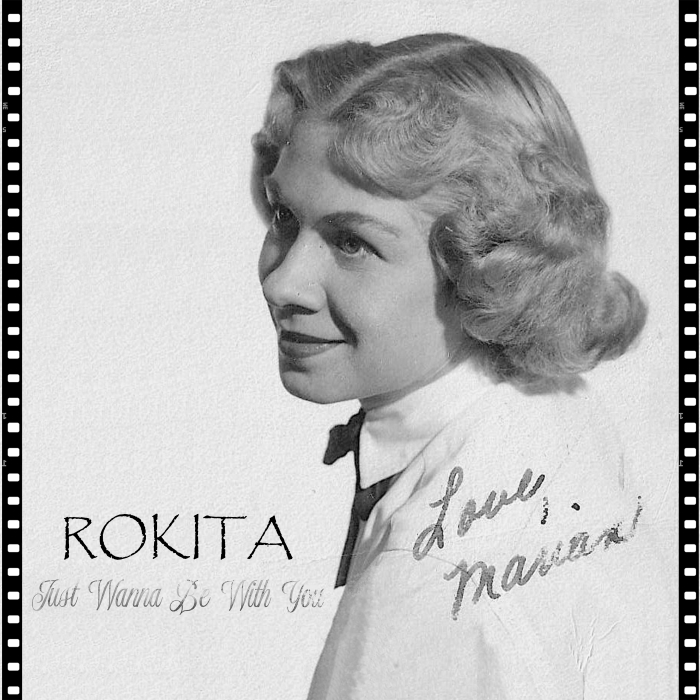
Single Review: Rokita – “Just Wanna Be With You”

Rokita – "Just Wanna Be With You" single cover

image courtesy of Mighty Achilles

by Eric Harabadian, Contributing Blogger

Single Review of Rokita: “Just Wanna Be With You”

Chris Rokita is a Frankenmuth, Michigan singer-songwriter with a spirited and heartfelt song dedicated to his late mother Marian. It’s a big bombastic love letter to his past and how his mother served as mentor, muse and inspiration.

Rokita press photo

photo by Yazmin Rokita; photo courtesy of Mighty Achilles

Here’s a sample verse: “You were my life; always there for me. Never going back now, just the way it has to be. Nothing’s the same; there’s no one to blame. Fate played its game. Wishing you were here with me.” Rokita sings all the vocals and plays guitars and bass, accompanied by the ubiquitous legend Kenny Aronoff on drums.

Melodic layered guitars are arpeggiated and strummed during the intro, with Rokita’s distinctive tenor voice taking command. But when Aronoff’s unmistakable drums kick in, the song goes into overdrive.

frame from Rokita's "Just Wanna Be With You" music video

photo courtesy of Mighty Achilles

Essentially, the tune has that Midwestern, early John “Cougar” Mellencamp vibe, with a drive and bravado that is honest and forthright. The combination of Rokita’s emotive voice and melodic sense also conjures up big ‘80s hit makers like The Outfield or Big Country.

“Just Wanna Be With You” is a cool and uplifting anthem that finds solace in the sadness. And we could all use something like that right about now.

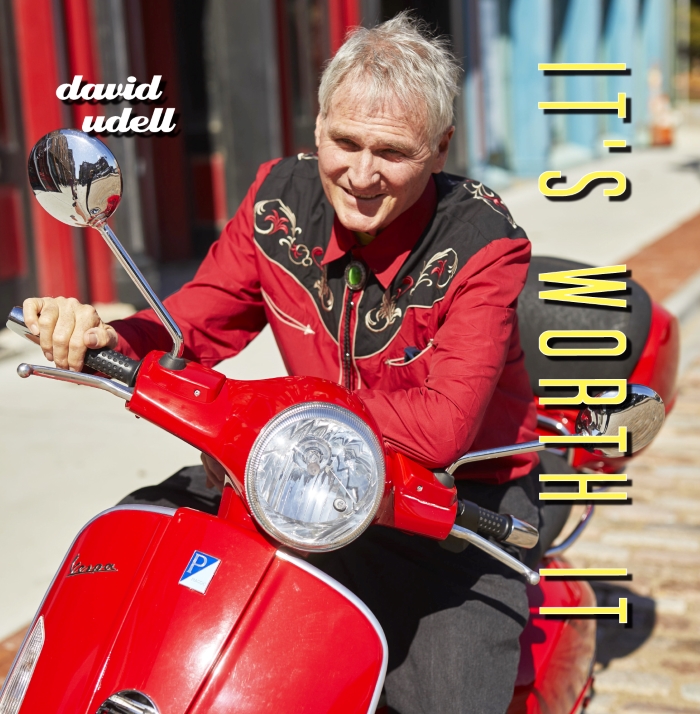
Album Review: David Udell – It’s Worth It

David Udell – It's Worth It album cover

image courtesy of Rock Rose Music

by Eric Harabadian, Contributing Blogger

Album Review of David Udell: It’s Worth It

This is David Udell’s second solo album and employs a lot of the sounds and textures he’s used in the past as a burgeoning guitarist and keyboardist with St. Louis-based avant-prog group Wax Theatricks and synth-pop instrumentalists Delay Tactics.

Working in a solo context, Udell creates a unique landscape of sound that encompasses elements of pure pop, Americana, prog, ambient, and straight up rock ‘n roll. His satirical lyrics combine with tuneful melodies, while the record’s multi-layered production rides that wave reserved for artists as vast as King Crimson, The Cars, Duran Duran, Phil Manzanera, R.E.M., Steve Hackett, The Beatles, and Can.

Udell is all over the map, in a seat-of-the-pants sort of way, starting with “Watching the Freak Parade.” He bursts out of the shoot, with a spirited rocker that has a clear and clever sense of irony and humor. “It’s Beginning to Look Like Rain” shifts gears down to a spacious, serene kind of vibe. This is an acoustic-flavored tune that spotlights Udell’s keen use of melodic hooks.

promo photo of David Udell

photo courtesy of Rock Rose Music

“Slow Song” features his fellow guitar and composer buddy from his mid-’80s Delay Tactics days, Carl Weingarten. The multi-tracked vocals and various echoed guitars give this a strong psychedelic feel.

“The Motion Song” is a composition from Udell’s early ’80s catalog and is a quick and light experiment in natural rhythms and toy percussion. “Our River” has a real Americana vibe, with a psyche component that sets the vocals in a swirling motion like streams down a river. “Solid Ground” has a folk-like early British feel that is accentuated by Margaret Bianchetta’s golden flute passages.

“Made My Peace” sounds like an outtake from The Beatles’ Sgt. Pepper’s album or something. It’s got a cool arrangement, with back masking and all these little sonic buzzers and bells happening underneath the action.

Udell asks the question “Is it Worth It?” And before he answers it at the end of the album, he cleverly goes through a litany of questions directed at mankind’s inhumanity and lust for control. It’s an existential ride that features some sizzling guitar in the mid-section.

“Unexplored Expanses” goes back to his roots as an electronic adventurer. It’s a short interlude that blends ambience and a Can/Holger Czukay-type of unorthodoxy. The title song and answer to the previous track, “It’s Worth It” kind of sums up the album. It’s somewhat of a hopeful song, with some tasteful Robert Fripp/Steve Hackett-like sustained guitars. It’s an appropriate finale that really builds in a semi-symphonic, almost Baroque-infused manner.

David Udell is a talented and multi-faceted artist, firmly rooted in art and progressive rock, but with a strong melodic crossover appeal.

Album Review: Rory Block – Positively 4th Street

Rory Block – Positively 4th Street album cover

image courtesy of Mark Pucci Media

by Eric Harabadian, Contributing Blogger

Album Review of Rory Block: Positively 4th Street (Stony Plain Records)

Rory Block is a singer-songwriter and guitarist who was on the ground floor of the folk and blues movement in the burgeoning ‘60s Greenwich Village scene. Both her mother and father were musicians, and her family ran in the same circles as musical icons like Pete Seeger, Maria Muldaur, John Sebastian, Joan Baez, and Bob Dylan.

Block’s father owned a sandal shop in the Village and a lot of the evolving folk and blues greats would frequent his establishment. Dylan, in particular, hit it off with Block’s family, and young Rory was smitten by Dylan’s poetry and emphasis on maintaining his love of music and artistic integrity.

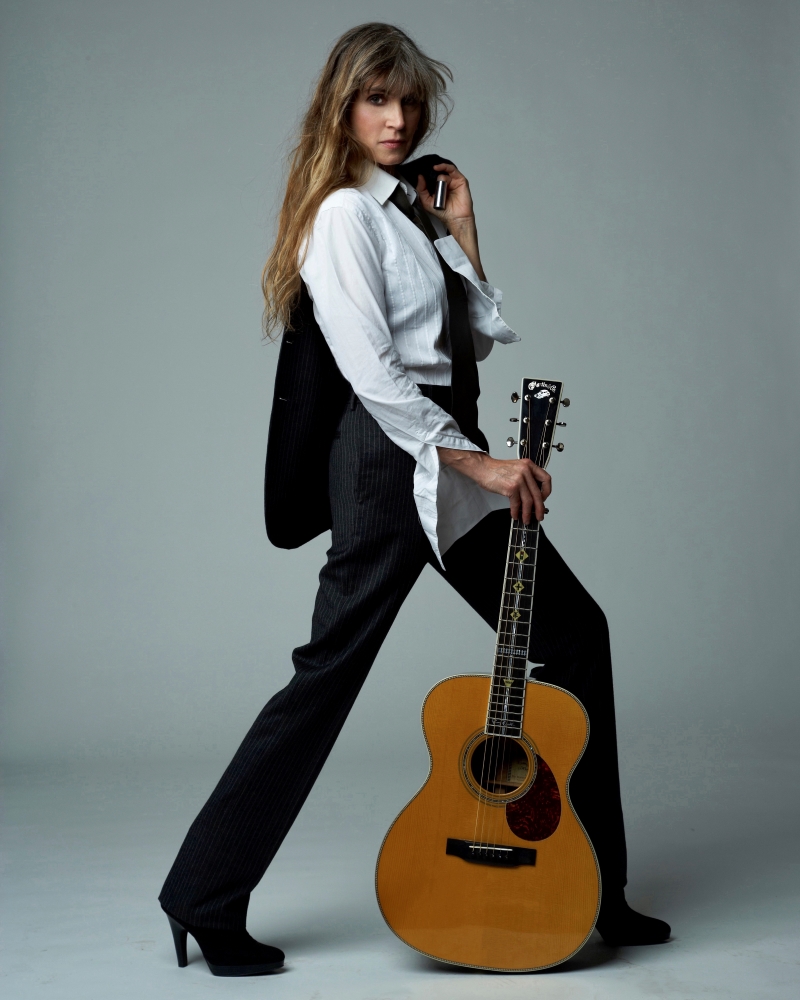
Rory Block promo photo

photo by Sergio Kurhajec; photo courtesy of Mark Pucci Media

As a young teenager Block studied classical guitar and taught herself Delta blues styles. She became so enamored with traditional blues that she left home at 15 to seek out the fathers of Delta blues like Mississippi John Hurt, Son House and Reverend Gary Davis. She eventually wound up in Berkley, California, where she honed her craft in clubs and coffeehouses.

Bob Dylan is America’s poet laureate who, for an amazing sixty-plus years, has been part of the musical zeitgeist and artistic fabric of our society. And, with the addition of the multiple Oscar-nominated bio-pic A Complete Unknown out now, Dylan’s legacy and social impact is as relevant as ever.

The timing to release a Bob Dylan tribute album could not be more perfect. But, again, Block is someone who was there. She witnessed and was a part of the folk incubator that was the ‘60s-era Greenwich Village. This album is as much a love letter to the folk movement as anything else.

Rory Block promo photo

photo by David Gahr; photo courtesy of Mark Pucci Media

The very youthful-looking and slender Block is the real deal. And she has chosen nine tracks from the Dylan catalog that blend the big hits with the deeper, more ponderous cuts. A case in point is the very bluesy opening track “Everything is Broken.” Her somewhat smooth, world-weary voice is laced with a touch of humor. She sings the ironic and clever lyrics accompanied by her adept slide guitar work. “Ring Them Bells” follows, done in an original folk-blues style.

Block plays all guitars and drums on the album and the mild groove serves this song well. Everyone knows “Like a Rolling Stone,” and she delivers a reading of it that is pretty spot-on with the original. Another deep cut, “Not Dark Yet,” is significant for its slow and reflective tone. She hangs onto each word where you hear the pathos and raw emotion in her voice.

“Mr. Tambourine Man” has been done by so many artists. Block’s is probably one of the best in terms of really getting back to Dylan’s initial intent. The title track “Positively 4th Street” spotlights some fine slide guitar and rudimentary drums. She really captures the essence and mood of Dylan’s words. “A Hard Rain’s A-Gonna Fall” and “Mother of Muses” are nice back-to-back mixes of Block’s ability to run the emotional gamut from somewhat upbeat to a haunting lullaby.

The finale “Murder Most Foul” is a 20-plus minute treatise on the turbulent ‘60s-era and beyond. It addresses, in many ways, the cracks in our society, particularly in the United States. It’s kind of a combination of rap and monologue that Block conveys in a starkly hypnotic style. Powerful stuff!

Album Review: JK Collective – Ring Road

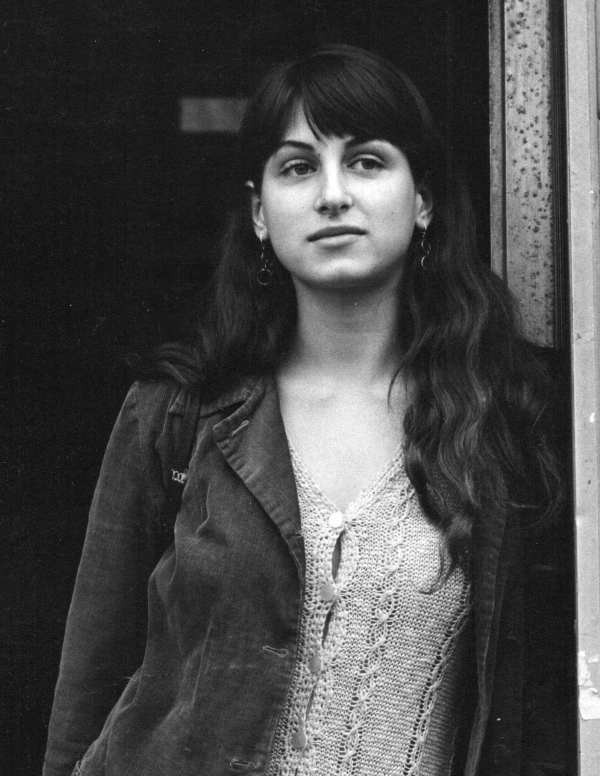
photo by Ariane Kok; photo courtesy of Jan Knetsch

by Eric Harabadian, Contributing Blogger

Album Review of JK Collective: Ring Road

JK Collective is a group of studio musicians and composers from the Netherlands that specializes in ‘60s-inspired rock and pop. Although they sound more than capable of handling any musical situation, the original songs performed on Ring Road strongly reflect their fascination with British, European and American-based classic rock.

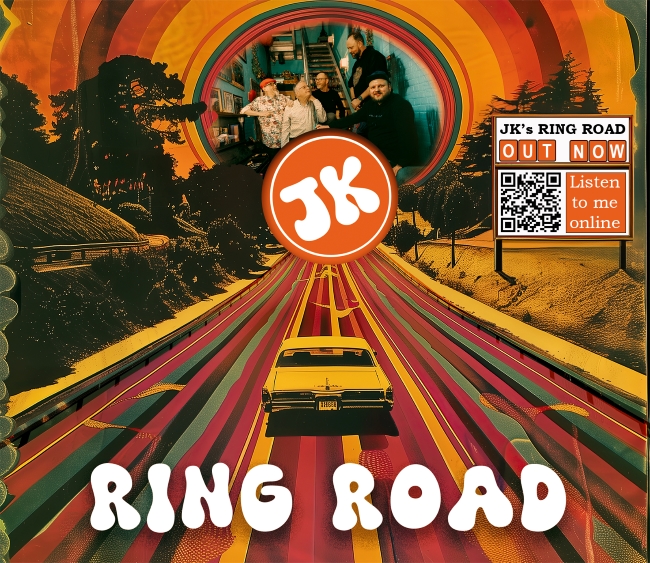
album cover designed by Jasper Davidson; image courtesy of Jan Knetsch

Multi-instrumentalist and composer Jan Knetsch is at the helm here and leads his merry men of musicality down a road that is letter perfect in tone and texture. The dozen tracks here were sparked by Knetsch and his wife’s journey to the USA down Route 66 in 2022. Upon hearing The Beatles’ “I Saw Her Standing There” wafting from a roadhouse sound system, it stirred something in him to begin writing new music and tapping into that ‘60s-era style and feel. When Knetsch returned home to the Netherlands, he assembled this collective of musicians and got to work.

What you have here is a cadre of great original songs. “Ring Road Theme” is a mid- tempo rocker that blossoms on a bed of orchestral beauty. Woodwinds, strings and things blended with a wonderful and spirited melody really set the scene. “Together to Get Her” has a heavy British feel. It recalls the harmonic craftsmanship of The Hollies and The Beatles, with a touch of modern flair. The overall mood is upbeat, with a cool minor-ish guitar break. “I Don’t Wanna Give You Up” features great harmonies (hmm, I think I see a trend here… LOL!), with some tasty guitar action and a funky grooving bass line. “To Be Loved” features that Mersey Beat factor. There is also a predominant Beatle-esque sensibility, with a George Harrison-like slide guitar.

photo by Ariane Kok; photo courtesy of Jan Knetsch

“One Man Show” is very cinematic and taps into the bands’ penchant for storytelling. “The Mother Road” could almost be considered auto-biographical where it talks about traveling along Route 66. A ripping guitar solo and strong hooks bring it all back to the origin of JK Collective. “Work in Progress” spotlights the bands’ American influences, with a vocal nod to The Beach Boys. They’ve done their homework well and embody that freewheeling California sound. “Sweet Melody” sounds like Abbey Road-era Beatles. Superb harmonies, coupled with strings and brilliant hooks, make this a highlight. Continuing with The Beatles influence, there is no mistaking the “Eleanor Rigby” cadence and chamber string flourishes of “Roses in the Vale.” This track also vaguely recalls some of the early Moody Blues orchestral work. “Dreamers Drive” throws the whole works into the mix, blending woodwinds, strings, and straight up rock. And “My Song of the Day” rounds things out with a tasteful and well-placed acoustic ballad.

Ring Road is an album that shines a light on diversity and is very fluid in its songwriting approach. But there is a cinematic quality to their songs as well which taps into the JK Collective goals of licensing and marketing their music for films and video projects.

Album Review: Jason Kao Hwang – Soliloquies

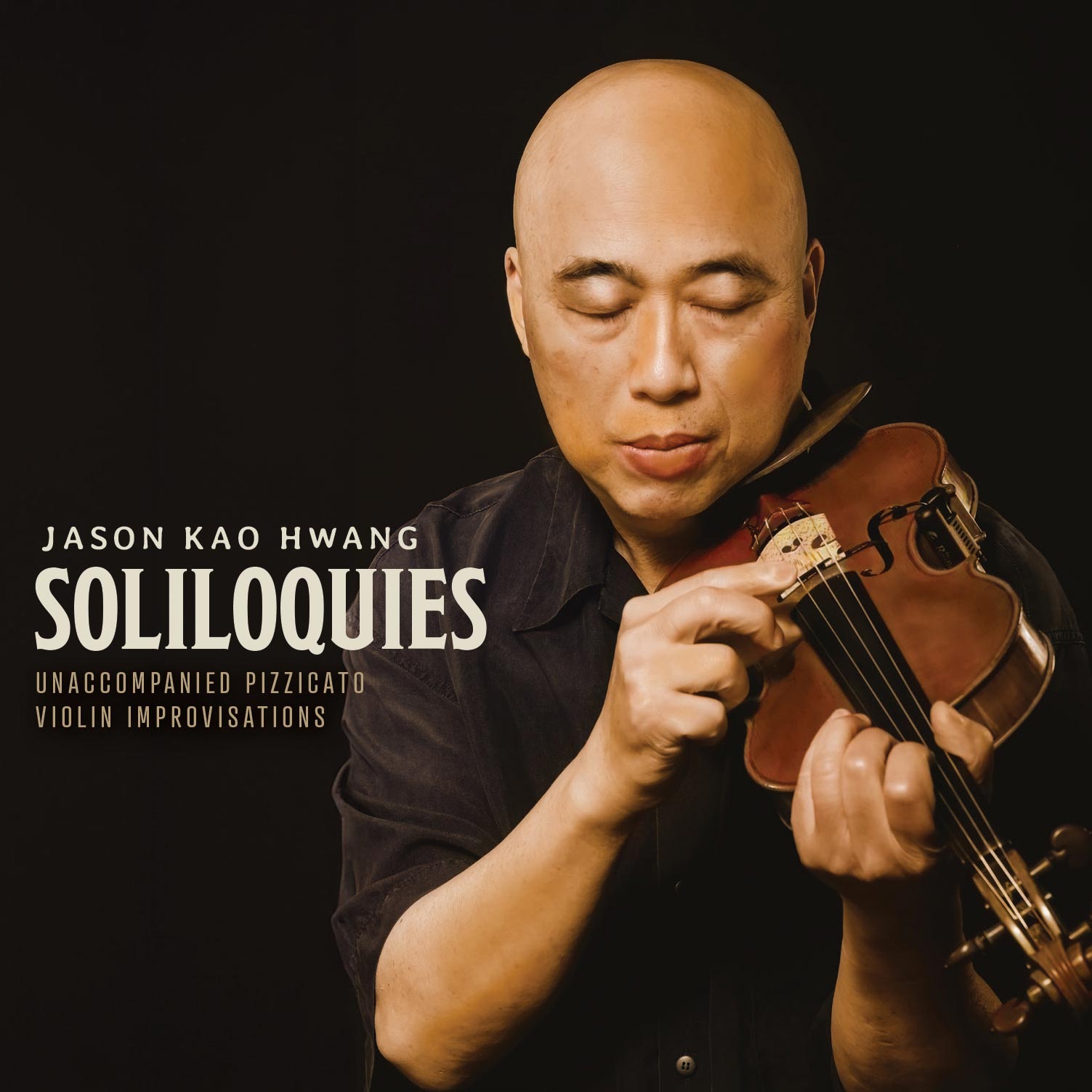
Jason Kao Hwang – Soliloquies album cover

image courtesy of Jason Kao Hwang

by Eric Harabadian, Contributing Blogger

Album Review of Jason Kao Hwang: Soliloquies

Originally from the Midwest and currently based in New Jersey, Jason Kao Hwang is a classically-trained violinist and composer who specializes in a free jazz and improvisational approach to his instrument. He cut his musical teeth in the late ’70s and early ’80s playing with some of the heavyweights of avant garde jazz music such as saxophonist Anthony Braxton, saxophonist/flautist Henry Threadgill, and bassist Reggie Workman. Hwang, who is of Chinese descent, has also been heavily involved in world music that reflects his Asian-American heritage.

That wealth of musical and cultural knowledge is uniquely compressed into a dozen tight and expressive original solo violin etudes and improvisations. In particular, the strings master employs a specific technique throughout the recording called “pizzicato.” It is an alternate manner of playing where, instead of using a bow and swiping the violin strings, the instrument is “picked” or plucked similar to an approach on guitar. It’s a technique that gives the violin and each composition an entirely different and more percussive feel when compared with the way the instrument is primarily played.

In the dramatic arts soliloquies are intimate monologues where a character stands alone on stage to confide their innermost thoughts to the audience. Similarly, Hwang found a way to express himself in an improvisational and solitary context. Each original composition here tells part of a story. It’s a story that is a love letter to his parents and family’s first and second generation immigrant experiences.

The appropriately titled “At the Beginning” ushers in a demure and delicate melody on which the use of subtle pull-offs, trills and fleet-fingered picking is employed. The follow up “Hungry Shadows” develops those initial ideas and spotlights nuanced octaves and space. “Vagabond” navigates the melody in an unorthodox manner, with wit and strategic grace. Angular themes and well thought-out string bends and glissando define tracks such as “Spinning Coins,” “Remembering Our Conversation,” and “Encirclement.” Solo pizzicato in the hands of a sonic craftsman such as Hwang is magical because he refuses to be bound by the chains of conformity. Throughout his musical explorations on this album he makes his acoustic violin sound like a talking drum, flamenco guitar, and an Asian lute-like instrument called a Koto.

Every artist should grant themselves the opportunity to truly express who they are and where they come from. For all the sideman and collaborative work Hwang has done over the years, it’s nice to hear the soloist captured in his natural and familial element. And that’s what you essentially find here. “For the children of war survivors there are conversations with our parents we wished we had and could not,” explains Hwang in the liner notes. “I often wonder about my parents’ vague allusions to atrocities they survived in China during World War II because their trauma was far greater than I can imagine, even now, over 20 years since their passing. In Soliloquies I honor their courage by embracing their voices within mine, to sing into our unknowable silence encircling dreams. I am especially playing for my father, who endured multiple strokes, the last of which took his voice.”

Soliloquies is a dedicated listen and one that, in light of the stories behind each track, will draw you in with its earnestness, subtle delivery and powerful resolve.

Interview with Derek “Mo” Moore of Nektar and Album Review of Nektar – Mission to Mars

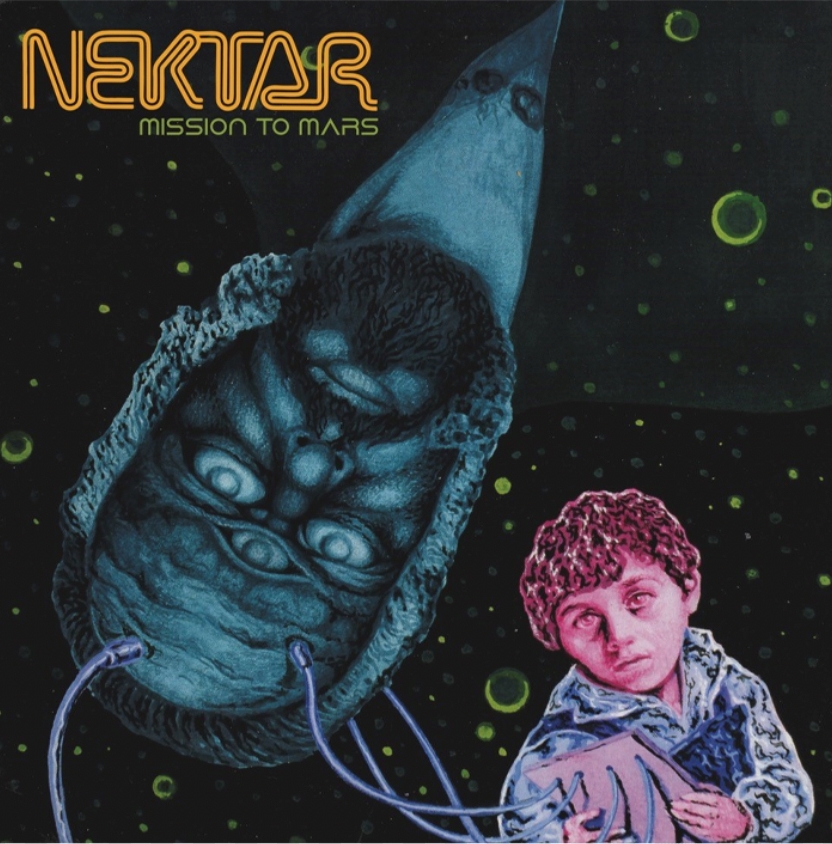
Nektar – Mission to Mars album cover

image courtesy of Chipster PR

by Eric Harabadian, Contributing Blogger

Interview with Derek “Mo” Moore of Nektar and Album Review of Nektar: Mission to Mars

Nektar is a band that originally was entirely British but found early success in the late ‘60s in Germany. Guitarist-vocalist Roye Albrighton, keyboardist Allan “Taff” Freeman, bassist-vocalist Derek “Mo” Moore, drummer-vocalist Ron Howden and lighting/effects specialist Mick Brockett comprised the original group which formed in 1969. They broke out on the U.S. charts in the early ‘70s, with influential and conceptual albums like A Tab in the Ocean, Remember the Future, Down to Earth, and Recycled.

Mission to Mars is Nektar’s 16th studio album, and that’s not counting a plethora of legit live albums, as well. They’ve always been a great live act due to their tight and collaborative sound as well as a phenomenal and entrancing light and images show.

The current lineup of Nektar consists of long-time guitarist-vocalist Ryche Chlanda, keyboardist Kendall Scott, bassist-vocalist Derek “Mo” Moore, vocalist Maryann Castello, and drummer Jay Dittamo. The album Mission to Mars is the first part of a proposed trilogy of albums for the band. Chlanda and Moore co-wrote the lyrics and came up with the universal space concepts, which will act as set pieces for songs going forward.

Recently we sat down with original bassist-vocalist and songwriter Moore to discuss the new album and the history of one of rock’s most enduring and prolific acts.

Mission to Mars was co-produced by Moore and Chlanda and includes themes about outer space, the Universe, spirituality and positive vibes. Moore really lights up when discussing the origin of their current record and the production scheme behind it. “We did the mix with the goal of being able to hear everything,” says Moore. “We planned where everything was gonna be placed and what vocals were gonna go from left to right. And once we got that done we had it mastered by Leon Zervos, who used to be with Sterling Sound in New York City. Our friend and engineer Joe DeMaio has a studio called Shorefire in Long Branch, New Jersey and he did the basic live tracks with us. We always do the basic tracks live because that retains the freshness and it doesn’t sound too clinical.”

And from the opening title track, Mission to Mars erupts from the gate, with a rhythmic bravado and rocking presence that deftly blends sci-fi imagery with vibrant audio colors and pulse. Chlanda’s full-bodied guitar work and gritty vocals lead an uplifting chorus of “Celebrate, scream and shout. Love yourself and let it out.” The song takes some collective thematic detours by way of Kendall Scott’s bubbly synthesizers as the harmonies establish this revived assemblage of the band as simply sublime.

“We mastered the vinyl and CD versions separately,” says Moore. “When you do digital, some of the frequencies are cut out because your ears hear things different, and it sort of compensates for that. But you can’t do that on vinyl. On vinyl, you can have all the frequencies there by keeping the length of each side down to about 16 minutes. That way you get a bigger groove, with the bottom end of the bass and drums. And the rest of it takes up the top. It makes for a very warm sound. We went to a lot of trouble to make sure the CD sounded perfect too. And then we switched to vinyl.”

“Long Lost Sunday” is the second song in the track order on the new album, and it takes the listener further into the galaxy of complex emotions in the search for a higher self. It’s heady stuff that finds balance in memorable riffs, taut staccato rhythms, and free flowing vocals. By the time the song builds to the vocal climax of “Don’t walk away… don’t walk away,” you’re hooked in the somewhat atmospheric grandeur of it all. It’s a powerful piece of music.

“One Day Hi One Day Lo” is another track that had major co-writing contributions from Scott. He provides the orchestral arrangements at the beginning that unfold into a multi-tiered Beatles-esque trip through space tempered with Dadaist existential themes.

Alas, Nektar’s latest venture is somewhat bittersweet amid the loss of original drummer-vocalist Ron Howden. Howden performed on the band’s last live 2 CD/Blu-ray release two years ago entitled Journey to the Other Side (Live From the Dunellen Theatre). And, unfortunately, that was his last performance with the band. Returning valiantly from a bout with cancer, he was on the ground floor of talks with Chlanda and Moore about recording what would become, Mission to Mars, but a brain aneurysm took him days after their last meeting, and it was not meant to be.

“Ron died last September,” says Moore. “I played with him for 60 years. It was very sad. But we know Ron would’ve wanted us to continue, so we finished putting the songs together. And our drummer Jay used to play with Kendall and Ryche in Ryche Chlanda’s Flying Dreams, so it was a great fit.”

The final track on Mission to Mars is called “I’ll Let You In,” and it proved to be a very emotional song for Chlanda, in particular, to sing. It’s a dreamy and ethereal ballad, with a resonant chorus that has hope and an inclusive message of renewal, healing, and celebration.

“That song actually got picked up by some Christian radio stations across the country,” says Moore. “I handle a lot of the radio marketing with a friend of mine. And I told him I thought ‘I’ll Let You In’ could cross over into the Christian market. We’ve got about ten stations in the U.K. and about 40 in the U.S. playing ‘Mission to Mars’ and ‘I’ll Let You In.’ I think we stand a chance with this album of making it on mainstream radio.”

Watch for Nektar to be booking new tour dates for the U.S. and Europe in 2025.

Album Review: Kristian Montgomery & The Winterkill Band – Lower County Outlaw

Kristian Montgomery & the Winterkill Band – Lower County Outlaw

image courtesy of Kristian Montgomery & the Winterkill Band

by Eric Harabadian, Contributing Blogger

Album Review of Kristian Montgomery & The Winterkill Band: Lower County Outlaw

It’s the 4th album in 3 years for this “lower county outlaw.” No one could ever accuse singer-songwriter Kristian Montgomery of slacking off on the job. The Vermont-based musician is certainly one of the hardest working cats in show business. He’s grown up all around the country — Florida, New Orleans and Boston, to be exact. In fact, he originally made a splash on the Boston scene and garnered considerable attention with previous recorded efforts. But since his re-location to the mountains and adoption of farm life, he has more keenly refined and sharpened his musical approach.

Montgomery’s latest and greatest features some of his best and most compelling songs to date. And he’s joined by celebrated producer-engineer/drummer Andrew Koss (Alicia Keys, John Legend), guitarist John Clark, and bassists Dave Leitch and Mark Harding. These are “genre bending songs that are lived in,” according to Montgomery on his website. And there is no doubt that the detail and honesty of his songs and stories come through.

This Americana-flavored and Cajun-spiced and rootsy thrill ride begins with “Submit to My Transmission.” There are some hellacious guitars featured here that are balanced by cool, subtle ambience and a reflective, testimonial tone.

“Around and Around” spotlights great rocking hooks and dovetails the groove with an earthy vocal. There is an interesting modulation technique in the melody that is subliminal and infectious.

“The Long Gone Blues” states “When you got nothin’ you got nothin’ to lose” and “Now that she’s got everything I guess she wants me too.” There is a tinge of cynicism wrapped in a jaunty country feel.

A screaming  guitar defines the tuneful and dynamic “The 4th of July.” And that leads into the truth seeking “I Don’t Know What’s Real Anymore.” Montgomery simply asks, “Are you real?” over an ample wall of guitars and rhythm. This is a pleasing blend of stinging leads, an interesting bridge and rich harmonies.

“Somebody’s Baby Mama” recalls Joker-era Steve Miller, with the line “I bet you’re sweet, but you’re somebody’s baby mama now.” It’s got an infectious upbeat groove and an early Allman Brothers sensibility as well.

“Gypsy Girl” is a catchy souped-up femme fatale cautionary tale which is followed by the somewhat melancholy “Easy to Forget You When I’m Gone.” It’s a first person account of a relationship that is consistent with Montgomery’s no nonsense lyrical style.

The oddly titled “The Girl With Gages in Her Eyes” has a rocking, vibrant kick, with a retro alternative vibe that, to this reviewer, recalls Robert Palmer or Dire Straits.

“Annie Pay Your Band” is a pleasant country blues number and paves the way for the cool and somewhat funky “A Little Lower.” The indelible chorus and lilting bluesy guitars will get you going.

And the finale sounds like a real audience favorite, with “Lost in Memphis.” This is a rootsy rocker built on a sturdy and memorable groove. Smooth wah-wah guitar and wailing vocals wrap this release on a high note.

Kristian Montgomery’s Cajun-laced, blue collar sound is unique and familiar at the same time. He has a singular vision that is pop-oriented and relatable, yet cerebral, auto-biographical and edgy.

Looking Ahead

You can catch some Kristian Montgomery & the Winterkill Band performances, as the band is out gigging, including this upcoming Saturday, October 28th show at Nashville of Saratoga in Saratoga Springs, NY. Follow the band’s Facebook and Instagram accounts for future show announcements.

Single/Video Review: Stormstress – “Buried You in the Snow”

Stormstress

photo by Fuel Heart Productions; photo courtesy of Stormstress

by Eric Harabadian, Contributing Blogger

Video Review of Stormstress: “Buried You in the Snow”

Stormstress is a hard rock/heavy metal trio, with ties to Boston and Detroit. Mirror image sisters Tanya Venom (guitars/vocals) and Tia Mayhem (bass/vocals), along with Maddie May Scott (drums/vocals) are riding high off the success of their independent release Silver Lining in 2022. This is their first foray into new material since that album, and it presents a perfect balance of raw power and vocally orchestrated bliss. Amid a white background, the band erupts, with a scream and a swath of crunchy guitars, pummeling bass and sparse, meaty drums. Their hair and garb are a mix of black and white, fiery reds, icy blues and extreme face paint that all add to the drama of their message.

“Buried You in the Snow” takes on the demons and situations in life that haunt us, whether that be an addiction, a personal impasse, or just any barrier that stands in the way of you emerging as your best self. The song is all about letting go of that seemingly insurmountable albatross and finally finding vindication and freedom in one’s own skin. Here’s a taste of some of the lyrics that set the scene: “I could feel the bite of winter in the air. Not a single star to shine on my despair. By the candlelight, I drew the 13th card, the Reaper spoke I had to break your heart.” And the second verse really cinches a first person account of the loneliness one feels enmeshed in a problem, with “The bliss in your eyes, faded away… oh! Dusk beckoned while you begged me to stay. But when midnight struck, I made a vow I’ve gotta learn to be strong somehow… alone.” Cut from a similar cloth as Dio, Epica, and Heart, Stormstress delivers a powerful treatise on self-actualization, blended with supernatural and gothic imagery. It’s a combination that truly resonates, via Venom’s superb guitar work and the stunning call and response vocals of counterparts Mayhem and Scott.

Stormstress

photo by Fuel Heart Productions; photo courtesy of Stormstress

The song resolves as Venom’s imagery involving the darkness of night and the shimmering white of snow is culminated this way: “All I could see was shades of white, I swear it was the hardest night, but I let the dark take you away (I had to let you go)… I buried you in the snow… until you were gone!” And with that, mission accomplished in a heart-wrenching and poetic song destined for these modern times.

Kudos go to co-producer/engineer Doug Batchelder of the Den Studios for his masterful and meticulous handling of the delicate frequencies and elegant captures of the band’s multi-dimensional vocals. The overall sonic palette as well as, of course, the song itself is truly a work of art!

Stormstress

photo by Fuel Heart Productions; photo courtesy of Stormstress

Looking Back

You can find the Blog‘s review of Stormstress’ Silver Lining here.

Looking Ahead

Keep an eye on the “Tour” page of Stormstress’ website for upcoming concert data. Currently, it lists two upcoming shows in Provincetown, MA: Friday, July 21st; and Friday, October 13th. The trio just rocked Detroit and Chicago a couple weeks ago – and Provincetown last weekend – so I’m sure more dates will be added to the calendar soon.

You can also follow Stormstress on TikTok, Instagram, and Facebook to keep up-to-date.