Album Review: Edoardo Liberati “Synthetics” Trio – Turning Point

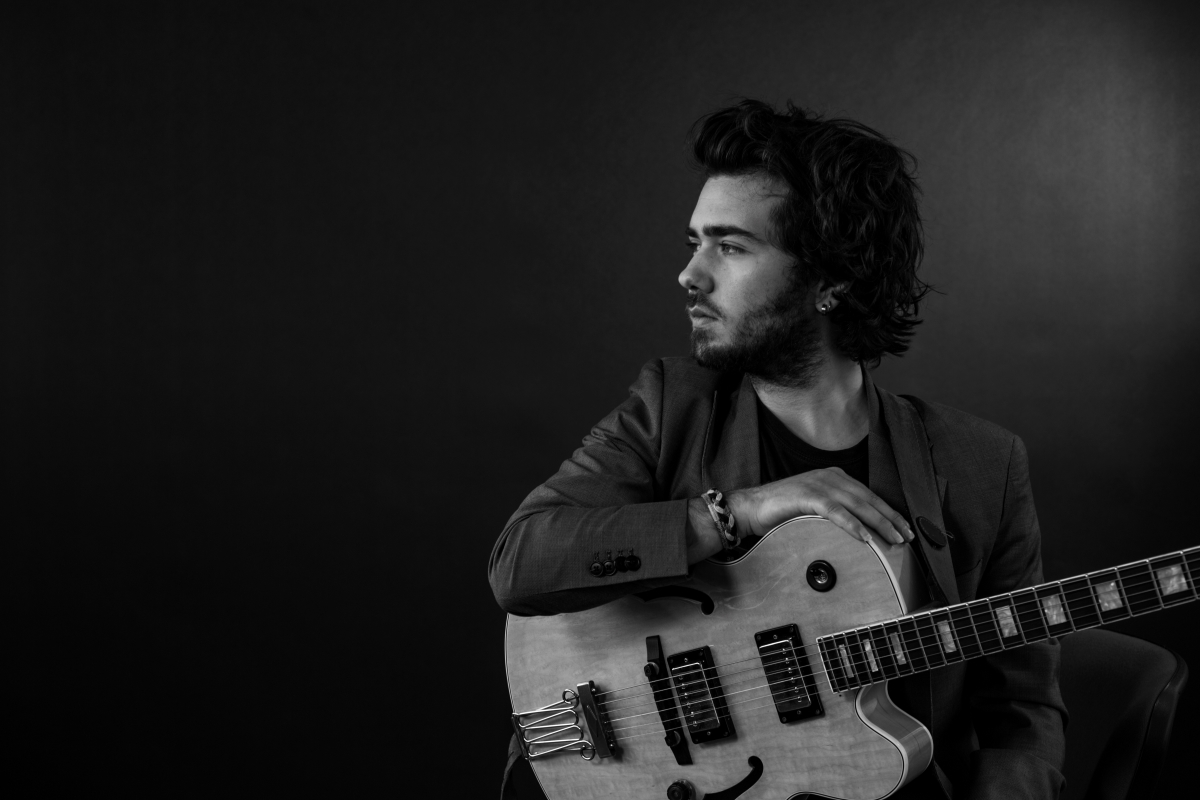
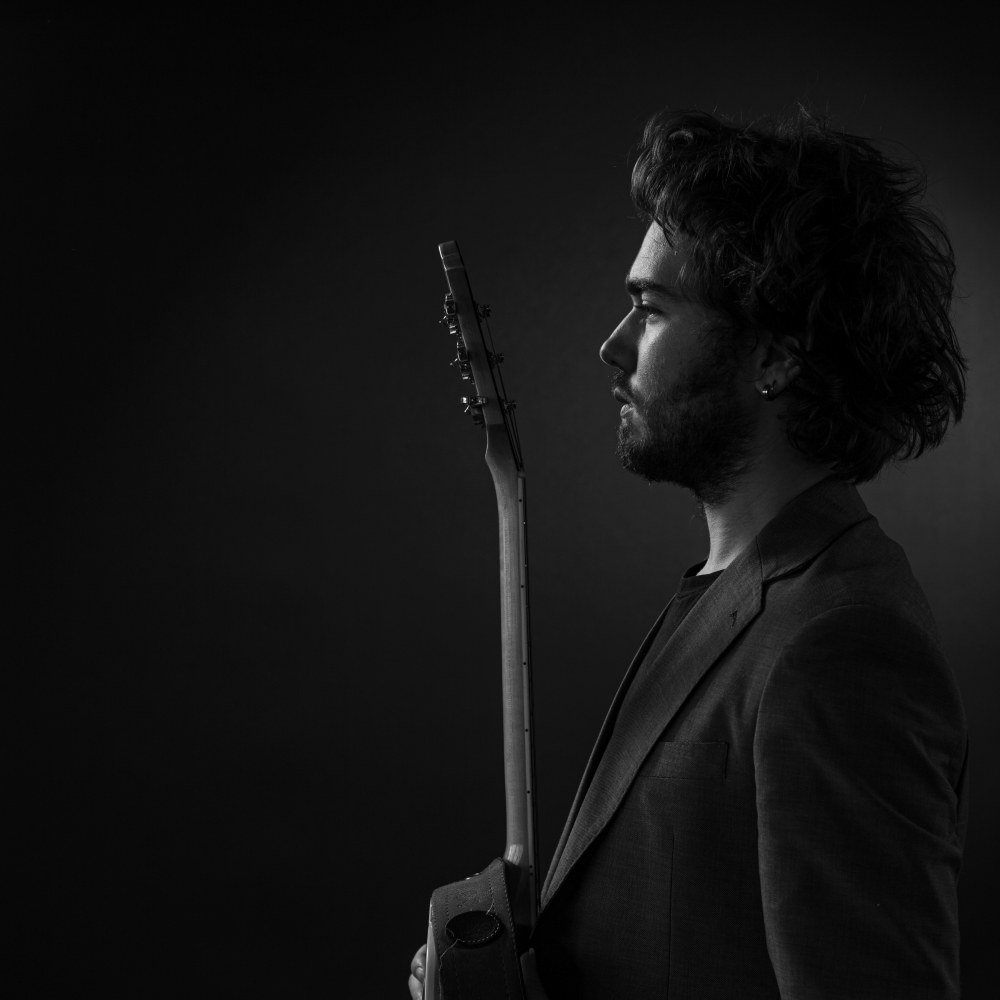
Edoardo Liberati

photo by Pino Donato; photo courtesy of Edoardo Liberati

by Eric Harabadian, Contributing Blogger

Album Review of Edoardo Liberati “Synthetics” Trio: Turning Point (Wow Records)

Edoardo Liberati is an Italian jazz guitarist extraordinaire who works in a variety of musical mediums. He is an accomplished composer who wrote seven of the nine tunes on this freewheeling and free-flowing trio date. He is joined by Dario Piccioni on double bass and Riccardo Marchese on drums.

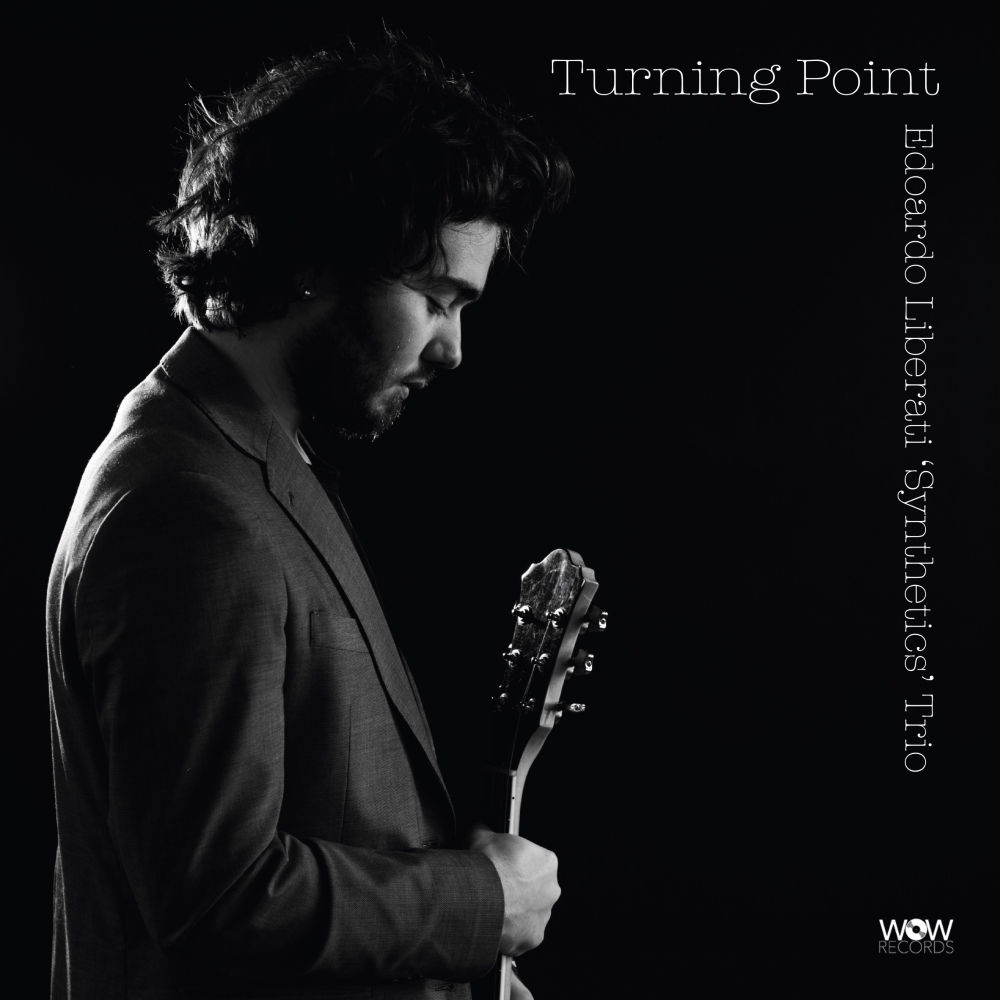
Edoardo Liberati "Synthetics" Trio – Turning Point album cover

album cover photo by Pino Donato; photo courtesy of Edoardo Liberati

Stylistically, Liberati is influenced by a mix of classic and modern masters of jazz and improvisational guitar. Everyone from John Scofield and George Benson to Julian Lage and Kenny Burrell seem to rise to the surface when this young burgeoning talent hits the strings.

Upon the first listen to this album, perhaps the trio’s strongest suit is their ability to listen and play off one another. There is simpatico in their relationship where they are tight in their ideas, rapport, and connectivity. These are all the qualities that should be the goals of any successful band. And this group has it in spades. Liberati may be the leader, but they are the “Synthetics” Trio and are a fully functioning unit in every sense of the word.

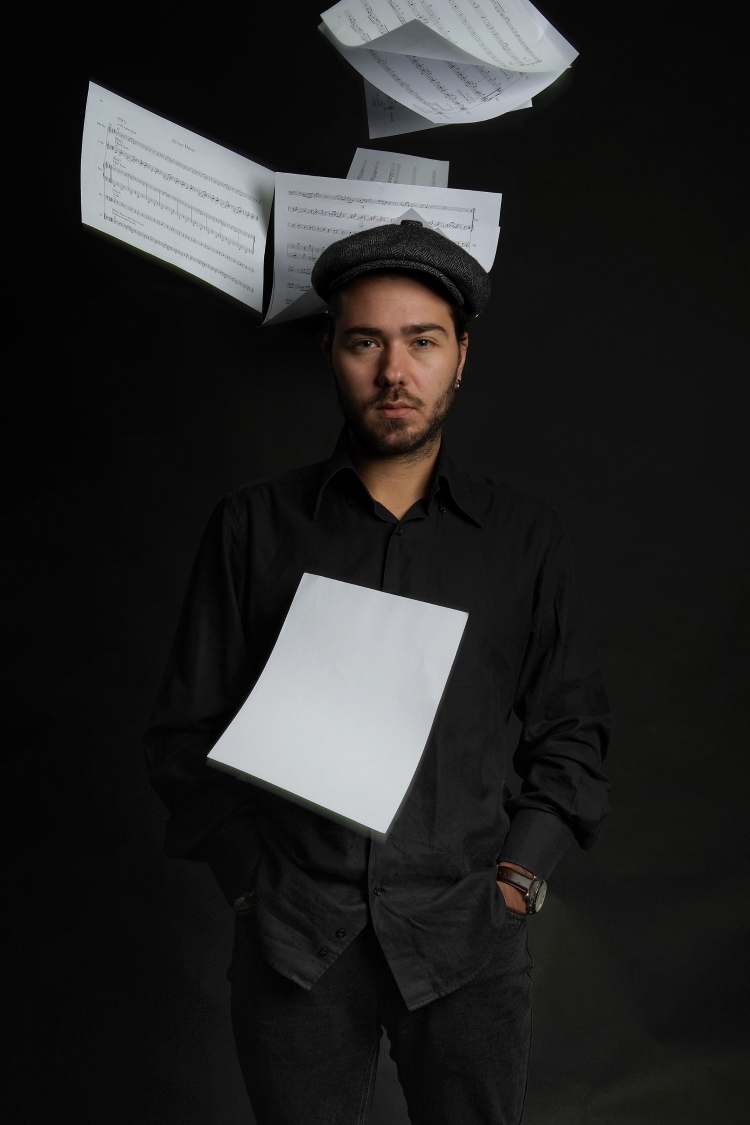
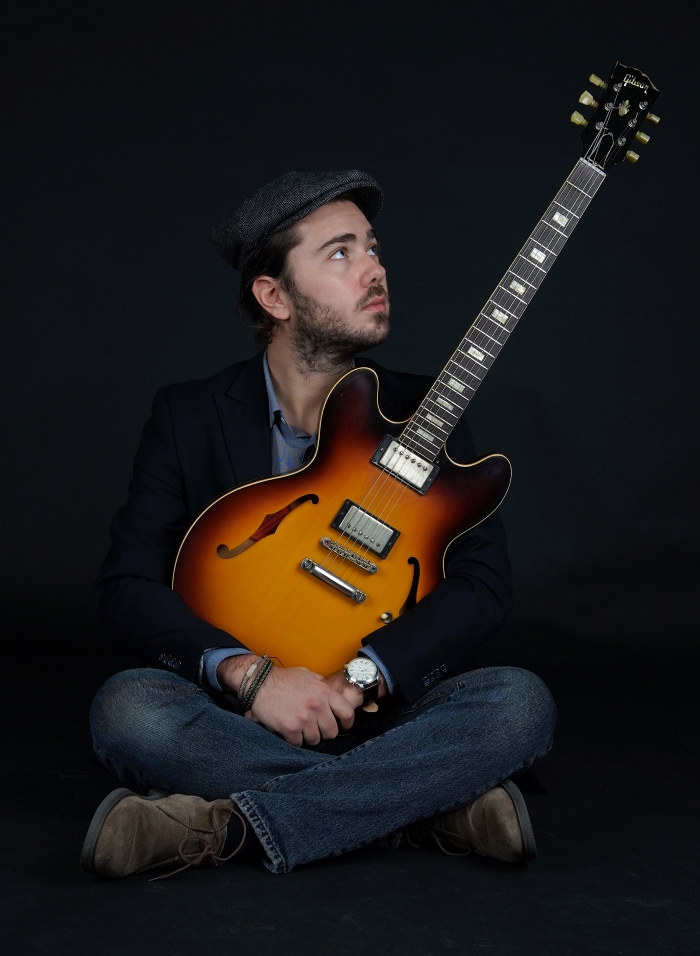
Edoardo Liberati

photo by Roberto Ceccaroni; photo courtesy of Edoardo Liberati

“Dear Jane” begins the album, with a sweet and delicate melody that sounds like a love letter to someone special. There is plenty of air and space in the way the notes and solos are placed that it allows the listener to truly absorb and take in the enormous beauty this tune has to offer. Overall, the tune has a lilting quality that recalls some of Pat Metheny’s early work. Liberati’s acoustic work is superb and blends nicely, with the light cymbal and snare interplay from Marchese and Piccioni’s bass solo.

“Porcelain” is a rare and surprising addition to the roster. It is a deep cut from Red Hot Chili Peppers’ Californication album, and it gets a respectful and slightly re-harmonized treatment here. Liberati is faithful to the contemplative quality of the song. He pays great attention to each phrase and note within the verse. Both the guitar and bass work in concert and focus on sustain and ambience. The result comes off like a very hip lullaby.

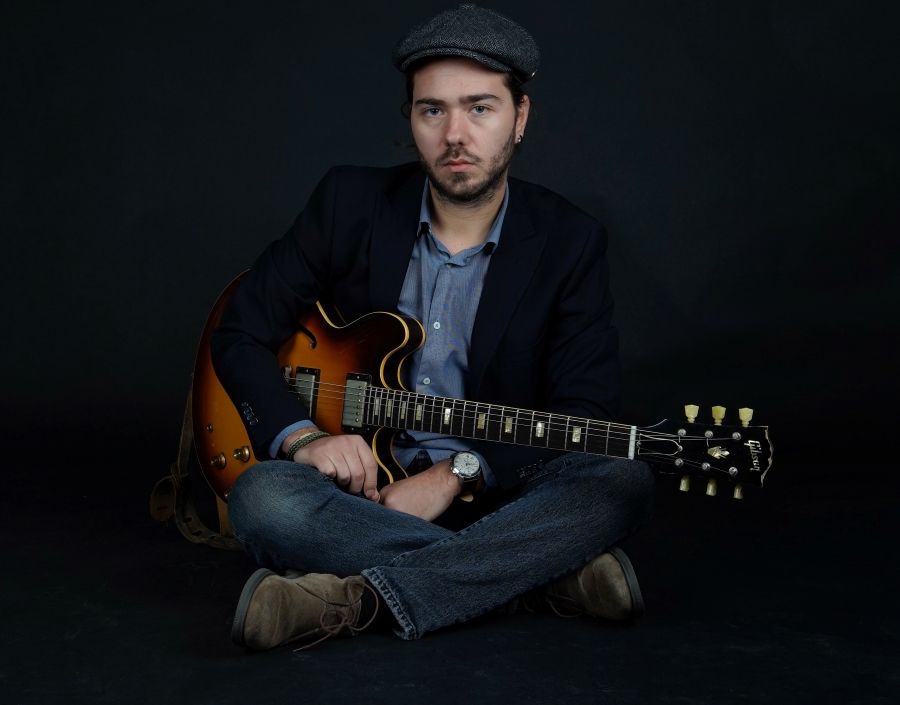
Edoardo Liberati

photo by Pino Donato; photo courtesy of Edoardo Liberati

“One For Uncle John” is dedicated to one of the young guitarist’s heroes, the aforementioned John Scofield. It’s a smooth slice of modern bop, with an asymmetrical feel that bobs and weaves via the subtle rock steady inertia of Piccioni and Marchese’s interplay. Liberati also alters his tone slightly and emits a mild growl and bite to his chords and single note lines.

The stylistic diversity continues on the tune “Apnea.” It’s got a waltz-like time signature and has a very open vibe, not unlike some of John McLaughlin’s Mahavishnu Orchestra or early solo material. The mid-section features beautiful and energetic support from the bass and drums as Liberati works subtle volume swell-induced soundscapes into the mix. It’s a dreamy head trip of a journey.

The trio goes for a traditional jazz feel, with the title track, “Turning Point.” Upon the first downbeat, what captures your ear right away is Marchese’s lithe snare brush work. He delicately stirs it up and lays the groundwork for Liberati’s wonderful Pat Martino-like lyricism. Once that’s established, Liberati takes the first solo, which features a deft and thoroughly engaging blend of modal flourishes and dazzling intervallic leaps. When he passes the solo baton to Piccioni he provides ample space, with open chords and light anchor notes.

Edoardo Liberati

photo by Roberto Ceccaroni; photo courtesy of Edoardo Liberati

Inspired by the great George Benson, Liberati performs a solo guitar version of the Hoagy Carmichael classic “Stardust.” It’s a lovely and serene adaptation that finds the ambitious axe man weaving in and out of the traditional structure of the song, yet retaining its integrity along the way. “Another Story” tells another tale in regard to the “Synthetics” Trio. Seemingly built on some atonal-like chord changes , a musical dialogue is created between, first guitar and drums, and then guitar and bass. They each trade solos back and forth. As the tune builds, so does the intensity of the interplay. It’s probably one of the more “out there” tunes on the album.

Again, within the context of the trio setting, Liberati leads this group through folk and country-type waters on the track “Small House.” The guitarist goes acoustic here and, even, takes on a gypsy Django Reinhart-like quality in his phrasing and tone. Marchese employs the brushes while Piccioni digs in, with a muscular edge. It almost kind of bookends the album, with that touch of lightness found in “Dear Jane.”

Edoardo Liberati

photo by Roberto Ceccaroni; photo courtesy of Edoardo Liberati

They conclude, with the lively and uptempo “Round Town.” There is a decidedly gritty veneer to the guitarist’s tone. It’s a tad brighter and the chords sharper, as the melody ascends and descends at a moderately brisk pace. The drums and bass follow in kind, and the tune crescendos in a no holds barred vamp.

Edoardo Liberati “Synthetics” Trio is doing some amazing things in the name of modern jazz and improvisational music. They can take contemporary rock/pop or traditional fare and craft it to suit their collective and expansive vision. Liberati and company deserve all the accolades they have received thus far. They are truly taking instrumental music into exciting new directions.

Where to Follow Edoardo

You can find Edoardo online at his website. You can also stay up-to-date with his latest goings-on by following him on Facebook or Instagram.

Album Review: Sado-Domestics – Camouflage: Stories by T.J. Gerlach

Sado-Domestics band photo

photo courtesy of the Sado-Domestics

by Eric Harabadian, Contributing Blogger

Album Review of Sado-Domestics – Camouflage: Stories by T.J. Gerlach

Sado-Domestics – Camouflage: Stories by T.J. Gerlach album cover

image courtesy of the Sado-Domestics

Sado-Domestics are a Boston-based collective of singer-songwriters and instrumentalists that draw from heavy folk, blues, pop, rock and Americana roots. Chris Gleason and Lucy Martinez lead the charge vocally and composition-wise. They are joined by Jimmy Ryan on mandolin, Eric Royer on pedal steel, Jim Gray on bass, and Jeff Allison on drums.

The band has a series of releases out, with their latest being based on fictional short stories by author T.J. Gerlach. All the songs on this album were inspired by Gerlach’s process of “die-cut” word play. The author would take significant words from various other authors’ books he admired and create his original nuggets of fiction derived from snippets of borrowed words. Hence, Gleason and Martinez employed that same approach to the songs. The result creates a world that resides somewhere between the literal and the impressionistic.

Sado-Domestics

photo courtesy of the Sado-Domestics

The dozen songs here feature the exquisite harmonies of Gleason and Martinez where the stories are right up front and the band totally supports the message in subtle and nuanced reflection. Songs like “Dusk” and “Shale” run the emotional and musical gamut from ambient, tuneful and melodic to a slow burning country feel, with Royer’s tasty pedal steel work running throughout.

Martinez simply shines on the song “Hands.” It features a crisp and brisk mid-tempo rock feel. “Shades” ushers in brilliant harmonies from Martinez and Gleason. Ryan’s mandolin and all the other elements converge to give this one a decidedly Celtic and bluegrass intent. “Phantom Punch” sounds like it could be an outtake from a latter day Byrds or Little Feat record.

Sado-Domestics

photo courtesy of the Sado-Domestics

Other tracks that seem to jump out and emotionally grab you in multiple ways are the dreamy ambience of “Corridor,” the traditional country lilt of “Deep Blue,” the melodic alternative and sparse rhythms coupled with angelic vocals that define “Photographs,” the lackluster Tom Waits-like “Everyone is From the Past,” and the slightly experimental and eerie, yet melodic “Apocalypse.”

Camouflage is a great listen and should appeal to fans that appreciate all facets of Americana music and its offshoots. But, lyrically, it differs from other albums in the Sado-Domestics’ catalog in that they base all their concepts on Gerlach’s somewhat unorthodox methods to storytelling. However, kudos go to the brain-trust of Gleason and Martinez.  As primary songwriters they chose to go off script in a fresh and creative direction. Some of the songs may seem obtuse or obscure, but they are so worth the emotional investment.

More Recently

Since the release of Camouflage, the Sado-Domestics have released three more singles – “Big Cat,” “Good Day,” and “Chancer” – which can all be found on the “Music” page of the band’s website.

Sado-Domestics band photo

photo by Jenny Jarrad; photo courtesy of the Sado-Domestics

Looking Ahead

You can find several upcoming performances on the “Shows” page of the Sado-Domestics’ website. (Notice that you should click “Next” at the bottom of the list of shows to see additional dates.) There are several shows listed above and beyond the “Second Sundays” shows at the Square Root in Roslindale, MA.

Live Review: The Santana Project at the Sterling Coffeehouse

The Santana Project live performance photo

photo by Eric Harabadian

by Eric Harabadian, Contributing Blogger

The Santana Project

Sterling Coffeehouse, Sterling Heights, MI

February 20, 2025

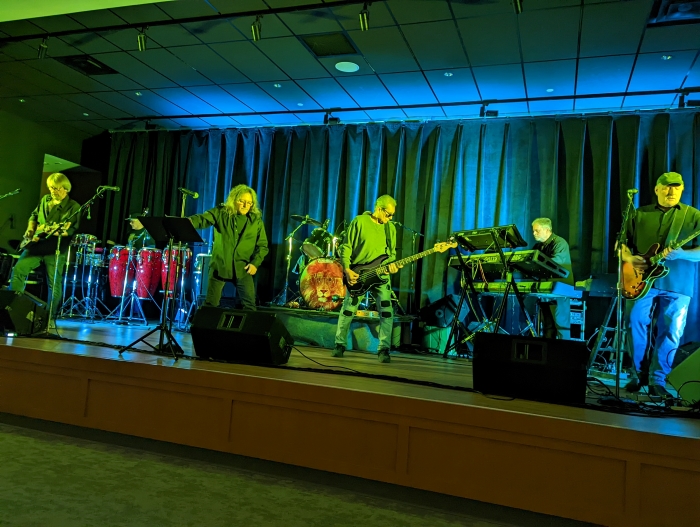
The Sterling Coffeehouse at the Sterling Heights Community Center recently hosted an event featuring, arguably, one of the premier Santana tribute bands in the country. The Santana Project is a Detroit-based ensemble that uncannily and dutifully recreates the sound and feel of the original Santana band in all its incarnations.

The Santana Project live performance photo

photo by Eric Harabadian

The Santana Project consists of T.J. McGloughlin (lead vocals), Monte Porenta (keyboards), Bill Hanna and Greg Gdaniec (guitars/backing vocals), Henry “Hank” Tomlinson (bass), Ernesto Villarreal (percussion), Enrique “Kito” Pardo (percussion), and Gino Maisano (drums).

The band accurately captures that infectious spirit of classic rock that is timeless and spans many generations. In addition to the Santana catalog, the octet also delves into related jam-oriented fare like Cream’s “Sunshine of Your Love,” “In Memory of Elizabeth Reed” by The Allman Brothers, and The Zombies’ “She’s Not There.” They kicked off the night with one of the early Santana hits, “Everybody’s Everything.” It’s a rousing song, steeped in R&B, and filled out nicely by Porenta’s horn-like keyboard embellishments.

It was an evening featuring two sets that gave the audience more than they could ask for. Songs like “Evil Ways,” “No One to Depend On,” and “Smooth” were real crowd-pleasers. “Europa”( Earth’s Cry Heaven’s Smile)” and “All I Ever Wanted” really showcased both guitarists and ran the gamut from pensive and somewhat jazzy to raucous abandon.

The Santana Project live performance photo

photo by Eric Harabadian

Each member of The Santana Project is a committed and accomplished pro. Porenta creates an orchestral mix within the band via his bank of modified organs and pianos. His ability to add specific textures on a dime to support a guitar tone, in particular, is very tasteful. And now that TSP has two lead and rhythm guitarists on the front line they can cover all the nuances of the Santana studio recordings to a tee. Lead vocalist McGloughlin has a substantial range and really shined on standards like “Black Magic Woman” and latter day gems like “Stand Up.” And, let’s face it, you’ve got to bring it if you’re a member of the percussion and rhythm section. This unit did not disappoint! Pardo manned a number of timbales and congas, along with Villarreal, who handled conga and shakers. These guys provided the platform on which many of the tunes were built. The drums and bass ebbed and flowed within that foundation, and that’s the secret sauce that, along with the twin guitar attack, makes them one of Michigan’s – if not the nation’s – finest tribute bands on the current scene.

The Santana Project live performance photo

photo by Eric Harabadian

For more information on upcoming gigs and events please go to www.facebook.com/thesantanaproject/.

Album Review: Sunny Bleau & The Moons – Passion & Regrets

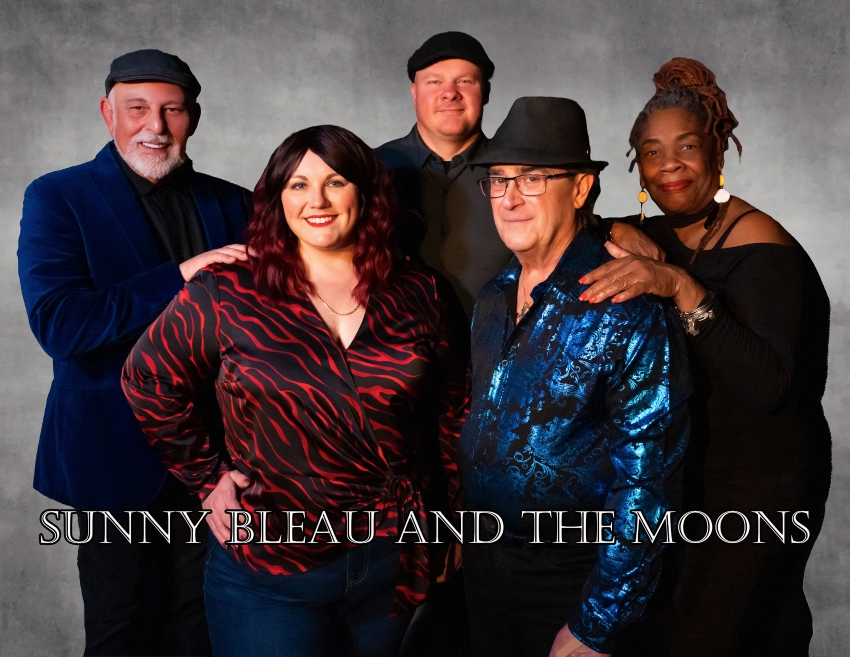
Sunny Bleau & the Moons

photo courtesy of Sunny Bleau & the Moons

by Eric Harabadian, Contributing Blogger

Album Review of Sunny Bleau & The Moons: Passion & Regrets (Endless Blues Records)

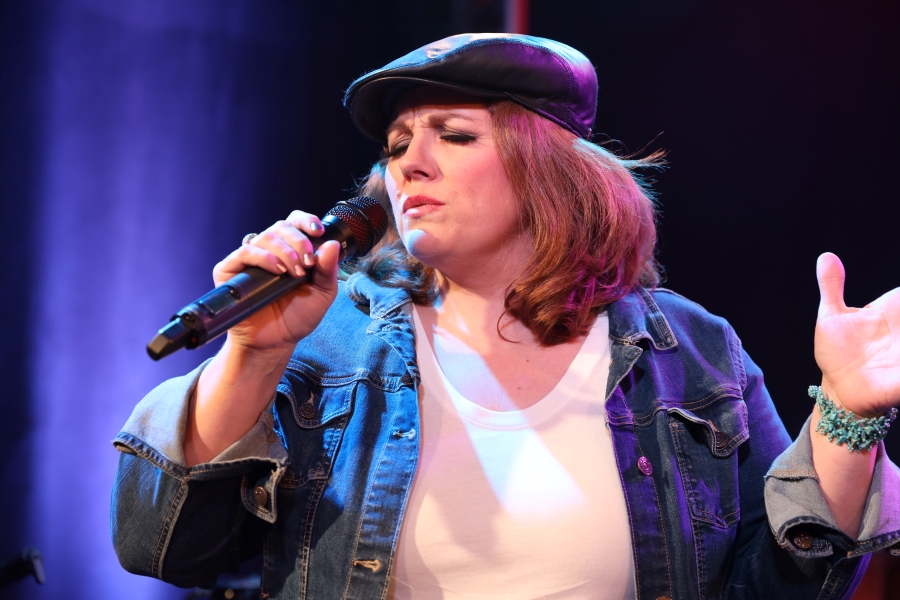
Michigan-based singer-songwriter Kelly Brock (aka “Sunny Bleau”) has been garnering a steady fanbase in the blues world for her captivating blend of original songs and tasty covers. The 2025 Michigan Music Award nominees tap into the essence of traditional and classic blues, rock and soulful styles, with self-assured grace and an independent spirit.
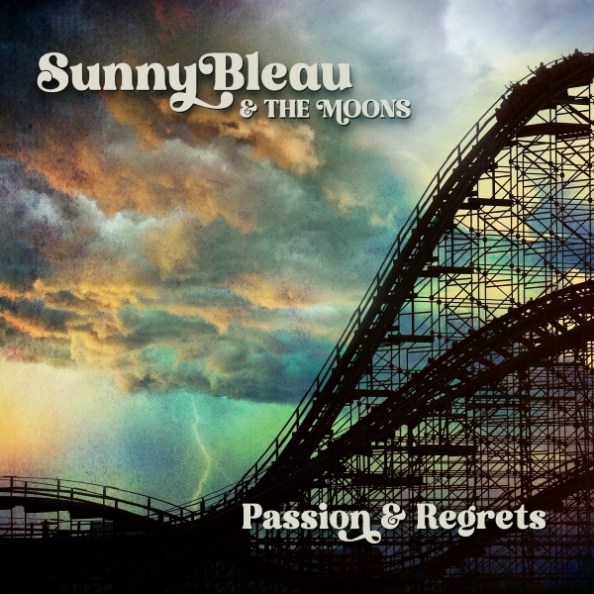
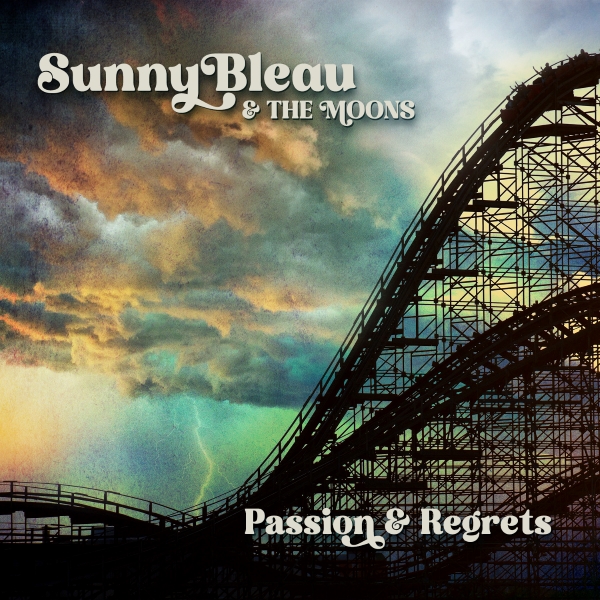
Sunny Bleau & the Moons – Passion & Regrets album cover

image courtesy of Sunny Bleau & the Moons

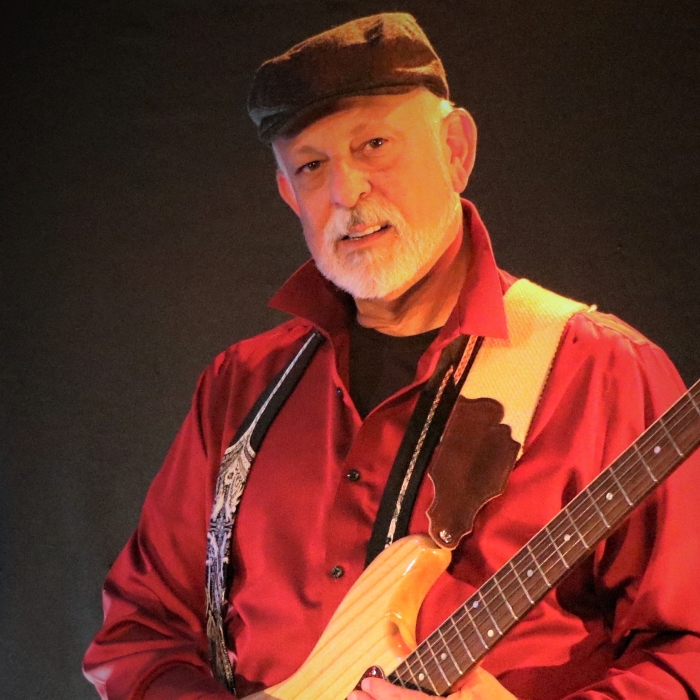
On this latest Sunny Bleau and the Moons release, Sunny Bleau is joined by band co-founder and head Moon, Nicholas Cocco (guitars), Jeff Jenson (guitars), Keirsi Joli (harmonica and backing vocals), Bill Ruffino (bass), James Cunningham (drums), Rick Steff (keyboards), and Dr. Peter Stephenson (Hammond SKX). They are produced by the great Mick Kolassa, who assembled the studio band and gave the session an authentic and true blue mix of vintage and contemporary luster.

“Two Glasses of Whiskey on Ice” sounds nice! Kick back and let master storyteller Ms. Bleau regale you with a tale about an older woman who has a romantic encounter with a Beale Street musician. It’s a sexy and seductive tune where Cocco’s well-placed licks never overpower but make a nice bed on which this dramatic little yarn unfolds. Sunny puts the listener at the front of the action as if you are watching a movie. When she describes the details in this woman preparing for a night of, hopefully, passion with the musician of her affection, you feel the anticipation right along with her.
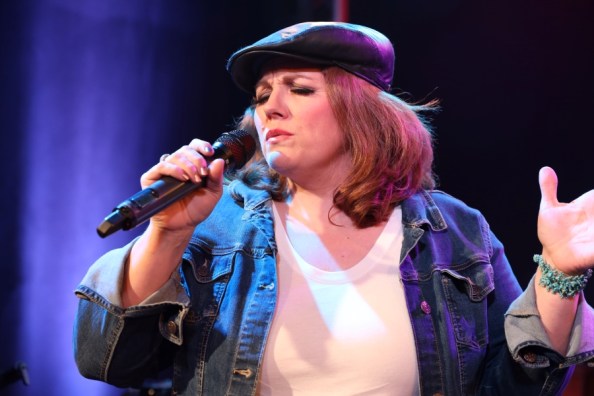
Sunny Bleau

Sunny Bleau; photo courtesy of Sunny Bleau & the Moons

“You Better Put the Coffee On” is a slow blues that has a bump and (coffee) grind feel. Sunny doesn’t wanna be taken for granted by her man and knows about some of the shady stuff he’s been up to. But, in no uncertain terms, the biggest offense he can commit, besides having a woman on the side, is not brewing that pot of coffee before leaving the house. The song has a tongue-in-cheek vibe that features some tasty solos from Joli and Cocco.

“Low-Down-Middle-Aged-Blues” is all about the passage of time, as a person of a certain age evaluates their life thus far. It is a song originally conceived by the Detroit keyboardist Dr. Peter Stephenson, based on his award-winning composition “Helpless Blues.” His New Orleans-like piano work coupled with Sunny’s Bessie Smith-influenced phrasing brings a traditional authenticity to the mix that is relevant and timeless.

“Peacock Strut” explores a young man with an eye for the ladies. Again, Sunny seems to have a read on these types of things. And she ain’t falling one bit for what kind of jive the young man is putting down. It’s a relaxed, laid-back number, with some clean, Roy Buchanan-type leads and interplay with Jenson.
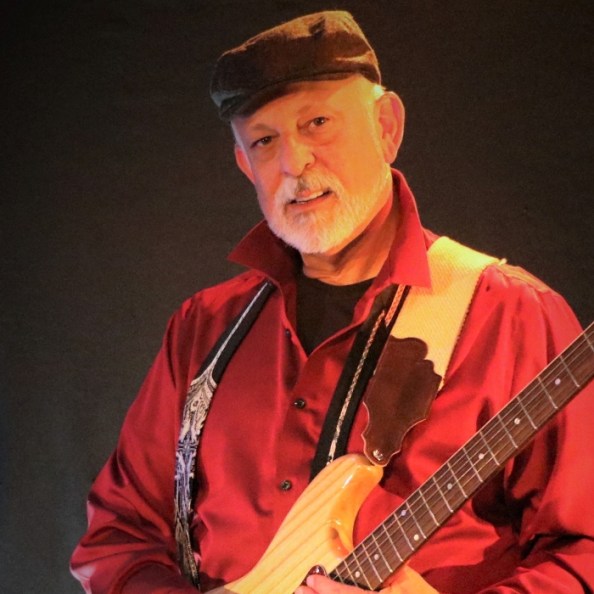
Nic Cocco

Nic Cocco; photo courtesy of Sunny Bleau & the Moons

Female empowerment is the name of the game for Sunny Bleau. And that shines through to the fore on “S-H-E-E-E-W-O-M-A-N.” She’s lawdy, she’s bawdy and don’t take no mess! And to drive that message home you’ve got some hellacious harmonica riffing from Joli and a twin guitar attack from Cocco and Jenson. Their call and response here is exceptional and really sells the tune.

“Why Don’t You Do Right?” is an old standard originally recorded by Lil Green in 1941. Peggy Lee also had a hit with it, and Sunny’s delivery bears the blonde chanteuse’s seductive style. This swings in all the right places and is just a nice, easy and carefree ride. Cocco and Steff have a stellar interactive guitar and Wurlitzer exchange that embodies the authentic period in which it was written.

“Waitin’ on a Man” comes from a first-person perspective but really could be a composite of many women’s takes on relationships. It’s all about the trials and tribulations of being with a man who is, perhaps, not on the same commitment level as you. Fear not, ladies, for Sunny gives you her tips and experience accompanied by Steff’s jazzy and country-flavored piano work.
Sunny Bleau & the Moons logo

image courtesy of Sunny Bleau & the Moons

“You Put Me Out” uses a lot of harsh comparisons like “washing grease off your hand” or “crushing me like a cigarette” to depict being dismissed in a one-sided relationship. It’s a slow burn of a tune that bristles with Sunny’s emotive vocals and, again, Steff’s top notch keyboard skills.

“Deep Regretful Blues” is as much a Sunny song as it is a Nicholas Cocco tour de force. Cocco really opens up here on some taut blues rhythms and incisive and gritty guitar work. The rhythm section of Ruffino and Cunningham really cooks in a low and understated manner.

The finale “Memphis Bound (It is Well with My Soul)” lays down a dirge-like path, with its tribute to the elder blues men and women of Memphis blues that have paved the way for folks like Sunny Bleau and the Moons. Toward the coda of the song, Sunny surprisingly picks up the tempo in a gospel-fueled fervor where she, in call and response vocals with Joli, delivers the final line, “When I die I won’t be going to heaven… ‘cause Beale Street is hallowed ground.”

Passion & Regrets is almost like a concept album in the way each song seems to observe and attempt to define various aspects of love, relationships and, of course, music. Sunny seems to put it all on the table for her audience. And Cocco and company back her in an ego-less and first call professional style. RIYL: Bonnie Raitt, Eric Clapton and Marcy Levy, Patsy Cline, Joanne Shaw Taylor, and Etta James. Sunny Bleau & The Moons are keeping those classic and vintage blues fires burning, with a contemporary edge.


Single Review: Jen Kearney – “Long Division”

by Eric Harabadian, Contributing Blogger

Single Review of Jen Kearney: “Long Division”

Jen Kearney is a singer-songwriter from Boston, Massachusetts that represents the very best of what that job description signifies. She’s got a vocal style that’s full-bodied and steeped in character. And her storytelling chops and facile lyrics are off the charts.

Jen Kearney
photo by Caroline Alden; photo courtesy of Jen Kearney

The jazzy, soul-influenced chanteuse has a series of independent releases under her belt. She has also opened for some of the biggest names in rock, pop, blues and R&B, including Daryl Hall, Maceo Parker, Los Lobos, John Mayall & The Bluesbreakers, and The Derek Trucks Band.

Her latest single is a sly and perceptive treatise on the state of our country and its place in the world. “Long Division” hits you immediately with questions about the have and have-nots, with: “Who gets the water, who gets the sky? I see you calculating, tapping into everyone’s well until they’re all dry.” With each verse, the stakes rise higher as she delves into areas of left and right wing views, Middle East conflicts, and even a jab at the current pseudo American president Elon Musk. But, amid all the past and present social chaos Kearney so aptly describes, there is power in her resolute phrase: “Maybe we’re on to you!”

The song’s strong socio-political stance is wrapped nicely in a blanket of funky conga-fueled rhythms, horns and ambient guitar. Kearney delivers her cogent and essential message, with all the gravitas and style of a Nina Simone, Diana Krall, or Amy Winehouse.

Keep Jen Kearney on your radar, as she is a sparkly jewel and a musical north star.

Publisher’s Note: Jen’s single, “Long Division,” will be released on March 21st. Click here and follow the link to pre-save on Spotify. Also, for those of you in the Boston area, Jen will be performing at The Burren in Somerville on March 21st, as well. Tickets to that single release event can be purchased here.

Single Review: Pat Smillie – “Lovers & the Leavers”

Pat Smillie – Lovers & the Leavers album cover

image courtesy of Pat Smillie

by Eric Harabadian, Contributing Blogger

Single Review of Pat Smillie: “Lovers & the Leavers”

“Lovers & the Leavers” is the first in a series of singles Detroit-born and raised singer-songwriter Pat Smillie is releasing through Fat Bank Music. And the song fits comfortably in Smillie’s wheelhouse of blues and soul-infused rock. The veteran raspy-voiced soul man belts out an acoustic-based ballad that speaks to his rich observations on love and the games people play.

The track is co-written and produced by Smillie’s main man, guitarist Josh Ford. Also on board are Johnny Rhoades (acoustic guitar/electric guitar), Dale Grisa (keyboards), Rocco Popielarski (bass), Todd Glass (drums), Tina Howell (backing vocals), and Ashley Stevenson (backing vocals). This is, primarily, the studio group that Smillie has been using the past few years, and they certainly have risen to the occasion here.

Perhaps the first thing you glean, a few notes in, is Smillie’s sincerity and innate ability to spin a yarn. He’s a master storyteller and will stop you in your tracks with his authentic points of view. It’s a tight, radio-ready single that harkens back to the days of AM radio superstations like Windsor-Detroit’s CKLW. Smillie has all the vocal command and bluster of Bob Seger, Rod Stewart, and Frankie Miller combined. And the sweet sustained sounds of Ford’s slide work blended with Grisa’s Floyd Cramer-like piano trills set all the emotions of Smillie’s lyrics ablaze.

Pat Smillie and company are the future of Detroit music and carry the torch led by all those classic Motown artists, past and present, that have come before.

Album Review: Roberto Magris – Freedom is Peace

Roberto Magris

Roberto Magris; photo by Rosario Pino Varsaica; photo courtesy of Roberto Magris

by Eric Harabadian, Contributing Blogger

Album Review of Roberto Magris: Freedom is Peace (JMood Records)

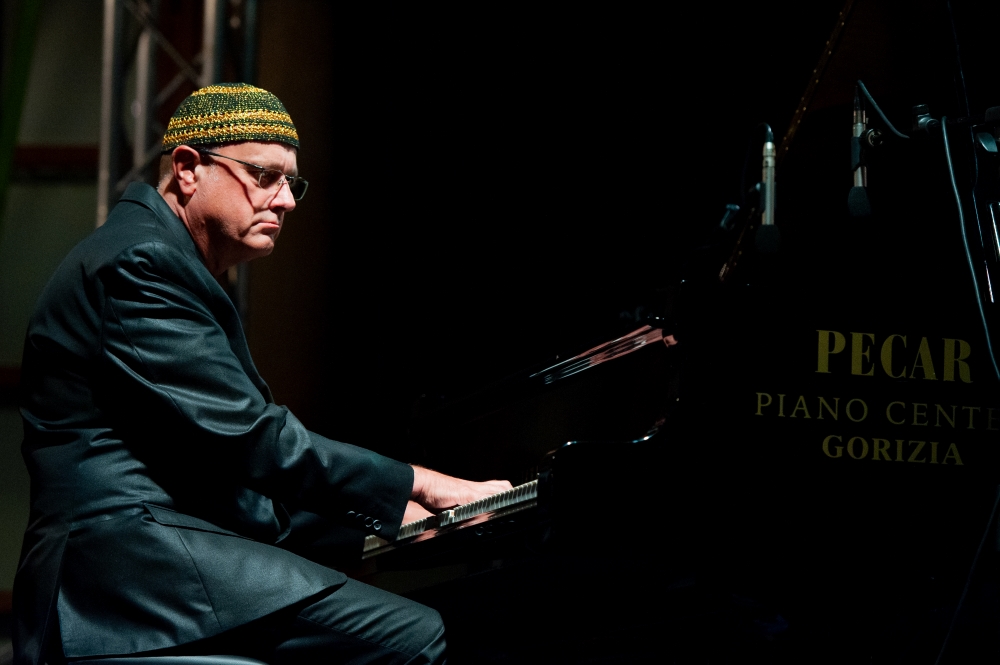
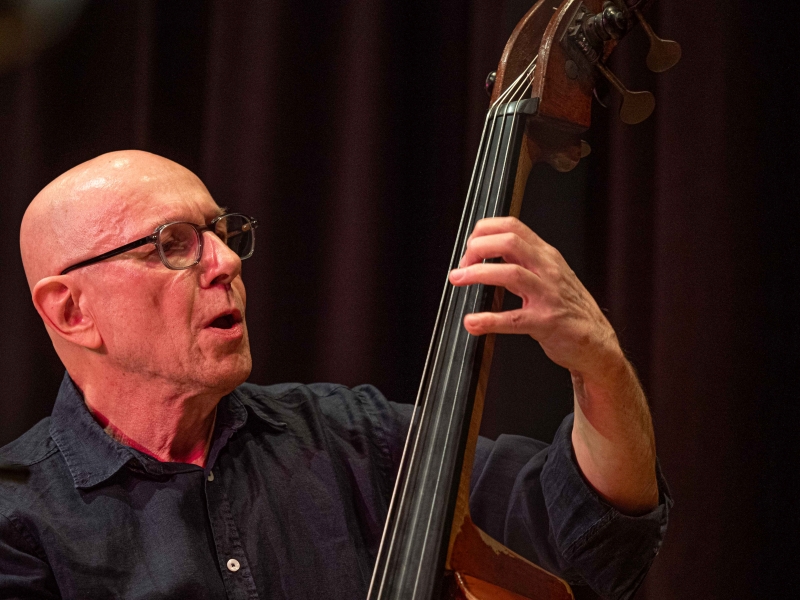
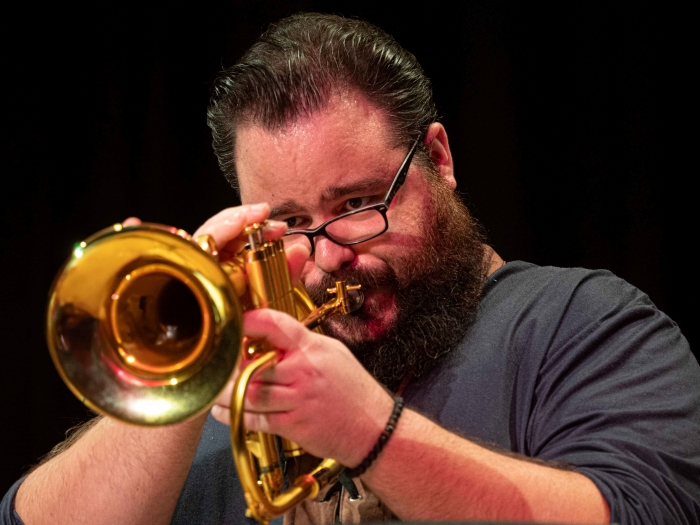
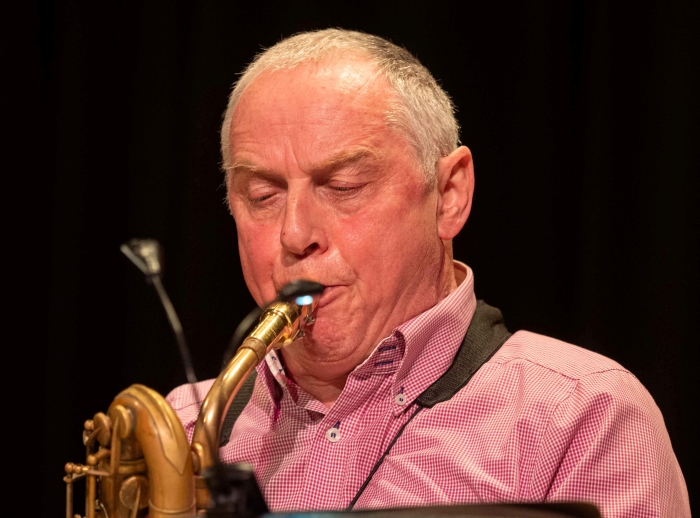
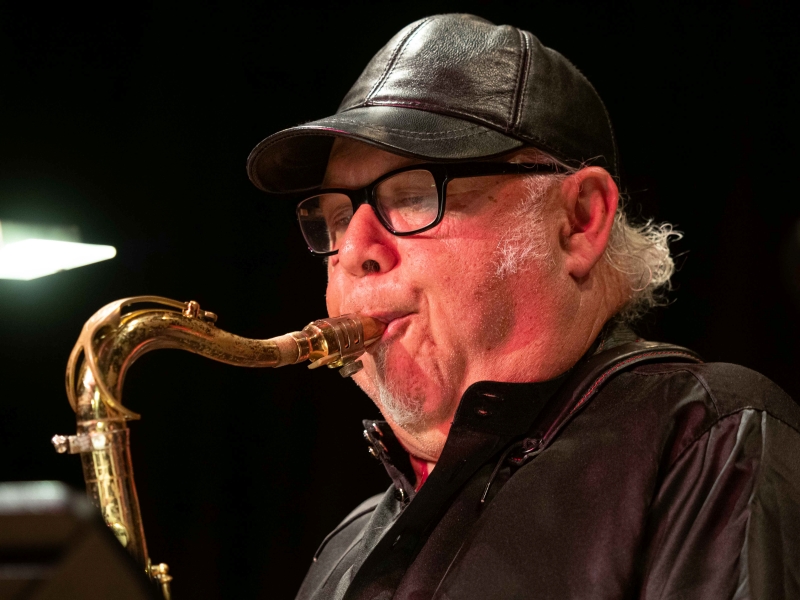
World-renowned Italian jazz pianist Roberto Magris is reunited after 20 years with his globally-recognized Europlane ensemble. He is joined on this recording by an international roster of stellar players, including Hungarian tenor saxophonist Tony Lakatos, German bassist Rudi Engel, Slovakian trumpeter Lukas Oravec, Slovenian drummer Gasper Bertoncelj and Austrian alto and baritone saxophonist Florian Brambock.

Roberto Magris – Freedom is Peace album cover

cover photo by Herbert Hoepfl; image courtesy of Roberto Magris

Recorded live in Bad Goisern, Austria in April of last year for the European Capital of Culture 2024 event, this band was itching to play, and they came out swinging! This is the initial handiwork of Magris, who was commissioned by a promoter, Emilian Tantana, to resurrect this classic European jazz group for this special event. This recording serves as a world premiere of Magris’ new original compositions and arrangements. While this set of compositions was embraced by the entire ensemble, putting it all together was especially heartfelt for Magris, as the experience reflected not only his attempt to recreate the sound of the original Europlane group but also the evolution of his career, over the past 20 years, as a solo artist and sideman.

Rudi Engel

Rudi Engel; photo by Herbert Hoepfl; photo courtesy of Roberto Magris

Poised before a very appreciative and enthusiastic audience, the Magris-led group delivered the goods… and then some. There is a tertiary subtext of social consciousness that runs through this live eight track set, beginning with Magris’ “Freedom is Peace.” Musically, the piece unfolds in a strident and bold manner, with heavy McCoy Tyner/Horace Silver-like left hand piano action and a powerful front line melodic statement. The impetus behind the tune comes from Magris who says: “This new composition of mine comes from the pressing need to now stand for peace, freedom, friendship, brotherhood and positive values… ‘Freedom is Peace’ is a call to stand for peace and beauty as a counterpart to the ugly feelings that are more and more surrounding us. Music, and especially jazz, is energy. And in this period we need positive energy.”

Lukas Oravec

Lukas Oravec; photo by Herbert Hoepfl; photo courtesy of Roberto Magris

“The Island of Nowhere” slows things down a bit to a light swing, with shadings of cool noir. There is a meticulously orchestrated Oliver Nelson/Claus Ogerman vibe at play. The rhythms leisurely glide along, providing a platform that inspires great solos from everyone. The horns are strong, with an exceptional bass spotlight from Engel that seems to summarize the piece.

Florian Bramböck

Florian Bramböck; photo by Herbert Hoepfl; photo courtesy of Roberto Magris

“Malay Tone Poem” is a tune written by South African pianist Hotep Idris Galeta. This displays the diverse virtuosity of the band, exemplifying  their collective use of space and eerie alternate modes. There is a strong anchor from the bass and drums that allows the piano and horns to venture into seemingly unknown territory. In particular, Magris’ solo is inventive and playful.

Another cover that is a favorite of the composer-arranger is Andrew Hill’s “Laverne.” Magris has played this beautiful ballad with various bands for years and brings that familiarity and richness to this ensemble. It features intricate uncommon harmonies, with a soft, lilting feel that will cast you into a romantic or alternate state. Lakatos’ wonderful soprano sax work here really soars.

Tony Lakatos

Tony Lakatos; photo by Herbert Hoepfl; photo courtesy of Roberto Magris

Another significant message to his European countrymen and women is the piece “Something to Save from EU (You)” by Magris. It begins with a rubato piano and bass intro which leads into a bouncy and upbeat ensemble feel. Overall, there is a positive vibe to the piece, with tasteful brush work by drummer Bertoncelj during the mid-section. At over 12 minutes, the tune has time to fully blossom and breathe. This allows the opportunities for stellar solos. Again, Magris comments on goings on in Europe and our society at large. He says: “Many people are wondering if the European Union was and is still a good idea. Personally, I think it was and is. But now we need to change completely and move from financial priorities to social and cultural priorities. Apart from politics, the European culture needs to be saved. We need to save culture and we need to save art.  We need to save music (classical, pop, jazz, rock, folk, etc.). And above all, we need to save melody.” You definitely get that urgency from this group in the message.

Gasper Bertoncelj

Gasper Bertoncelj; photo by Herbert Hoepfl; photo courtesy of Roberto Magris

“When You Touch Me” was written by an Israeli musician Boaz Sharabi. In Magris’ travels throughout the world he found Israel to have a lot of positive atmosphere and connected with some great jazz people there. May this act as a healing salve to what the Israeli and Palestinian people have endured during the strife and human tragedy experienced in the last year or so. Magris took this old Israeli pop song and restructured it, with a slight Latin approach. The delicate group harmonies and Lakatos’ lithe soprano work stands out.

“Loose Fit” is a Magris composition that sounds just like the title. It’s a cool and funky number that rocks out. When it unfolds into swing mode it just feels so good. The ascending and descending melody has a cascading effect. And all the band’s solos drift effortlessly atop a driving beat. The drum break toward the end was unexpected, but gives it a nice kick.

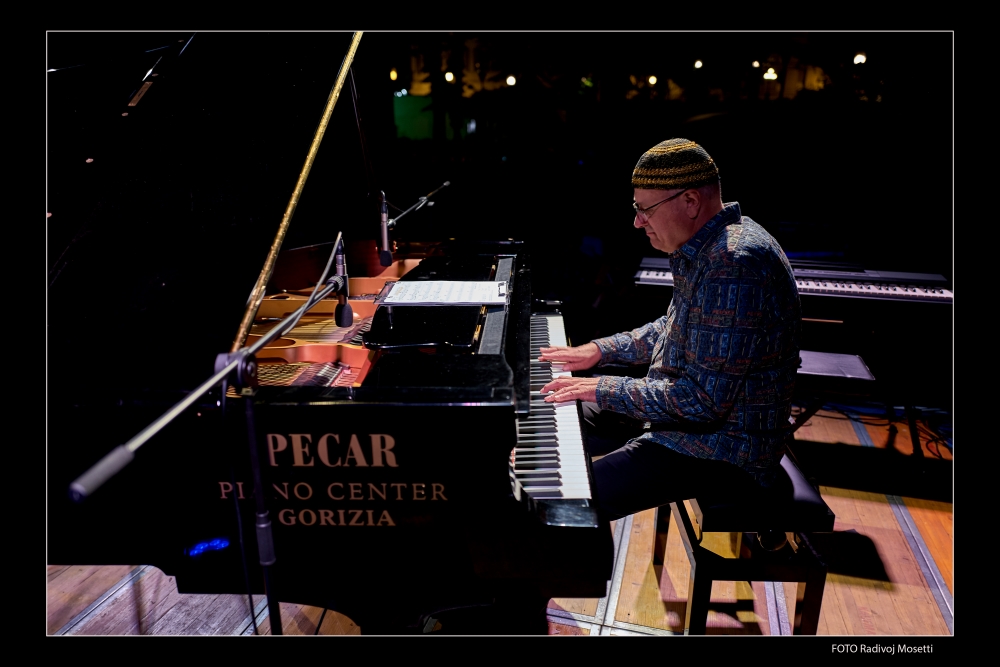
Roberto Magris

Roberto Magris; photo by Radivoj Mosetti; photo courtesy of Roberto Magris

“Hip! For the Conference” is an older tune by Europlane ensemble that was rearranged and modernized for this event by Magris. It starts with a capella horns and then comes in swinging. I guarantee you’ll be humming this melody all day! Notable solos erupt from everyone as this hard bop gem brings the house down.

The Europlane ensemble led by Roberto Magris might not be familiar to American audiences, per se, but, regardless, they are one of the finest modern jazz groups you are ever gonna hear! Make a note and put this on your essential listening docket now!

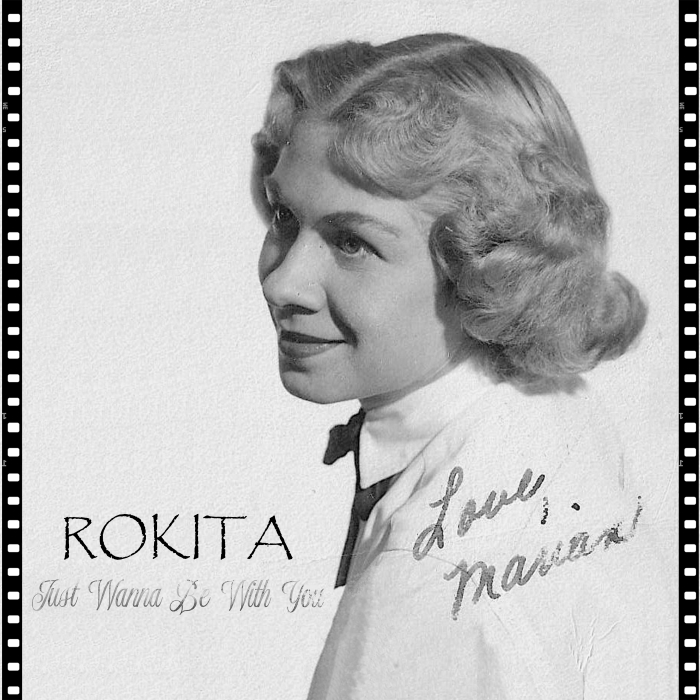
Single Review: Rokita – “Just Wanna Be With You”

Rokita – "Just Wanna Be With You" single cover

image courtesy of Mighty Achilles

by Eric Harabadian, Contributing Blogger

Single Review of Rokita: “Just Wanna Be With You”

Chris Rokita is a Frankenmuth, Michigan singer-songwriter with a spirited and heartfelt song dedicated to his late mother Marian. It’s a big bombastic love letter to his past and how his mother served as mentor, muse and inspiration.

Rokita press photo

photo by Yazmin Rokita; photo courtesy of Mighty Achilles

Here’s a sample verse: “You were my life; always there for me. Never going back now, just the way it has to be. Nothing’s the same; there’s no one to blame. Fate played its game. Wishing you were here with me.” Rokita sings all the vocals and plays guitars and bass, accompanied by the ubiquitous legend Kenny Aronoff on drums.

Melodic layered guitars are arpeggiated and strummed during the intro, with Rokita’s distinctive tenor voice taking command. But when Aronoff’s unmistakable drums kick in, the song goes into overdrive.

frame from Rokita's "Just Wanna Be With You" music video

photo courtesy of Mighty Achilles

Essentially, the tune has that Midwestern, early John “Cougar” Mellencamp vibe, with a drive and bravado that is honest and forthright. The combination of Rokita’s emotive voice and melodic sense also conjures up big ‘80s hit makers like The Outfield or Big Country.

“Just Wanna Be With You” is a cool and uplifting anthem that finds solace in the sadness. And we could all use something like that right about now.

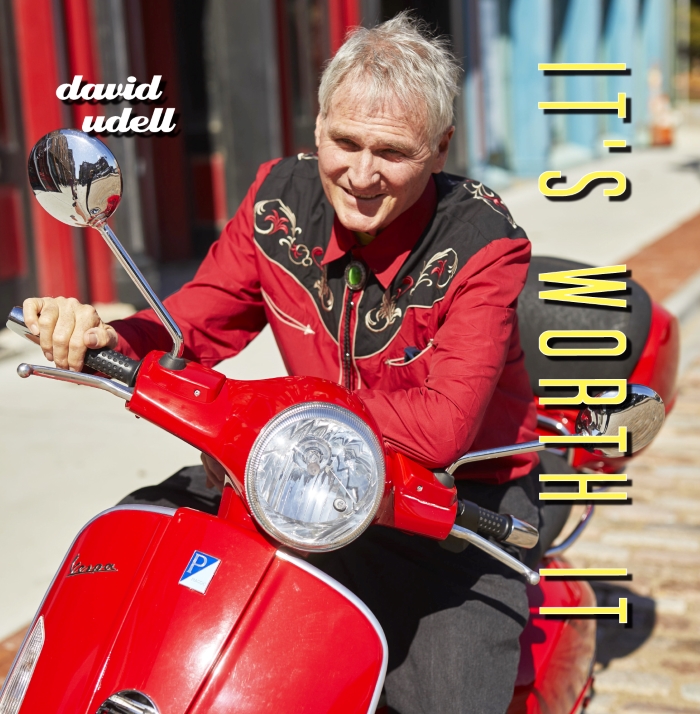
Album Review: David Udell – It’s Worth It

David Udell – It's Worth It album cover

image courtesy of Rock Rose Music

by Eric Harabadian, Contributing Blogger

Album Review of David Udell: It’s Worth It

This is David Udell’s second solo album and employs a lot of the sounds and textures he’s used in the past as a burgeoning guitarist and keyboardist with St. Louis-based avant-prog group Wax Theatricks and synth-pop instrumentalists Delay Tactics.

Working in a solo context, Udell creates a unique landscape of sound that encompasses elements of pure pop, Americana, prog, ambient, and straight up rock ‘n roll. His satirical lyrics combine with tuneful melodies, while the record’s multi-layered production rides that wave reserved for artists as vast as King Crimson, The Cars, Duran Duran, Phil Manzanera, R.E.M., Steve Hackett, The Beatles, and Can.

Udell is all over the map, in a seat-of-the-pants sort of way, starting with “Watching the Freak Parade.” He bursts out of the shoot, with a spirited rocker that has a clear and clever sense of irony and humor. “It’s Beginning to Look Like Rain” shifts gears down to a spacious, serene kind of vibe. This is an acoustic-flavored tune that spotlights Udell’s keen use of melodic hooks.

promo photo of David Udell

photo courtesy of Rock Rose Music

“Slow Song” features his fellow guitar and composer buddy from his mid-’80s Delay Tactics days, Carl Weingarten. The multi-tracked vocals and various echoed guitars give this a strong psychedelic feel.

“The Motion Song” is a composition from Udell’s early ’80s catalog and is a quick and light experiment in natural rhythms and toy percussion. “Our River” has a real Americana vibe, with a psyche component that sets the vocals in a swirling motion like streams down a river. “Solid Ground” has a folk-like early British feel that is accentuated by Margaret Bianchetta’s golden flute passages.

“Made My Peace” sounds like an outtake from The Beatles’ Sgt. Pepper’s album or something. It’s got a cool arrangement, with back masking and all these little sonic buzzers and bells happening underneath the action.

Udell asks the question “Is it Worth It?” And before he answers it at the end of the album, he cleverly goes through a litany of questions directed at mankind’s inhumanity and lust for control. It’s an existential ride that features some sizzling guitar in the mid-section.

“Unexplored Expanses” goes back to his roots as an electronic adventurer. It’s a short interlude that blends ambience and a Can/Holger Czukay-type of unorthodoxy. The title song and answer to the previous track, “It’s Worth It” kind of sums up the album. It’s somewhat of a hopeful song, with some tasteful Robert Fripp/Steve Hackett-like sustained guitars. It’s an appropriate finale that really builds in a semi-symphonic, almost Baroque-infused manner.

David Udell is a talented and multi-faceted artist, firmly rooted in art and progressive rock, but with a strong melodic crossover appeal.

Album Review: Rory Block – Positively 4th Street

Rory Block – Positively 4th Street album cover

image courtesy of Mark Pucci Media

by Eric Harabadian, Contributing Blogger

Album Review of Rory Block: Positively 4th Street (Stony Plain Records)

Rory Block is a singer-songwriter and guitarist who was on the ground floor of the folk and blues movement in the burgeoning ‘60s Greenwich Village scene. Both her mother and father were musicians, and her family ran in the same circles as musical icons like Pete Seeger, Maria Muldaur, John Sebastian, Joan Baez, and Bob Dylan.

Block’s father owned a sandal shop in the Village and a lot of the evolving folk and blues greats would frequent his establishment. Dylan, in particular, hit it off with Block’s family, and young Rory was smitten by Dylan’s poetry and emphasis on maintaining his love of music and artistic integrity.

Rory Block promo photo

photo by Sergio Kurhajec; photo courtesy of Mark Pucci Media

As a young teenager Block studied classical guitar and taught herself Delta blues styles. She became so enamored with traditional blues that she left home at 15 to seek out the fathers of Delta blues like Mississippi John Hurt, Son House and Reverend Gary Davis. She eventually wound up in Berkley, California, where she honed her craft in clubs and coffeehouses.

Bob Dylan is America’s poet laureate who, for an amazing sixty-plus years, has been part of the musical zeitgeist and artistic fabric of our society. And, with the addition of the multiple Oscar-nominated bio-pic A Complete Unknown out now, Dylan’s legacy and social impact is as relevant as ever.

The timing to release a Bob Dylan tribute album could not be more perfect. But, again, Block is someone who was there. She witnessed and was a part of the folk incubator that was the ‘60s-era Greenwich Village. This album is as much a love letter to the folk movement as anything else.

Rory Block promo photo

photo by David Gahr; photo courtesy of Mark Pucci Media

The very youthful-looking and slender Block is the real deal. And she has chosen nine tracks from the Dylan catalog that blend the big hits with the deeper, more ponderous cuts. A case in point is the very bluesy opening track “Everything is Broken.” Her somewhat smooth, world-weary voice is laced with a touch of humor. She sings the ironic and clever lyrics accompanied by her adept slide guitar work. “Ring Them Bells” follows, done in an original folk-blues style.

Block plays all guitars and drums on the album and the mild groove serves this song well. Everyone knows “Like a Rolling Stone,” and she delivers a reading of it that is pretty spot-on with the original. Another deep cut, “Not Dark Yet,” is significant for its slow and reflective tone. She hangs onto each word where you hear the pathos and raw emotion in her voice.

“Mr. Tambourine Man” has been done by so many artists. Block’s is probably one of the best in terms of really getting back to Dylan’s initial intent. The title track “Positively 4th Street” spotlights some fine slide guitar and rudimentary drums. She really captures the essence and mood of Dylan’s words. “A Hard Rain’s A-Gonna Fall” and “Mother of Muses” are nice back-to-back mixes of Block’s ability to run the emotional gamut from somewhat upbeat to a haunting lullaby.

The finale “Murder Most Foul” is a 20-plus minute treatise on the turbulent ‘60s-era and beyond. It addresses, in many ways, the cracks in our society, particularly in the United States. It’s kind of a combination of rap and monologue that Block conveys in a starkly hypnotic style. Powerful stuff!