Album Review: Zanov – Lost in the Future

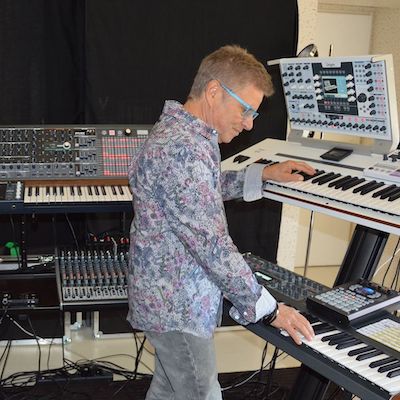
photo courtesy of Zanov

Album Review of Zanov: Lost in the Future

Lost in the Future is French electronic music innovator Zanov‘s follow-up to his 2020 release Chaos Islands, which contributor Eric Harabadian reviewed here at the blog three years ago. A synth wizard since the 1970s, Zanov knows his way around a composition and delivers an enjoyable, engaging musical journey with Lost in the Future.
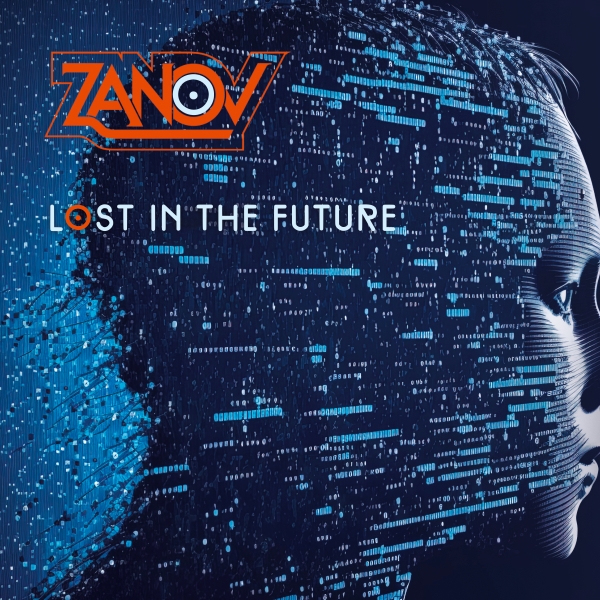
image courtesy of Zanov

As some of you may recall, I’ve discovered how useful it is to have instrumental music on my playlist, as I typically listen to my review queue while I work, and certain portions of my work lend themselves better to playing lyricless music while I work. Bland music is boring, but there’s a sweet spot instrumental collections can hit that make them well-suited for a brain-work soundtrack, with varied, interesting, engaging tempos, rhythms, and movements but without lots of attention-disrupting aural assaults. Lost in the Future hits such a sweet spot, with some of the interesting musical patterns perhaps even enhancing my ability to do quality analytical work.

Album opener “Quantum World” kicks things off with a little spacy energy before broadening the wall of sound and settling into a softly energetic mid-tempo progression whose insistent energy belies the song’s modest pace. It’s always a good call to start a record with a strong number, making “Quantum World” a wise introductory offering.
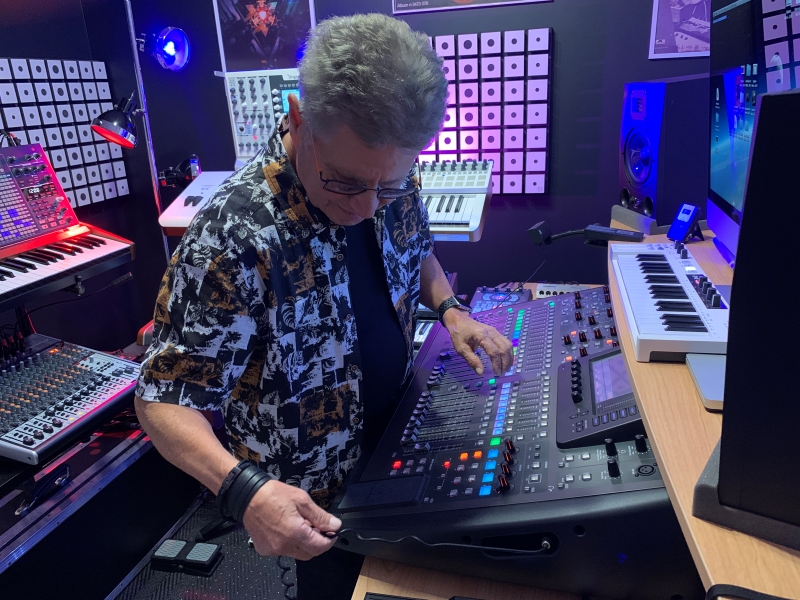
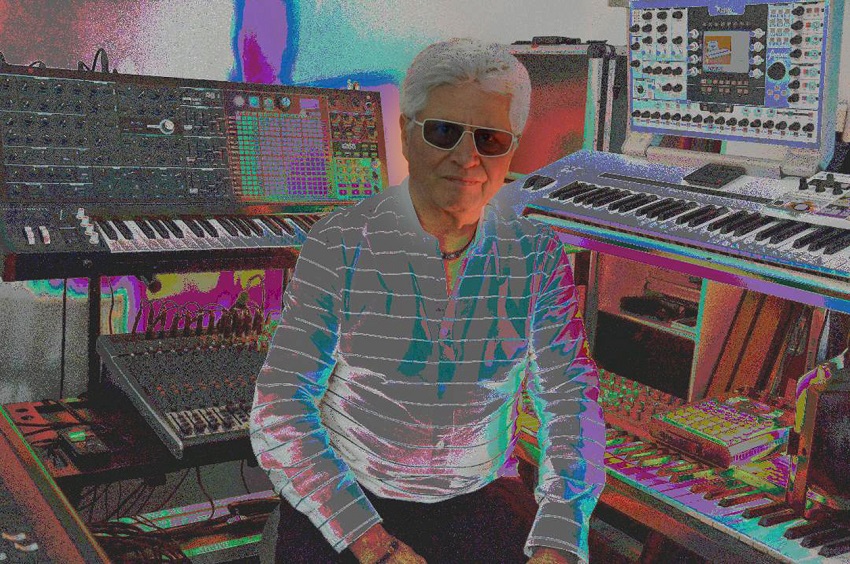
photo courtesy of Zanov

The following track, “Conscious Machines,” begins slow and sparse, gradually building in density and intensity before settling down again toward the end. For me, it’s an album track that sets up what follows.

What follows is “Brain to Brain,” which features a recurring sonic theme that becomes familiar and recognized with each additional listen. There’s a journey – from brain to brain, I suppose – as musical, synthesized synapses travel forth purposefully. I can’t quite tell if the song’s audio overtones are hopeful or foreboding; most likely, a little of both.

“Extended Life” opens with haunting, organic synthwork that reveals a meandering, exploratory musical canvas before reverting to its foreboding origins.
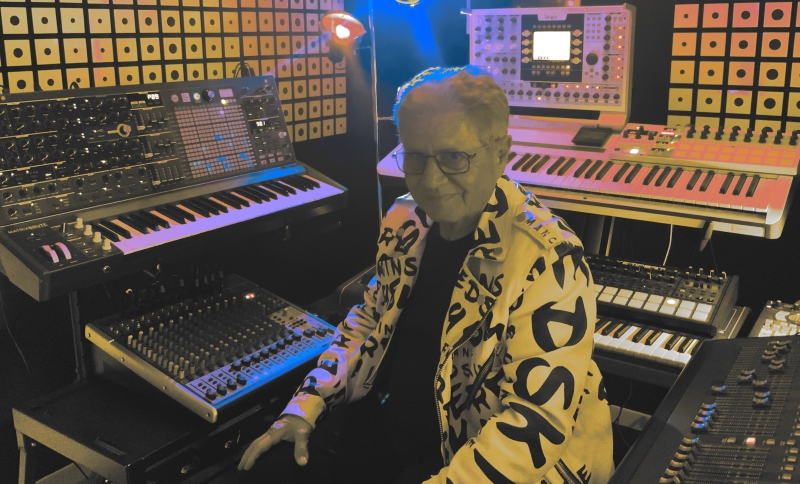
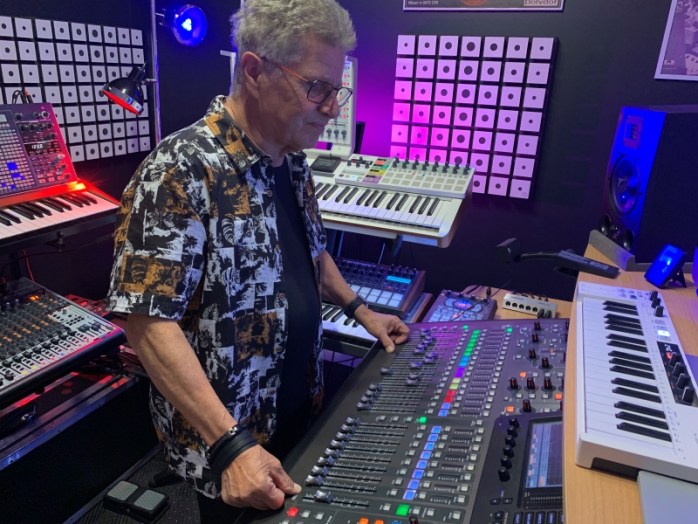
photo courtesy of Zanov

“Living With Robots” returns to the more tentative, explorative patterns from the middle of the preceding number, extending the musical theme into a richer, deeper sound throughout the track.

“Interstellar Travel” follows, initially with an echoing, church sanctuary-esque reverberation of the “Living With Robots” theme, then adding synth runs that seem to move through the composition, a movement that recalls and befits this song’s title.

The album closes with “Time Manipulation,” which pulls together the musical themes and sound sequences found elsewhere in Lost in the Future, providing a concise offramp for this well-crafted, synth-driven musical journey, reaching a moderately zippy tempo by its middle section, particularly when compared to the meandering nature of much of the rest of the collection.

In its entirety, Lost in the Future has, for the last several months, provided an enjoyable soundtrack to some of my analytical work. Now that I’ve written this review, I’m going to miss it. If your sector of the musical galaxy includes synth-driven instrumental music, Zanov’s Lost in the Future deserves a listen.
 

Album Review: Zanov – Chaos Islands

Zanov

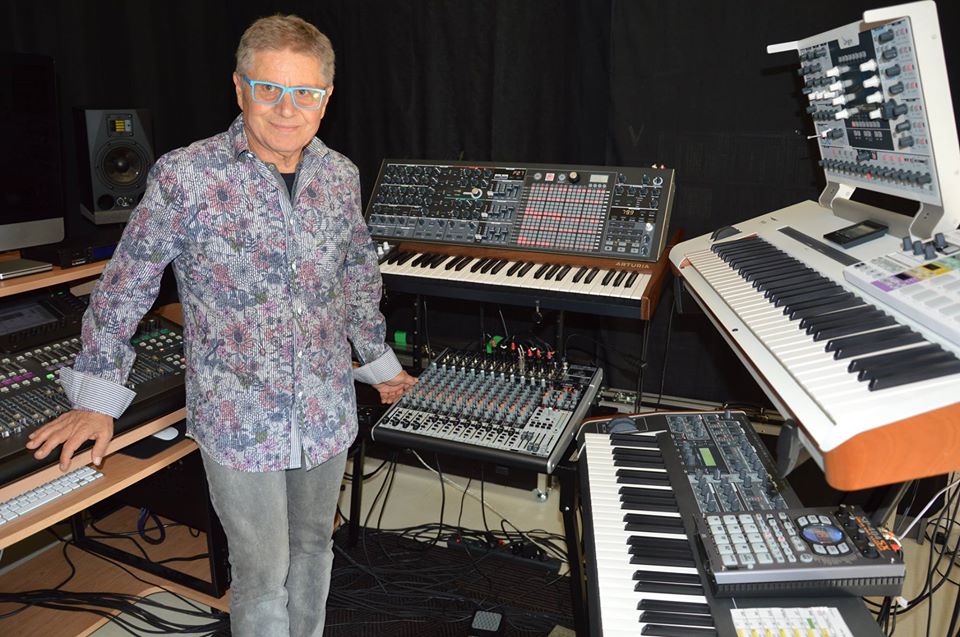
photo courtesy of Rock Rose Music

by Eric Harabadian, Contributing Blogger

Album Review of Zanov: Chaos Islands

Pierre Salkzanov (aka Zanov) is a French electronic music wizard who has been on the ground floor of the synthesizer-driven music field since 1976. From 1977 to 1983, he produced three albums for the Polydor and Solaris labels. After a 30 year absence from the scene, he returned in 2014 with the album Virtual Future and in 2016 released Open Worlds. Both of these recordings came out on his label Zanov Music.

Zanov – Chaos Islands

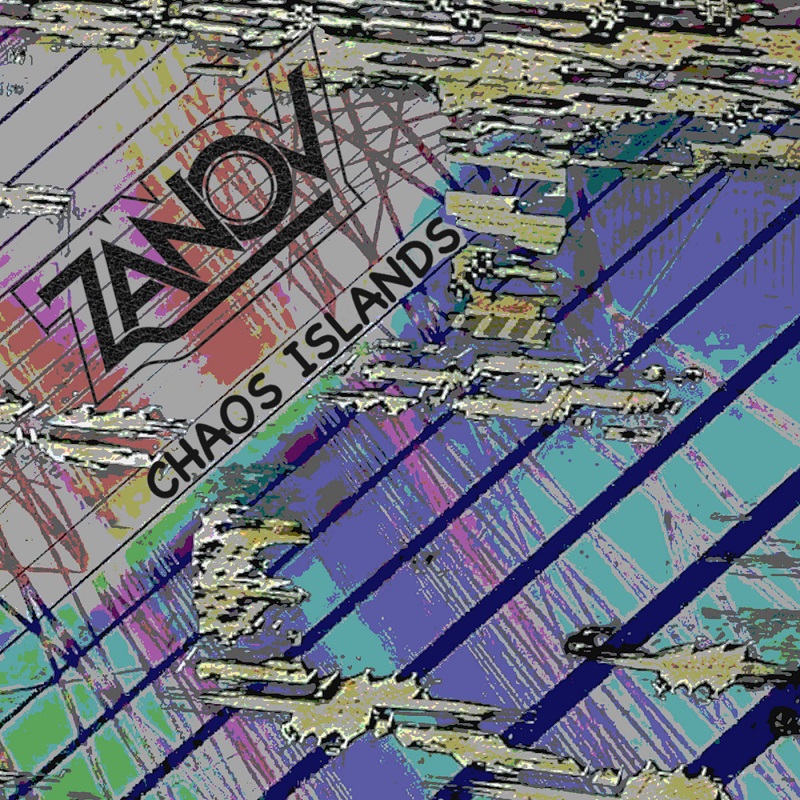
image courtesy of Rock Rose Music

This latest release is a continuation of electronic exploration and sound design that is cut from the same cloth as fellow artistic comrades such as Tangerine Dream, Maurice Jarre, Jean-Michel Jarre, Klaus Schulze and Eberhard Schoener. As is the tradition with much of progressive and experimental music of this type, the album follows a conceptual path. That path is comprised of seven signposts or tracks that are built around the perspective where order and chaos combine to generate surprising beauty. Hence, each track is rooted in melody and rhythms, but there is a pervasive serendipity and unpredictability there as well.

Track one is called “Edge of Chaos Island.” According to the liner notes, the tune describes Chaos Island as a region, or state of mind, where “creative and decisive changes are taking place in the transition from order and chaos.” Zanov’s synthesized wall of sound envelopes the listener from all directions. What keeps the music flowing and together is an oscillating mid-tempo loop that ebbs and shifts, with changing themes and melodies.

Zanov

photo courtesy of Rock Rose Music

On “Inception Island” there is a surreal soundscape that’s created inspired by the cult film Inception. Nothing is what it seems with this track. It’s kind of cerebral, with fractal bits of thematic material and obscure sounds weaving in and out. Subliminal sounds permeate underneath other sonic layers on top.

Track three is called “Strange Attractor Island” and has an almost meditative or sci-fi feel to it. The mid-section is in ¾ time while various melodies emerge, build and fade away. But as soon as one melody diminishes, a counter theme develops.

“Three Body Island” sounds semi-classical. It’s rather slow and pensive, with mood shifts at the half mark that surrender to multiple counter melodies and arpeggiated chords.

On “Phase Space Island” the liner notes state: “At a glance one can see all possible states of a system, leaving out time.” The piece is a nice mix of a swirling sonic wash, with recurring themes and bubbling rhythms. True to its title there is the swell of phase shifting here.

Zanov

photo courtesy of Rock Rose Music

“All roads lead to bifurcations, some of them leading to perpetual change,” on “Instability Island.” To a degree this is true. But the overall track harbors a smooth and calming melody that is woven within. This provides an anchor that keeps the entire piece intact.

In regards to the seventh and final track “Emergence Island,” Zanov states it is “very complex and beautiful where surprising structures can emerge from a very simple iterative process.” This piece sounds somewhat reminiscent of German outfit Kraftwerk’s early work on their international hit “Autobahn.” There is a strong rhythmic undertow that consolidates this whole conceptual package in an assured and mechanized manner.

Zanov creates music that is lush, fills your speakers, expands your mind and transports the listener to another level of consciousness.