EP Review: Skyway – Time to Be Alive

photo courtesy of Skyway

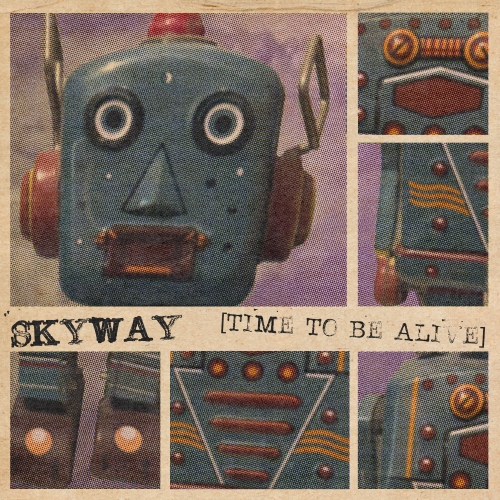
EP Review of Skyway: Time to Be Alive

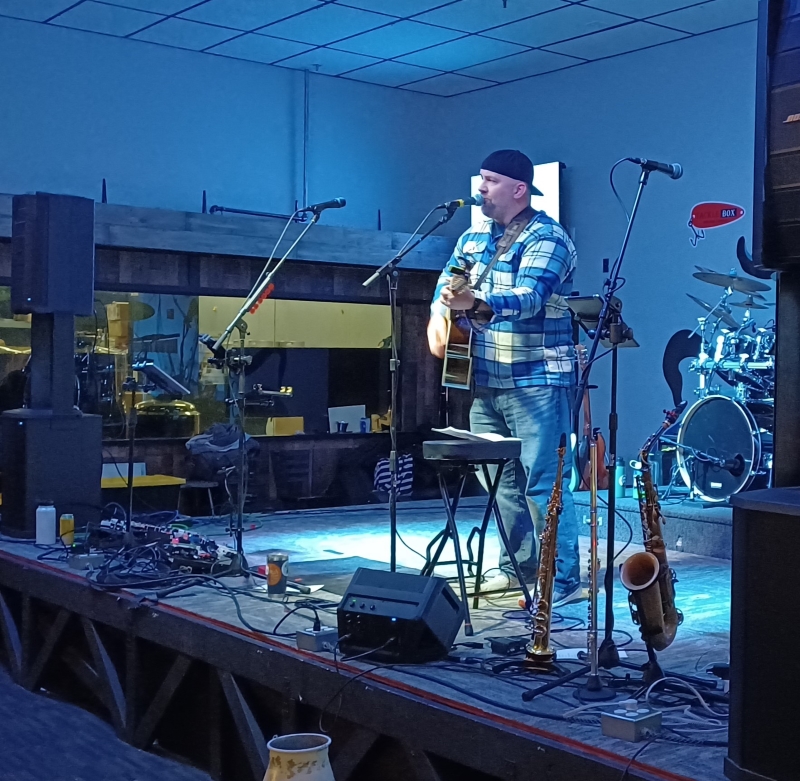
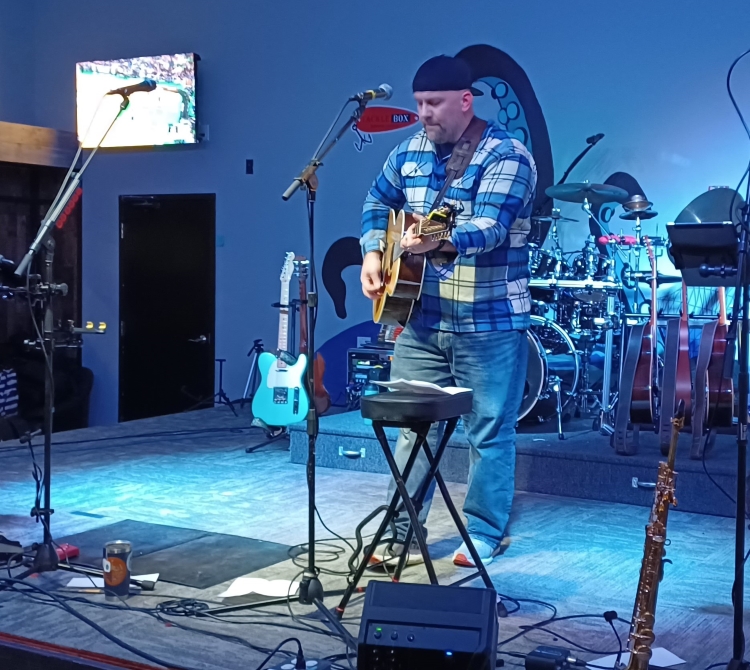
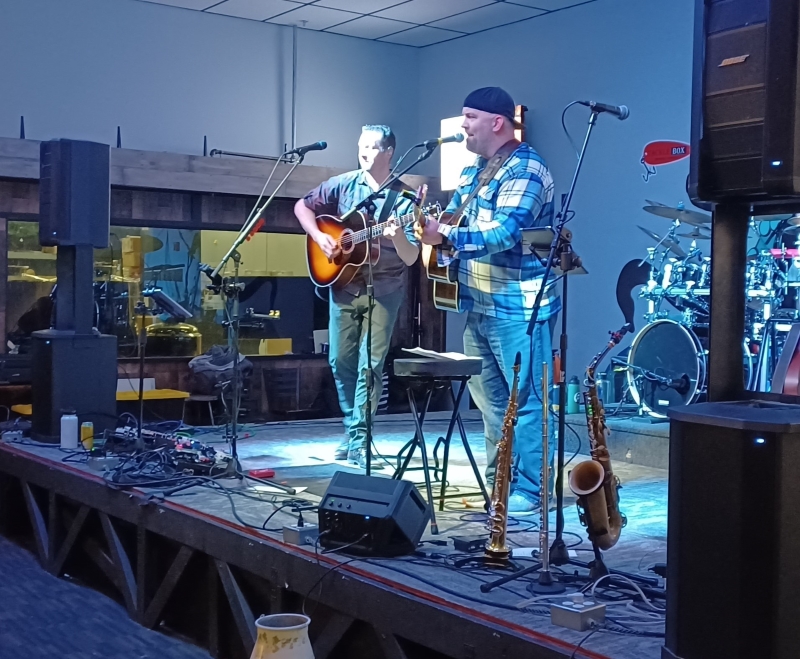
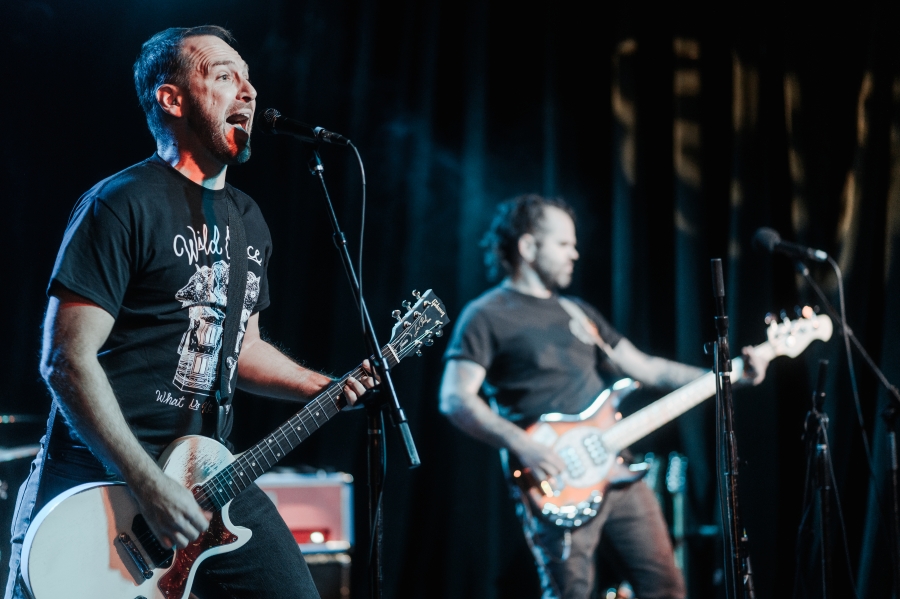
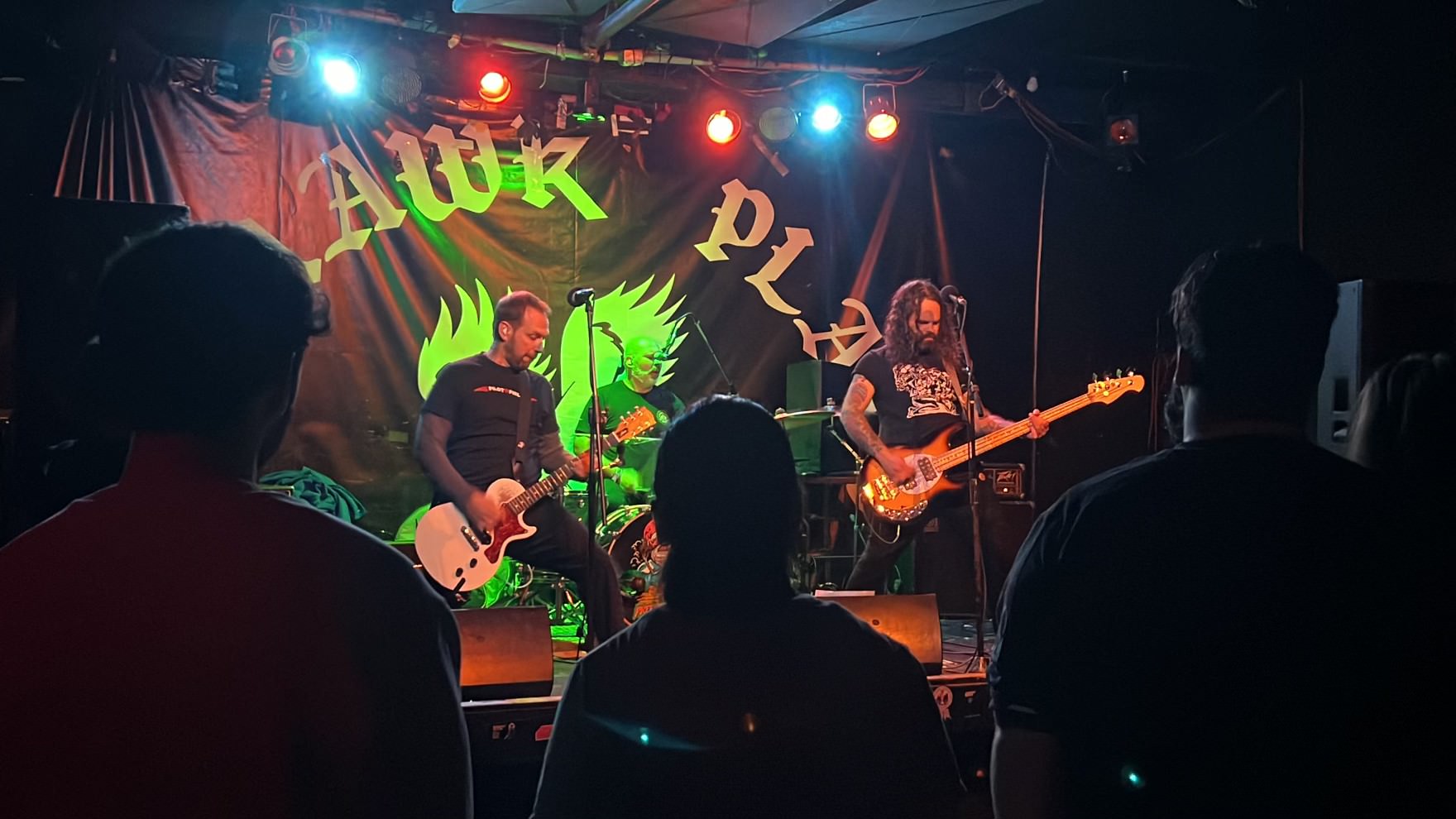
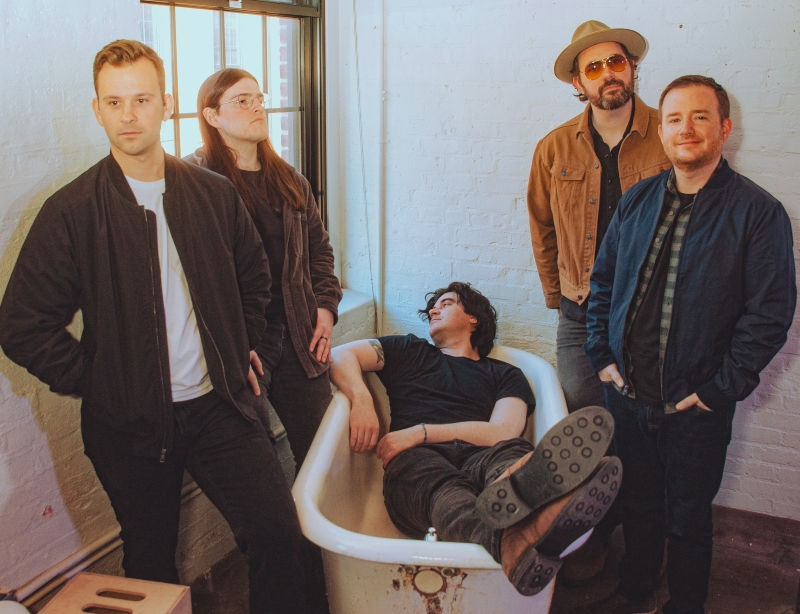
On Time to Be Alive, Skyway delivers fun, energetic, throwback ’90s/’00s pop-punk, offering up a collection of songs that would fit comfortably among Green Day, New Found Glory, and Good Charlotte on your enthusiastically energetic playlist. The band’s promo material touts its “nostalgic pop punk sound, featuring tight harmonies, catchy earworms, and plenty of singalong moments.” I don’t disagree with any of that.

image courtesy of Skyway

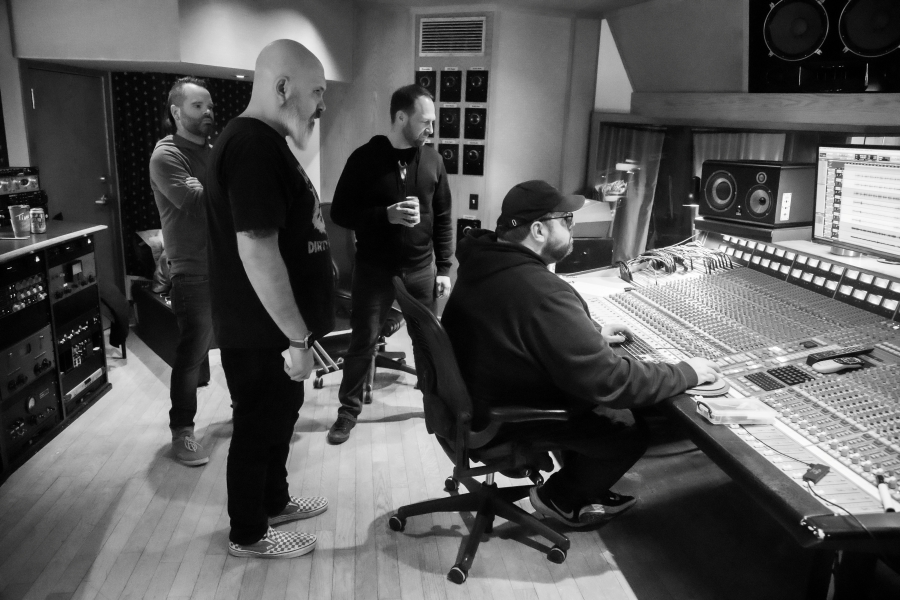
Now, I’m a little picky when it comes to punk rock – a little less so when it comes to the more pop-friendly punk that emerged in the ’90s, but I’m still a relatively harsh in my assessment. Of course, that might not be readily apparent at the blog, since I only share music I love, but I require tunefulness, hookiness, decent musicianship, and engaging vocals before I’ll even listen twice to a punk act. The vocals part, in particular, seems to be hard to find in a male-led punk act. The comparable famous bands in the previous paragraph, though, ticked all of my boxes. And so does Buffalo-based Skyway. This is an exceptional EP, sure to be a welcome addition to any pop-friendly-leaning punk rock fan’s collection. Indeed, I’ve been really digging getting familiar with these energetic, catchy tunes!

photo courtesy of Skyway

EP-opener “Marie” kicks off with a hooky guitar line, energetically diving into its first verse, quickly leading to its first singalong chorus: “Marie, Marie. Marie, Marie.” OK, so the lyrical content resides in the verses and bridges. In any case, this fun romp will get you pumped up. And if you’re looking for a slightly lesser-known comp, there are elements of this song that specifically remind me (a little) of Floor Space’s “Glass Dreams.” Regardless, “Marie” is a cool opening track, a great intro to this energetically fun five-song EP.

“Uncrumpled,” next, adds a little more power and velocity to the mix. It’s a thumping, high-tempo rocker, a fun romp that features very Weird Al-ish vocals. (Do you hear it, too?) I’m also pretty fond of the rawly tuneful guitar solo, something even more impressive when you realize Skyway found time for a guitar solo in a song whose entire runtime is less than 2 1/2 minutes.

photo courtesy of Skyway

“Wishing Well” is, to me, probably the most Green Day-ish number on the disc, at least in energy. The overall sound is very uniquely Skyway, but the smash-and-crash music in the intro, verses, and bridge are very Green Day-reminiscent. The chorus, meanwhile, is more like you’d find in an alt-pop-rock number, kind of raw and gritty but also tuneful.

From the opening “woo-hoo-hoo,” “Scars” marks its own territory, uniquely different from the rest of the EP. You want nostalgia? Well, I hear hints of Bowling for Soup. Do you? Regardless of influences – and Skyway’s sound is chock full of ’em – it’s a damn fun rock song.

The EP closes – much too soon, I might add – with the raucously rocking “What a Time to Be Alive.” A power-pop-rocker to the very end, this song will leave you happily out-of-breath by its conclusion.

photo courtesy of Skyway

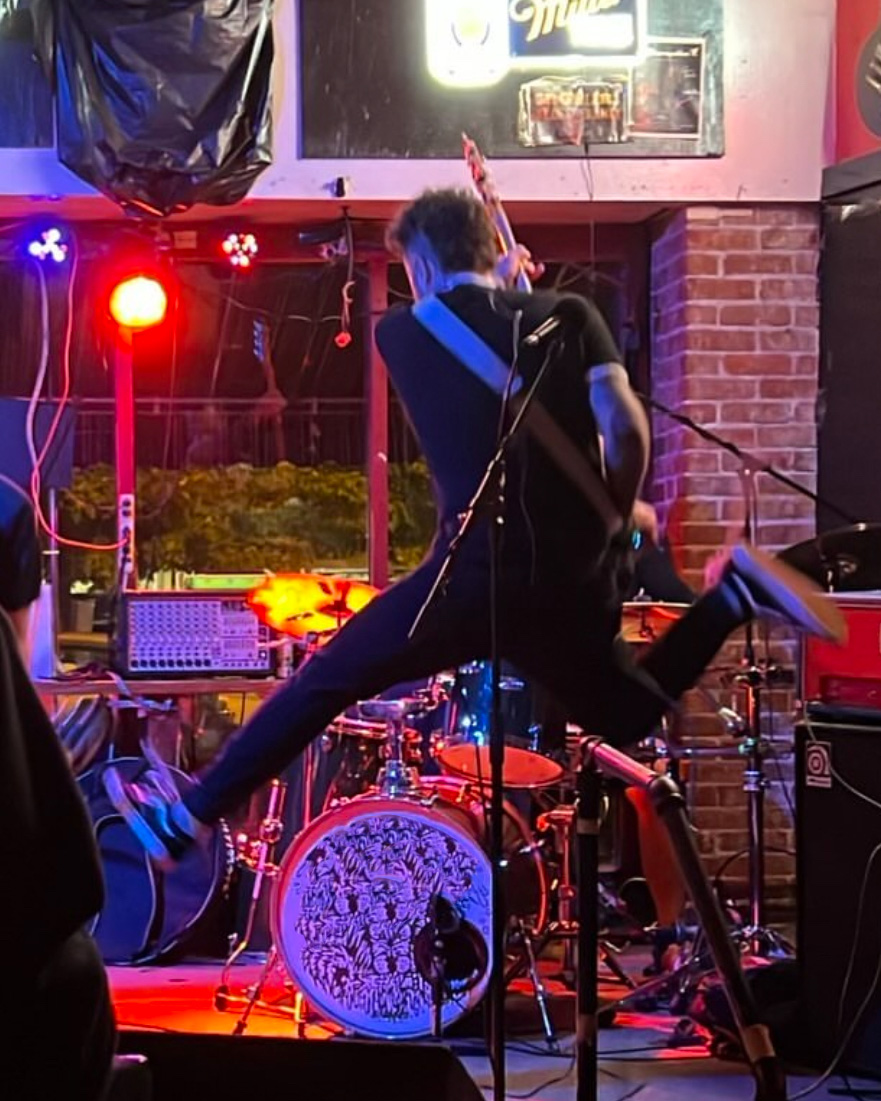
From beginning to end, Time to Be Alive is a fun record, packed with nostalgia-inducing, energetic, original pop-punk that calls upon the genre’s giants for influence but is packaged into a wholly-identifiable Skyway sound. If this is your genre of choice – or even if it’s a musical style of tangential interest to you – Time to Be Alive is an EP you need to hear, and Skyway is a band you should follow.

Live Review: 1964 The Tribute at the Stadium Theatre

photo by Luca DePalo

by Luca DePalo, Contributing Blogger

1964 The Tribute

Stadium Theatre, Woonsocket, RI

January 16, 2026

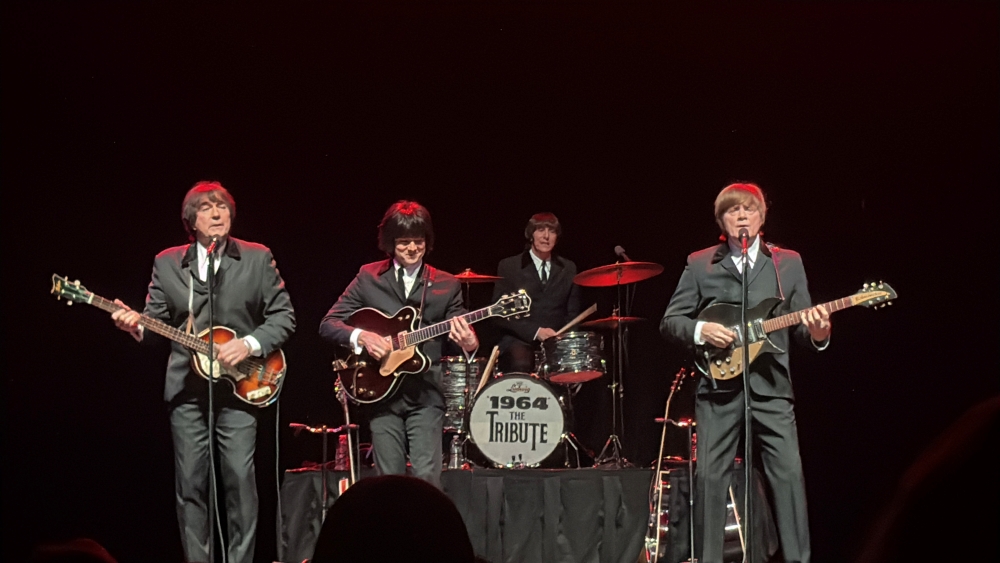
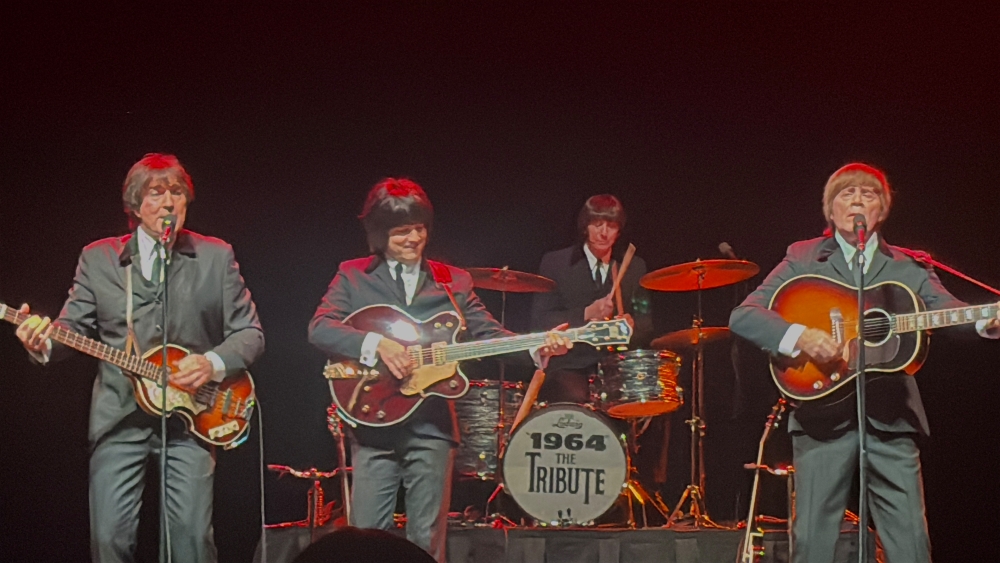
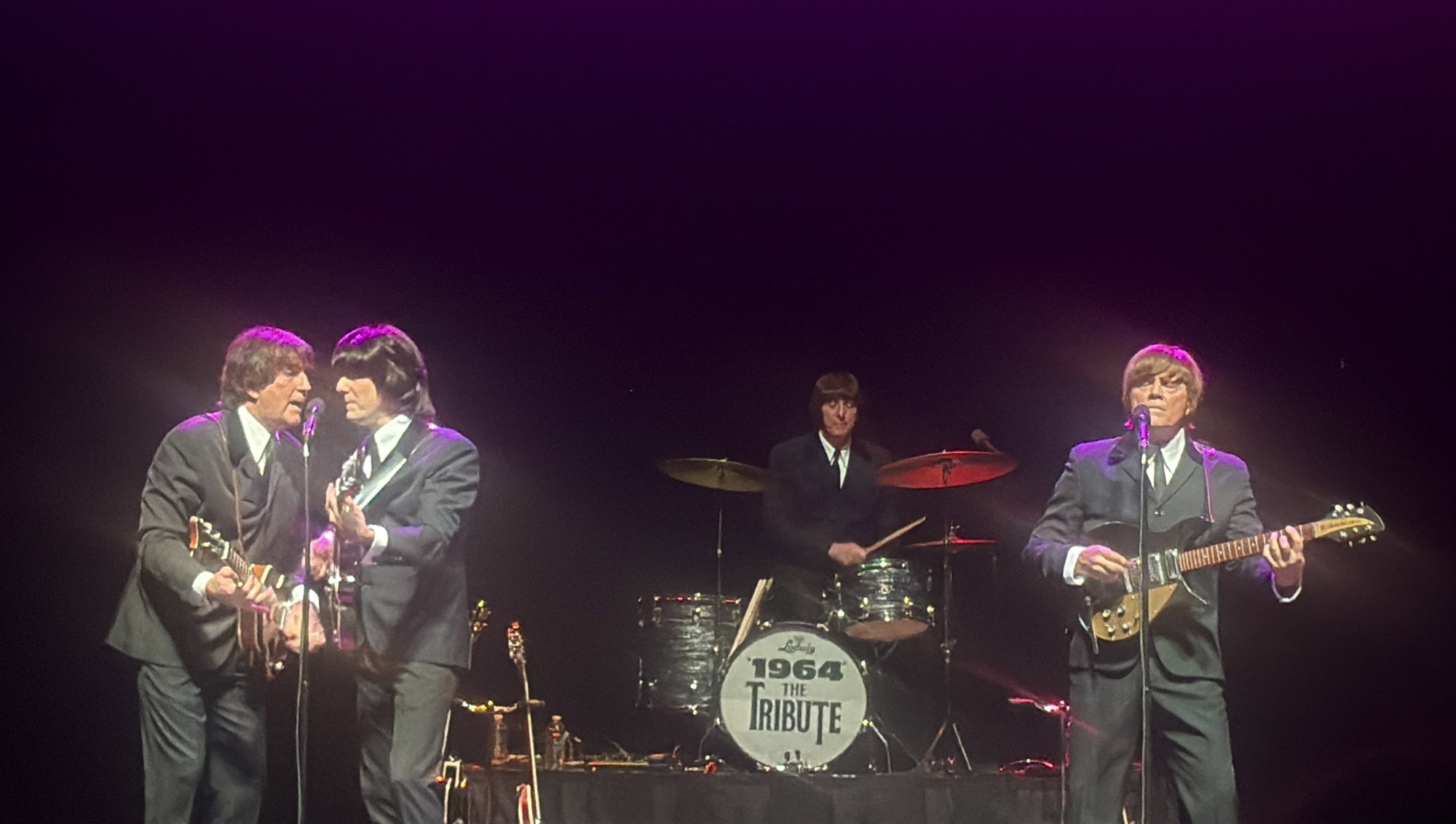
Friday night at the Stadium Theatre in Woonsocket, Rhode Island was a night like no other. The Beatles tribute band “1964 The Tribute” performed a 30-track set of nonstop hits by the early era of one of the world’s most legendary groups.

Walking into the old timey venue, the chill of the January air faded almost instantly. The Stadium Theatre’s vintage architecture, bright marquee, and packed lobby set the tone. This wasn’t just a concert, it felt like stepping through a time portal. Fans of all ages filled the seats, from longtime Beatles diehards to younger listeners experiencing these songs live for the first time, all buzzing with the same anticipation.

photo by Luca DePalo

As the lights dimmed and the band members took their places, the transformation was complete. Late night host Ed Sullivan appeared on the screen, introducing the band just as he had decades ago during February of 1964. The familiar announcement drew cheers and laughter, through old advertisements for companies, setting the stage for what felt less like a tribute show and more like a recreation of a historic television moment.

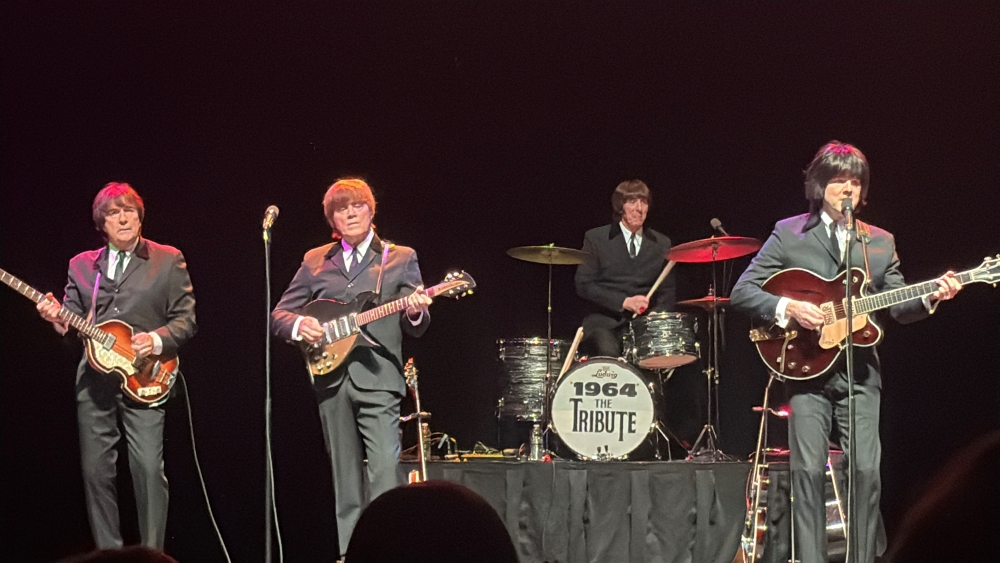
From there, 1964 The Tribute burst into action, performing the single “I Saw Her Standing There.” Instantly, the sold out audience was captured by the sound, look, and youthful energy of The Beatles at the height of Beatlemania. Dressed in matching suits and armed with period-correct instruments, they embodied the early years of the Fab Four like no other act around.

photo by Luca DePalo

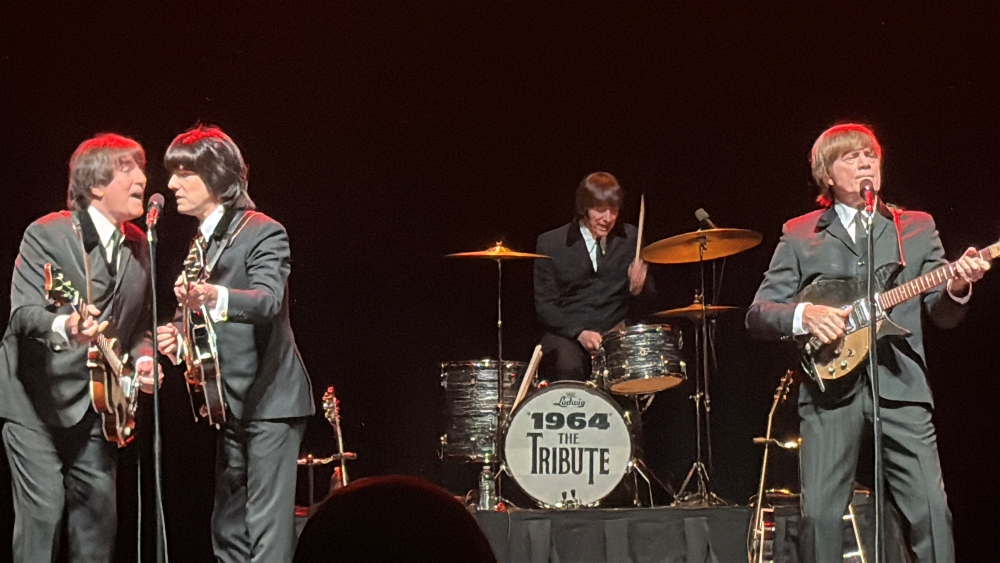
Throughout the first half of the night, the band performed iconic hits such as “I Want to Hold Your Hand,” the harmonica-filled “Please Please Me,” the unique “All My Loving,” and the vibrant “I Should Have Known Better.” And not only did they play the part, but they acted like the part. Each member would fool around like the young boys they once were, and crack jokes back and forth!

The Beatles just have that iconic sound… almost like blues yet rock and also a form of folk at times. And throughout every single track, every instrument sounded like you were listening to the album in the early ’60s. There are many Beatles tribute acts out there, but nobody can do it as well. 1964 The Tribute has been touring the world since 1984 and frontman Mark Benson (who played as John Lennon) can still perform at top!

And with each member having their unique talent, some surprises throughout the night included the George Harrison-fronted “Do You Want To Know a Secret,” the Ringo Starr-fronted “Boys,” and the screeching John Lennon vocals on “Twist and Shout.”

photo by Luca DePalo

Track after track flew by in a flood of hits, each one met with cheers, claps, and spontaneous sing-alongs. The crowd swayed, smiled, and sang along to every familiar lyric, proving that more than sixty years later, this music still connects generations.

After a short intermission, the band returned back onto the stage, performing “Day Tripper,” “Help,” “She Loves You,” and 20 more classic tracks!

Each song was vibrant and energetic; however, the night slowed down as Mac Ruffing (who played Paul McCartney) walked up to the front of the stage, introducing the 1965 hit “In My Life.” Right then and there, the Stadium Theatre lit up in a display of the audience’s phone lights… almost as a remembrance of John Lennon and George Harrison’s legacy. The song was definitely my favorite of the night.

By the end of the evening, the Stadium felt less like a historic venue in Woonsocket and more like a roaring 1960s concert hall, leaving the audience warmed, nostalgic, and reminded why The Beatles’ legacy continues to endure.

What a great night!

photo by Luca DePalo

Looking Ahead

1964 The Tribute has upcoming concerts scheduled in Arizona, California, Florida, Virginia, Pennsylvania, North Dakota, Maryland, Ohio, and Tennessee. See the “Shows” page of the band’s website for dates, locations, and ticket links for those shows and others, as they’re added.

Single Review: Randy C Moore – “Cat’s in the Cradle”

image courtesy of Margin Promo

Single Review of Randy C Moore: “Cat’s in the Cradle”

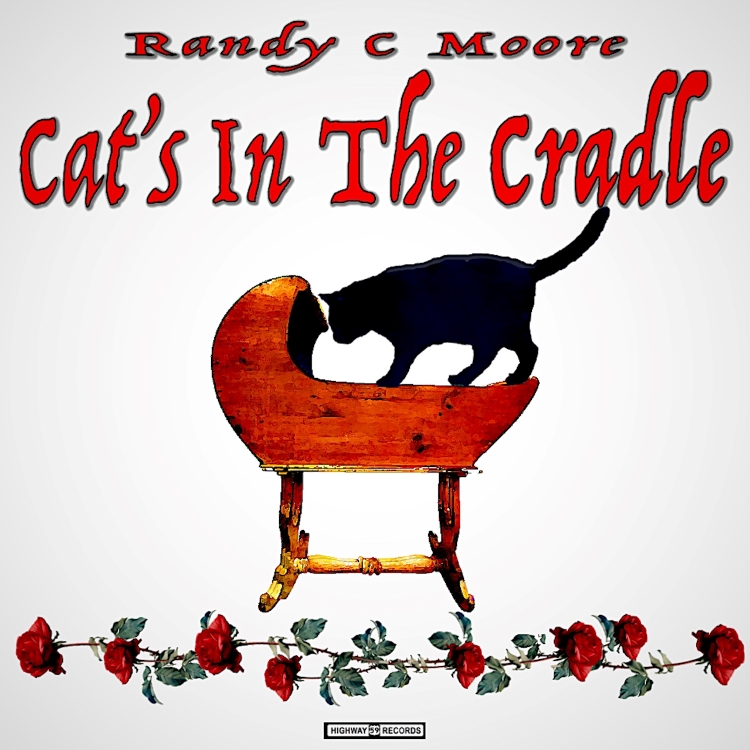
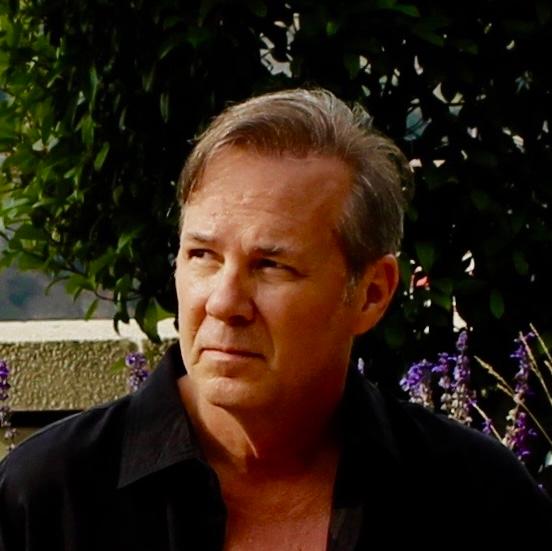
Here’s something you probably never knew you needed. It’s a country version of “Cat’s in the Cradle“! This recording, by notable Texas country music artist Randy C Moore, delivers the poignance of Harry Chapin’s megahit original but with a country music cadence and slight drawl that, if anything, serves to further emphasizes the song’s earnestness. Randy’s rendition is based in classic country but with fresh-feeling production that doesn’t limit its appeal to old-school country music fans.

photo courtesy of Margin Promo

When played side-by-side with Chapin’s original, the songs differ a little more than is initially apparent, which makes Randy’s effort even more impressive. In any case, Randy C Moore’s cover of “Cat’s in the Cradle” is something country music fans should hear; it’ll be a worthy addition to your collections and a welcome entry in your playlists.

Looking Ahead

With his booming, emotive voice and country music-style gravitas, Randy C Moore is clearly someone whose live performances are likely to be a must-see. If you’re in East Texas, you’ll be able to catch Randy near you in February. He has two February shows scheduled in Tyler, plus one performance each in Nacogdoches, Woodville, and Lufkin. His website, here, lists times and locations. If you’re in the area, be sure to check your calendars.

Single Review: Erin Gibney – “Wasted Potential”

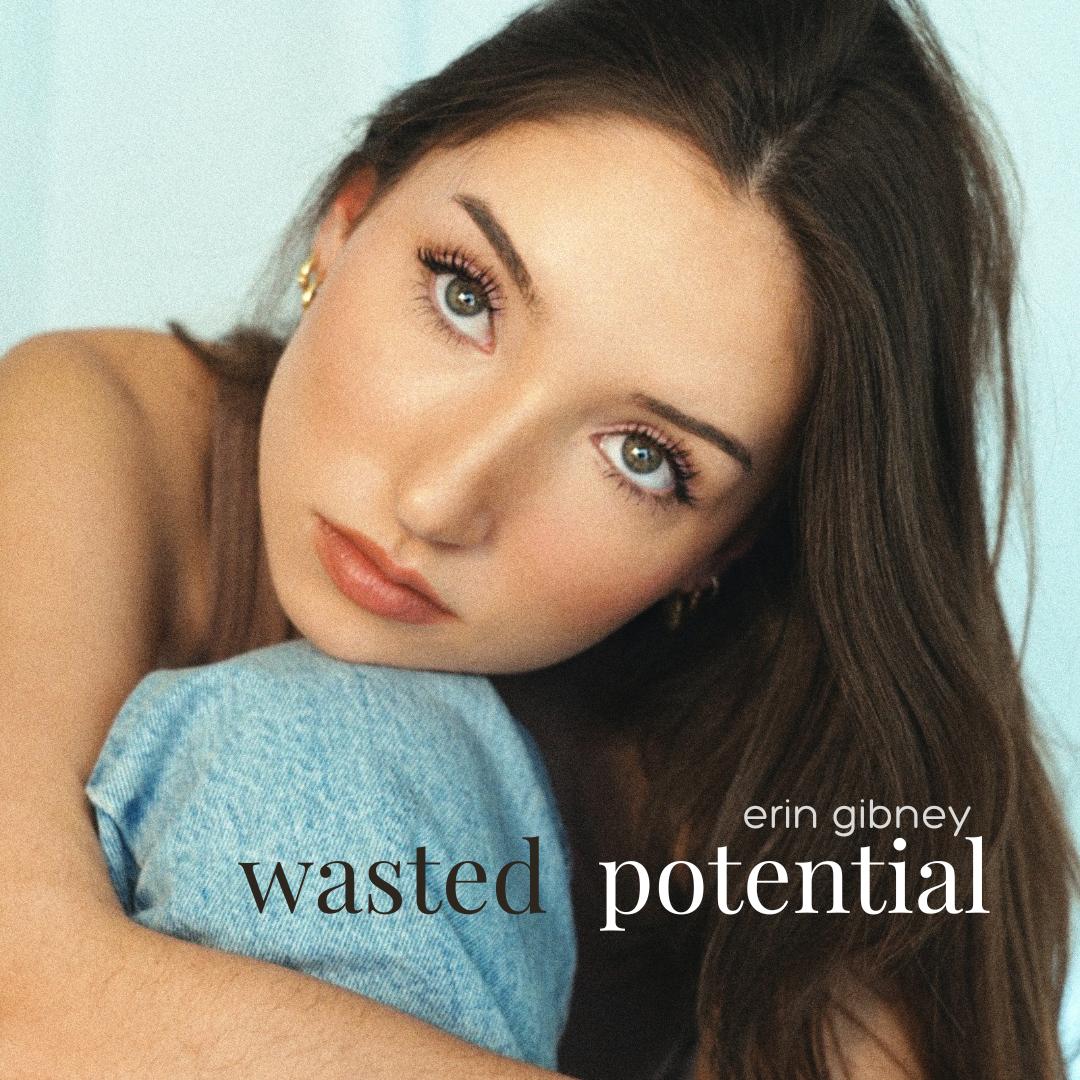
image courtesy of Skye Media

Single Review of Erin Gibney: “Wasted Potential”

Erin Gibney keeps turning out well-written, engaging, memorable singles. “Wasted Potential” is another such song. Based on the breakup of a long-term relationship, this one seems particularly personal. The song itself is mellow, soaring, and richly-produced, as if a warm, supportive musical womb supporting the singer and everyone else who can relate far-too-personally to the song’s lyrics.

I guarantee this song will connect with a wide range of listeners. Erin’s very identifiable vocals play a role, positioning the song as a supportive, understanding friend, perhaps the friend who brings the ice cream. Residing in that gap between pure pop and country-pop, “Wasted Potential” has broad appeal; it only needs to find people’s ears just once. “Wasted Potential” is simply an excellent song that confirms Gibney’s songwriting talent.

photo by Erin Gibney; photo courtesy of Skye Media

More Recently

A quick look at Erin’s Spotify suggests that she has released two (or three) songs since “Wasted Potential.” The most recent of Gibney’s songs to reach my inbox was “Wasted Potential,” so I haven’t yet listened to the newer tracks, but Erin’s a talented songwriter who doesn’t disappoint, so I look forward to giving her post-“Wasted Potential” releases – “Risk It”, “Dangerous”, “Dangerous (Stripped)” – a listen.

I’d still suggest beginning your journey with “Wasted Potential.” It’s an exceptional song, a song that should earn singer-songwriter Erin Gibney – or, at least, songwriter Erin Gibney – some (more) well-deserved attention. I’m hoping it’s the first one, of course. I dig Erin’s delivery and hope to be listening to her sing her own songs for a long, long time.

More Erin Gibney Reviews

This is the third time I’ve reviewed Erin’s music. Be sure to check out my prior reviews. In 2023, I reviewed “You Made Your Bed,” and last year I reviewed “Kryptonite” and “By June.”

Album Review: Dan Cloutier – The Iceberg

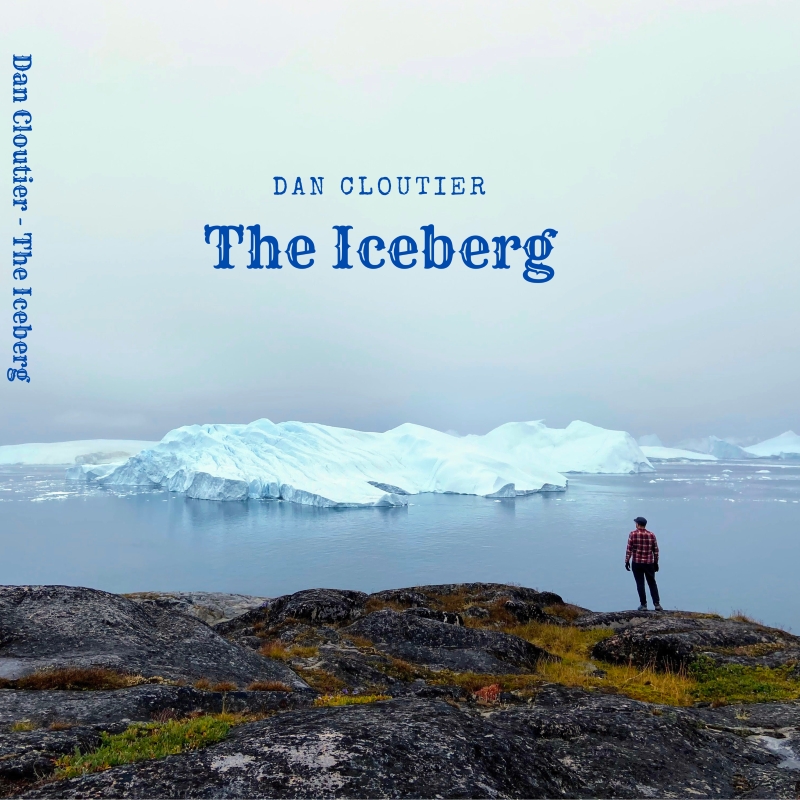
image courtesy of Dan Cloutier

Album Review of Dan Cloutier: The Iceberg

Dan Cloutier‘s The Iceberg, released last spring, followed a year of traveling that took him to Greenland and Newfoundland “to find icebergs and record music.” Indeed, two of the album’s eleven tracks were recorded in Ilulissat, Greenland, and one was recorded in St John’s, Newfoundland, thanks at least in part to the help of Dan’s Kickstarter campaign.

Dan’s songs are accessible and fall into a variety of buckets. Some are stripped-down, primarily guitar-and-vocal (or banjo-and-vocal) numbers that connect on a personal level. Others add a bit more instrumentation, with richer arrangements that draw upon varied styles and influences, but they, too, connect on a personal level. So I guess that’s a common theme. Dan also notes that “the music is all about finding hope during dark seasons of life. Like an iceberg, you cannot see what is underneath.” Indeed, hopefulness is another common theme.

The record is bookended by “The Iceberg” and “Iceberg II,” the two songs recorded in Greenland. On them, Dan’s banjo-work produces a memorable melody, while his lyrics and the background vocals provide a warmth perhaps not often found in such a barebones production.

The Newfoundland-produced song is near the end of the album. That song, “Chainmail,” is a pleasant, ’round-the-campfire encourager that may appeal particularly to the dungeons and dragons set (including those of us who dabbled with it lightly in high school). Or fans of medieval books and movies. Or those of us who simply enjoy a good metaphor. The song is built around the line “make me some chainmail for my soul,” with I guarantee is infinitely cooler than any chainmail reference we made as teenagers. The song is pleasantly-sung and likely to be a broadly-appreciated favorite. (Yes, it’s my personal favorite song, among many I really enjoy, on the record.)

The music and lyrics on this disc are thoughtfully-penned and successfully convey emotions, living up to Dan’s mission of identifying hope. Songs like “I Want to Feel Your Broken Heart Beating” and “Every Breath We Take is Holy” are such songs. Other songs like “Good Kind of Failure” and “Take Your Next Step” are more mid-tempo and directly encouraging.

At times, providing additional variety – a feature that makes this album an easy beginning-to-end listen – Dan amps things up even more with fun acoustic-rockers like “Windshield Wipers,” which implores his windshield wipers to move faster (though the lyrics are metaphorical, too, so it’s not just a song about car parts) and the edgy, acoustic alt-rocker “Synapses Fire.”

Finally – though not “finally,” since it’s song three – it’s worth noting “Rocky Shore,” a song whose melody and style are that of a sea shanty, a bit of a drinking song, regaling the rocky shore. Just a fun, additional song-style thrown in for good measure. And performed impeccably.

As a whole, The Iceberg is a fun record. Its songs vary enough to make its eleven tracks an easy listen. If you’re wearing black while listening to this record, your wardrobe will clash hopelessly with the incessant hopefulness of The Iceberg, but dressing in bright colors (or imagining you did, if putting on a new shirt is too much work for you) is a small price to pay to enjoy Dan Cloutier’s exceptional collection of songs. If you’re looking for a soft-to-mid-tempo, thoughtful, hopeful, not-quite-mellow but definitely mellow-adjacent record, check out The Iceberg.

Single Review: Born Riot – “Home”

photo courtesy of Cameron Carpenter on behalf of Born Riot

Single Review of Born Riot: “Home”

Sarnia is home of the Sting. Just over the bridge from Port Huron. And the home base of talented heavy rock band Born Riot. The foursome is comprised of Andrew Colborne (vocals, guitar), Griffin (guitar, vocals), Ryan McCann (bass), and Tyler Smith (drums).

“Home” is an aggressive, heavy rockin’ single with ample melody. It’ll catch your attention as subtly as a semi truck but as nimbly as a slalom skier – so picture an 18-wheeler deftly maneuvering the slopes, but as music. The song it recalls most for me is Pearl Jam’s “Evenflow.” So yeah, catchy but heavy.

image courtesy of Cameron Carpenter on behalf of Born Riot

Subtly, I also hear some Southern rock influence, but where would a bunch of guys from Sarnia would pick that up? I suppose, probably the same place I did, by listening to bands like .38 Special, though I sense perhaps a little more Brother Cane. Or maybe Georgia Satellites. But it’s a little rougher-edged than that, as if R.E.M.’s in the room, too. I fear I’m overemphasizing the Southern flavor, though, since it’s mostly a melodic heavy rock stew with maybe a dash of Tony Chachere’s. Additionally, though I mention a Pearl Jam song, it’s really not grunge, either. “Home” is a heavy rock song with a dominant riff and prominent musical sequences that remind me of a single Pearl Jam song that had massive crossover appeal to straight-ahead classic heavy rock fans.

tl;dr: If you’re a fan of heavy rock music that’s powerful but melodic, you will enjoy Born Riot’s “Home.” It’s as simple as that. Give it a listen!

EP Review: Nate Perry & Ragged Company – Till the Well Runs Dry

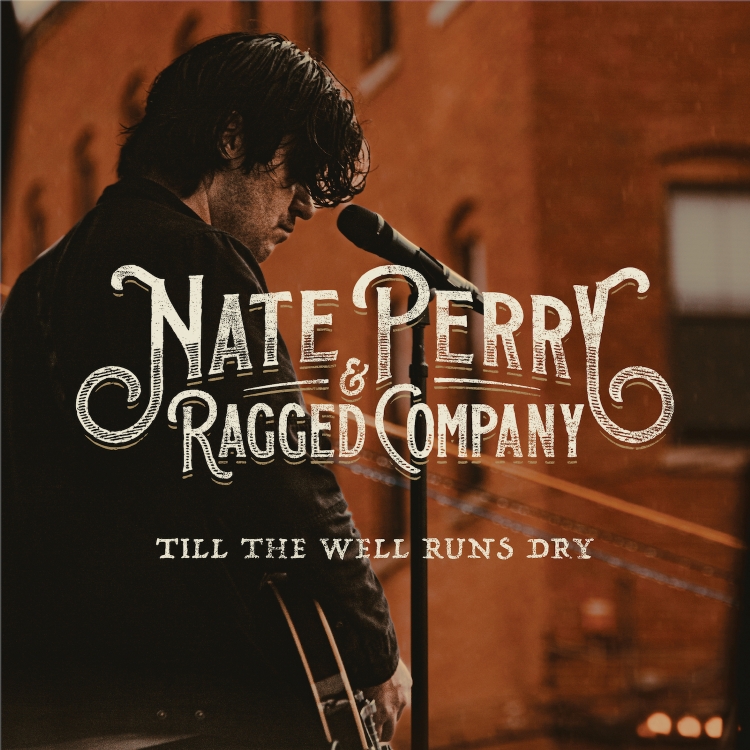
photo by Collin Heroux; photo courtesy of Knyvet

EP Review of Nate Perry & Ragged Company: Till the Well Runs Dry

Whether you’d call Nate Perry & Ragged Company a country band or an Americana band – I go back and forth, though I lean toward country – there’s no denying they’re an engaging, broad-appeal musical tour de force. The band’s most recent EP, Till the Well Runs Dry, fully supports that notion.

I enthusiastically reviewed the band’s The Otherside of Everything EP last spring. Till the Well Runs Dry is a worthy follow-up. The record was preceded by single releases of its first two tracks, “Count on You” and “Tonight.” Excellent choices, as they’re perhaps the most accessible of the EP’s five songs. Though I agree with the single selections, I would have to say album-opener “Tonight,” the second single released, is the biggest potential hit on this record. “Tonight” opens with aggressive drums before launching into a twangy number with a big sound, a wide-open feel, and a nifty little guitar hook. Harmony vocals and Perry’s edgy, insistent lead vocal add to the song’s immediate appeal. As I noted in my The Otherside of Everything review, there’s almost a bit of R.E.M.-as-a-country band vibe to Nate Perry & Ragged Company, and its especially evident on this track. “Count on You,” by contrast, has softer edges but still wields comparable vocal insistence, engaging guitarwork, and subtle hooks.

cover photo by Collin Heroux; design by Mike Chandler and Lance Fullin; graphic by Wes Allen; image courtesy of Knyvet

“Between the Lines,” next, is janglier and requires a bit more time to grow on you, ideal for a later single release or album track that engages the listener more with each listen, ultimately earning favorite status. It has a soulful country vibe that bridges the gap between soft rock and mainstream country. If I were to create a music video for “Between the Lines,” it would absolutely be required to conclude with an old pickup truck driving away down a dirt road.

“Disappear” is a bit more energetic again, with its own unique musical shuffle to distinguish itself from the rest of the disc. And the nearly-spoken “disappear” at the end of each chorus is exactly the appropriate, inspired vocal choice.

The EP closes with “How Much It Matters,” a song that features alt rock-meets-country musical and lyrical delivery choices, somehow intermingling into an Americana vibe. Guitar, keys, and vocal patterns trade off as the featured players on this song’s musical landscape. It’s a fun listen while it’s happening, but less memorable after the fact than the rest of the disc. In part, that’s because it feels a bit like a musicians’ jam, which makes it a fun EP-ender and almost certainly an enjoyable live cut.

Nate Perry & Ragged Company introduced themselves with the impressive The Otherside of Everything in 2024. They followed it up with another top-shelf record, Till the Well Runs Dry, in 2025, a year that saw the band earn multiple nominations from both the Boston Music Awards and the New England Music Awards. I can’t wait to see and hear what 2026 holds for this talented collection of musicians.

Single Review: Scott McDonald – “Wave”

photo courtesy of Scott McDonald

Single Review of Scott McDonald: “Wave” (Bongo Boy Records)

“Wave,” a Scott McDonald single that dropped in the spring of 2025, in advance of his summer 2025 full-length album release See It Through, absolutely rocks! It’s been in my playlist for quite a while not, but of course, if you haven’t heard it yet, it’s new to you.

image courtesy of Scott McDonald

If “Wave” is any indication, McDonald is a talented axeman with a penchant for writing catchy, hook-laden songs. Certainly, now that the single has risen to the top of my review queue, it has made me excited to circle back and check out the rest of the album. For now, though, I’ll focus on the single I’ve been enjoying for many months.

The song kicks off with raw, rockin’ guitarwork, which is joined by other instrumentation, then big-sound, cheerful vocals, leading to a song-long uptempo, cheerful-sounding adrenaline rush. Some musical flourishes, tone changes, and key changes intercede, but the tempo remains steady, energetic, and insistent. During the verses, choruses, bridges, and guitar solo, the song is relentlessly energetic.

photo by John Bruno; courtesy of Scott McDonald

It’s also an oddly cheerful song, given its subject matter. It’ll make you smile, even as you’re singing along with lyrics about the end of a relationship: “I still wonder where it all went wrong. Tell me how it stayed alive so very long. I still wonder why it seemed to change. We were watching as it slowly slipped away. All we can do is walk away and wave.” Smiling, apparently, with rockin’ skip in our steps. Indeed, if this song doesn’t get you smiling, you don’t have a pulse. If you like guitar-driven, pop-friendly, hooky rock tracks, this will quickly become one of your favorite songs.

More Recently

As noted, following the spring 2025 release of “Wave, the album that includes “Wave,” See It Through, was released in the summer of 2025. I’ve only listened to snippets of a couple of songs, but “Wave” seems indicative of the overall sound, though as is often the case with a singer-songwriter-axemaster, the ratio of guitar-shredding to hooky tunefulness may vary from song to song.

Looking forward, Scott’s Facebook page seems to be a good place to remain up-to-date with his music.

Album Review: Jean-Pierre Llabador – 3’33 Treasure Hunt

image courtesy of Rock Rose Music PR

Album Review of Jean-Pierre Llabador: 3’33 Treasure Hunt (Castle Records)

Jean-Pierre Llabador is a legendary 1970s French jazz guitarist. His newest release, 3’33 Treasure Hunt, is a collection of eight 3 minute 33 second tracks. (With that being said, though the album lists the songs as 3’33”, the tracks seem to clock in up to 20 seconds longer or shorter for me, but I ain’t complainin’.) Unable to play guitar himself of the album, Llabador is joined on this record by an esteemed collection of musical colleagues, with Llabador composing the music and producing the contributing musicians.

Jean-Pierre Llabador; photo courtesy of Rock Rose Music PR

3’33 Treasure Hunt is a cool amalgam of styles, incorporating a jazz style with bluesy or rockin’ riffs, as appropriate. It’s an enjoyable beginning-to-end listen, a collection of stylistically-varying compositions that clock in at just under 30 minutes in their entirety.

One of my favorites is the very first song, “Roses in Rhodes,” one of just two songs on the 8-track disc that contains vocals. It kicks the record off coolly, with a bit of a funky rhythm, and incorporates the smoky-smooth vocals of Tania Margarit. It’s followed by the twangily alien-sounding “Bowlywood,” led by guitarwork from Pascal Corriu. Gerard Pansanel’s guitarwork on “The Link,” meanwhile, provides that song’s signature recurring hook, while the guitar noodling throughout much of the rest of the track gives the song a pleasantly meandering vibe.

“Long Beach” is probably my second-favorite entry on the record, behind “Roses in Rhodes.” On it, the flowing pianowork of Tania Margarit is accompanied by steady, supportive musicianship from the rhythm section of Jean-Pierre Barrera (bass) and Philippe Arnaud (drums), delivering a laid-back coffeehouse jazz vibe.

top row, left to right: Elea Schuhmann, Pascal Corriu, Jean-Pierre Barreda; bottom row, left to right: Philippe Arnaud, Tania Margarit, Bernard Margarit; photos courtesy of Rock Rose Music PR

Kicking off the second half of the record, Elea Schuhmann’s vocals are key to the soaring blues-jazz style on the record’s other vocal-driven number, “Betty on Franklin Avenue. “Big Deal,” next, a guitar number from guitarist Bernard Margarit, could easily be the soundbed of a soft pop-rock hit.

It’s followed by a completely different sound on “Ghazaouet City,” the one song on the record that could most easily fall into the “world music” category, with a unique eastern music-inspired rhythm throughout, though it periodically gives way to the sort of groovy sixties-esque jazz that you might expect from an early James Bond movie soundtrack, as well. It’s quite an ear-surprising amalgam that’s sure to hold your interest for the entire 3’33”.

The record closes with “Blast,” which blends a soft background with intrusive foreground riffs, with guitarists Corriu and Pansanel lending their skills to the effort, resulting in the sort of jazz number that leaves you not relaxed but, rather, edgy.

In all, 3’33 Treasure Hunt is an interesting, varied disc that showcases Llabador’s composing talent with the help of a collection of top-shelf jazz musicians. If that’s your vibe, you may very well find this to be a groovy assemblage of songs that fits niftily into your music collection.

Album Review: Midrone – Foreverness Revisited

image courtesy of Midrone

Album Review of Midrone: Foreverness Revisited

There’s a style of classic rock that drips with progressive rock styling. That’s what Midrone delivers on Foreverness Revisited. The vocals soar. The music is heavy but uplifting. And the musical progressions are, well, progressive yet not obscurely so. Rather, they’re pop-friendly. I even hear some Beatles-esque passages and structures on a track or two. As a result, this record is accessible to fans of more straightforward classic rock, with the requisite harmonies and hooks to appeal to a broader audience, primarily structured within a progressive rock framework. Just that combo alone marks this as a pretty cool release, notwithstanding how enjoyable the songs are, too.

Foreverness began as a collection of demos in 2012 and 2013. Foreverness Revisited is Midrone’s Paul J. No’s attempt to complete that decade-old vision with proper production value, so No almost entirely re-recorded Foreverness as Foreverness Revisited, featuring himself on vocals, keyboards, guitars, and programming, joined by JP Benadjer (guitars) and Seb Bournier (drums), with the record mixed and mastered by David Paredes.

“A Miracle is in the Air” kicks things off with pingy, progressive synthwork. Fuller instrumentation develops quickly, as the song soars musically behind a vocal line that lifts and drops alongside the music. To my ear, the final result comes across with the steadiness of a Peter Gabriel crossover track that’s set to the music of a reined-in version of Asia.

It’s followed by the song that made me think of the Beatles, “The Little Walk Down Memory Lane,” a catchy little ditty that’s one of the record’s more pop-accessible numbers. It’s also my personal favorite on this disc, though I enjoy spinning the record from beginning to end; it’s without a weak link, suggesting a disc full of potential favorites, depending on your nuanced musical preferences.

Midrone skews synth-meets-guitar prog on “Many Ways to Say Goodbye,” then comes in a bit more mellow on “Don’t Mean Anything,” a kind of Moody Blues-ish number. The constant is a tuneful vocal that leans pop, even though it’s paired with progressive musicianship.

Most of the rest of the disc is comprised of various combinations of elements I’ve already noted. I particularly like “The Story of Jimmy Jack,” which combines softly soaring segments with more aggressive passages.

Another song that deserves mention is the most experimental, progressive song on the record, mixing spoken word narration and engaging music to tell the story of the lead-up to the Wall Street crash of 1929 and, of course, given the song’s title, the aftermath – “The Party is Over.” (It may cause you to google John Jacob Raskob. I studied finance, among other things, and I can’t believe I didn’t already know the quote this song leverages!) I generally dislike spoken word in songs, but it really works here, one of the coolest song concepts you’re likely to ever discover. If you ignore the rest of this review, you should check out this song. It’s not a barometer of whether or not you’ll like the rest of the record, but it’s something you really should hear at least once. Or several times – it seems to get even better with multiple listens.

Finally, “Foreverness” closes the collection. It’s a good stylistic summation of the rest of the record. Most good progressive rock records end with this sort of satisfying conclusion, and Midrone delivers.

In its entirety, Foreverness Revisited resides in that musical corner of progressive rock that delivered mainstream hits for prog-influenced rock acts in the ’70s and ’80s, adeptly straddling those two worlds. Whether your tastes lean mainstream or progressive, I’d suggest giving this record a listen.