
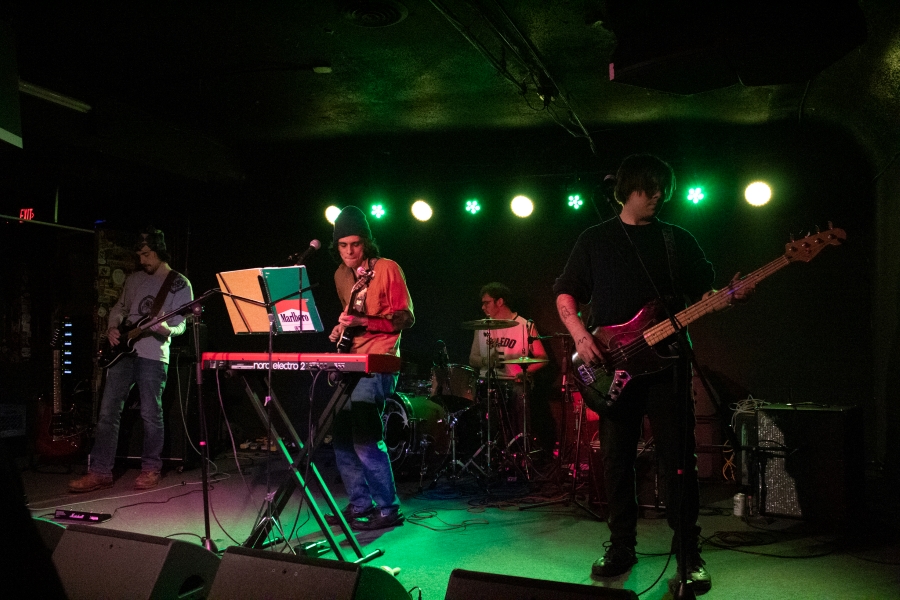
photo courtesy of Remnants
by Eric Harabadian, Contributing Blogger
Album Review of Remnants: Strange Things Change Brings
Remnants is a quartet based in Southeast Michigan that flips the concept of “alternative” right on its ear. This band brings a musicality and sophistication to the indie music scene that, in many ways, defies description. That’s not to say the members of Remnants are not effective communicators or difficult to understand. Far from it! They just bring so much to the table that when the listener takes the time and samples all from their musical buffet, one’s plate runneth over!
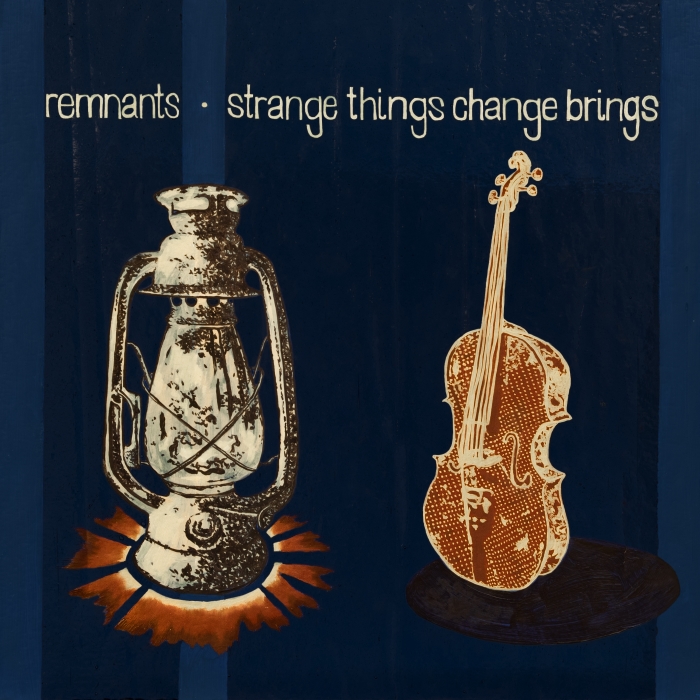
image courtesy of Remnants
Adam Quiroz, Nathan Adermatt, Jude Biggs, and Michael Ellerman II are the masterminds behind the nearly 80 minutes of audio nourishment that is before you. For those who like their rock with a little pop, folk, progressive, classical, and experimental elements, get ready for an adventurous and satisfying walk down the road less travelled.
The album opens appropriately with a track called “Intro.” It’s an instrumental piece featuring “additional musicians” that, actually, are integral to each and every track on this body of work. Violinist Colin Murphy, cellist Sara Gibson, flautist/saxophonist Paul Johannes, and percussionist Tom Arnett bring their “A” game to the overall sonic tapestry of this recording. “Intro” is cinematic, dynamic, symphonic, and has a relaxed folk feel that gently massages your senses. That’s followed by the Counting Crows-influenced “Kinda Like the World.” The track’s herky jerky rhythms matched with Murphy’s elaborate strings throughout creates an ebb and flow that is soulful and organic. “This Car’s Careening” is a mix of atmosphere and ambience. The blend of acoustic guitar and Wurlitzer-like keyboards summons a mystical and whimsical feel.
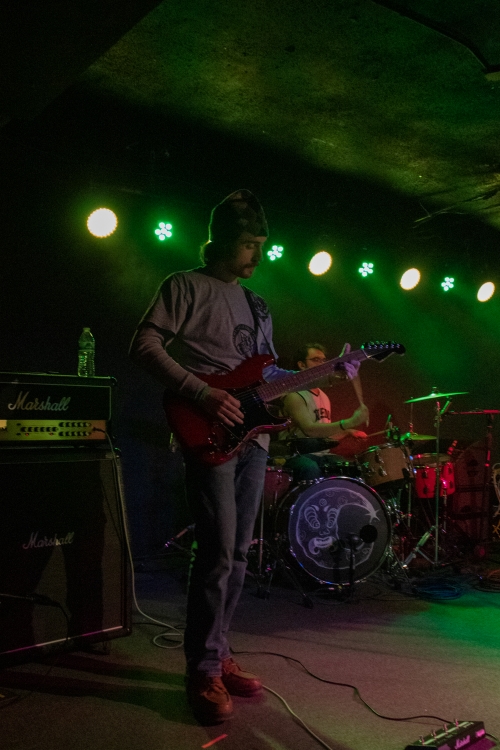
photo courtesy of Remnants
They present a somewhat poppier demeanor to the followup “Seeing’s Believing.” It spotlights strong hooks, light percussion, and a cool guitar figure that really stands out. “Burning Fire” flips the script once again, with its dreamy languid meters and odd guitar motifs. One of their signature tracks, “House Down by the Water,” keeps that progressive sensibility going, with dynamic sectional changes and a mix of dissonant and melodic sounds. “Interlude” takes a break from vocals as this instrumental piece dips into a darker tuning, almost musique concrete experimentalism. And then “Bargaining” comes right back and hits you squarely in the face, with saturated and scorching lead guitar work. Some light Manzarek-tinged keyboard textures add a tasty and unexpected touch to this track.

photo courtesy of Remnants
“The Being” features Alice in Chains-type tribal beats and complex sound design. Quiroz’s surreal vocals are an added delight. “The Road We Live On” is another live set favorite that gets an odd mix of acoustic elements and a Zappa-type feel. “Woebegone” highlights the violin and offers more of that chamber music ensemble vibe. “Let it Grow” continues in that vein and suggests the enigmatic brilliance of Jack Bruce’s solo work. “The Right Rig” is another dynamic piece that builds to an epic crescendo and finale. “Outro” appropriately takes things out as the album began, with an arrangement that is dreamy and orchestral.
Remnants are a young band that appears fully formed and seem to have found a unique voice amid a modern music sphere that is cluttered with tribute bands, copycats and wannabes. That said, this reviewer does not paint the current state of cultural affairs with a broadly negative brush, but pick up a copy or stream this band and judge for yourself. If you’re looking for a true alternative to all the pervasive noise that dominates the current narrative, look no further than these progressive musical stalwarts.

