Single Reviews: Twisted Rose – “Broken Glass” and “Coming Back”

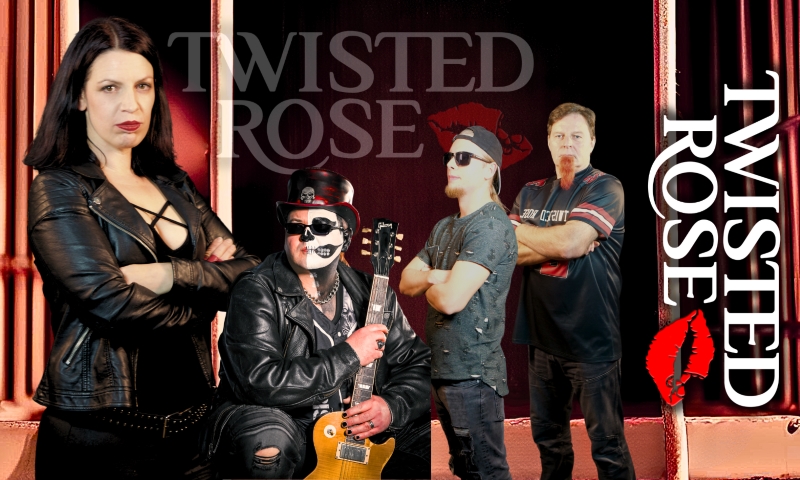
Twisted Rose band photo

photo courtesy of Twisted Rose

Single Reviews: Twisted Rose – “Broken Glass” and “Coming Back” (7Hard)

Twisted Rose has released several singles in advance of the planned February 28 release of its upcoming album Escape. Two of my favorites are “Broken Glass” and “Coming Back.”

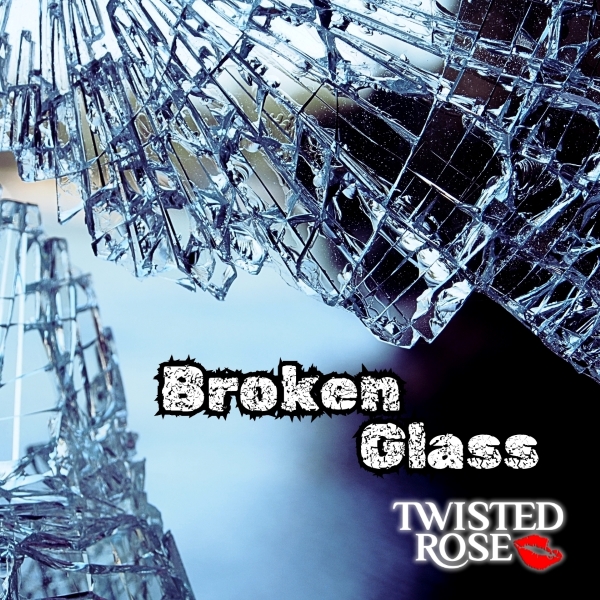
Twisted Rose – "Broken Glass" single cover

image courtesy of Twisted Rose

You may recall that I reviewed Twisted Rose’s Cherry Tales album about a year ago. I’ve been excited to hear the band’s new singles and am looking forward to hearing the upcoming full-length album.

“Broken Glass” is one of Twisted Rose’s signature relatively-fast-paced, energetic, hard rockers. It starts with a steady, plodding heavy rock rhythm, but that’s just the long intro. When the song starts its first verse, the tempo picks up, and by the time the chorus comes around, “Broken Glass” has kicked into fast-speed asskicking mode, driven by Chris Bones’ screaming axework and Caro’s classic buzzsaw hard rock vocals. Mad props, too, to a late-song bridge that brings the volume down a bit, allowing band and listeners to catch their breath before launching back into full-on power rock mode for the song’s ending.

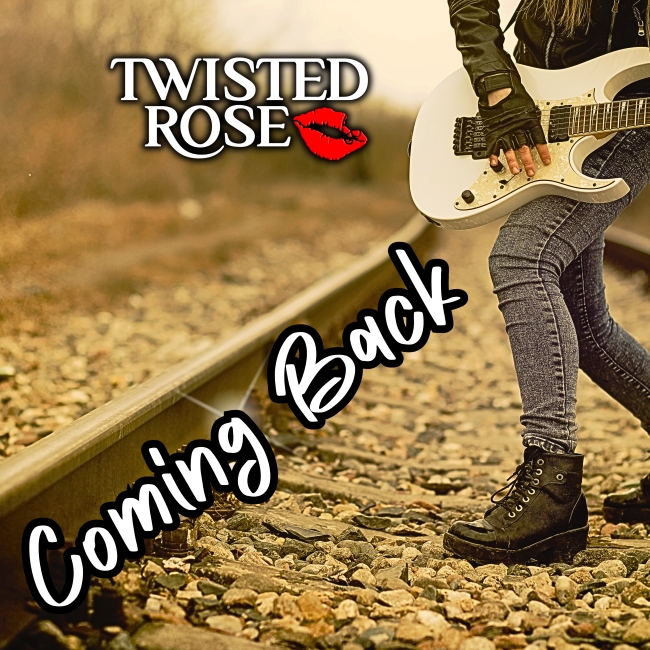
Twisted Rose – "Coming Back" single cover

image courtesy of Twisted Rose

“Coming Back,” meanwhile, is one of Twisted Rose’s signature-style ballads. The soft guitar support provides the ideal backdrop for Caro’s emotional vocals, smooth but with an edge, just as hard rock ballads’ vocals ought to be. The lyrics are emotional, and the song’s arrangement is ideal for drawing the listener in, resulting in a beautiful ballad that’ll leave a lump in your throat before the song is through as lyrics and vocals combine effectively. In the end, the lyrics conclude that “home” is a person, not a place.

Twisted Rose has released six songs on Spotify since Cherry Tales. Presumably, those will form some of what’ll be released on the Escape album in a few weeks, so you can look there for a preview. Personally, I’d suggest starting with the two songs I just reviewed – a kickass rocker and a ballad – to get your first taste of Twisted Rose’s new music.

Album Review: Emerson, Lake & Powell – Complete Collection

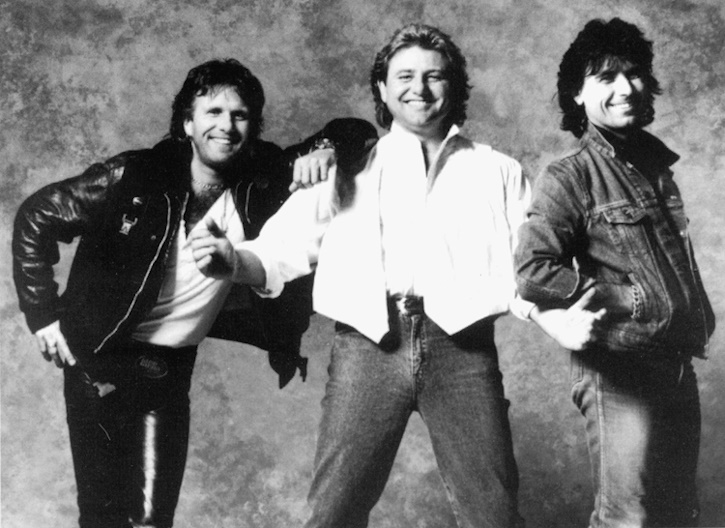
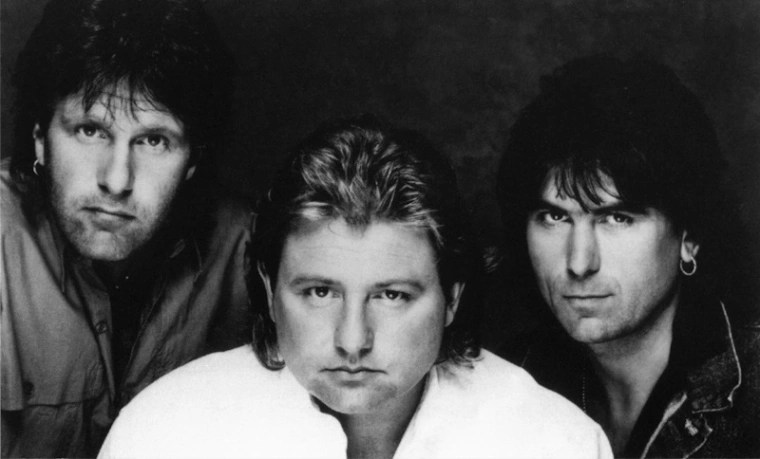
Emerson, Lake & Powell band photo

photo courtesy of Glass Onyon PR

Album Review of Emerson, Lake & Powell: Complete Collection (Cherry Red Records)

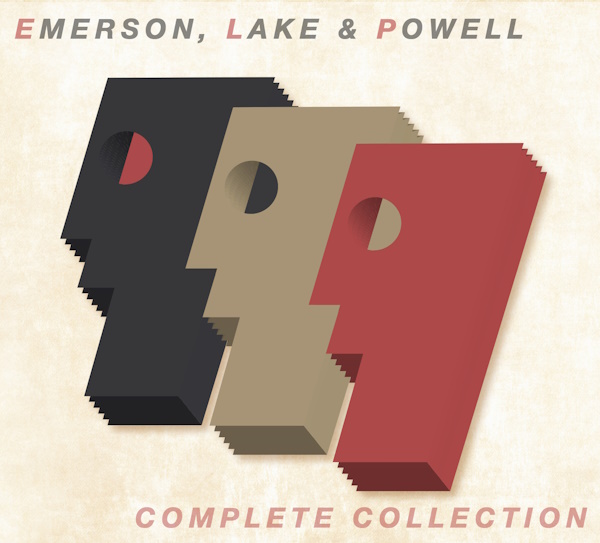
Last year, Cherry Red Records released a 3-CD box set of Emerson, Lake & Powell‘s music. 3 CDs? How is that possible when the band only released one studio album and one live album? Well, the self-titled album is disc one, featuring three bonus tracks – two B-sides and a “single edit” of “The Score.” The second CD contains The Sprocket Sessions, a live rehearsals collection heretofore only available as a bootleg, a 12-song album that features six of the songs from the debut album. The third album is the live album, Live in Concert.

Emerson, Lake & Powell – Complete Collection album cover

image courtesy of Glass Onyon PR

I know many of you will already know this, but I’ll include it for newbies to ELP. Of course, Emerson, Lake & Powell isn’t the classic line-up of ELP. That was Keith Emerson, Greg Lake, and Carl Palmer – Emerson, Lake & Palmer. The original ELP quietly broke up in 1979. In 1984, while Palmer was now a member of successful supergroup Asia, Emerson and Lake were auditioning drummers to hit the road again. They enjoyed performing with ex-Whitesnake drummer Cozy Powell. The band insists the “P” in Powell’s last name was just a coincidence, but nevertheless, it ushered in a one-studio-album version of ELP with Powell in place of Palmer.

I don’t think I ever owned any of ELP’s albums, though I was familiar with at least a couple of the songs, particularly “Touch and Go,” which received some airplay on MTV and moderate radio play; it actually hit number 60 on the Billboard Hot 100. And the Emerson, Lake & Powell version of ELP is the one that coincided with my music fandom, so this is my ELP.

My personal favorite track from the studio album, Emerson, Lake & Powell, remains “Touch and Go.” It soars with that big, open, we’re-performing-in-a-big-empty-warehouse echo that was present in many of the seventies and eighties progressive rock songs that crossed over to mainstream rock fans. It just feels expansive but also rockin’. A close second, for me, is album-opener “The Score,” which, like “Touch and Go,” features Emerson’s big, open organ-sounding keyboard sound. The original version of “The Score” clocks in at 9:10, so it makes sense there’s a “single edit.” The single edit still runs 6:11, though, so it’s still not exactly conducive to mainstream radio. (“Touch and Go,” meanwhile, clocks in at an airplay-friendly 3:39.) The whole disc is strong – it’s Emerson, Lake & Powell, after all, and these guys are legends for good reason – so your favorites may differ. Maybe you’ll like something mellower like “Step Aside,” a song that saunters along coolly and on which the keyboardwork is like a piano. The added tracks are cool, too. Notably, there’s a nifty instrumental version of “The Loco-Motion” that gets the full ELP treatment.

Emerson, Lake & Powell band photo

photo courtesy of Glass Onyon PR

Discs two and three in the box set – The Sprocket Sessions and Live in Concert – will probably be of the greatest interest to hardcore ELP fans. That is, if you don’t own the discs already. You’ll find five of the eight songs from the studio album on The Sprocket Sessions, with three of them – “Touch and Go,” “The Score,” and “Mars, the Bringer of War” – also appearing on Live in Concert.

The rest of discs two and three are primarily Emerson, Lake and Palmer songs. “Knife Edge,” “Lucky Man,” and “Pirates” are on both discs. Well, sort of. “Lucky Man” on The Sprocket Sessions is just a 48-second instrumental snippet. But “Pirates” runs 13-plus minutes on both discs, so you’re not getting shortchanged there. The Live in Concert disc closes with a medley of “Karn Evil 9 (1st Impression),” “America,” and “Rondo” that’s kicked off with the memorable ELP line “Welcome back my friends to the show that never ends.” If you’re a rock fan from that era, even if you had no idea what song (or band) it came from, you’ll still definitely remember that line. At least, that’s true for me. And yes, “America” is a musical nod to West Side Story. And thus ends the three-disc collection, quite a haul for an exceptional band of legendary musicians whose studio output was but a single album.

Album Review: The Rifters – The Enchanted World

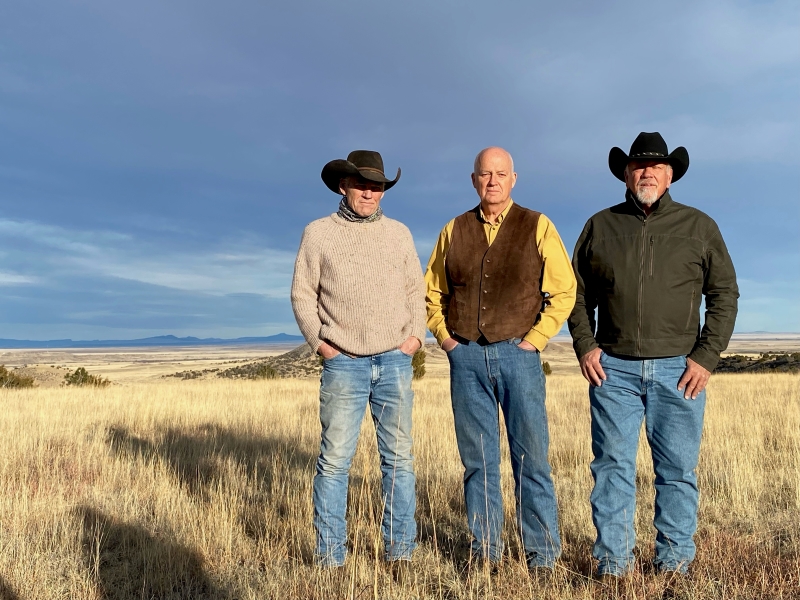
The Rifters band photo

photo by Teri McCartney; photo courtesy of Broken Jukebox Media

Album Review of The Rifters: The Enchanted World (Howlin’ Dog Records)

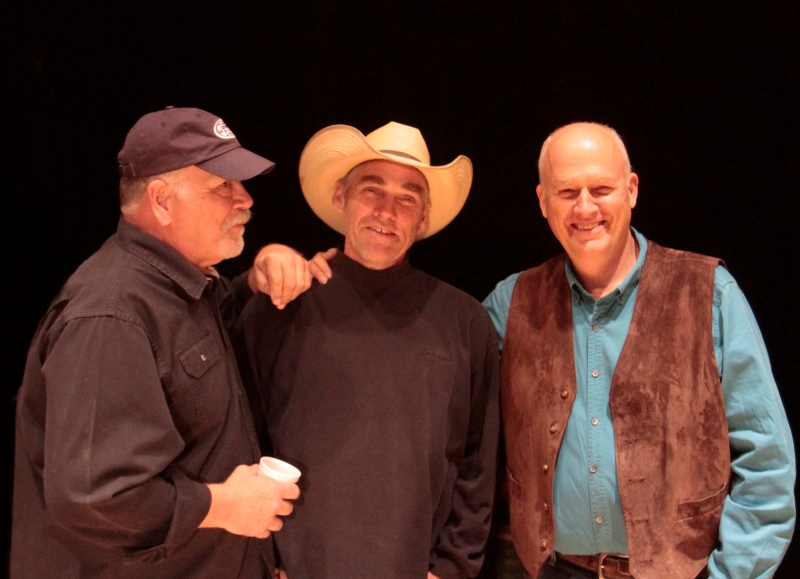
You may remember that country music was previously referred to as “country and western” music. The “and western” has been dropped from the moniker almost everywhere. But the Rifters are a reminder about that forgotten segment of the music spectrum, delivering a brand of Americana that mixes a western openness, folky songwriting, and a bit of country. If music can sound like the American southwest, then this is what that sounds like. And in case you don’t notice from the music itself, there are plenty of ranching and wide-open-spaces references in the lyrics. To me, the music seems folk-centered, so I’d probably just call it very good folk music, but my folk categorization is largely tied to the album’s song- and lyric-centric with a lot of guitar picking. However, the richer music bed and the harmonies suggest something bigger, so Americana is more likely a most representative category for this trio – Rod Taylor, Jim Bradley, and Don Richmond – and the talented musicians who joined them in the studio for a song here and there among The Enchanted World‘s fourteen tracks.

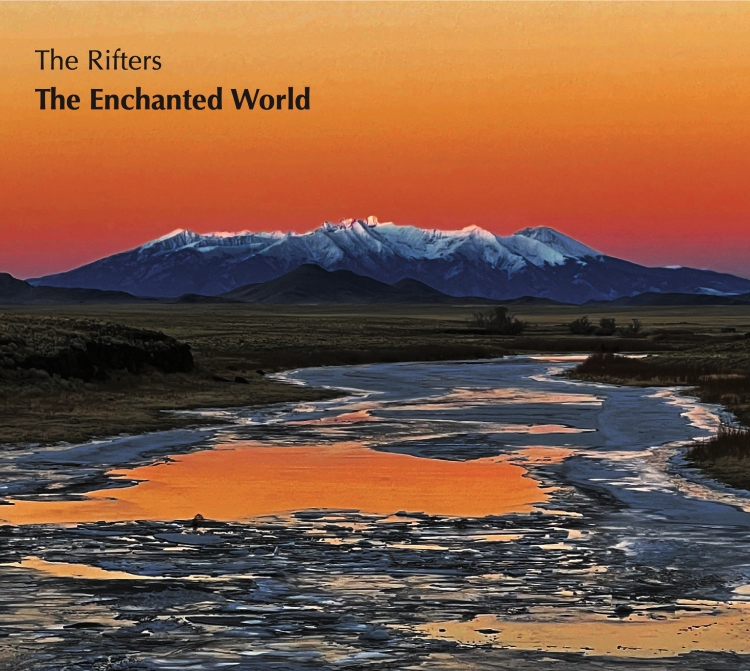
The Rifters – The Enchanted World album cover

image courtesy of Broken Jukebox Media

“The Circle,” the first song on band’s recent album, The Enchanted World, opens with some attention-grabbing finger-picking that soon progresses to an overall soaring musical style and features a matter-of-fact vocal delivery that signals authenticity. And, with that, this particular, pleasant musical journey with The Rifters has begun.

“The Greatest Mystery,” next, is another standout slower number; then the tempo picks up a little on the third song, the title track.

“The Perfect Dance” is a nifty banjo-pickin’ country dancehall number strung together with clever phrasing in both the lyrics and the music.

“It’s Cause You Lived” follows, an ode to aging with a very soft seventies pop-country styled soundbed. It’s followed by a more uptempo “At the Foot of the Mountain,” a song that makes me think a little of John Denver’s “Country Roads,” with smooth vocals but supporting instrumentation that’s bit more rustic and elicits mental imagery more befitting of an episode of The Waltons.

The Rifters band photo

photo by Jim Cox; photo courtesy of Broken Jukebox Media

“The Dollar Worth of Mother Earth” follows, earnestly and tunefully calling for humans to take better care of nature. Indeed, there’s nothing more “western” than a cultural connection to the land, caring about leaving nature unspoiled, taking care of the earth, taking our stewardship of mother earth seriously. In this case, the song is, lyrically, a bit of an apology from a generation that created this mess to those that follow, urging action.

I like that such a heavy song is followed by the playful “Tres Peis,” cheerfully honoring a friend’s joyful three-legged dog, before the Rifters slow things down with “The Wonder of You,” a song whose musical arrangement and performance make it seem like something you’d slow dance to during a barn dance.

Next up is one of my favorite songs on the disc, surprisingly one of the few this trio didn’t pen themselves, a cover of “Nothing is Free,” originally written and recorded by Moors & McCumber.  The Rifters’ performance is something special, with prominent string bass and fiddle parts providing the ideal soundbed for Rod’s vocal delivery.

The Rifters band photo

photo by Teri McCartney; photo courtesy of Broken Jukebox Media

“That Lucky Old Sun,” a 1949 number one hit for Frankie Lane, is delivered by the Rifters as an engaging pretty-slow song performed with an old-fashioned, stripped-down delivery.

“So Many Different Things” is sneaky brilliant, as it reveals over a few very careful listens. It has a more uptempo delivery again, an uplift from the prior track; it doesn’t quite have the energy of “Nothing is Free” but is still one of the more moderately energetic songs in the collection. The vocals are simultaneously light and earnest. The violin also touches upon playfulness but with a tone that isn’t convincingly cheerful. In the end, the song musically portrays exceptionally well the weight of the world while still being hopeful and perhaps a bit defiant.

The Rifters live performance photo

photo by Dave Hensley; photo courtesy of Broken Jukebox Media

“At the Rail,” next, is more unapologetically dark. Rod’s deep vocals are so deep and booming they’re nearly Johnny Cash-esque. The instrumentation is relatively simple – acoustic guitar, bass, and accordion – and the musical arrangement is sparse, with the instruments providing just the necessary support for the vocals.

The Rifters close The Enchanted World with a fun rendition of “Gentle on My Mind.” I’m most familiar with the Glen Campbell version. Of course, it was originally written and performed, with success, by John Hartford. The most recent band to find success with “Gentle on My Mind” was the Band Perry just a few years ago. Well, the Rifters’ outstanding rendition, with the assistance of Pete Wernick’s energetic banjo playing, sounds like a concert-ending song – or perhaps a bar-closing number – sending you home with a smile. You don’t have to go home, but you can’t stay here. However, since this is an album, you can go back to song number one and play it again.

Album Review: Chris Wragg and Greg Copeland – The Last Sundown

photo courtesy of Chris Wragg

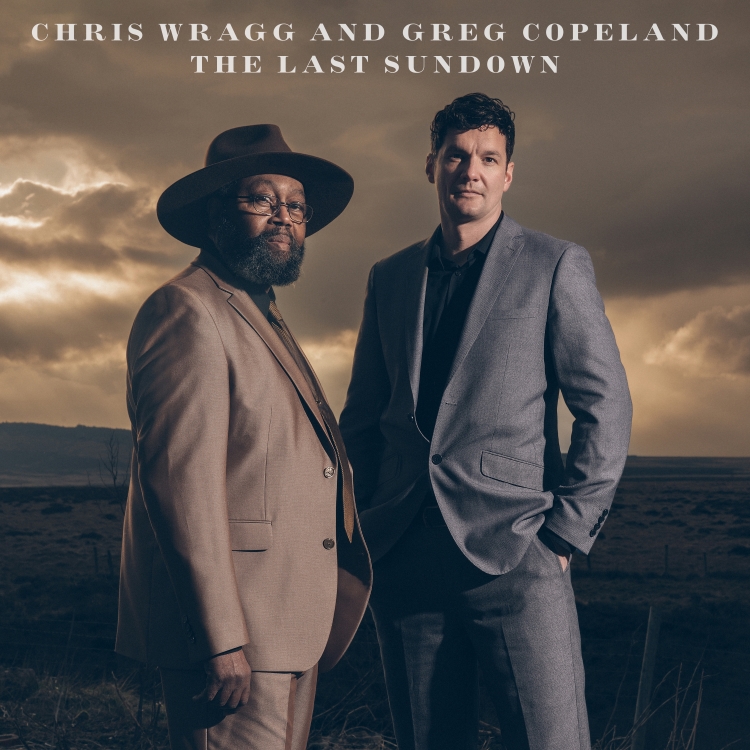
Album Review of Chris Wragg and Greg Copeland: The Last Sundown

Greg Copeland’s deep, hoarse-yet-smooth, rough-hewn vocals and Chris Wragg’s guitarwork, which is at times deft and at other times emits a soulful wail, are about as blues as it gets. The Last Sundown, the second full-length album from Chris Wragg and Greg Copeland, is a deep and powerful release, covering a broad swath of blues ground across its 14 tracks, which run the gamut of blues tempos and delivery styles.

The album kicks off with a blues wailer, a cover of Louisiana Red’s “Alabama Train,” a track you’ll enjoy almost immediately and one of just two covers on the album. Chris and Greg follow it with a slower number, “Can’t Shake These Blues,” an earnest but smooth song that will soon have you singing along with “I’ve been misused, and I’ve been abused, but I just can’t shake these blues.”

image courtesy of Chris Wragg

“Don’t Let the Devil Ride” is probably the funniest song on the album. The oft-covered Oris Mays track is absolutely done justice by Chris and Greg, from Chris’ riffs ranging from jagged to rip-roaring and Greg’s vocals primarily earnest but also acknowledging the lyrics’ silliness with his vocal inflection in the spoken word portion.

Before and after that fun number are a pair of songs that delve into shameful times in American history. “1964” is a soulful civil rights song on which Chris’ unnerving, dancing guitar line and the nuances of the song’s mix combine well with Greg’s heavy, rough-edged vocals, with spoken words “We got to love each other, y’all” near the end of the song providing the forward-looking words to live by. Meanwhile, “The Last Sundown” is told from the point of view of the great great great great grandson of a slaveowner and a slave talking to the slaveowner on the last night of his life, via emotional lyrics that include his closing words, “As I look so deep into your eyes, I get the chance to see just how a coward dies.” The tempo and the guitar riffs add to the power of the vocals and lyrics. The song’s closing lyrics are an indictment on just how little things have progressed since then: “I guess the only thing that changes in America is the weather.”

photo courtesy of Chris Wragg

“House Burned Down” takes on the task of following that powerhouse, and its softly sung and sparsely instrumented arrangement meets that task with aplomb. “Losing Hand,” next, is kind of a slow-rocking blues number with a nifty guitar hook, a probably crowd-pleasing “say yeah” lyric, and an always enjoyable rhythm – one of those songs you’ll turn up the volume to whenever you hear it.

“When the Cold Winds Blow” is perhaps the best slow-tempo song on the disc, with a slowly-plodding rhythm propelling the song forward. Meanwhile, “Miss Ruby” and “Just a Man” offer some mid-tempo enjoyment with varying soundbeds – “Miss Ruby” more booming, “Just a Man” more of a jazzy blues groove.

“After the Sun Goes Down” warrants mention, with a guitar line that’s almost a blues-based classic rocker before the album closes with one final slow, dark, and weighty number, “Gonna Be With My Maker.”

Beginning to end, The Last Sundown is a powerful album, impeccably performed and memorable. If you’re a blues fan, it’s an absolute must-hear.

EP Review: Robotic Hawks – All Business

photo by Kelly Davidson Studio; photo courtesy of Knyvet

EP Review of Robotic Hawks: All Business

Robotic Hawks are a catchy, old-school, pop-friendly, jangly guitar rock outfit from New Hampshire. They were winners of the “Rising Star: New Hampshire” award at the 2023 New England Music Awards. I checked my notes from my personal ballot – you know, the one I shared my snarky notes from in this Facebook post – and it turns out I really dug these guys’ music when I first heard it, while researching my votes for the 2023 ballot. In any case, swamped as I was (and always am) and knowing I had a huge review backlog, I didn’t reach out to Robotic Hawks at the time to ask for a review. Fortunately, their EP landed in my inbox anyway.

This 4-song EP, All Business, is, indeed, all business. Assuming, of course, you’re talking about the business of energetically fun alt/pop rock. Ahh, you know what I mean.

image courtesy of Knyvet

High-energy opener “High Maintenance” is my favorite on the EP. It has an alt-rock energy but still kind of a classic rock vibe. There’s a guitar sound in the song that reminds me a little of Green Day, but the track has more of a garage rock – catchy, hooky, in-tune garage rock, mind you – overall feel.

“Cab Ride” is just as energetic except for a couple bridges where the music slows before re-engaging, plus the buzzy guitar has more of an R.E.M.-ish, ’80s/’90s mainstream college rock vibe.

“Further” is a raucous rocker, as if the Robotic Hawks crossed the B-52s with the The Clash, added more tuneful but still edgy vocals, slowed the song down just a little, and gave it a funky rhythm.

The booming, echoing guitar strum found frequently on this EP also plays a prominent role in the final song of the collection, a hard-rockin’ version of Terence Trent D’Arby’s “Wishing Well.” This track shows a versatility the earlier tunes hint at and some playfulness in the instrumentation, but at no time is the band’s kickassingness compromised. Rather, this reimagining of such a well-known song just solidifies Robotic Hawks’ street cred.

I’d like to thank Robotic Hawks for delivering a wicked rockin’ EP that’s hard to describe, but hopefully I’ve done the songs justice in the above text. The tl;dr for this EP would be: Robotic Hawks’ All Business EP is energetic, fun, and catchy. Hear for yourself!

Single Review: Hairpin – “Coyote”

Single Review of Hairpin: “Coyote”

NYC-based indie rockers Hairpin have released an infectious, hooky, jangly rock earworm in “Coyote,” with frantic-yet-smoothly-delivered vocals that sit atop an soundbed that moves steadily, relentlessly forward. Distorted, echoey guitarwork adds a cool dive-bar flavor infusion throughout, including what can best be described as a buzzy guitar solo during both a mid-song bridge and the late-song chaotic outro, which includes some serious drum-bashing, as well. The surf guitar-inspired intro – a rhythm that carries on more or less throughout the song – adds another layer to the music, most likely the secret hook that makes “Coyote” so infectious.

Throughout, aside from the dissonance of the distorted guitar work that dashes in and out of the song, much of this song’s style revolves around a sort of floating pop-rock vibe reminiscent of The Palms’ single “Ready or Not” that I reviewed last year. You know, probably not a bad “next” tune for your playlist if you’re looking for something to play back-to-back with “Coyote.”

In any case, this is a very cool song. If you’re a listener of garage rock, alt-rock, college rock, or really any kind of rock ‘n roll song with a catchy hook, you’ll dig Hairpin’s “Coyote.”

Album Review: Namedroppers – Starshine

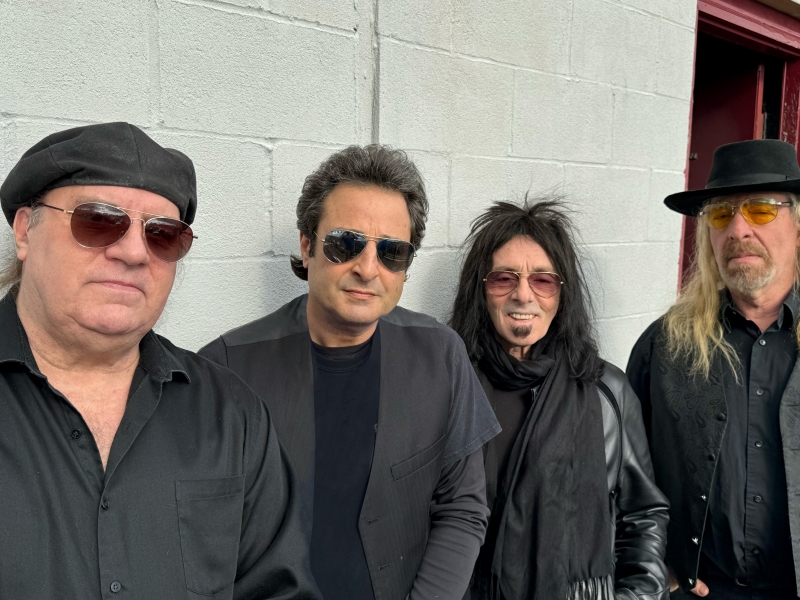
Namedroppers band photo

photo courtesy of the Namedroppers

Album Review of Namedroppers: Starshine

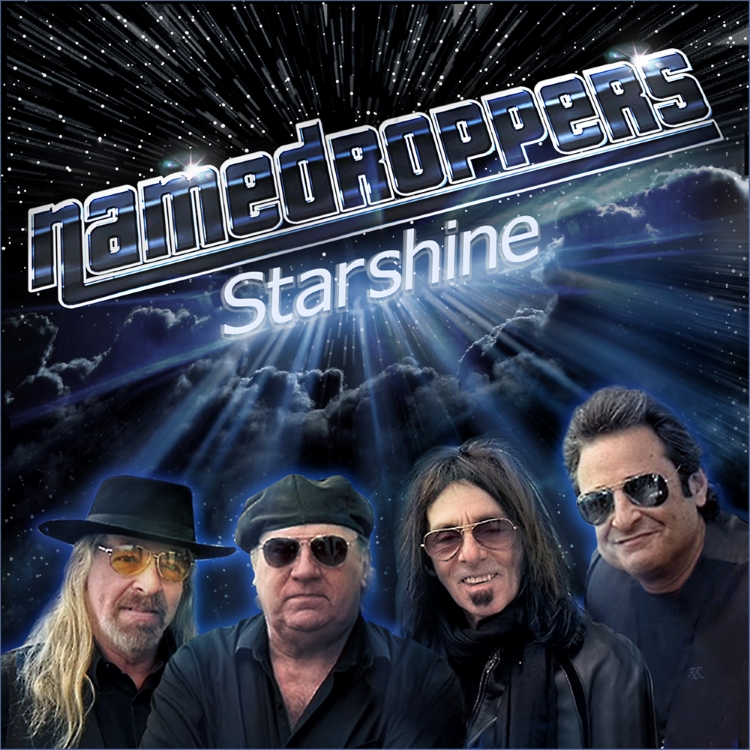
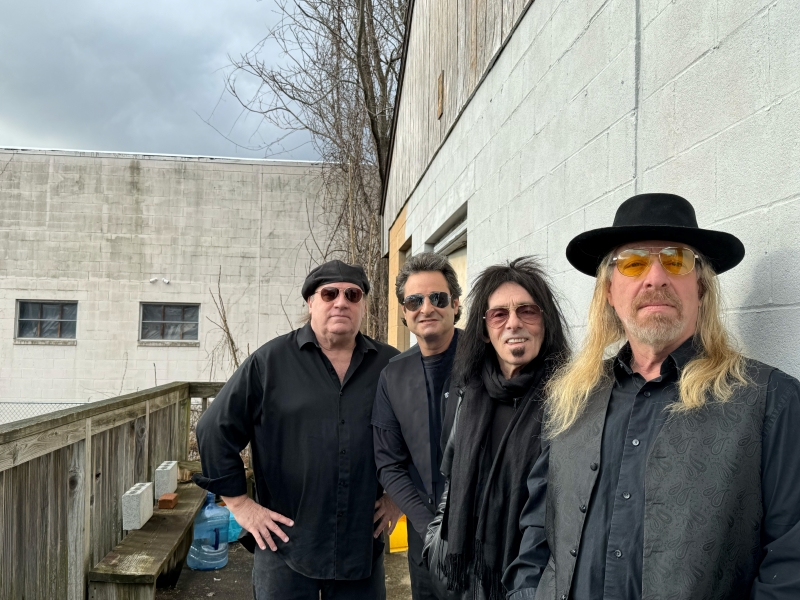
The Namedroppers – Bobby T Torello (drums), Scott Spray (bass), Ron Rifkin (piano/organ), and Rafe Klein (guitar) – were named Blues Act of the Year by the 2023 New England Music Awards. They followed that in 2024 by releasing this disc, Starshine, containing ten songs ranging from rockin’ blues and bluesy rock to soaring soulful blues.

They kick things off with kind of a combination of those styles on the title track, a mid-tempo number featuring spoken-sung lead vocals from Rafe Klein with a chorus of background vocals from Ron and Bobby and, most notably, the soulful, standout supporting vox of guest vocalist Simone Brown.

Namedroppers – Starshine album cover

image courtesy of the Namedroppers

That’s followed by “Sweet Little Angel,” one of the two covers on the album, an exceptional rendition of the B.B. King classic that’s carried by engaging guitarwork but really driven home by its fun, tuneful, slightly growling lead vocal.

“Whiskey” is one of two songs on the disc featuring Bobby T on lead vocals, his grizzled voice providing a rough, in-character delivery.  Bobby T also lends his voice to the song “Rotten Person,” a hilarious, um… could it be considered a curse? On it, you’ll particularly dig the lyric “You’re a rotten person, you deserve desertion, and I really hope you end up alone.” I think we all know someone deserving of that particular curse.

The only other song featuring someone other than Rafe Klein on lead vocals is the band’s cover of “I Want to Hold Your Hand,” with Ron Rifkin handling the mic duties. The song has been so bluesified in this arrangement, with keyboard flourishes and a tunefully anguished, pleading vocal, that you almost don’t readily identify the original. And that, my friends, is how you perform a cover song.

Namedroppers band photo

photo courtesy of the Namedroppers

Probably the song with the biggest crossover, multi-audience hit potential on this disc is “Shades of Blue,” a song with a gentle, sneakily hooky guitar line that supports Rafe’s heartfelt vocals, with guest vocalist support from Carole Sylvan, who you’ll remember from a review of her album Love here at the Blog a little more than a year ago.

There’s a little two-song run in the middle of the album that I refer to as the disc’s “death section.” It’s comprised of a couple of lighthearted songs about passing away (or, rather, having passed away), “I Died You Cried” and “Can’t Take It With You.”

The only songs I haven’t yet mentioned are Starshine‘s final two tracks. “Red Sea Blues” is a heavy blues protestation/proclamation, while “Joy, Pain, Sky,” helped along by prominent guest vocals from Simone Brown, ends the album with a bit of joyfulness, which in the blues can’t come without some pain.

Starshine is a fun listen beginning to end (and on repeat), covering a lot of blues real estate, featuring a talented group of musicians with rather impressive bios. But hey, you can read about their pasts for yourself on the band’s website, because at the end of the day, it’s all about how those backgrounds come together to create the exceptional music on this disc; if you’re a blues fan, you’ll enjoy this record.

EP Review: MORRR – Marrow Weavers

MORRR – Marrow Weavers cover art

image courtesy of Unsung Hunger PR

EP Review of MORRR: Marrow Weavers (MFZ Records)

Italian artist MORRR, a musical identity of Dario Gatto, delivers a cool collection of dark, haunting music on Marrow Weavers. This album, originally released in 2022, was re-released in 2023 by MFZ Records, with the addition of a remixed version of its final track, “Tantalo,” by NTS Radio DJ Francesco Fusaro (aka Froz), one of MFZ Records’ co-founders.

Marrow Weavers is a collection of slow, haunting, dark music. It’s frequently depressively, hauntingly flowing but also mixes in some white noise-ish distortion to alter the power dynamic within the songs, creating MORRR’s uniquely original sound. This EP provides an encompassing experience that’s hard to convey in words, though I’ll try. Rest assured, it’s a powerful – but oddly coolly relaxing, given its darkness – listen.

“Riptide” is an edgy, yet slow-tempoed, opening track. It flows into the softer “Waking Up,” which begins mellow and, by slowly adding new instrumentation… well, wakes up, I suppose.

“These Wide Eyes” is a bit of a placeholder song, not so much as part of the EP but, rather, the em0otional mood it conveys is akin to the version of the smiley face emoji with a straight-line for a mouth. In the beginning and throughout most of the song, the mood and tempo are a slow, eerie creep with simple instrumentation before ending with a lot of buzz and activity; even then, the track never losing a feeling of emotional ambivalence.

Finally, the EP closes with two versions of “Tantalo.” Both versions feature the distorted, plodding twang that, for me, is the memorably signature sound of this EP. The original “Tantalo” would have been a fine enough sendoff into the ether, providing a cohesive ending to Marrow Weavers. However, on “Tantalo (Froz Chopped & Hopped Remix),” Froz adds in some more complex, layered sounds and a vibe that causes me to prefer the remix just slightly over the original. (Sometimes, collaboration makes things better!)

In any case, as a whole, complete listen, this is a cool five-song EP that allows the listener to pleasantly experience some dark moods. A couple of the “tags” at the end of this EP’s Bandcamp page that sum up the sound perhaps better than any new label I could come up with are “dreamwave” and “indietronica.” But really, it’s just a stylistically different example of the kind of cool, well-conceived, very original music I enjoy. Maybe you will, too.

Album Review: Mike Ward: Psychosongs – Love Never Rests

photo by Angie Ward; photo courtesy of Mike Ward

Album Review of Mike Ward: Psychosongs – Love Never Rests

Detroit-based, award-winning folk artist Mike Ward has delivered an everyman, heart-touching masterpiece with Love Never Rests. I’ve written before about how my inbox is overflooded with folk music, so I only write about those whose songwriting and delivery are impeccable, and even then only those few whose music really connects with me. And yeah, I get so much folk music, not even all of those. (But thanks to all for sending your music for review consideration. Even though I can’t review a majority of what I receive, I appreciate it.) But that’s not why you’re reading, so I’ll get back to the review…

image courtesy of Mike Ward

Mike has a roughness in his vocals that combine well with his matter-of-fact delivery, lending authenticity to his relatable, observational, slice-of-life lyrics. As for the Mike Ward: Psychosongs monitor, the “psycho” part is supposedly a reference to a nickname Mike earned playing hockey. (For me, being a hockey player makes him all that much more relatable. But it doesn’t really play a role in his music on this record, other than in a single line of “Compact Life.”)

Mike has a few different female backing vocalists on several songs throughout the album. On those songs, the intermingling of the vocals is often emotionally engaging and take those tunes to the next level. I noticed this particularly on “The Currency of Forgiveness” and “There I Was,” which are both very powerful songs that would be significantly less effective with just Mike’s single, though very compelling, vocal.

photo by Scott Kraus; photo courtesy of Mike Ward

Mike’s songs are relatable, as in “I Follow,” which features several lines you’ll smile and chuckle to in recognition of your own life or, at least, something you might have thought or felt while growing up. “Lost Love Letters” strikes up a bit of nostalgia, though in this song it’s an ode to memories sung from a third-person perspective. And the disc’s closing song, “Sunday Morning,” credited as a poem by Marjorie Ward (as opposed to the rest of the songs, that are entirely Mike Ward-penned), paints a richly-painted, detailed picture of everyday, familial Sunday mornings that might be familiar to many listeners. Meanwhile, “This Old Life Goes” is a song about aging, thinking about mortality and the meaning of life, seemingly spurred by running into a friend whose mind is beginning to fail, sung pleasantly and matter-of-factly – you know, like you’d expect from a top-shelf folk song. “Smile,” too, is another pleasant little ditty about aging, though it’s actually more about loss and remembering times from the past, family, and the relentless progression of time.

photo by Danny Ward; photo courtesy of Mike Ward

The entire album is exceptionally well-conceived and executed. Personally, some of my favorite songs – not noticeably better than the other tracks, just favorites because they connect with me – are “The Currency of Foregivness,” an upbeat song about love and commitment, “There I Was,” a song I enjoy in part because of the movement in the tempo and the fun lyric “Seems like I’ve living on the wrong side of nowhere,” even if I don’t relate to the vagabond life, “Compact Life,” a clever ode devoted primarily to embracing a life less complicated, and the heavier-feeling – both in lyric and in the power of the orchestration – “Something Anything,” which opens with the line “I’m looking for something positive today.”

As a whole, Love Never Rests is an exceptionally well-produced, written, and performed folk album. If you’re a fan of that genre or of singer-songwriters or well-written songs, then you ought to give it a listen.

More Recently

Love Never Rests is no longer Mike Ward’s most recent release. If you like what you hear here – or even if you don’t, I suppose – you can check out Mike’s August 2024 release Still Troubled, too.

Looking Ahead

Check the “Live” page of Mike’s website for performance dates. He currently lists a few performance that stretch from southeastern Michigan to southwestern Michigan. Despite his “psycho” nickname, though, I’m pretty sure Mike’s allowed to leave the state, so be sure to check periodically to see if and when he’ll be near you, even if you don’t live in the Great Lakes State.

Single Reviews: Orianthi – “First Time Blues” feat. Joe Bonamassa and “Some Kind of Feeling”

image courtesy of Frank Roszak Promotions

Single Reviews of Orianthi: “First Time Blues” feat. Joe Bonamassa and “Some Kind of Feeling” (Woodward Avenue Records)

You may know Orianthi best as Alice Cooper’s guitarist from 2011 to 2014 (at least, I did), before she resigned and was replaced by Nina Strauss. Or you may know her for her collaborations, performances, and tours with any number of other A-listers, an extensive list that includes Carrie Underwood, Richie Sambora, Dave Stewart, Michael Bolton, and many others. And, obviously, Joe Bonamassa. Or perhaps you know her from her solo career. Whether you know her already or not, you should. So read on (and then check out these songs).

photo courtesy of Frank Roszak Promotions

In February 2024, Orianthi released “First Time Blues,” and it’s infectiously cool, likely to quickly become one of your favorite songs, delivering a powerful, sidewinding blues rock guitar punch. Orianthi’s vocals match the power of the axework, too, while the beat is heavy and prominent, at least to the extent possible behind the varied, fully-engaging guitarwork.

“Some Kind of Feeling” is a bit of a cooler number, showing some of Orianthi’s range, as it is a slower-paced, funky-bluesy number. This song, likely, will appeal to a broader audience. It’s still cool enough for guitar fans, but it’s really more of a power pop-rocker and sports the sorts of sentiments expressed by lyrics like “baby, you give me some kind of feeling,” song topics that are of interest to a more mainstream audience than the concept of gettin’ the blues.

Combined, these two singles are songs you oughta hear. You’ll have a favorite, just like I do, but you’ll probably dig ’em both… just like I do.

image courtesy of Frank Roszak Promotions

Looking Ahead

Alice Cooper fans will get a chance to see Orianthi back in the band for a few weeks, as she’ll be filling in for Nita Strauss in Alice’s band for his January 31-February 16 gigs in Georgia, North Carolina, Alabama, and Florida.

According to the “tour” page on Orianthi’s website, her current Australian tour ends on January 12th. Her website also lists a couple Oakland, California gigs in mid-April, a European tour in July, and an Illinois gig in October. I’m sure she’ll be adding more concerts this year, so you’ll want to check her website for new dates as they’re added.