EP Review: Alchemilla – The Divide

Alchemilla

photo by Joshua Pickering; photo courtesy of Alchemilla

Alchemilla – The Divide

The Backstory

Alchemilla is one of my favorite local bands, and I still haven’t made it out to a live gig yet. Their time slots are just too plum, I suppose. They play late sets in close to Boston, while I tend to prefer early sets in the outer western suburbs. One of these days I’ll make the trek, but the stars have not yet aligned, so I’ve just been enjoying the band’s recorded music.

EP Review of Alchemilla: The Divide

Wall-of-sound hard rock with melodic undertones. That’s Alchemilla. Heavy music that screams hard rock credibility, so you start listening to the music for its “sound,” but with songs whose earworm qualities slowly reveal themselves so you eventually rave about the band’s tunefulness. And, indeed, the group’s newest release, its The Divide EP, is a solid continuation of its previous release, the Hearts EP I reviewed in the Blog more than a year ago.
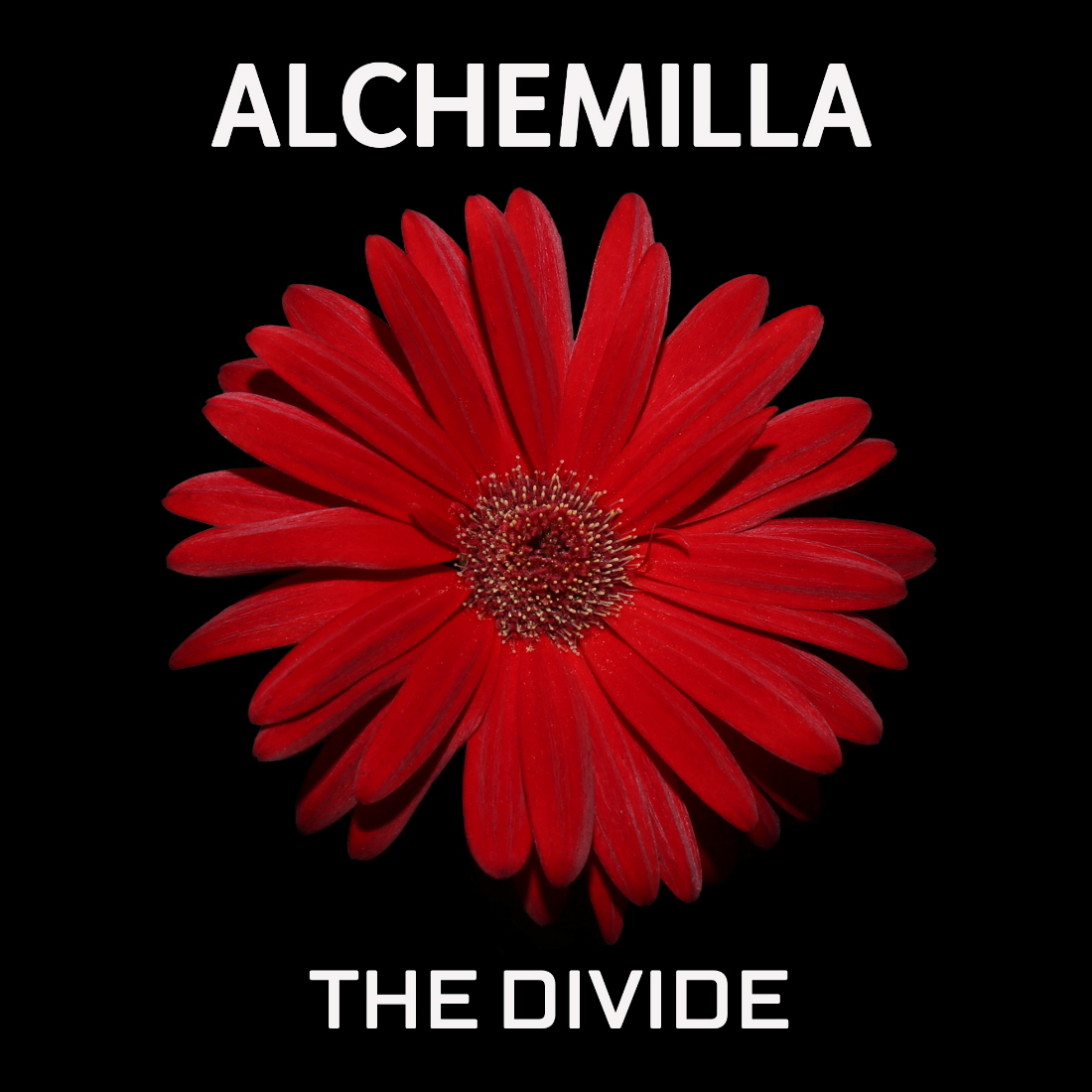
Alchemilla - The Divide

image courtesy of Alchemilla

By comparison to the overwhelming heaviness of Hearts, The Divide is perhaps a smidgen lighter, though you’d never guess if this was your first exposure. The music will still melt your face, but there’s possibly a bit more open space in the sound wall, a slight sound evolution that gives the new music a little freshness. It’s a great record-to-record progression, similar enough to leave longtime Alchemilla fans thrilled, but just different enough to provide a fresh, unique collection of songs that occupy their own space in the band’s timeline; it’s the sort of progression one would hope for from a favorite heavy rock band.

“Fatal” kicks things off with crunchy hard rock guitar and enough space for Kat Bondi’s tuneful vocal roar to be noticed between the instruments, announcing (with authority) the greater presence of classic rock spices in the band’s trademark wall-of-sound stew this go-round.
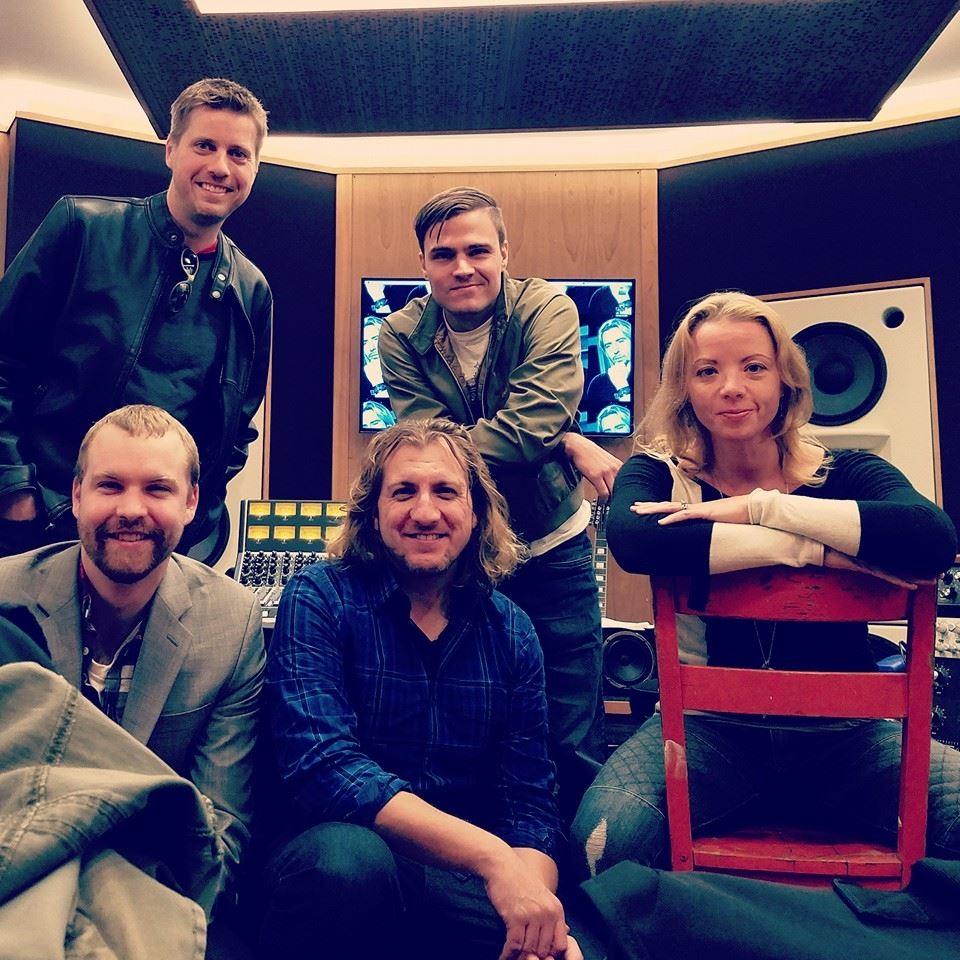
Alchemilla

photo by Alchemilla; photo courtesy of Alchemilla

Not that Alchemilla’s forceful drumming can be ignored, as it steps up to drive the tempo even harder on the next track “Big Star,” combining with a crunchier guitar sound to crank up the volume a bit.

Energetic tunefulness comes next, as “Pass Blind” introduces itself as Alchemilla’s crank-it-while-driving-on-the-open-road number. Just when it seems the song won’t leave time to breathe, though, it unveils an almost ’70s black-lit-room softly heavy, well-placed guitar bridge that carries the tune most of the way to its conclusion before briefly regaining its faster tempo. It goes together well but still surprises me a little with each listen; though it makes sense as it’s happening, in my memory it almost feels like two songs.
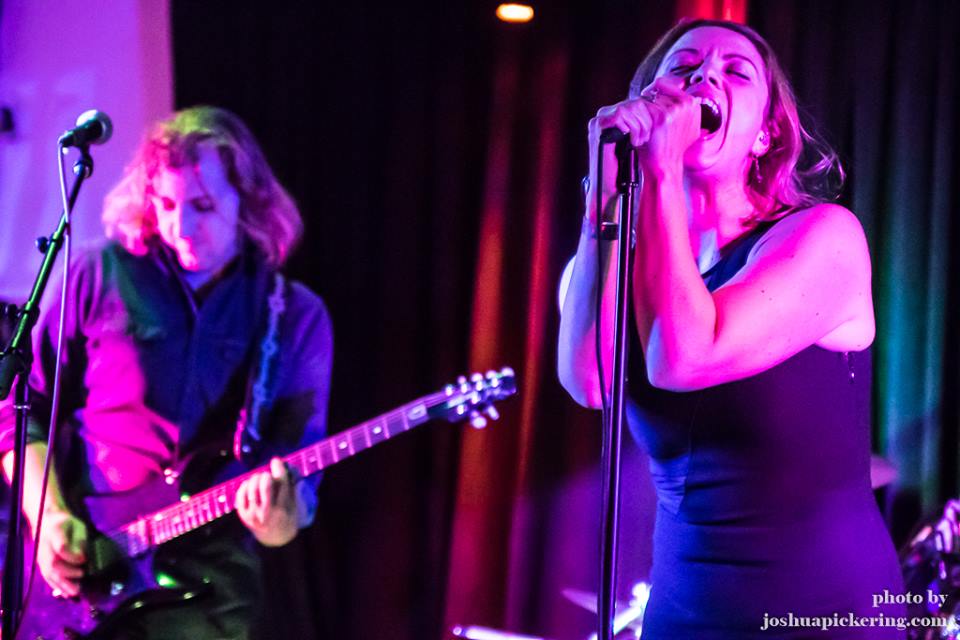
Alchemilla

photo by Joshua Pickering; photo courtesy of Alchemilla

Then, ah, here comes the tempo respite. Title track “The Divide” plods along, its pace a bit more reminiscent of many songs on Hearts, providing continuity to Alchemilla’s musical journey. Tunefully plodding, with its vocal roar and psychedelic classic rock-flavored bridge. In the end, it’s one of my favorite songs on this disc, though depending on my mood, my top choice can be any of the six. Back to “The Divide,” though, there’s enough space and a relaxed enough tempo (finally) to allow the listener the think and appreciate… not just this song, but the EP so far.

The softer side of Alchemilla continues to rule the record a bit longer, with the almost psychedelically heavily mellow “Flooded Lands,” offering a vegetative respite enveloped by sound, perhaps lounging on a bean bag chair in front of a lava lamp and black light Zeppelin and Rush posters, before the collection closes again with another energetic rocker, “Got to Choose.” The album-ender slyly tricks the listener with a mellow enough opening, almost flowing from the previous track, before cranking up the tempo a little more than a minute in. By the end of the song, “Got to Choose” is almost frenetic. Fully awake and alert, it leaves the listener ready to start the journey over again.

In the end, hard-rockin’ or mellow, Alchemilla’s music is listenable, tuneful, heavy rock that only improves with multiple listens. And, indeed, encourages multiple listens. Compared to Hearts, The Divide is another helping of the same delicious rock ‘n roll steak, perhaps with a few different spices.

Looking Ahead

I don’t see anything on Alchemilla’s concert calendar right now, but you can bet I’ll be watching for a show I can get to. (And you’ll know when I do… because you’ll see the review.)
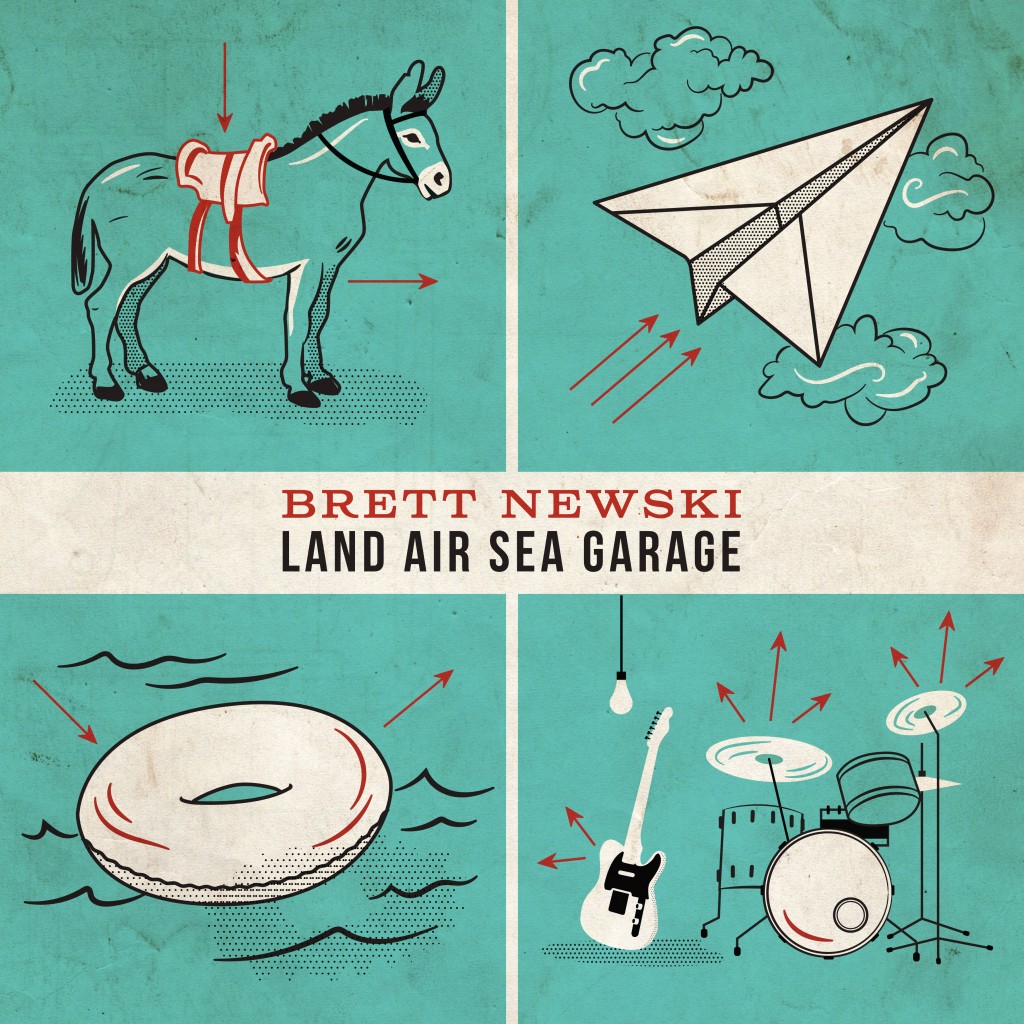
Album Review: Brett Newski – Land Air Sea Garage

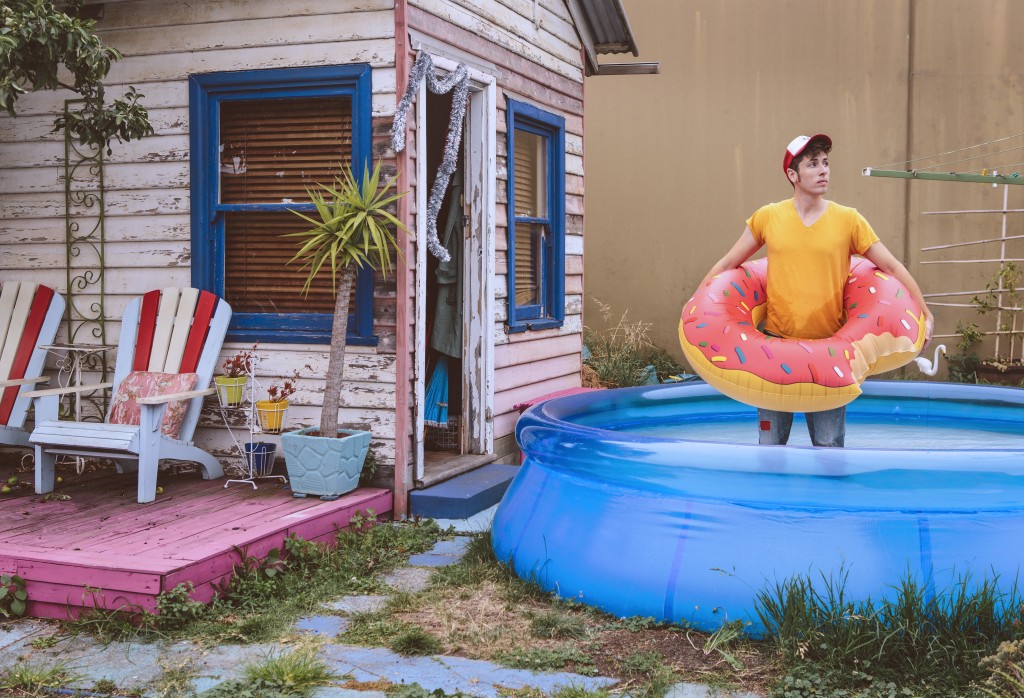
Brett Newski

photo by Emma McEvoy; photo courtesy of Reybee, Inc.

Album Review of Brett Newski: Land Air Sea Garage

Brett Newski‘s music combines ’90s/’00s pop-rock singing and songwriting, a punk attitude, and a coffeehouse delivery style to form a catchy, engaging, understated-yet-rich sound that would comfortably fill an auditorium. He’s simultaneously unique and familiar. Think Matchbox 20’s songwriting with Green Day’s attitude and a hint of a nod to Wally Pleasant’s offbeat delivery, perhaps a little more oddly unique than Barenaked Ladies. And damn, the songs on Land Air Sea Garage are catchy.

There is a great deal of detail in Brett’s songwriting, and if you pay attention to lyrics on this disc you’ll learn the following three things, and probably more, from his songs: 1) There must be at least two Mollies; 2) Girls with purple hair are the arbiters of who is and isn’t cool; and 3) “Post-normal” is a fun self-descriptor, and we should really all consider using that phrase more often.

Brett Newski - Land Air Sea Garage

image courtesy of Reybee, Inc.

The most surprising thing about the song production on Land Sea Air Garage may be how Brett’s able to maintain the purity-of-rawness of his stripped-down music while recording it with such lush, rich, room-filling sound.

The album opens with a raw-alt-folky-rock explosion via the energetic mid-tempo “Garage.” That’s followed by a jog to the mildly hauntingly eerie “Stranger,” suggesting a little Americana influence, mostly by way of a surf guitar-esque edge in spots, at least to the degree someone like Chris Isaak might mix that with alt-pop-rock.

Indeed, Brett maintains his central musical persona throughout the album, with various external influences making cameos, resulting in a cohesive, complete disc with more than enough variance from song-to-song to keep it interesting across dozens of listens.

The most noticeable song on the disc, of course, is “D.I.Y.” It’s the song that most reminds me of Wally Pleasant, with its lyrical cleverness drawing a vivid picture in each verse. The song also leaves the listener to wonder why Brett uses the f-word freely repeatedly in the chorus but swallows it in one verse. This traack simultaneously embraces and critiques D.I.Y./punk/alt-music culture throughout, including an amusing nugget referencing Modest Mouse. And wow, it’s a monster earworm! I guarantee, within a listen or two, you’ll be singing along to this one.

Brett Newski

photo by Emma McEvoy; photo courtesy of Reybee, Inc.

Also interesting is “Molly,” a love-gone-wrong warning tale in which Brett creeps along wistfully throughout the verses before belting out its faster-tempo, jangly “damaged goods” chorus and building in power through the end. It’s a great song-tempo format when done this well, one I’d expect to conclude with an out-of-breath exhale at a live performance.

“Bending Spoons & Skipping Prayers,” a mild-manneredly rambunctious number, is also worth noting because it utilizes a recurring Neil Diamond/”Sweet Caroline”-ish sing-along segment that jumped out at me as something special during my very first listen.

But my enduring personal favorite seems to be “Barcelona.” The song itself is simply a mid-tempo, strumming, alt-pop-rocker with some well-placed orchestration. But it’s well-written and just hooky enough to grow on the listener. It wasn’t an early favorite, but now, after several dozen listens, it’s the tune I most often sing along to. I’d rate it “most likely to still be a favorite in ten years.”

Seriously, though, the whole disc is strong, including the songs I didn’t mention by name. One of those may well end up being your personal favorite.

Land Air Sea Garage was my introduction to Brett Newski’s music. The album showcases his meticulous attention to detail when crafting his songs (in such a way that it’s supposed to seem he didn’t try very hard), his awareness of the importance of a subtely great hook if a song is to withstand multiple listens, and his comfortably mainstream-yet-quirky delivery. It leaves me hoping to catch him on tour and anxiously awaiting his next release. I suspect his longtime fans are just as satisfied by this disc.

Looking Ahead

From clicking the “Tour” tab on Brett’s website, it looks like he has a few shows lined up this month (March 8th in Youngstown, OH; March 11th in Pittsburgh, PA; March 12th in Fort Wayne, IN; and March 15th in Madison, WI) before heading to SXSW in Austin March 15th-18th. That’s followed by a March 24th through April 12th tour of South Africa. And on April 28th, he’s releasing his next album. So spin Land Air Sea Garage with impunity because there’s a new album coming to replace it soon. (“Join it.” Not “replace it”; “join it.” You’ll be allowed to keep this one, too.)

Album Review: Ava Wolfe – Casablanca

Album Review of Ava Wolfe: Casablanca

blank CD

Blank CD; photo by Geoff Wilbur

Ava Wolfe describes this as a “pop noir” album on her SoundCloud page, and no matter how hard I try, I can’t come up with a better description. Ava’s voice is soft, sensual, sexy, and powerful, and the songs upon which she drips her dangerously delivered lyrics are those you’d expect to hear in a way-too-cool lounge that would be a modern-day descendant of Rick’s. Add the occasionally old movie audio clip, and I really can’t improve upon the term “pop noir.” The hook-laden album in all its black-and-whiteness is deliciously enticing.

It doesn’t hurt that Ava kicks Casablanca: The Album off with “xkss,” an alluring, terribly original-sounding attention-grabber. Why is this song unforgettable? It could be the slowly building, subtly dominant rhythm. It might be the oh-so-cleverly-utilized audio clips, from Casablanca to a judiciously positioned segment from Le Mans, an exceptional clip I couldn’t quite place at first. There are a lot of well-placed elements in this song, but it wouldn’t come together this spectacularly without Ava’s sultry, precise delivery. The first early release from Ava’s Casablanca album last year, “xkss” is the song that hooked me and the reason I began following Ava’s music.

Beginning to end, as you listen to this CD – especially the first few times through as you grow accustomed to the music – you realize you’re listening to something special, though you can’t quite put your finger on why. There’s something coolly seductive about Ava’s music. Much of it resides in her sensually powerful vocals, but the music and arrangements are attention-grabbingly unique, a modern sound drenched in nostalgia for something that never quite existed as it’s being presented. In the end, you’re drawn to the Ava’s songs even though you can’t help feeling as if they’re perhaps just a little too cool for you to comprehend. In any case, it’s an exceptional performance from an true pop music artist… a star who isn’t famous yet.

Indeed, it’s hard to decide which songs to highlight, as the album Casablanca itself is a work of art. The brash coldness of “cool” is a powerful, moving number that’s almost ambient at times. “m.a.f.i.a. land” adds just a dash of hip-hop to its stripped-down vibe, the song’s music sporting the bare-bones frame of a dance number, employing rhythm but at a mellower tempo. And “sapphires” is a glamorous number, with orchestration supporting a piano-esque keyboard line behind Ava’s richly breathless vocals; the delivery suggests it could only be sung by a “jewel-covered pop goddess.” And those are just the first four tracks from this 10-song collection.

I have other favorites on Casablanca, too. “jazz baby,” for example. It’s perhaps the most pop-accessible song on the disc. Ava’s vocals are sweet and rich; along with an almost folky guitar, they’re stretched across a warm string bed. The song builds and soars. The tempo changes a bit. And then the song ends abruptly; because on Casablanca, every song must be coolly different in at least one way.

“bordeaux” is a richly-sung number that gives the feeling of a jet-setting drive through the French countryside in a convertible. An Aston Martin perhaps. Or an MG. With a gorgeous, educated, seductively (that word again!) playful woman in the passenger seat. Scarf flapping in the wind. Something straight out of an old James Bond movie. Or more likely a less obvious film, one whose semi-obscurity would require a true film buff to recognize. It’s not the only song on the album that hints at that imagery, but it’s strongest with “bordeaux.”

Other favorites include “come on,” “my man (mon homme),” and the album-closer, “wheels up,” a softly brooding number, again almost ambient at times but with soaringly half-whispered, pop star-caliber vocals from Ava. And, remaining true to the style and ambiance of the entire album to the final note, “wheels up” ends by fading to black.

Ava Wolfe is a pop artist. A unique talent with a vision. And her vision, Casablanca, is a truly special collection of music.

Album Review: Lori Diamond & Fred Abatelli – Lifted

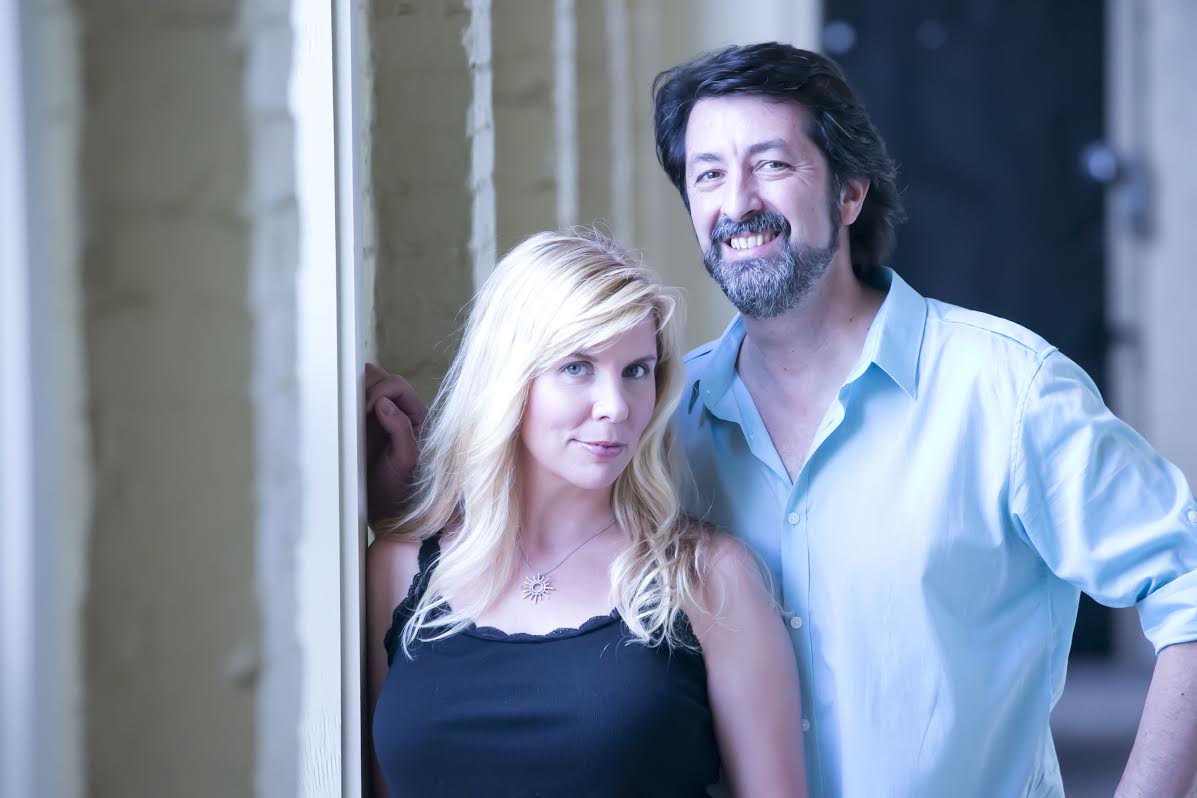
Lori Diamond & Fred Abatelli

photo by Shannon Power; photo courtesy of Lori Diamond

Lofi Diamond & Fred Abatelli – Lifted

Album Review of Lori Diamond & Fred Abatelli: Lifted

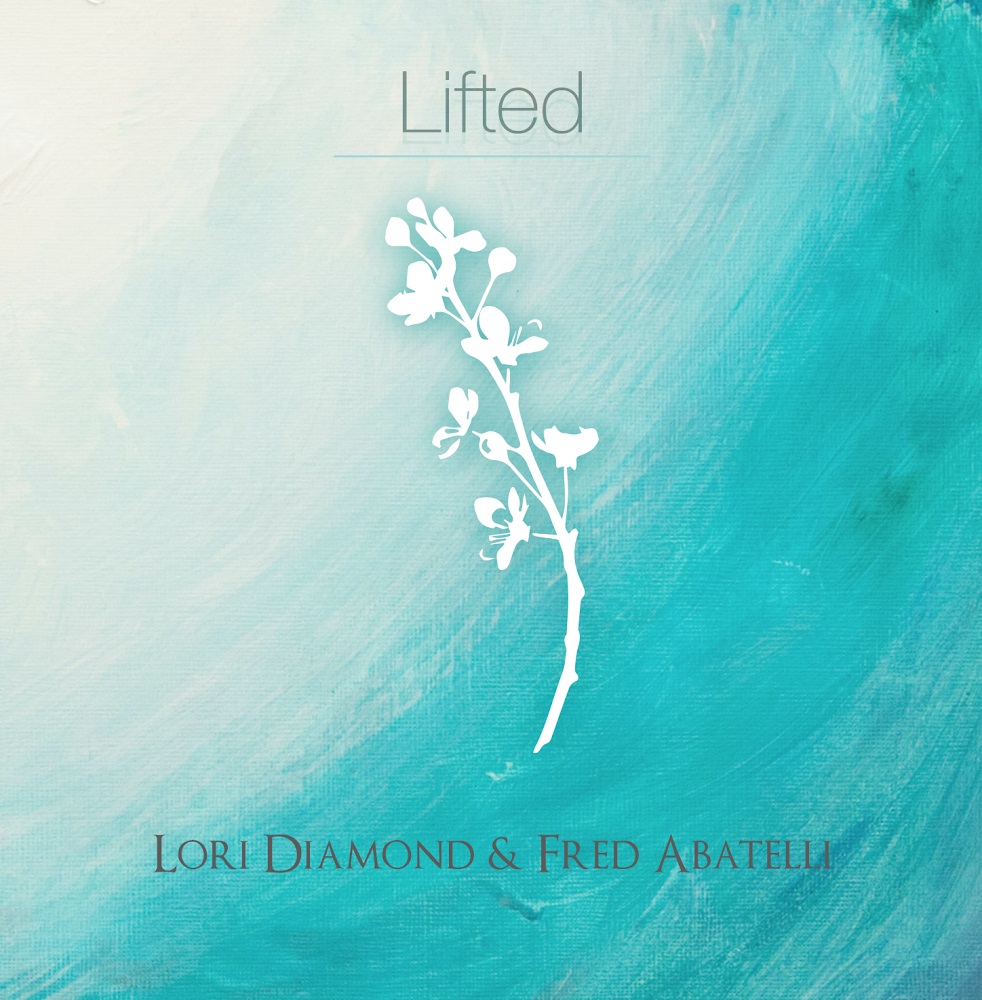
Lori Diamond & Fred Abatelli - Lifted

image courtesy of Lori Diamond

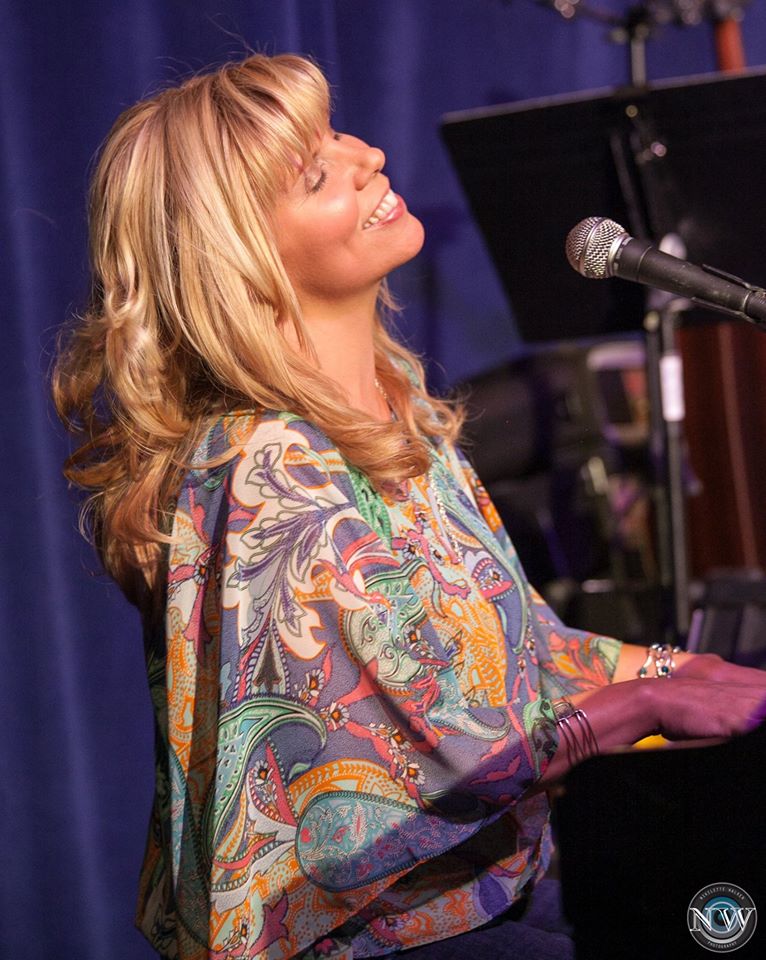
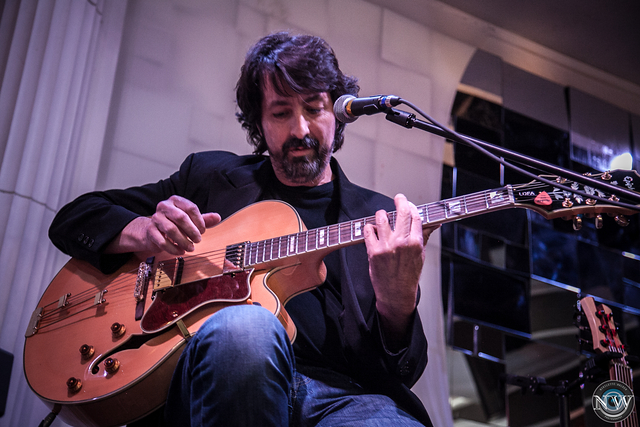
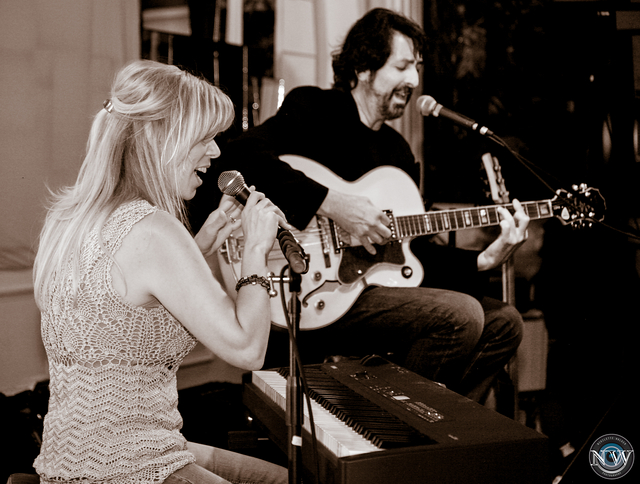
There aren’t a lot of artists performing an easy listening folk style the way Lori Diamond & Fred Abatelli do. Lori’s full, rich, soaring voice combines with Fred’s adept, softly energetic and colorful guitarwork to put an original, engaging spin on a style that’s not lately been a significant destination for such talented artists. As a result, Lori and Fred are a dominant local force in this lane of the musical highway, and their well-crafted albums – Lifted the latest – are necessities for a well-rounded music collection. After numerous near misses, I finally caught the duo live this past fall, and now I’m pleased to review their most recent (2015) release.

This album begins with “Always There,” a soft, soaring, keyboard-powered number that features a blend of Lori and Fred’s vocals in support of Lori’s vocal lead.

Lori Diamond

photo by Nikilette Walker; photo courtesy of Lori Diamond

Influences are all pretty straightforward throughout the album – folk, soft rock, easy listening – but other influences pop up from time to time. There’s a little soul in Lori’s voice in second track “Way Back Home,” which otherwise comes across as a ’70s-style vocal soft pop tune. Indeed, many of the songs might have connected with more mainstream audiences in the ’70s, as that’s when vocal soft pop was at its pinnacle within pop culture. As is the case with all musical styles, though, there’s always room for the best in any genre, especially when they keep things modern and interesting. Great music is timeless.

Back to the album, though, the next track “Dreaming” picks up the tempo a bit, adding playful and jazzy elements.

Fred’s vocals take the lead on the title track, “Lifted,” a heartwarming love song that sums up the heart of this album, its warmth almost suspending time as it washes over the listener. This comfortable, uplifting warmth, in fact, is a hallmark of Fred & Lori’s music, fitting well with the duo’s personalities in a live setting.

Fred Abatelli

photo by Nikilette Walker; photo courtesy of Lori Diamond

“The Outside” follows with a bit more energy again, its path guided by Fred’s subtly adept guitarwork, easy to miss behind Lori’s softly dynamic vocals and the song’s message of inner vs. outer beauty.

“Good Harbor” is another soft song, with the richness of Lori’s voice in lead, supported by Fred’s, driving a song that’s clearly about a very special place. It’s followed by “Castle,” perhaps my favorite song on this disc, whose piano lead-in and late-song ivory-tickling combine with soaring vocals, ranging from rich power to softness, to weave an interesting, softly dynamic path.

“Wayfaring Stranger” is the only cover on the disc. It’s a full-on ’70s cocktail lounge-shaking number, showcasing Lori’s only serious vocal wails within this collection and featuring fancy Western-flavored, smooth axework from Fred. This original, inspired rendition is an adult contemporary musical masterwork.

Lori Diamond & Fred Abatelli

photo by Nikilette Walker; photo courtesy of Lori Diamond

The album closes softly again with “OM,” a peace and love-inspiring, warm, rich number. It’s the perfect choice to end a Lori Diamond & Fred Abatelli CD, as if the album rides off into the sunset leaving the listener surrounded by warmth. And there’s that word again. Warmth. That’s at the essence of Lori & Fred’s music on Lifted, warmth… delivered with care by a duo of exceptionally talented musicians.

Looking Ahead

Keep an eye on the tour page of Lori and Fred’s website to see when they’ll be performing near you. There are currently several dates listed around Massachusetts in the next few months.

Live Review: Caisy Falzone at Pianos

Caisy Falzone

photo by Geoff Wilbur

Caisy Falzone

Pianos, New York, NY

February 11, 2017

Backstory

Occasionally, I day-trip to New York. Typically, I hit a museum or two, visit a couple restaurants, walk around the city a bit, and catch a little live music.

Caisy Falzone

photo by Geoff Wilbur

There were a couple bands performing on Saturday night who I’ve reviewed before and would have gone to see if it had been possible. But Amy and the Engine, whose album I reviewed last year, was taking the stage at the Bitter End a little too late for me to make it to the show and still catch my train home. Project Grand Slam, whose album I reviewed last year, was performing at Sugar Bar; I’d’ve probably attended their gig, but I didn’t know about the show until I saw the band’s Facebook posts after it was over. I did, however, search show listings and sample several artists’ music in the day or two before my visit, and a listen to Caisy Falzone’s Your Time EP convinced me I’d almost certainly enjoy her live performance. So I made my way into Pianos early Saturday evening relatively sure I’d enjoy Caisy’s set before it even began.

Caisy Falzone

photo by Geoff Wilbur

The Show

Performing solo with just a voice and a guitar, Caisy Falzone sings charmingly catchy, stripped-down, singer-songwriter pop-rock. In addition to an inherent vocal sweetness, Caisy infuses her songs with emotion at times via a somewhat uniquely hoarse delivery style, something she uses coolly effectively where many singers might instead lean on vocal gravel. It, when combined with her engaging stage presence and strong songwriting and wisely-selected cover song selection, provides Caisy with a memorable calling card in an otherwise relatively crowded sub-genre.

Caisy Falzone

photo by Geoff Wilbur

Caisy opened the evening with “I Feel You Look At Me” (note: my song title accuracy may vary), immediately charming the audience with sweet, echoing, atmospheric vocals. She followed it with a song that’s more of a strummer (“Almost There”?), one on which she showcases a typically singer-songwriter styled rhythmic vocal emphasis.

Caisy Falzone

photo by Geoff Wilbur

Caisy next served up her version of Sixpence None the Richer’s “Kiss Me.” She nailed it, leaning particularly effectively on her hoarsely emotional vocal delivery for this one. It was followed by a new, untitled pop song which was, yes, more pure radio pop styled but still clearly stylistically Caisy.

On “Hold Me Down,” from the Your Time EP, Caisy laid down a steady, strumming rhythm, with her voice cracking compellingly in the emotional spots. She followed with a cover of Alanis Morissette’s “Ironic”; in this case, the emotion was drawn directly from the song, as Caisy clearly connects with this classic guitar-pop rock hit.

Next up was “Say”(?), an “old song,” Caisy noted, from her acoustic duo past. This song explored the more ethereal end of Caisy’s vocal delivery, complementing it with particularly emphatic strumming.

Caisy Falzone

photo by Geoff Wilbur

Her rendition of Fleetwood Mac’s “Landslide” was engaging and almost innocent-sounding. Worth mentioning is the original way in which Caisy delivered these vocals, seeming to round the vowels a bit, resulting in a unique vibe and memorable performance of this often-covered tune.

Caisy closed her set with “Drift,” another track from her latest EP. On this she employed a persistently hoarse vocal delivery, rhythmically rising and falling in power, combined with a simple-but-effective, interesting guitar rhythm.

Indeed, this set was a great way to cap a day in New York. Caisy’s musical toolbox isn’t notably exceptional, but she mixes and matches her tools effectively. An evening at one of her shows seems to be a guaranteed enjoyable time, and I look forward to hearing how she utilizes her skills and builds upon her song catalog as her career advances.


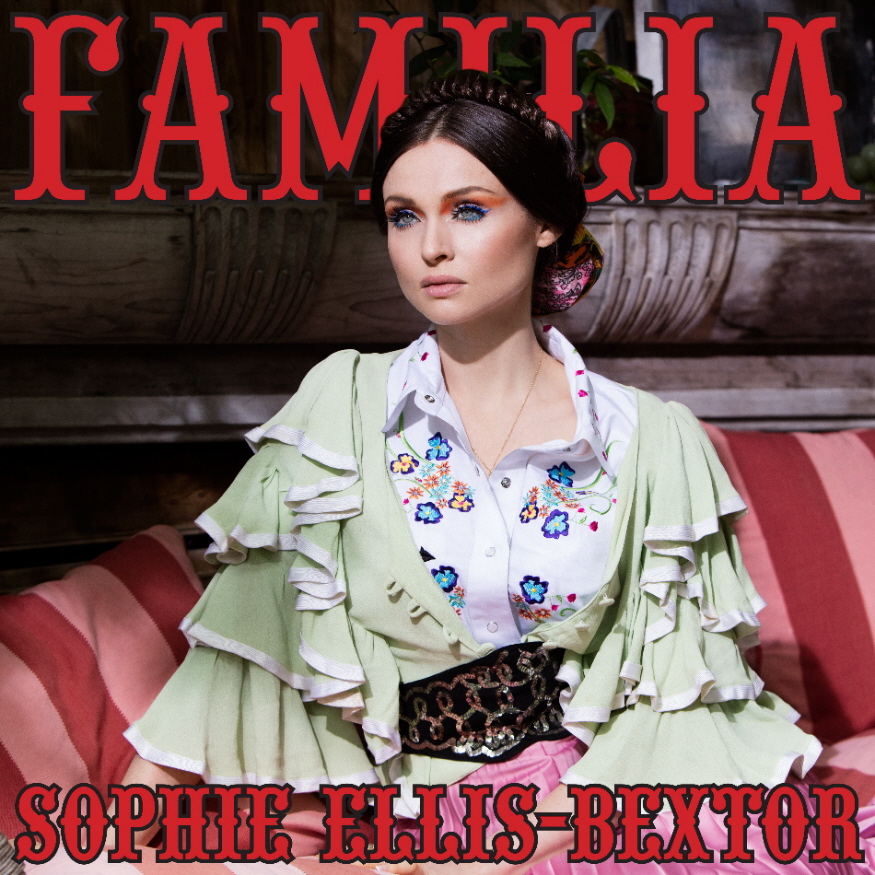
Album Review: Sophie Ellis-Bextor – Familia

Sophie Ellis-Bextor

photo by Sophie Muller; photo courtesy of Reybee, Inc.

Album Review of Sophie Ellis-Bextor: Familia

British pop music. You know what it sounds like. And when it’s done well, there’s nothing quite like it. Sophie Ellis-Bextor hits that mid-tempo British pop sweet spot. On Familia, there are a few songs that might hit the dance floor, and maybe a song or two that qualifies as a ballad, but the disc is dominated by songs whose tempos fall in-between where they’re best-suited to be radio and concert favorites.

American audiences may not be familiar with Sophie, but she’s well-known in the UK. And, while I’m professing ignorance, I am pretty sure I’ve heard and enjoyed “Murder on the Dance Floor” before. (Seriously, click that link; both the song and the video are worth a look if you’ve not seen and heard them before.) That was an early hit for Sophie from Read My Lips, her 2001 solo debut after leaving her role as frontwoman of theaudience. While she spent much of her solo career in the electro-pop dance subgenre, then surprised her fans with a baroque chamber pop release (Wanderlust) that dropped in 2014, her most recent before Familia, I’ve not followed her career closely, so I’m coming in with a fresh set of ears. And while I do hear the Latin influence in this disc, and I’ll point it out in a couple spots during this review, Familia still fits my expectations of a British pop star’s release. “Star” is an important word there, as where a typical pop singer would hew tightly to a stereotypical pop style, I’d expect a pop star to mix in new influences and try different things on each album to keep her music fresh; this is something Sophie ably accomplishes in Familia.

Sophie Ellis-Bextor - Familia

image courtesy of Reybee, Inc.

I’m afraid I’ve ruined the suspense; I adore this album. It’s a genre I wouldn’t ordinarily gravitate toward, but when done well like this, it can be special. I hear elements of Bananarama in here, a bit of Wham!, elements of Simple Minds (notably, a “Don’t You…”-ish tempo in at least one spot), and perhaps a hint of Duffy or Geri Halliwell but with a richer, fuller tone. Familia shows Sophie Ellis-Bextor deserves to be mentioned in the same breath with all of those stars. Indeed, the hardest part of writing this review is deciding which songs to highlight, since there’s barely a weak link in the collection.

Familia kicks off with one a dance floor-ready offering, “Wild Forever,” whose electronic opening hints at something this record is not, as this catchy tune is the closest Familia comes to electronic dance-pop. As the song progresses, instruments and voice soar, crash, and boom; that’s more accurate foreshadowing.

Another of the dance club-ready tracks is the energetic, catchy “Come With Us.” If you listen past the vocals and beat, you’ll hear the subtle musical hook that makes it memorable and some darker-than-expected lyrics. That’s what elevates the best pop music and makes it unforgettable; it’s the attention to detail. This, by the way, is the song that brought to mind Wham!

The “balladic” section of the record begins with the not-quite-a-ballad “Death of Love”; certainly, we’d be willing to slow-dance to it. The music soars and emphasizes a sweet, soft spot in Sophie’s voice. It’s followed by “Crystallise,” a sweet, soft, slow song that really is a true ballad.

While the Latin American influence shows itself in several songs on Familia, it’s most apparent on the terrifically engaging “Unrequited,” with a Latin rhythm that recalls old Western TV and movies, though Sophie’s warm, rich vocals and the warmth of the strings aren’t something you’d find on a lo-fi old movie soundtrack. And it’s there a bit on “Hush Little Voices,” appearing periodically around the slightly quivering vocal and flowing, swaying strings of this twisted lullaby.

Most of the rest of the disc resides primarily in that British-pop-star zone I referenced above. The lush orchestration and powerful, adeptly smooth, strong, and versatile vocals just beg for chart-topping status.

My favorite may be “Here Comes the Rapture,” with strings supporting Sophie’s uniquely strong vocals, vocals that smoothly navigate rich medium-lows and sweet, soaring highs, occasionally throwing in a bit of rasp, though only selectively. This is one of those songs that elicits an involuntary reach to increase the stereo volume from its first notes.

Deftly incorporating a somewhat electro-pop musical element from its opening, “The Saddest Happiness,” another personal favorite, combines flowing strings with a hauntingly slightly-quavering vocal to produce a quintessentially melancholy pop sound that’s only occasionally found on pop albums, probably because it’s hard to pull off this well.

Sophie ends the disc with another number that shows her versatility and relies on the power of her vocal highs, “Don’t Shy Away.” Though there’s nary a weak spot on the disc, it ends with strength. Such strength that it’s hard to remove Familia from the CD player as it ends; typically, I just let it repeat and start again from the beginning.

There are a few British pop stars who beg the question “Why isn’t this person huge in the States, too?” Robbie Williams comes to mind. Add Sophie Ellis-Bextor to that list. And get your hands on this album. Perhaps snag a bit of Sophie’s back catalog, as well.

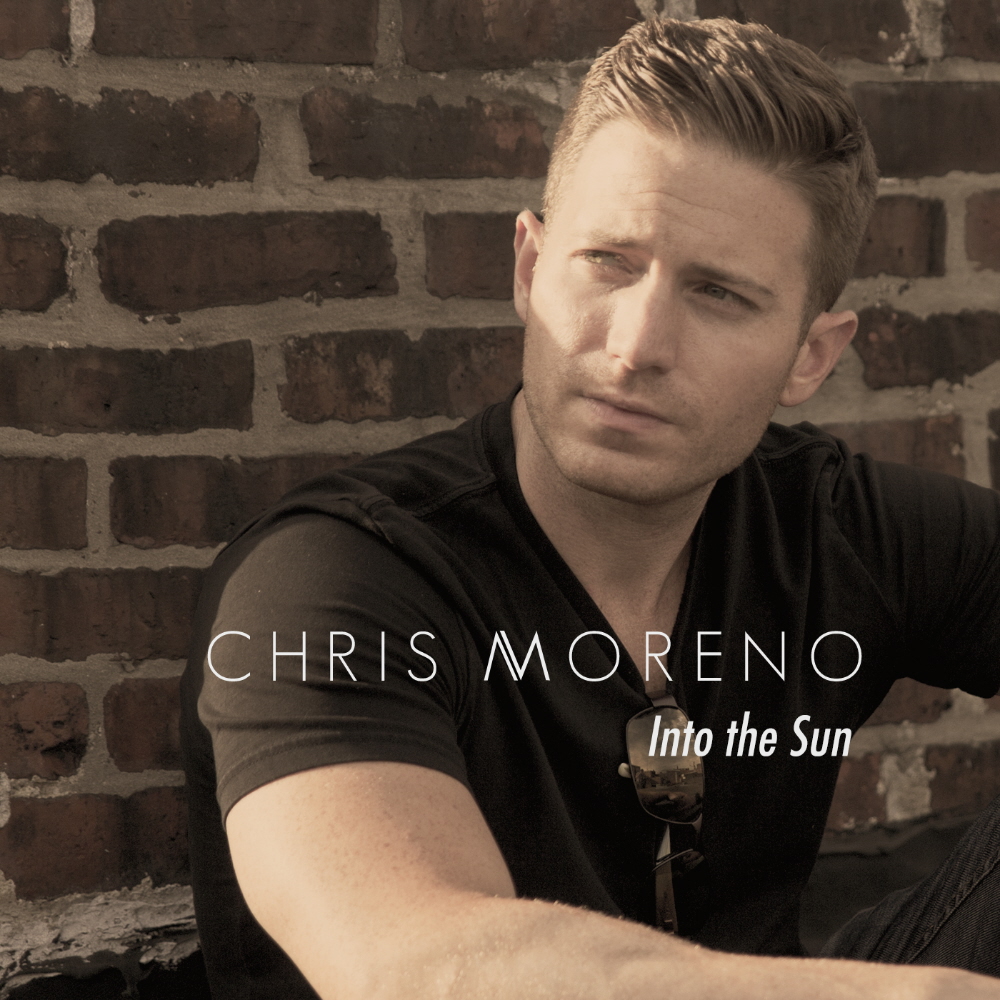
Album Review: Chris Moreno – Into the Sun

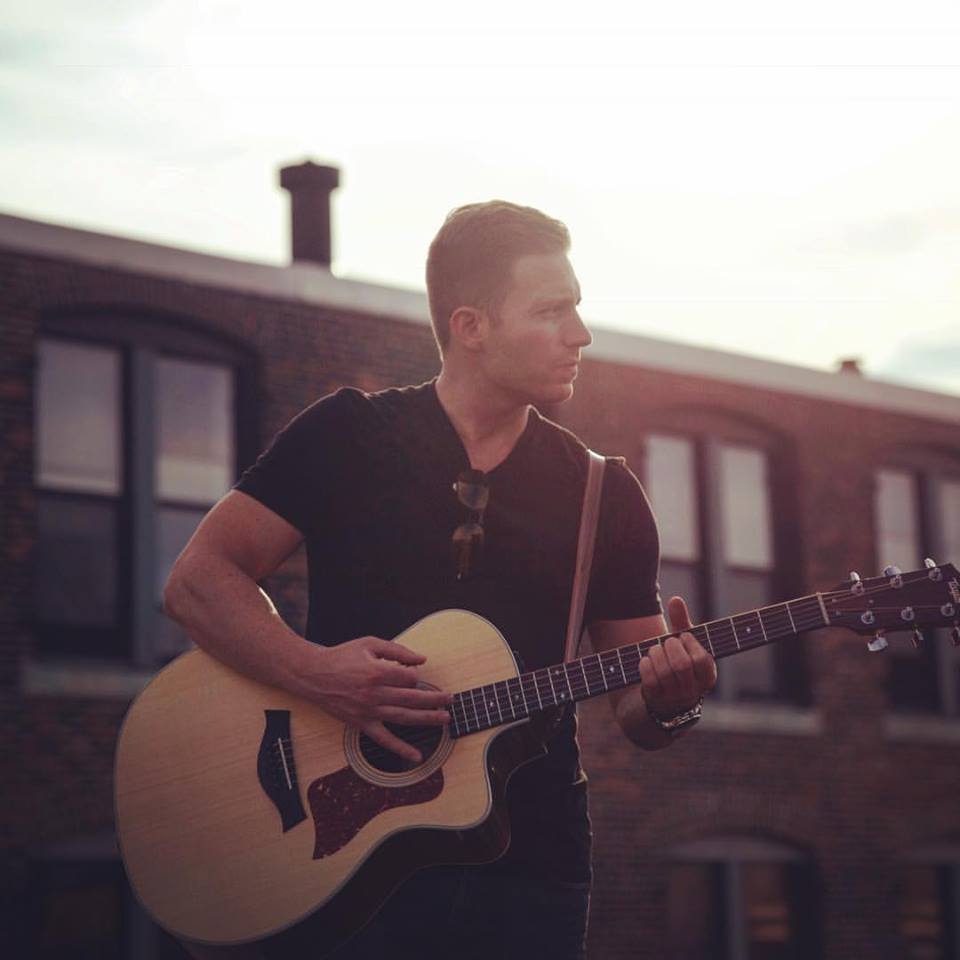
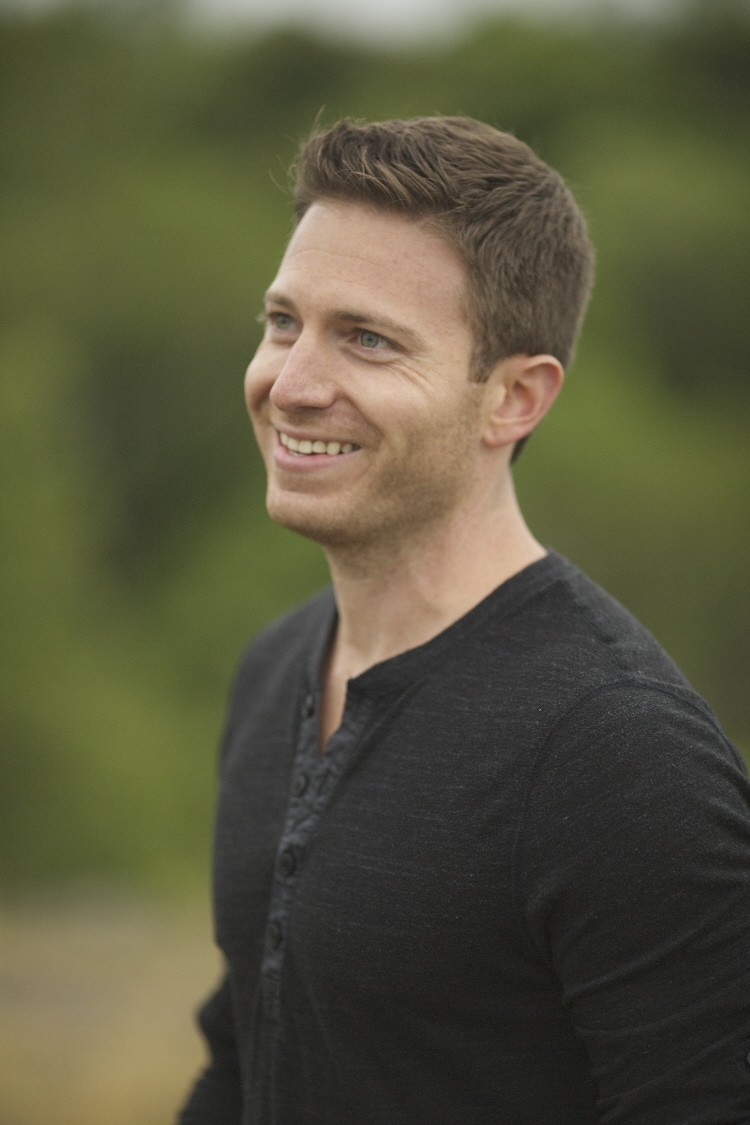
Chris Moreno

photo courtesy of Chris Moreno

Chris Moreno – Into the Sun

Album Review of Chris Moreno: Into the Sun

Chris Moreno - Into the Sun

image courtesy of Chris Moreno

Matchbox 20. Chris Moreno‘s Into the Sun could be Matchbox 20’s new album. Stylistically, he mixes fast, slow, and soft strumming just like the alt-rock chart-toppers, peppering in catchy, hooky stretches that draw in the listener as if a deep secret or universal truth is about to be revealed. Just as compelling, Chris’ insistent, pleading, tuneful voice is so much like Rob Thomas’ I could easily confuse the two. The result is a disc full of easy-to-listen-to, moderately energetic, radio-ready songs that suggest Chris could be one hit movie song-placement away from the national consciousness.

First song “All I Need” has elements of Matchbox 20 (“3AM,” to be specific) with a bit of a Counting Crows (“Accidentally in Love”) vibe. Add a dash Hootie & the Blowfish and a bit of Nine Days (they of “Absolutely (Story of a Girl)”), and you’ve populated the neighborhood of Into the Sun, with perhaps Third Eye Blind or Semisonic living on the next block.

Chris Moreno

photo courtesy of Chris Moreno

Chris’ voice is clear and strong while carrying a raw, emotional edge. You can hear him emotionally connect with his lyrics, and you fully believe he feels what he sings.

I have a lot of favorites on this disc. I like the way “Finally Free” soars. The sparse-feeling opening instrumentation and slow build in the sensitive “Try.” And the insistent “Forgiven,” with Chris’ voice almost breaking in emotion as it reaches a powerful near-scream; the track also features a cool little well-placed rock guitar bridge that brings what had been a hidden driving force in the song briefly to the fore.

I like the role the horn plays in “Turn the Page,” giving it a bit of a different flavor. Then album-closer “Closer to You” starts with some stylish guitar-picking before again laying Chris’ emotion bare as it builds to power.

Chris Moreno

photo courtesy of Chris Moreno

This eight-song collection, Into the Sun, is a terrific introduction to a modern-day troubadour. Chris wears his ’90s and ’00s mainstream alt-rock influences on his sleeve, and the result is a timeless recording.

Looking ahead, I look forward to hearing more from Chris. And catching a live gig. This is versatile music that would sound its best acoustically or with a full band. Putting my producer hat on and looking toward his next album – and I’m not a producer, so I really just have this hat, but when I find a talented artist I like to think about how that artist might broaden their music’s reach while still remaining true to his or her trademark core sound – I’d love to hear him perform a romantic duet on his next disc with the right complementary female vocalist. And perhaps add a song or two that are piano-driven to showcase his voice in a different way. But Chris’ current release, Into the Sun, though it’s his debut album, is more than just a nice first step. It’s a quality rock album from an artist who has already arrived. Dude, it’s something special.

Album Review: The Galactic Cowboy Orchestra – Earth Lift

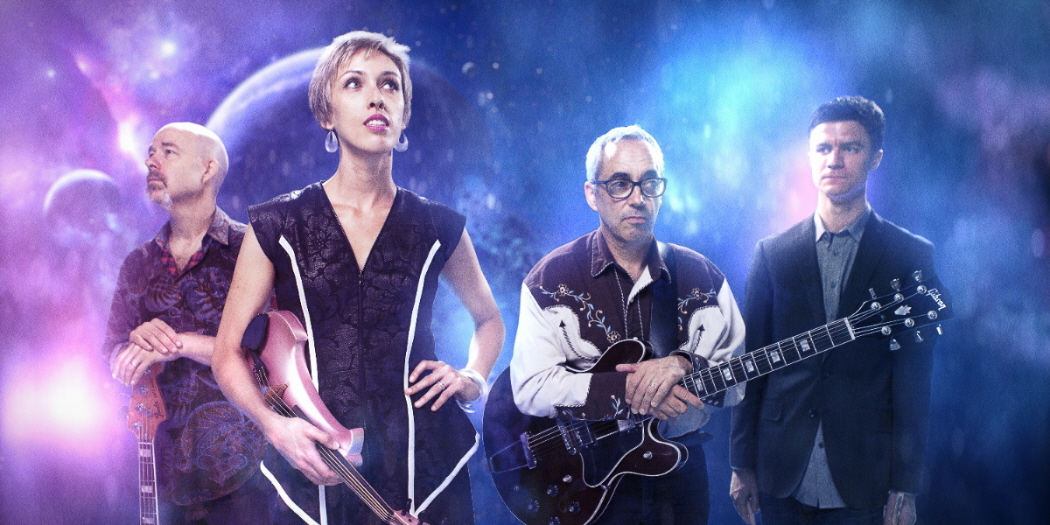
The Galactic Cowboy Orchestra

photo by Zach Nichols; photo courtesy of Media Stew Public Relations

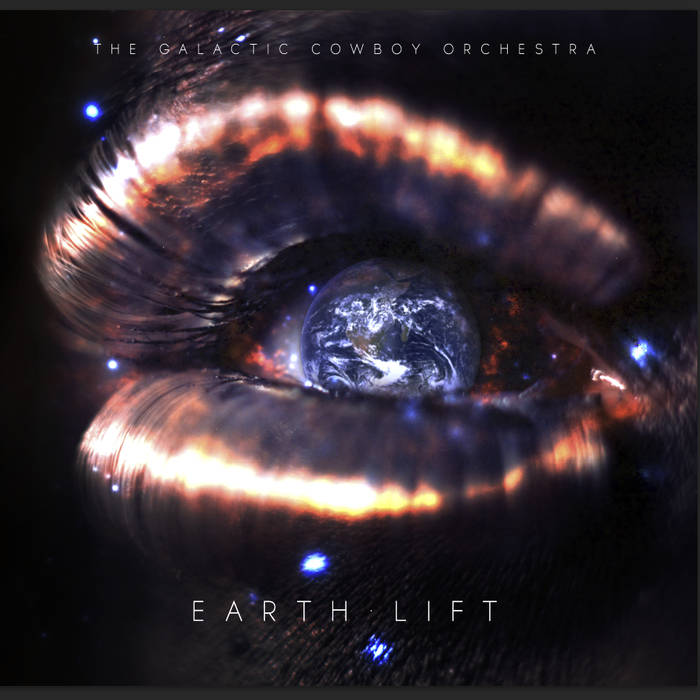
The Galactic Cowboy Orchestra – Earth Lift

Album Review of The Galactic Cowboy Orchestra: Earth Lift

The Galactic Cowboy Orchestra - Earth Lift

image courtesy of Media Stew Public Relations

This album is a unique journey. The band itself is quite unusual, performing a brand of free-form, experimental jazz like one might expect from a progressive rock band utilizing orchestral instruments and unafraid of incorporating broad musical influences.

A most-interesting incarnation of The Galactic Cowboy Orchestra‘s sound at its free-formiest is the drum and strings-driven “The Demented Waltz,” which meanders and is occasionally infused with drum-driven energy. Another example of the group’s rambling style is on “Swara Kakali,” which is fun because the guitar and violin seem to be having a conversation throughout significant portions of the track.

Occasionally, you’ll find vocals in this collection, notably on “When the Levee Breaks,” which has a Rush “Tom Sawyer” vibe, though just a hint more psychedelic, befitting vocals reminiscent of a Robert Plant-Janis Joplin blend. Showing versatility, though, the vocals in “Poison” add authenticity to what can best be described as a psychedelic folk number.

The Galactic Cowboy Orchestra

photo by Zach Nichols; photo courtesy of Media Stew Public Relations

Those particular songs stand out within the collection primarily due to their variance from the Galactic Cowboy Orchestra’s central sound, that of free-from, experimental, orchestral jazz. If you like experimental music performed by talented musicians – if you like music unlike that you’re likely to hear elsewhere – then The Galactic Cowboy Orchestra’s Earth Lift is for you.

Looking Ahead

You can catch The Galactic Cowboy Orchestra live. The band’s next performance is Saturday, March 25th at Excelsior Brewing in Excelsior, MN. You can find all of the group’s upcoming performances as they’re added here on the “shows” page of the band’s website.

Album Review: The Susan Constant – Wherever It Is You Are Now

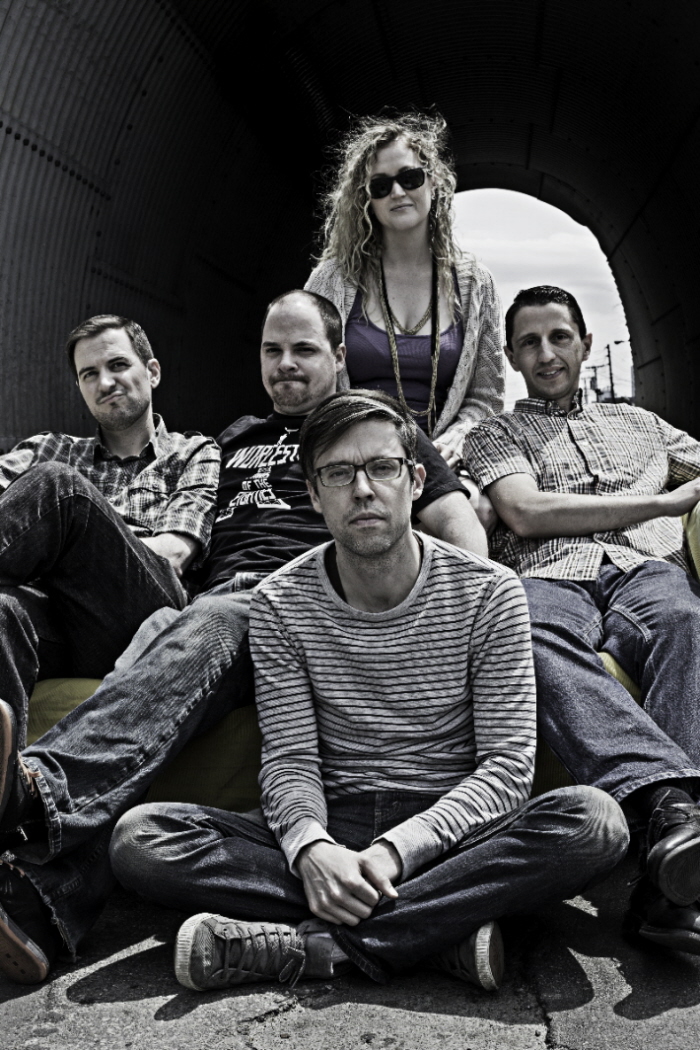
The Susan Constant

photo by Timothy John Smith; photo courtesy of The Susan Constant

EP Review of The Susan Constant: Wherever It Is You Are Now

Nineties-influenced college rock. That’s the simplest description of The Susan Constant‘s musical style. Harmonies, melodies, and songwriting drove this style to the top of the charts, while bands sporting this hooky sound dominated college towns like Athens, Charlottesville, and East Lansing. The best of this brand of alt-rock – this catchy, poppy, energetic subgenre – took root at the end of the eighties and provided the most melodic rock music of the following decade. From R.E.M. to The Smithereens and The Verve Pipe, from Semisonic to Spacehog and The Wallflowers, and even to a certain extent Hootie and the Blowfish, this was heartfelt college rock club music with a peppiness that suggested its message wasn’t too deep, even though often it was. The most widely-heard current music that has some of its ancestry in this bloodline comes from bands like Maroon 5 and Train.

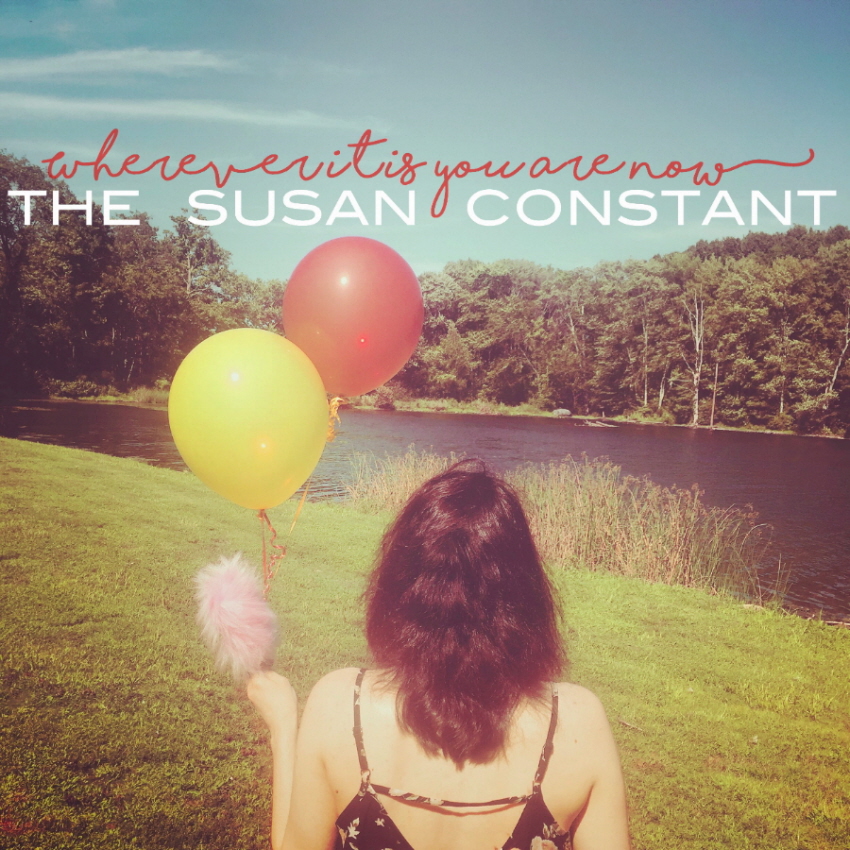
The Susan Constant - Wherever It Is You Are Now

image courtesy of The Susan Constant

The Susan Constant, however, is a bit of a throwback. I’ve been following this band for a couple years now. Of course, all those comparisons are just to give you an idea what to expect. What makes me a fan of The Susan Constant is that, while this region of the alt-rock map is decidedly less crowded now than it was 20 years ago, I believe this band sound would have an uniquely identifiable even during the sub-genre’s heyday; not surprising, I suppose, since they’ve had more recent music from which to draw inspiration, as well. In any case, “I’m Not the One” from The Susan Constant’s June 2015 release Keepers EP is still a regular on my personal smartphone playlist.

The Susan Constant

photo by Timothy John Smith; photo courtesy of The Susan Constant

So I’m glad to finally get a chance to review a Susan Constant recording, its recently-released five-song EP entitled Wherever It Is You Are Now. And yes, to no one’s surprise, there are some catchy songs in this short collection. “The Set Up” kicks things off with an alt-rock musical crash, leading into quirky-guy vocals for a tune that’d be well-placed on a Barenaked Ladies album. It’s followed by “I’ve Got Friends,” whose tempo is similar to Talking Heads’ “And She Was” but vocally more like R.E.M.’s “Stand.”

“Leave Me Behind” sports an almost electronically-staticy overriding sound, combining well with hooky stops and starts that could have led to an uncomfortable sparseness in spots; instead, this is a full-sounding, energetically not-as-happy-as-it-seems tune that hints at what Jimmy Eat World might perform if it ever ventured this far into The Susan Constant’s musical neighborhood.

It’s followed by track number four, my new favorite Susan Constant song, “Science.” Paul Sennott hits that insistent college alt-rock vocal sweet spot on this one – all the energy of a full rasp while actually employing just a hint of it. Combined with a persistent, catchy rhythm and a musical soup that sounds a bit like a bumblebee in one spot and ends abruptly, it’s a song you’ll remember and want to request on the radio, but you’ll have no idea what the song title is.

The Susan Constant

photo by Kevin James; photo courtesy of The Susan Constant

The disc ends all-too-soon with “The Hour Hand,” a smoothly rolling rocker that builds to emotional alt-rock screams before succumbing to the inevitable, softens, and provides Wherever It Is You Are Now with a comfortable send-off. And yes, coming more than a year after The Susan Constant’s last release, this EP is a bit like being served your favorite appetizer but leaving the table hungry because you had saved your appetite for a full dinner. It’s not enough, but it’s really good.

The EP release party was November 12th at The Middle East in Cambridge. I couldn’t get to that show, and the only show so far this year was a January 14th Pawtucket, RI gig at News Cafe. I don’t see any others scheduled yet, but I will be watching the band’s website and its Facebook page for them.


Album Review: Peter Vitalone – This Side of the Dirt

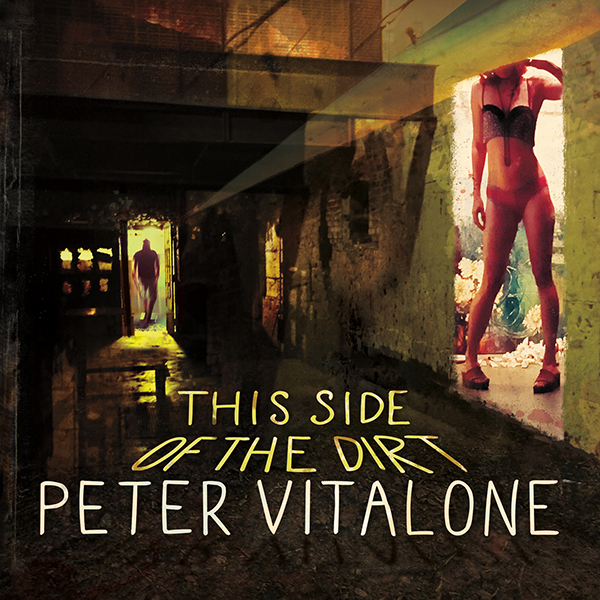
Peter Vitalone - This Side of the Dirt

image courtesy of Media Stew Public Relations

Album Review of Peter Vitalone: This Side of the Dirt

Peter Vitalone‘s voice is interesting. It’s at-times straight-up rock-gravelly, a bit like Bruce Springsteen but with a smoother edge, while sometimes adding more gravel to his voice resulting in a sound reminiscent of Randy Newman channeling Bob Dylan. On the whole, though, it’s rough with round corners, fitting the songs well but not necessarily being instantly identifiable. Peter relies on strong songwriting to bring out the best in his versatile voice.

Because of its variety of influences, This Side of the Dirt is kind of a difficult mid-tempo, mainstream rock disc to get a read on. The performance is tight. The band is talented. The songwriting is precise. And there’s a cool, classic rock organ line that drives several tracks. So I’ve knew from experience the distinctive elements of the album would reveal themselves over the course of multiple listens. It took a couple dozen listens to develop favorites, since the hooks are subtler and not particularly in-your-face. Typically, that means an album will hold up over months and years and become a longtime favorite, and in that sense I don’t expect This Side of the Dirt to surprise me.

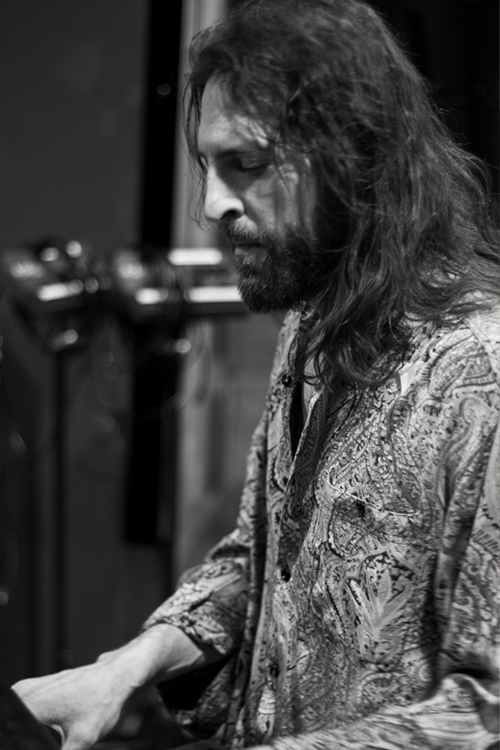
Peter Vitalone

photo courtesy of Media Stew Public Relations

Peter kicks the disc off with the energetic “Into Me I See,” his voice’s rough edges summoning the lyrics’ emotion and laying it bare. That leads into “Everyday is Yesterday (Down South),” a laid-back, Jimmy Buffett-esque, feel-good song whose line “shake it up/and pour that bloody mary/’cause everyday is yesterday down south” could be Peter’s “lost shaker of salt” lyric.

My favorite track may very well be “Old Friend.” It’s mellow with energetic bridges, rock organ-meets-piano at times. With a bit of a Bruce Hornsby flavor behind its melancholy tone, the song seems both defiant and resigned. Mostly, though, it’s a comfortable “old friend” and a memorable, enjoyable listen.

“Man Alone” goes full-on rock organ with some slightly Motown-meets-the-blues-inspired backing vocals; this one might be best absorbed in a black-lit room with a lava lamp.

A couple of my other favorites follow “Man Alone.” “In the Morning” has an energetic, folky pop energy. And it flows pleasantly into “Sofia,” a mid-tempo number that recalls ’70s guitar-driven mainstream rock hits.

Peter ends the disc with “End of the Line” — a fitting end to the album. It provides just a hint of energy on the heels of its haunting lead-in, “Living on the Ledge.” But “End of the Line” doesn’t bring the tempo up too much. It maintains much of the uneasy balance of its predecessor, as if the song’s footing is still a bit uneasy but less so as it slowly builds, defiantly finding its strength before easing off into the sunset. It leaves the listener with a contented sigh as the last rhythms fade away.

Beginning to end, this is a solid disc, a welcome long-term addition to my CD collection. And, if you take a listen, perhaps yours.