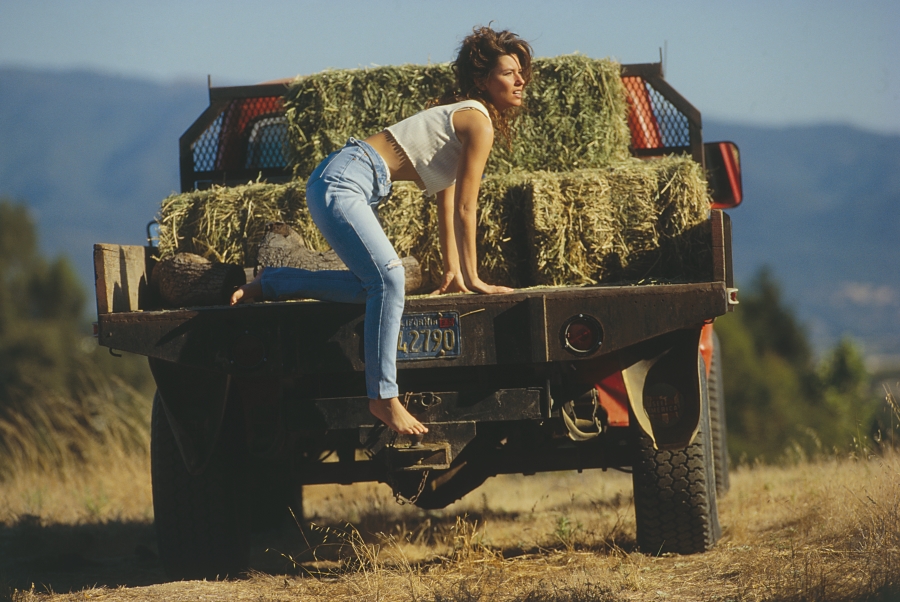
Album Review: Shania Twain – The Woman in Me

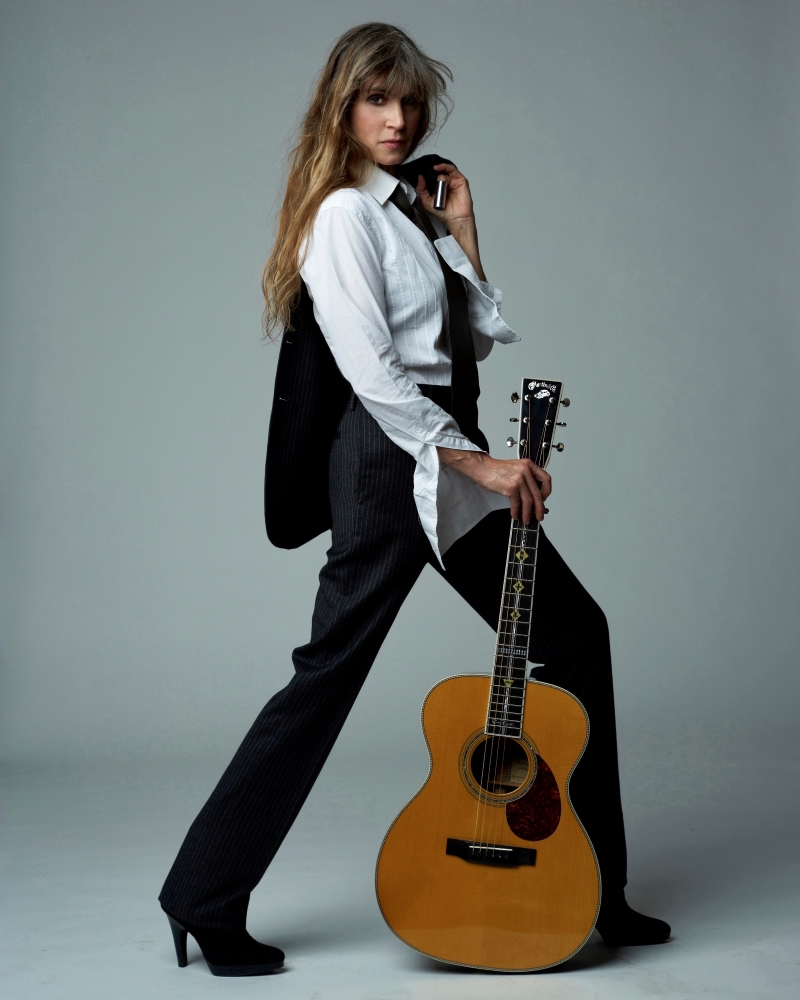
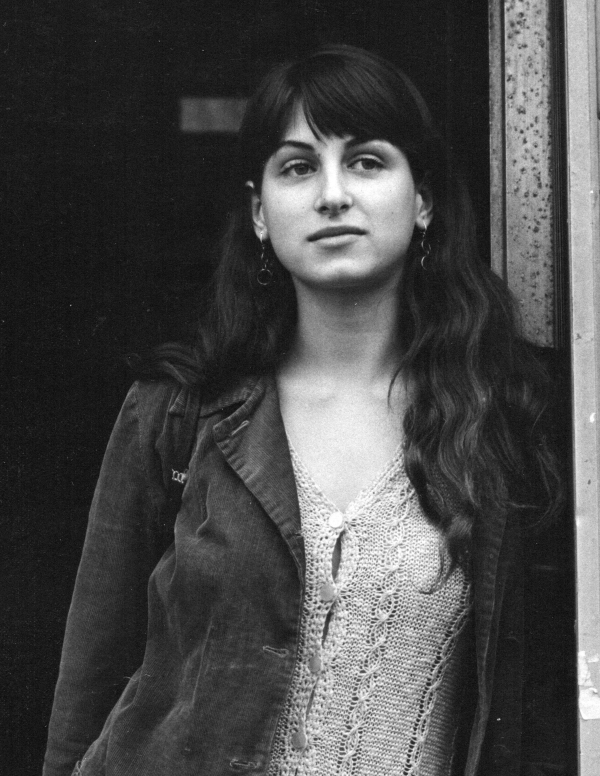
Shania Twain

photo by John Derek; photo courtesy of UMe

Album Review of Shania Twain: The Woman in Me (UMe)

In February, Shania Twain‘s record label celebrated the 30th anniversary of Shania’s breakout album, The Woman in Me. It wasn’t Shania’s first album. Her self-titled debut peaked at 67 on the Billboard country chart, failed to break into the Billboard 200, and resulted in two singles that didn’t even make the top 50 on the country singles charts. No, The Woman in Me was Shania’s second release, and it’s the one that launched her to the stratosphere. It reached number one on the country charts – peaked at 5 on the Billboard 200 – and notched three number one singles on the country chart, eight top 50 country singles, and two top forty hits on the Billboard Hot 100 singles chart. It was the album that put Shania on the map, to be followed by a number two album and a number one, as Shania became a crossover country-pop superstar.
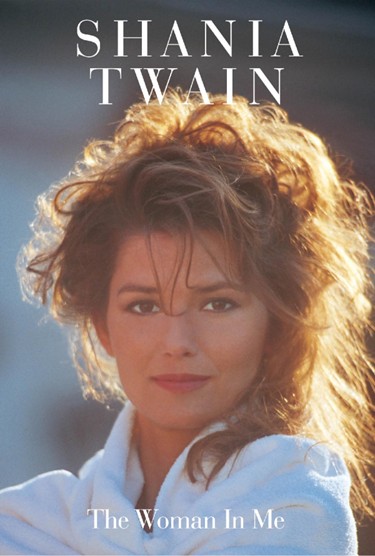
Shania Twain – The Woman in Me album cover

cover photo by John Derek; image courtesy of UMe

The two crossover hits – “Whose Bed Have Your Boots Been Under?” and “Any Man of Mine” – remain well-known classics. I’d posit “Any Man…” was the song that gave Shania the sort of confident, fun, ballbusting image that she built upon on the following album – in particular, I’m thinking of the attitude she brought to “That Don’t Impress Me Much.”

Of course, songs like “You Win My Love” and “If It Don’t Take Two” – both fun, mid-tempo country-rockers – balanced that with sassy but heartfelt appeals to true love. “If It Don’t Take Two,” by the way, was one of just four songs on the 12-song album that wasn’t released as a single, but over the course of multiple re-listenings of this album, it has become a personal favorite. And there’s a classic ballad on the record, too, that showcases Shania’s versatility. “The Woman in Me (Needs the Man in You)” was a top 20 country hit, which is a pretty big deal but pales a little on an album that spawned four country number ones. Still, it’s a heartfelt number that I’m sure graced many wedding playlists, at least at the time.

It’s odd that I never reviewed this album before, but at the same time, not so odd. When it was released, I was publishing Geoff Wilbur’s Renegade Newsletter, and though I was receiving most of the top country albums (Nashville was getting almost all of its biggest releases into my hands for inclusion in my publication), I had a bunch of great writers, so I often sent the hottest music their way for review. In particular, I had a particularly strong country music reviewing staff on that publication, so even though I reviewed some great country albums myself, I let my staff handle most of them. Come On Over, the next release, is part of my CD collection, so apparently I reviewed that one myself. (One day, maybe I’ll sift through my archives to see if The Woman in Me was reviewed in my publication 30 years ago.) But I digress…
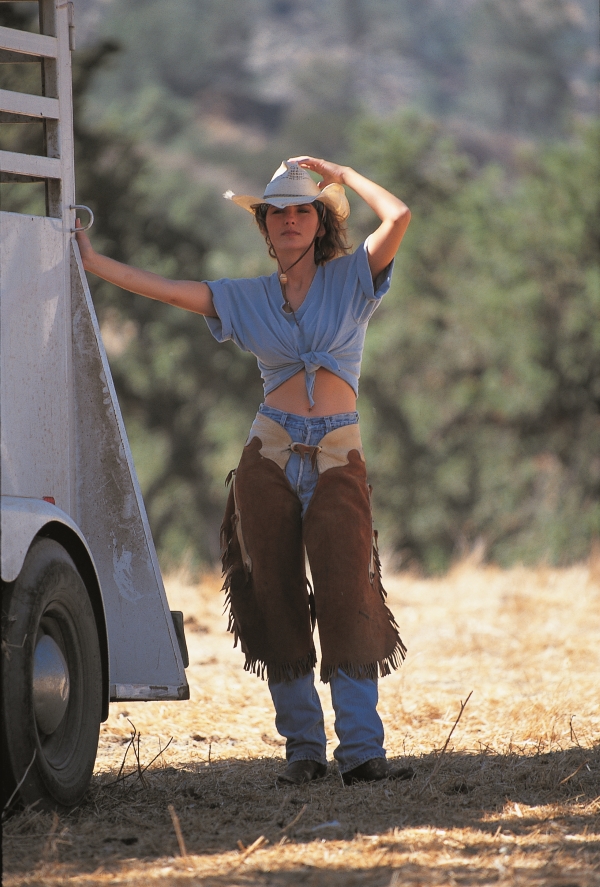
Shania Twain

photo by John Derek; photo courtesy of UMe

As much fun as many of the songs on The Woman in Me are, it was an album whose song list was filled with very stereotypically on-brand country music heartbreak. The album kicks off with another personal favorite, the balladic “Home Ain’t Where His Heart Is (Anymore).” Heartstring-tugging songs like “Is There Life After Love?” and “Raining On Our Love” expressed similar, if slightly different sentiments; oddly, neither of those two songs were released as singles, but they’re fantastically powerful, both of them. And “Raining On Our Love,” heavy as it is, is followed by “Leaving is the Only Way Out,” an Opry-esque crooner that’ll bring you down to an even lower emotional depth, if possible.

Other songs range from even-more-sassy, as in “(If You’re Not In It For Love) I’m Outta Here,” and simply playful, like the fun “No One Needs to Know,” to the album-closer, “God Bless the Child,” a “hallelujah”-filled song that sonically recalls Sarah McLachlan’s “Angel.” Though Shania’s song is older, so maybe that recollection should be stated the other way around.

Anyway, for those who remember first hearing all of these songs 30 years ago, this is a great trip down memory lane. For those of us who heard the singles but didn’t know the album, there are some soon-to-be-favorites on here that never previously entered our consciousness. And some of the rest of you? Well, maybe you’re relatively new to Shania (yes, some people were born after the nineties). Maybe you’re familiar with her 2023 release Queen of Me (which charted in Canada with “Waking Up Dreaming” and “Giddy Up!”) or her kickass 2023 single with Anne-Marie, “Unhealthy.” Well, then this is a great way to start your journey.
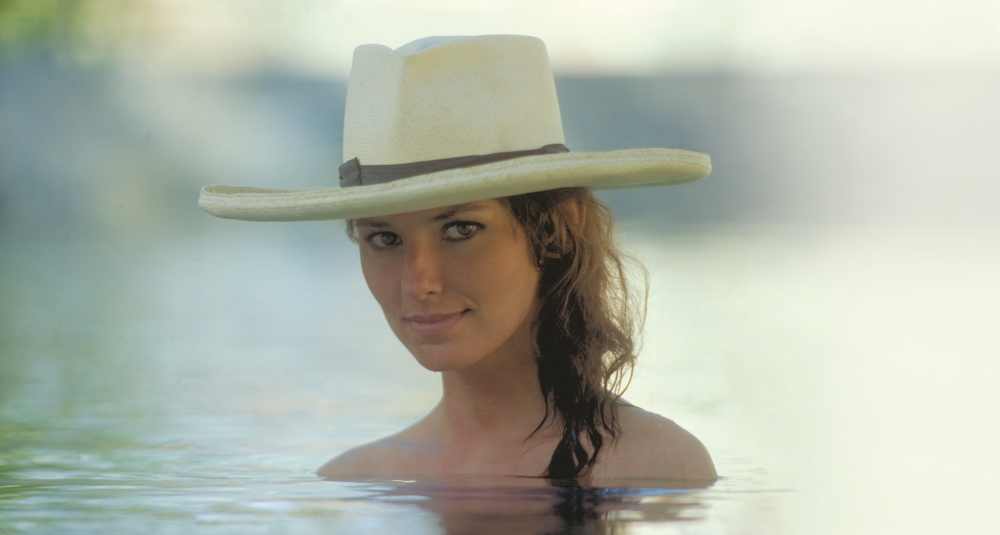
Shania Twain

photo by John Derek; photo courtesy of UMe

Final Word

This goes out to the longtime, old-school Shania Twain fans: If you haven’t heard Queen of Me, give it a listen. And if I can only convince you to check out one song from that 2023 release, skip the singles. Instead, check out “Pretty Liar.” (But not at work; it’s a little NSFW.) I mean, yeah, you can check out the singles, too, and the rest of the album, but I’ve just told you what my favorite song is.
Album Review: Hell’s Addiction – Nine O’Clock Horses

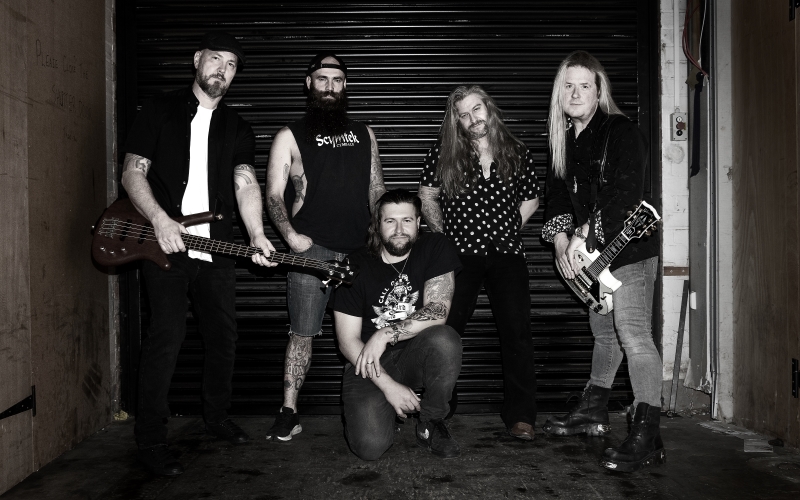
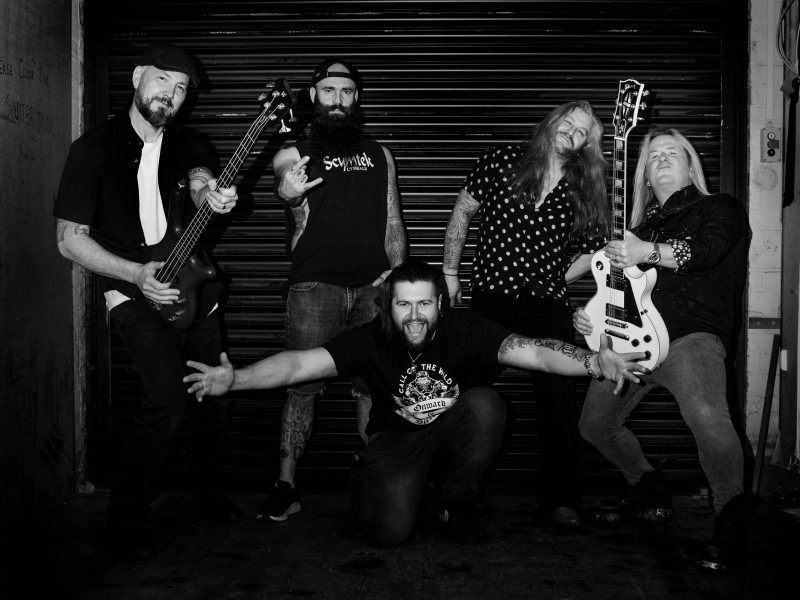
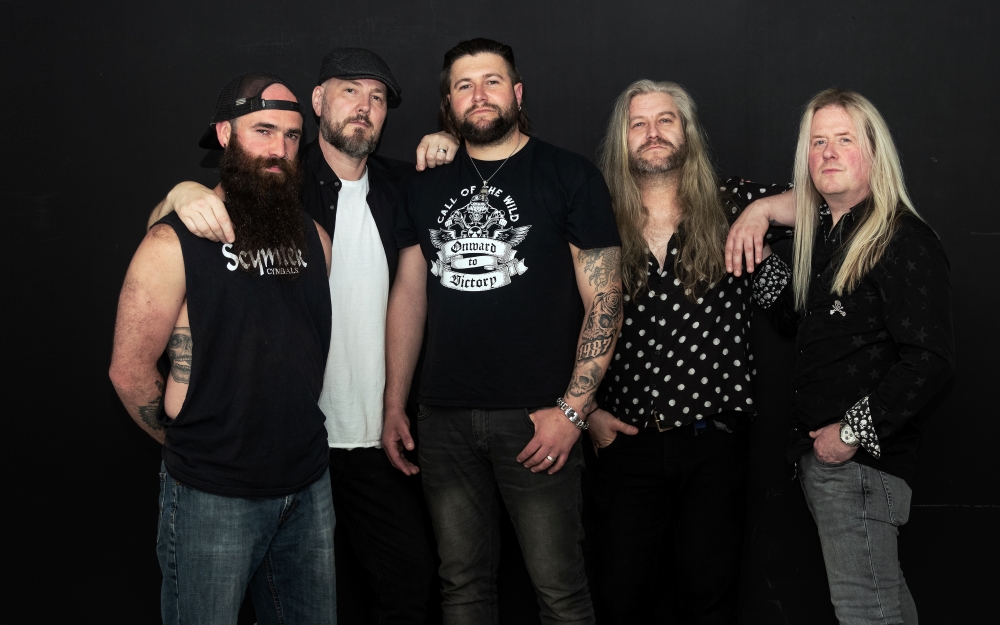
Hell's Addiction

photo courtesy of Head First Entertainment

Album Review of Hell’s Addiction: Nine O’Clock Horses

Whether you consider this genre to be heavy rock or classic metal, Hell’s Addiction‘s Nine O’Clock Horses is a collection of fast-paced, engaging, hard-driving earbleeders… in the best possible way.

The album opens heavy – full of guitar, drums, and fury – with power rocker “Leave It Alone.” The next song, “Upside Down,” opens kinda haunty before launching into a sidewinding, heavy, unnerving rhythm with a cool, edgy delivery.

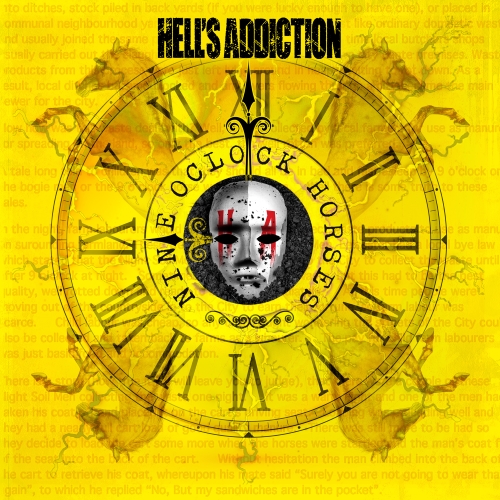
Hell's Addiction – Nine O'Clock Horses album cover

image courtesy of Head First Entertainment

Song number three on the disc, “Scream Your Name,” was the album’s first single, and it was a terrific choice. “Scream Your Name” is a hook-filled heavy melodic rocker with that utilizes stop-starts, tempo changes, soaring vocals, and repeated guitar hooks to jump off the record. This song, in particular, is straight out of the late ’80s/early ’90s, akin to something that might have been a big hit for Slaughter.

“Run For Your Life” follows, equally catchy and classic hard rock-based but a little more timeless. “Crying Over Me,” which follows, is a little heavier and a little edgier.

Hell's Addiction

photo courtesy of Head First Entertainment

“Your Master Plan” opens as a guitar-driven, eerily soaring heavy metal ballad, with the “there’s got to be another way” serving as the singalong lyrics while the music bed roars with muted power.

“Save Me” serves up a heavy thumping rock rhythm that drives the song forward forcefully in support vocals that are generally more tuneful than the aggressive instrumentation might typically suggest. Then, similar to the “Run for Your Life”/”Crying Over Me” sequence earlier in the record, the following song “Give Me a Sign” skews heavier. And it’s followed by a ballad.

Hell's Addiction

photo courtesy of Head First Entertainment

In this case, though, said ballad “Love” is a stripped-down, barebones heartfelt plea for more than half of the song, seemingly a la Mr. Big, before quite suddenly but naturally morphing into a very electric guitar-driven power ballad with much fuller production for the final minute-plus. Very cleverly arranged.

Sidewinding guitar rocker “Playing Chicken With a Knife,” straightforward classic rocker “Stare Into the Sun,” and chicken-fried, swampily rhythmic heavy rocker “Cannot Hide” close things out.

Beginning to end, Nine O’Clock Horses is a robust, enthusiastic guitar rock album that draws upon the heavier, edgier segment of the ’80s-style classic, heavy melodic rock subgenre. If you rock hard and dig guitars, you’ve gotta hear this disc.

Album Review: The Outfit – Go

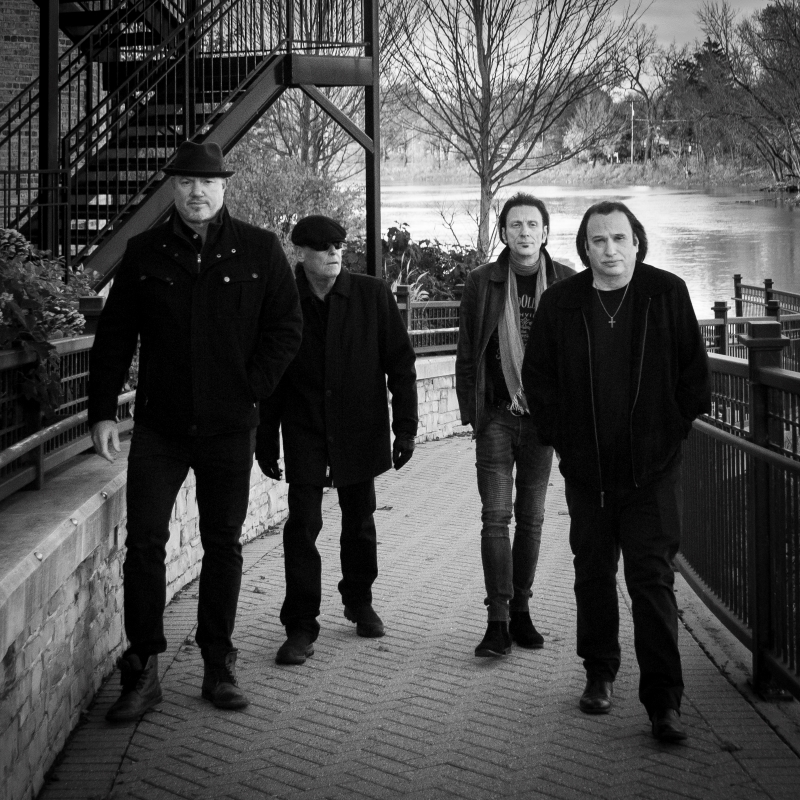
The Outfit band photo

photo courtesy of Pavement Entertainment

Album Review of The Outfit: Go (Pavement Entertainment)

The Outfit‘s Go is one helluvan AOR album. Guitar-driven rock with intricate musicianship, a big, arena-filling sound, and hooks catchy enough to have made several songs hits during the genre’s heyday. Instead, The Outfit will have to settle for being a favorite new discovery of guitar rock fans, however they might discover new music. (Hopefully, a few of you discover new music here at the Blog.)

Actually, fans who follow current rock music closely may have already discovered The Outfit. The band’s self-titled debut album in 2018 spawned the song “Soldier Boy,” which received rock radio airplay and reached #34 on Billboard‘s Mainstream Rock Radio chart. A second album, Viking, followed in 2020, with the video for that album’s title track racking up 380,000 views on YouTube. So yeah, maybe I’m the one who’s late to the party, after the decent success The Outfit found with its first two albums. Go, The Outfit’s third album, the one that gained my attention (because it was sent to me for review consideration, and it’s a friggin’ rock masterpiece) was released last year.

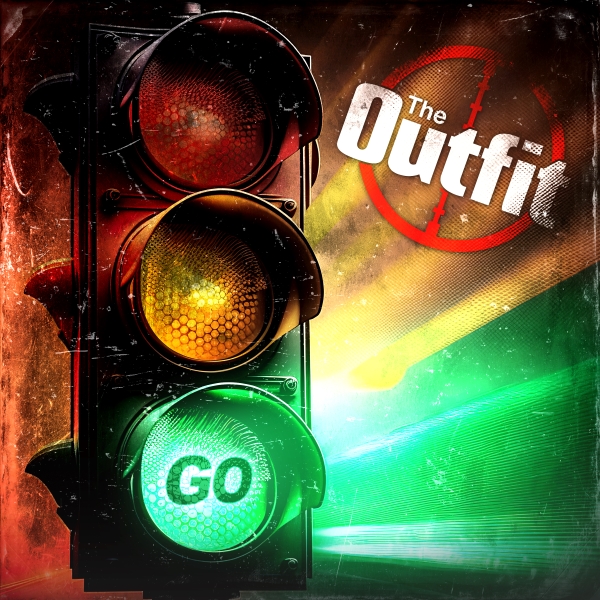
The Outfit – Go album cover

image courtesy of Pavement Entertainment

The Outfit is mainly a classic-styled rock band, but some of their most engaging songs are unique originals in which the band takes a big swing and hits it out of the park. “Arrival of Jane,” for example, has a big, open, progressive rock feeling, a sci-fi-related theme, booming drums, and soaring guitars. It’s the sort of thing some ambitious bands were able to succeed with in the ’70s or ’80s but not so much since. That’s the second track on Go, following album-opener “Monster,” which introduces The Outfit fittingly as a power rock band, perhaps hinting at some later variety via guitar runs that spin forth from the pounding, heavy rhythm.

The third track, “Big Eyes,” is another favorite and perhaps the uptempo song with the most crossover hit possibility in this collection, at least across fans of various guitar-driven rock subgenres. The heavy music bed and screaming guitars part periodically for the fun-to-sing-along with “hey, hey, hey, big eyes seem to follow you; hey, hey, hey, big eyes seem to haunt you.”

Of course, “Mountain,” a rock ballad, has this record’s most crossover appeal, with the ability to reach beyond guitar rock fans, as slow rock songs more often reach the broadest audiences.

The first of two very British, punk-recalling rockers, “Elo Kiddies,” is up next. (That song title would be pronounced “ello, kiddies!”) This sort of irreverent attitude won’t be found again until the last song on the record, The Outfit’s raucous cover of “God Save the Queen.”

“Go” marks the return of smoothly heavy rock, a full-tilt, energy rocker driven by its powerful rhythm section and the repeated, singalongable lyric “If she won’t go, I will go.” “Fire Eye” follows, with a heavy thumping rhythm and vocal delivery that recalls “Arrival of Jane,” with an almost haunting vocal delivery transitioning to a brightly engaging chorus.

The album’s penultimate track, “You Say,” is probably my favorite song on the back half of the disc – though it’s close. This song is built on a steady rock rhythm with one of those attention-grabbing, stop-and-go-boom pauses between the verse and the chorus. It’s actually the last track performed in the predominant style found throughout Go; as I noted above, the disc closes with “God Save the Queen,” which really is a fun way to close the record.

Looking Ahead

As the band notes in this Facebook post, there’s a new record on the way. I can’t wait to hear it! This post gives a release date of March 14th for the new album’s first single, “Hard On Me.” You can pre-save at this link (or click through to view, post-release).

Album Review: Sunny Bleau & The Moons – Passion & Regrets

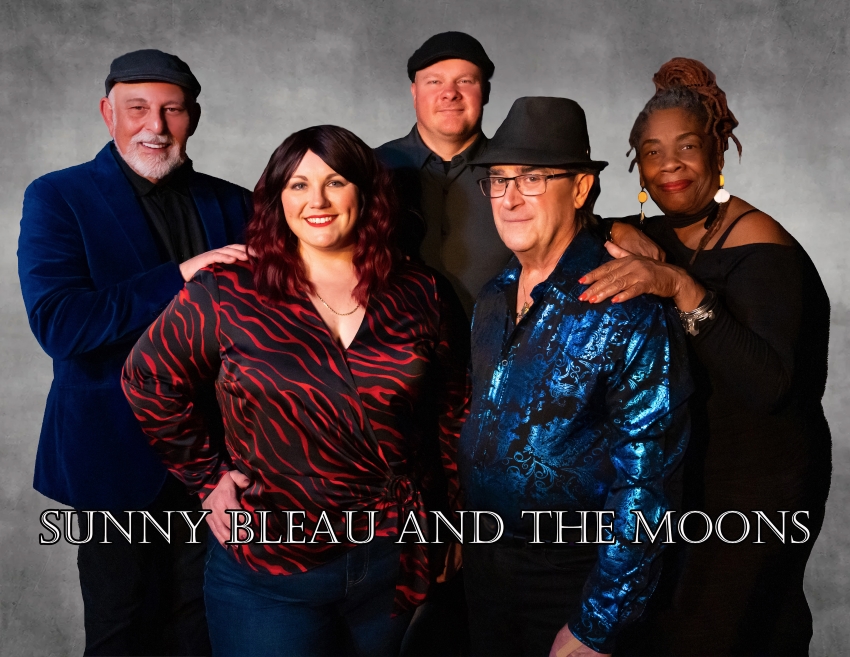
Sunny Bleau & the Moons

photo courtesy of Sunny Bleau & the Moons

by Eric Harabadian, Contributing Blogger

Album Review of Sunny Bleau & The Moons: Passion & Regrets (Endless Blues Records)

Michigan-based singer-songwriter Kelly Brock (aka “Sunny Bleau”) has been garnering a steady fanbase in the blues world for her captivating blend of original songs and tasty covers. The 2025 Michigan Music Award nominees tap into the essence of traditional and classic blues, rock and soulful styles, with self-assured grace and an independent spirit.

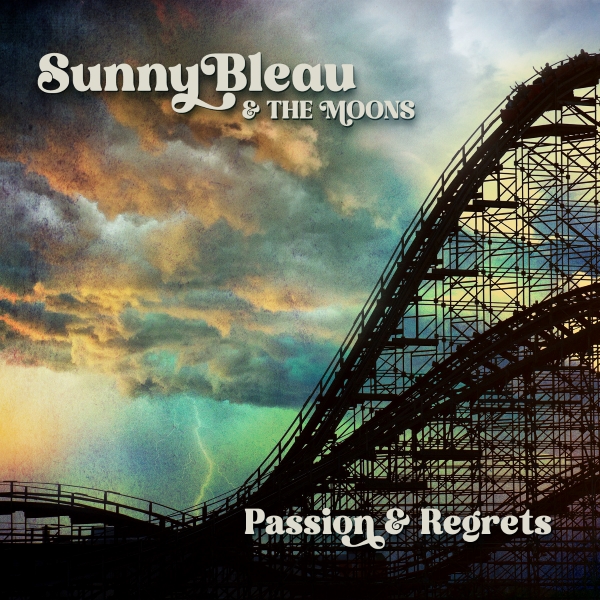
Sunny Bleau & the Moons – Passion & Regrets album cover

image courtesy of Sunny Bleau & the Moons

On this latest Sunny Bleau and the Moons release, Sunny Bleau is joined by band co-founder and head Moon, Nicholas Cocco (guitars), Jeff Jenson (guitars), Keirsi Joli (harmonica and backing vocals), Bill Ruffino (bass), James Cunningham (drums), Rick Steff (keyboards), and Dr. Peter Stephenson (Hammond SKX). They are produced by the great Mick Kolassa, who assembled the studio band and gave the session an authentic and true blue mix of vintage and contemporary luster.

“Two Glasses of Whiskey on Ice” sounds nice! Kick back and let master storyteller Ms. Bleau regale you with a tale about an older woman who has a romantic encounter with a Beale Street musician. It’s a sexy and seductive tune where Cocco’s well-placed licks never overpower but make a nice bed on which this dramatic little yarn unfolds. Sunny puts the listener at the front of the action as if you are watching a movie. When she describes the details in this woman preparing for a night of, hopefully, passion with the musician of her affection, you feel the anticipation right along with her.

Sunny Bleau

Sunny Bleau; photo courtesy of Sunny Bleau & the Moons

“You Better Put the Coffee On” is a slow blues that has a bump and (coffee) grind feel. Sunny doesn’t wanna be taken for granted by her man and knows about some of the shady stuff he’s been up to. But, in no uncertain terms, the biggest offense he can commit, besides having a woman on the side, is not brewing that pot of coffee before leaving the house. The song has a tongue-in-cheek vibe that features some tasty solos from Joli and Cocco.

“Low-Down-Middle-Aged-Blues” is all about the passage of time, as a person of a certain age evaluates their life thus far. It is a song originally conceived by the Detroit keyboardist Dr. Peter Stephenson, based on his award-winning composition “Helpless Blues.” His New Orleans-like piano work coupled with Sunny’s Bessie Smith-influenced phrasing brings a traditional authenticity to the mix that is relevant and timeless.

“Peacock Strut” explores a young man with an eye for the ladies. Again, Sunny seems to have a read on these types of things. And she ain’t falling one bit for what kind of jive the young man is putting down. It’s a relaxed, laid-back number, with some clean, Roy Buchanan-type leads and interplay with Jenson.

Nic Cocco

Nic Cocco; photo courtesy of Sunny Bleau & the Moons

Female empowerment is the name of the game for Sunny Bleau. And that shines through to the fore on “S-H-E-E-E-W-O-M-A-N.” She’s lawdy, she’s bawdy and don’t take no mess! And to drive that message home you’ve got some hellacious harmonica riffing from Joli and a twin guitar attack from Cocco and Jenson. Their call and response here is exceptional and really sells the tune.

“Why Don’t You Do Right?” is an old standard originally recorded by Lil Green in 1941. Peggy Lee also had a hit with it, and Sunny’s delivery bears the blonde chanteuse’s seductive style. This swings in all the right places and is just a nice, easy and carefree ride. Cocco and Steff have a stellar interactive guitar and Wurlitzer exchange that embodies the authentic period in which it was written.

“Waitin’ on a Man” comes from a first-person perspective but really could be a composite of many women’s takes on relationships. It’s all about the trials and tribulations of being with a man who is, perhaps, not on the same commitment level as you. Fear not, ladies, for Sunny gives you her tips and experience accompanied by Steff’s jazzy and country-flavored piano work.

Sunny Bleau & the Moons logo

image courtesy of Sunny Bleau & the Moons

“You Put Me Out” uses a lot of harsh comparisons like “washing grease off your hand” or “crushing me like a cigarette” to depict being dismissed in a one-sided relationship. It’s a slow burn of a tune that bristles with Sunny’s emotive vocals and, again, Steff’s top notch keyboard skills.

“Deep Regretful Blues” is as much a Sunny song as it is a Nicholas Cocco tour de force. Cocco really opens up here on some taut blues rhythms and incisive and gritty guitar work. The rhythm section of Ruffino and Cunningham really cooks in a low and understated manner.

The finale “Memphis Bound (It is Well with My Soul)” lays down a dirge-like path, with its tribute to the elder blues men and women of Memphis blues that have paved the way for folks like Sunny Bleau and the Moons. Toward the coda of the song, Sunny surprisingly picks up the tempo in a gospel-fueled fervor where she, in call and response vocals with Joli, delivers the final line, “When I die I won’t be going to heaven… ‘cause Beale Street is hallowed ground.”

Passion & Regrets is almost like a concept album in the way each song seems to observe and attempt to define various aspects of love, relationships and, of course, music. Sunny seems to put it all on the table for her audience. And Cocco and company back her in an ego-less and first call professional style. RIYL: Bonnie Raitt, Eric Clapton and Marcy Levy, Patsy Cline, Joanne Shaw Taylor, and Etta James. Sunny Bleau & The Moons are keeping those classic and vintage blues fires burning, with a contemporary edge.

Album Review: Fernando Perdomo – Self

Fernando Perdomo

photo by Claudia Adamczyk; photo courtesy of Fernando Perdomo

Album Review of Fernando Perdomo: Self

You’ve read about Fernando Perdomo a few times here at the blog. And you’ve almost read about him a few more times, when his music crossed our desks during times we simply didn’t have time to review all the great music we received. Between performing and recording with other musicians, both well-known and lesser-known, producing others’ music, and recording his own, Fernando’s music output is prolific. His sterling reputation, for his talent and hard work, is well-deserved.

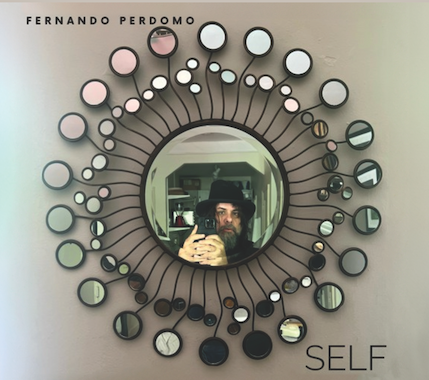
Fernando Perdomo – Self album cover

image courtesy of Fernando Perdomo

Fernando’s mid-2024 release Self showcases a broad swath of his rock ‘n roll influences, including energetic, hooky, old-school rock, progressive rock, and experimental and quirky rock.

Disc-opener “Searching For Myself” gives off super-strong Beatles vibes. The soft guitar strums and lilting tone support Fernando’s not-as-gravelly-as-it-first seems vocals, which express emotion and stylistic range throughout the various corners of this song.

Next up, “Everything Leads to Now” sports some nifty guitar-plucking and is a little more experimental within the confines of a classic pop-rock musical envelope. Can someone help me here? In some of the more creatively-unique spots, it’s not exactly hints of Moody Blues I’m hearing, but it’d be someone they might share a stage with.

“Optimist Prime” is a swift, energetic, relatively fast-paced catchy pop-alt-rock ditty that you’ll probably remember from the frequently-repeated lyric “my way” until you learn the song title. It’s the tempo and electric energy that’ll get you hooked.

Fernando Perdomo

photo by Erik Nielsen; photo courtesy of Fernando Perdomo

“Absolute Silence” is a grainy, dreamy number that floats along as if elusively off in the distance like a mirage. Or as if you’re listening to it while floating in a swimming pool at a kitschy Route 66 motel. It’s not far from being shoegaze, even.

“Who I Really Am” is a slow-paced number with a kind of funky ’70s vibe.

Instrumental “All of Us Under the Same Moon” has one of the more memorable chord progressions on the album, as the guitarwork trickles like a stream across a bed of music pebbles.

And the album closes with what’s probably the most progressive/experimental rock thing possible – a nearly-20-minute track entitled “Self.” Essentially, the entire B-side, if this were on vinyl. The song is a meandering journey, but it’s so tightly assembled that, when it’s over, you realize that, while it’s clearly a long song, it doesn’t feel nearly as long as the 19 minutes and 41 seconds that elapse. The song itself is a journey to self. Or perhaps mostly Fernando’s self.

And that’s really what it’s all about. As Fernando himself says, “Self is not just an album. It is a definition of who I am. It is the most complete statement I have ever made as a recording artist.” We should thank him for sharing the statement with us; it’s a cool musical journey.

More Recently

Since releasing Self in 2024, Fernando has committed to releasing a series of “Waves” albums in 2025, one each month. Waves and Waves 2 are already available, while Waves 3 can be preordered. Fernando has also released a cool single entitled “Is That Love.” All of those recordings can be found on his bandcamp page.

Album Review: Jennifer Tefft and the Strange – Strange Beginnings

Jennifer Tefft and the Strange band photo

photo by John Parrillo; photo courtesy of Knyvet

Album Review of Jennifer Tefft and the Strange: Strange Beginnings (Rock Garden Records)

Strange Beginnings, the 2024 album released by Jennifer Tefft and the Strange, won Album of the Year at the 2024 New England Music Awards. And deservedly so! This is a tight, varied collection of kickass rock ‘n roll, ranging from soft songs to hard rockers. You can hear elements of a broad range of rockers in Tefft’s delivery, from Blondie to Pat Benatar, from Joan Jett to the more rockin’ edge of the Go-Gos. I know I’ve refenced a fair bit of classic rock, but this album is really more timeless rock. In musical listings, I tend to see Jennifer Tefft and the Strange labeled as alternative rock, and I can see the comparison, but they’re certainly at the more polished end of the alternative rock spectrum, and I spot a lot of classic and mainstream rock influences, even if the band does like to take it to the edgier ends of those rock categories.

Quite a while back, I reviewed “Love and War,” one of the pre-release singles from this album, and it has aged well. It remains one of the disc’s strongest hard-rockin’ tracks, even after dozens more listens. On this record, it’s joined by several more new favorites, too.

Jennifer Tefft and the Strange – Strange Beginnings album cover

image courtesy of Knyvet

“Caffeine,” another of the pre-release singles, was a great selection to get things started. The album-opener kicks things off with a gritty guitar lick – with axeman John Parillo making a statement that yeah, this album is gonna rock – before the song builds into a steady rock rhythm. The song is tuneful despite a jangly wall-of-noise backdrop and Tefft’s howling wails, guided by drumwork that’s steady even while feeling not-so, thanks to a creatively varied beat and some interesting fill choices. Then there’s that helicopter-ish ending. The band could go completely limp from this point on and you’d still think you’d listened to a rockin’ album. Fortunately, while the music is varied throughout the disc, it still always obviously rocks… and is never limp.

I really dig the imagery in “Paper Cut,” from the edginess of the vocals and guitar runs occasionally drizzling through the background of this heavy-sounding slow song. The imagery? Cool lyrics like “You’re a switchblade, paper-thin. You’re a paper cut on smooth white skin.” Ouch; I can feel that. And a fade-out ending. Remember when rock bands used to do this? Well, Jennifer Tefft and the Strange still do.

Throughout the rest of the disc you’ll find more alt rock-meets-punk-meets-classic rock tracks like “Shoulda Known Better,” which is one of those songs that feels a lot faster than it is because the delivery is so raucous, creating an illusion of speed despite its moderate tempo.

That moderate tempo is relatively common on this album, as is the case with “Lullaby,” and it is partly responsible for the album’s heavy feel, though drummer Chris Georgenes’ powerful skin-striking plays a role, too. Stephen “Sharky” Beccia’s thumping bassline also rises in the mix in certain tracks. Like “Lullaby,” for example, where I notice myself mentally thumping along with the bass toward the song’s close.

“Second Chance,” next up, stands out as a potential hit. It has a cool lyric you’ll get to know: “Drawn to the flame, we burn our wings, but we crave the fire and the pain it brings. Now we’re picking through the ashes for a second chance Drawn to the fire, we fly too close where we burn the things we love the most. Now we’re picking through the ashes for a second chance, a second chance to burn.” Is that badass, or what? Tefft’s vocals range from edgy to soaringly smooth supported by smooth guitarwork and heavy rhythms.

“Down On My Knees” brings some punk attitude and a straight-ahead musical attack punctuated in a few spots with a neat southwestern distorted riff that just hints at that Chris Isaak “Wicked Game” sound. (You can hear it now, can’t you?) But you hear it just briefly when it pops in, like just the right amount of flair, nowhere the amount of flair a Chotchkie’s manager would recommend.

“Going Out” is a fun rocker sung from the point of view of a past-her-clubbing-days woman preparing to completely overdo it on a rare night out. Irreverent, fun music for not-so-young adults.

And the album closes with power, the previously-reviewed “Love & War.”

Eight songs probably isn’t enough, but better to leave the audience wanting more, I guess. If my descriptions haven’t clinched the deal for you yet, the record was produced by Grammy-winning producer Bob St. John (Collective Soul, Duran Duran, Extreme, etc.), so you can count on top-shelf production value. And, of course, in this case, a kickass rock band delivering the goods.

Album Review: Roberto Magris – Freedom is Peace

Roberto Magris

Roberto Magris; photo by Rosario Pino Varsaica; photo courtesy of Roberto Magris

by Eric Harabadian, Contributing Blogger

Album Review of Roberto Magris: Freedom is Peace (JMood Records)

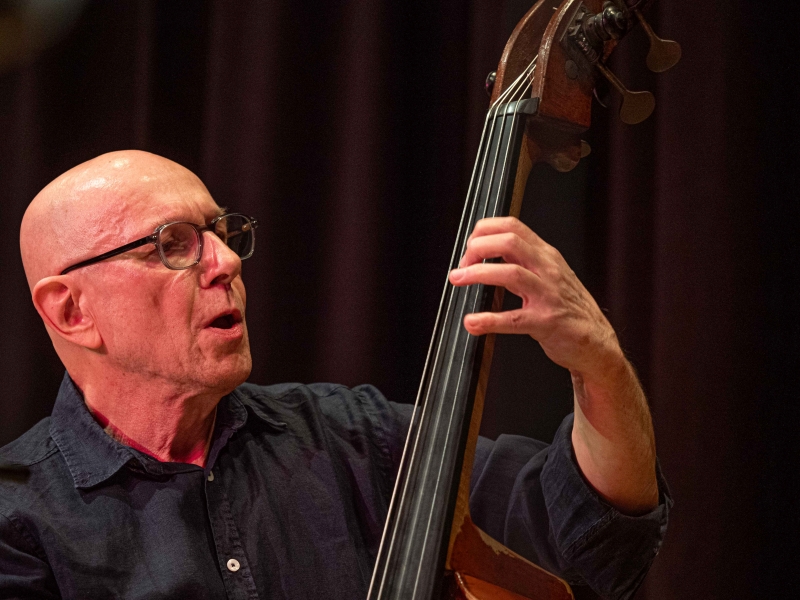
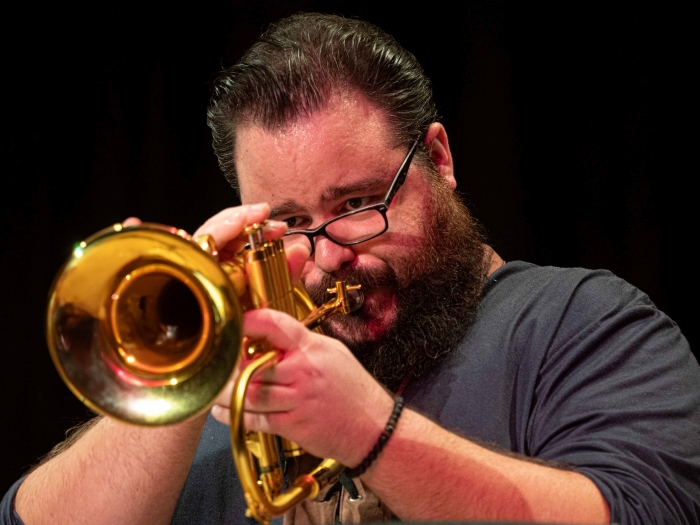
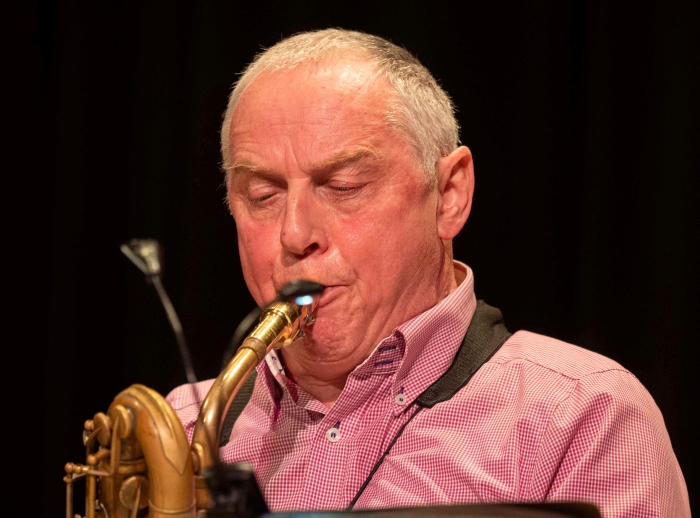
World-renowned Italian jazz pianist Roberto Magris is reunited after 20 years with his globally-recognized Europlane ensemble. He is joined on this recording by an international roster of stellar players, including Hungarian tenor saxophonist Tony Lakatos, German bassist Rudi Engel, Slovakian trumpeter Lukas Oravec, Slovenian drummer Gasper Bertoncelj and Austrian alto and baritone saxophonist Florian Brambock.

Roberto Magris – Freedom is Peace album cover

cover photo by Herbert Hoepfl; image courtesy of Roberto Magris

Recorded live in Bad Goisern, Austria in April of last year for the European Capital of Culture 2024 event, this band was itching to play, and they came out swinging! This is the initial handiwork of Magris, who was commissioned by a promoter, Emilian Tantana, to resurrect this classic European jazz group for this special event. This recording serves as a world premiere of Magris’ new original compositions and arrangements. While this set of compositions was embraced by the entire ensemble, putting it all together was especially heartfelt for Magris, as the experience reflected not only his attempt to recreate the sound of the original Europlane group but also the evolution of his career, over the past 20 years, as a solo artist and sideman.

Rudi Engel

Rudi Engel; photo by Herbert Hoepfl; photo courtesy of Roberto Magris

Poised before a very appreciative and enthusiastic audience, the Magris-led group delivered the goods… and then some. There is a tertiary subtext of social consciousness that runs through this live eight track set, beginning with Magris’ “Freedom is Peace.” Musically, the piece unfolds in a strident and bold manner, with heavy McCoy Tyner/Horace Silver-like left hand piano action and a powerful front line melodic statement. The impetus behind the tune comes from Magris who says: “This new composition of mine comes from the pressing need to now stand for peace, freedom, friendship, brotherhood and positive values… ‘Freedom is Peace’ is a call to stand for peace and beauty as a counterpart to the ugly feelings that are more and more surrounding us. Music, and especially jazz, is energy. And in this period we need positive energy.”

Lukas Oravec

Lukas Oravec; photo by Herbert Hoepfl; photo courtesy of Roberto Magris

“The Island of Nowhere” slows things down a bit to a light swing, with shadings of cool noir. There is a meticulously orchestrated Oliver Nelson/Claus Ogerman vibe at play. The rhythms leisurely glide along, providing a platform that inspires great solos from everyone. The horns are strong, with an exceptional bass spotlight from Engel that seems to summarize the piece.

Florian Bramböck

Florian Bramböck; photo by Herbert Hoepfl; photo courtesy of Roberto Magris

“Malay Tone Poem” is a tune written by South African pianist Hotep Idris Galeta. This displays the diverse virtuosity of the band, exemplifying  their collective use of space and eerie alternate modes. There is a strong anchor from the bass and drums that allows the piano and horns to venture into seemingly unknown territory. In particular, Magris’ solo is inventive and playful.

Another cover that is a favorite of the composer-arranger is Andrew Hill’s “Laverne.” Magris has played this beautiful ballad with various bands for years and brings that familiarity and richness to this ensemble. It features intricate uncommon harmonies, with a soft, lilting feel that will cast you into a romantic or alternate state. Lakatos’ wonderful soprano sax work here really soars.

Tony Lakatos

Tony Lakatos; photo by Herbert Hoepfl; photo courtesy of Roberto Magris

Another significant message to his European countrymen and women is the piece “Something to Save from EU (You)” by Magris. It begins with a rubato piano and bass intro which leads into a bouncy and upbeat ensemble feel. Overall, there is a positive vibe to the piece, with tasteful brush work by drummer Bertoncelj during the mid-section. At over 12 minutes, the tune has time to fully blossom and breathe. This allows the opportunities for stellar solos. Again, Magris comments on goings on in Europe and our society at large. He says: “Many people are wondering if the European Union was and is still a good idea. Personally, I think it was and is. But now we need to change completely and move from financial priorities to social and cultural priorities. Apart from politics, the European culture needs to be saved. We need to save culture and we need to save art.  We need to save music (classical, pop, jazz, rock, folk, etc.). And above all, we need to save melody.” You definitely get that urgency from this group in the message.

Gasper Bertoncelj

Gasper Bertoncelj; photo by Herbert Hoepfl; photo courtesy of Roberto Magris

“When You Touch Me” was written by an Israeli musician Boaz Sharabi. In Magris’ travels throughout the world he found Israel to have a lot of positive atmosphere and connected with some great jazz people there. May this act as a healing salve to what the Israeli and Palestinian people have endured during the strife and human tragedy experienced in the last year or so. Magris took this old Israeli pop song and restructured it, with a slight Latin approach. The delicate group harmonies and Lakatos’ lithe soprano work stands out.

“Loose Fit” is a Magris composition that sounds just like the title. It’s a cool and funky number that rocks out. When it unfolds into swing mode it just feels so good. The ascending and descending melody has a cascading effect. And all the band’s solos drift effortlessly atop a driving beat. The drum break toward the end was unexpected, but gives it a nice kick.

Roberto Magris

Roberto Magris; photo by Radivoj Mosetti; photo courtesy of Roberto Magris

“Hip! For the Conference” is an older tune by Europlane ensemble that was rearranged and modernized for this event by Magris. It starts with a capella horns and then comes in swinging. I guarantee you’ll be humming this melody all day! Notable solos erupt from everyone as this hard bop gem brings the house down.

The Europlane ensemble led by Roberto Magris might not be familiar to American audiences, per se, but, regardless, they are one of the finest modern jazz groups you are ever gonna hear! Make a note and put this on your essential listening docket now!

Album Review: David Udell – It’s Worth It

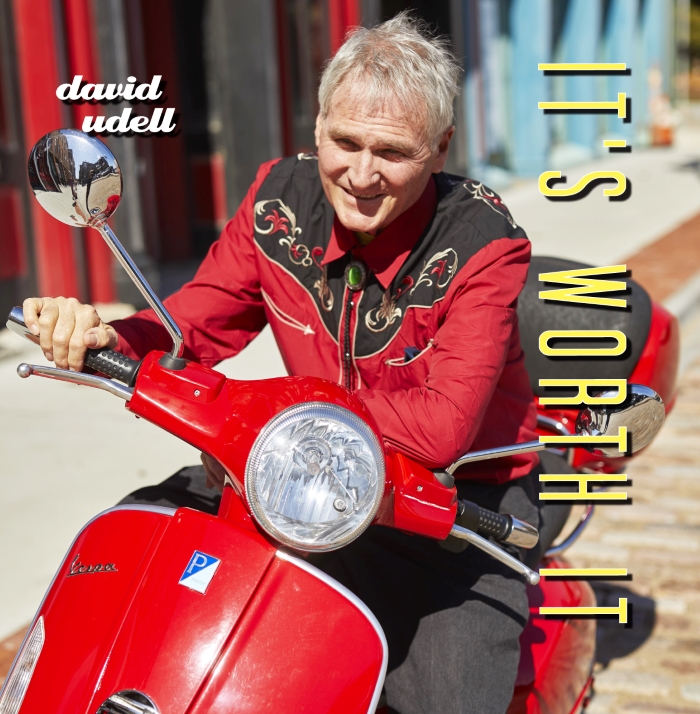
David Udell – It's Worth It album cover

image courtesy of Rock Rose Music

by Eric Harabadian, Contributing Blogger

Album Review of David Udell: It’s Worth It

This is David Udell’s second solo album and employs a lot of the sounds and textures he’s used in the past as a burgeoning guitarist and keyboardist with St. Louis-based avant-prog group Wax Theatricks and synth-pop instrumentalists Delay Tactics.

Working in a solo context, Udell creates a unique landscape of sound that encompasses elements of pure pop, Americana, prog, ambient, and straight up rock ‘n roll. His satirical lyrics combine with tuneful melodies, while the record’s multi-layered production rides that wave reserved for artists as vast as King Crimson, The Cars, Duran Duran, Phil Manzanera, R.E.M., Steve Hackett, The Beatles, and Can.

Udell is all over the map, in a seat-of-the-pants sort of way, starting with “Watching the Freak Parade.” He bursts out of the shoot, with a spirited rocker that has a clear and clever sense of irony and humor. “It’s Beginning to Look Like Rain” shifts gears down to a spacious, serene kind of vibe. This is an acoustic-flavored tune that spotlights Udell’s keen use of melodic hooks.

promo photo of David Udell

photo courtesy of Rock Rose Music

“Slow Song” features his fellow guitar and composer buddy from his mid-’80s Delay Tactics days, Carl Weingarten. The multi-tracked vocals and various echoed guitars give this a strong psychedelic feel.

“The Motion Song” is a composition from Udell’s early ’80s catalog and is a quick and light experiment in natural rhythms and toy percussion. “Our River” has a real Americana vibe, with a psyche component that sets the vocals in a swirling motion like streams down a river. “Solid Ground” has a folk-like early British feel that is accentuated by Margaret Bianchetta’s golden flute passages.

“Made My Peace” sounds like an outtake from The Beatles’ Sgt. Pepper’s album or something. It’s got a cool arrangement, with back masking and all these little sonic buzzers and bells happening underneath the action.

Udell asks the question “Is it Worth It?” And before he answers it at the end of the album, he cleverly goes through a litany of questions directed at mankind’s inhumanity and lust for control. It’s an existential ride that features some sizzling guitar in the mid-section.

“Unexplored Expanses” goes back to his roots as an electronic adventurer. It’s a short interlude that blends ambience and a Can/Holger Czukay-type of unorthodoxy. The title song and answer to the previous track, “It’s Worth It” kind of sums up the album. It’s somewhat of a hopeful song, with some tasteful Robert Fripp/Steve Hackett-like sustained guitars. It’s an appropriate finale that really builds in a semi-symphonic, almost Baroque-infused manner.

David Udell is a talented and multi-faceted artist, firmly rooted in art and progressive rock, but with a strong melodic crossover appeal.

Album Review: Rory Block – Positively 4th Street

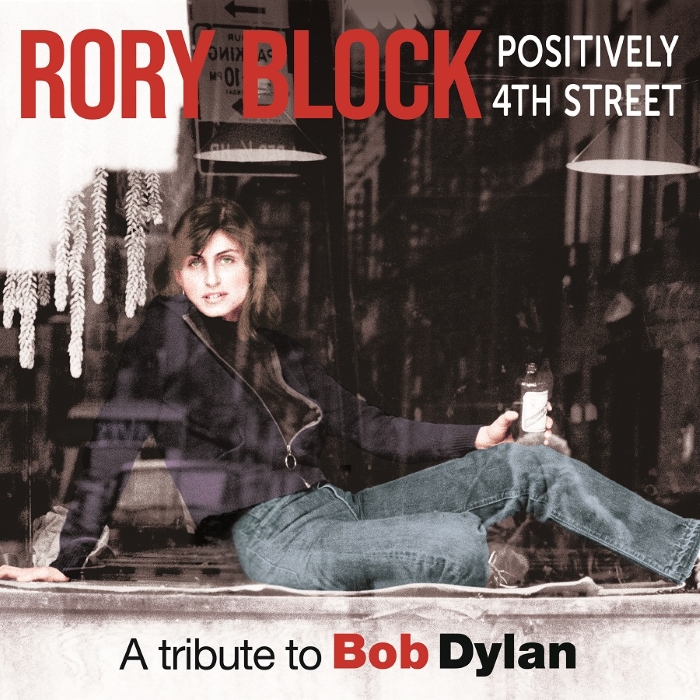
Rory Block – Positively 4th Street album cover

image courtesy of Mark Pucci Media

by Eric Harabadian, Contributing Blogger

Album Review of Rory Block: Positively 4th Street (Stony Plain Records)

Rory Block is a singer-songwriter and guitarist who was on the ground floor of the folk and blues movement in the burgeoning ‘60s Greenwich Village scene. Both her mother and father were musicians, and her family ran in the same circles as musical icons like Pete Seeger, Maria Muldaur, John Sebastian, Joan Baez, and Bob Dylan.

Block’s father owned a sandal shop in the Village and a lot of the evolving folk and blues greats would frequent his establishment. Dylan, in particular, hit it off with Block’s family, and young Rory was smitten by Dylan’s poetry and emphasis on maintaining his love of music and artistic integrity.

Rory Block promo photo

photo by Sergio Kurhajec; photo courtesy of Mark Pucci Media

As a young teenager Block studied classical guitar and taught herself Delta blues styles. She became so enamored with traditional blues that she left home at 15 to seek out the fathers of Delta blues like Mississippi John Hurt, Son House and Reverend Gary Davis. She eventually wound up in Berkley, California, where she honed her craft in clubs and coffeehouses.

Bob Dylan is America’s poet laureate who, for an amazing sixty-plus years, has been part of the musical zeitgeist and artistic fabric of our society. And, with the addition of the multiple Oscar-nominated bio-pic A Complete Unknown out now, Dylan’s legacy and social impact is as relevant as ever.

The timing to release a Bob Dylan tribute album could not be more perfect. But, again, Block is someone who was there. She witnessed and was a part of the folk incubator that was the ‘60s-era Greenwich Village. This album is as much a love letter to the folk movement as anything else.

Rory Block promo photo

photo by David Gahr; photo courtesy of Mark Pucci Media

The very youthful-looking and slender Block is the real deal. And she has chosen nine tracks from the Dylan catalog that blend the big hits with the deeper, more ponderous cuts. A case in point is the very bluesy opening track “Everything is Broken.” Her somewhat smooth, world-weary voice is laced with a touch of humor. She sings the ironic and clever lyrics accompanied by her adept slide guitar work. “Ring Them Bells” follows, done in an original folk-blues style.

Block plays all guitars and drums on the album and the mild groove serves this song well. Everyone knows “Like a Rolling Stone,” and she delivers a reading of it that is pretty spot-on with the original. Another deep cut, “Not Dark Yet,” is significant for its slow and reflective tone. She hangs onto each word where you hear the pathos and raw emotion in her voice.

“Mr. Tambourine Man” has been done by so many artists. Block’s is probably one of the best in terms of really getting back to Dylan’s initial intent. The title track “Positively 4th Street” spotlights some fine slide guitar and rudimentary drums. She really captures the essence and mood of Dylan’s words. “A Hard Rain’s A-Gonna Fall” and “Mother of Muses” are nice back-to-back mixes of Block’s ability to run the emotional gamut from somewhat upbeat to a haunting lullaby.

The finale “Murder Most Foul” is a 20-plus minute treatise on the turbulent ‘60s-era and beyond. It addresses, in many ways, the cracks in our society, particularly in the United States. It’s kind of a combination of rap and monologue that Block conveys in a starkly hypnotic style. Powerful stuff!

Album Review: Anaria – Holding Cell

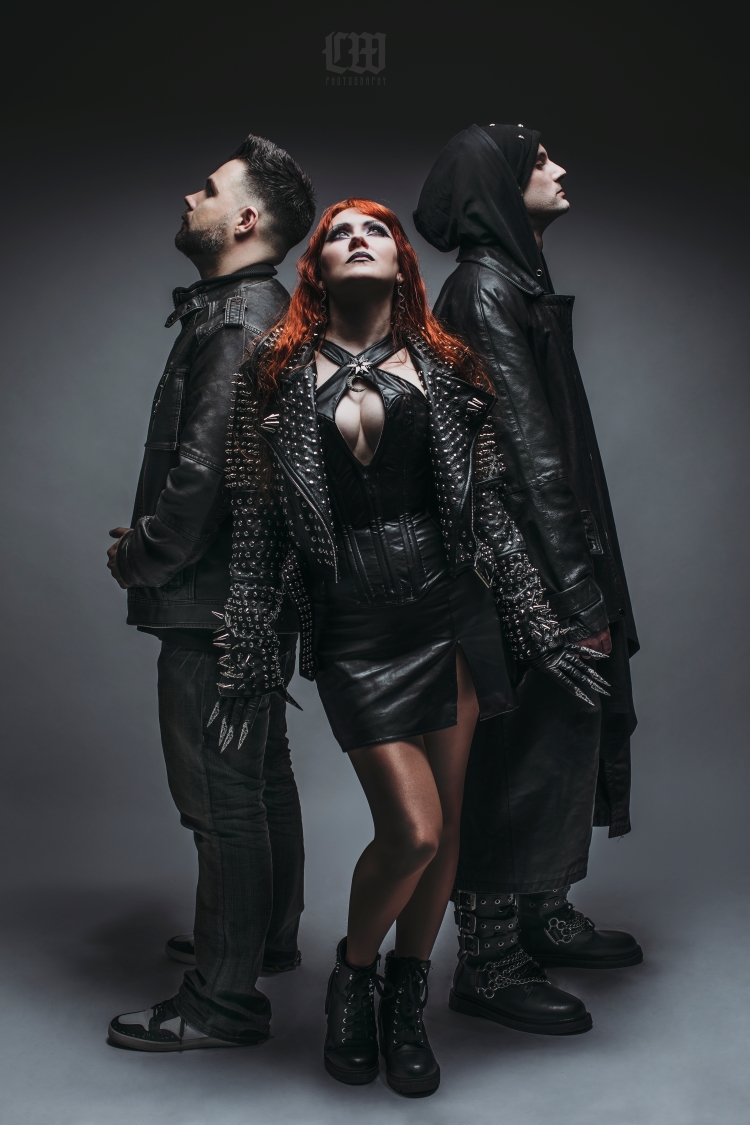
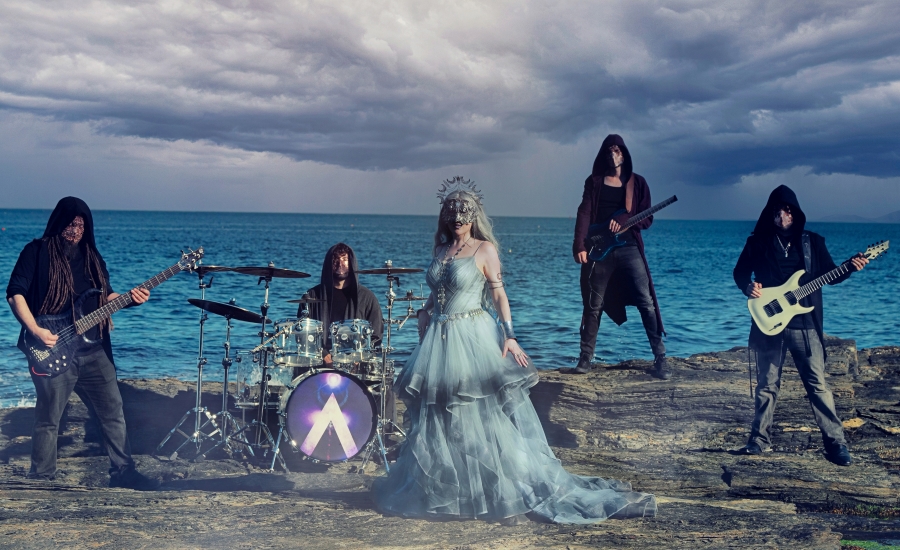
Anaria band photo

photo by Wildthorn Productions; photo courtesy of Anaria

Album Review of Anaria: Holding Cell

Anaria is a powerful, progressive metal band featuring soaring vocals, shredding guitar, and intricate song arrangements. Yes, I’ve just described any decent band of this subgenre, but it’s the details that count, so let’s dig in.

Stylistically, Anaria might share the stage with Evanescence, Edge of Paradise, or Major Moment. Their music frequently shows pop sensibility (a la Evanescence) but only to the extent that a modern metal band might occasionally appeal to a broader audience without sacrificing their street cred. The Edge of Paradise comparison is due to a combination of powerful vocals that produce many soaring tracks but also the willingness to experiment with unusual tempos and arrangements from time to time. The Major Moment comparison is the band’s ability to create a powerful wall of melodic modern metal sound that’ll blow their listeners’ minds, but this might be the least obvious comparison because when they reach musical peaks of power, the two bands’ tendencies are to take the songs in very different directions. And yes, the Evanescence comp was a lazy comparison on my part, which I included mostly because I figure the broadest set of readers will know the reference. But I’m sure modern metal fans will also know the other comps. And many of you already know Anaria – the band’s large social media following and 2024 New England Music Awards nomination in the Hard Rock/Metal Act of the Year category prove they’re garnering some well-earned attention.

Anaria – Holding Cell album cover

image courtesy of Anaria

Holding Cell kicks of with the title track, a powerful number that pulls you in immediately with a very cinematic-feeling opening, followed by flowing verses intermingled with thumping choruses and the lyric you’ll want to sing along with: “Is this real? Because it feels like hell!” This feels like a big concert-opening number that would amp up an arena full of fans. I can even picture the light show – at times dark with lasers shooting through the fog, other times, a big wall of blinding lights flashing, pointed directly at the audience. Always cool when a song is so rockin’ that you can picture it as an arena performance. Totally love starting an album with a number like “Holding Cell.”

Next song, “Synthesis” soars vocally atop a heavy, thumping soundbed, akin to “Holding Cell.” It’s followed by “Freakshow,” an edgier number with a bit of a carnival-flavored music bed, with the harsher vocals (at times) showcasing Jessica Mercy’s vocal versatility. “The Sandman” seems a bit more straight-up heavy but includes some winding rhythms and sprinkles in a little musical uneasiness. Sprinkled like sand, I suppose.

Anaria band photo

photo by Cory Wilmer; photo courtesy of Anaria

“Circle of Love” is notable for its particularly memorable chorus, a chorus that’s heavier than the song verses, which flow a bit lighter, but a bit more flowing than the bridges. It’s a cool song design, and the chorus’ rhythm is memorably, even if there are a bit more words than I can remember to sing along. As with any good progressive-influenced new metal track, of course, there’s a solid instrumental segment near the end, somehow delivering an enjoyable, song-element-heavy heavy rockin’ tune in under 3 minutes. Actually, that’s a them on this disc – songs that are relatively short for Anaria’s genre, even though nothing’s missing.

“Worthy” is probably one of the songs most likely to reach a very broad audience. It’s a slower, melodic-yet-powerful – Anaria’s sound is always super-robust – song with emotionally soaring vocals, a new metal slow song with a sound that perfectly matches its message. It’s a song about valuing yourself despite life’s struggling, with lyrics: “See yourself like I do. Beautiful scars are part of you. See your flaws and embrace them ‘cause you are perfect how you are, and you are worthy of love.” The lyrics are something anyone who has struggled can relate to, and they’re affirming uplifting. “Worthy” is a powerful track.

“Vampire Disco,” next, is a bit more playful, sung with a vocal slyness in the opening, with sidewinding guitar work, and a really cool, brief pause before crashing into the chorus.

photo of Anaria from the filming of their music video "The Sandman"

photo by Kendall Couture, for Wildthorn Productions; photo courtesy of Anaria

Anaria continues to mix its tone and sounds within the envelope of the band’s general style. “Ritual” is musically aggressive. “Golden Crown” is a little slower-tempoed (for the most part). And “The Red Queen” soars but still manages to fit the ominous lyrics.

Finally, the band closes with its cover of HIM’s “Wings of a Butterfly.” It’s energetic and fun to sing along with, at least until you realize you’ve just screamed “Come on and show them your love. Rip out the wings of a butterfly.” Hopefully no one heard it. Anaria’s cover sports a bigger sound, features vocals that soar a bit more, and is musically a little heavier than the original. All in all, an exceptional cover. And a song you might know right of the bat as you get familiar with the rest of the disc.

My favorites on Holding Cell are “Holding Cell,” “Vampire Disco,” and “Worthy” – one fast, one mid-tempo, and one slow. But ask me tomorrow, and I’ll probably choose others. In all, this is a strong release from an arena-caliber melodic/progressive metal band.

More Recently

Since releasing Holding Cell, Anaria has also released an EP, Sign of Life, which the band notes is a 3-song collection of unreleased material with a space theme, and three more singles: “Trigger,” “Crave,” and a cover of Lady Gaga’s “Disease.”