EP Review: The Kings of Jade – Ready or Not

The Kings of Jade – Ready or Not

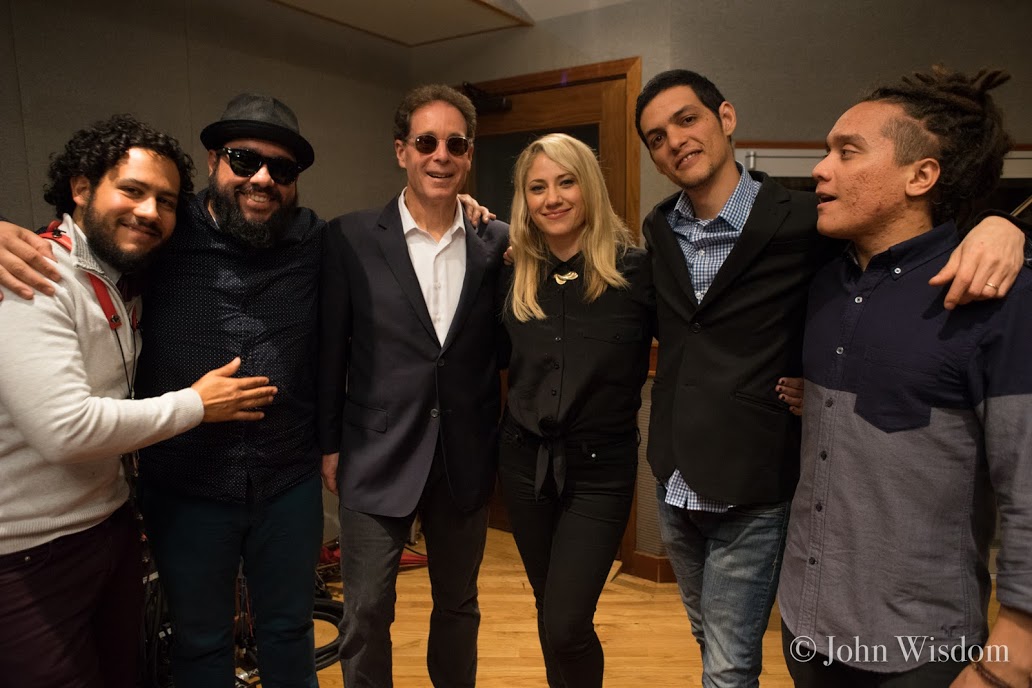
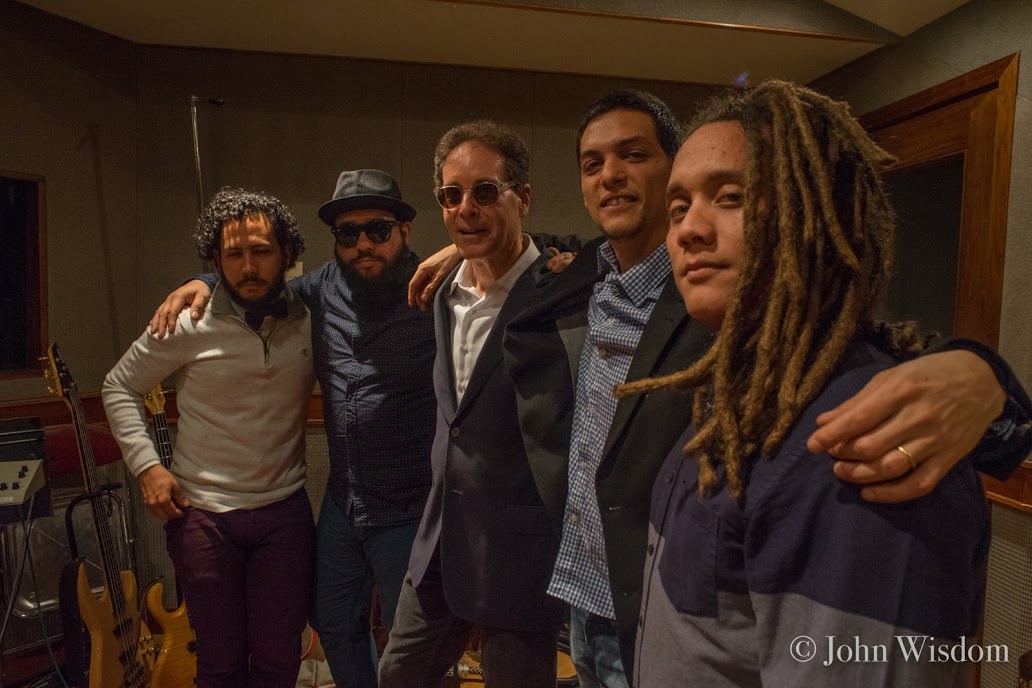
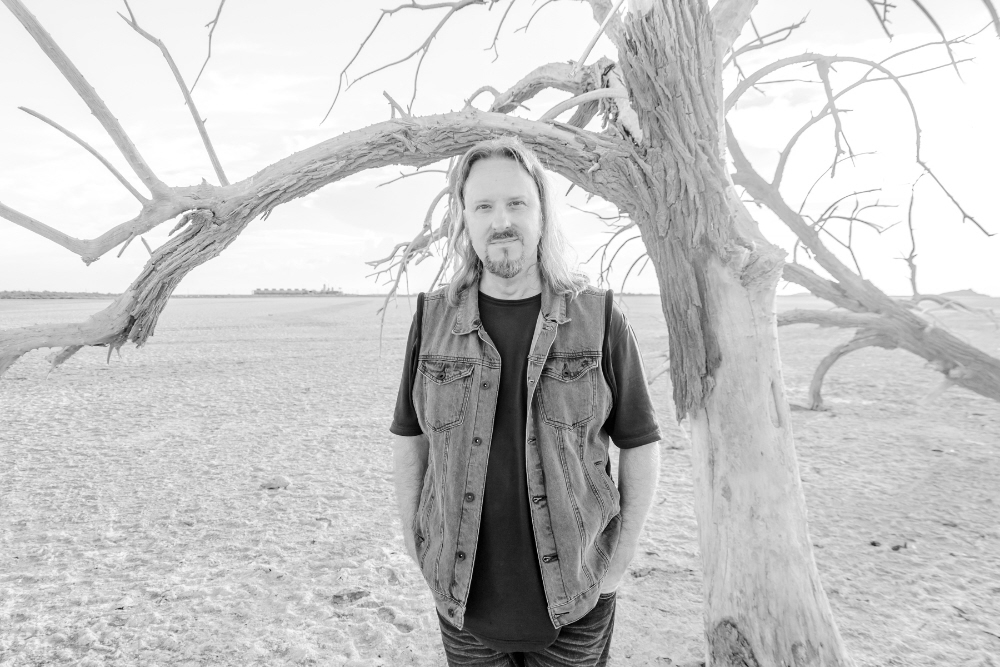
The Kings of Jade

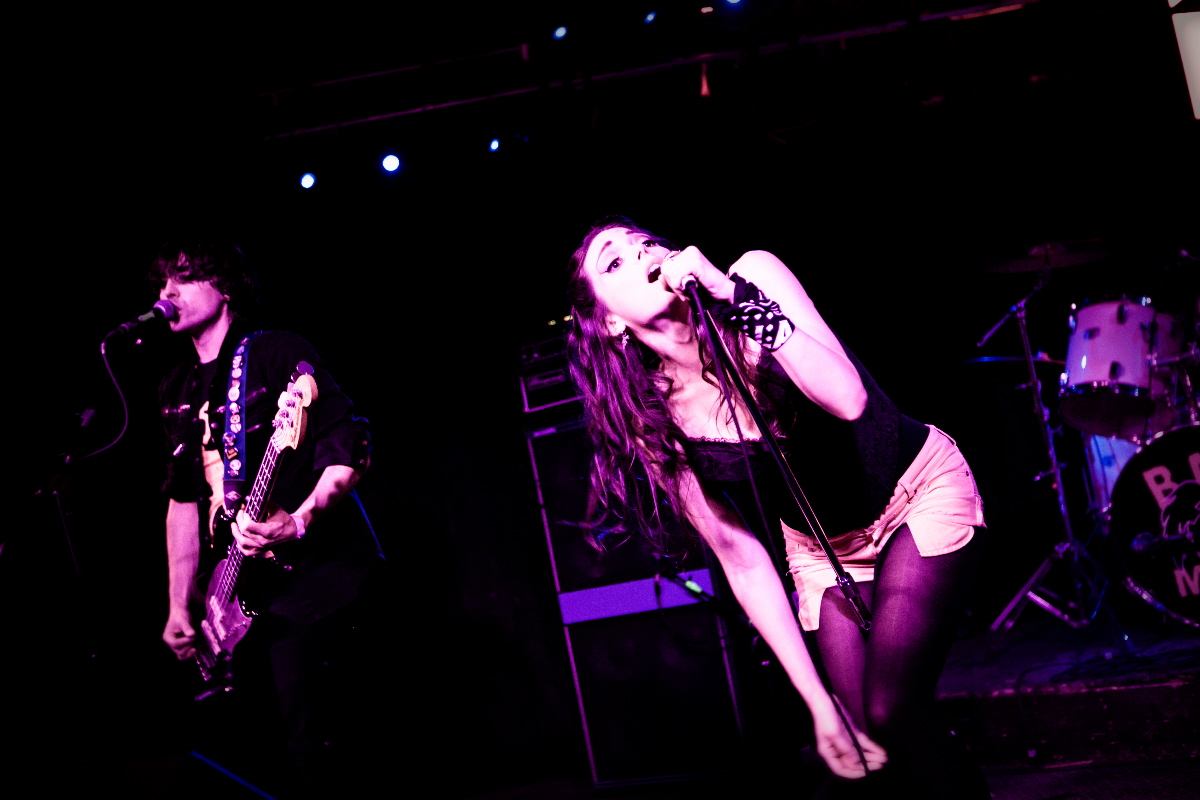
photo courtesy of The Kings of Jade

EP Review of The Kings of Jade: Ready or Not

The Kings of Jade - No Pain No Gain EP cover

image courtesy of The Kings of Jade

Rock. Hard rock. Melodic hard rock. The heyday of the Sunset Strip. The Kings of Jade recall an era when melodic hard rock ruled that stretch of Los Angeles real estate and dominated the American airwaves. Sure, it had been renamed “hair metal” by the end of its run, but this harkens back to a day – decade, actually – when it was all about the catchy, guitar-driven hard rock music, and musicianship was always more important than the genre’s accompanying flash and glitz.

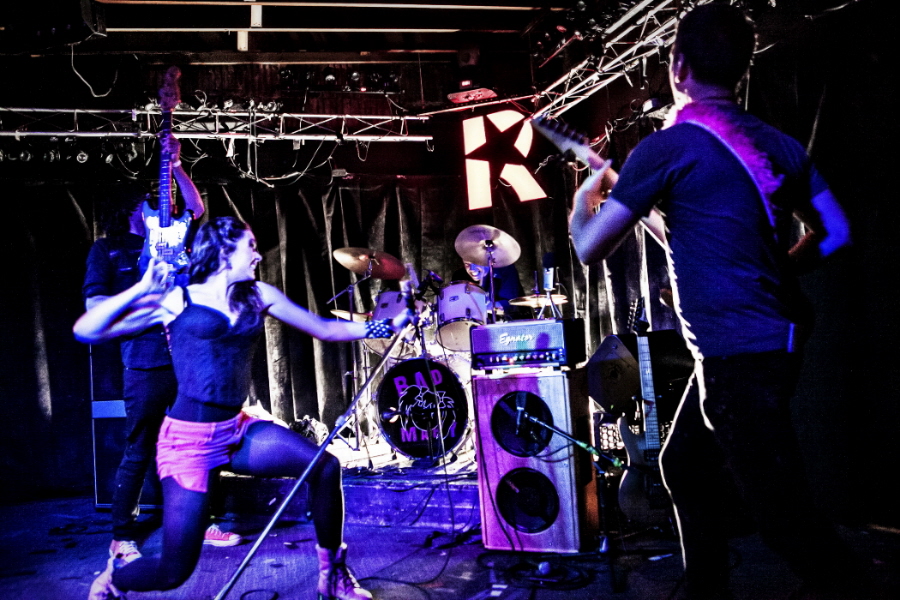
Driven by the band members’ talent, The Kings of Jade are 1980s hard rock with a bit of a rougher edge. The band is reminiscent of bands like Babylon A.D., Dangerous Toys, and Hurricane, with a healthy dose of Shout at the Devil-era Motley Crue, Pornograffitti-era Extreme, Hurricane, and Trixter. Raucous, rattling, and rolling, No Pain No Gain is intricately fun to listen to and clearly suggests an amazing live show.

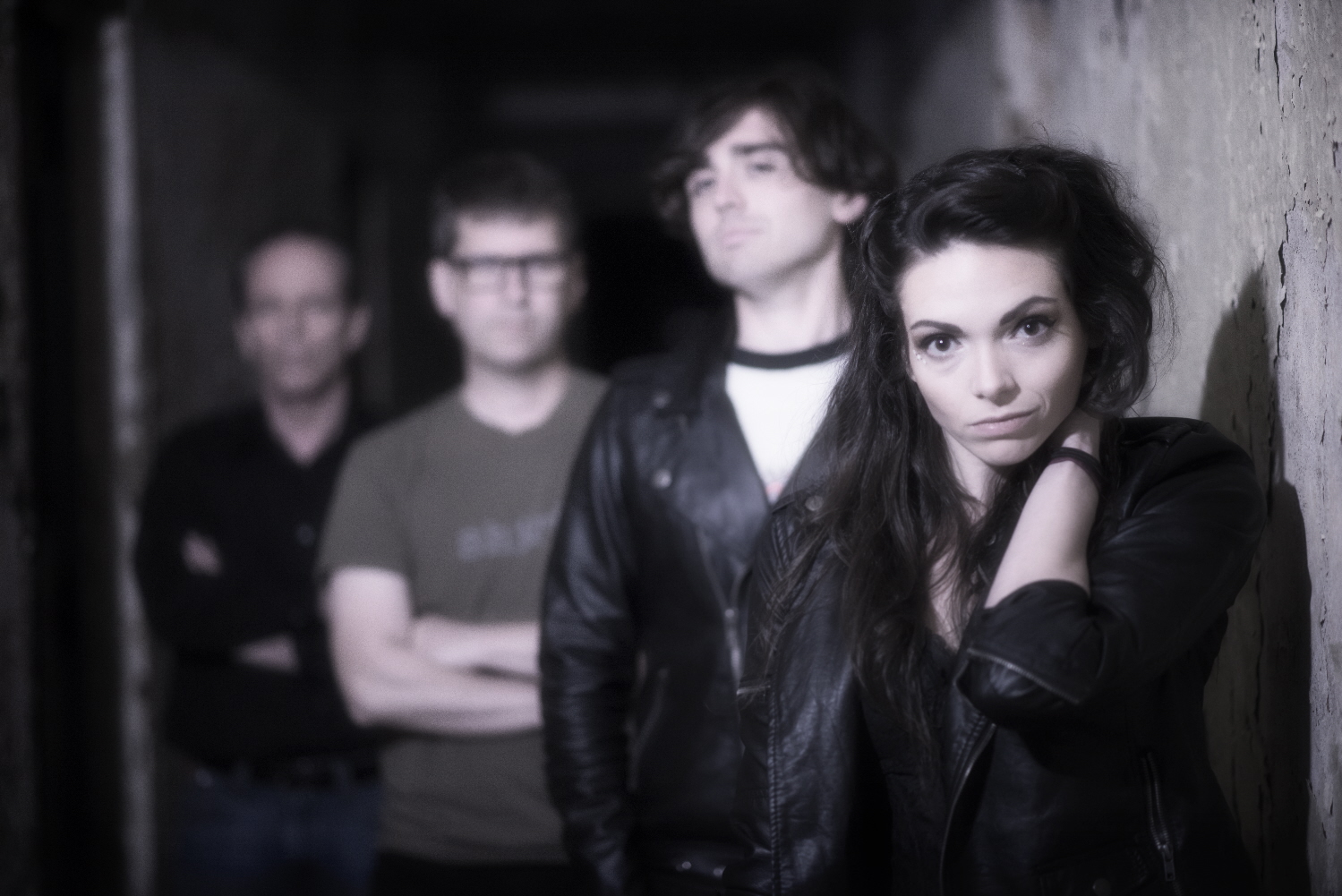
The Kings of Jade

photo courtesy of The Kings of Jade

First track “Ready or Not” opens with a classic melodic metal echo chamber buzz before the guitar builds and drums and vocals come crashing in. It’s a great way to draw listeners in and hit them with exactly the brand of power rock The Kings of Jade specialize in.

“Danger” utilizes another classic melodic metal intro technique, starting with guitar, adding drums, then launching into the energetic number, which features a fan-shoutalong-worthy “Danger!” opening its chorus and well-placed key changes throughout to maintain the energy. It increases the energy level a notch from “Ready or Not,” charging straight ahead without pausing to take prisoners.

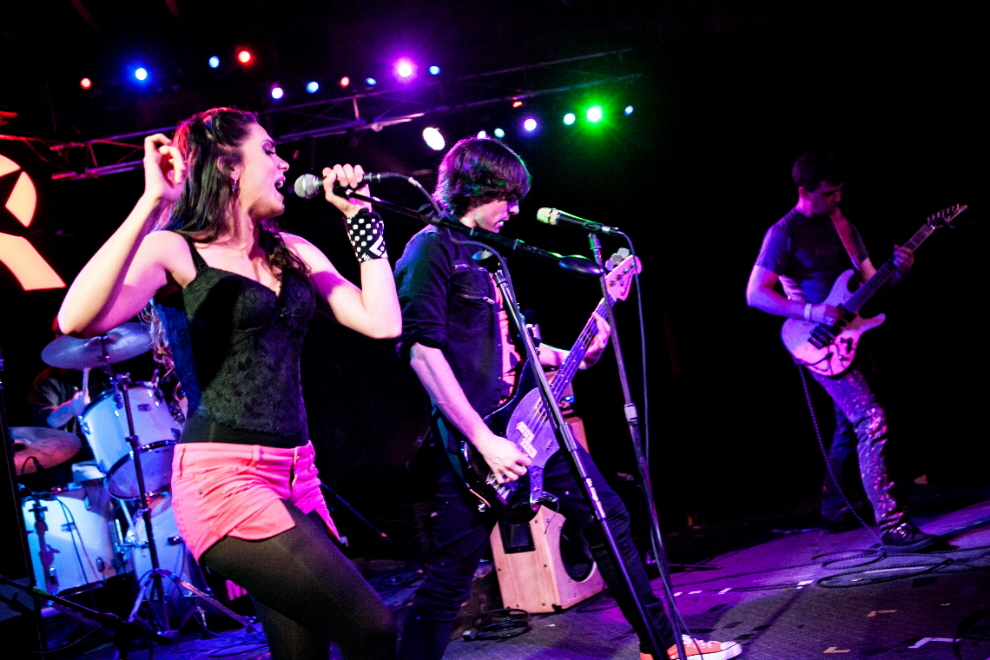
The Kings of Jade

photo courtesy of The Kings of Jade

The third track, “No Pain No Gain,” mixes more nuanced hard rock guitarwork and vocal emotion but carries forward “Danger”‘s energy level. The energy level and lyrical content suggest this could be an ideal get-fired-up song for an athlete getting pumped up for a big game, a clubgoer preparing for a night out, or, really, anyone trying to get psyched up for another day of fighting life’s obstacles.

The Kings of Jade

photo courtesy of The Kings of Jade

All of the tracks feature energetic solos that fit within the song while showing off some flashy axework. “Ready or Not” showcases a blues-influenced solo, while “Danger”‘s is more straight-ahead blistering. “No Pain No Gain” features a more finesse-driven solo.

Talent. Versatility within the melodic hard rock/metal framework. Though still relatively new to the Los Angeles scene, The Kings of Jade are the complete package. This should be no surprise, if only because of the band’s frequent Whisky gigs and the high caliber of acts with whom the band has performed. But it’s easily confirmed by a single listen to this Tonio Ruiz-produced 3-song EP, Ready or Not.

The Kings of Jade

photo courtesy of The Kings of Jade

Looking Ahead

You can check out the tour dates section of The Kings of Jade’s website to keep up with the band’s upcoming dates. The band is opening for L.A. Guns on July 29th at Whisky a Go Go in Los Angeles. Watch for other dates. The Kings of Jade play regularly, so I suspect there will be other dates appearing on the band’s calendar soon.

Album Review: Parent – Parent

Parent

photo courtesy of Parent

by James Morris, Contributing Blogger

Album Review of Parent: Parent

“Parent” is the album title and name of this acoustic duo featuring Rachel Kern on vocals and Jason Brown on acoustic guitar. They first met in a park in Manchester in the north of England in 2013. Their shared interest in music and the arts soon found them working together, initially playing live and then collaborating on the songs that would eventually become this debut album. Over a period of 8 months, new material was written and then bounced between them to see which ideas were most engaging to develop.

Building on their preferred style of acoustic guitar and vocals, one song was chosen for enhancement with string arrangements. Such was the impact of the finished piece, more of the songs were given this magical touch. It was an emotional moment for Jason Brown: “‘You’re Not Broken’ was the first one to get the treatment. The string arranger is my wife Sarah, which is handy for us! Sarah is proper old school, and everything was worked out on the piano and hand written. When she played me her ideas for ‘You’re Not Broken’ I was simply blown away.”

Parent - Parent album cover

image courtesy of Parent

Jason’s wife, Sarah Brandwood-Spencer, had the sumptuous task of writing all the string arrangements for the album, and it has been done with great delicacy. It’s as if each song had a secret that needed to be unlocked, and by letting her unconscious respond to their moods and lyrics, Sarah has been able to weave an empathic thread through the album, hearing the cry of each song’s soul.

Of the 12 songs on the album only “Tipperary” remained as it had been originally conceived, and it’s nice to hear that connection to the album’s creative origin.

In addition to the music, I must also say how I particularly liked the attention given to the package design. The use of the Paul Klee painting Burdened Children for the album cover is inspired and suits the mood of the music as well as being sympathetic to much of the lyrical content and, of course, the name of band and album itself.

The thoughtfulness of the album artwork is continued throughout the album’s musical content. There is a complex but relaxed air about this album, an assuredness of performance and a poised grace. The production is bright and the quality of sound belies its homegrown creation. It could be argued that the modern way for making great recordings is to forgo the traditional moribund studio approach and embrace a more natural organic experience that comes from recording in the comfort and familiarity of your own home surroundings. This is what Parent have done and it really makes for a well-worked and sonically satisfying album.

Parent

photo courtesy of Parent

Upfront and centre in this musical soundscape is Jason’s beautiful-sounding Taylor acoustic guitar, and from its resonant and rich roots everything else grows. As I already mentioned, the ideas for tunes and words have been passed between Jason and Rachel, and where interest for one or other party has been piqued, the songs have been developed and the sparks of mutual intrigue have ignited into wonderful dark songs of loss, betrayal and longing.

Woven in and around these songs are the aforementioned string arrangements of delicate intricacy and powerful emotion. You can hear the attention to detail and musicality of these unique arrangements and can instinctively tell, as Jason said, that Sarah has worked from the ground up, piano and manuscript, old style creativity. There are moments in the string arrangements that remind me of James Taylor’s first album, especially on the song “You’re Not Broken,” but these are fleeting and on the whole they sparkle with originality.

The combination of the strings with the bright acoustic guitar and dark lyrics sung with Rachel’s warm jazz tones and close harmonies have made an album of deep intensity. Sarah Brandwood-Spencer adds piano to the song “Until Then,” and Matt Steele plays piano on “Trying” and “Maneater,” whilst the whole album was recorded and co-produced by Mick Routledge and mastered by Paul O’Brien.

Parent

photo courtesy of Parent

This album has a luxurious resonance. I wonder if the songs are not some kind of cathartic personal journey of healing for the writers. An intense journey ending in a slightly unsettling but ultimately peaceful calm.

Parent by Parent is a work to be proud of and stands forthright as a modern way to make music. If you’re someone who needs a sound reference to hang it on, then I would suggest there is maybe a passing shade of ’80s album Eden by Everything But The Girl in the jazzy vibe and voice.

This album is artistically clever and, whilst thematically downcast, it has a voice both distinct and contemplative. It’s like standing in an overgrown sun-dappled wood in summer or walking along a desolate sandy beach at low tide as the sun sets on the sea. Moments in time that can regenerate the soul.

When Parent play live they are accompanied by a stunning string quartet, and their shows sell out fast. No dates to put in your diary at the moment, but the band specialise in “pop up gigs,” so you would be best advised to keep an eye on their social media links: Facebook; Twitter; Bandcamp.

The album is released as a CD and download album on the 17th June 2016.

Album Review: Analog Heart – Sun Here I Come

Analog Heart

photo by Shivohn Fleming; photo courtesy of Analog Heart

Analog Heart – Sun Here I Come

Backstory

I first heard Analog Heart late last summer at Worcester’s stART on the Street festival. I rocked through the band’s entire set, grabbed the download card the band was handing out for “Merrimack Jane,” and drifted away. This was during that period of time during which I had committed to launching Geoff Wilbur’s Music Blog but was still keeping it quiet. As time passed, “Merrimack Jane” became a staple of my personal playlist, so when I assembled a list of bands I wanted to contact to offer reviews, Analog Heart was on that initial list.

The band’s backstory began in 2010 when singer Liz Bills placed a craigslist ad and connected with guitarist Jesse Cohen and drummer Austin Ferrante. In 2012, the band recorded its debut, self-titled album. That same year, Liz entered American Idol and made it to the Hollywood portion of the show, placing in the women’s top 30. The trio added backup vocalist/rhythm guitarist Guy Jerry in 2015. And they’re all joined onstage by “Greg,” the prerecorded bass tracks that have solidified a revolving-door bass player situation.

Album Review of Analog Heart: Sun Here I Come

Analog Heart - Sun Here I Come

image courtesy of Analog Heart

Distorted guitar hooks and power rock vocals. Analog Heart’s songs are much more than that, but those key elements are where everything starts. At its best, the band churns out songs that boom, rattle, rattle, and rock! (Yes, they rattle twice.)

The album cover sports a psychedelic look that meshes well with the first impression Analog Heart made when I caught last summer’s festival set. And, indeed, this disc blends a ’60s/’70s classic psychedelic rock flavor with a modern alt-rock vibe, hard rock power, and some down ‘n dirty swamp-rockin’-boogie guitar licks.

Sun Here I Come kicks off with rock ‘n roll authority. First is “Whoa,” a rollicking number that thumps, rattles, and rolls its way right from the get-go. It’s followed by “Merrimack Jane,” which adds a bit of Southern rock outlaw flavor to the mix.

Analog Heart

photo by Shivohn Fleming; photo courtesy of Analog Heart

By this point, the speakers won’t stop shaking, and it’s obvious guitarist Cohen and Bills may have discovered a modern, somewhat crisper, 2010s spin on Skynyrd-meets-Joplin with a hint of Hendrix-meets Ann Wilson thrown in for good measure. With Ferrante’s pounding drums and Jerry’s steady rhythm guitar rounding out the group (with, of course, “Greg”), Analog Heart is a barely-contained explosion whose music would fit well in a black-lit basement rock club or a weekend-long festival.

Analog Heart slows it down a bit, as well… to what most bands would call mid-tempo. In fact, there are a few mid-tempo songs on the disc that really stand out for me. Aside from the first two tracks, the other three I carry with me on my phone are: “Let It Go,” a song with a slow-build buoyed by a slick opening rhythm, Bills’ insistent vocals, and Cohen’s well-placed distorted guitar licks; “Try to Get Along,” which grabs the listener with catchy, distorted guitar and crisp, clear, emotional vocals; and “Sun Here I Come,” which again pairs powerful vocals with a monster guitar hook. The trend? Yes, guitar shredding with powerful vocals. That’s rock and roll.

Now, if you insist on a sensitive touch, there is a ballad on the album, “Like a Dream,” that showcases the powerful-yet-sensitive side of Bills’ pipes, though even while enjoying a beginning-to-end ballad, you can still feel the barely-restrained energy that’s what puts the “power” in a power ballad. But when “Like a Dream” is over, put your lighters away because Analog Heart is unabashedly a rock band. And songs like full-octane rock-fest “Flickering By” and “She’s Rock and Roll,” which mixes psychedelic and power rock, will remind you if you forget.

Analog Heart

photo courtesy of Analog Heart

At risk of stating the obvious, the power of Bills’ vocals and Cohen’s guitar licks, combined with the band’s ability to write songs that showcase those exceptional skills, ensure Analog Heart has an opportunity to be a festival, club, and arena favorite; the band’s albums (if Sun Here I Come is any indication) should appeal to modern heavy alt-rockers and psychedelic rockers alike. I’m looking forward to hearing a lot more from this talented ensemble in the future.

Live Gigs Ahead

Analog Heart lists four upcoming shows on its website: Saturday, June 11th at ONCE Lounge in Somerville, MA; Friday, June 17th at Luthier’s Co-Op in Easthampton, MA; Saturday, July 25th at the Byfield Music and Arts Festival in Byfield, MA; and Sunday, July 10th at Great Scott in Allston, MA. This is a great live band; get out to a gig if you can!

Album Review: Courtney Conway – 21 Days

Courtney Conway

photo by Annie Warren; photo courtesy of Courtney Conway

Courtney Conway – 21 Days

The Backstory

I first discovered Courtney Conway‘s music more than two years ago. It was my introduction to the song “21 Days” via a YouTube video, the first video released well in advance of Courtney’s full-length album bearing the same name. I loved the music and the irreverent feel of the video and I tweeted about it. In the spring of 2015, I heard Courtney’s softer single, “Sweet On You,” and added it to my SoundCloud Spring 2015 Listen-at-Work Playlist which is, as its name suggests, a playlist I listen to at work. Back then, though, I hadn’t yet returned to music journalism.

Of course, now the Blog has been up and running since October, and I’m still contacting my favorite discoveries from the last few years one-by-one; recently, I finally reached out to Courtney about reviewing the album 21 Days. And I suppose it’s a bit of a spoiler ahead of the review, but I was pleasantly not-at-all-surprised by what I heard.

Album Review of Courtney Conway: 21 Days

Courtney Conway - 21 Days album cover

image courtesy of Courtney Conway

This is straight-up modern, catchy, radio-ready country with plenty of “new country” trimmings but a timeless voice that would be comfortable with country music of any era.

Album-opener “21 Days” is a twang-filled, emotional plea that’s a great introduction to Courtney’s vocal skills, with insistent vocals surging atop the music through most of the tune but also filling lightly-instrumented spots, as well. There’s sass, sweetness, and power. And, of course, that entertainingly unsettling “21 Days” video.

Song two, mid-tempo strummer “There’s the Door,” has a chorus you’ll want to learn quickly because it’s so fun to sing along with. Lyrically interesting, musically upbeat and catchy, it may just be my personal favorite from this collection, though I’d hate to have to choose.

Courtney Conway

photo by Annie Warren; photo courtesy of Courtney Conway

Next, Courtney seems to be channeling her inner Carlene Carter on “Dance,” an uptempo, swinging country dancehall number, replete with some energetic ivory-tickling and Chuck Berry-esque guitar licks. Also, when I sing along, I replace “twist it, sister” with the name of Dee Snider’s old metal band… just for fun. And “Dance” oozes fun. But back to country music, while Courtney’s voice is reminiscent of Carlene Carter on “Dance,” the song itself seems to be a first cousin to Patricia Conroy’s “You Keep Me Rockin’,” as it absolutely channels that same rockin’ country energy.

That’s followed by “Sweet On You,” which takes advantage of another of my personal weaknesses (and possibly yours, too, though you’re loath to admit it) – I love a good “na na” song. Yes, really. But no, that’s not really what you’ll notice most about it. Courtney’s vocal control is impeccable, and the song itself is sweetly memorable.

Courtney Conway

photo by Annie Warren; photo courtesy of Courtney Conway

With so many great tracks on 21 Days, I could point out the reason each might be your favorite song, but I’ll stick to a few notable highlights.

You’ll get a bit of that Jimmy Buffett-esque country-reggae rhythm on “We Are In Love.” “Hard to Forget” is perhaps the purest ballad on the disc, and it has the earmarks of a potential country chart-topper, with Courtney showcasing her vocal power, sensitivity, and range. “What If You Do” is an insistent plea bound in a catchy rhythm. And “Free Like the Summer Breeze” and “Daddy’s Little Girl” are mellow tunes – “Free” is mid-tempo, while “Daddy’s” a ballad – that tug at the heartstrings like only a great country song can.

Her vocal range and tone, versatility, variety of country style, and ability to make the listener believe and feel what she’s singing are all reasons Courtney Conway’s music belongs in any real country music fan’s collection. And she also appeals to those of us whose musical tastes center elsewhere but appreciate a talented crossover artist. In a country music scene that produces so many solid-but-unspectacular artists, I’m always happy to share with my readers one who stands out from the crowd while still remaining pure, true-blue country.

What’s Next?

For Courtney, she just announced that she’s about to hit the road across Australia in a production of Always… Patsy Cline. The tour dates are listed in the announcement on Courtney’s website. I hope it’s a successful tour, and I hope she’s back in the studio soon, too, because I can’t wait to hear what Courtney comes up with next.

EP Review: Cosmo Sheldrake – Pelicans We EP

Cosmo Sheldrake

photo courtesy of Big Hassle Media

by Joe Szilvagyi, Contributing Blogger

EP Review of Cosmo Sheldrake: Pelicans We

Cosmo Sheldrake - Pelican We album cover

image courtesy of Big Hassle Media

Cosmo Sheldrake takes his inspiration from the world around him, pulling rhythm from a sheet of slate sliding down a hill or waves lapping at the side of a boat. Building on whichever pattern has inspired him, he combines sampled sounds with a wide assortment of instruments including (and certainly not limited to) banjo, piano, penny whistle, and accordion to craft a richly textured world of sound easy to get lost in. Once the world has been established, he sings the nonsensical stories of that place sparking the listener’s imagination.

The record crashes into life with the “Tardigrade Song,” dreaming of living the life of one of the most durable organisms on the planet. There are hints of old sea shanties with a mellow dance groove wrapped around it. The song ends being content with life and all the comforts of home.

Cosmo Sheldrake

photo courtesy of Big Hassle Media

Then a cat’s purr introduces a stumbling, whimsical song titled “The Fly.” This is a musical recital of William Blake’s classic poem with the same title. Rather than focusing on the annoying drone of a fly, this song feels like it follows a fly’s irregular path through the air, halting and pausing at moments but finally resolving, “Then am I/A happy fly/If I live/Or if I die.”

Flipping the record brings a chorus of oboe, flute, and little percussive flourishes recounting Edward Lear’s silly limerick “Pelicans We.” Somehow the music is simultaneously halting yet maintains a smooth flow. As with the previous song, lyrics from the nineteenth century are perfectly matched with music that could only be created with modern technology.

Cosmo Sheldrake

photo courtesy of Big Hassle Media

Wrapping up the album is the most pop friendly tune of the four, “Rich,” written and sung by Anndreyah Vargas (spelled three different ways between the record, video and MP3 files). It keeps the common theme of the EP, dreaming of what life could be. Anndreyah’s childlike voice is ideal for fantasies of having a perfect body while the multi-layered humming and looping chimes and guitars maintain the world initially introduced in the first track.

Cosmo’s first release was a two-song 45 with “The Moss” on one side and another Blake tune, “Solar,” on the flip side. These four songs have doubled the amount of enjoyment I get playing records by having twice as much music. There are rumours that a full-length album is coming later this year to continue this exponential growth of my Cosmo Sheldrake library.

Upcoming Gigs

The “tour” page of Cosmo’s website lists upcoming gigs this summer, many of them festival dates, in the UK, Germany, France, and Bulgaria.

Album Review: Katrina Stone – Never Wanna Grow Up

Katrina Stone – Never Wanna Grow Up

Album Review of Katrina Stone: Never Wanna Grow Up

blank CD

Blank CD; photo by Geoff Wilbur

Energetic, cheerful, catchy pop music. Katrina Stone has a fun voice, broad range, and songwriting skill that results in a cheerful disc of enjoyable pop melodies, fast and slow, that perhaps reminds me best of Lisa Miskovsky… but with a faster median tempo.

On her fifth full-length album, Never Wanna Grow Up, Katrina kicks things off with “Hands & Hearts,” an infectiously hooky number that is the musical equivalent of skipping down the street. She stretches out the occasional note to show her vocal chops, but this is all about getting a smile upon her listener’s face at the pace of a brisk walk.

A similarly fun uptempo number, title track “Never Wanna Grow Up” builds as it adds instruments while never letting go of its happy energy, while “Your Favorite Song” is another memorably uptempo, cheery tune whose sometimes lush music bed and incessantly optimistic nature are terminally smile-inducing.

On the softer side, the album’s second track “Forever Be (My Always)” is a sweet, romantic number whose singalong chorus embeds itself easily into the listener’s memory. And Katrina’s duet with Benj Heard, “Together Forever,” is a smooth and light sway-along crooner, like a romantic sunset at the beach.

Also notable, though I can’t place the element that makes it so memorable, mid-tempo “Little White House” is a perfect blend of tempo, upward-rising musical runs, and jazzy delivery that work well together.

Such a deep bench on this album, there are several more tracks that grab my attention. I love the sweet, soaring, emotional vocals in “Bombs Away,” the edgy-yet-playful overtones in “Siren,” and the return-to-trademark, uptempo, energetic, poppiness of “Beautiful Things.”

The whole disc shows off Katrina’s sweet, strong, powerful vocals and pop sensibility. There are potential hits galore, and it’s a great glimpse into a talented singer who’s just waiting for the right song to catch the right radio programmer/soundtrack-compiler/music industry executive at the right time. In the interim, she’s producing catchy, fun, tightly-performed songs we can all enjoy.

As I finish this review, I see the album is not currently available as a name-your-price download at NoiseTrade, and I can’t find another location where you can purchase it at the moment, but I’ll add it here with a link when I do. So keep your eyes open for it (perhaps its availability will reappear), and check out some of Katrina’s other music. But definitely keep an eye out for Never Wanna Grow Up; if you can get your hands on a copy and you enjoy pop music, it’s sure to become a staple on your playlist.

Album Review: Sultans of String with Anwar Khurshid – Subcontinental Drift

Sultans of String

photo by Kevin Kelly; photo courtesy of LW Communications

by James Morris, Contributing Blogger

Album Review of Sultans of String with Anwar Khurshid: Subcontinental Drift

Subcontinental Drift is the 5th album from Sultans of String who were formed 8 years ago through the unique musical relationship between violinist Chris McKhool and guitarist Kevin Laliberte. The band’s signature sound was cemented by the joining of three additional members: bass player Drew Birston, a veteran of Chantal Kreviazuk’s band, Cuban percussionist Rosendo Chendy Leon, who’d previously played with Parachute Club, and guitarist Eddie Paton, who’d worked with flamenco star Robert Michaels.

Sultans of String - Subcontinental Drift

image courtesy of LW Communications

In their illustrious career, the band have enjoyed success in the Canadian national radio charts, received the Sirius XM Independent Music Award as well as other multiple awards and accolades including two JUNO nominations and two Canadian Folk Music Awards. They have mixed with renowned artists, including Paddy Moloney and the Chieftains and for this new album are joined by special guest, sitar master, Anwar Khurshid.

Anwar’s music has previously appeared in the Oscar winning films Life of PiKama Sutra, and Love Guru, and his contribution to this album certainly adds colours and rhythms that are both exotic and cinematic in scope.

There is a genuinely uplifting feeling about the whole thing, and at times it put me in mind of the spirit captured by Mark Knopfler in his soundtrack to Local Hero. Sure the styles are worlds apart, but they both share an inexplicable ability to transport you and release your imagination through mesmeric musical imagery.

Sultans of String

photo by Kevin Kelly; photo courtesy of LW Communications

Chris McKhool is unsurprisingly excited about the collaboration with Anwar Khurshid: “There is something magical about joining the world music rhythms we play, with pop sensibilities and blending that with the music of the East.”

He is not wrong, and I have to say how much I enjoyed the album. It seemed to pull on so many of the musical influences of my past but in a fresh, out of left field, kind of way.

Memories were stirred of early Rod Stewart, “Mandolin Wind” and “Maggie May” on the opening track “Enter The Gate,” with the folksy intertwining guitar and violin. This also led me to remember the fiddle playing on “Don’t Pass Me By” on The Beatles’ White Album. Of course when you start thinking Beatles, there is the Harrison factor when listening to the combination of sitar mixing and swirling with the rest of the band. The whole talented, textured performance drips passion and pleasure.

Sultans of String

photo by Kevin Kelly; photo courtesy of LW Communications

This is, no doubt, why the whole thing sparks a real joie de vivre for the soul. The mix of traditional folk instruments and sitar work sublimely. Inspired really.

It’s this happiness to mix things up that makes the second track “Rakes of Mallow/ Rouge River Valley” so upbeat and uplifting. A foot tapping jig with a wonderful twist.

More links to my musical favourites were highlighted by the bold cover of Dylan’s “Blowin’ In The Wind.” It’s one of those songs that maybe you don’t do, too familiar, too cliche? But I was blown away by this distinct and imaginative adaptation. I’m pretty sure Dylan, who is no stranger to taking his tunes and changing arrangements, would be really happy to hear how this reggae/bhangra/folk fusion turned out.

The only slight disappointment on the album for me was “A Place To Call Home”; with its country-style vocal, it seemed a bit out of place. It is a lovely song but somehow less exotic than the rest of the album.

It was a brief dip on what is otherwise an exceptional album, and I was soon on my magical journey again. After being swept along by the hypnotic “Snake Charmer,” I was delighted by the beautiful voice of another guest performer, Shweta Subram on “Parchan Shaal Panhwar.”

Sultans of String

photo by Kevin Kelly; photo courtesy of LW Communications

So many great songs on this album make it hard not to try and detail each one’s benefits. “Journey To Freedom” was the next track, and it slipped like silk across a musical landscape so simple that it’s gentle footsteps made all the more impact. The song, jointly written by the band and Anwar Khurshid, traces Anwar’s journey from Pakistan to his new home in Canada.

Before rounding things off, I want to also mention the lovely fat bass lines on title track “Subcontinental Drift” and then the delicate, almost Paul Simon like calmness of final track, “A Heart Does What It Does.” A beautiful end to a classy album.

I’d not listened to Sultans of String before and the strength of this new album made me go and check out their previous releases. I was not disappointed and can easily see why they enjoy the award-winning success they have had.

Inviting Anwar Khurshid to collaborate on this album was a stroke of genius and has created an album of sunshine, happiness and positivity like a meditative soundtrack for your soul.

On the Road

According to the tour calendar page on the Sultans of String’s website, the bandhas two remaining gigs in May – the first, tomorrow night, May 22nd, at Cafe Nine in New Haven, Connecticut; then April 26th at a conference at Humber College in Toronto. Beyond that, upcoming concerts include a June 3 Kerrville Folk Festival date, a June-July 2016 tour of the UK and Ireland, and dozens of dates booked across Canada and in the U.S. throughout 2016 and into 2017. Check to band’s website to see when the group will be performing near you.

Album Review: Persona – Elusive Reflections

Persona

photo courtesy of Persona

Persona – Elusive Reflections

Album Review of Persona: Elusive Reflections

This is an exceptional progressive rock/metal album from talented, Tunis-based ensemble Persona. Founded in 2012, by lead guitarist Melik Melek Khelifa and singer/pianist Jelena Dobric, the band’s line-up also includes Yosri Ouada (rhythm guitarist), Youssef Aouadi (drums), Walid Bessadok (keyboard), and Nesrine Mahbouli (bass).

Persona - Elusive Reflections album cover

image courtesy of Persona

The overarching style on Elusive Reflections is orchestral progressive rock, but other rock/metal influences are evident, as well. Melik’s axework ranges from soaring progressive to straightforward hard rock to even a little thrash. Jelena’s vocals also soar on some songs but more often act as an additional instrument, with tempo and phrasing changing along with each passage as required by each of Persona’s songs. And Youssef’s drumming can range from soft to thrashing, sometimes keeping tempo and at others embellishing with attention-grabbing runs. As with so many of the bands I choose to review, the variance on the album, thanks to the skill of the band’s members, provides an enjoyable full-album listen; the songs are bound together by Persona’s identifiable sound but varied enough to keep things interesting from beginning to end.

A good example of the Persona’s in-song versatility is “Ageless,” which kicks off with engaging synth work, joined by blistering guitar, adding soaring vocals, before combining those elements with a thrashing rhythm. It deftly moves back and forth between ethereal and heavy rock mode. And oh, the guitar solos! Music like this is meant to be heard on headphones… or in an arena.

Persona

photo courtesy of Persona

The track that I think best showcases the use of vocals almost purely as an instrument, though the lyrics are still clearly sung and easily understood, is “Monsters.” It also includes some of my favorite frenetic drumming on the album. And it’s the song that utilizes (in an appropriate spot) a death metal near-growl.

As each layer of the onion is peeled back, almost an endless array of details, subtle and otherwise, emerge. And not just on the songs already mentioned; it can be heard throughout the disc. That’s what makes a great progressive rock album such an interesting listen. Yet I haven’t even delved into my favorite songs on Elusive Reflections.

The record’s opening track, “Somebody Else,” opens with a musical arrangement and rhythm that does seem to be a subtle nod to a traditional North African sound, recurring throughout the song. Hard-rocking rhythms and soaring, theatrical interludes combine with the usual well-placed guitar run to add texture to this tune, which serves as a fitting introduction to the band.

Persona

photo courtesy of Persona

My favorite song on the album, “Blinded,” follows. It surges and pulses, with dancing guitarwork, relentless drum rhythms, and soaring symphonic-progressive vocals. The rhythm and vocals climb musical hills, pause and soar, sometimes gliding down a bit before surging forward and soaring again.
Persona’s songs typically and effectively begin with musical and drum openings that lead to the vocals – guitar and drums on “Forgotten”; drums and keys on “Halley.” Different instrumental combinations are found throughout.

Persona shows it can slow things down a bit on “Torn.” Or, rather, since the pace on most tracks isn’t blazing, I suppose it would be more correct to say the band softens things a bit on “Torn.” And this is a powerful, heartfelt ballad of longing, carried by the vocals and supported by the light instrumental touch. It’s an exceptional change of pace that fits well in its album placement.

Persona

photo courtesy of Persona

“He Kills Me More” is worth noting for the haunting soft-opening that leads first to a rhythmic war-beat of drums and then a hint of sixties flavor in the first soaring guitar riffs before eventually giving way to a more haunting, plaintive vocal. But it’s that rhythm that carries through the song, tying it together and carrying the listener along on its journey as classic rock guitar (within the fabric of the song and as a blistering solo) and vocals each have their featured moments, as does a spoken-word segment. All of the band’s songs carry a strong, well-constructed structure, but the various parts on “He Kills Me More” are more identifiable and it’s relatively easier to see how they interact than elsewhere on the album.

As the band closes the disc strong, I particularly enjoy the guitar solo and the sweet vocals late in the song on “Persona,” while “The Sea of Fallen Stars” provides a soft landing at the end of the Elusive Reflections, with the vocals soaring a bit more and the intricate axework paced just a touch slower. It’s a fitting closing number for this collection.

From beginning to end, it’s clear Persona could capture the imagination of audiences of any size, from a cozy club to a large arena, as the music and performance would be well-placed alongside an arena-caliber light show. If you’re at all a fan of progressive or symphonic rock – or, for that matter, a classic rock fan who appreciates musicianship – you owe it to yourself to give Persona a listen.

Album Review: Jimmy Lee Morris – Wilderness Wood

Jimmy Lee Morris

photo courtesy of Jimmy Lee Morris

Jimmy Lee Morris – Wilderness Wood

Backstory

There’s a little backstory, as this album was produced by Simon Scardanelli, whose music I’ve reviewed as long ago as the mid-1990s and whose latest release I reviewed here.

Jimmy Lee Morris has a significant musical backstory of his own. He started writing and recording in the 1980s. I won’t run through his entire background, but he has done solo work, and bands in his past include A La Tienne, Mojo Filter, and the Collaborators. The album Wilderness Wood was released on April 1st, 2016 on Automix Records and published by Musica Scardanelli.

Album Review of Jimmy Lee Morris: Wilderness Wood

If I had to describe Jimmy Lee Morris’ Wilderness Wood in just a single phrase using way-too-many hyphenated adjectives, I’d describe it as a full-sounding, folk-influenced, singer-songwriter-styled, song-driven recording. But it’s more than that, and you can identify specific other genres influencing some individual tracks on the LP. Beyond folk, you’ll hear some Americana, a hint of blues, and a little jazzy flair.

Jimmy Lee Morris - Wilderness Wood

image courtesy of Jimmy Lee Morris

Disc-opener “Give Me All Your Love” has a folk base, but the full orchestration is rather soft-poppy, and the guitar picking suggests Americana/Western. I’d call it eclectic, but that might suggest inaccessibility; in the end, it’s a singer/songwriter type of tune that significantly carries the aforementioned influences. And therein lies the difficulty in describing Jimmy Lee Morris’ music – while much of it defies categorization, it always sounds familiar.

Jimmy possesses a high, strong, rich voice. The songs on Wilderness Wood are well-written. And the production and instrumentation is full and lush, except where a light touch called for. But it’s interesting to run through the songs focusing on the edges, where the songs differ from each other rather than how they’re so cohesive and similar, so with that in mind…

Probably the best pure folk song is the traipsing-through-the-woods-ish song about a trip – technically, I suppose it’s a song about a driving trip, with its title a dead giveaway on that point – “Campervan Song.” This one will have you swaying left and right, perhaps flashing a peace sign, and most likely wanting to sing along once you learn enough of the words to make it worthwhile. Meanwhile, the catchiest pop-folk song of the collection may well be “Sunshine,” with its happy whistle and light, enthusiastic tone. It’s a musical tonic for shaking the blues.

Speaking of blues, the award for best blues edge on Wilderness Wood clearly belongs to “On the Outside.” Great bluesy guitar riff. And a classic recurring blues line in”Nice of you to tell me to my face…” Yeah, it’s blues-folk; heckuva job on this mild genre-bender.

Continuing in the genre-combo theme, do you like a dash of polka seasoning in your folk? The next song, “Home From Home,” achieves just such a convergence. Sure, it’s mostly folk, but it’s just another example of how this disc, while maintaining its folk center and featuring Jimmy’s emotive, identifiable vocals, explores additional influences to juice up individual tracks.

The external influences keep coming. Prefer a little jazz with your folk? There are a couple spots you’ll find it in Wilderness Wood, but “Don’t Fear the Night”‘s sax intro isn’t just a tease; yeah, you’ll find jazz in spades throughout. Daddy-o. If there were such a thing as hipster jazz-folk, this would be it.

Also worth mentioning are “Nothing to Fear,” with its ’70s soft rock/lounge flavor (and sleek, cool sax line); lullaby-esque ballad “Sleep in the Morning”; and “It’s You That I Love,” which has a similar lullaby flavor but tends a bit toward a slow dance song, something you might expect at a ’50s high school sock hop.

Jimmy Lee Morris

photo courtesy of Jimmy Lee Morris

Finally, my favorite track (the one you’ll find on my personal smartphone playlist, in fact) is “This is the Life That You Chose,” which sports a twangy, Western folk-Americana feel. And, of course, in my mind at least, its title phrase can be a bit snarky.

Throughout the album, you can tell Jimmy Lee Morris knows his way around a song and is well-skilled with his instrument and his voice. And the album’s lush, full production is rich enough to fill a room. If your musical tastes include folk-Americana music that incorporates other influences, you’re likely to really dig Wilderness Wood. Despite the variety of influences – well, actually, because of them as a 13-song disc of pure folk would get somewhat redundant for anyone but the most hardcore folk aficionado – it’s a cohesive collection that takes its listener on a pleasant journey.

On the Road

Jimmy just kicked off a tour of radio appearances and live gigs. I’ll list them below, but you can also find them on Jimmy’s website.

You can hear Jimmy on the radio May 8th in Seaford on Seahaven FM; May 25th in Uckfield on Uckfield FM Folk Is Not A Rude Word; and May 30th in Brighton on Reverb Radio.

You can see Jimmy perform live on May 26th in Uckfield at Folk & Blues Club Ringles Cross; on May 27th in Hastings at Gecko Bar; on May 31st in Lewes at The Lamb; on June 1st in Lymington at Folk Club the Thomas Tripp; on June 4th in Lingfield at The Star; on June 11th in Mayfield at Rose & Crown; on June 18th in Eastbourne at the Pentacle Drummers Solstice Festival; and on June 19th in Battle at Crowhurst Park.

Be sure to check Jimmy’s website for any additions or updates.

Album Review: Rusty G’s – Low

Rusty G’s – Low

Rusty G's

photo by Geoff Wilbur

The Backstory

I first became aware of Rusty G’s when I saw them perform live in London on Halloween night. They were the opening act for guitar god Bernie Tormé, and the show was the fifth entry in my “Five Nights in London” series of live reviews. I arrived at the concert in time to catch the opening act, which was Rusty G’s, and it turned out to be an unexpectedly pleasant surprise. Raw, raucous, rough and ready. And way too much sound to be coming from a two-piece band! Now, several months later, I have the privilege of reviewing the band’s debut album, Low.

Album Review of Rusty G’s: Low

Rusty G's - Low

image courtesy of Rusty G’s

Doing power trios one better, Rusty G’s is a rare “power duo.” If it were easy, bass players could soon find themselves made redundant, but these guys have achieved a rare feat: They’ve constructed a complete sound as a two-piece. Slated for a May 9th release, Rusty G’s debut full-length album Low confirms the “power duo.” designation. Singer/guitarist James Finch and drummer Dan Lopez deliver a raucous disc of heavy metal that garnishes its lush power rock sound with a stripped-down edge.

Opening track “Oh Yeah” kicks things off in a blaze of guitar before settling into a junkyard dog-esque, bare-bones, raw rock style. On this cut, I’m especially fond of the bluesy guitar riff that wails late in the song as it’s winding down, providing the only hint to the track’s impending conclusion since the drums never let up. The vocals on “Oh Yeah” (and the rest of the disc) are of the old-school, early metal, “sing loudly, as near the edge of the vocalist’s range as possible while still being gravelly but tuneful” variety. Exactly as you’d expect to appropriately accompany the music.

Rusty G's

photo courtesy of Rusty G’s

“Crawl” follows with a killer riff providing a monster hook to the otherwise pulsing, relentlessly plodding steamroller of a rhythm.

A raw guitar hook that embeds itself into my brain for days at a time – not surprisingly, perhaps, punctuating what has become my initial favorite track on the disc – is featured front and center in “I Don’t Want This.” And it’s not just the monster guitar hook; the “ooh, I don’t want this” line is an earworm, too.

One of the more jangly, raucous tracks on Low is “Don’t Belong.” Its melody suggests this may translate exceptionally well to other musical styles; it ain’t necessarily just a metal number. The verses hint at a blues-punk-metal hybrid, while the fog of heaviness in the bridges suggests a rougher-edged version of Metallica-era Metallica.

Rusty G's

photo courtesy of Rusty G’s

Later in the collection, there’s an impressive stop-start rhythm and heavy, metal-bluesy, growling guitar hook in “Waiting” that’s augmented by some nice, true-to-the-song drum runs, sometimes expressive, other times seemingly in anger.

Though not the only place on Low this occurs, “Static” is notable as primarily a drum-driven selection, with the vocals and guitar (aside perhaps from a late solo) playing supporting roles to the drums’ rhythm and short runs. Not a showy song; just real damn solid. And a strong showcase of how a two-piece metal band can be versatile without going mellow.

And if you want an example of prog-influenced heavy rock, you’ll find it at the end of Low. “Losing You” has the fast, slow, experimental, soft-and-heavy elements that could easily be prog-rock influenced. It’s a great way to round out the album, with this six-minute opus extending to the final curtain.

Heavy and cohesive throughout yet with enough variance to stay fresh from song to song, Low makes a good beginning-to-end listen. My personal standout tracks likely differ from yours, but they all maintain a raw power, rhythm, and broad rock appeal that encompass Rusty G’s trademark sound. Yes, power duos are a thing now.

Rusty G's

photo by Geoff Wilbur

Upcoming Gigs

I’ve seen Rusty G’s live, and I can confirm they put on one heck of a show. This is a great live band, so get out to a gig if you can.

According to Rusty G’s website, you can catch the band live at a variety of venues in the coming months: on Friday, May 6th at Craufurd Arms in Milton Keynes; on Wednesday, May 18th at The Dublin Castle in London; on Friday, May 20th at Maida Vale in Sheffield; on Tuesday, May 31st, supporting Cold in Berlin at Gullivers in Manchester; on Wednesday, June 1st, supporting Cold in Berlin at Bannermans in Edinburgh; on Friday, June 10th at the Willow Festival in Northampton; on Saturday, July 2nd at Cranfest in Cranfield; on Friday, August 19th at Tribfest in Yorkshire; on Saturday, August 27th at Bridgnorth Festival; and on Saturday, September 3rd, supporting Eat This at The Castle in Wellingborough. Obviously, check the band’s website for additional bookings, details, and changes.