Interview with Claudio Simonetti and Live Review of Claudio Simonetti’s Goblin at the Crofoot Ballroom

photo by Larry Fritzley

by Eric Harabadian, Contributing Blogger

Interview with Claudio Simonetti and Live Review of Claudio Simonetti’s Goblin at the Crofoot Ballroom, Pontiac, MI, October 14, 2019

Claudio Simonetti and the band Goblin are synonymous with the horror and suspense film genre. The Italian Brazilian-born keyboardist and composer Simonetti began his career in Europe in the early ‘70s playing in a band called Cherry Five. That initial group eventually morphed into what became the progressive rock powerhouse known as Goblin. The band’s partnership with famed Italian film director Dario Argento led to a flourishing career creating soundtracks for his suspenseful crime dramas and supernatural horror films like Deep Red/Profondo Rosso, Suspiria, Tenebrae, and a host of others. Both with Goblin and as a solo artist, Simonetti went on to compose soundtracks for many other directors such as Ruggero Deodato, Umberto Lenzi, Lucio Fulci, Lamberto Bava, and Sergio Martino.
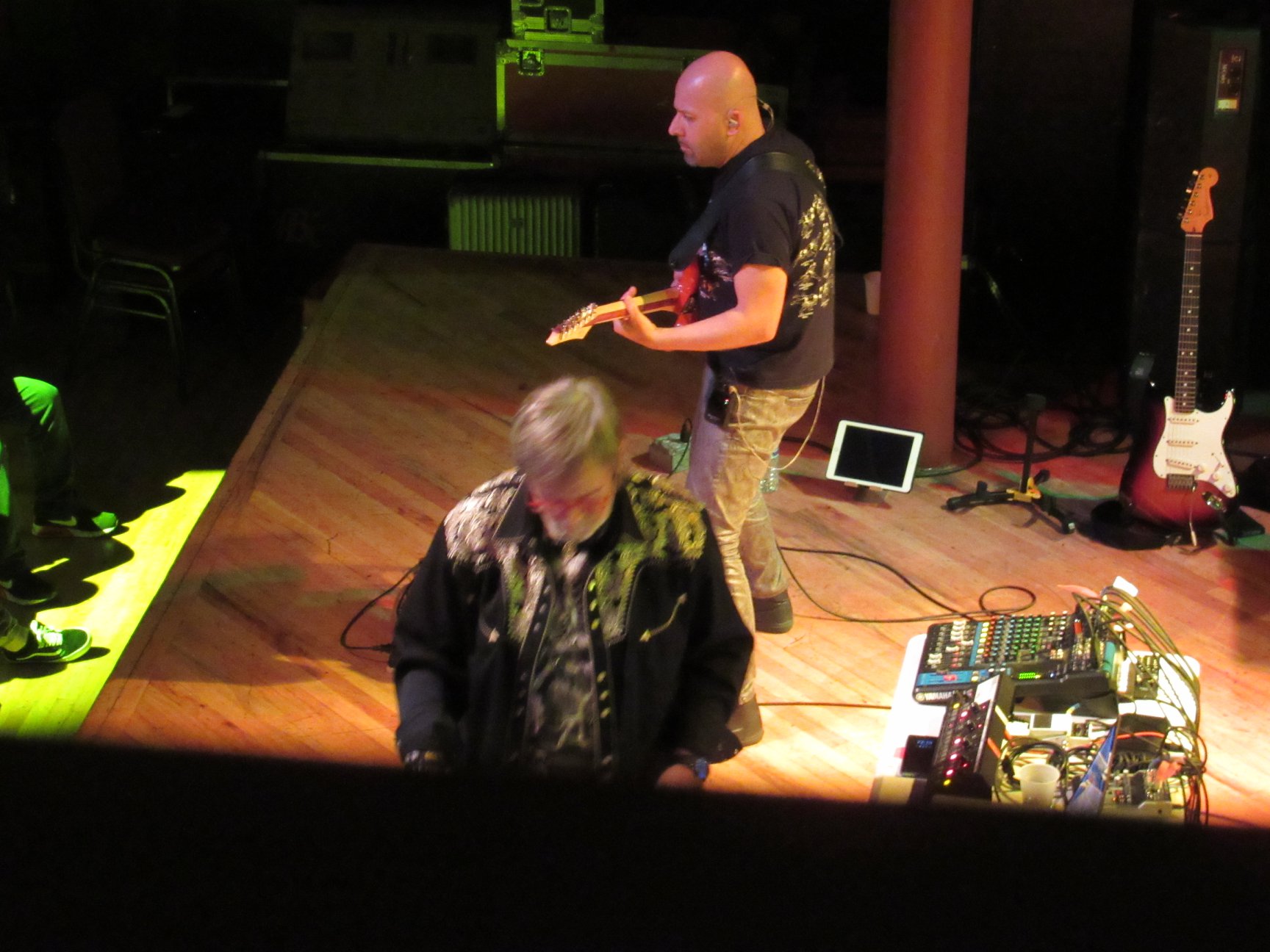
photo by Larry Fritzley

Just in time for Halloween, we bring you an up close and personal conversation with Claudio Simonetti, as the band is currently on tour for its third U.S. leg since 2013. We also offer a recent show review from their stop in the Detroit area that was a rare occurrence indeed. So, sit back and enjoy a few moments with one of the legends of progressive rock and the global horror and suspense genre.

Eric Harabadian: Can you clarify the significance behind the band’s title?

Claudio Simonetti: After many member changes over the years I have my own band doing Goblin music.

photo by Eric Harabadian

EH: So, after various personnel changes, it’s back to you leading the band. How long has your current lineup been with you?

CS: My guitar player Bruno Previtali has been with me 20 years. My drummer Federico Maragoni has been with me six months, and our bass player Cecilia Nappo a year and a half. This is the band that recorded our new album.

EH: Can you tell me about the new album?

CS: The album is called “The Devil is Back” and has 10 brand new songs. At the same time we did a “Best Of” album which contains some of the most important songs taken from films like Zombi/Dawn of the Dead, Profondo Rosso, Suspiria, and Tenebrae. They were released for our U.S. tour but are available on Spotify and all the streaming services. Physical copies of the albums will be released everywhere in November of this year.
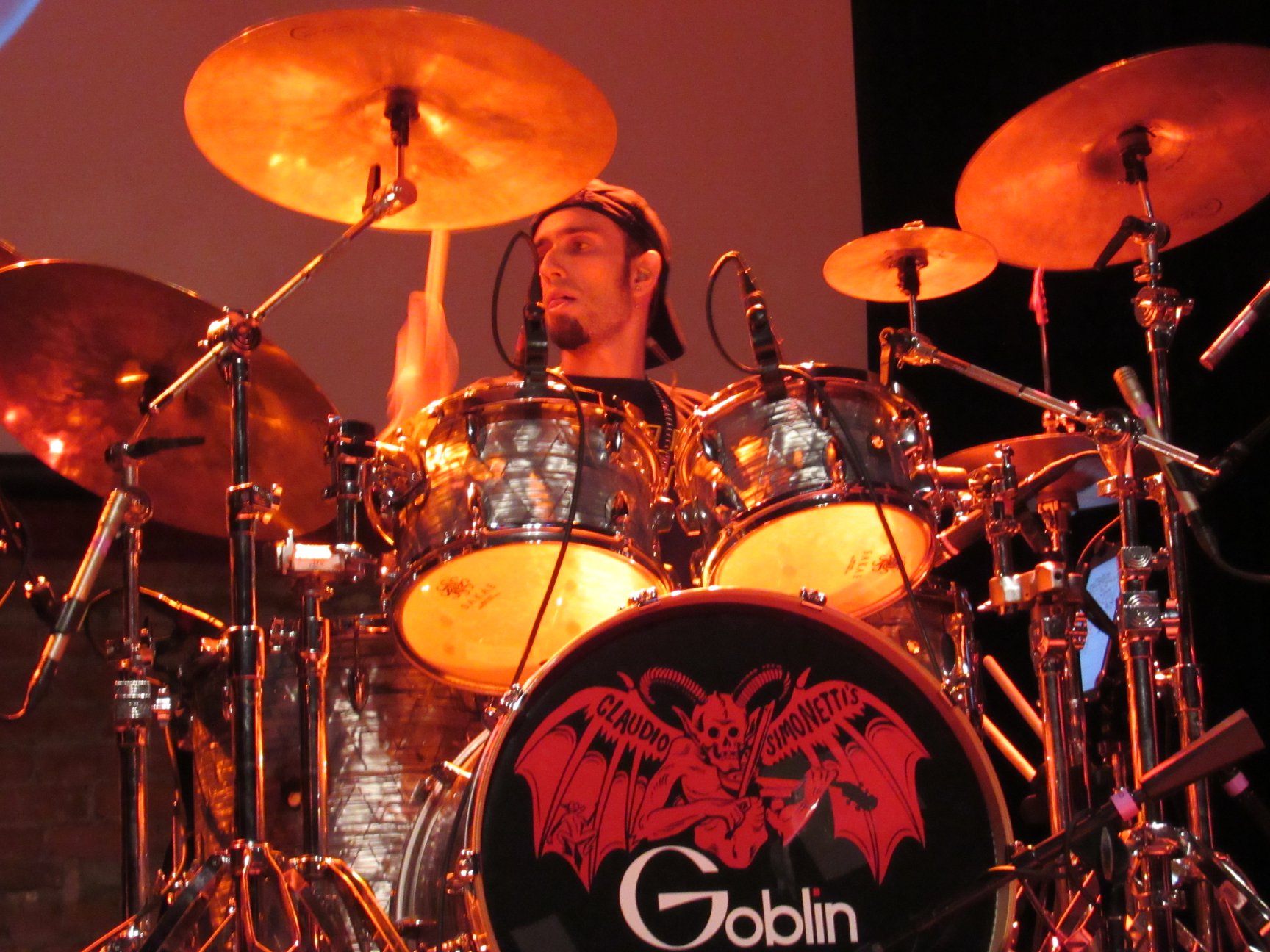
photo by Larry Fritzley

EH: How did you meet and work with director Dario Argento?

CS: I met Dario Argento in 1975 when he finished the film Deep Red/Profondo Rosso. He was looking for a band to score his picture. We had recorded one album under a different name but with the same members. And we worked with a producer that was already working with Dario. So, when Dario asked the producer for a band, he first wanted to contact Pink Floyd or Deep Purple. But the producer said, “No, I’m producing these Italian guys, and would you listen to them?” And so Dario came by the studio and listened to our music, loved it and decided to have us do the music for Deep Red. That was our first film with Dario, followed by Suspiria. We were very lucky because we were very young, but it worked out, too, because the soundtrack sold 4 million copies. It was incredible. This was especially weird for a prog band like us in Italy. Pop music was mostly big there then.

EH: And, of course, you’ve done a lot of music that goes beyond just horror films. Can you briefly talk about your process when you write for a movie?

CS: In the beginning I talk to the director, and I see the film. And I start to write some of the music for the scenes. Sometimes the director has suggestions, or they give me the freedom to do what I want. But I work watching the film, never before.

EH: Who are some of the biggest artistic influences that have figured into what you do?

CS: The big progressive bands from England like King Crimson, Genesis, Gentle Giant, Deep Purple, and Emerson, Lake & Palmer.

photo by Larry Fritzley

EH: How long has it been since you last toured with Goblin, and what has been the focus of this current tour?

CS: This is our third tour here. The first was in 2013 with different members. It was two from the original band and two from my band Daemonia. We did a second tour last year as Claudio Simonetti’s Goblin. Last year we played Suspiria, and this year Deep Red.

EH: In addition to this fall U.S. tour, you’re gonna be a part of “Cruise to the Edge” in April 2020, correct?

CS: Yeah, that will be a really good experience with a lot of big names. The band Yes is the main organizer of these gigs on a boat. I’m a big fan of Yes and grew up with them. It will be fantastic to be there. And we will be one of two Italian bands on the cruise. The other is Le Orme, another popular prog band from the ‘70s.

EH: You also worked with George Romero didn’t you?

CS: Actually, no. We did the soundtrack for Dawn of the Dead because Dario Argento asked us to change the music for the European version. I also did a vampire movie for Romero called Martin. But, again, I never did meet Romero directly. I finally did meet him in 2016, a year before he passed away. He was a very nice person.
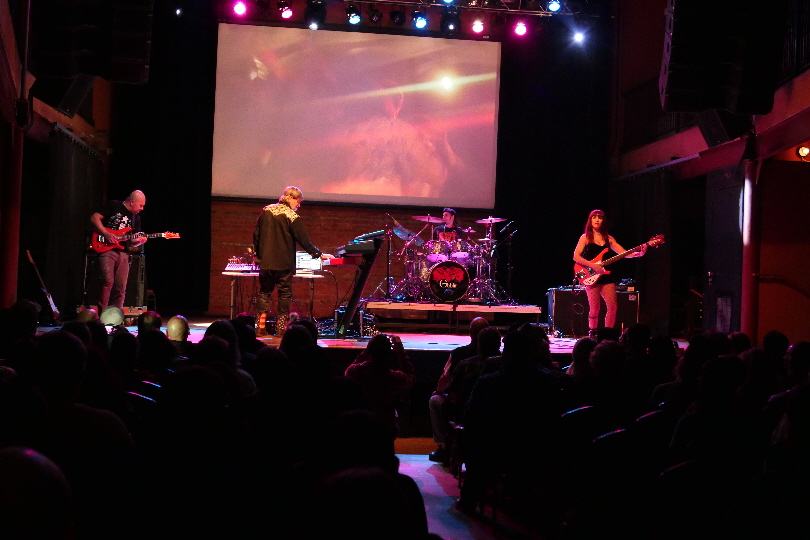
photo by Eric Harabadian

EH: Your music encompasses so many different elements. How would you describe what you do?

CS: Now, my music is progressive like the ‘70s, but with new sounds. Maybe there is more energy too. I had this band in 2000 called Daemonia that was the same stuff but heavy metal. Now I’ve turned back to the original music. I’ve done a lot of film music for Dario like Phenomena and Opera; that was just me without Goblin. So, when I play live I play Goblin stuff and my stuff.

EH: You’ve played all around the world. Where are some of your favorite places to play and why?

CS: Well, the United States, of course. But we’ve had a lot of success in Japan. I go there every year. We will be going to Japan soon for two concerts where we will play the score to the film Tenebrae.

EH: What has the response been from fans to what you do?

CS: Every show is different. But you know what surprised me more was that young people know this music. I thought only my generation would remember, but there are 20- and 30-year-olds that come with the records and want my autograph. It makes me give thanks to the internet, you know. I don’t think there is nothing special with a lot of new music. I think young people find something new in our vintage music. There is some great new music but the vintage bands like Deep Purple and Led Zeppelin are still the best.

EH: Well, I always felt your music has a timeless quality that spans generations.

CS: Yeah, many generations. My audience goes from 20 to 60 years old.

EH: So, is your emphasis now on performing live?

CS: Yes. I don’t work much with soundtracks now. I think it’s a bad period for films, especially horror because they tend to be low budget. I prefer to play live with my new and old stuff. It’s better for me now.
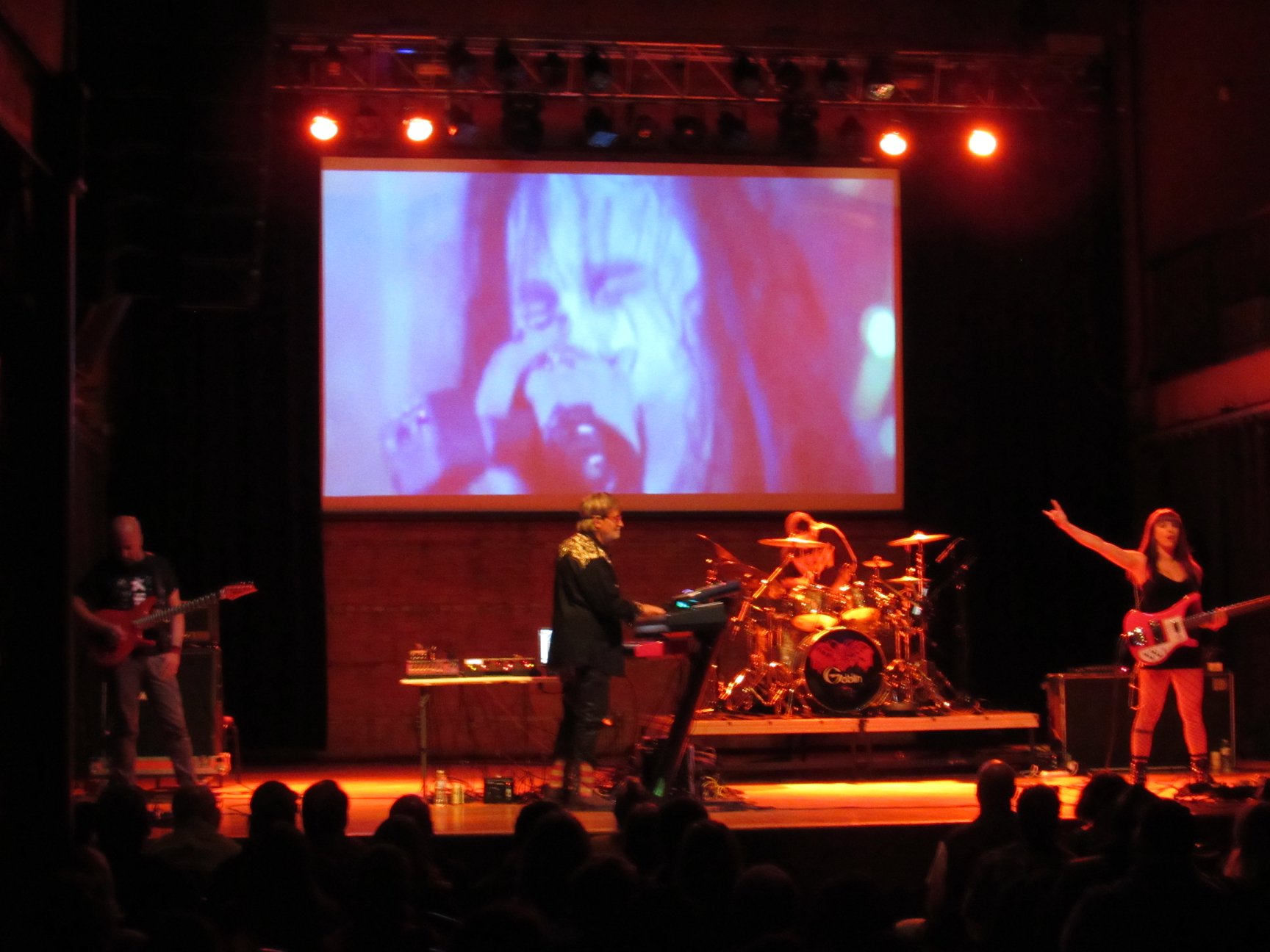
photo by Larry Fritzley

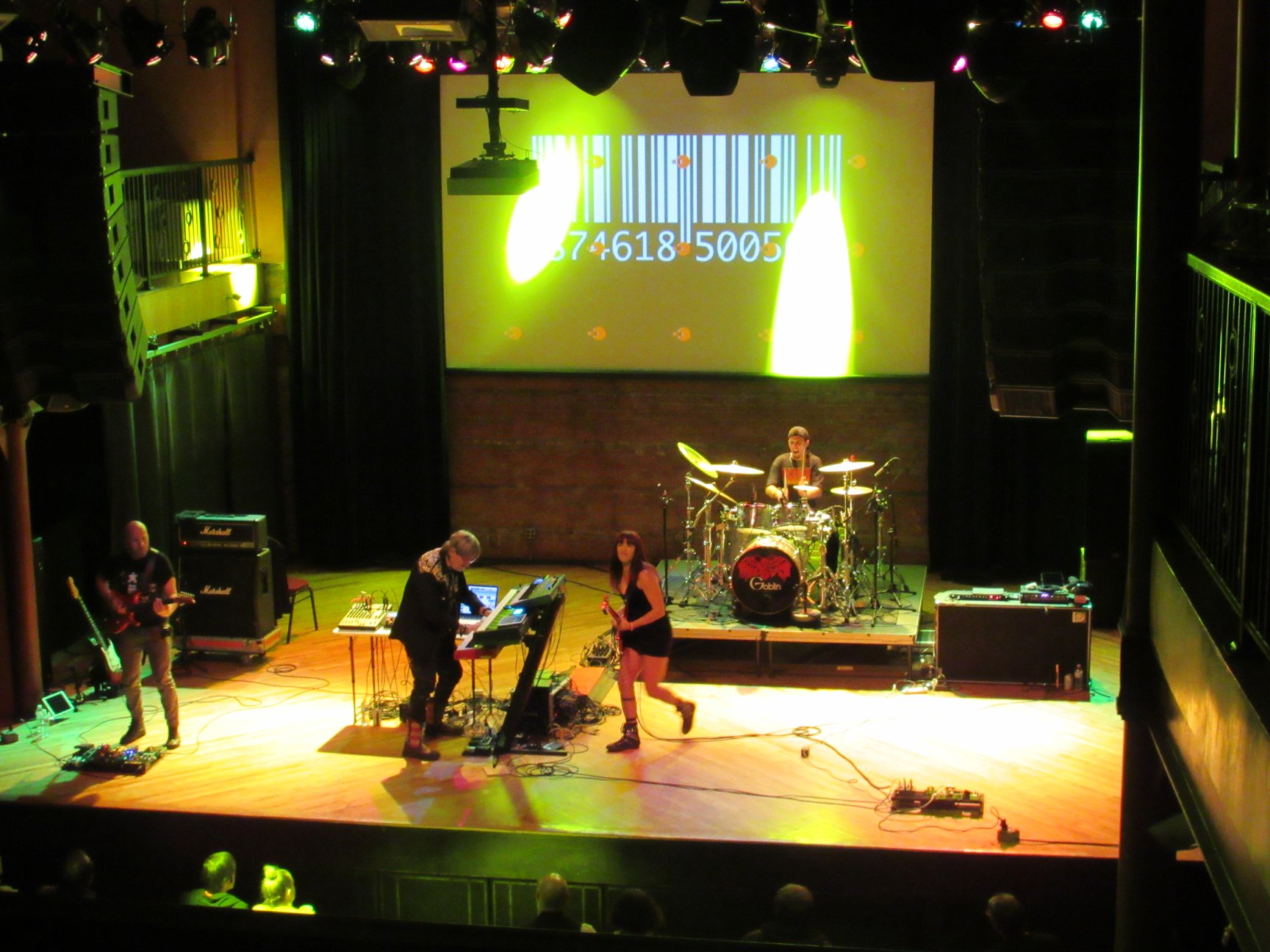
Capturing Claudio Simonetti’s Goblin live is a rare and cinematic experience. You certainly get your money’s worth. The band, in the midst of a multi-state U.S. fall tour, stopped in Pontiac, Michigan at the Crofoot Ballroom for a three-hour-plus extravaganza. The first two hours found the members of Goblin poised on stage, each with instruments in hand, as they diligently watched the screen tracking live the score to Dario Argento’s Deep Red. The 1975 murder/suspense/horror hybrid holds up all these years later, and the original soundtrack performed along with it adds to the film’s vibrancy. From the opening plotline development to the closing credits, watching Simonetti and the Goblin crew in action was a true joy to behold. It was a rare glimpse into the studio process where sound-to-picture aligns and comes alive. Deep Red’s story of musician and amateur sleuth Marcus Daly’s (played excellently by David Hemmings) search to find a psychic’s killer is advanced by the band in three dimensional audio. A lot of the music had a jazz-fusion quality to it that never sounds dated, even though Simonetti is performing music he originally scored for the picture over 40 years ago. During many of the set pieces, Previtali’s tasteful wailing guitar, Nappo’s hefty and lithe bass lines, coupled with Maragoni’s syncopated beats elevated the film’s images to greater heights.

One aspect of the first section of the concert with the film that was truly phenomenal was a scene where main character Marcus Daly is in a haunted mansion and looking for clues to a murder. As he begins striking a wall and attempts to bust through the plaster, drummer Maragoni fervently eyes the screen, matching drum hits to each strike of Daly’s hammer to the mansion wall. At that moment, one really felt like they were in the recording studio laying down the music cues to the film with the band.
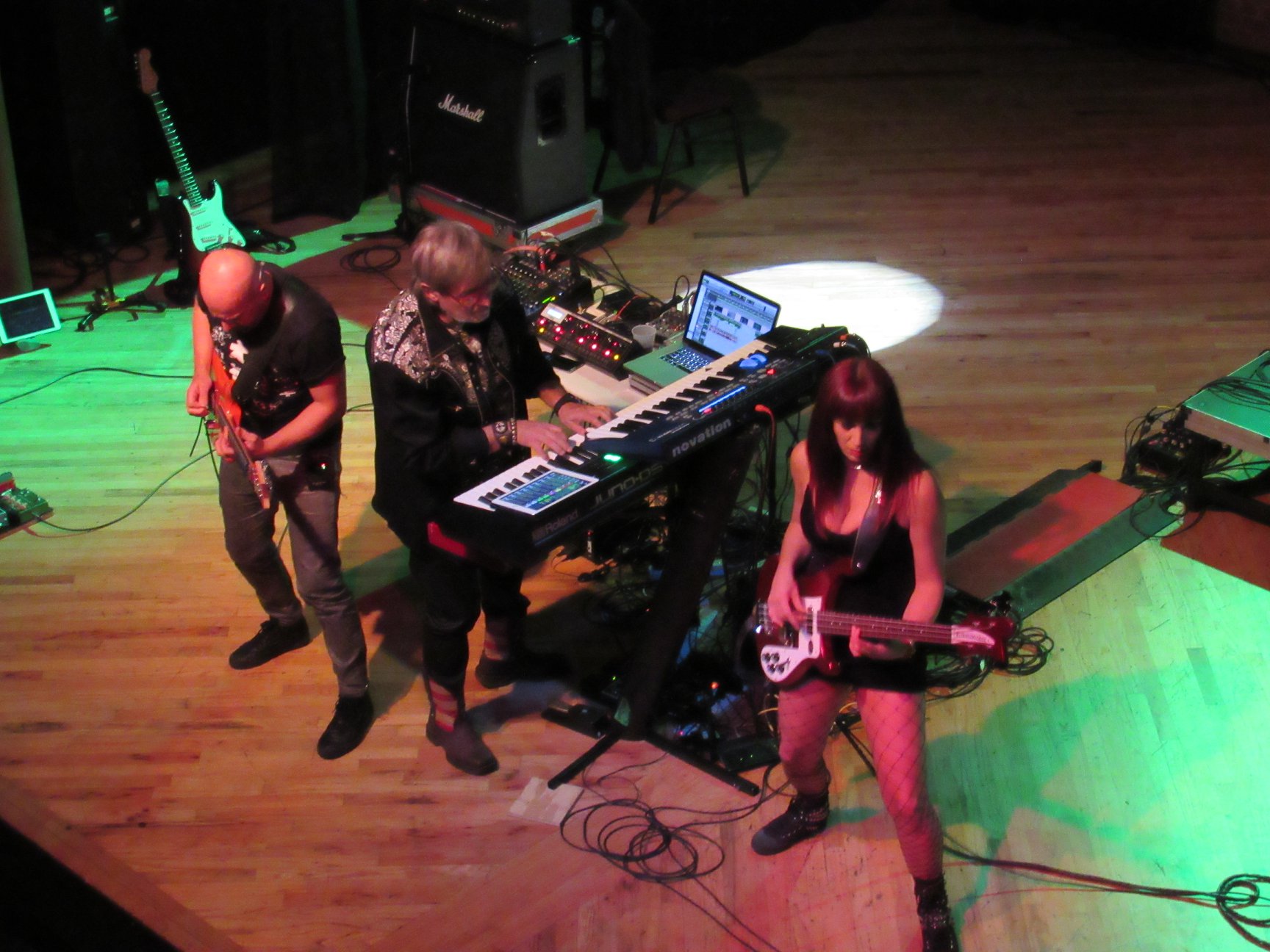
photo by Larry Fritzley

After the film portion was done, Simonetti and company played another hour of various instrumental pieces from a host of other Argento films like Demons, Tenebrae, and George Romero’s Dawn of the Dead. They also performed some brand new tunes from the album The Devil is Back. Smiles on stage lit up all around as Simonetti, Previtali, Nappo, and Maragoni locked in place and bounced all over the landscape, driving their unique brand of progressive rock and electronic-laced rhythms undeniably home.

Claudio Simonetti is truly one of the original masters of Italian rock and world class film scoring. Along with the new Goblin they bring a classic sound that should keep thrilling horror film fans, and just solid music fans, for some time to come. For more information on the band just go to www.goblinsimonetti.com.

Looking Ahead

Per the “tour dates” page on the band’s website, Claudio Simonetti’s Goblin will be in Kawasaki, Japan on October 25th and 26th and Berlin, Germany on October 31st, followed by gigs in Italy: November 1st in Lodi, November 14th in Pistoia, November 15th in Milano, and November 16th in Bologna. And they’ll be performing on Cruise to the Edge 2020, departing from Miami on March 27th, 2020.

Film Review: Jay’s Longhorn: Let’s Make a Scene

image courtesy of Mark Engebretson

by Eric Harabadian, Contributing Blogger

Film Review of Jay’s Longhorn: Let’s Make a Scene

Produced, Written & Directed By: Mark Engebretson; Associate Producer: Jeff Baustert; Associate Producer & Assistant Editor: Tim Beaufoy (Running Time: 92:40)

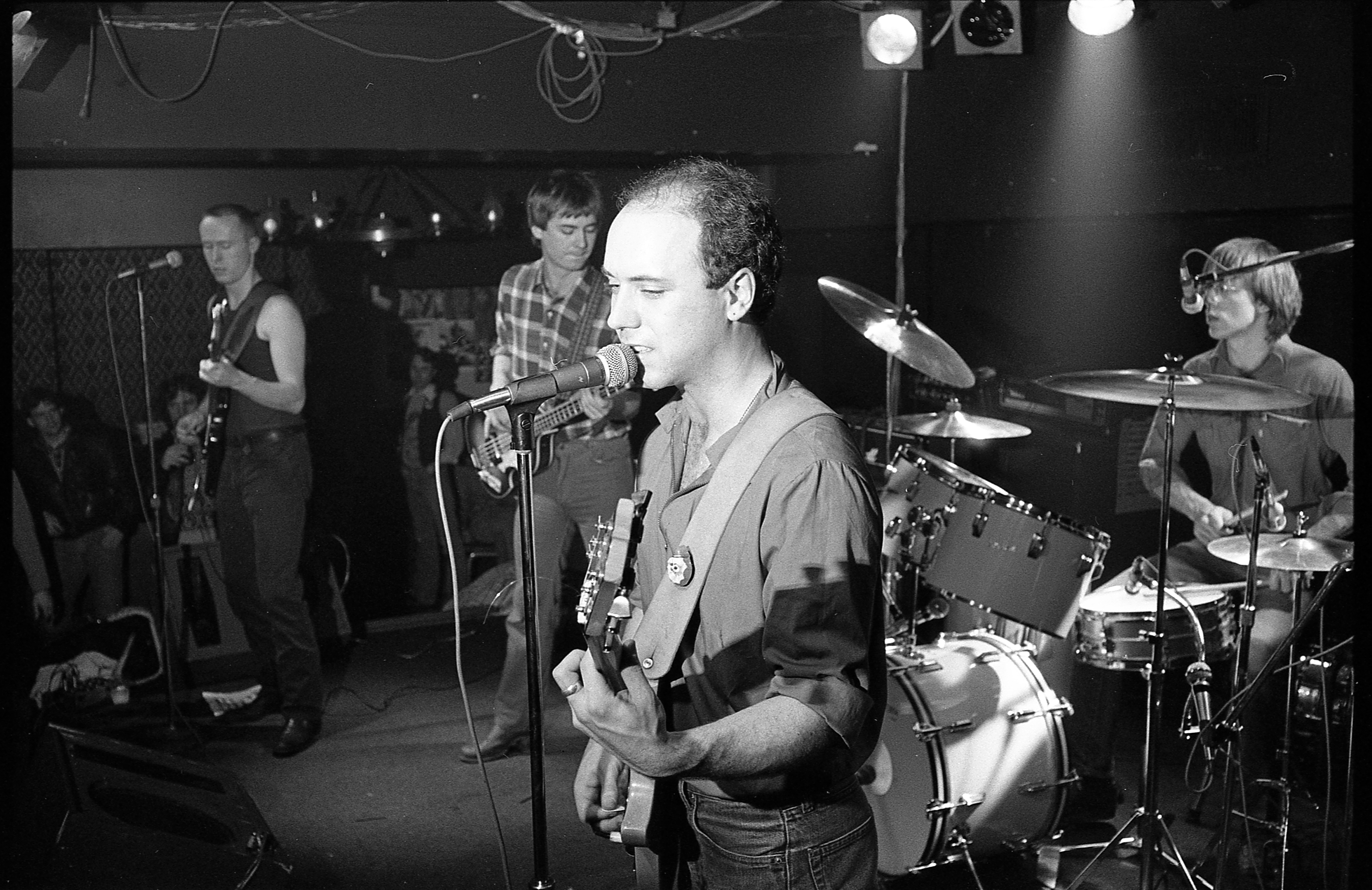
The Hypstrz; photo by Paul Shambroom; photo courtesy of Mark Engebretson

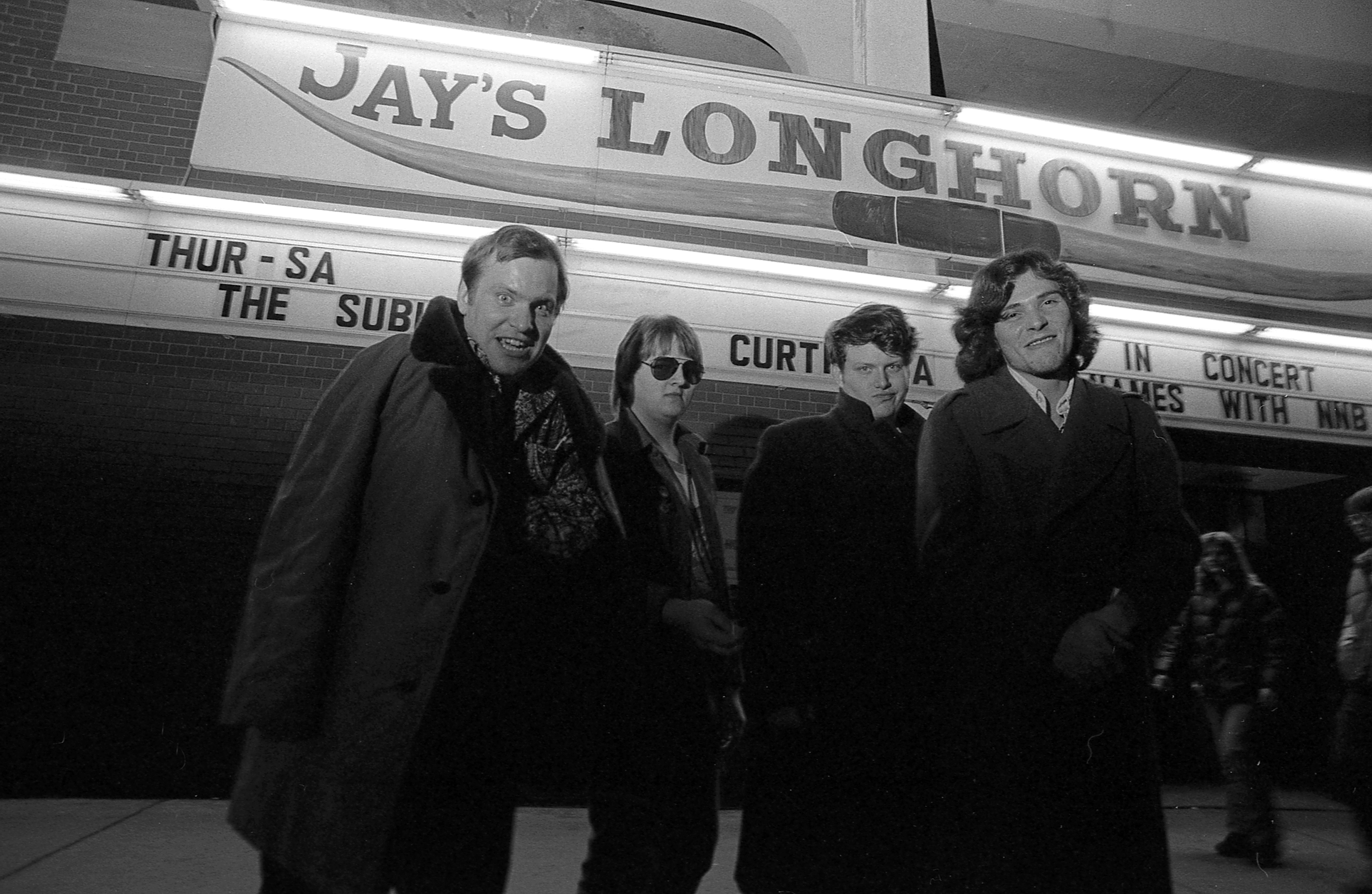
Jay’s Longhorn: Let’s Make a Scene is the debut full-length documentary for musician-journalist-media professional Mark Engebretson. The film focuses on the long-lamented Minneapolis, Minnesota-based nightclub that emerged in the late ‘70s as a harbor and safe haven for the then-burgeoning punk rock and new wave movement. From the club’s inception June 1st, 1977 through 1982, everybody who was anybody eventually wound up at this landmark venue.

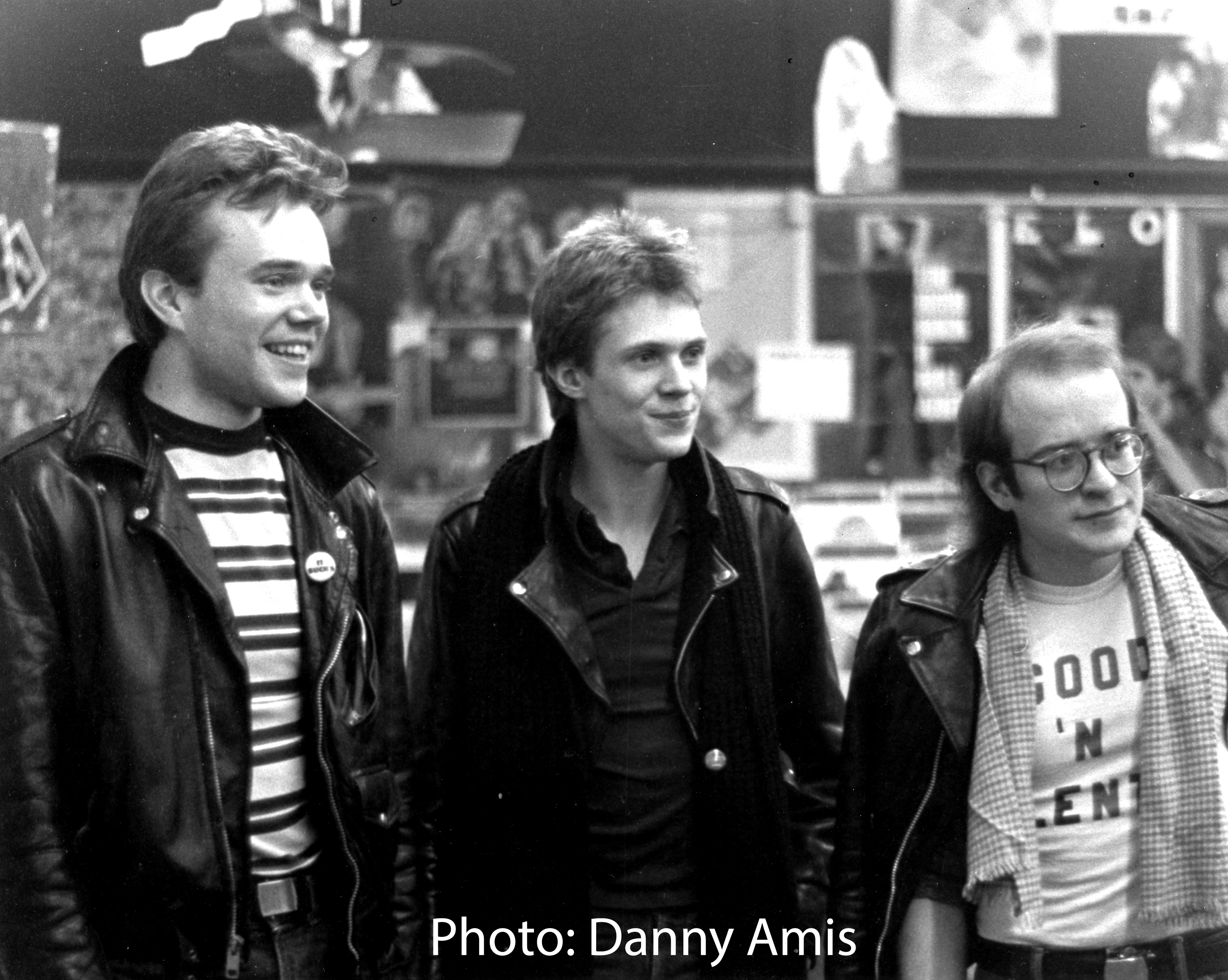
Suicide Commondos; photo by Danny Amis; photo courtesy of Mark Engebretson

As depicted in the film, the Minneapolis rock scene was dominated by cover bars where bands were relegated to four sets a night of standard radio fare. It was akin to an assembly line, and there was no margin for creativity or deviating from the norm. Jay’s Longhorn: Let’s Make a Scene deconstructs the tale of how a group of local music journalists, musicians, and music fans struck out for creating an individualistic music scene where artists could rise up and do their own thing.

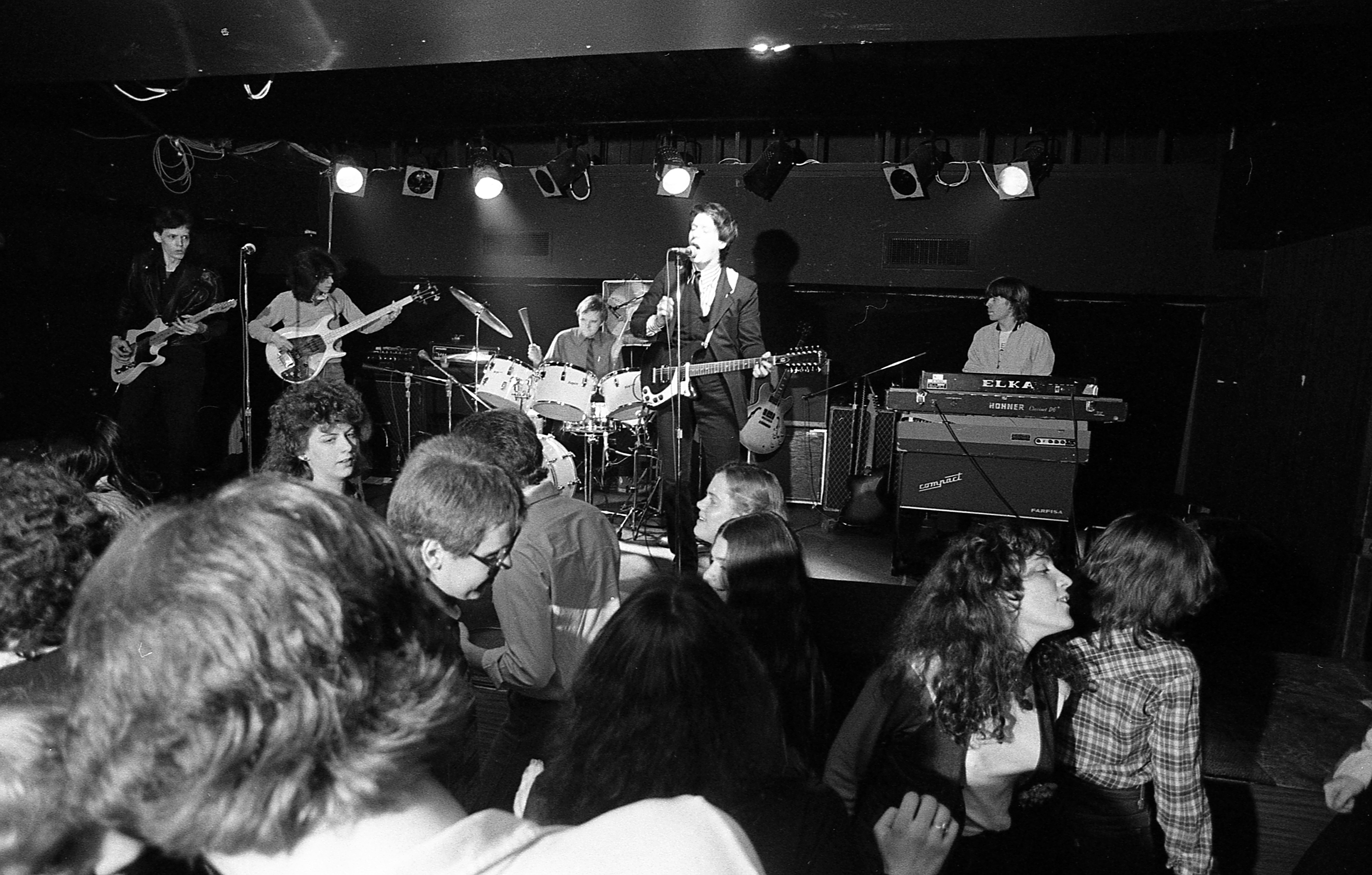
NNB; photo by Paul Shambroom; photo courtesy of Mark Engebretson

This story is meticulously and intricately told through the many personal accounts from the folks who were there. And it is a celebrated list of Twin Cities’ natives and national celebrities who tell the story: Peter Jesperson (former manager of The Replacements and Jay’s Longhorn DJ), Andy Schwartz (former editor/publisher of the New York Rocker), The Suicide Commandos, Flamingo/Flamin’ Oh’s, Danny Amis (Los Straightjackets), Bob Mould (Husker Du, Sugar), Fred Schneider (The B-52s), Curtiss A, Jay Berline (founder/owner of Jay’s Longhorn), and many others.

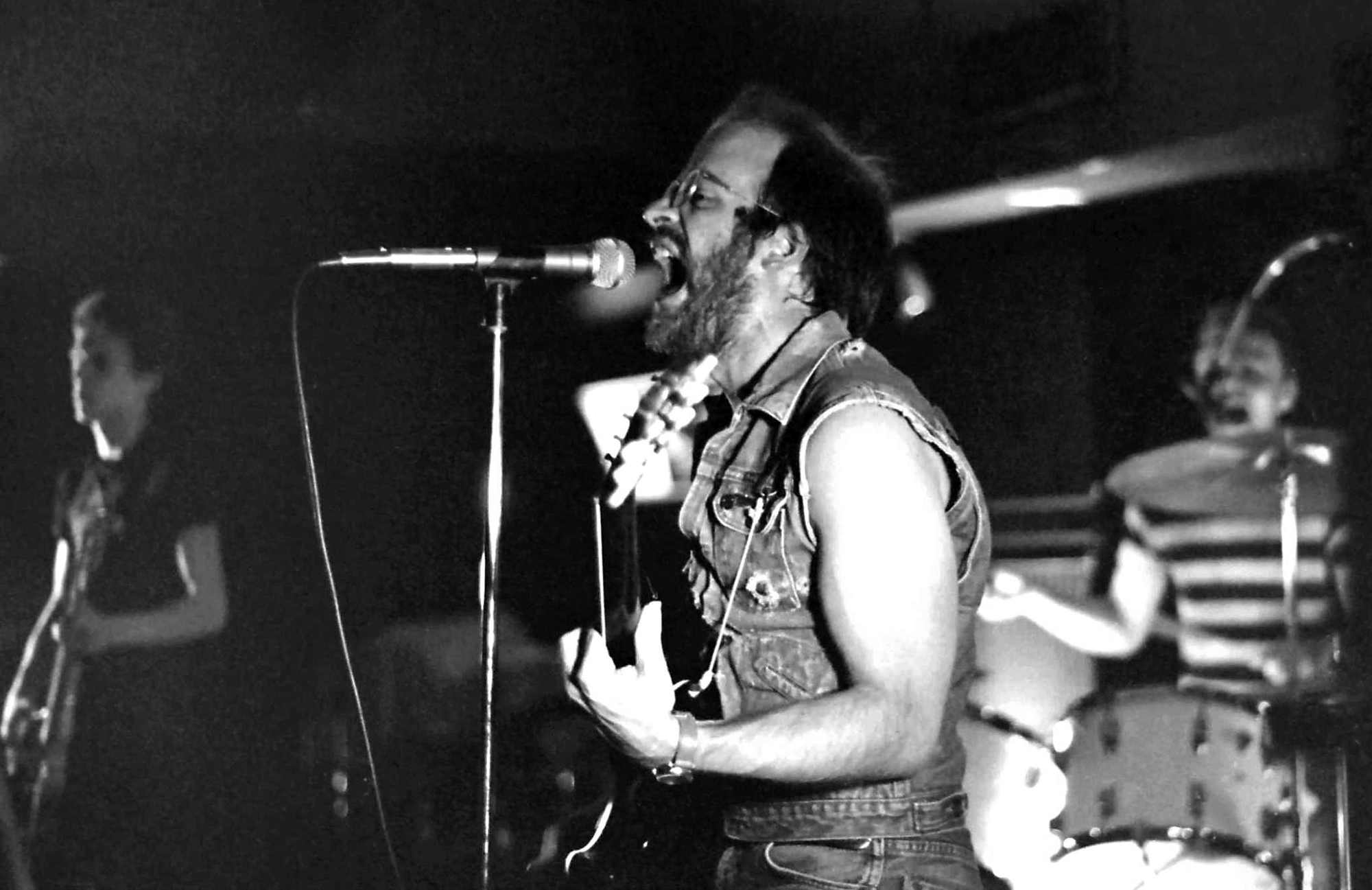
Curtiss A; photo by Paul Shambroom; photo courtesy of Mark Engebretson

While Jay’s Longhorn was a regional venue, to a certain extent it was also quite influential to changing tides in music on a global scale. Elvis Costello, Dave Edmunds, Nick Lowe, The Clash, Iggy Pop, The Plasmatics, The Police, Blondie, Talking Heads all were featured or frequented the club when on tour. It was the place to be! And that fact is lovingly portrayed in this film.

Suicide Commandos; photo by Danny Amis; photo courtesy of Mark Engebretson

When Jay’s Longhorn finally hung it up and changed hands in 1982, its legacy was immediately felt by a number of other Twin Cities area venues that rose in its wake. Perhaps Robert Wilkinson of the band Flamingo said it best in his encapsulation of what the club meant to him and so many other up and coming musicians at the time: “You need that stage, you need that place. Everybody has something inside of them that they need to say. Whether you’re a painter or a guitar player or a songwriter, it’s important to have a place to go where you can say what’s inside of you. To have that outlet, that’s what we needed and that’s what we created. And you never wanna stop that.”

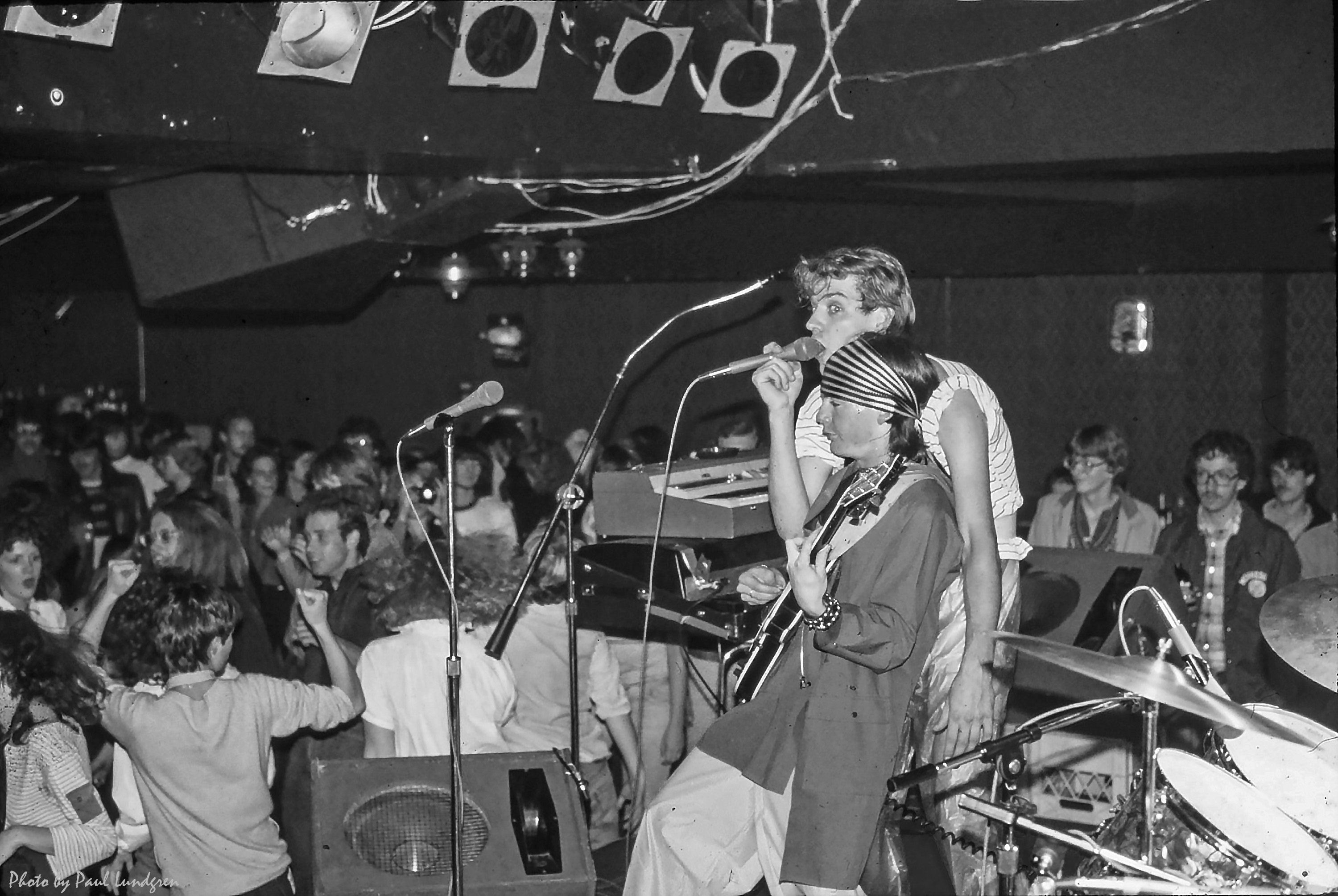
Suburbs; photo by Paul Lundgren; photo courtesy of Mark Engebretson

Jay’s Longhorn was that outlet for so many musicians and fans. And this fantastic film drives that message home in a respectful and well crafted manner. For more information on DVD purchasing and streaming go to the Jay’s Longhorn: Let’s Make a Scene website and the Jay’s Longhorn: Let’s Make a Scene page at Vimeo.

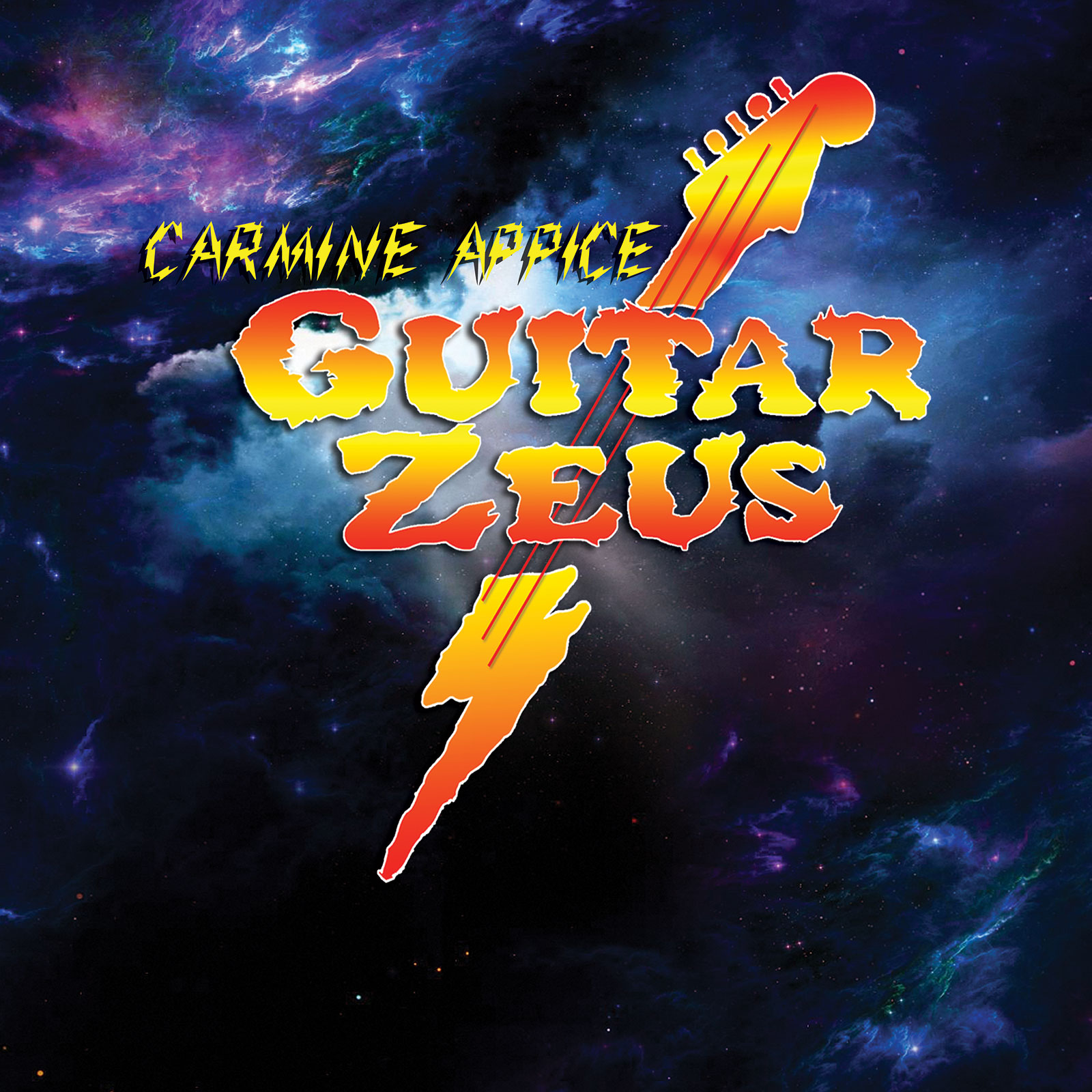
Interview with Carmine Appice and Album Review: Camine Appice – Guitar Zeus

photo courtesy of Anne Leighton Media

by Eric Harabadian, Contributing Blogger

Interview with Carmine Appice interspersed with Album Review of Carmine Appice: Guitar Zeus

Carmine Appice is a true living rock and roll legend. His credentials are practically unparalleled when it comes to accomplishments in modern music. He’s a drummer, vocalist, songwriter, author, educator, storyteller and, overall, raconteur who has done it all. Beginning his professional career in the ‘60s with Vanilla Fudge, Appice created the template for contemporary rock as we know it. Predating and paving the way for Led Zeppelin, Van Halen, and a number of guitar and theatrically-based bands, Appice almost single-handedly forged the genre known as “stoner rock.” The drummer-vocalist was also a founding member of the bands Cactus and worked with Jeff Beck and VF bassist Tim Bogert in Beck, Bogert & Appice. Perhaps one of Appice’s most commercially significant musical stints was as a member of Rod Stewart’s band. It was there that he also wrote one of Rod’s biggest hits to date, “Do Ya Think I’m Sexy,” and the follow up “Young Turks.” During the ‘80s, Appice worked with Ozzy Osbourne, Ted Nugent, Edgar Winter and led his own groups King Kobra and Blue Murder.

image courtesy of Anne Leighton Media

Currently, Appice is on the promotion trail discussing the re-release of a major recording project he began in the mid-‘90s called Guitar Zeus. In it, the drummer/producer brought together some of the finest guitarists of all time to collaborate on a multiple original song project that brought various genres of hard rock to the forefront.

“Actually, this idea started in ’95 and ’97 when I was working in a band called Mother’s Army with Joe Lynn Turner and Bob Daisley,” explains Appice. “I was doing searches for band names because it had been ten years since I did a solo album and I wanted to do something new.”

It took Appice a couple years to get a record deal for his new project, but, as fate would have it, he did a clinic at a music store with guitarist Brian May. At that time Appice came up with the concept of guest guitarists from various genres appearing on his solo album, so May ended up being the first artist he asked. Ted Nugent was also invited as well as the members of Kings X and many other artists.

“I finally got this deal out of Japan and I recorded it,” says Appice. “I did two records, and it cost me $100,000. I paid everyone who played on it the going rate and Guitar Zeus was released in Europe and Asia. It sold over 150,000 records worldwide. It was finally released in the U.S. in 2005 with a European label that eventually went out of business. I decided I wanted to re-release these albums because everybody that’s on it is big again.”

And there is a virtual who’s who of rock guitar on Guitar Zeus. The list will surely make any serious music and guitar fan salivate profusely. On-board are Ron “Bumblefoot” Thal, Richie Sambora, Steve Morse, Brian May, Ted Nugent, Slash, Neal Schon, Yngwie Malmsteen, dUg Pinnick, Pat Travers, Vivian Campbell, Jennifer Batten, Warren DeMartini, Elliot Easton, Bruce Kulick, Dweezil Zappa, Paul Gilbert, Leslie West, and many others.

“Of course, Brian May is huge now with all the movie stuff as well as Neal Schon with Journey,” says Appice. “But back in the ‘90s, grunge was big, and we were all dinosaurs. I spent most of the ‘90s working in Japan because a lot of folks didn’t wanna hear from guys of the ‘60s, ‘70s, and even ‘80s. I also had a bunch of tracks that never really made it to the American version of this project.”

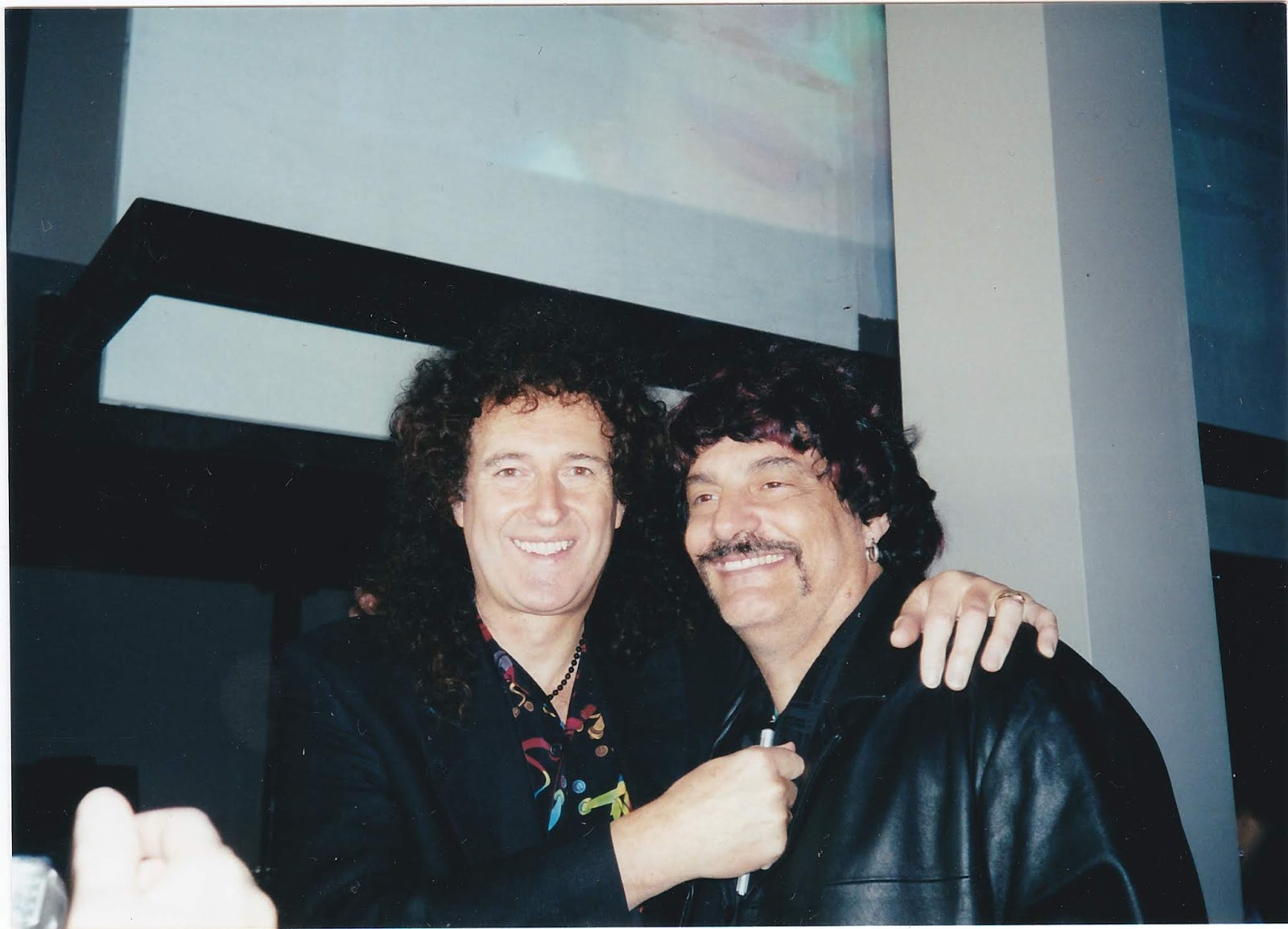
Brian May and Carmine Appice; photo courtesy of Anne Leighton Media

Guitar Zeus features over 30 original tracks all digitally re-mastered by Stephen DeAcutis and executive produced by Carmine Appice himself. The core band on each track consists of all stars Tony Franklin on bass; Kelly Keeling on vocals, keys, and rhythm guitar; and, of course, Appice on drums. Highlights of some of the tunes include Brian May’s wah-wah guitarwork on “Nobody Knew,” Steve Morse’s dark proggy Jeff Beck-like licks on “4 Miles High,” Ted Nugent’s inspired feedback-drenched fretwork on “Days Are Nights,” Pat Travers’ re-make of “Do You Think I’m Sexy,” and many other performances too numerous to mention. It’s a very special digital release that will be available on all platforms along with special vinyl and CD editions.

“A lot of people will finally get to hear this that never heard it before,” says Appice. “There is a Soundgarden meets Blue Murder kind of vibe with the tunes that has a lot of guitar playing and jamming like the ‘70s. Each song has its own tuning and is unique. And there is a lot of ear candy on here where the mix moves the music around the speakers like in the days of The Beatles’ Revolver or Sgt. Pepper where sounds would move from left to right in your head.”

For all the information on Guitar Zeus and Carmine Appice, just go to www.guitarzeus.net and www.carmineappice.net.

This Weekend

On Saturday, March 30th, Appice will be teaching a Drum Master Class at the Trilogy Lounge in Seymour, CT. On June 29th, he’ll be performing as a member of Vanilla Fudge at the Boulton Center in Bay Shore, NY. Watch Carmine Appice’s website for additional dates, and be sure the double-check with the venue to confirm.

Single Review: Jimmy Lee Morris – “What It Is”

by Eric Harabadian, Contributing Blogger

Single Review of Jimmy Lee Morris: “What It Is” (Producer: Adam Hanington)

Jimmy Lee Morris - What It Is

image courtesy of Jimmy Lee Morris

The latest release from British singer-songwriter extraordinaire Jimmy Lee Morris comes in the form of a tight, nifty single entitled “What It Is.” Morris has previously released fine independent acoustic-based folk and pop that has always put the emphasis on wordsmithing and strong melody. This latest single adds an infectious beat to his resume that recalls everything from the Beatles and the Kinks to Nick Lowe and Elvis Costello. The song is a pure collaboration of Morris’ ever present acoustic guitar as an anchor, with the addition of Hanington’s production gloss of synthesized keyboards and bouncy rhythms. The result is a tune that is extremely catchy and fun, with a nod to the ‘60s as filtered through a mid-‘80s lens. If you don’t start tapping your feet and gyrating in some form or fashion upon the song’s first downbeat, then you better check your pulse!

Looking Ahead

The “live” page of Jimmy Lee Morris’ website shows several dates coming up in 2019, including three in March: Friday, 1st March at Napoleon Inn, Boscastle, Cornwall (9:00 pm); Saturday, 23rd March at Crowhurst Park, Battle, East Sussex (8.30 pm); and Saturday, 30th March at The Jolly Sailor Inn, West Looe, Cornwall (8:00 pm). For dates April and beyond – and to check for additional gigs to be added – be sure to check the website.

Album Review: Tosha Owens – Wrong Side of Right

Tosha Owens - Wrong Side of Right

image courtesy of Tosha Owens

by Eric Harabadian, Contributing Blogger

Album Review of Tosha Owens: Wrong Side of Right

Multiple award-winning singer-songwriter Tosha Owens hits it out of the park with this latest blues and soul drenched venture. Owens has been a consistent fixture on the Detroit music scene since the ‘80s, and this album proves she is not one to rest on her laurels. She and guitarist/producer/co-writer Brett Lucas are a great team that has crafted a dynamic set of songs that are sure to resonate.

Tosha Owens

photo courtesy of Tosha Owens

“You Ain’t Right” opens the album with a minor mid-tempo blues burner about a one-sided relationship. From the get-go, you know Owens is gonna give it to you straight. The title track “Wrong Side of Right” follows and picks up the pace, with some light funk as the singer talks about choices and those gray areas in between. “I’ll Just Say It” is a great ballad in the vein of Al Green. This features a smooth jazz touch from John Douglas on flugelhorn. Somewhat of a surprise is a deep cut from the Janis Joplin songbook called “Half Moon.” There are some great horns here along with Lucas’ funky guitar and a standout performance from Owens. Another highlight is the first-person account of one’s need to “pay it forward” in helping those less fortunate, with the very soulful “Cold in Detroit Tonight.” Pianist Evan Mercer kills on the Ray Charles ballad “Ain’t That Love.” It’s a fitting and sweet way to put a beautiful bow on this stellar dozen of superb modern and classic soul and blues-rock gems.

Live Performances

The “Shows” page of Tosha’s website lists her 2018 shows. Keep an eye on that page as she adds 2019 performances.

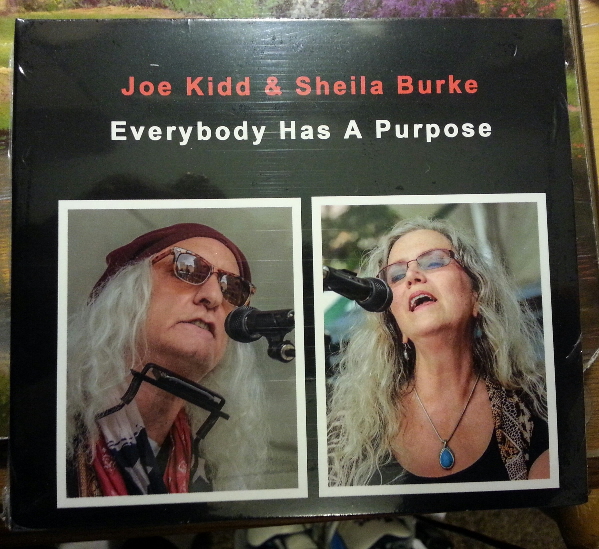
Album Review: Joe Kidd & Sheila Burke – Everybody Has a Purpose

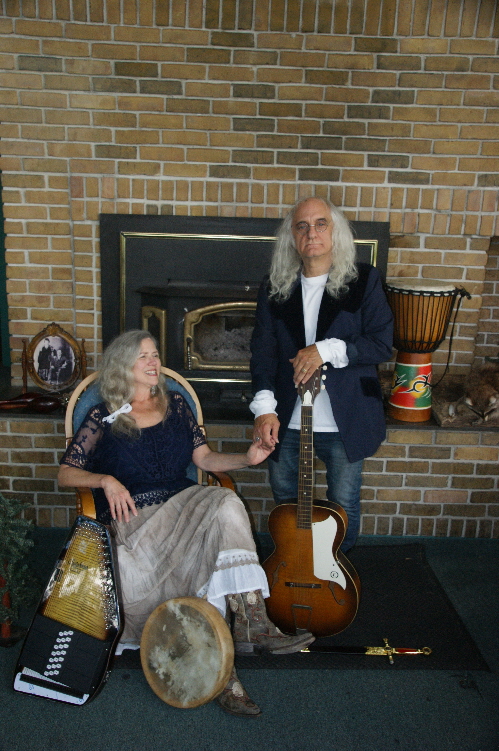
Joe Kidd & Sheila Burke

photo courtesy of Joe Kidd & Sheila Burke

by Eric Harabadian, Contributing Blogger

Album Review of Joe Kidd and Sheila Burke: Everybody Has a Purpose

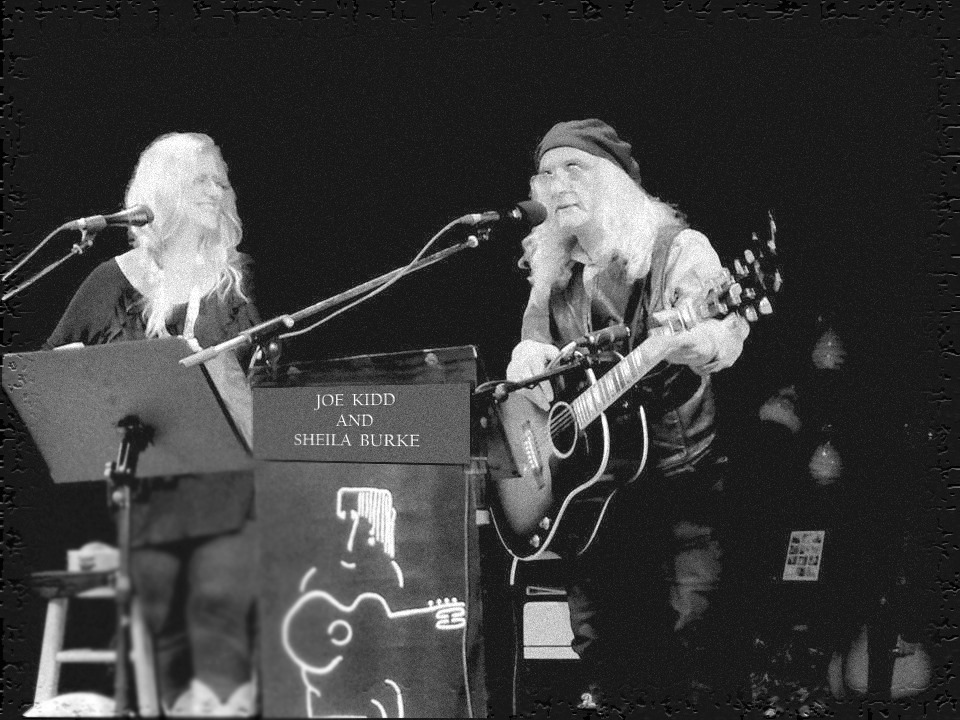
Joe Kidd and Sheila Burke are a contemporary folk-rock duo that features stellar harmonies matched with skilled songwriting and heartfelt themes. In the five-plus years they’ve been together they’ve performed all around the United States, Mexico, and Canada spreading a message of peace, love and harmony.

Joe Kidd & Sheila Burke - Everybody Has a Purpose

photo courtesy of Joe Kidd & Sheila Burke

Fans of classic acoustic and folk artists like Peter, Paul & Mary, Judy Collins, Joan Baez, Bob Dylan, Leonard Cohen, Arlo Guthrie, and others will certainly appreciate this duo. But their music has a timeless and limitless quality that is sure to satisfy any age or era.

The title track “Everybody Has a Purpose” lays the foundation for their music, with a message of being an individual and finding one’s place in the world. Echoes of Jessie Colin Young, Bob Dylan, and Joni Mitchell certainly come to mind.

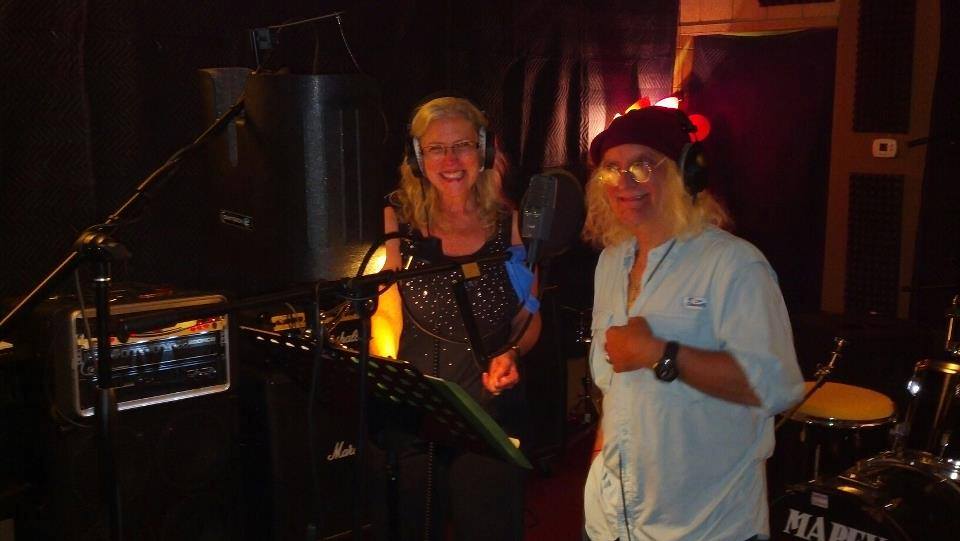
Joe Kidd & Sheila Burke

photo courtesy of Joe Kidd & Sheila Burke

Another strong song represented here is Burke’s ode to a serviceman “Veteran’s Song (My Brother).” She has the voice of an angel and her depiction of a soldier who seems to be dealing with PTSD is powerful.

“Shadow At the End of the Road” stands out as well for its haunting melody and mood. It has a Byrds meets Buffalo Springfield kind of feel matched with marvelous vocals and a contemplative resonance.

The struggles of the working man are reflected in the Pete Seeger-like “Grandpa Was a Coal Miner.” Tunes like that and, basically, all their material is directed toward the common man, woman, and human experience.

Joe Kidd & Sheila Burke

photo courtesy of Joe Kidd & Sheila Burke

There is a primary element to Joe Kidd and Sheila Burke’s music that is, at once, relatable and down to earth, yet spiritual and transcendent. The songs “Will Do” and “They Call it Romantic” are all that and are lighthearted and fun too.

Keep an eye out for this duo on the concert circuit as they keep a steady performance schedule throughout the year. Check their website for a list of upcoming performances, beginning with a Saturday, December 1st Rock For Tots benefit show at Freddy’s Bar & Grill in Clinton Township, MI.

Album Review: Thornetta Davis – Honest Woman

Thornetta Davis

photo by Bob Schultz; photo courtesy of Thornetta Davis

by Eric Harabadian, Contributing Blogger

Album Review of Thornetta Davis: Honest Woman

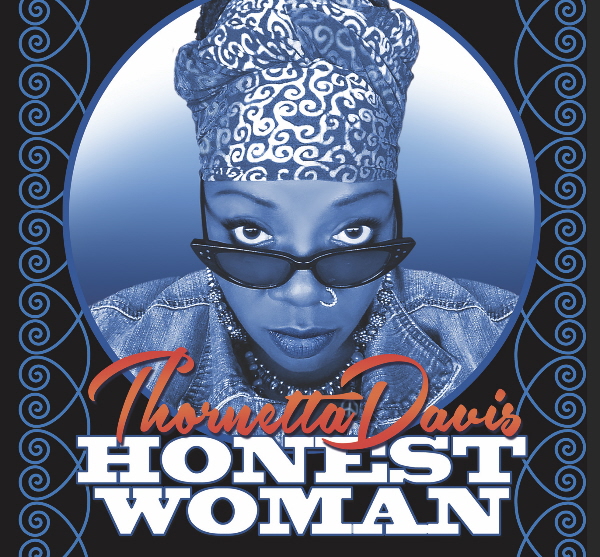
She is often referred to as Detroit’s “Queen of the Blues.” And for good reason! Thornetta Davis has consistently won numerous awards in her hometown and abroad and, with this current album, shows she is as strong a composer and songwriter as she is a singer. According to the liner notes, this album was roughly 20 years in the making. And, while Davis always delivers a sincere and no-holds-barred performance, this is some of her more personal and powerful material to date.

Thornetta Davis - Honest Woman

image courtesy of Thornetta Davis

This is a full-length feature, with a baker’s dozen of all Davis originals. It’s a seamless cross-section of rocking blues and gospel-inflected R&B that truly is a showcase for what this world class artist is all about. “I Gotta Sang the Blues” kicks things off in an appropriate autobiographical vein. It’s an uptempo funky number that guests the legendary Kim Wilson trading vocals and harmonica with the Detroit diva. “That Don’t Appease Me” finds Davis boasting loud and proud in her defense from a man that did her wrong. This one really swings as well as rocks the house. “Set Me Free” changes the pace a bit, offering a jazzy feel, with great choral vocals and superb guitar from Saginaw blues man Larry McCray. Davis makes reference to Sam Cooke in her notes, and “I Believe (Everything Gonna Be Alright)” kind of rings with that “Change is Gonna Come” kind of vibe. Other highlights can be found in the spirited “Get Up and Dance Away Your Blues,” with horns by the late Marcus Belgrave, and the title track “Honest Woman” that features Kid Rock saxophonist David McMurray and intense revelatory lyrics from the singer.

Davis is joined by many of Detroit’s first-call session players and side musicians, including guitarist Brett Lucas, bassist James Simonson, drummers Skeeto Valdez, Todd Glass and Dave Marcaccio, keyboardists Phillip Hale and Chris Codish and many others. Simply put, it’s a solid release!

Live Gigs

Per the “gigs” tab of Thornetta’s website, she’ll be performing tonight, November 23rd, and tomorrow night, November 24th, at Kingston Mines in Chicago. Thornetta’s Facebook page also lists a March 2, 2019 show with Mike Wheeler at The Token Lounge in Westland, Michigan. I’d definitely keep an eye out for other live shows, too.

Album Review: Dave Kerzner – Static

Dave Kerzner

photo courtesy of Glass Onyon PR

by Eric Harabadian, Contributing Blogger

Album Review of Dave Kerzner: Static (RecPlay Inc.)

Dave Kerzner is a singer-songwriter/keyboardist/guitarist/producer/sound designer and developer with an impressive resume that includes duties working alongside such luminaries as Alan Parsons, Genesis, Neil Peart, Keith Emerson, Tom Waits, Smashing Pumpkins, Steven Wilson and Kevin Gilbert. He also has been a member of prog rock groups Sound of Contact and Mantra Vega and has released two solo albums, New World and the current Static.

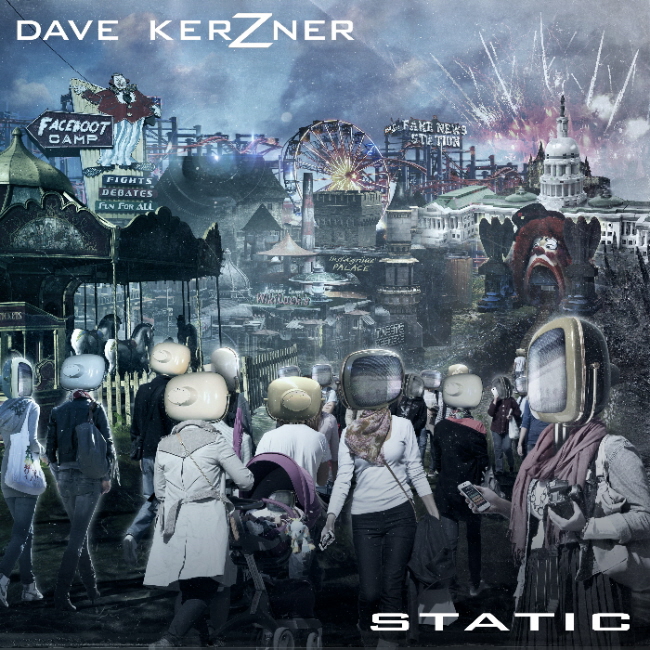
On his latest endeavor, Kerzner shines his conceptual spotlight on contemporary society, with all its political and moral dilemmas in full effect. Sonically, this is a record that is very much of its time, where every track beams with full spectrum fidelity coupled with accomplished musicianship. Kerzner is joined by his core ensemble of guitarists Fernando Perdomo and Randy McStine, drummer Derek Cintron and backing vocalists Durga and Lorelei McBroom. And, although this is very much Kerzner’s baby, both his core and special guest musicians make this feel like a unified “band” project.

Dave Kerzner - Static

image courtesy of Glass Onyon PR

Kerzner’s songs and stories are ripped from today’s headlines and infused with a somewhat cynical and jaundiced eye. Among the highlights, “Hyprocrites” sets things in motion via staccato guitar chords that punctuate the air. It is all about the political, partisan and moral divide that seems so prevalent at the moment. In it, Kerzner sings “Pointing at me, pointing at you, making us gorge on your point of view.” Also, “Giving to steal, standing to kneel, hurting to heal, failing to heal.” These are thinly veiled lyrics that immediately address the polarization in our society.

The title track “Static” sounds like a Pink Floyd outtake from The Wall. Perhaps that may be due, in large part, to the drum track, which is a sample of PF luminary Nick Mason. It’s kind of a dirgy and dark tale about the personal static we all feel in our dealings with each other on a daily basis.

“Chain Reaction” is a strong single, both from a chorus hook and melodic perspective. A real alt-rock feel combined with a progressive lead sensibility is at play here through the interaction of Perdomo and guest Chris Johnson’s guitarwork.

“Trust” is another standout track that features Beatle-esque harmonies and a strong Alan Parsons Project sensibility. The addition of cellist Ruti Celli provides an eerie baroque atmosphere to the song.

Dave Kerzner

photo courtesy of Glass Onyon PR

There are some interesting instrumental sidebars as well in “Quiet Storm “and “Statistic.” These are vehicles for some experimentation and sound design manipulation.

Famed Genesis guitarist and solo artist Steve Hackett lays down some wicked leads on the provocative “Dirty Soap Box,” and the multi-sectioned “The Carnival of Life” takes the listener on a thrill ride that ends, as the album began, with the urging of the protagonist Kerzner for the populace at large to take a look at itself and reflect.

There are fourteen tracks in all. Static is best listened to as a comprehensive piece, however many of the songs do stand on their own. If you are a fan of such classic albums as Pink Floyd’s Dark Side of the Moon, Genesis’ The Lamb Lies Down on Broadway, or Elton John’s Goodbye Yellow Brick Road, you would be well-served to check this out.

Live Shows

Keep up with Dave’s live performance schedule via the “tour dates” section of his website. His next gig, per his website is March 3rd at the Progdreams Festival in The Netherlands. Watch Dave’s website for additional dates as they’re added.

[You may also have recognized guitarist Fernando Perdomo’s name. I reviewed Fernando’s CD, The Golden Hour, back in December. -GW]

Album Review: Quentin Angus – In Stride

Quentin Angus

photo by Desmond White; photo courtesy of Quentin Angus

by Eric Harabadian, Contributing Blogger

Album Review of Quentin Angus: In Stride

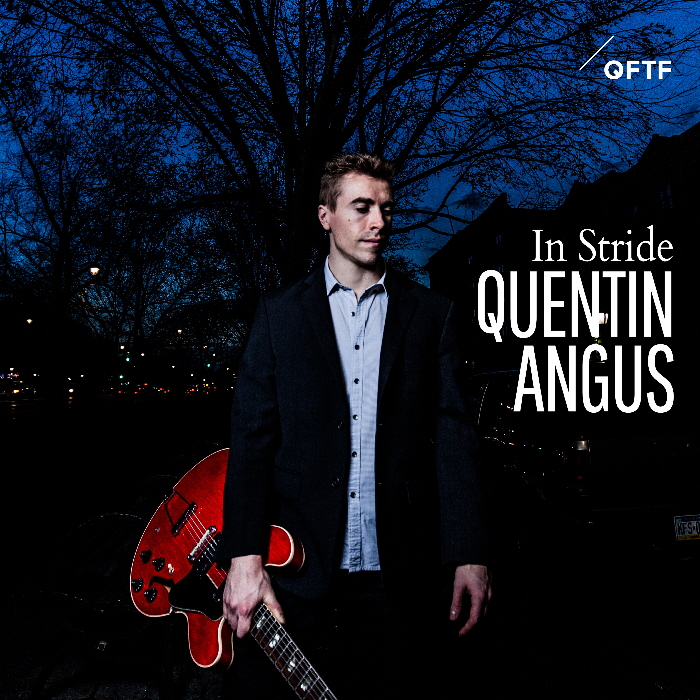
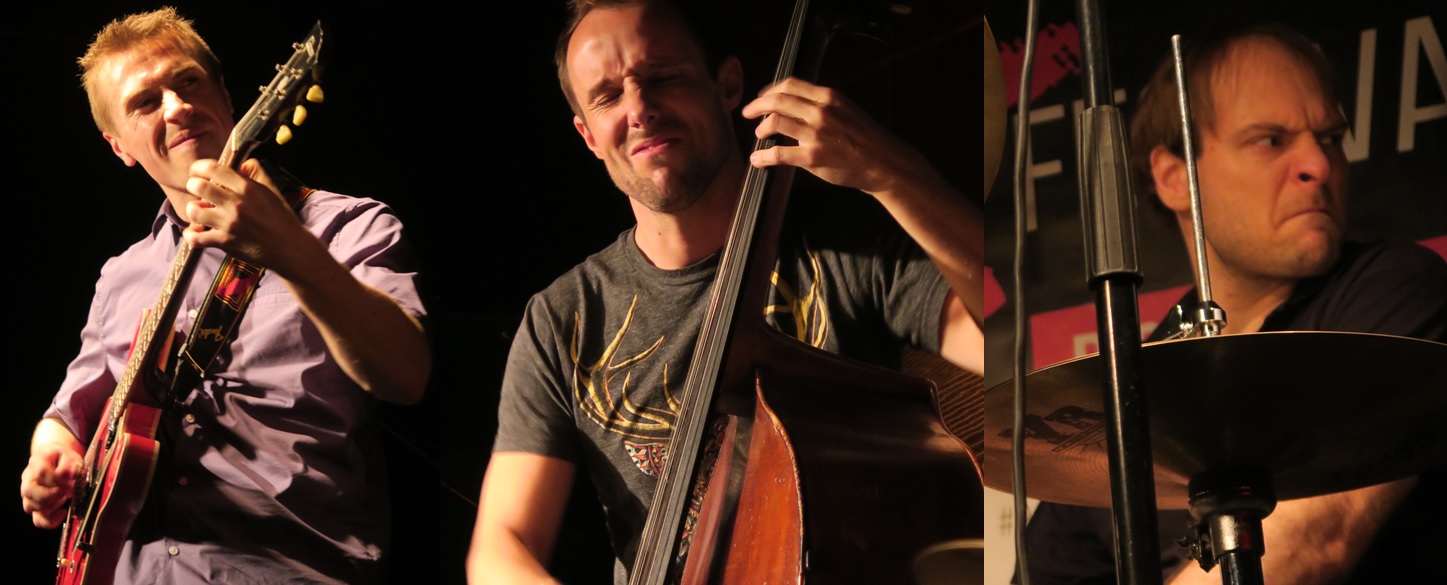
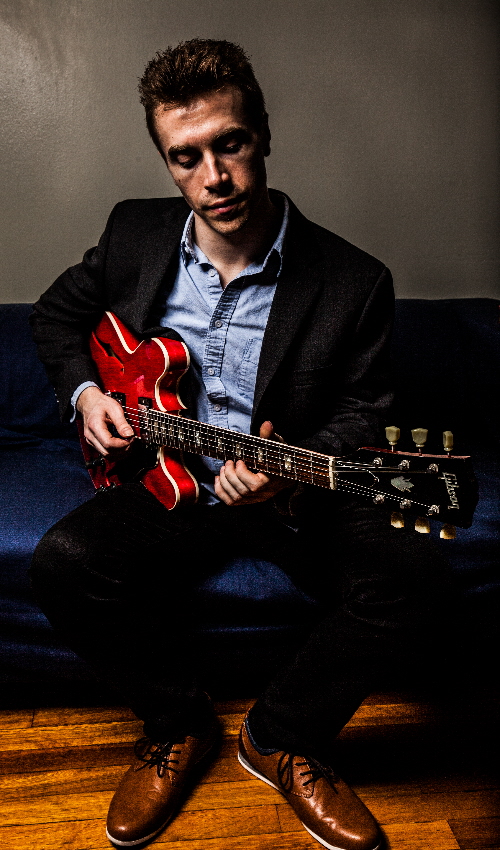
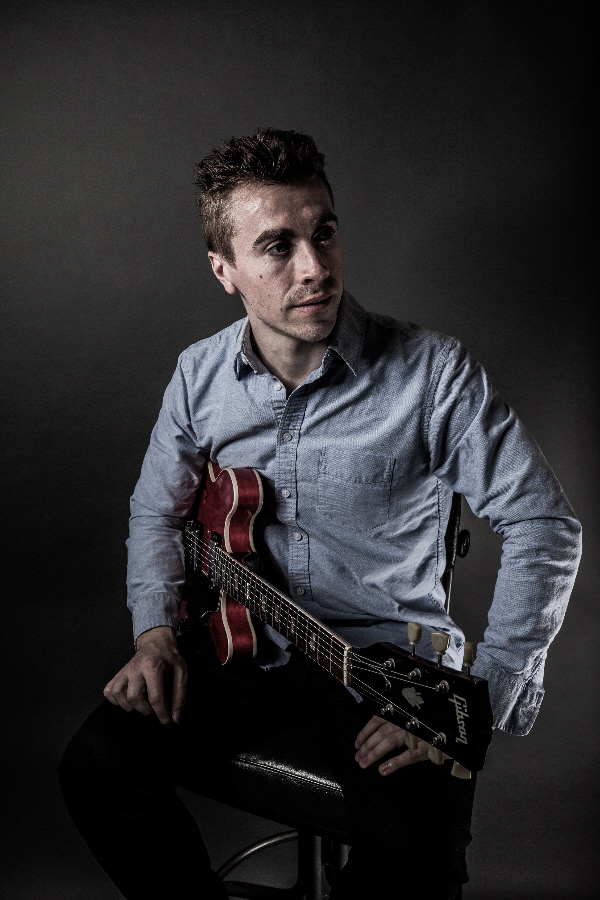
Guitarist Quentin Angus hails from Eden Valley, Australia and has been based in New York City since 2010. In that time he received a PhD and is an Associate Professor of Music for the City University of New York. He’s released two previous albums as a leader, with his latest, In Stride, proving to be one of his most exciting and musically explorative to date. He is joined on the new album by bassist Sam Anning and drummer Ari Hoenig.

Quentin Angus - In Stride

cover photo by Desmond White; image courtesy of Quentin Angus

Perhaps the main thing one can take away from this album is the focused, yet very relaxed manner in which this trio interacts with each other. The inventiveness and complexity of the writing and arrangements combined with the intensity and execution seems mercurial and essentially effortless. Angus and company appear to be operating from one cerebral source, and the results are most impressive.

“Jingles” is a Wes Montgomery composition and sets things in motion at a vibrant pace. The sharp and succinct accents that bolster the melody come at you like an adrenaline rush. The tune is constructed tighter than a Swiss watch, with precise moves that shift from orchestral to all out swing. Angus’ mastery on the fret board knows no bounds as he takes this piece into an alternate dimension via athletic intervals and wide ranging octaves.

Quentin Angus

photo courtesy of Quentin Angus

They slow down the mood a tad for a lovely interpretation of The Goo Goo Dolls’ ballad “Iris.” The dreamy waltz-time feel coupled with the lilting melody makes this an ethereal delight. The trio plays the familiar head fairly straight forward while observing subtle alternate voicings and dynamics.

The title track “In Stride” is an Angus original. The tune’s brisk melody and tempo work in tandem to generate some real excitement, with a nice use of suspended chords and a wide range of harmonies. Hoenig and Anning provide plenty of space as Angus navigates some real in and out kind of playing.

Quentin Angus

photo by Desmond White; photo courtesy of Quentin Angus

The leader’s subtle political leanings rise to the surface, with the robust in-the-pocket track “One for Bernie (Sanders).” Hoenig initially lays down a funky beat and alternates with more open rhythms. Angus is at his most intricate and literate where every nuance is explored. The ebb and flow of overall dynamics from the band is nicely done as well.

Charlie Parker’s “Segment” is, perhaps, not one of the legendary sax master’s most well known works, but thoughtfully spotlighted here. This is a real jaunty one, which begins kind of funky and then breaks out into a lithe swing. Angus likes to get in the zone where you never know quite where he is going, but he is always on point. His solos are lively and melodic, and the mid-section is an added bonus sparked by the bass and drums.

“Droplets” is another Angus piece that blends a samba-like framework, with smooth and complex orchestration. Hoenig’s drumming is militaristic and fast paced, surely bent to keep you on your  toes.

Quentin Angus

photo by Desmond White; photo courtesy of Quentin Angus

Again, the band’s diversity and ability to seamlessly blend pop into their mix is displayed on Oasis’ “Wonderwall.” It’s a clever arrangement where Anning plays the initial melody on bass followed by Angus providing the “B” section. Hoenig kind of holds it all together, with a loosely framed pulse.

“Kinship” concludes the album, with another Angus gem. A bright and uplifting melody is powered by the leader’s stealth use of arpeggios and rolling chords. Anning and Hoenig give this a somewhat Latin feel that really caps things on an upbeat note.

Dare I say, Angus and company truly hit their “stride” on this wonderful album. It is a textbook treatise into what a tight knit and compact unit can bring to the table in terms of creating an inventive and original sound. Essential listening!

Looking Ahead

Angus’ next performance is tomorrow afternoon, Saturday, February 24th at 3:00 PM as part of the “Composers Now” Festival at the Shirley Fiterman Art Gallery in New York. Per the “Shows” page on Quentin’s website, he’ll be back at the same location on March 16th for a faculty recital. Be sure to check his website periodically to catch future live shows as they’re added. You can also keep up with the live performance schedules of the other two-thirds of Quentin’s trio on their websites: Ari Hoenig’s and Sam Anning’s.

Album Review: The Black Butterflies – Luisa

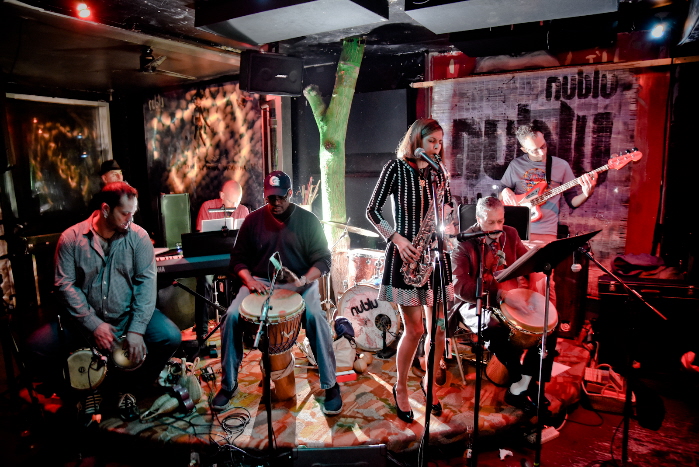
The Black Butterflies

photo by Vladimir Radojicic; photo courtesy of Mercedes Figueras

by Eric Harabadian, Contributing Blogger

Album Review of The Black Butterflies featuring Gato Barbieri: Luisa

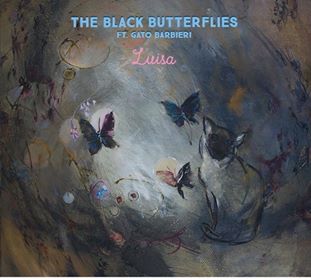
Mercedes Figueras is an Argentinean saxophonist who has released a series of independent albums as leader of New York-based jazz outfit The Black Butterflies. Much of their music is of a contemporary post-bop and Afro-Cuban nature, rich with lush percussion and rhythmic accents. On their latest installment, this was an exceptionally momentous release because it documented the last recorded work by the late legendary tenor sax great Gato Barbieri.

The Black Butterflies - Luisa

album cover art by Ima Montoya; image courtesy of Mercedes Figueras

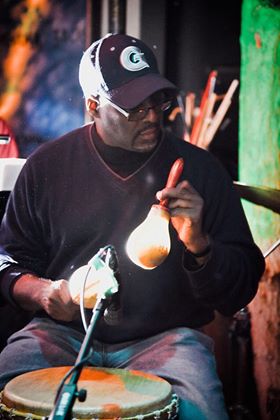
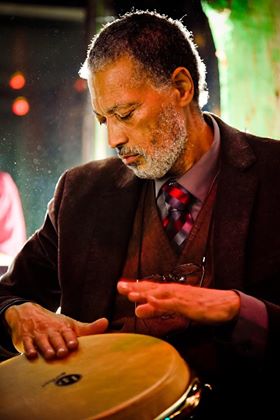
The Black Butterflies consist of Figueras on soprano, alto, tenor sax and vocals; Tony Larokko on soprano and tenor sax and percussion; Fred Berryhill on djembe and percussion; Bopa “King” Carre on bongos and percussion; Nick Gianni on upright bass and flute; Rick Bottari, piano; Kenny Wollesen on drums; and Karl Berger on vibraphone and melodica.

The album begins with a mash-up of the traditional black folk song “Hambone” — with vocals by Larokko that flow nicely with the introductory rhythms — leading into the Astor Piazzolla piece “Adios Nonino.” This is a nice and easy samba that features Figueras playing a rather whimsical and snaky kind of melody, with its overarching intervals and valiant sonic leaps. Berge adds some really nice touches here on vibes.

The Black Butterflies

photo by Vladimir Radojicic; photo courtesy of Mercedes Figueras

Figueras’ original “Gato’s Hat” is a sweet dedication to the Latin saxman himself. It’s kind of a simple-sounding folk melody that the leader uses as a vehicle to engage Barbieri in a friendly horn duel. It’s a light and spirited piece uplifted by animated percussion that weaves in and out.

Title track “Luisa” is a lullaby between mother and daughter. Figueras’ words are poetic as she offers advice to her young daughter via words of wisdom. She sings these lyrics in whispery and eerily hushed tones that are gentle and comforting. The music shifts accordingly from ethereal and ambient to more of a 4/4 swing feel. It’s a nice conceptual piece that utilizes, in particular, the strengths of the bass and drums.

The Black Butterflies

photo by Vladimir Radojicic; photo courtesy of Mercedes Figueras

Another Figueras original, “Brother Nacho, Sister Lola,” is based on a lean and simple samba vamp featuring dense percussion and saxophonic cross-talk between Barbieri and the leader. Their playing is intense only to be offset by the steady hand of Berger on accompaniment and solos.

The mood shifts between major and minor modes on Ramon Sixto Rios’ “Merceditas.” Again, Barbieri comes to the fore here with some shimmering tenor work supported by Berger on melodica.

McCoy Tyner’s “Love Samba” fits in nicely with the Latin-tinged program here and shines a spotlight on Larokko’s soprano sax exchanges with Figueras’ horns. The set up is tight and effective, with Berger on the first vibes solo, Bottari mimicking Tyner’s percussive comping style to a tee, and then the horns intersecting with harmony and dissonance in a somewhat avant-garde manner. It’s a John Coltrane meets Pharaoh Sanders sounding kind of affair and is a real highlight of the album.

The Black Butterflies

photo by Vladimir Radojicic; photo courtesy of Mercedes Figueras

The Black Butterflies conclude with the Carlos Gardel/Alfredo Le Pera-penned “Por Una Cabeza” as the group introduces a tango to the mix. Figueras displays some of her Barbieri tendencies as she emphasizes a full-toned gruffness in her sound that brings a fiery passion to the overall track. The leader rides the waves of emotion on this one as the dynamics and tempo shift in poetic and danceable formation.

This 2015 recording, released in 2017, is not only significant for being the last recorded project Barbieri did, but it reconnected him with his former bandmate from the mid-‘60s era Don Cherry Quartet, Karl Berger. It appears to have been an emotional and fulfilling experience for them all and, hopefully, for you the listener. Enjoy!