Album Review: Matt Jaffe & The Distractions – California’s Burning

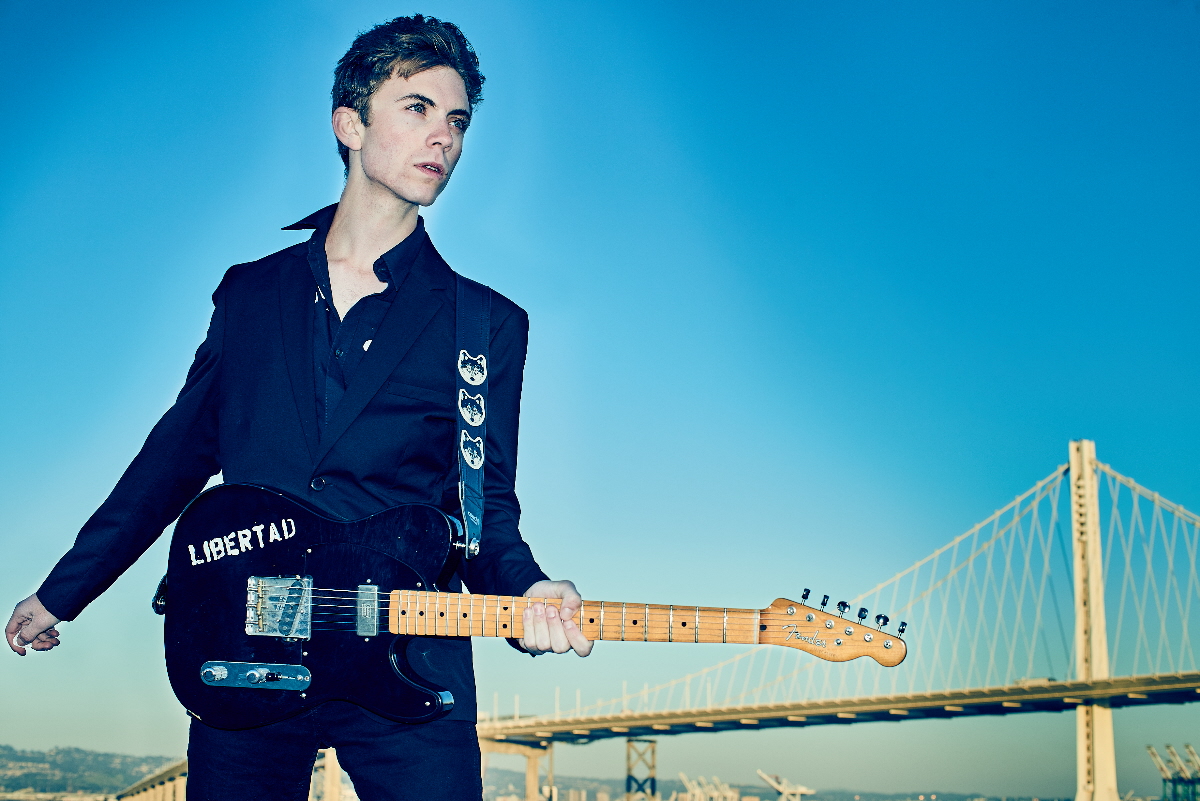
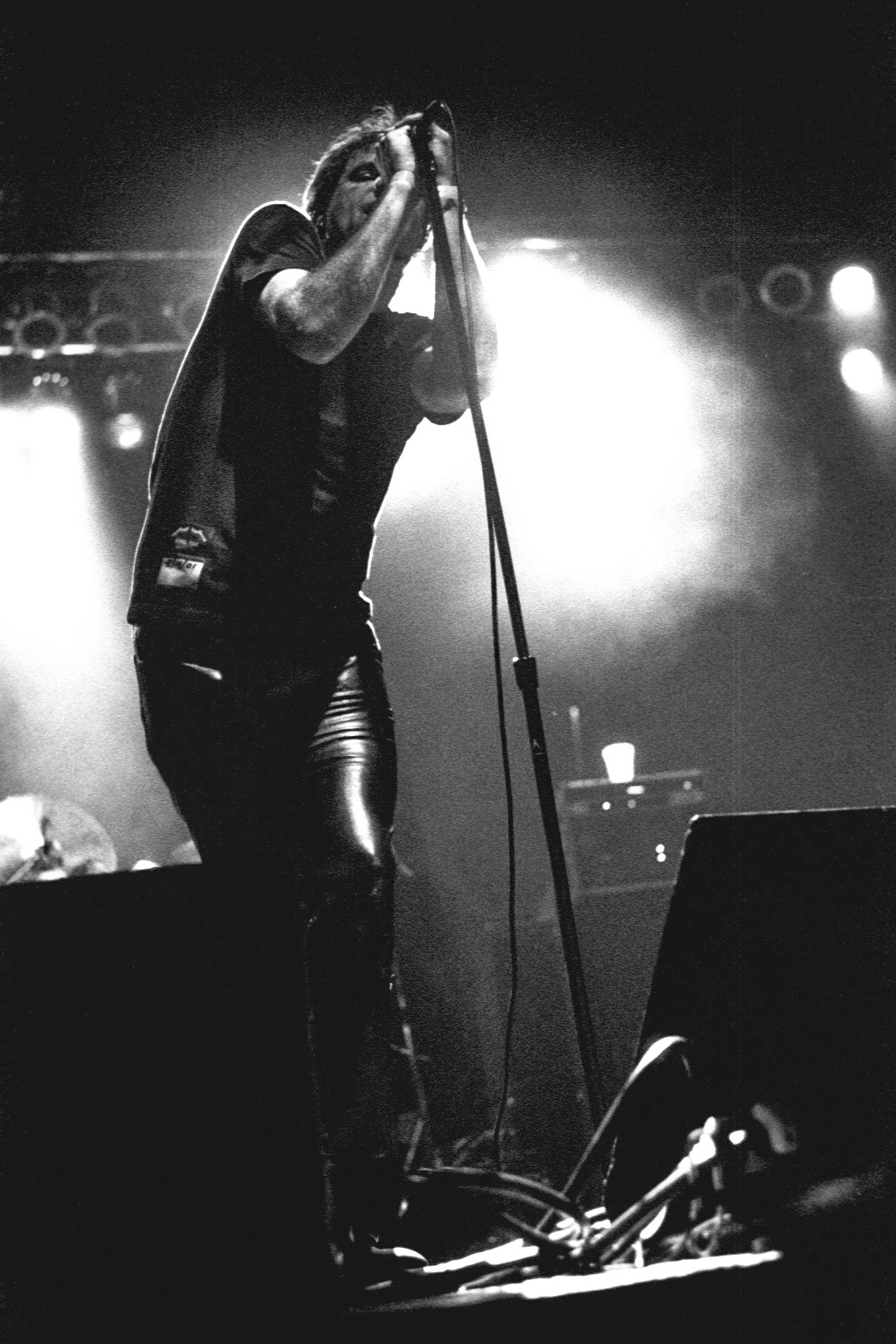
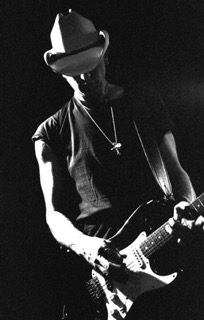
Matt Jaffe

photo by Edward Saenz; photo courtesy of Shore Fire Media

by Eric Harabadian, Contributing Blogger

Album Review of Matt Jaffe & The Distractions: California’s Burning

Hot off the heels of his Blast Off EP, San Francisco-based Matt Jaffe returns with a full-length collection of molten-tinged rock and roll. On his debut release, Jaffe was barely out of his teens yet brought a rich and studied new-wave energy to the table that reached way beyond his years. With California’s Burning, the 22-year-old Fender axeslinger/singer-songwriter returns with a brand new autobiographically-inspired concept and vision. As the story goes, Jaffe attended college on the East Coast, and, after being away for an extended period and then returning home, he took notice of the differences between the two coasts. There is obviously a rich and storied history of California—from its depictions in movies to topography and colorful characters—that all play a part in the narrative of his latest project.

Matt Jaffe & the Distractions - California's Burning

image courtesy of Shore Fire Media

Right out of the gate, your ears are under pleasant assault from the heavily syncopated “Love is Just a Drug.” Its catchy riffs, hooks and harmonies envelop your senses and may even get you up on the dance floor as well. “Wander No More” continues in an up-tempo manner, with a barnburner of a tune. This has an urgent Robert Gordon-meets-Blasters feel that features great guitarwork between Jaffe and fellow Distraction Adam Nash. “Fire on the Freeway” is kind of a country/blues mesh where you can feel the scorching heat from the leader’s Telecaster attack. Jaffe sings of “burning across the western plain” rife with rockabilly passion and paranoid imagery. “Hellhounds of Alcatraz” displays a lot of fancy lead playing augmented by very vivid and cinematic lyrics and propulsive grooves. Each track seems to play like a mini-novella in a way, and this tune seems to dabble in mystery, intrigue and Hitchcock-like suspense.

Matt Jaffe

photo by Edward Saenz; photo courtesy of Shore Fire Media

“I Wanna Be Cruel” offers a breather in the form of a ‘50s/’60s type ballad. Here Jaffe shows his more sensitive side that appears an homage to both Elvii—Presley and Costello. “Write a Song About Me” picks up the pace again and has all the earnestness and punk rock bravado of southern California rockers John Doe and X. Once that stick of dynamite is lit, there is no turning back, with the runaway freight train that is “Locomotive Lightning.” This is a song that observes a look beyond Los Angeles and takes in the whole western coastline. This is controlled chaos, with enough crazy rhythms and shifting tempos to challenge the most accomplished mosh pit aficionado. Other highlights include the aforementioned Costello-like pop and sizzle of “Baby’s On a Bender,” the acoustic pairing with backing vocalist Christina Alvarado on “Red Snow,” and his impressive and faithful take on Johnny Cash, with “Folsom Prison Blues.”

In Jaffe’s own words, “ We wanted to make a record that sounds like the records we like; one that sounds like the music that turns us on, with buzzsaw guitars and whiplash drums. Dials at eleven. Forget the polish and forget the shine. Nothing between us and your ears. California’s Burning, so come and join us right here in the hot seat.” Kind of sums it up, doesn’t it!?

Live Review: Ali Handal and Billy Crockett at Fox Run Concerts

Ali Handal and Billy Crockett

Fox Run Concerts, Sudbury, MA

April 29, 2017

The Backstory

I was introduced to Ali Handal’s music more than two years ago by some mutual musician friends in Los Angeles. Since then, I’ve tried catch her Boston area live performances but have heretofore failed in that endeavor. Last night, however, she opened a double-bill that fit my preferred time and location – an early time slot in an outer western Boston suburb – so I was finally able to make it happen. Better yet, it was a house concert; these more intimate performances in front of smaller audiences are one of the great new(ish) trends in independent music that I’ve really enjoyed since returning to music journalism.

Last night, she opened for Billy Crockett, who, after reading his bio, seems like someone I should have already known about. He is a respected artist who has been around the music industry for years, but our paths had not yet previously crossed. With a quick listen to some of Billy’s YouTube clips in preparation for the event, I knew I could expect a stellar evening.

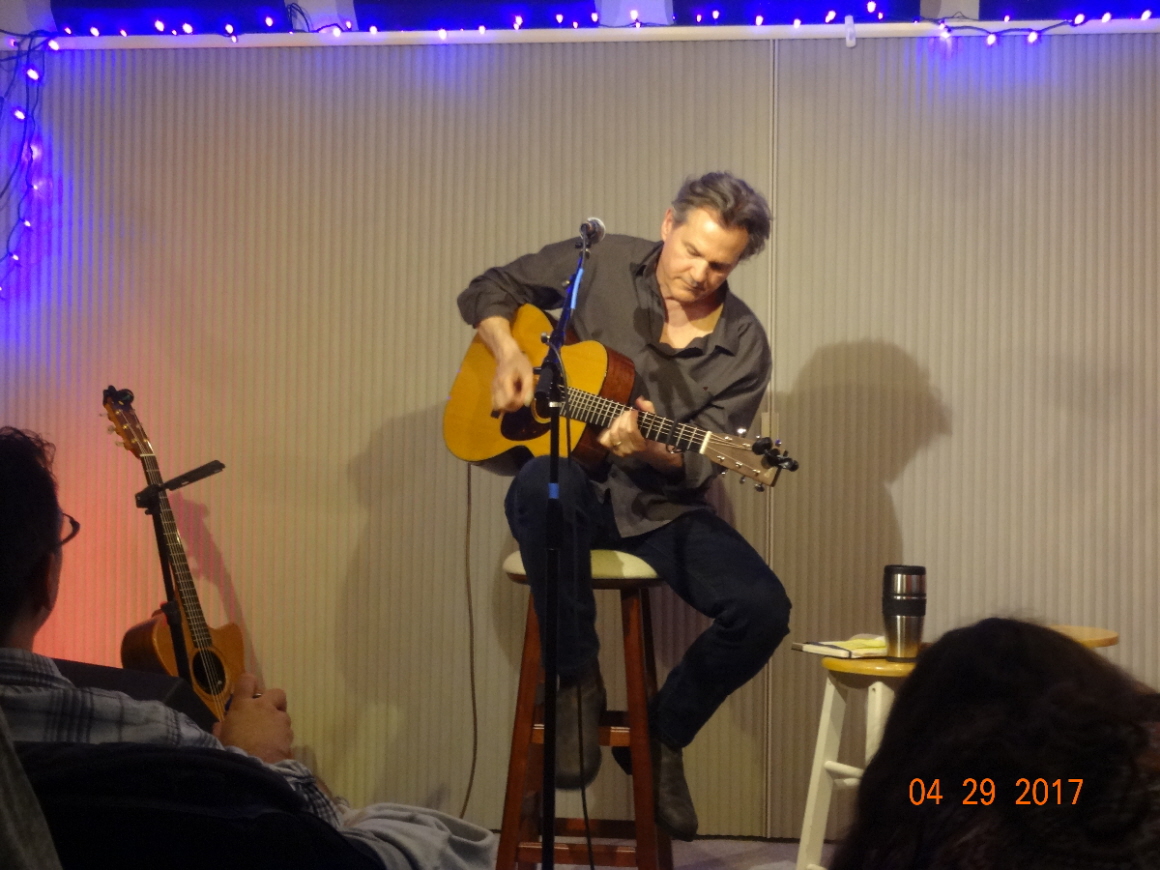
Ali Handal

Ali Handal; photo by Geoff Wilbur

The Opening Act: Ali Handal

Ali Handal opened her six-song set with strength. Granted, that’s no surprise, but her initial song of the evening, “You Get What You Settle For,” showcases the element of her voice I can best describe as an expressive roar. There’s perhaps a bit of a bluesy edge to the song, as well, with some cool funky guitar effects.

What’s so intriguing about Ali, though, is her range. In addition to an arena rock-worthy roar, strong and smooth enough yet artfully restrained befitting an acoustic singer-songwriter event like last night’s, she has a crisp, sweet, high end to her vocals as well, which she’s able to weave seamlessly into her songs, allowing them to showcase both power and sensitivity.

Halfway through her set, in fact, she displayed that sensitivity particularly well on “Distance,” with the sweeter vocal augmented by an interesting guitar-picking style. It’s that mix of power and sensitivity that make Ali a unique talent – well, that and the fact that her guitar skills are capable of providing varying soundbeds beneath her strong voice.

And there’s also her engaging stage presence, intimate but with a sense of humor, that draws her audience in. She closed her set, in fact, showcasing that sense of humor with “Thank God for Birth Control,” the prototypical anti-parenthood song, if there ever was one. And I’m not sure there ever was.

In all, it was a fun set by an exceptional talent. I’m glad I finally found a chance to see Ali Handal live, and I look forward to seeing her perform as a headliner, perhaps, sometime down the road. (Also in a club or arena setting where she can better unleash her rock chops, perhaps allowing me to hear her perform my current favorite Ali Handal tune, the more raucous, rawkin’ “But I Do,” live.)
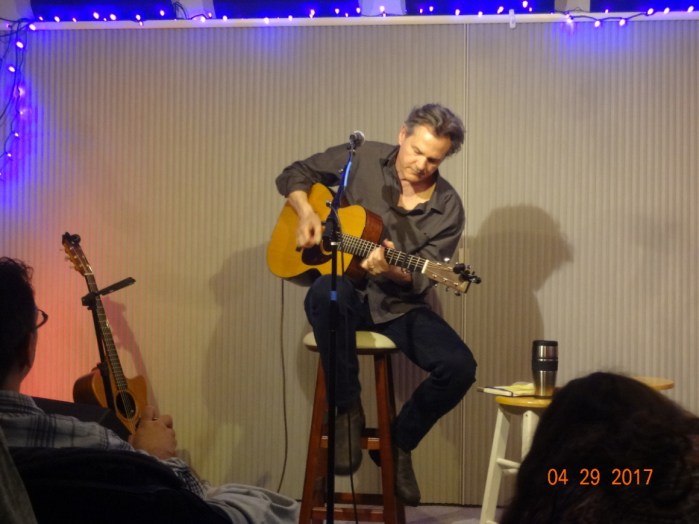
Billy Crockett

Billy Crockett; photo by Geoff Wilbur

The Headliner: Billy Crockett

Billy Crockett’s music has been labeled folk/Americana, and I suppose it is, but there’s more to it than that. Rather than pigeonholing it, I hear music with the potential for significant crossover appeal beyond a single genre, one well-placed hit away from making Billy a household name. I hear a sort of timeless singer-songwriter vibe in Billy’s songs. It’s the sort of music you’d hear at festivals and occasionally on pop radio in the ’60s/’70s. Rich, storytelling songs driven by Billy’s powerful, emotionally expressive vocals.

In a house concert setting, Billy’s personability and storytelling ability carries over into his between-song banter, and, as a result, this evening at Fox Run Concerts had that sort of intimate, gathering-of-friends feeling. Of course, the on-stage “friend” on this evening was an exceptionally talented troubadour. And during his songs, the intensity with which Billy feels his music is written on his face, carried in his voice, and driven home by his full immersion in his performance.

Billy followed Ali’s set with his own short set before intermission, then returned for a longer set to close the evening. He kicked things off with “Feel It,” an emotion-driven acoustic singer-songwriter number. He followed it with the engaging “That’s Something,” displaying the richness and versatility of his strong voice, supporting the vocals with a ’60s/’70s folk-influenced strumming.

Over the course of the evening, my mind kept circling back, comparing Billy’s music to that you might find on a soundtrack. More precisely, a Broadway soundtrack. I’m not talking about those big production numbers. Rather, the emotion in his voice and progression of each song’s music and content are more akin to songs (and portions thereof) that share important plot points, in which an individual character tells backstory, explains his emotions about something, or moves the story forward. This past winter, I (finally) caught a production of Cabaret in Boston, and I think Billy’s songs, particularly the more haunting, introspective ones, remind me of some segments of that evening’s performance. Not exactly, though. The pace and tempo of Billy’s songs and distinct enunciation remind me a bit of Randy Newman, best known by the general public for his movie soundtrack work, though I wouldn’t compare Billy’s rich, distinctly original voice to Randy’s beyond that. More appropriately, I’d call them musical neighbors.

Billy continued with songs like “Record Player,” which appealed to the audience’s nostalgia, and “On Your Way,” a storytelling song with a bit of a dark tension to it, before intermission.

After the break, Billy returned for a full set. Highlights of the second set included “Ghosts,” a song whose warm, rich guitar song adds gravitas to the vocal; “Meant That,” with all its soulfulness; and the engaging, somewhat twisted tale of “Rabbit Hole.”

Billy closed his set with “Mavis,” his tribute to Mavis Staples, augmenting his trademark vocals with some dancing guitar strumming, and an archetypal storytelling singer-songwriter song, “Already Perfect,” recalling for me hints of Joshua Kadison or Bob Halligan, though with a Billy Crockett spin.

For his encore, Billy led a singalong of James Taylor’s “Sweet Baby James,” followed by his cover of “Native Boy,” dropping the curtain on an evening of warmth, camaraderie and song, wrapping up a double-bill perfectly suited to a house concert.

Billy Crockett and Ali Handal, of course, are clearly artists whose power and skill can (and often do) engage thousands as easily as dozens. Singers of that caliber in an intimate house concert can deliver a special evening, and, indeed, they did.

Looking Ahead

Though Ali doesn’t have any more gigs left on her latest East Coast swing, she does have a Saturday, May 20th house concert (with limited seating) scheduled in Reseda, California. For more information about this show and for future concert information as it is announced, see this link to her website.

Billy does have a few shows left on his East Coast tour. Per his website, you can see him at Club Passim in Cambridge, MA on Wednesday, May 3rd and at Rockwood Music Hall in New York on Monday, May 8th. Then he’ll be back in Texas, performing on the main stage at the Kerrville Folk Festival on Thursday, May 25th. Check this page for more information about those gigs and upcoming performances, as they’re added.

As for more detailed reviews of Ali and Billy – since live reviews tend to be more hastily written than album reviews, based on my notes from a single evening rather than dozens of listens – watch for my review of Billy’s current album Rabbit Hole in the coming months. Likewise, Ali will soon be releasing a new record soon; when that’s available, rest assured I’ll reach out to “her people” for a review copy.

Album Review: Robb Roy – Well, There You Have It

Robb Roy

photo by Kim Simms; photo courtesy of Robb Roy

by Eric Harabadian, Contributing Blogger

Album Review of Robb Roy: Well, There You Have It (Pure Recordings)

Robb Roy - Well, There You Have It

cover photo by Hillary Nash; image courtesy of Robb Roy

This is the fifth studio release by Detroit area alternative rockers Robb Roy. After an extended hiatus, to say it has been highly anticipated would be somewhat of an understatement. This dynamic and well-versed quartet always maintained a fervent fan base, and this new release should certainly satiate the faithful. This album features six new songs and four previously unreleased ones from their heralded past. While it is one of their strongest efforts to date, it was produced with a heavy heart in light of the passing of long-time guitarist Michael Kudreiko in 2016. But, make no mistake, Mike’s presence is all over this record, and it is a shining swansong by him, as well as a fitting tribute, indeed!

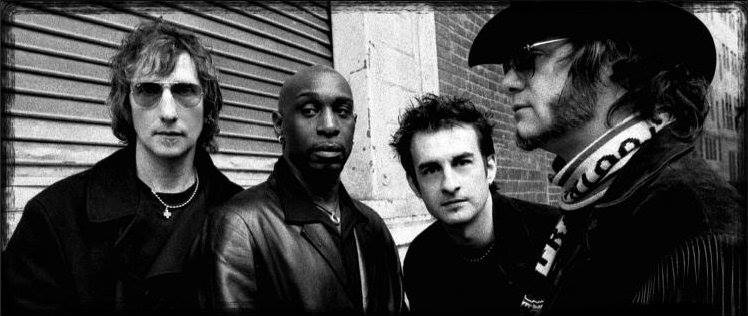
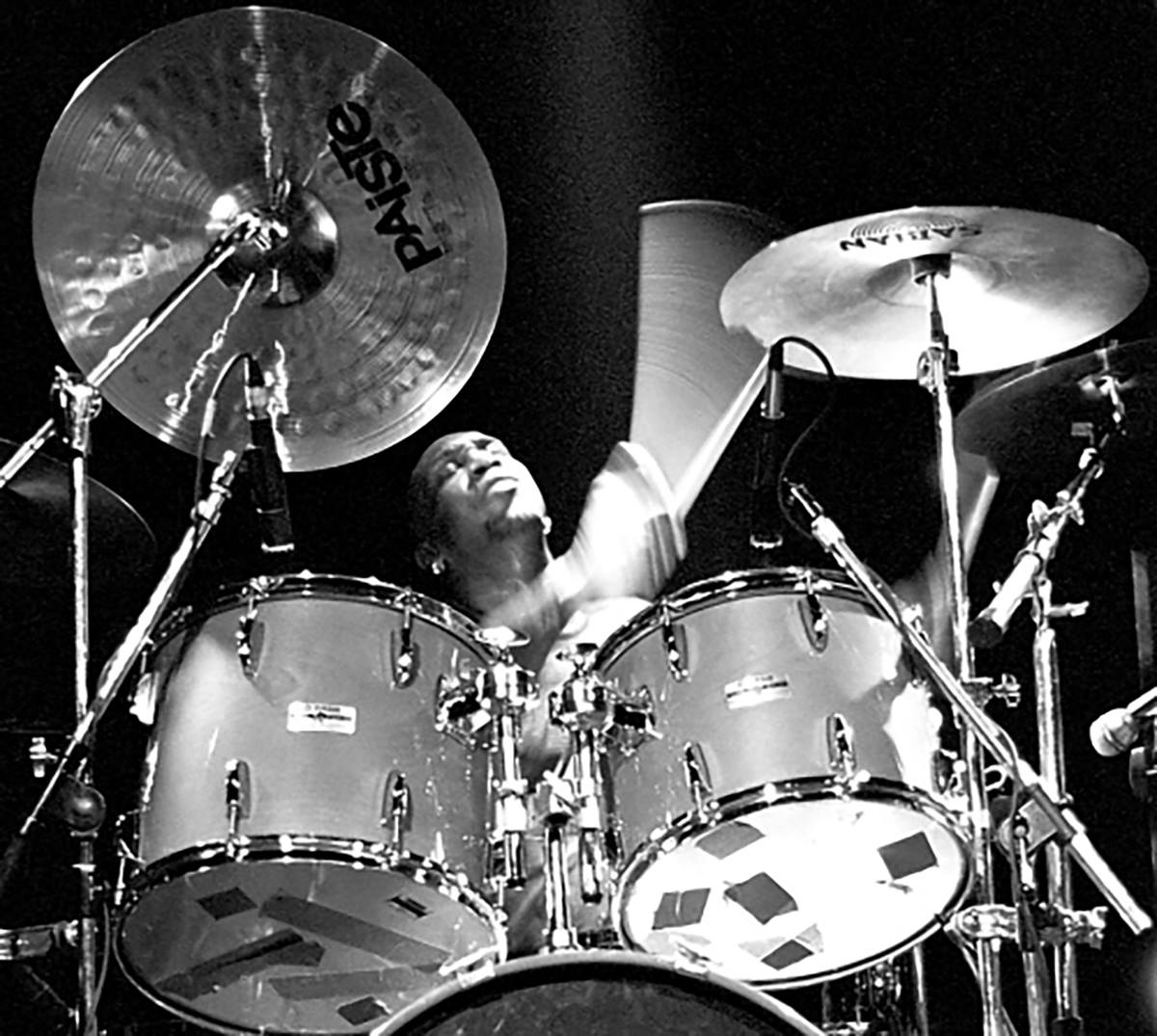
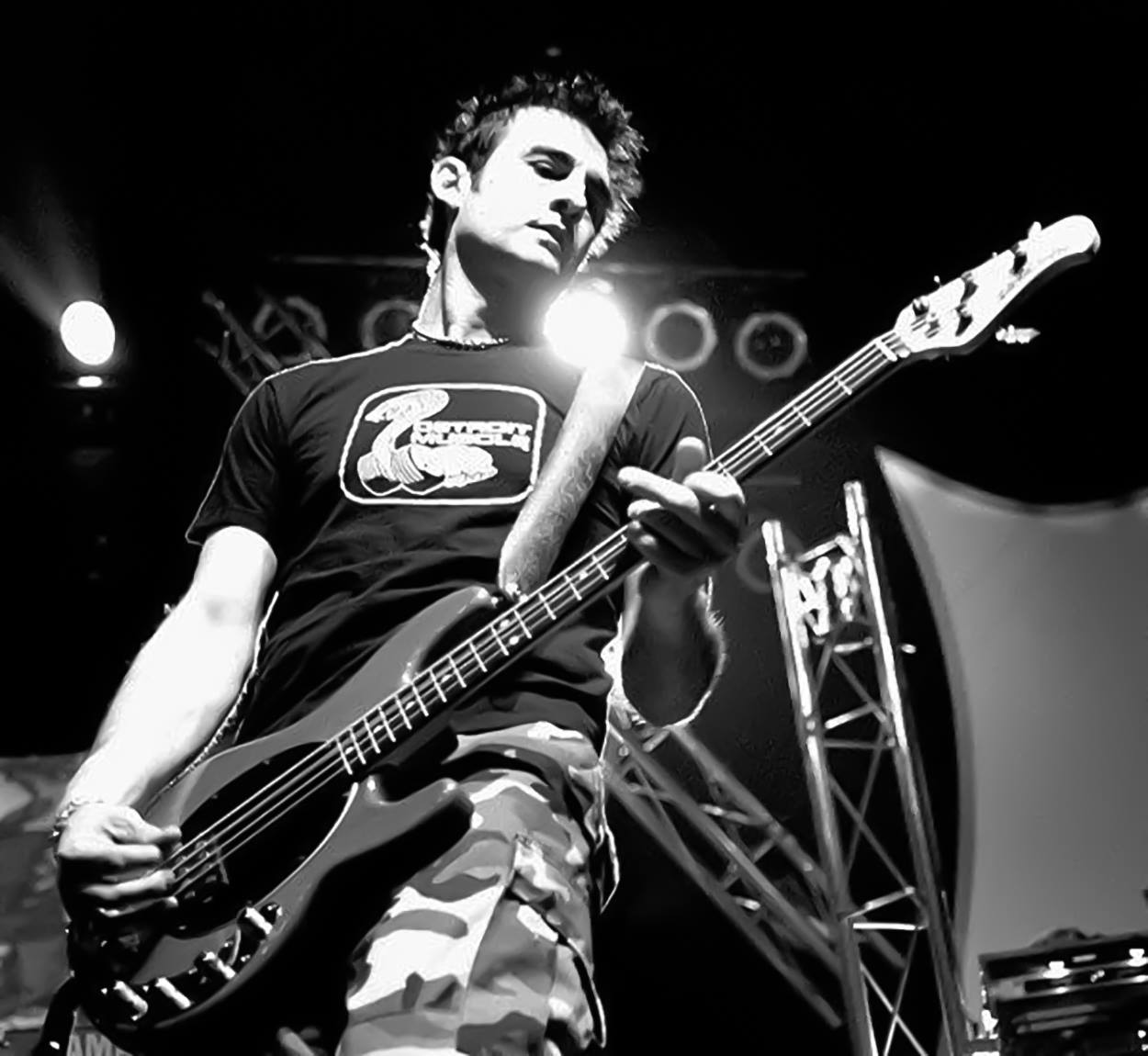
Robb Roy

photo by Kim Simms; photo courtesy of Robb Roy

At the helm for well over 30 years, lead vocalist and frontman Graham Strachan is in fine voice and partners most ably with fellow RR regulars John Cottos on bass, additional guitars, and backup vocals as well as the mighty Duane Huff on drums.

The album begins with what sounds like the crackle of a turntable needle on a phonograph record. Strachan has all the charisma and poise of a rock ‘n roll preacher as he spins a tale of “The Cure”’s musical baptism and salvation. “I can’t be saved till I’m cured,” he sings and, with that, begins a new chapter in the storied Robb Roy saga. That’s followed by a rousing tribute to a musician’s life, with “Stayin’ Up All Night.” This has a rough and tumble blues feel that kind of recalls early Peter Green-influenced Fleetwood Mac mixed with a smattering of Bad Company.

Robb Roy

photo by Kim Simms; photo courtesy of Robb Roy

The songwriting is diverse and multi-layered and this is never more evident than on the lovely “Let Love Show You the Way Home.” Strachan is joined by guest vocalist Gia Warner, and their interplay is magical. There is a great sing-along chorus that will resonate with you for a long time.

“Safety” is a song that had been sitting on the shelf for a while and was revived with new lyrics by Strachan and production assistance from veteran producer Chuck Alkazian. It is a ballad dedicated to Kudreiko’s family and features a sense of poetry and emotion rarely touched on in contemporary pop anymore.

“Half of a Broken Heart” is atmospheric and epic in sound and substance. It’s a great tale by Strachan about true love and connection—romantic or otherwise. “Hopelessly With Her” is yet another love song for grownups. Strachan challenges the various games people play in the ways in which they deal with each other. Questioning their ulterior motives he asks “If this is love then why do we make each other cry? If this is love shouldn’t we be happier?” Warner again joins in and makes this song a standout.

Robb Roy

photo by Kim Simms; photo courtesy of Robb Roy

“Song 86” follows and is a rally cry in the spirit of classic bands like The Alarm or Big Country, and “Brand New Day” keeps that up tempo vibe going, with an urge to making changes and adopting new ideas.

With, perhaps, a page from the U2 play book, Strachan crafts a like-minded anthem in “Never Change.” It is dynamic, with Huff’s metronomic precision underpinning a plea to hold onto innocence, civility, and, it appears, a sense of the past. The album concludes on an odd and mysterious note, with a track called “Skunk Hollow.” This is kind of a strange and surreal trip chock full of voodoo energy and ominous visions.

Robb Roy

photo by Kim Simms; photo courtesy of Robb Roy

In addition to the core members of Robb Roy, producer Alkazian plays keyboards as do Kid Rock’s piano man Jimmie Bones and organist Pat Brennan. Ultimately, Robb Roy is a band that has weathered many changes and challenges in its 30-plus year existence. From the richness and articulation of Strachan’s delivery to the impeccable playing and sterling production, this is a veteran band that proves, despite some hard knocks, they still remain steadfast and committed to their values and collective vision. Well… there you have it!


Album Review: Eliza Neals – 10,000 Feet Below

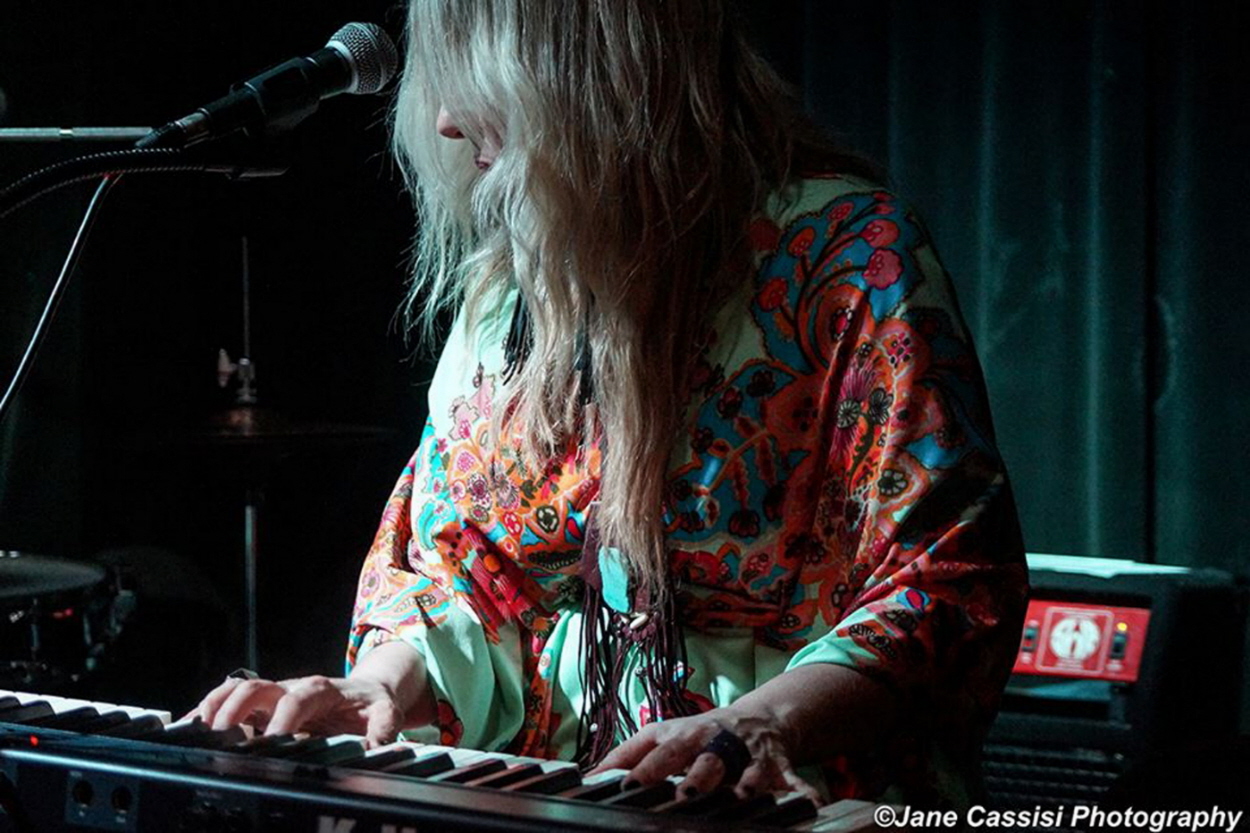
Eliza Neals

photo by Jane Cassisi; photo courtesy of Frank Roszak Promotions

by Eric Harabadian, Contributing Blogger

Album Review of Eliza Neals: 10,000 Feet Below (E-H Records)

The “Detroit Diva” returns with this strong follow up to her critically-acclaimed album Breaking and Entering. That previous release made a bold transition from her bluesy soul and R&B rep to more of a harder blues/rock style. With 10,000 Feet BelowEliza Neals continues on that path by honing an even more defined vision of her craft. She is aided by frequent collaborator and award-winning guitarist Howard Glazer. But really she’s got some of the best musicians from Detroit, New Jersey and Nashville throwing down on this no holds barred collection of original Neals-penned gems.

Eliza Neals - 10,000 Feet Below

image courtesy of Frank Roszak Promotions

The album begins with an ode to a slick street-smart hustler named “Cleotus.” Right away, Neals and Glazer establish homage to the acoustic blues tradition with a simple but powerful pairing of soulful vocals and searing Dobro slide guitar. Neals delivers a tale that is compelling and chilling. “Another Lifetime” is currently blowing up on Sirius XM radio and for good reason. It’s a slow smoldering kind of blues that spins a yarn of lost love, again ignited by Glazer’s sensitive guitar licks. “Burn the Tent Down” is an incendiary mid-tempo rocker that has single written all over it. It’s a good time tune about southern barbecues and kicking that party vibe loose. Here Neals employs some of her considerable vocal skills as her multiple backups weave in and out in a most effective way. The title track “10,000 Feet Below” begins with Neals bellowing “Just got back from hell.” And then it’s all fire and brimstone from there! She has a way of really connecting words and feelings. You really feel her passion, which is further supported by her subtle piano stylings and Glazer’s tasteful electric fills. “You Ain’t My Dog No More” is kind of gimmicky but works in a novel sort of way. It’s just a fun Muddy Waters-like romp where Neals scolds her man for not treating her right; “No more treats”… indeed!

Eliza Neals

photo by Jane Cassisi; photo courtesy of Frank Roszak Promotions

At this juncture the “Detroit Diva” takes a break and delves into ballad territory with a sweet tune called “Cold Cold Night.” This features Paul Nelson on lead acoustic guitar. The song has a Stevie Nicks/Ellen McIllwaine sensibility to it. Neals can do a lot of amazing things with her voice, and this tune is a prime example of her melodic depth and range. That’s followed by the album’s sole cover tune in Skip James’ haunting “Hard Killing Floor.” The trio of Neals on keyboards, Glazer’s howling fills and drummer Demarcus Sumter’s spare accompaniment is meditative and riveting. “Call Me Moonshine” is another traditional sounding I-IV-V blues shaker that creeps along via Glazer’s sly turnarounds and Neal’s velvety Hammond B3 work. “Downhill on a Rocket” follows and is kind of a dark minor piece. The swampy New Orleans feel is further proffered by Neals’ line “Voodoo woman with a cross in her hand.” When she sings stuff like that it’s not just some line-reading off a corny script. She means business! The album concludes with another straight-ahead country blues track, “Merle Dixon,” and an atmospheric duet with legendary guitarist Billy Davis called “At the Crossroads.” Davis cut his teeth with classic artists like Jackie Wilson and Hank Ballard and the Midnighters. He brings that veteran Motor City poise and mojo for a performance that appropriately puts the cap on this essential set of tunes.

Eliza Neals and her various musical co-horts she affectionately dubs “The Narcotics” (duly named because “they are dope!”) have done it again. Her hot and sultry brand of blues is for real, with enough radio-ready punch and songwriting savvy to break through modern media platforms in a big way. Look out!


Album Review: Odds Lane – Last Night on Cherokee

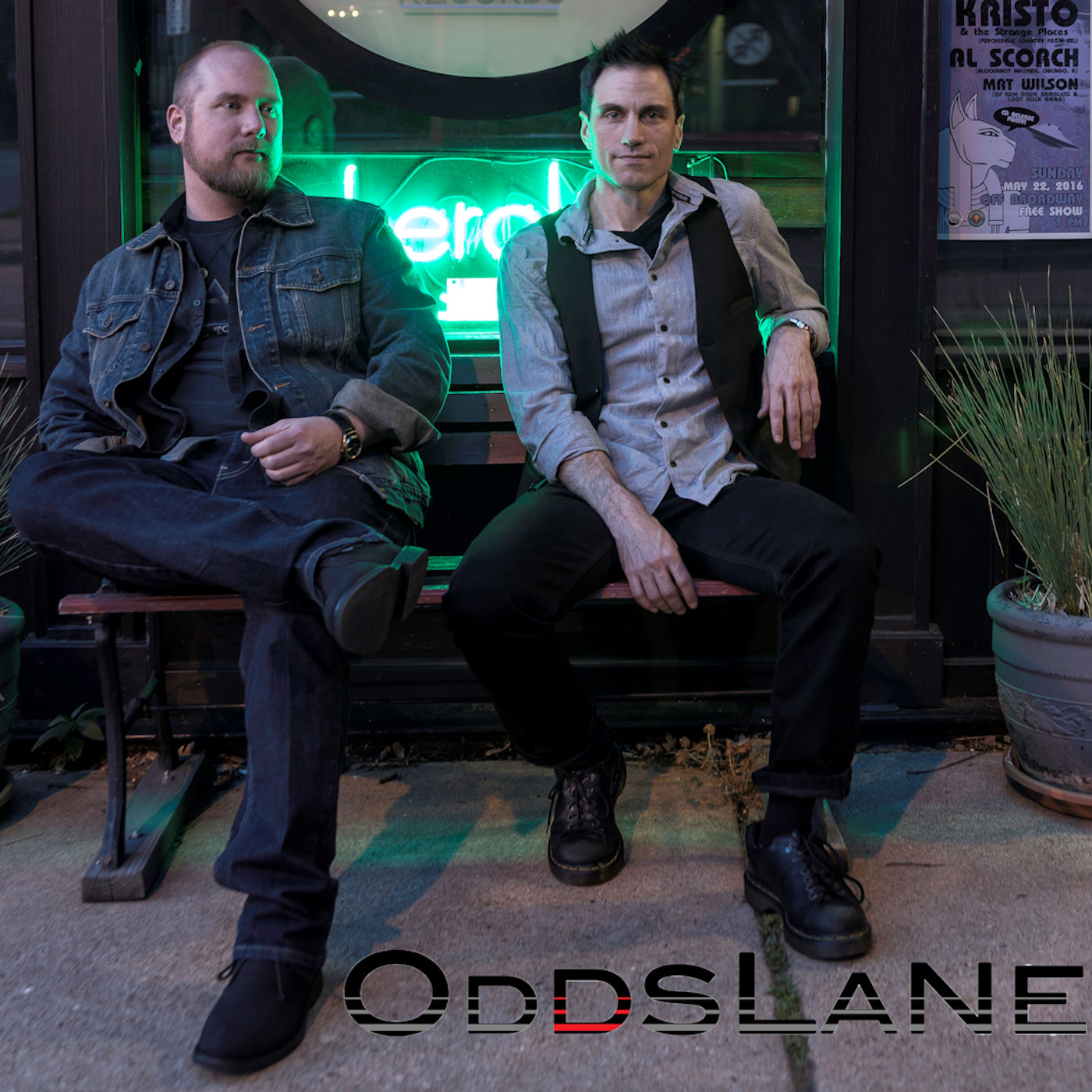
Odds Lane

photo courtesy of Bongo Boy Records

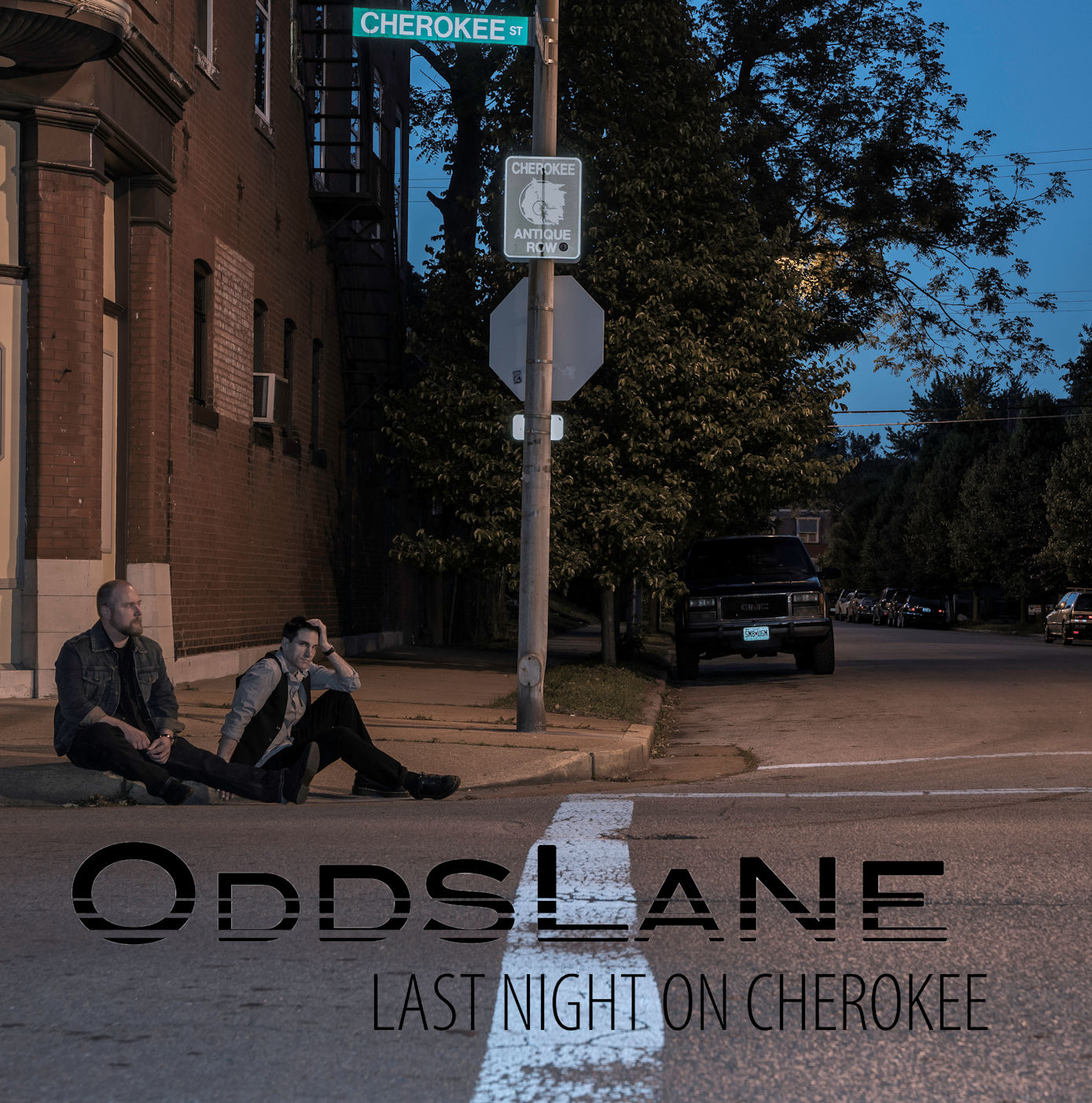
Album Review of Odds Lane: Last Night on Cherokee (Bongo Boy Records)

Odds Lane delivers blues rock that leans heavily on the blues while mixing it with a raucous, rocking rawness. What keeps the songs interesting, though, is the infusion of other influences into the music, suggesting the musical palette of Doug Byrkit and Brian Zielie reaches well beyond the St. Louis-based duo’s stylistic base.

Whether it’s the slapping boogie rhythm of incessantly catchy “Falling Down” or the chunky beat driving “Take It Slow,” Odds Lane’s style feels old and familiar, like you’ve heard it before. For a reason. Because this is what the good stuff sounds like. Last Night on Cherokee is an album full of textbook oozing-the-blues blues-rock numbers. And it’s clearly the result of a pair of talented musicians/songwriters.

Odds Lane - Last Night on Cherokee

image courtesy of Bongo Boy Records

Last Night on Cherokee starts strong with the thumping, pulsing blues rocker “This is What It’s Like.” A perfect introduction. An ideal first single. Straight-ahead blues rock. Part George Thorogood, party Fabulous Thunderbirds. And maybe an alt-rock tinged jangle for additional character. Great way to kick off the disc.

There are catchy numbers throughout the album, but three have made it onto my oft-sampled (and shared via Twitter) phone-on-shuffle playlist. In addition to “This is What It’s Like” and “Take It Slow,” my other favorite from this disc is the traveling-song tempoed “Red & Yellow Clowns.” It’s catchy…  until you listen to the lyrics. Then it’s catchy and kind of creepy. Just don’t listen to it for the first time while walking somewhere dark and deserted. Trust me. But with the creative lyrics and song-long transition from Americana flavored laid-back number to jangly rhythmic tune to, finally, almost-frenetic blues rocker with crunchy guitar, it’s quite possibly my favorite song in this collection.

That’s not to suggest the rest of the disc isn’t solid. It’s a great listen beginning-to-end, touching all the blues-rock bases with style and substance. There’s a booming, thumping rhythm on “Dust to Dust” that’ll rattle the windows, the strong reggae influence behind “100 Miles,” a fair bit of psychedelic influence in “Too Close to the Sun” and “End of the Line,” the jangly rock core of “Bottom of the Sea,” and amazing, classic blues guitar riffs propelling solos that, while relatively brief, are the driving forces in the progression of songs like “Strange Love” and “The Lonely.” This is a blues rock – or, perhaps more appropriately, a rockin’ blues – album you’ll be glad to have in your collection for years to come, a disc that continues to get better across multiple listens as you discover its nuances. Often, they’re in-your-face nuances, but they’re nuances nonetheless.

I’m fully aboard Odds Lane’s rough-edged, broadly-influenced blues bandwagon. Don’t let it ramble too far down the road before you join me for a ride.

Looking Ahead

Check out the “shows” page of Odds Lane’s website to see where you can catch them live. They’ll be performing twice on Tuesday, April 18th at Firecracker in St. Louis – first at 11:00 AM, then again at 8:30 PM. They have May dates listed in St. Louis (May 4th and 10th), Clayton (May 5th), and New Offenberg (May 6th), Missouri and in Springfield, Illinois (May 18th). Again, check out the band’s website for more details on those and other upcoming gigs.

EP Review: Alchemilla – The Divide

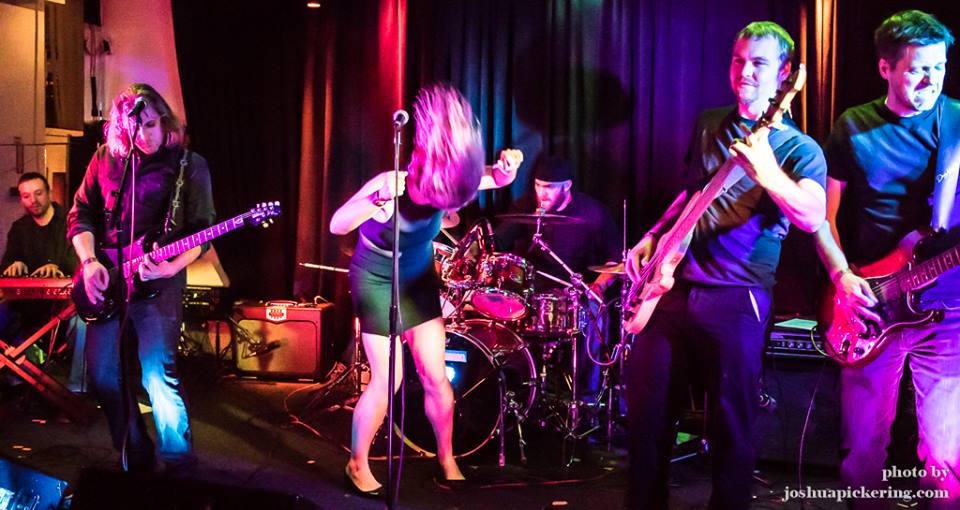
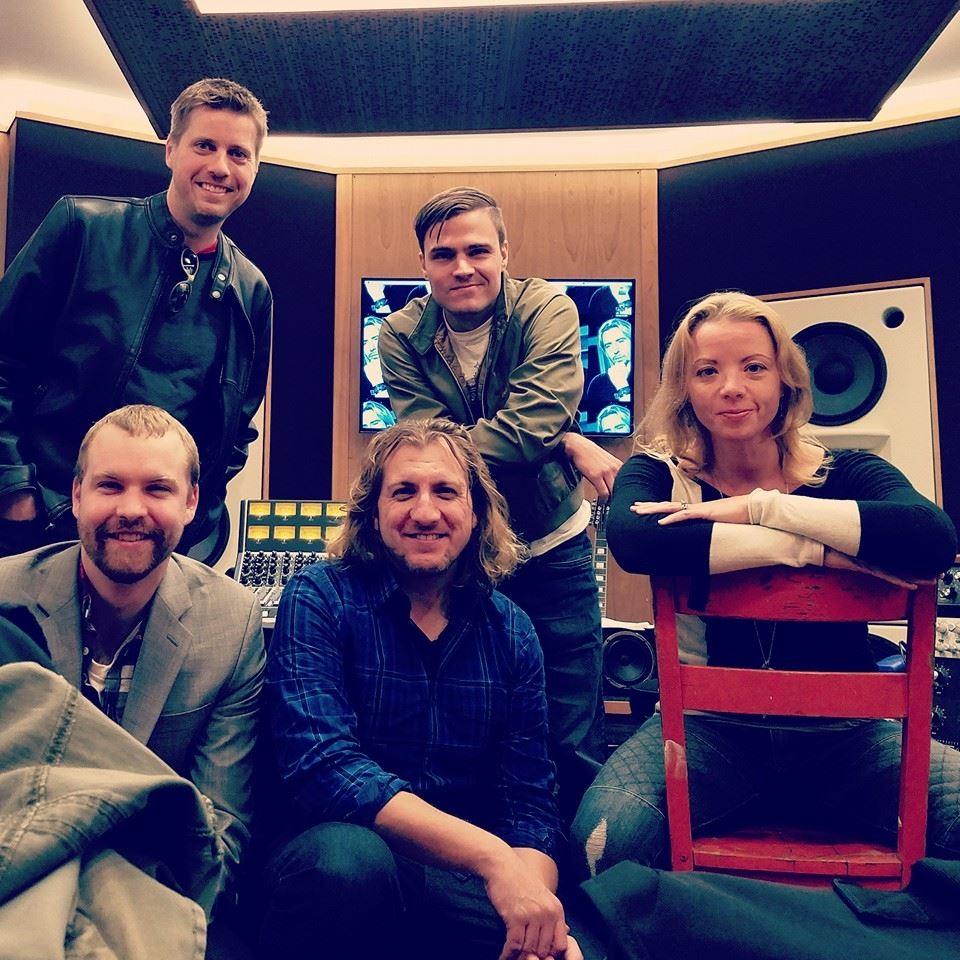
Alchemilla

photo by Joshua Pickering; photo courtesy of Alchemilla

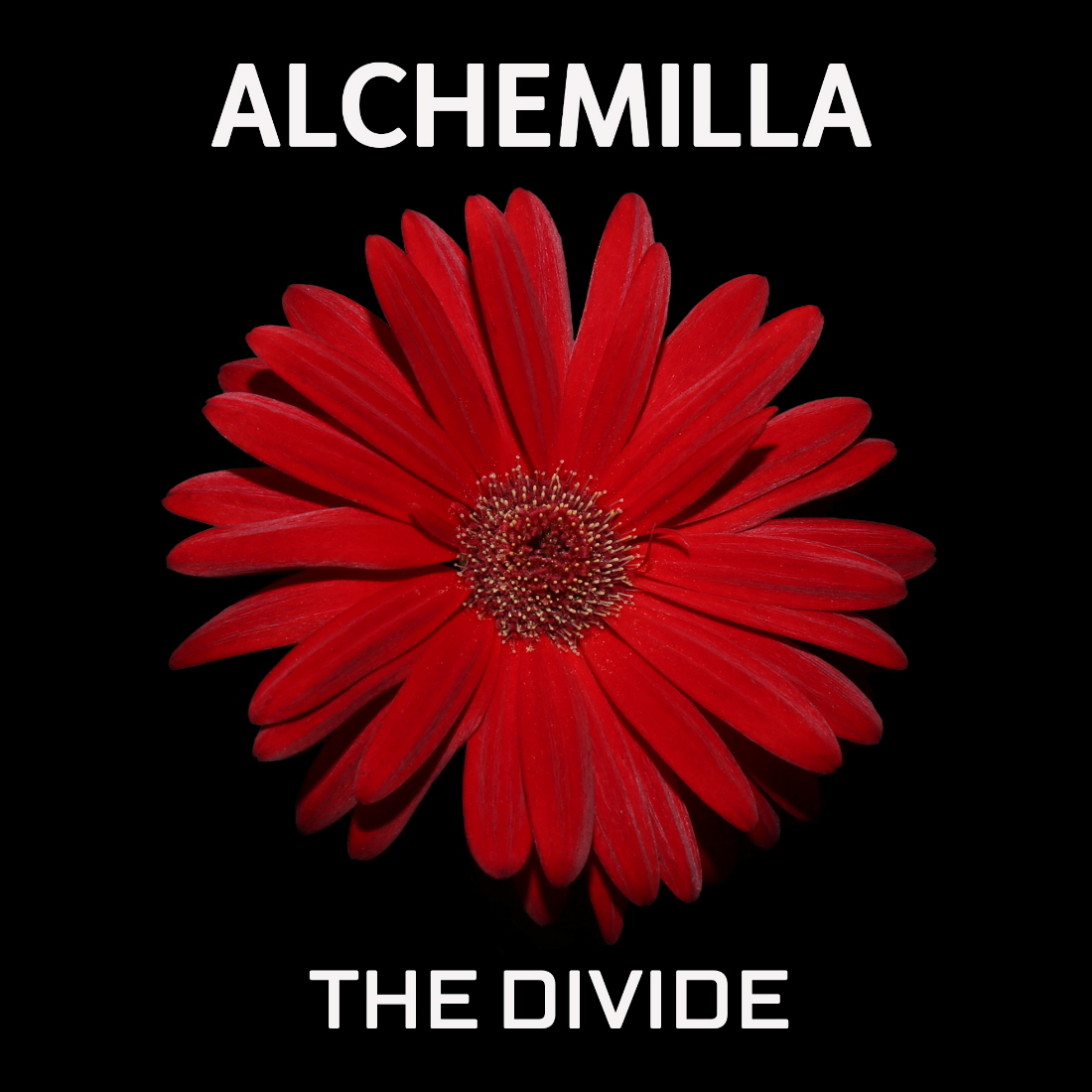
Alchemilla – The Divide

The Backstory

Alchemilla is one of my favorite local bands, and I still haven’t made it out to a live gig yet. Their time slots are just too plum, I suppose. They play late sets in close to Boston, while I tend to prefer early sets in the outer western suburbs. One of these days I’ll make the trek, but the stars have not yet aligned, so I’ve just been enjoying the band’s recorded music.

EP Review of Alchemilla: The Divide

Wall-of-sound hard rock with melodic undertones. That’s Alchemilla. Heavy music that screams hard rock credibility, so you start listening to the music for its “sound,” but with songs whose earworm qualities slowly reveal themselves so you eventually rave about the band’s tunefulness. And, indeed, the group’s newest release, its The Divide EP, is a solid continuation of its previous release, the Hearts EP I reviewed in the Blog more than a year ago.

Alchemilla - The Divide

image courtesy of Alchemilla

By comparison to the overwhelming heaviness of Hearts, The Divide is perhaps a smidgen lighter, though you’d never guess if this was your first exposure. The music will still melt your face, but there’s possibly a bit more open space in the sound wall, a slight sound evolution that gives the new music a little freshness. It’s a great record-to-record progression, similar enough to leave longtime Alchemilla fans thrilled, but just different enough to provide a fresh, unique collection of songs that occupy their own space in the band’s timeline; it’s the sort of progression one would hope for from a favorite heavy rock band.

“Fatal” kicks things off with crunchy hard rock guitar and enough space for Kat Bondi’s tuneful vocal roar to be noticed between the instruments, announcing (with authority) the greater presence of classic rock spices in the band’s trademark wall-of-sound stew this go-round.

Alchemilla

photo by Alchemilla; photo courtesy of Alchemilla

Not that Alchemilla’s forceful drumming can be ignored, as it steps up to drive the tempo even harder on the next track “Big Star,” combining with a crunchier guitar sound to crank up the volume a bit.

Energetic tunefulness comes next, as “Pass Blind” introduces itself as Alchemilla’s crank-it-while-driving-on-the-open-road number. Just when it seems the song won’t leave time to breathe, though, it unveils an almost ’70s black-lit-room softly heavy, well-placed guitar bridge that carries the tune most of the way to its conclusion before briefly regaining its faster tempo. It goes together well but still surprises me a little with each listen; though it makes sense as it’s happening, in my memory it almost feels like two songs.

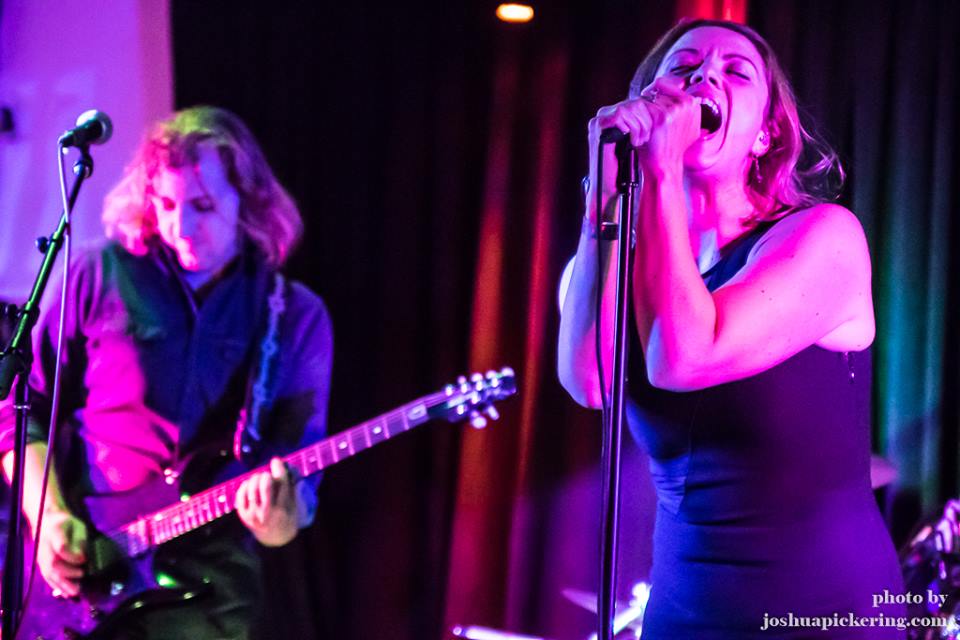
Alchemilla

photo by Joshua Pickering; photo courtesy of Alchemilla

Then, ah, here comes the tempo respite. Title track “The Divide” plods along, its pace a bit more reminiscent of many songs on Hearts, providing continuity to Alchemilla’s musical journey. Tunefully plodding, with its vocal roar and psychedelic classic rock-flavored bridge. In the end, it’s one of my favorite songs on this disc, though depending on my mood, my top choice can be any of the six. Back to “The Divide,” though, there’s enough space and a relaxed enough tempo (finally) to allow the listener the think and appreciate… not just this song, but the EP so far.

The softer side of Alchemilla continues to rule the record a bit longer, with the almost psychedelically heavily mellow “Flooded Lands,” offering a vegetative respite enveloped by sound, perhaps lounging on a bean bag chair in front of a lava lamp and black light Zeppelin and Rush posters, before the collection closes again with another energetic rocker, “Got to Choose.” The album-ender slyly tricks the listener with a mellow enough opening, almost flowing from the previous track, before cranking up the tempo a little more than a minute in. By the end of the song, “Got to Choose” is almost frenetic. Fully awake and alert, it leaves the listener ready to start the journey over again.

In the end, hard-rockin’ or mellow, Alchemilla’s music is listenable, tuneful, heavy rock that only improves with multiple listens. And, indeed, encourages multiple listens. Compared to Hearts, The Divide is another helping of the same delicious rock ‘n roll steak, perhaps with a few different spices.

Looking Ahead

I don’t see anything on Alchemilla’s concert calendar right now, but you can bet I’ll be watching for a show I can get to. (And you’ll know when I do… because you’ll see the review.)

EP Review: Erin Pellnat – Dream in Color

Erin Pellnat

photo courtesy of Erin Pellnat

by Eric Harabadian, Contributing Blogger

EP Review of Erin Pellnat: Dream in Color

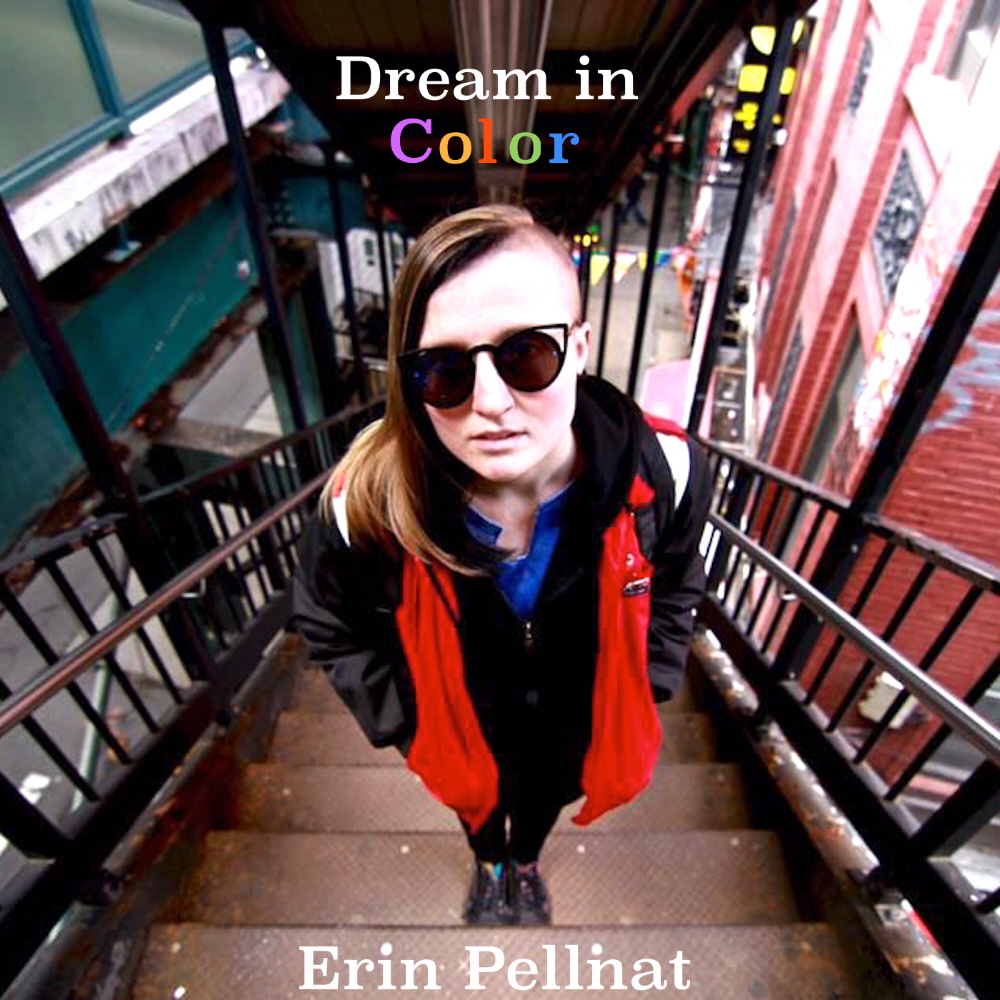
Erin Pellnat - Dream in Color

image courtesy of Erin Pellnat

Dream in Color is a four-song EP by Brooklyn, NY-based singer-songwriter Erin Pellnat that blends superior compositional craftsmanship, with insightful lyrics and tasteful musicianship. This talented young musician also currently fronts the NYC-based band Caretaker, with all instruments played, and the recording produced, by her father and co-writer Christopher Pellnat.

“Blue Skies and Happiness” opens the album where a jazzy samba-like rhythmic undercurrent sets the stage for a tale of love gone wrong. Based on Irving Berlin’s 1926 standard “Blue Skies,” Pellnat’s song reveals a touch of gray, with the opening lines: “Blues skies and happiness/Those were your promises/But it’s been raining for days and I’m so sad/Why does it have to be so bad?” This bossa nova-flavored  track kind of has an Eliane Elias meets Jobim quality to it.

Erin Pellnat

photo courtesy of Erin Pellnat

The title track “Dream in Color” is another slice from the songwriter’s collective pie. It’s kind of psychedelic folk, with a “glass half-full” perspective. Pellnat urges the listener to consider accentuating the positive aspects of life, with these opening lines: “Think fast, faster than you can haul ass/Away from your deep and dark past/Silence the voices and ask/Why don’t you dream in color?” She sings it with such laconic and self-assured conviction, how can you refuse?

“Stay” spotlights another interesting song construction that features lilting Beatles-esque verses paired with a waltz-like chorus. The spirit of this piece is ethereally poetic, with a subtle British folk rock quality to it. The violin and accordion are nice touches and add to the song’s allure and mystique.

Erin Pellnat

photo courtesy of Erin Pellnat

“Forever Kisses” finds Pellnat ever the hopeless romantic again, with the lines: “No love is lost in the end/Whether a lover or friend.” The tender folk song is driven by an odd-metered snare drum and atypical chord changes. This all adds to the eclectic and unique nature of the tune. She concludes the piece and this superb set of songs with words that are as prophetic as they are profound: “Why can’t we stay the same?/Young and beautiful again?”

With this being a debut release for the versatile and erudite singer, there is nowhere to go but up, as they say. Consider, if you will, some thoughtful and sophisticated pop that elevates the genre. It takes you, the listener, on a wonderful path that is least travelled and well worth the journey.

Album Review: Gretchen Peters – The Essential Gretchen Peters

Gretchen Peters

photo by Gina Binkley; photo courtesy of Gretchen Peters Management

by Eric Harabadian, Contributing Blogger

Album Review of Gretchen Peters: The Essential Gretchen Peters (Scarlet Letter Records)

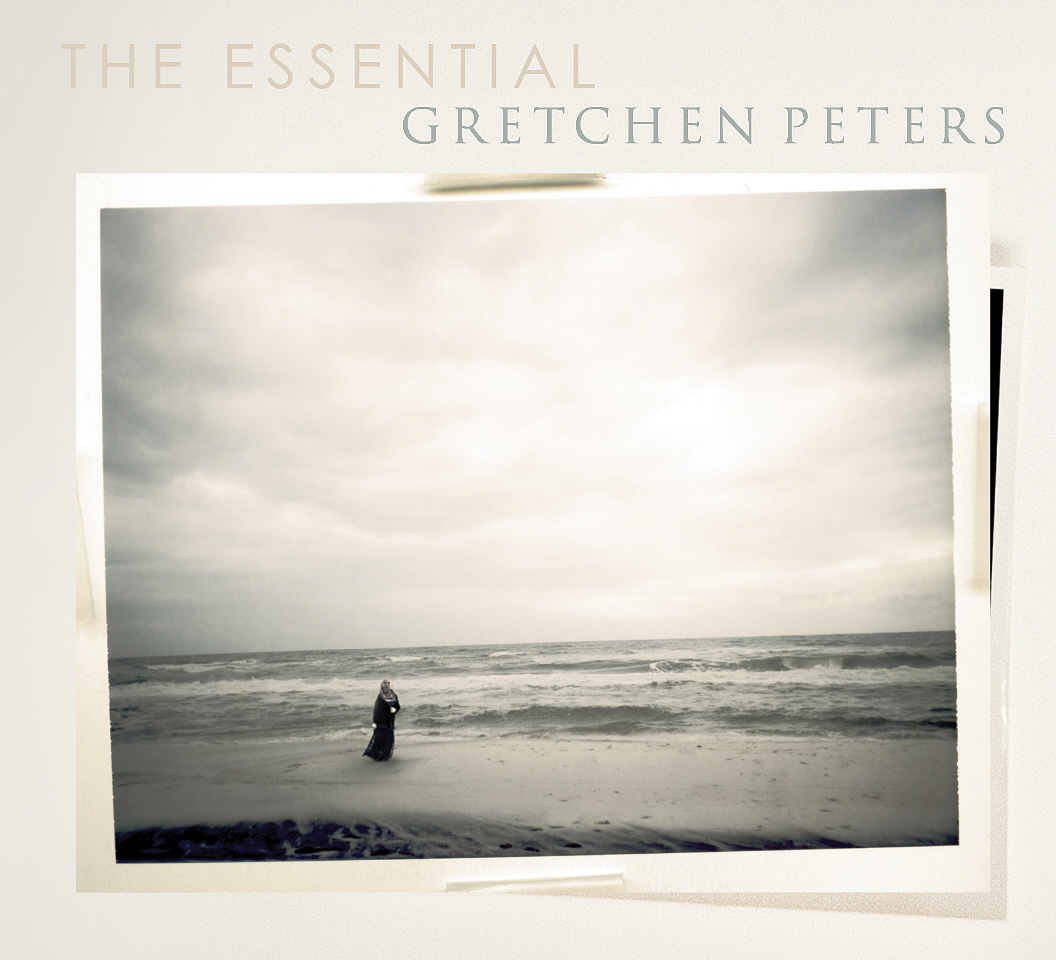
Gretchen Peters has been on the national music scene since 1996. She is a singer-songwriter who has plied her trade recording nearly a dozen albums and has written hits for Martina McBride, Etta James, Trisha Yearwood, Patty Loveless, George Strait, Anne Murray, Shania Twain, and Neil Diamond and has co-written with Bryan Adams. So, this album – a collection of demos, live tracks, alternate takes and album cuts – has been a long time coming.

Gretchen Peters - The Essential Gretchen Peters

cover photo by Gina Binkley; image courtesy of Gretchen Peters Management

When you’ve got such a prolific composer and performer as Peters, there is a wealth of material to draw from. Perhaps the greatest takeaway from experiencing Peters’ music is that there is a timeless quality to it. A classic song has staying power and can really speak to the heart and soul of the listener. That’s the kind of gift Peters has. You can hear it in the barroom banter of friends trying to define their purpose in “The Meaning of Life” or dealing with life’s futile struggles in “When All You Got is a Hammer.” There are also beautiful love songs that span the human condition from the longing of “On a Bus to St. Cloud” to her duet with Bryan Adams, “When You Love Someone.”

Gretchen Peters

photo by Gina Binkley; photo courtesy of Gretchen Peters Management

What’s really remarkable is that many of the songs on this two-disc package have been major and minor hits for many other people. But it’s nothing like hearing a master storyteller like Peters deliver them with her own inimitable candor and poise. She knows how to wrap an emotion around a lyric and make it come alive. She has a sincerity in her voice that’s not unlike Dolly Parton or Bonnie Raitt, sweet but with a knowing world-weariness to it. And it is that very sincerity that informs the self-reflective “Five Minutes” and the personally empowered “Woman on the Wheel,” with just the right amount of gusto and grit to get the message across.

To paraphrase a video interview seen a few years ago, she could be sitting at home writing songs and collecting hefty royalty checks for them. But thankfully she has always stayed true to her muse to be a performer as well as a writer. Hence, she writes from a place of experience and is compelled to complete the circle by going out there and playing those songs for people. With The Essential you have the Gretchen Peters story… so far. Here’s to her continuing that musical journey for many years to come.


Album Review: Circuline – Counterpoint

Circuline

photo by Rob Shannon of http://fotopic.com/; photo courtesy of Circuline

by Eric Harabadian, Contributing Blogger

Album Review of Circuline: Counterpoint (Inner Nova Music)

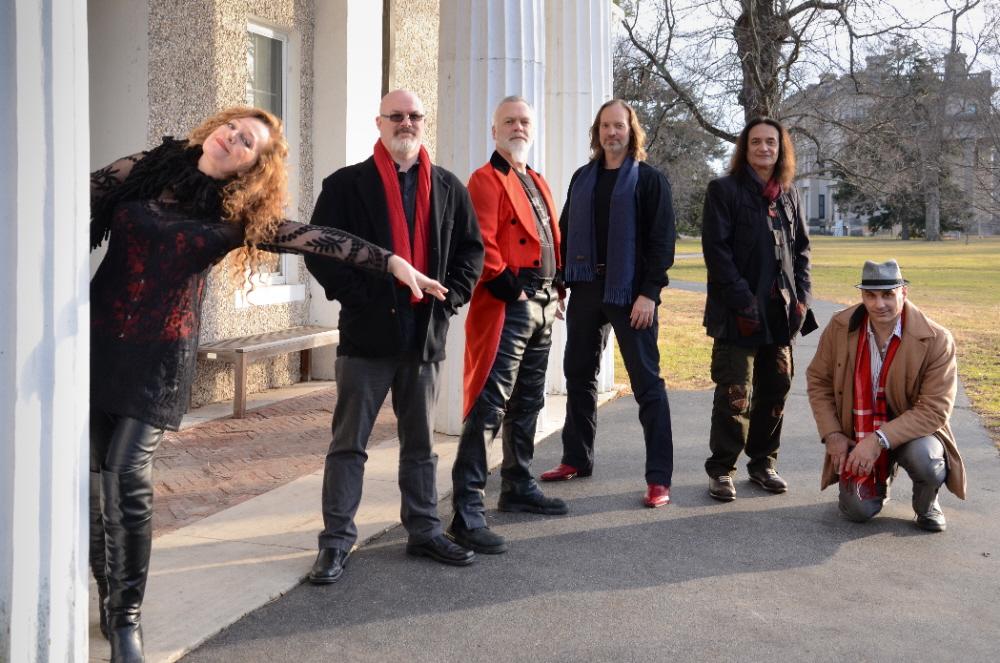
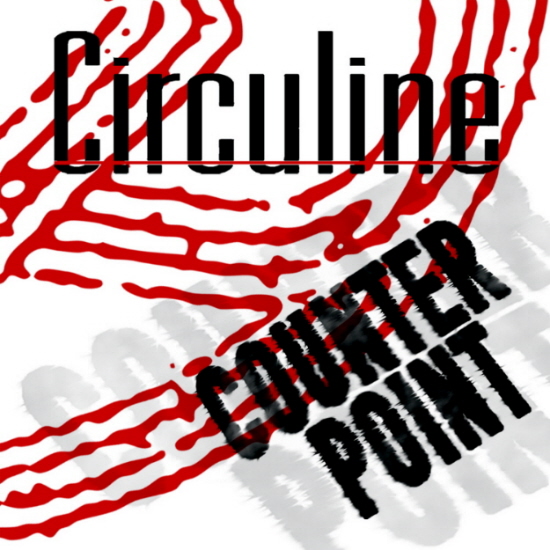
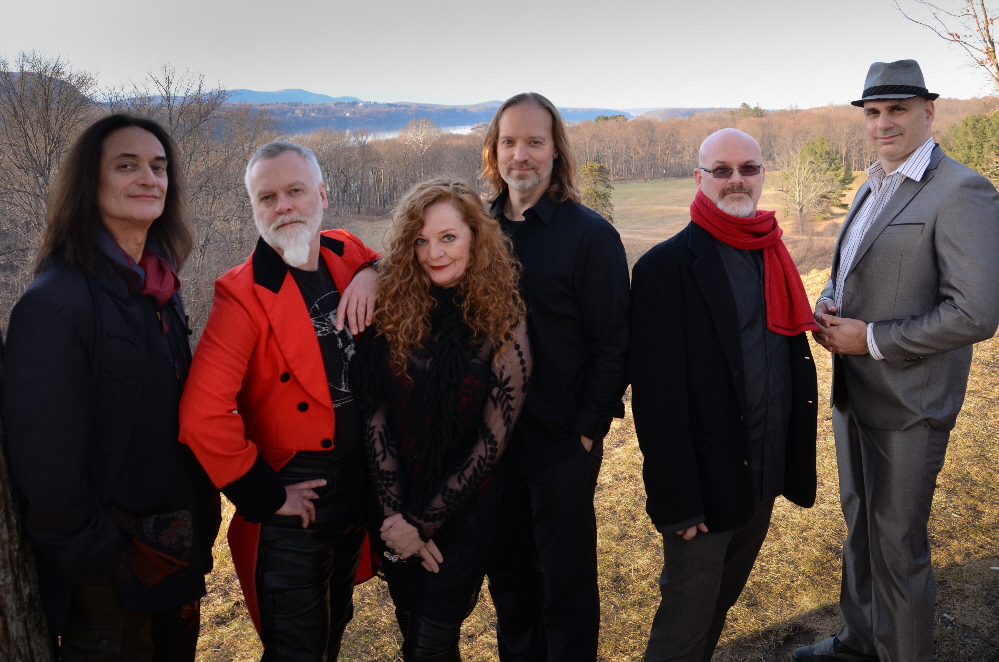
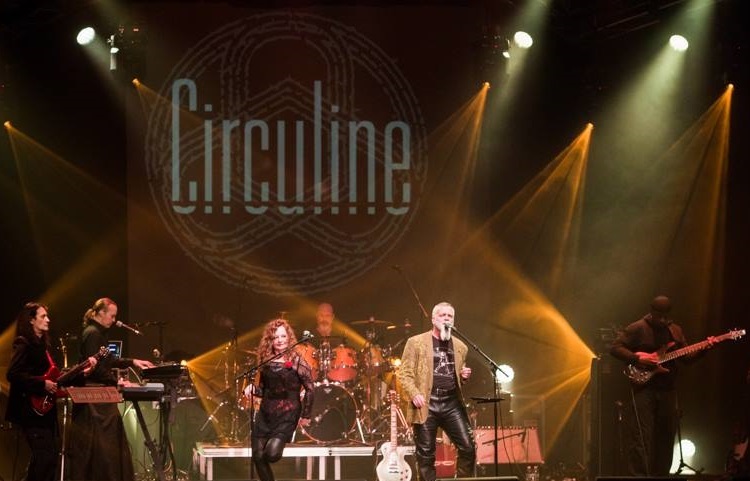
Circuline is a NYC-based progressive rock band that blends theatrical vocals with a very vivid and cinematic fusion-esque approach. The personnel includes keyboardist Andrew Colyer, drummer/keyboardist Darin Brannon, lead vocalist Natalie Brown, lead vocalist/guitarist William “Billy” Spillane, bassist Paul Ranieri, and guitarist Beledo. What’s nice is that they augment the ten tracks here with a series of special guest guitarists from some of the finest progressive sources on the planet. And, to the band’s credit, those guest artists add something extra and unique to each track.

Circuline - Counterpoint

image courtesy of Circuline

“New Day” opens the disc, with a sound collage of musical snippets and taped speaking voices. Atop that is a cacophony of multi-layered guitars courtesy of Beledo and Randy McStine of the band Lo-Fi Resistance.

Guest guitarist Doug Ott, of the band Enchant, and Fright Pig’s Alek Darson trade off solos and ornamental riffs on the personally reflective track “Who I Am.” This cut kind of sets the pace for the inventive and eclectic pace of this disc.

Circuline

photo by Rob Shannon of http://fotopic.com/; photo courtesy of Circuline

“Hollow” is a standout track that not only features great vocal harmonies from Brown and company but puts a spotlight on Colyer’s Keith Jarrett-like melodic fluidity. The lyrics are quite insightful, as well, and could be applied to what’s going on in society at the moment: “Rest your head… no one said it would be easy to change the ways of the land… casting your lines from sinking sand. I don’t want to follow you. I don’t want your hollow view.”

Circuline

photo by Rob Shannon of http://fotopic.com/; photo courtesy of Circuline

“Stay (Peter Frankenstan)” is another highlight that features guest guitarist Stanley Whitaker of Oblivion Sun and Happy the Man fame. This track has a very Pat Metheny/Jeff Beck kind of quality to it atop jungle-induced rhythms. In it, the futility and fragility of life is discussed, with dynamic vocals from Brown that reach the stratospheric range.

Just like the movie, their song “Inception” is abstract in content and execution, with crazy drums and a trance-like mid-tempo feel. Glass Hammer’s guitarist Alan Shikoh adds tasteful depth to Beledo’s lead guitar riffs.

Circuline

photo by Rob Shannon of http://fotopic.com/; photo courtesy of Circuline

“Summit” closes the disc with a smooth, mid-tempo, swinging groove. Colyer’s creative comping behind Sound of Contact guest guitarist Matt Dorsey is textbook in how it’s done.

Counterpoint is an album that works well on a number of fronts: as a collection of individual songs, as a compendium of some of the best and brightest in progressive music today, and as a soundtrack to your adventurous musical and spiritual soul.

Album Review: Richard Palmer-James – Takeaway

by Eric Harabadian, Contributing Blogger

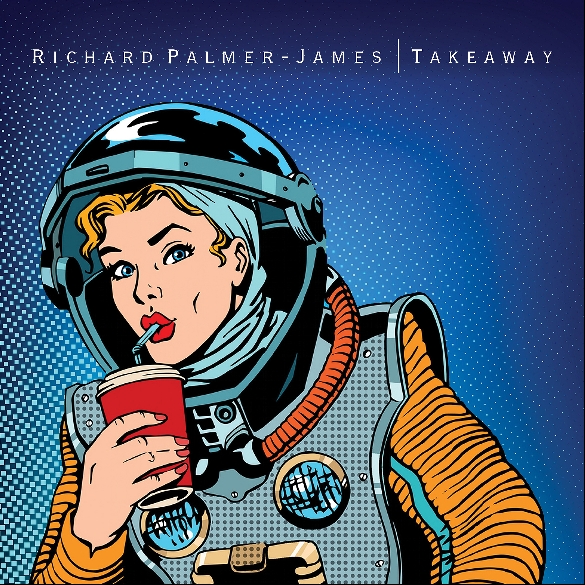
Album Review of Richard Palmer-James: Takeaway (Primary Purpose Records)

Musician Richard Palmer-James may not be that proverbial “household name” one thinks of in recording artist circles, but he has quite a colorful pedigree. He was a founding member of Supertramp and probably had some of his greatest international success as a lyricist working with British band King Crimson on three of their key albums. The singer-songwriter collaborated with long-time associate bassist John Wetton on the King Crimson releases Larks’ Tongues in Aspic, Starless and Bible Black, and Red.

Richard Palmer-James: Takeaway

image courtesy of Glass Onyon PR

According to Palmer-James himself, “ Having spent the last few decades writing words for other people to sing, and thus being obliged to comply with the ambitions and sensibilities of others, I wanted to present a collection of songs that are uncompromisingly my own.” And on his latest solo effort Takeaway, that’s exactly what he’s done. Armed with his trusty arsenal of guitars, mandolin, and words, Palmer-James gets back to his roots. Vivid storytelling draped in flourishes of blues and folk-oriented rock is the order of the day. This is music for grown-ups; sophisticated, yet never snobby or pretentious.

Takeaway is a collection of songs that seem very cinematic and stand alone as little “movies” in and of themselves. The lead track “Aerodrome” depicts a dichotomy of past wartime versus modern time where an aircraft hangar, which once housed fighter planes, now serves as a venue for trance or rave parties. In it Palmer-James sings, “Sad to say the world we knew went down in flames… you’ll understand it’s hard to understand your fun and games.” In two lines he summarizes a generational divide to a T. The next tune, “A Very Bad Girl,” is a rousing blues-tinged rocker with a wry and clever lyrical twist. Here he takes the position of initially criticizing this “bad” girl’s behavior but actually has more in common with her than first realized. There are also songs like “Dance for Me” which, on the surface, seems like an innocuous folk song about cutting loose but appears to have a deeper side that deals with persevering in the face of adversity.

Palmer-James is joined on this album by a crack unit of, primarily, German musicians from Munich, where the British singer-songwriter has resided for many years. Co-producer Evert van der Wal does a great job of capturing his mellow honey-dripped tenor voice to perfection. As a result, his vocals add a tinge of vulnerability and world-weariness to many of the subjects in his songs. It’s a performance style he’s obviously crafted after years of singing in pubs, taverns, and intimate spaces. And, perhaps, that is exactly Richard Palmer-James’ appeal, that you will listen to his words and delivery and feel like you’re connecting and sharing a drink with a very dear friend.