Album Review: Ricki Erik – GenReality

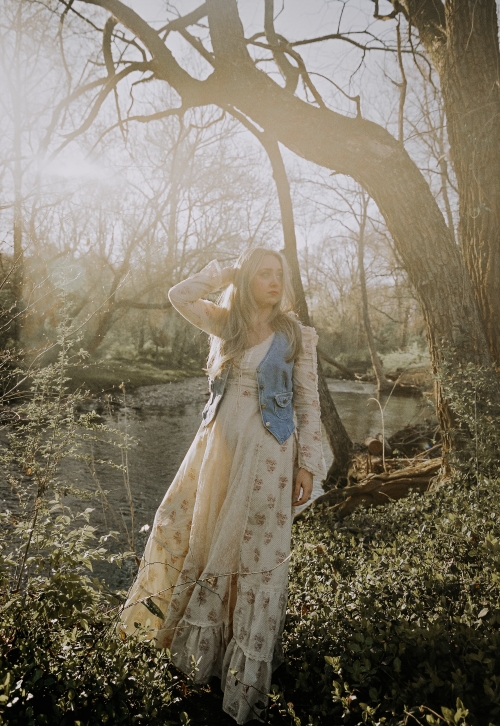
Ricki Erik

photo courtesy of Realm Music Group

Album Review of Ricki Erik: GenReality

Ricki Erik paints with a diverse musical palate, spanning dance, pop, R&B, Latin, blues, hip-hop, and more. Ricki’s new album GenReality is a very cool collection of songs that showcase his broad and varied vocal talents while providing an engaging album-listening experience.

Ricki Erik – GenReality

image courtesy of Realm Music Group

Ricki kicks the album off with a couple of energetic dance tracks. First up, “Party Tonight,” on which he teams with Deja Vu Boston, is a good-time funky pop dance number, stylistically somewhat recalling Kool & the Gang but, of course, with Ricki’s identifiable voice cutting sharply and emphatically through the fun musical romp. “Love Hurts (Freestyle Remix)” follows, exploring a very different groove, with a full wall of sound backing a rhythmic beat in support of Ricki’s entreaty “baby, love hur-hur-hurts.”

Ricki pivots to Latin-style music on “Como Te Llamas,” a catchy song that’s all beat and rhythm and will be one of your quick favorites after just a listen or two. This song is well-structured, bouncing just enough to keep things peppy while allowing Ricki to showcase the sincere, earnest side of his smooth vocal delivery.

Ricki Erik

photo courtesy of Realm Music Group

Ricki slips comfortably into the blues on “Here I Come Baby.” His voice doesn’t get particularly deep on this track, but he shows off a growl with a hint of gravel that hadn’t even been hinted at on previous tracks. I mean, it’s clearly still Ricki Erik on this song, but man, this dude’s got range, and we’re only four songs in! As the disc continues, he wields even more of the weapons in his vocal arsenal, and they make for an enjoyable album stacked with variety.

Next up is “Bad Girl,” featuring Zambo Buchanan. This song is Ricki’s hip-hop reimagining of Hall & Oates’ “Maneater.” It’s an exceptionally fun listen.

“Can’t Get Enough” is promoted as a wedding song, and it’s a really heartfelt love song, with Ricki’s voice cracking and quavering to maximize emotional impact.

“Wait a Minute” is a tempo-changing, head-bobbing dance-pop number. The beat is disjointed enough it might not be particularly easy to dance to, but it’s a very cool listen.

“Friend” recalls Rockwell’s “Somebody’s Watching Me” with its semi-haunting electronic musical sound, yet Ricki’s smooth voice somehow still showcases itself and portrays emotional pain despite the electronification of the vocals.

Ricki Erik

photo courtesy of Realm Music Group

“Flower”… well, lyrically and topically, you have to wonder if Friends character Monica Geller, as her younger self in the show’s flashback scenes, had a hand in the songwriting. Musically, there’s some neat keyboard melody that helps navigate the otherwise electronic, rhythmic beat serving as a music bed. Ricki’s vocals dash in and out, adding the finishing flourishes to this funky pop number.

“Beautiful Liar” is an engaging song, residing in an expressive, rhythmically somewhat disjointed lane of R&B. The song doesn’t flow smoothly at all; rather, the phrase “you’re such a beautiful liar” is sung disruptively, continually drawing attention from the rhythm, then suggesting a return to smoothness with “you are, you are, you are.” Don’t believe the suggestion. Instead, Ricki’s vocals don’t release the listener or the song; it’s a very cool approach.

Now, “Whisper,” on the other hand, is smooth. Well, mostly. It’s the album’s strongest ballad, deftly utilizing Sherl Burke‘s supporting background vocals throughout, with strings helping Ricki’s voice soar in spots before returning to the song’s rhythmically disruptive chorus, creating a bit of tension each time before releasing into Ricki’s smooth delivery of “that’s how they whisper.” It’s the little nuances in “Whisper” that make this a memorable song, so much so that I’ve caught myself singing days after my last listen.

Ricki Erik

photo courtesy of Realm Music Group

“Feelings,” on which Ricki is again joined by Zambo Buchanan, closes the collection with warmth and humanity; it has an engaging rhythm and an ending fade-out that wrap this album up neatly.

Beginning to end, GenReality is a cool journey, a record I enjoyed listening to beginning-to-end each time I reached it in my to-be-reviewed queue for the last several months. If you give it a listen, you’ll discover that, even when it doesn’t get you completely up out of your seat, Ricki’s songs will have your toe tapping, your head bobbing, or your body swaying side to side. And, though I’d advise a full listen of this disc, if you want to sample individual songs, Ricki’s Soundcloud page includes each of these songs, with most noting a genre in the song title (“R&B,” “Hip Hop,” “Pop,” “Blues,” etc. ), so you can more easily choose where to start your journey of discovery based on your musical taste.

This release was Ricki Erik’s first album in 15 years; let’s hope the next one comes around much sooner.

More Recently

Ricki Erik was nominated for a New England Music Award in the Soul/R&B Act of the Year category. Voting has concluded, and NEMA winners will announced during a ceremony at the Six String Bar & Grille in Foxborough, MA on November 12th.

Album Review: Hurricane – Reconnected

Hurricane – Reconnected

image courtesy of Glass Onyon PR

Album Review of Hurricane: Reconnected (Deko Entertainment)

“Na na-na na na na, I’m on to you!” Back in the late ’80s, if you heard that lyric, you were rockin’ to Hurricane! Reconnected is the band’s first new album since 2001, just its second since 1990. Hard rock fans, especially fans of ’80s-influenced, guitar-heavy melodic hard rock, are in for a treat! But this is hardly a throwback album. Despite a couple of nods to the past on the disc (the band’s own past and Queen’s, but I’m getting ahead of myself), the music is fresh, modern… and kicks ass!

Original Hurricane guitarist Robert Sarzo and bassist Tony Cavazo are joined on Reconnected by drummer Mike Hansen, who joined Hurricane in 2010, and new vocalist Dan Schumann, who joined the band in 2021. None of these four played on Hurricane’s 2001 release Liqifury; in fact, this is the first time in more than 30 years that either Sarzo or Cavazzo recorded as Hurricane. So this album was a long time coming and, as you might have surmised from the opening paragraph, does not disappoint.

The album kicks off with frenetic energy, fast-paced drums, shredding, distorted guitars, and an insistent high-pitched ’80s-era melodic hard rock vocal. And the initial song, “Rock Star Cheater,” isn’t just a hard-driving level-setter for Reconnected. No, indeed, it’s one of the best songs on the album, with guitar hooks, a nicely-placed guitar solo, and a neat little tempo/tone-changing lead-in to the chorus.

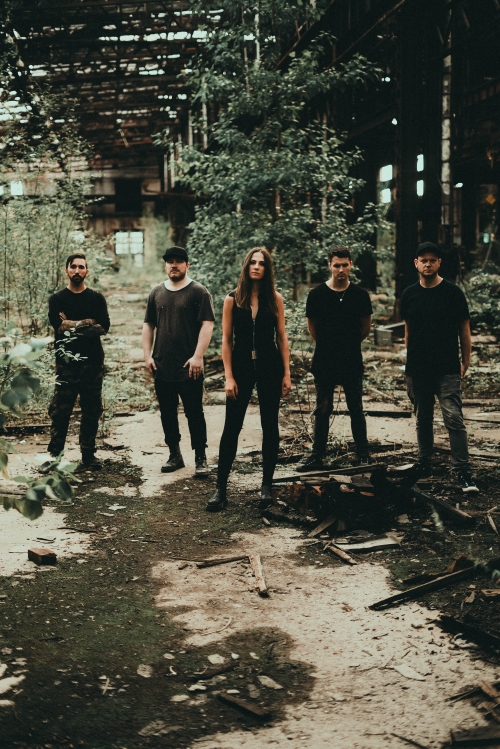
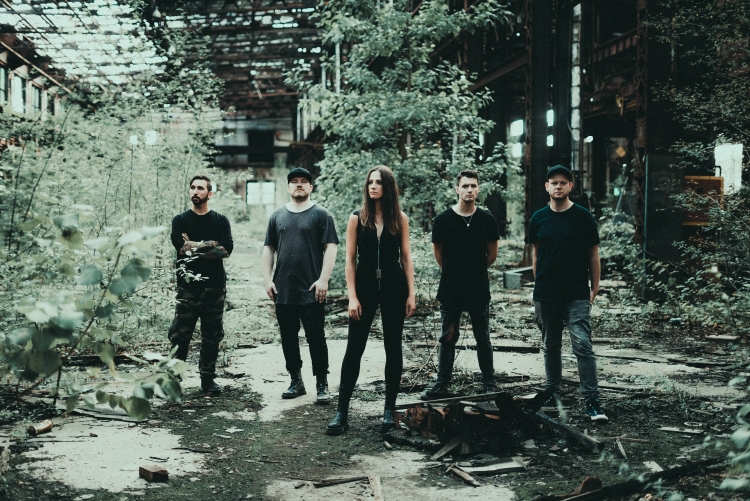
Hurricane

photo courtesy of Glass Onyon PR

Not to be outdone, “You and I” follows with a more open, engagingly repetitive rhythm. It’s a hard rocker with a somewhat less heart-pounding pace than the opening track. There’s a bit more nuance, but the tune is no less catchy, containing perhaps an even hookier guitar hook. (Yes, a hookier hook. I said it.) By now, it’s clear that Hurricane’s new release contains a bit of variety, just as the band’s fans would have expected. And beyond simply foreshadowing the disc’s variety, these are great songs – two of my favorite new Hurricane originals – that get things off to an excellent start.

Track three really showcases the variety on Reconnected, serving up the greatest departure from among the albums eleven tracks… or, at least, the from first ten. Indeed, it’s a rockin’ version of Queen’s “Under Pressure.” The song is significantly less heavy than its album-mates, but a nice interlude. I mean, you can never go wrong with a Queen song, if you’re up to the task. Hurricane is, and it’s a fantastic showcase for Schumann’s vocal range; he adeptly provides the crisp, precise vocals the song requires. (Why did I not already know Schumann’s name? The voice on this guy! Wow!)

Next, Hurricane seems to almost be channeling Y&T in “Behind Your Shadow,” with heavy power guitar fronting a foreboding, almost theatrical blanket of song, supporting a Meniketti-like, elongated, slow-paced power vocal.

“Innocent Girl” is a classic, rockin’ ’80s fourth or fifth single release, pleasant to listen to, with the hook a little less obvious and, therefore, requiring a listenership willing to devote a few listens before really getting to know the song. It has great vocal variance and a hard-rockin’ tempo; it’ll be a fanbase favorite.

“Don’t Change Your Love” is another of my personal favorites on this disc, with a sidewinding guitar hook and memorable vocal phrasing, particularly in the chorus.

Song seven is one everyone will recognize. The new Hurricane lineup takes the opportunity to record a slightly harder-rocking version of the band’s biggest hit, “I’m on to You.” You know, I had forgotten about the kickass 40-second guitar lead-in before the first lyric. And there’s a cool axe bridge mid-song, plus I think they’ve cleaned up a little muddiness in the vocals when compared to the original. In any case, I bet you’ll dig the updated version of “I’m on to You.”

“Hand of Souls” mixes some laid-back ’70s rock elements with some very ’80s vocal and guitar gymnastics to produce an excellent slower-tempo jam track.

“Disconnected” is a twisted, somewhat haunted slow number that suggests a Pink Floyd influence but one that’s run through an ’80s rock music filter, with some twangy guitarwork bubbling just under the surface to provide the song with an interesting and slightly uneasy essence.

Next up, “Blind Love” is straight-ahead hard rock but with breaks and bridges that detour the song and give it character. There’s a passage with the phrase “blind love will always hurt you” that recalls Journey’s “Separate Ways” just briefly, but I’m not sure if it’s really reminiscent of Journey’s hit or if it just reminds me of Journey’s “if he ever hurts you” lyric.

Hurricane closes the disc by reveling in its soft side with the soft, floating, almost dream-like electric-acoustic “Wishing Well.” Like any old-school melodic hard rock band, these guys can shift gears to the soft and mellow when they want to. And ending the album with a song like this is a great way to ease the listener back to the less pumped-up world of not-hard-rock. An exit ramp back to daily life, if you want it. Or you can set the album on repeat and just start all over again.

You know, I dug Hurricane back in the ’80s/’90s, but I wasn’t a big fan. Well, I’m a huge fan of this album, Reconnected. If you’re into guitars, power-rock, and melody, packaged in a varied song mix to keep things interesting, you’ve gotta check out this album.


Album Review: Jann Klose – Surrender

Jann Klose – Surrender

cover photo by Mikiodo digital; image courtesy of Leighton Media

Album Review of Jann Klose: Surrender (Honey Rose Records)

Jann Klose has one of those timeless, classic pop-rock voices – smooth and precise, yet with a distinctive tone that sets him apart from the “pretenders,” just as others in the solo mid-tempo rock lane, from Gavin DeGraw to Billy Joel to George Michael, have voices that are simultaneously comfortably familiar and singularly unique. As with those more-famous artists, Jann’s music is mid-tempo pop-friendly rock ‘n roll, able to comfortably slip into mainstream radio playlists and well-suited to soundtrack roles.

Jann’s albums are dependably great listens, mixing in a variety of sounds, styles, and influences, collections of songs orbiting a glossy, peppy, soft pop-rock center. And he’s been rewarded for his bankably consistent quality standard with a solid career, more successful than many independent artists (his YouTube releases faithfully reach hundreds of thousands of views), but just shy of that big breakthrough hit that launches him into the broader public consciousness (so far).

Several songs on Surrender stand out. First, the album-opening title track, which kicks things off cheerfully with Jann’s expressive vocals and a tempo the repeatedly starts slow then builds to a release of power, like a walk through the woods opening into a clearing or gray clouds sliding aside to reveal bright sunshine.

Also noteworthy is Jann’s first single from Surrender, “Sugar My,” released a year ago in advance of the album release. “Sugar My” is bright but with a rhythmic tension, releasing itself in the chorus, with Jann tagging the words “sugar my” with some of the higher vocal notes in the song.

“Pilot Light,” released as a single three years ago, is also included on Surrender, a treat for those who didn’t snag the song when it dropped as a single. It features some of the long, extended vocal phrasing that Jann does so well.

The next song is the most obvious potentially huge hit from the album. In fact, it already performed well upon its release. “Love You the Most,” a soaring love ballad duet with Alicia Madison that was released as a single in 2019, has exceeded 1.4 million YouTube views, in part due to its inclusion on the Married Young soundtrack. With so many great songs on Surrender, choosing a favorite is nearly impossible, but this song is probably mine.

“Do You Want to Be Lonely” mixes in a little beat-pop syncopation and a coolly prominent rhythm that’s sure to cause some listeners to head-bob and toe-tap. Next up, rich string orchestration, prominent background drumbeats, and an extreme build of tension feature prominently in “Flesh and Blood.”

“All the Way Down” suggests folk-rock influence, which means it’ll likely to translate nearly as-recorded to one of Jann’s acoustic performances (like the house concerts I covered here at the Blog in 2016 and in 2018 – wow, has it really been five years already!). In fact, after writing that sentence, when looking for a link, I discovered there’s an official acoustic music video for the song. It’s almost as if I knew. (I swear, I had no idea!)

“Here in My Heart,” next, reminds me a bit of rockin’ folk luminary Billy Crockett. It’s a swaying, strumming, and cheerful number with cool, uplifting lyrics like “Every hour, every minute, I got love beyond the limit, here in my heart.”

Musically, “Stay the Same” is nearly a lullaby, populated with lyrics that are introspectively intense and thoughtful. It’s followed by “Even If It Takes a Lifetime,” an energetic, uptempo number that will immediately snap the listener out of any lullaby-induced slumber with a driving beat and the sort of build-to-chorus that Jann again utilizes exceedingly well.

The last two of the twelve tracks are bonus renditions of “Love You the Most” – first an acoustic version, then a Spanish-language version, “Te Amare Mas.”

Beginning to end Surrender is – no surprise, here – an outstanding album from one of rock’s best mid-tempo singer-songwriters. It’s definitely a great place for those new to Jann Klose’s music to begin their journey of discovery.

Looking Ahead

Visit the “Shows” page of Jann’s website to learn about upcoming shows. Currently, it lists his scheduled appearance at the Concert for Bangladesh Revisited in Westbury, NY on November 24th and 25th and concerts in Hamburg, Germany and Barmstedt, Germany on January 5th and 6th, respectively, plus a January 7th live performance on Dutch National Radio NPO 2’s Leo Blokhuis Show in Hilversum, Netherlands. Again, check out Jann’s website for more details and new dates, as they’re added.

Album Review: 8084 – Live 4play

8084

photo courtesy of 8084

The Backstory

My first 8084 concert was in 1990, in my role as a “Lost in the Midwest” columnist for the east coast-based hard rock magazine Tough Tracks magazine. It was an assignment that allowed me to continue churning out reviews while I was away from Boston, during a summer internship in Grand Rapids, Michigan. Vermont-based 8084 was one of the top touring bands on the hard rock club circuit; I covered their performances at the local stop on that circuit, Paolo’s.

Well, after achieving a bit of success during their genre’s heyday, 8084’s legend continued to grow, most recently with occasional concerts around Vermont, drawing huge crowds for special evenings of the band’s original, old-fashioned, guitar-driven melodic hard rock music, headlined by musicians who hadn’t lost a step since their younger days. Well, if they’ve lost a step, it doesn’t show up in their music, at least.

The band actually got its start years before my first 8084 concert, in 1982, with the current line-up of Randy Smith (lead vocals and acoustic guitar), Andre Maquera (guitar and vocals), Frank Barnes (bass and vocals), and Gary Spaulding (drums and percussion), plus the late Charlie Hawthorne.

Album Review of 8084: Live 4play

8084 – live 4play

image courtesy of 8084

Live 4play is a classic live album, channeling all the energy of the band’s live performances. Yet, despite the live aesthetic, 8084 went to great lengths to ensure that the recording quality was exceptional, suitable to be interspersed with studio recordings on a radio or personal playlist. That’s something I’d posit isn’t the case for a lot of live albums, including some very famous ones. 8084 recorded several concerts to ensure they could select album-worthy versions of every song, and it’s apparent. Of course, there’s still that live feel, with the occasional crowd noise, particularly at the beginning and end of some songs, and there’s a little clever between-song banter at the beginning of a few tracks. But perhaps most importantly for a live album, Live 4play captures that live-show energy level that’s hard to duplicate in a studio.

Sonically, 8084 most easily recalls ’80s rock ‘n roll, that era of energetic live performances, soaring vocals, crunching guitars, and melodic tunefulness. Randy Smith’s vocals do, indeed, soar – and man, can he ever hit the high notes! – mixing well with guitar-heavy songs and more spacious melodic rock songs alike. When the songs soar, I could place 8084’s songs back-to-back with Giuffria. On other tracks, the Vermont rockers sound a bit more like the Dokken-to-Warrant melodic hard rock cohort. Throughout, though, there’s a timeless, classic rock flavor that’s gritty and grounded in decades-spanning rock tradition, recalling rock bands that used significantly less AquaNet than the aforementioned outfits. My point is that, despite the temptation to make the obvious, easy, lazy comparison to ’80s rock bands, 8084’s music is really more timeless arena rock than poppy ’80s hard rock.

8084

photo courtesy of 8084

Studio versions of most – but not all – of the songs on Live 4play can be found on one of 8084’s first three studio albums, spanning 1986-1991, all currently just available for digital download at the 8084 website: the band’s self-titled debut album from 1986, the 1989 release Love & War, or the 1991 EP Satisfaction Guaranteed. (A Satisfaction Guaranteed CD is part of my personal collection.) The remaining songs can be found by exploring 8084’s music on Spotify, either from the band’s 2005 digital album The Last Great Train or via its more recent Spotify singles.

Live 4play – a hefty 15-track disc, so I won’t be going strictly song-by-song with this review – begins with a 35-second hype-tape styled countdown “Intro” before launching into the lo-fi, distorted crunchy guitar opening of terrific, thumping disc-opener “Learning 2 Live.”

“Hold On” is an uptempo vox and axe-driven number with an energy and tone that reminds me of an amazing yet somehow criminally underappreciated melodic hard rock band, Danger Danger.

The opening chord of “Badman” reminds me just a bit of the main riff from Rick Springfield’s “I’ve Done Everything For You” before veering off into its own identity. After the opening, 8084 utilizes an attention-grabbing voice-only opening verse, then provides catchy, high-energy musical support with ample whammy and a memorable rhythm that makes this one of my personal favorites on the disc.

8084

photo courtesy of 8084

Sticking to the “whammy” theme, “Lonely at the Top” actually begins with some whammy-focused between-song banter before the music starts. The song itself is a soft, airy ballad with guitarwork akin to what you might find in a similarly-paced Dokken ballad and vocal harmonies in the chorus. The cool thing about a hard rock slow song from a talented band like 8084 is that the guitarwork is so interestingly textured.

Next up is another of my favorites on the album, “She Comes to Me,” one of the most hook-laden tunes on Live 4play, and the one song that prominently features a Bon Jovi-esque talk box, used in all its “wah-wah” glory to artistic perfection. Aside from being unavoidably catchy, “She Comes to Me” is just so damn fun!

“Alright” is a somewhat more straightforward rock song that utilizes a hint of vocal gravel more often than it soars, as the music and vocals express sensitivity that suitably accompanies the lyrics. “When I Think of You” keeps the tone soft, even moreso than “Alright” but paced and styled more like a melodic hard rock ballad.

The energy level immediately jumps back to 11 with “Rosita,” as lively vocals combine memorably with recurring guitar squiggles – not exactly a hook, but it serves the same purpose – resulting in a memorable song that strikes me as a likely crowd favorite.

8084

photo courtesy of 8084

“I Can’t Feel You,” one of the band’s more recently-penned songs, released as a single in 2018, is flavored a little differently from the older songs in the collection. It’s more modern, clearly showing that the band has remained musically up-to-date, writing rock songs with updated sonic sensibilities in a way that will still appeal to longtime fans. While great music is timeless, it’s songs like this one that’ll be more likely to gain traction on forward-looking playlists.

In the same vein, I get the same more modern vibe from the cooler, ’50s/’60s rock-influenced strummer “Yesterday,” on which the vocals are crooning in nature, voicing heavy lyrics worth listening to. This particular song is also more recent, a 2009 release from Randy Smith’s solo Bittersweet album, which also spawned this 2011 YouTube video.

The jangly opening of “Hideaway” brings the energy level – and the guitar intensity – back up to arena filling levels.

Live 4play closes with “Surrender,” a solid, stylistically familiar guitar rock ballad with crunchy guitars, a soaring voice, and rhythmic noodling in the guitar bridges that ranges from standard hard rock act riffs to fast-paced fingerwork to some eerie, hauntingly-tinged stretches, always, of course, finding a comfortable path back to the chorus. The song is a fitting ending to a long-form album like this, setting the listener down gently and pleasantly. Aside from the fact that you’ve just listened to 65 minutes of music and probably need a bio break, “Surrender” returns your musical mindset back to a good place to “rewind” and listen to the album all over again.

More Recently

8084 actually just dropped a new single – “Vegas” – to Spotify and YouTube on October 15th.

8084 was also nominated for a New England Music Award in the Rock Act of the Year category. Voting has concluded, and NEMA winners will announced during a ceremony in Foxborough, MA on November 12th.

Looking Ahead

8084 live performances tend to be events, so they’re well worth making an effort to attend. Right now, the “Live Dates” page of the band’s website lists a single date: Saturday, November 4th at the Higher Ground Ballroom in South Burlington, Vermont. Obviously, check back periodically for new concert dates to be added.

Album Review: Tokyo Tramps – Fearless Heart

Tokyo Tramps – Fearless Heart album coverAlbum Review of Tokyo Tramps: Fearless Heart

Tokyo Tramps are Boston blues/blues-rock mainstays. Guitarist/vocalist Satoru Nakagawa and bassist/vocalist Yukiko Fujii have spent twenty-plus years as Boston-based blues rockers, and they’re still among the city’s best. I delved more deeply into Tokyo Tramps’ background in my review of the band’s I’m a Tiger EP, so you can read that review for more detail; here, I’ll just focus on the band’s new album, Fearless Heart.

Tokyo Tramps’ music could be equally described as blues rock or rockin’ blues, but since the former can be used to describe a broad swath of rock ‘n roll, the latter – or the fact that the band’s songs straddle the two terms – is probably more informative. The bluesier portions of the album have a raucous barroom nature, while the rock ‘n roll component hints at the band’s classic ’60s and ’70s blues-based rock influences. Mostly, I hear an amalgam of influences buried in the band’s sound, but on one or two of the songs, you can quite specifically hear the Tramps “try sometimes” and “get what (they) need.”

From the very first spin you’ll enjoy the unique blues rock sound that makes Tokyo Tramps music quickly identifiable, but I’d recommend giving this album multiple listens; each listen, especially after the first few, reveals more subtleties. The hooks are rather sneaky, and there are suddenly significantly more “wow” moments upon the tenth or fifteenth journey through the album than there were initially. Before you know it, your two initial favorite songs have miraculously become eight.

The album kicks off with the jangly blues-based rock guitar lead-in to “Sweet Melody,” a rough-edged funky symphony of unity that’s held together by hypnotizingly melodious guitarwork and a sweet groove.

Bluesy classic rock guitar crunch motors “Mississippi and New Orleans,” another song that’ll leave listeners jamming to the axework, eyes closed, especially when enjoyed with headphones on.

“Where Did You Hide Your Love?” is next, with a little more psychedelic vibe, followed by “Blues Leave Me Alone,” whose hauntingly jangly, low-fi distorted axework supports the mild anguish in the vocals.

The band revealed a desire to incorporate ’70s rock sounds into this particular album, mentioning both the Stones and Derek and the Dominos. And, in fact, next track “Open the Door” is the song on which I most hear some “Layla”-esque elements mixing with the Tramps’ trademark rockin’ blues sound.

This marks the halfway mark of Fearless Heart. A lot of albums begin to fade on the “B side,” but as strong as the first 5 songs of Fearless Heart are, this album just keeps finding next ways to top itself on the back half.

“Can’t Find My Way Home” is a bit of a country blues swayer-and-twanger, and I really dig the vocal interplay between the bandleaders on this track.

Next up, “Loneliness is a Social Disease” has the pep and playfulness of a ’50s rocker, almost, and it’s definitely a rockin’ good time. “Heart of Life” follows, with an earnest vocal delivery and a steady rhythm supporting the song; its rhythmic blues rock tempo hints at a jazzy meander throughout, but that’s a head-fake, as the song’s tempo remains consistent.

“I Don’t See My Star Tonight” slows things down, a blues dirge with some soft guitar noodling that adds just enough liveliness to make for an interesting journey.

And the album closes with what’s probably my favorite song on Fearless Heart, “Young Lion.” The interplay of Satoru’s and Yukiko’s vocals on this song are fun, effective, and catchy. (You’ll sing along with one or the other of them, probably not always the same from one listen to the next.) And the guitars navigate a blues-rock journey. It’s a lively, fitting close to the Tokyo Tramps’ newest album.

More Recently

The Tokyo Tramps have been nominated for two major music awards this year. They are finalists in the Blues Act of the Year category by the New England Music Awards. NEMA voting has concluded, and the winners will be announced at the awards ceremony on Sunday, November 12th. They are also on the final ballot in the Boston Music Awards‘ Blues Artist of the Year category. BMA voting continues until November 17th, with the awards ceremony scheduled for December 20th.

Looking Ahead

Check the “Live Schedule” page of the Tokyo Tramps’ website for upcoming performances. You can catch the band live tomorrow, Sunday, October 15th, starting at 11:00 AM at the Sunday Blues Brunch at the Hard Rock Cafe Foxwoods in Ledyard, CT. Be sure to check the band’s website periodically as new dates are added.

Album Review: Carole Sylvan – Love

Carole Sylvan – Love album coverAlbum Review of Carole Sylvan: Love

Carole Sylvan‘s hall of fame voice is the driving force behind this soulful, blues-influenced R&B album, Love. An established New England/New York treasure with an admirable career-to-date, a solo album like this provides an opportunity to experience Carole’s performance skills in all their glory.

The album showcases Carole’s vocal range right off the bat, from explosive power to soft, rich, resonating warmth, with its first two songs. Memorable, powerful, energetic “What Do You Call It? (I Call It Love)” provides get-to-your-feet energy, while the smooth, flowing “To Love Somebody” follows with laid-back, jazzy warmth.

Not to be outdone, and perhaps it’s the choir-like harmonies, but “I Still Love You Anyway,” a balladic powerhouse with soaring verses, is so powerful that it’s almost a religious experience.

Fourth track “Love to Love” is the bluesiest cut so far on the disc, with playful, tempo-boosting horns making frequent, well-timed incursions into the song, seeming to battle with Carole’s voice for emphatic power. Then the lyrics – and Carole’s delivery – join the playfulness on the funky-soulful “Keep It Clean.”

Carole’s vocals launch into powerhouse/diva orbit on the powerful “Lighthouse,” a song during which her voice will give you goosebumps during some of its most commanding moments.

The funk returns on “I Cry For You,” which I can envision as an on-stage showpiece; also, a song on which you’ll be convinced Carole coolly sings “well, well, well” way more often than she really does – that’s once; actually twice, but consecutively and not again. (Go back and listen again; you’ll see I’m right.)

Next up is the most widely-recognized song on the album, “Tennessee Whiskey.” Carole’s version is of the soaring, soulful variety and, once you’ve heard it, may well become your favorite rendition of this ubiquitous standard. The music and tempo is pretty straightforward, with few liberties taken, though the instrumental bridge is quite nice, particularly the nifty horn-work, but oh, mostly you’ll simply dig that voice! (Fun quiz: How many syllables are there in the word “warm”? Ha! Yeah, you’re not even close!)

“The Only One Around” is a hip, jazzy number that’s perhaps the most of each – the hippest and the jazziest – found in this collection.

Carole closes the disc with a one-minute “Love to Love (Reprise),” tying the disc together nicely with its recollection of the cool groove from “Love to Love,” providing a nice fade-out ending to Love.

More Recently

Love was a 2021 release. In 2022, Carole released another full-length disc, Something Goin’ On.

Carole was inducted into the New England Music Hall of Fame this year, celebrated during the NEMHOF induction ceremony on September 30th.

Carole has also been nominated for a New England Music Award in the Soul/R&B Act of the Year category. Voting has concluded, but NEMA winners have not yet been announced; that will occur during a ceremony in Foxborough, MA on November 12th.

Album Review: Gráinne Duffy – Dirt Woman Blues

Grainne Duffy

photo by Rob Blackham; photo courtesy of Cobra Promotions

Album Review of Gráinne Duffy: Dirt Woman Blues

Holy moly, do we at the Blog ever love Gráinne Duffy, as evidenced by all the unabashed gushing in my review of her Voodoo Blues album a couple years ago. Well, she is back and every bit as talented and engaging as ever on her new album, Dirt Woman Blues, so get ready for several paragraphs of effusive praise.

Grainne Duffy – Dirt Woman Blues

image courtesy of Cobra Promotions

Indeed, if you’re not yet familiar with Gráinne, you’ll have your “oh, my god!” moment – the one I had when I first heard Voodoo Blues – on disc-opener “Well Well Well,” a snarling blues number that somehow manages to be grizzled and gritty yet crisply modern and energetic. And that voice! I stand by my Joanna Dean comparison, but I’m hearing a bit of similarity to Danielle Miraglia – Boston’s resident flagbearer in the “how is she not already world famous?” music club, blues division. There are hints of Janis Joplin in there, too. So, basically, one song into the album, and you’ll realize you’re listening to one of the best blueswomen on the planet… and you still have eight more new songs to enjoy for the very first time!

Grainne Duffy

photo by Rob Blackham; photo courtesy of Cobra Promotions

By comparsion to the disc-opener, “Dirt Woman Blues” is a tonally darker and more brooding blues number. There’s not the hint of rock ‘n roll you found on “Well Well Well.” “Dirt Woman Blues” also features this neat little audio trick, a flip to grainy AM radio-quality vocals at the beginning of the chorus, as if the whole world reverts from technicolor to black and white, truly fitting for this raucously pleading, distortion-infused, internally-wailing blues plaint.

“What’s It Going to Be?” follows, introducing a lighter, strumming personality – almost what you might expect from Sheryl Crow, if she sang the blues. It’s a welcome respite from the preceding intensity; very cool.

Grainne Duffy

photo by Rob Blackham; photo courtesy of Cobra Promotions

The next track, “Running Back to You” is a groovy blues Gospel-style number that glides along smoothly until the chorus, when Gráinne’s vocals intensify. I’m also fond of the bridge after the second chorus, first the nifty vocal turns of phrase and then the heartfelt cries of the guitar solo.

Next up, the beat that drives the rhythmic “Rise Above” meld with Gráinne’s muddy pop-soul vocals to create what could best be described as cool, bluesy alt-rock. It’s followed by “Sweet Liberation,” a jangly, distorted-guitar blues-rock love-in that harkens back to the ’60s and ’70s, the era of peace, love, and… well, liberation. Oh, and the song ends in a badass, semi-frantic, axe-filled jam leading to an era-appropriate quick stop.

Grainne Duffy

photo by Rob Blackham; photo courtesy of Cobra Promotions

The blues Gospel returns on “Hold On to You,” the musical equivalent of a slowly-moving, howling, oh-so-blue raw nerve. “Yes I Am” follows, a raucous blues-rock protest anthem.

“Killycrum” closes the disc with a smooth, folky blues groove, and it’s on slower songs like this one, when the music is less dense, that the well-placed, effective cracks in Gráinne’s vox are at their most effective and apparent.

And with that, after just nine songs, it’s over. Beginning to end, Dirt Woman Blues is a great disc. On it, singer-axeslinger Gráinne Duffy again solidifies the expectation that a well-deserved coronation as blues royalty draws ever closer. And if you don’t yet know her music, this is your chance. You’re in for a rare treat! And it makes me jealous because you only ever get one first listen to Gráinne Duffy.

Grainne Duffy

photo by Rob Blackham; photo courtesy of Cobra Promotions

Looking Ahead

To find out where Gráinne is performing, follow her Facebook page. Via that, you’ll discover info about two upcoming shows in Northern Ireland: a Saturday, October 14th show at the Braid Arts Centre in Ballymena and a Friday, November 24th show at The Court House in Bangor.


Album Review: D.C. Anderson – House Concert

D.C. Anderson – House Concert

image courtesy of D.C. Anderson

Album Review of D.C. Anderson: House Concert

This is a cool concept for an album. D.C. Anderson is an accomplished stage and screen actor, and these 11 songs – including 3 on which he’s credited as the lyricist – are enjoyably combined in a house concert-like set; hence, the album title. The performance is stripped-down, with only pianist David Robison for accompaniment, allowing D.C.’s voice to carry the remaining weight, his nuanced delivery providing all the necessary “color” and support. There’s a theatrical delivery to every song on the record; stylistically, it’s the sort of album you might expect from a star of musical theater, an anthology of songs performed as if from Broadway soundtracks, whether or not the songs were drawn from actual musicals.

What better way to kick things off than with Rodgers & Hammerstein’s “Some Enchanted Evening,” which D.C. opens with haunting vocals, evoking images of a pitch-black theater, a performance beginning, with the singer walking into a single spotlight before a silent audience, anxious with anticipation. The voice and piano build over the course of the song, increasingly emphatic. What a great way to kick off an evening, an album, or, of course, a house concert. As you may know, I love a record with well-ordered songs, and this is a strong way to start.

Next, D.C.’s performance of “I Wanna Know You” from Anne of Green Gables is a powerful follow-up, with the vocals-and-piano arrangement giving this recording a much more fragile intimacy than is likely to be easily achieved on a big stage.

“There Ain’t No Devil” brings – believe it or not – a lighter, softer, more relaxed tone to the album, though still very theatrically delivered, which can safely be said about any of this collection’s eleven songs.

The slightly playful airiness continues, as evidenced initially by ivories that sound mischievously tickled at the opening of “While There is Still Time,” offering an enjoyable glide through lyrically heavy waters. Unabashed fun follows, as D.C. enthusiastically delivers the satirical “Loving That Lamb of Mine,” delivering Alan Chapman’s playful lyrics with zest.

D.C.’s voice cracks with emotion next, as he delivers a stirringly serious, slow-paced performance of Todd Almond’s “God is Good.” D.C. is the lyricist for the next number, “Janice and Martin,” which adds a bit more pace and feels perhaps closer to folk – theatrical folk, mind you – than the other songs in the collection.

This House Concert turns playful again, dipping into Song of the South for the ebullient “Sooner of Later,” which is, in fact, a quite proper lyrical follow-up to “Janice and Martin.”

D.C. wrote the lyrics for the next two tracks. First, “Crazy Still to Do,” sounds like it should be my favorite song from an irreverent musical, with cool lyrics like “I’m sorry for what’s missing. I’m missing something, too. But so’s you hear, I’ll make this clear, I’m crazier than you.” With a nod to song ordering, it’s the third of a really well-arranged sequence, both topically and musically.

Next up, “Song for Artists” is a bit more serious and sincere, as it soars musically and vocally, delivering a message of, as you might guess from the song title, thanks to artists. Following, D.C. closes the record with a slow-building, powerful delivery of Susan Osborn’s “Bright Angel,” setting the song down for a soft landing to draw his House Concert to a close.

I’d recommend a beginning-to-end listen of this record. The songs, in order, ebb and flow enjoyably, with tempos (and levels of seriousness) varying throughout. And, after a few listens, certainly you’ll have favorite songs that you’ll want to play individually from time to time, as well. Personally, I’m particularly fond of D.C.’s arrangements and delivery of “Crazy Still to Do” and “Some Enchanted Evening.”

More Recently

House Concert was released in early 2022. More recently, in 2023, D.C. released the album Sharing the Night with Darkness.

Looking Ahead

D.C. will be performing live in Chicago on Sunday, October 22nd and in New York on Sunday, November 12th. You can find time and location details for those performances on the “calendar” page of D.C.’s website; check back periodically as more performances are added. You’ll also find the occasional update about D.C.’s goingson on his Facebook page.

Album Review: Burnt Out Wreck – Stand and Fight

Burnt Out Wreck

photo courtesy of BJF Media

Album Review of Burnt Out Wreck: Stand and Fight

Burnt Out Wreck delivers guitar-driven, powerful melodic hard rock reminiscent of Judas Priest and AC/DC, particularly those bands’ more melodic offerings. Any ’80s-style hard rock fan is gonna love this disc. And the band gets bonus points for its ’80s “pedigree” – frontman Gary Moat was the drummer in ’80s rock band Heavy Pettin. Though not an arena-filling headliner back in the ’80s, at least not in the U.S., Heavy Pettin was a band we were all aware of and respected. Beyond ’80s rockers, others who may enjoy this album (and this band) are those who dig catchy songs and crunchy guitars.

Stand and Fight kicks off with a chunky classic rock guitar riff on repeat, joined soon thereafter by Moat’s gravelly hard rock vocals and a steady, forceful rhythm section, launching into fun album opener “Big Up Yourself,” setting the stage for the rest of this top-shelf “new classic” hard rock disc. The songs have a familiar, comfortable style, performed with the enthusiasm and attention to detail that will make this recording a worthwhile addition to your collection (and your album rotation).

Burnt Out Wreck – Stand and Fight

image courtesy of BJF Media

There are a couple songs that’ll have you singing along rather embarrassingly, and hooky title track “Stand and Fight” is the first of them. Steady verses are laced with persistently insistent guitarwork that ratchets up tension, leading into the song’s chorus with its fun, oft-repeated lyric – one you’ll unconsciously sing before realizing it; then you’ll look around hoping no one heard you sing “Stand and fight, just kick ’em in the balls…” There’s some cool axework in here, too, with solos serving as apt bridges, that’ll make this one of your favorite songs. Just be cautious about when and where you listen to it in public.

From first song to last, the album is all relatively straightforward – and unflinchingly straight-line – melodic hard rock, but various rhythms and guitar hooks keep things fresh. A three-song sequence early in the disc is a good example of the song-to-song variance: “Lion” sports a more sidewinding rhythm and limits backing instrumentation during some of the verses; “Ain’t Done Nothing Wrong” begins with a bit of an echo that suggests open spaces before launching into its distinct rhythm guitar riffs that vary consistently throughout the song; and “More Than Anything” utilizes a slightly faster pace to set itself apart.

You’ll have your own favorites on this disc. Mine are the first two tracks, “Big Up Yourself” and “Stand and Fight,” and disc-ender “I’m a Loser Too,” and not just because it’s embarrassing to be heard singing along to the title lyric, which I guarantee you won’t be able to stop yourself from doing. There’s an almost country twanginess mixed in with more obviously bluesy rock guitarwork than found elsewhere on the album. It stands out in part because of its stylistic difference, but it’ll also draw you in with its fun lyrics (such as, “I’m in a bar drinkin’ whiskey, she’s kind of cute for her age…”) and its end-of-the-night, the-bar-is-closing vibe. Yeah, the album’s over, and you don’t have to go home, but you can’t stay here. Or you can just stay where you are and replay the album from the beginning again. It’s a great new classic rock record and a heckuva fun listen from beginning to end.

Looking Back

This is the third Burnt Out Wreck album I’ve reviewed at the Blog. Be sure to check out my 2017 review of Swallow or my 2020 review of This Is Hell for more Burnt Out Wreck content. In fact, one reason this review is comparatively short is because I’ve already written two previous reviews and am beginning to run out of adjectives to describe the band’s sound; I’ve said it all before. If you’re a classic hard rock fan, particularly of ’80s-style melodic hard rock, and especially of the bands in that category with crunch and bite to their music, then you owe it to yourself to have Burnt Out Wreck’s albums in your collection.

Looking Ahead

The “Events” tab of Burnt Out Wreck’s Facebook page lists a couple of upcoming shows in the UK: Saturday, November 18th at The Yorkshireman Rock Bar in Sheffield and a June 14, 2024 show at Axminster Guild Hall in Axminster. Burnt Out Wreck is also scheduled to appear at the Highway to Hellfest in Glasgow, Scotland in February 2024. And watch Burnt Out Wreck’s social media feeds for more dates as they’re added. For example, the band’s Twitter feed also mentions an early November appearance at Hard Rock Hell.

Album Review: Noise Floor Delirium – Life Street Closed

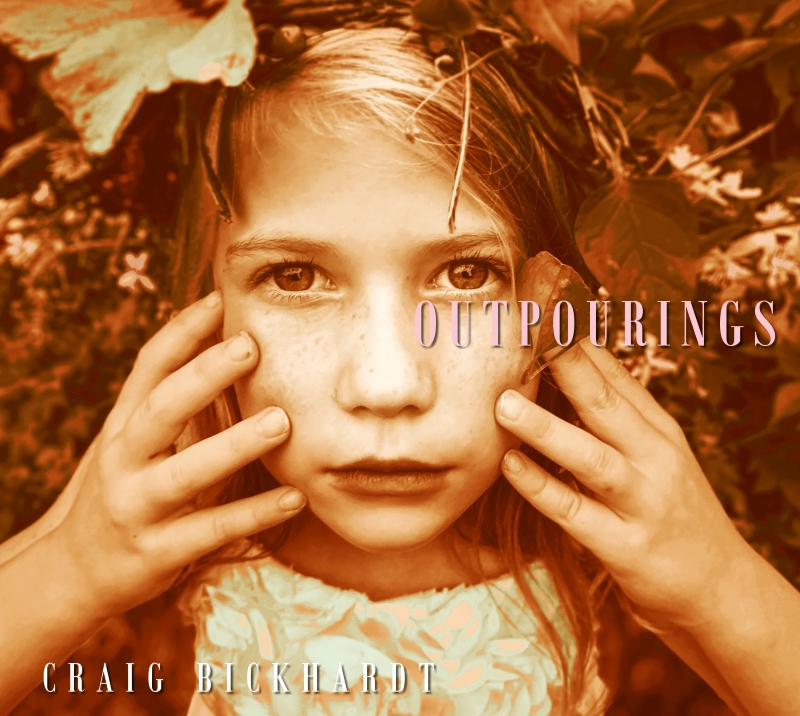
Noise Floor Delirium – Life Street Closed

image courtesy of Noise Floor Delirium

Album Review of Noise Floor Delirium: Life Street Closed

Noise Floor Delirium is a Chris Gleason side project. Of course, I’ve reviewed Chris’ band Los Goutos at the Blog. I’ve not (yet) reviewed Chris’ other band, the Sado-Domestics. And this, of course, is a Noise Floor Delirium review. On Noise Floor Delirium, Chris is joined by Jimmy Ryan (mandolin) for “Coming Apart” and by Lucy Martinez (vocals) for “Luck Comes Last” but is otherwise responsible for all of the music, lyrics, instruments, vocals, engineering, mixing, and production on Life Street Closed.

Of course, Chris’ bands’ music is never simply straightforward, so why would you expect any differently from this project? I’ll begin the review with a 50,000-foot overview of the album: It’s an engaging, intriguing collection of offbeat, grainy-lensed, slightly funhouse-mirrored Americana. And, though I can’t flesh out all of the details of a storyline – this isn’t helped by the fact that the vocals are so embedded into the soundscape that I forget to pay attention to them while enjoying the music – Life Street Closed seems to be a concept album along the lines of Pink Floyd’s The Wall, but without the accompanying film, which might be more related vignettes than a storyline but would still be worth watching. The album is clearly a well-crafted labor of love for Gleason, a project that earned Noise Floor Delirium a New England Music Awards nomination for Americana Act of the Year.

The album kicks off with an ominously Deliverance-esque “Matilda Stomp (New Chemirocha Blues),” with its banjo-ey twang and heavy stomping beat. It’s also exceedingly memorable, one of the songs on this disc that’ll stay with you.

The creepy-music factor gets amped up even more on the next track, “This House Isn’t Haunted Anymore,” which is another you’ll find stuck in your head for days. Thanks to the foreboding music, I don’t believe the song title. This song is a slower, quieter creep with vocals that are spoken-sung so quietly you’ll find yourself leaning in to hear them.

“Mendacious Alibi,” next, slips into a cool lo-fi blues vibe, with a steady rhythm that, perhaps subconsciously spurred by the “end of the road” lyric, suggests a slow-moving highway traveling song. I picture the road dark and wet, though that visual may simply harken back to the picture on the album cover. As a nifty bonus, I think I hear a little slow-jamming Tom Petty in the song’s guitar and pace, too.

“Marsh Marigolds” seems to rise from the ashes, with the music mimicking the sun coming out following a rainstorm – this despite, or perhaps because of, lyrics like “all of our demons are near” and “hell is empty this year.” My first inclination was that this song had some raw Beatles-ish elements, and it does, but it will mostly give you big-time Pink Floyd vibes.

“Coming Apart” follows, a more light-touch, country-styled Americana number, driven by finger-picking, a slightly hillbilly tempo, and some light blues-rocking distorted guitar in key spots for emphasis.

“Back-Talking” continues the bluesy vibe but returns to the album’s haunting motif. It’s a great transition song for the album, and though its role in this collection is as a progressive album track that deftly moves the record forward and includes some neat musicianship, you’ll absolutely find yourself drawn into the lyric “Not talking smack, just talking back.”

After “Back-Talking” cleanses the musical palate, the subsequent “Bottom of the Sea” reveals an eerie, Americana tumbleweed vibe, again recalling The Wall or some of Bowie’s spacier work. “Nine-Tailed Fox” paints a similar musical color but with a slightly different rhythmic brush atop a more motivated beat.

The disc ends with “Luck Comes Last,” which feels like the conclusion of a story. Or of an album. It’s a slow-paced song, similar to “Marsh Marigolds” or “Bottom of the Sea,” with a musical slow-build that suggests the clouds are opening once again after the storm has passed.

With so much stylistic variance, you’d think this album might lack cohesion, but there’s a familiar sonic landscape underpinning every track, resulting in a sound that provides quick identification of each song as part of this particular Noise Floor Delirium collection.

More Recently

As noted, Noise Floor Delirium was nominated (and is a finalist) for the New England Music Awards in the “Americana Act of the Year” category. Voting for the New England Music Awards runs through tomorrow, October 1st.

Looking Ahead

One of Chris’ bands, Sado-Domestics, has announced plans to release a new album this fall.