Single Review: Travellin’ Blue Kings – “It’s Better”

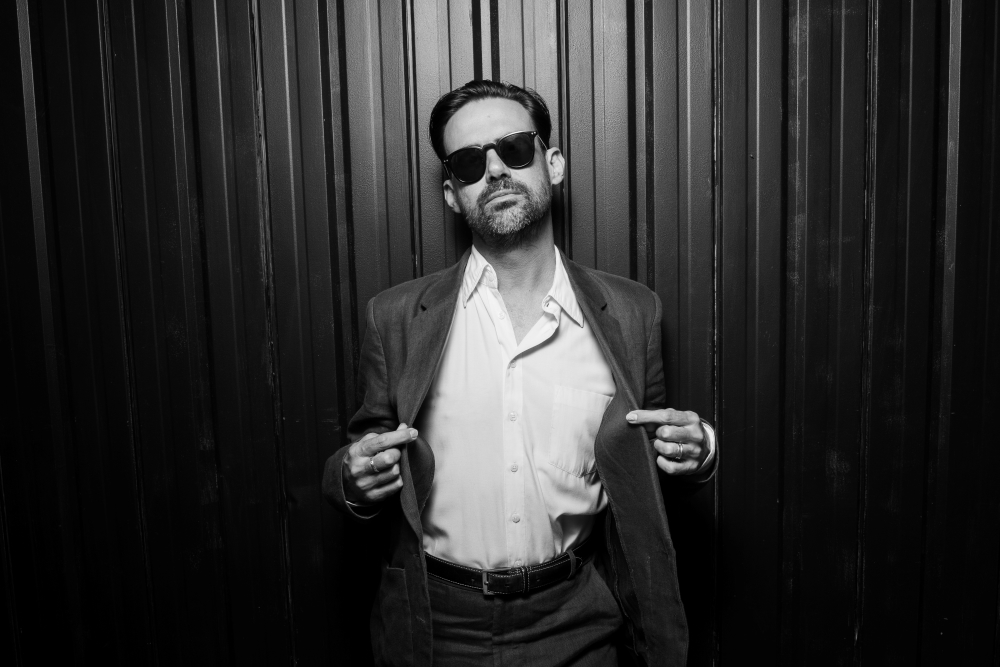
Travellin' Blue Kings – "It's Better"

image courtesy of Naked/Big D Bookings

Single Review of Travellin’ Blue Kings: “It’s Better” (Naked)

Travellin’ Blue Kings are a Belgian blues band. It’s been almost three years since I reviewed the band’s single “Live Your Life.” Since then, the Kings relehttps://travellinbluekings.lnk.to/ItsBetterased a few more singles, a full-length album (Bending the Rules), and then some more singles, culminating in “It’s Better.”

“It’s Better” is a straightforward smoky blues-joint recalling number that chugs along with a classic, rowdy-but-midtempo blues rhythm. Expressive lead vocals are supported by a well-placed deep support vocal. Horns, guitar-picking, and keyboardwork highlight both a bridge and a nifty musical outro, leading to a hard-stop end to the song. If you’re a fan of the blues, you’ll dig the latest song from this talented group of bluesmen.

Looking Ahead

I don’t see any future shows on the “Events” tab of the band’s Facebook page, but that’ll be the page to watch for upcoming dates.


EP Review: Viruette – Waylaid in Aspic

Viruette

photo by Jimmy Del Ponte; photo courtesy of Viruette

EP Review of Viruette: Waylaid in Aspic

Viruette‘s Waylaid in Aspic can best be described as long form, loosely structured, tunefully-sung musical poetry with an edge. Viruette’s music is a form of progressive alt-rock, with songs that are lyric-heavy and musically engaging. The style reminds me a bit of the energetic alt-rock I heard occasionally while getting my music journalism start in Boston many, many years ago, with twists and turns that keep things interesting. And all those words – as a singer, I’d have to devote weeks of study to them if I wanted to remember more than half of them! – serve as another instrument, with an unexpected vocal cadence providing a slightly off-balance aspect to the tunes on …Aspic.

Viruette – Waylaid in Aspic

cover artwork by Adam Kane; image courtesy of Viruette

Waylaid in Aspic‘s five tracks each offer something appealing. If I had to pick a favorite, I’m partial to EP-opener “Sick Hominid,” with its tempo changes, variety of vocal stylings, and somewhat haunting vibe.

“Superanima,” though, is sometimes my preferred track, as it plugs along at a fun pace, has a singalongable “doo-doo, doo-doo” part, and has lyrics like “Superior mama needs a man with a real superanima, a madonna-fied interior. That lab rat’s kissing cats, and now I’m so alone. I want to drag you down…” No, I don’t know what it all means. But man, I take my hat off to the creative wordsmithing.

“Pollyanna (You’re My Billboard),” the song from whose lyrics the EP title is nabbed, is a little milder musically than the first two tracks but sports an off-kilter carnival midway sound that adds variety to this cohesively offbeat, exceptionally engaging EP.

Viruette

photo by Jimmy Del Ponte; photo courtesy of Viruette

“She Dreams in Green Screen” offers an exit ramp from the carnival via a funhouse mirror vibe before the collection closes with the fun, energetic “The Water Beckons,” probably the most broadly-accessible track in the group, its pop-friendly finesse rooted in a timely pop-rock vibe but with a slightly punk edge. The whole EP is a great listening experience, but if you need to introduce a non-artistic friend to Viruette, perhaps start with “The Water Beckons.”

While the band’s earlier single releases of “Viruette,” “Call Me Annabel,” and “Maimed” offered an interesting glimpse into Viruette’s sound, the longer-form canvas of a five-song EP, the ensemble’s first multi-song release, provided a chance to take listeners on a journey, a goal the guys accomplished with aplomb. I can’t wait to hear Viruette’s next creation.

Looking Ahead

I’ve not yet heard Viruette perform live, but I fully expect this music to translate into a raucous evening of ear-ringing fun. I don’t see any mention of upcoming gigs, but there’s an events tab on the band’s Facebook page you should check periodically. And I see the band occasionally promotes its gigs via Instagram, as well.

Album Review: Twisted Rose – Cherry Tales

Twisted Rose

photo by Max Hertwig; photo courtesy of Twisted Rose

Twisted Rose is a German classic rock outfit whose music is hard-driving at times, hard-rock-styled mellower at others, but always an engaging, catchy blend of rockin’ guitars and vocals, clever songwriting, tight musicianship, and a bit of a showman’s flair for flamboyant delivery, when necessary. Ich habe vier Jahre lang Deutsch studiert, aber ich spreche nur ein bisschen; fortunately, everything’s in English, so I have no worries. The foursome on Twisted Rose’s newest album, Cherry Tales, is comprised of singer Caro, guitarist Chris Bones, bass player Tino (who was recently replaced by Alfred, per this December Facebook post and as noted on the band’s website), and drummer Luggy.

Album Review of Twisted Rose: Cherry Tales (7Us/7Hard)

Twisted Rose – Cherry Tales

image courtesy of Twisted Rose

Boom! Right off the bat, Twisted Rose grabs your attention with the crunchy guitar riffs of “Greed4Speed,” followed by intense vocals that echo the need for – no, the greed for – speed, at least musically. Lyrics like “I’m back, I’m back, I’m a damn hell on wheels. Eat my dust while I pass.” Yeah! I usually desire some tempo variance within a song, but “Greed4Speed” is a three-minute, full-speed-ahead adrenaline rush that, if anything, doesn’t last long enough. It totally rocks!

Next up, though, Twisted Rose showcases the ability to slow down. Thankfully. A reprieve, a chance to rest. Well, not exactly. I mean, they’re still a hard rock band, so the sound is heavy, and it even kicks off with some interesting guitar noodling before settling into the beat. Still, the slower tempo of “Wanted” is a nice reprieve. Though as the tempo slows, the heavy beat and power firmly insist “we are a metal band.” “Wanted,” though, isn’t just a soaring mid-tempo power rocker. Mid-song, a key change ratchets things up, providing variety within this mid-paced, powerful headbanger. Oh, and the closing “feel my pain” lyric followed by maniacal laughter? A priceless pièce de résistance. Or a cherry on top, to keep with the album title’s theme.

Twisted Rose

photo by Max Hertwig; photo courtesy of Twisted Rose

“Bring Back Those Days” leans into a blues influence, making it apparent from the guitar-only opening. The song plods along – metally, not boringly, but from a tempo perspective, it plods – but the song structure affords vocalist Caro an opportunity to include some inventive vocal runs, worth the price of admission.

The energy picks up again on “Say Hello.” The tempo isn’t necessarily as fast as it seems, but it is quite a ride. There are an off-beat “fast, make it fast” background vocal and a guitar line that curls back on itself that push the song forward, plus some aggressive drumming in spots, all seemingly tugging the song to move faster, providing an invisible tension that propels the track to a much quicker end than even the short 2:30 runtime might suggest.

Twisted Rose

photo by Max Hertwig; photo courtesy of Twisted Rose

“Crossing the Line,” a true power ballad, follows, with piano accompaniment and a Scorpions-esque nearly-spoken/sung balladic intro before guitars and a booming rhythm section join. Cracking vocals and lyrics like “I see now I was crossing the line; I feel now the seed of remorse” deliver this as a potential slow-dance favorite that becomes a much more curious romantic song choice when the lyrics are considered (in the vein of Warrant’s “Sometimes She Cries,” for example).

“Back to the Old Days” opens with a fifties rock-style guitar riff. Perhaps inspired by Marty McFly’s “Johnny B. Goode” but, of course, updated. Regardless, the axe stylings as the riffs roll strike a nostalgic tone, as do the vocals, which approach shouted-singing when such energy is required (while the backing vocals are, in fact, shouted). The tempo here is nearly as aggressive and non-stop as on the disc-opener, to the extent that, while the influencing decade is different, it’s another pure adrenaline-rush number.

Twisted Rose

photo by Max Hertwig; photo courtesy of Twisted Rose

“Friday Night Blues,” next, is a purely hard-rockin’ blues lament with the requisite blue axe riff declaring the album’s stylistic musical shift from the get-go. On this particular number, be sure to enjoy the axe solo. You can’t miss it, even as the primary lyric in the song is “you’re gonna miss me.”

Straightforward classic hard rock returns, serving up “Party Time.” For sure, you’ll find yourself singing along with the playful “oh-oh-oh” and “hey-hey-eyy” lyrics. The tempo on this song isn’t especially fast, but it is relentless. “Rock You Away,” next, is similarly styled and tempoed, but the singalong phrase is “wo-oh.”

“Skull” feels like a travelling song, a road trip song. More drivealong than singalong, if there is such a thing. But there’s also an uplifting, soaring feeling to the track. It’s a little harder rock than your typical gettin’-things-done movie montage music, but it would otherwise fit such a role.

“We Can’t Get Enough” kicks off with the recurring guitar hook that ties the song together and makes it one of the album’s memorable songs. That and the catchily repeated “more, more, more.” The desire for fame and success espoused by the lyrics also serves as the theme for the song’s clever music video. Oh, and hard rockers have gotta dig the explosion sound at the end. Because, you know, rock ‘n roll.

Twisted Rose

photo by Max Hertwig; photo courtesy of Twisted Rose

Twisted Rose closes Cherry Tales with the melancholic ballad “World is Burning.” It’s a heartfelt, emotional, powerful song that’s most obviously anti-war, with the proceeds from the song earmarked to help those affected by the war in Ukraine, but it also includes some broader pro-earth sentiment in the lyrics. If you don’t get a lump in your throat listening to this ballad, you’re probably not human.

Yeah, yeah, kind of a downer ending to an energetic, fun album, though you do get a sense of “people power” and solidarity from it, so that’s not a bad thing. Plus, it’s a worthwhile endeavor for art – even when that art is rock ‘n roll – to make you stop, think, and feel. Plus, you can always re-start the album if you have a need (or greed) for speed.

In total, Twisted Rose’s Cherry Tales is one of the best rock albums I’ve heard in the last year. Stylistically, this would have been a must-have release about 35 years ago, a big hit rock album with some chartable singles. Even today, with a nod to its classic rock roots, Cherry Tales is a fresh-sounding, modern hard rock album that’ll connect with young and old (sorry, not “old”; I mean, “classic”) rockers alike.

Twisted Rose

photo by Max Hertwig; photo courtesy of Twisted Rose

Looking Ahead

If you want to catch Twisted Rose live, be sure to check the “Tour” page on the band’s website every so often. The website currently lists a few dates in Germany from April through June and teases an October performance in Barcelona “to be announced.” Also, this November 28, 2023 Instagram post says Twisted Rose is back in the studio, so hopefully there’ve been some new future-favorites recorded that they’ll be sharing with us all in the not-too-distant future.

EP Review: Axminster – Bada Boom!

Axminster

photo courtesy of Axminster

EP Review of Axminster: Bada Boom!

Bada Boom! is the new EP from Boston-area classic hard rock stalwarts Axminster. It might be recency bias talking, and it probably is, but this pumped-up, hard-rockin’, high-energy four-song EP levels up from the already-high bar set by the band’s previous EP, Tightrope, which I reviewed a few months ago. Rather than repeat the band’s background info from that review, I’ll dive straight into the music. (If this is your first encounter with Axminster, please do read the Tightrope review, too.)

Bada Boom! kicks things off at 11 with fast-moving speedster “Don’t Wind Me Up.” Pouty ’80s-style melodic hard rock vocals couple with guitar crashes, funky hard rock rhythms, and a fast-picking rip-roaring guitar solo on this track. Even though, upon closer examination, the tempo isn’t quite as fast as the song’s frenetic nature makes it seem, “Don’t Wind Me Up” is definitely an energetic pleasure trip for any classic hard rocker.

Axminster – Bada Boom!

image courtesy of Axminster

“Thick N’ Thin” follows with a little more of a sidewinding rhythm, with a vibe akin to Ratt’s “Way Cool Jr.” but a classic rocking vocal and guitar edge that might fit just as well with that era’s Aerosmith tunes. “Thick N’ Thin” is chock-full of rough-edged vocals and guided by a steady rhythm section with a hooky rhythm. In several places, the music peters out a little before recoiling and bursting forth with renewed power to very cool effect.

“Backfire” is a drum-heavy hard rocker with a crunchy bass line and some really cool kamikaze lead guitar runs, all steadied around iconic yet uniquely identifiable ’80s hard rock-styled vocals, always pushing the edge of the vocal envelope.

The EP closes with the punchy rhythm of “White Lie Fever.” The band sounds nothing like Mötley Crüe, but I’d sandwich this song between “Girls Girls Girls” and “Kickstart My Heart” as a nifty fit in a classic hard rock playlist.

Axminster

photo courtesy of Axminster

I could spin this EP over and over. (I have!) It’s an energy-filled four-song collection reminiscent of the very best classic hard rock songs of old but with an energy and enthusiasm that makes it timeless. Simply put, this is a great new collection of axe-driven rock ‘n roll from one of the best foursomes out there plying their trade. Those of us in the Boston area are lucky to have Axminster in our midst, still churning out brand new original classic rock favorites in the band’s inimitable style.

You know, I don’t see any upcoming live dates mentioned on the band’s website or Facebook page, but as kickass as these songs are in a recording, I’m betting they’d be even kickassier live, so I’m hoping there are some gigs in Axminster’s future this year.

Liner Notes

As a cool side note, Bada Boom! includes the work of a pedigreed production team. The EP was mixed by Bob St. John (Extreme, Collective Soul, Duran Duran, Dokken) and mastered by Adam Matza (Steven Tyler, Extreme, Dweezil Zappa, Mary J. Blige).

Album Review: Madlen Keys – Event Horizon

Madlen Keys

photo courtesy of Rock Rose Music

Album Review of Madlen Keys: Event Horizon

The rich, lush, plush sound of French progressive rock act Madlen Keys melds a light, poppy flavor with long, meandering progressive rock musical runs to deliver a sound uniquely its own. You can hear a variety of influences in Madlen Keys’ music – obviously progressive rock, but also some timeless sixties/seventies psychedelic folk and more recent alt-rock influences.

Madlen Keys – Event Horizon

image courtesy of Rock Rose Music

It has been quite cool having this album follow Catbells’ dream-pop album Partly Cloudy, which I reviewed yesterday, in my to-be-reviewed playlist for the last few months. There’s a dreaminess to Madlen Keys’ music that places the two much closer together sonically than you might guess from their nominal musical genres, resulting in a really pleasant back-to-back musical experience.

Madlen Keys’ album-opener, “The Maze,” sports a vocals-only beginning, with instruments following soon thereafter. The music is soft and dreamy, while the verses feature a musical accompaniment different from the rest of the song, as if they’re vocal vignettes. In true progressive rock style, the music meanders and wanders a bit but remains tethered to a consistent, recurring verse and chorus.

Madlen Keys

photo courtesy of Rock Rose Music

“Breathe” follows, with spacy sounds akin to those found on Bob Lord’s recently-reviewed album The Six Observables melding with a dreamy nature reminiscent of the Catbells album I just mentioned. “Breathe” repeatedly builds from mellowness to nearly a wall-of-music power like a more typical, straightforward rock song, but the sounds and the musical journey are soft and airy. The song ends with a reverberating, vibratingly twangy, distorted rock guitar riff. Because of the breadth of styles this song calls upon, it is the song on Event Horizon with perhaps the greatest potential crossover appeal, with the best opportunity to reach the broadest audience.

Madlen Keys mellows out a little on “Flaming Trees,” its lyrics delivered with a soft tone at first, as if a secret revealed, then more confidently firm as the song builds toward the middle. “Flaming Trees” is the longest track on the record, clocking in at more than six minutes, so it stands to reason there is a significant prog-rock instrumental section – the whole back half of the song, in fact – including a long, soaring guitar run that’ll turn this tune into a favorite among guitarists.

Madlen Keys

photo courtesy of Rock Rose Music

“Keep a Secret” is another song with a vox-only opening, this time echoing vocals with only a buzz backing them for more than a minute before the instruments slowly creep in, notably exotically-picked strings for a while, then drums, before the song finally becomes a theme-driven, not-unexpected, progressive rock jam.

“The Stream” has a nifty mid-speed tempo; its music is well-matched to the prominently-recurring lyrics, words you’ll quickly learn and sing along with: “We don’t know for certain anymore, anyhow. ‘Cause we have known and failed now for so long.” Of course, the song isn’t entirely uncertain; it builds from a softer start to a stronger finish.

“Memories of My Friends” is a soaring number that builds in power as it, like “Flaming Trees,” leans into some pretty cool prog rock guitar in the song’s back half.

Madlen Keys

photo courtesy of Rock Rose Music

“Ubik” utilizes a more haunting, uncertain tone, which continues through most of the song. Even the very late shift toward a more musically dense, voluminous sound during the last minute of the song is more disquieting than usual, setting it apart from the more cathartic musical jams in this record’s other tracks. It’s the one song on this disc that, while musically beautiful like all the rest, will leave you a little unsettled at the end.

Event Horizon ends with “Pensando en Ti.” It’s a bit more flowing and is quite clearly a storytelling song. Beginning as a lightly instrumented folky track, partway through, this song transforms into a more theatrical number, putting an oddly eclectic end to this enjoyable, creatively progressive record.

If you want to listen to individual tracks, my picks from this disc would “The Maze,” “Breathe,” and “The Stream,” but I’d recommend listening to Event Horizon in its entirety. As with many progressive rock albums, the songs fit together nicely and all contribute to the overall listening experience.

Looking Ahead

Madlen Keys has a few gigs already scheduled for 2024. You can find the concert schedule on the band’s website. (Yes, I’ve linked to the English-language version of the website.) You can also keep up with Madlen Keys via the band’s social media pages, which are listed on Madlen Keys’ linktree.

Album Review: Catbells – Partly Cloudy

Catbells – Partly Cloudy

image courtesy of Howlin’ Wuelf Media

Album Review of Catbells: Partly Cloudy (SQFT Records)

Partly Cloudy is the debut full-length album release from folky dream-pop artist Catbells. The album skews toward the pop-rock end of the dream-pop genre, increasing the likelihood that individual songs on Partly Cloudy might readily connect with a broader audience. Catbells’ songwriting suggests a breadth of influences coloring her musical palette, driving noticeable song-to-song nuance.

Catbells’ songs are mellow but structured, with a sense of purpose and destination. The key to Partly Cloudy‘s substantiveness is that it’s a song-driven album. I was intrigued by this album quickly upon my first listen, but I spun the disc several times before committing to a review, waiting to see if its appeal would fade. I’ve been fooled before by soft, dreamy music. No such surprise here; instead, this disc gets better with each listen.

Album-opener “Fade (Rainy Day Demo)” has a Stevie Nicks-ish vibe. In other words, Stevie might perform a song like this if she were to perform in this genre. Catbells’ voice can be a bit soft and wispy, but it’s also firm and full, hinting at plenty of power in reserve. “Fade” is a terrific introduction to Catbells’ musical style. If I had to compare Catbells’ style to anyone else I’ve reviewed, it compares closest to Bridget Davis & the Viking Kings (reviewed here, here, and here), who I’ve always categorized as folk-rock or pop-folk, not dream-pop.

Catbells

photo by Marisa Cherie; photo courtesy of Howlin’ Wuelf Media

As noted, Catbells’ songwriting is a key to her music’s strength. Indeed, song two, “Wilderness,” has moments that are a little reminiscent of the Beatles. The song has a very late sixties-early seventies flavor, akin to some of the Beatles folkier songs during that time frame; also, slightly reminiscent of the successful folk crossover sound from that era. “Wilderness,” like the song before, is engaging because the song has something to say, its songwriting moves it along with purpose, and, of course, Catbells’ voice and instrumentation are pleasant and original.

You’ll find mildly crunchy pop-rock guitars on song three, “Gone Too Far,” which would be as at home as one of the dreamier songs on a radio-friendly alt-rock band’s album as it is on this disc. Also, there’s a sound effect that sometimes makes me get up and look outside to see if there’s a dog barking whenever I hear it, so thanks for that, Catbells. All is forgiven, though, because this is a really cool song, barky sound notwithstanding.

“I Wish” is sonically very familiar, again more alt-rockish. There’s a hint of an eerie, haunting sound, particularly – but not just – in the guitar, that recalls for me Chris Isaak’s “Wicked Game.” (Yes, I overuse that reference in my reviews; clearly, I need another.)

I’ll not go song-by-song through the rest of disc. Each song is uniquely original, and you’ll certainly have your own personal favorites.

It is worth noting that , a couple songs later, “Same As You” has a lyrical delivery that’ll get stuck in your head. Specifically, the line “I… I will remember you.” But also the jangly bonging of the music, which is comparatively uptempo for this album.

For its variety, which is something Catbells does adeptly on this album, despite the similarity of the songs’ sound, I specifically enjoy the music spaciness – as in, outer space-iness – of “Ground Force,” in addition to the earnestness of the song’s vocal delivery.

“Trying Not to Feel” is one of the album’s more melancholy songs, with its cool, introspective lyrics that are exceptionally well-suited to the music, driven initially primarily by a purposeful strum that continues throughout, with Catbells’ musical cadence and vocal tone befitting the chorus’ main message of “Trying not to feel, makes me want to cry.”

Finally, the album ends with song thirteen, “Riding Tides,” a very clearly spoken-sung song with an echoing vocal effect that’s not necessarily unique to this track, but it’s much more apparent due to the light instrumentation, which is mostly a… is that a ukelele?

In all, it’s a great album, an enjoyable listen. I sometimes think I should listen to Partly Cloudy in a dark room with only the spinning reflections of a disco ball lighting the room. I haven’t, in part because I don’t own a disco ball, but if you are able to try this, let me know how it goes. I bet it’ll be a cool experience.

Even if you don’t have many artists like Catbells it in music your collection, she is a best-of-genre artist with crossover appeal, so as a music fan, you should probably at least be aware of her and sample a bit of her music. You’ll probably be glad you did.

More Recently

Even though Partly Cloudy was just released a couple months ago, on October 27th, Catbells does have a more recent single release. Her cover of “Walking in the Air” dropped on December 15th. You can find the song here on bandcamp and here on Spotify; the video is here on YouTube. Catbells’ Instagram followers heard a preview on December 7th, so if you dig Catbells’ music, it’s probably worth following her on Instagram.

Album Review: King Kobra – We Are Warriors

King Kobra

photo courtesy of Glass Onyon PR

Album Review of King Kobra: We Are Warriors (Cleopatra Records)

I first got into King Kobra‘s music back in mid-eighties, when the band was touring in support of its 1985 debut album Ready to Strike. The band’s latest recording, We Are Warriors, features original members Carmine Appice (drums) and Johnny Rod (bass). Vocalist Paul Shortino has been with King Kobra since 2010, though many classic rockers may remember Shortino best as the widely-lauded lead singer of Rough Cutt in the mid-eighties. Guitarists Carlos Cavazo (Quiet Riot) and Rowan Robertson (Dio) round out the line-up for this release.

With so many of classic hard rock’s best players on this album, you can expect songs that showcase the guitarists’ shredworthiness and Appice’s legendary skinswork. And, of course, Shortino’s trademark powerful rock ‘n roll wail. The album lacks that obvious, in-your-face, hook-filled hit single that grabs the listener’s attention right off. The songs are well-crafted, showcasing the band’s musicianship in the way album-oriented rock discs from the seventies and eighties typically did. Throughout, We Are Warriors is a strong collection of songs with staying power. And the hooks are there, they’re just a little subtler; after a few listens, favorites emerge.

King Kobra – We Are Warriors

image courtesy of Glass Onyon PR

Album-opener “Music is a Piece of Art” is a representative introduction to the band’s 2023 sound; it’s a solid rock number that features Appice’s drumming coming to a peak, stopping, then continuing. Shortino convincingly sings his ode to music, with lyrics like “you are my passion, you’re heaven-sent, you’re my companion without end.” And the song features a classic mid-song guitar solo, more soaring than shredding, taking the listener on a brief journey before returning to the melody.

It’s not the only ode to music on the album, though. It’s immediately followed by the funkier-rockin’ “Turn Up the Music,” another song extolling the band’s love affair with music.

“Secrets and Lies,” next, ratchets up the energy; it’s a more intense rocker with a catchy sidewinding rhythm; it’s drum-heavy and the first song on the album to showcase some serious shredding in the guitar parts.

Several more songs stand out on the disc. For example, “One More Night” coolly cycles through three tempos from verse to bridge to chorus, with the frequent changes giving the song a more progressive rock feel.

King Kobra’s cover of “Love Hurts” is well-done, featuring the power and anguish of the original, though I’ll never understand why so many online lyric sheets – and this song – use the lyric “love wounds and marks” instead of Nazareth’s – and the Everly Brothers’ original – “love wounds and mars,” which has the added benefit of rhyming with the previous line. But that’s a personal pet peeve. Ignoring that, the song is well-done and, stylistically, it fits neatly and cleanly into this collection.

Following “Love Hurts,” the rest of the disc tends more toward album tracks that showcase the band’s skills, not quite as hooky as the first half but enjoyable songs to kick back and enjoy. In fact, with the exception of the title track, the rest of the songs I’d release as singles – those with the catchiest hooks – are found on “Side A.” As any AOR fan knows, that doesn’t mean I’m slagging on “Side B”; it’s called album-oriented rock for a reason.

“Darkness” connects with the listener quickly with its funky rock rhythm, crunchy axework, and soaring vocals. The song somehow feels densely-packed with instruments (perhaps due to Appice’s hard-hitting drumming) yet airy enough for the guitars and vocals to dance around a bit. Pretty cool stuff.

Title track “We Are Warriors” is a heavily playful ode to the L.A. rock ‘n roll lifestyle (opening lyrics: “I like hitting the Strip, there’s action everywhere…”) with a beat that seems to keep constantly pushing forward, with the drums imploring the song to speed along faster. Alternately, the guitars and vocals could be seen to be running behind, sitting at the back of the rhythmic envelope, as it were. However you choose to describe it, it sounds cool and maintains an engaging tension. Old-school ’80s rockers are gonna enjoy this song.

Disc-ender “Side By Side” is one of the softer songs on the album, still with a steady, driving rhythm but with a softer edge and guitarwork that soars, like the vocals, more than it shreds.

In its entirety, We Are Warriors is an exceptional classic hard rock album that showcases the talents of several of the genre’s icons. The instrumentation is exceptional and varied, and Shortino is one of hard rock’s iconic voices. Although each listener will have different favorites, every song is well-conceived and performed. Indeed, if you’re an eighties hard rock fan, assuming you give this disc a few spins and take the time get to know the songs, you’ll dig it. More with each listen.

Album Review: Bob Lord – The Six Observables

Bob Lord – The Six Observables

image courtesy of Bob Lord

Album Review of Bob Lord: The Six Observables

Experimental progressive rock music is some of the hardest to decide to write about. It’s rarely apparent from a first listen how the listening experience will evolve over multiple trips through the album, whether the music will reveal nuances upon repeated listens, whether it will embed itself into the brain as a familiar friend over time, or if the music will devolve into gimmicky quirkiness after several runthroughs. In the case of Bob Lord‘s The Six Observables, I had more than just his accolades to go by; past personal experience was also on my side. I’ve previously reviewed two of Bob’s band Dreadnaught’s albums and one of his solo releases, so I expected to grow increasingly fond of The Six Observables over the course of repeated spins. I suppose you can never be certain, but in this case, my presumption was correct.

The album itself is primarily a collection of mostly-brief soundscapes. Or, perhaps, spacescapes. The album consists of short tracks of less intense music using a location and date naming convention, suggesting encounters at various times and places, with each short track being followed by a longer instrumental performance. Stylistically, the music suggests space encounters, and Bob’s comments accompanying the album’s release, noted in this blog post on his website, reveal the album content to be UFO-related.

Among the short cuts, you get some Schroeder-esque light piano on “USS Nimitz Tic-Tac Encounter – 2004.” “Miracle of the Sun at Fatima – 1917” sounds a bit like a music box. “Black Traingle From the Atlantic – 2019” is really just a long buzz with beeps. “Betty & Barney Hill Through Franconia Notch – 1961” sounds like the occasional jangle of piano keys you’d expect to hear from a jazz pianist between songs. And the album-closing short track, “The Incident At Exeter – 1965” – the longest of the short entries at 1:21 – sets the musical ship down nicely, quietly, subtly landing the ship, setting us all down for our next adventure.

As I noted, in between the short cuts are longer songs. Among the more substantial numbers, you find aggressive guitar noodling and distorted thumping, tied together with an incessant rhythm on “Instantaneous Acceleration,” a title that’s exceptionally fitting; at 1:19 it’s actually shorter than the longest short number, but both stylistically and in the scheme of the album, it clearly qualifies as a longer cut. “Low Observability,” meanwhile, is more than three minutes of a humming buzz with spacey, atmospheric beats and twoinks bubbling up throughout. (Yes, I said “twoinks.”) “Hypersonic Velocities,” probably my favorite track on the album, particularly if you’re searching for a track to be enjoyed as a standalone song, has a peppy tempo, a thumping rhythm, a playful recurring hook, and a mostly-empty-space bridge that provides a mini-reset, helping extend the listener’s interest, allowing the faster tempo to resume, carrying the song’s energy to its abrupt end. And “Biological Effects” features the sort of spacey sounds you hear throughout the disc but through a lens of psychedelic rock distortion, replete with whining guitar and thick, chunky drums. The longer numbers cover a lot of ground, all within the album’s cohesive, experimentally spacey sonic lane.

The songs are carefully ordered on this disc, as there are some cool connections between the short and long tracks. Most notably, I can’t imagine “Transmedium Travel” without the “Black Triangle From the Atlantic – 2019” lead-in, but all of the transitions are well-considered.

When all is said and one, how The Six Observables makes for an enjoyable listen is something I can’t entirely explain. It’s the curse of trying to review experimental rock music. If it’s done well, an active listener will discover an enigma wrapped in a riddle. But I can tell you that the album is very well assembled, with the space/UFO encounter theme tying everything together, while the music is sonically expressive of such a theme. And yes, The Six Observables will grow into an old friend, albeit a weird old friend, after several listens.

Previous Geoff Wilbur’s Music Blog Coverage

You can find my review of Bob Lord’s April 2021 release, Playland Arcade, via this link. You can also find my reviews of two albums from Bob’s band Dreadnaught – Hard Chargin’ and Northern Burner – at the Blog.


EP Review: Chain Reaction – Still in the Game

Chain Reaction

photo by Lisa Hagopian; photo courtesy of Chain Reaction

EP Review of Chain Reaction: Still in the Game

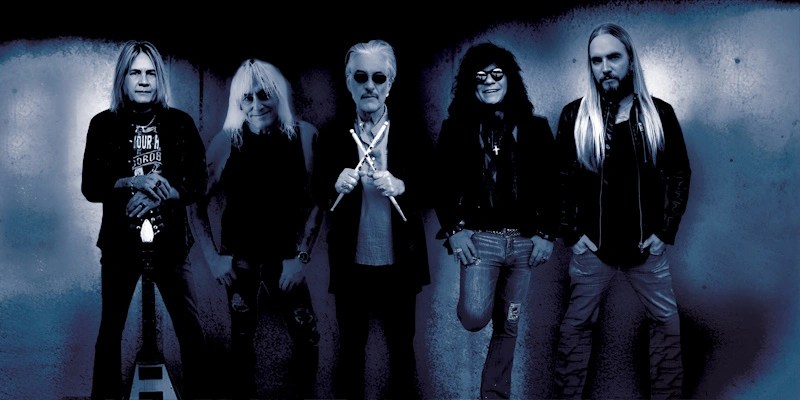
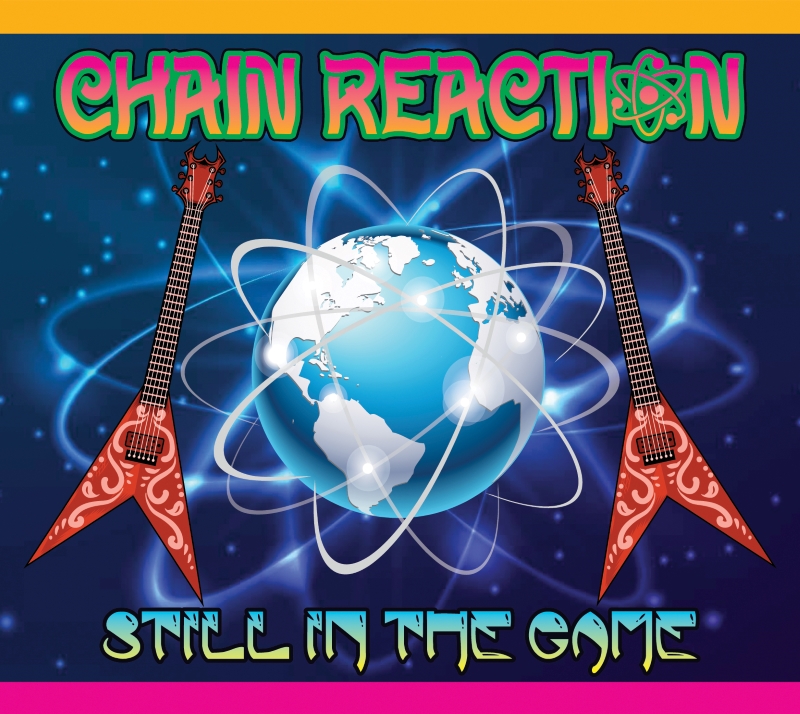
I first reviewed a Chain Reaction album 25 years ago. And, as the new album’s title suggests, these straight-up classic rockers are Still in the Game, writing fun, catchy songs and delivering them with gusto, definitely appealing to a classic rock audience. Of course, a nice byproduct of discovering Chain Reaction was getting to know vocalist-guitarist Eric Harabadian. We connected 25 years ago after I wrote a review about how kickass his band was, and Eric has written for my various publications ever since. So yeah, this is Blog contributor Eric’s band. Well, the guys in Chain Reaction – Bobby D (guitars, vocals), Eric Harabadian (lead vocals, guitars), Larry Fritzley (bass), and Jeff Phillips (drums) – still kick it, which is several steps up from simply being “still in the game.”

Chain Reaction – Still in the Game

image courtesy of Chain Reaction

To prove their mettle – metal? no, classic rock – Chain Reaction kicks off the first song, “Playmaker,” with a very AC/DC-like guitar riff. The song sports a rhythmic pace, a chorus that’ll have you anticipating the song title as you listen, and fun lyrics like “save the drama for your mama” that invite you listen closely for clever turns of phrase.

“Still in the Game,” the title track, is a classic-styled, rattling, jangly, mid-tempo classic rocker. The rhythm of the verses is likely to lull the listener into a steady-tempoed complacency before being jolted by the more insistent chorus; it’s an attention-maintaining trick used deftly by Chain Reaction in this never-too-old-to-rock anthem.

“In Our Own Image” has a peppier yet more sidewinding rhythm than the previous tracks. The vocal change of pace delivered early on during the lyrics “keep on, keep on lookin’ back” is one of the song’s many clever whiplashy tempo adjustments, which distract you from its thoughtful lyrics, requiring intentional listening to pay attention to the song’s thoughtful message. (Worry not, you’ll remember to pay closer attention next time.)

Chain Reaction

photo by Lisa Hagopian; photo courtesy of Chain Reaction

“American Son,” the penultimate track, is the most progressive rock-influenced song on this EP. The instrumentation is less dense than the previous cuts, while harmony vocals combine with the lyrics to craft an almost middle earth quest-like prog rock vibe.

Final track “Rumors of War” shows that Chain Reaction doesn’t shy away from difficult topics. The second-most proggy song on the EP, this would be a terrific rock ‘n roll entry for an issue-based anti-war compilation album with lyrics like “History has shown that when the tension’s overblown, it’s hard to see the forest for the trees.” Though not quite as memorable as Wyld Stallyns’ primary mantra, Chain Reaction, on this song seems to be imploring the world to “Chill out! And live in peace, dudes!”

As a whole, Still in the Game is raw and lightly produced, replicating the energy of a live Chain Reaction performance. It marks the first release in a quarter-century from one of metro Detroit’s finest classic rock acts, and it’s well worth the wait!

Looking Ahead

While this album showcases Chain Reaction’s capabilities as a live act, the band does not appear to currently have any live shows scheduled. But keep an eye on the “Live Shows” page of the band’s website and be sure to follow Chain Reaction on Facebook for the latest band news, including the announcement that the first video from this EP, for the title track “Still in the Game,” is soon to be released.

Album Review: Phil Jamieson – Somebody Else

Phil Jamieson

photo by Lindsay Moller Productions; photo courtesy of BJF Media

Album Review of Phil Jamieson: Somebody Else (Goldon Robot Records)

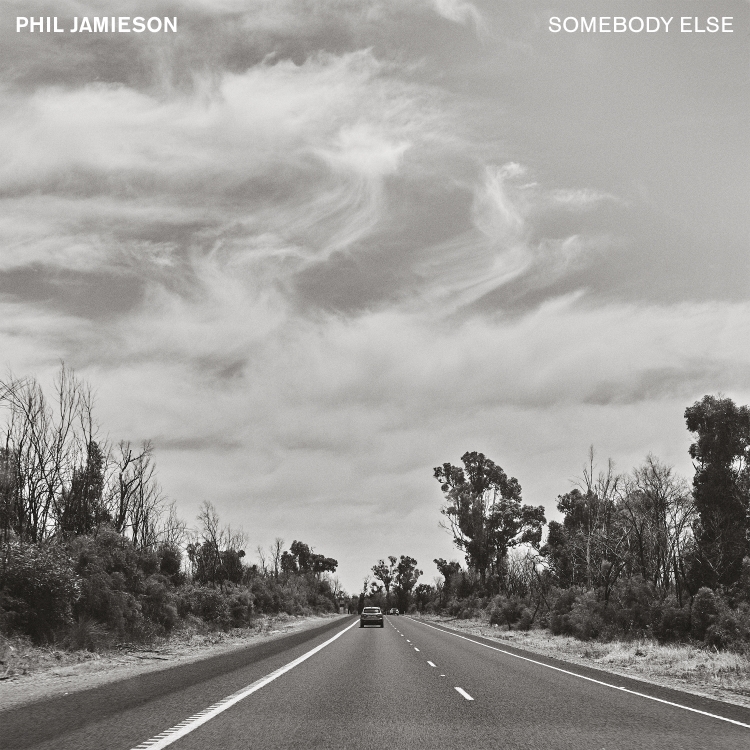
Sometimes I know from the beginning of the very first song that I am going to review an album. Even if the rest of the album was weak, I needed to tell you about the first song. Well, in the case of former Grinspoon frontman Phil Jamieson‘s Somebody Else, the opening number (the title track) was such a song, while the rest of the album is most certainly not weak, containing several other soon-to-be-favorites. In fact, it’s a cool, chaotic, moderate-paced, buzzy, mainstream-ish, classic alt-rock album with distorted guitar hooks and pop songwriting sensibilities.

Phil Jamieson – Somebody Else

image courtesy of BJF Media

“White Wedding”-era Billy Idol, Blondie, Duran Duran, The Cure – Phil Jamieson’s Somebody Else doesn’t sound like any of these bands. In fact, each of those artists I mentioned is farther from Phil’s sound than the one before. However, I wouldn’t be surprised to find Phil sharing a bill or a radio playlist with any of them. By the same token, I’d add bands like Green Day and Heart to that playlist, as well, to connect with the crisper side of the pop-friendly tunefulness in Phil’s sound. In the end, Somebody Else is simply an album of well-conceived rock songs, varying in style around an identifiable center, from the lead singer of a popular Australian rock band whose biggest hits were mostly two decades ago. That is to say, with Phil’s rock ‘n roll pedigree, it’s no great surprise that this is a good record.

Album-opening title track “Somebody Else” begins with a guitar buzz and a neatly-voiced call to arms, drawing the listener in before turning to into a classic, funky alt-rock number. Well-phrased vocals, a wall of sound that’s at-times static, some distant drums tapping, twangy guitars, and an insistent, driving vocal that holds everything together. The songwriting somehow corrals a seemingly disparate array of sounds into an engaging, catchy, memorable tsunami of sound and melody. Simply put, this song is oh, so very cool! By itself, worth the price of admission.

Phil Jamieson

photo by Ian Laidlaw; photo courtesy of BJF Media

But it doesn’t end there. The talented af Jamieson has many more tricks up his sleeve. “Trouble,” next, begins with his anguished, slow-building vocals leading to a distorted guitar-filled chorus. Then the song pauses, starts slow again, and builds toward the chorus. At this point, the album may remind you of Ryan and Pony’s Moshi Moshi, which I reviewed here, but on acid.

These songs all sound so familiar, and yet very original. “Lights On” sports a lot of distortion and buzz, but it also goes on these almost pop-soul runs that I swear I’ve heard somewhere before, but I can’t quite place from whom. It’s just a really wicked cool vibe with a defiantly youthful rock energy.

“Rebecca” could be a ’90s pop-rock hit. Low-fi tinny guitar strums keep time for Phil’s voice, which is the song’s real star. Meanwhile, the lyrics are so well-written that, after you’ve gotten past digging the sound and start digging into to the verses, you’ll enjoy the song on a higher level. For reference, this is the sort of song you might expect from an edgier Howard Jones.

Phil Jamieson

photo by Ian Laidlaw; photo courtesy of BJF Media

“Kapow!” is light and airy yet rebellious, sounding a bit like a U2 song but cheerful, quite probably thanks to the playful guitar line with just a smidgeon of punk rock distortion.

“YCBM” follows, opening with a haunting, Addams Family-ish tone, then develops into a statically ethereal, somewhat psychedelic number. (The chorus reveals the cryptic song title in the lyric “you could me mine.”)

“Rubberband” is jangly singer-songwriter fare, with an electronic buzz accompanying Phil’s sometimes cracking, hoarse vocal delivery.

Phil goes full-on haunting again to close the collection. “Little Pickle” features anguished vocals supported by a floatingly atmospheric, spacy soundbed.

Phil Jamieson

photo by Darren Chan; photo courtesy of BJF Media

And that’s it. Eight songs. One of the coolest albums you’ll hear this year. And, by that I don’t just mean that I enjoy the album. No, it seems like an album that’s too cool for you. An album so cool it’d wear sunglasses at night. And yet you’re being allowed to listen to it. But the music is so impressive and the songs are so memorable, you’ll forgive the album for its hubris.

Looking Ahead

If you scroll down to the “Tour Dates” section of Phil’s web page,  you’ll see that he’ll be touring extensively throughout Australia early next year, starting on Thursday, January 11th in Kings Beach and concluding on Sunday, February 11th in Longley. Catch him if you can.