Album Review: “Les Paul’s” (The Paul’s) – A Mile Until Dawn

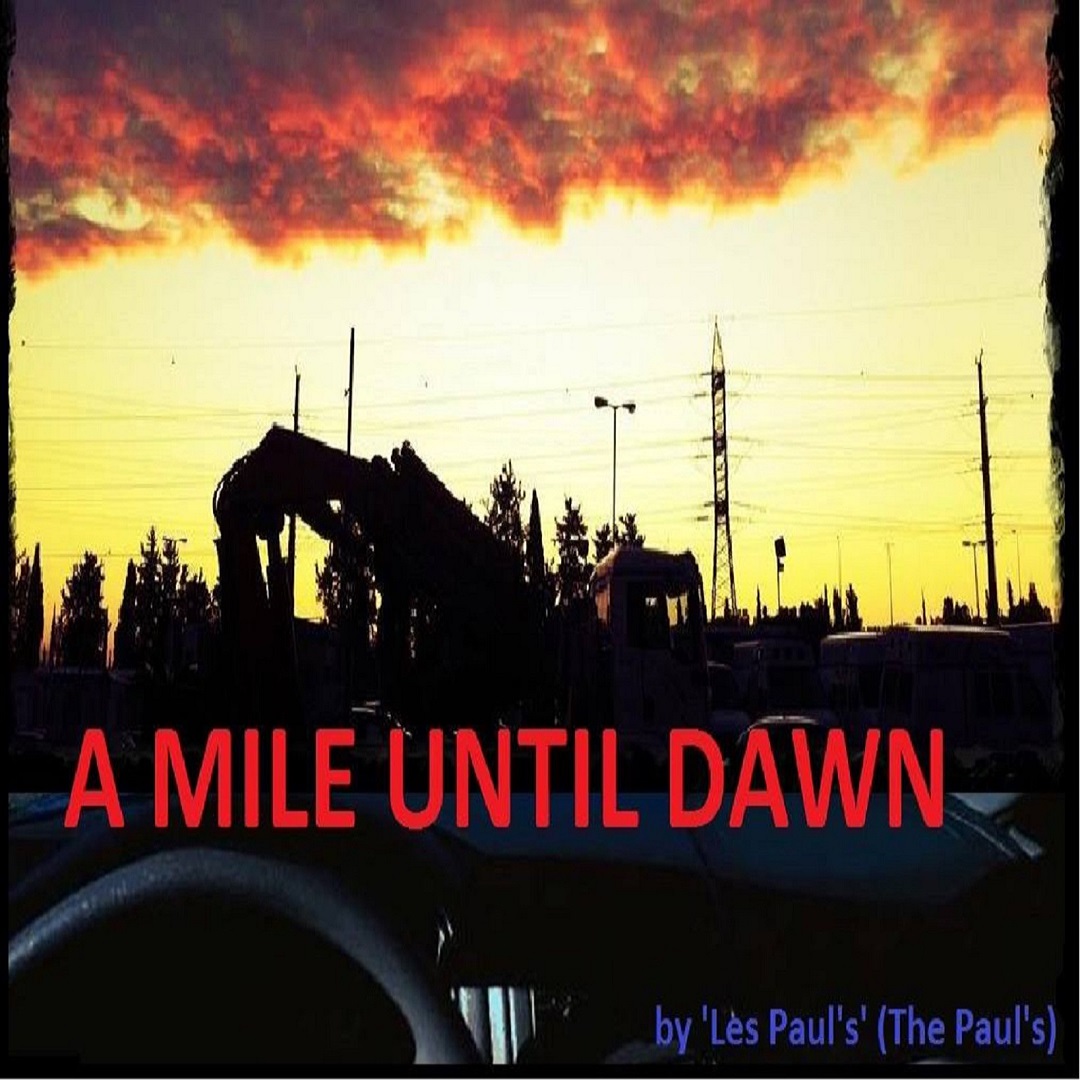
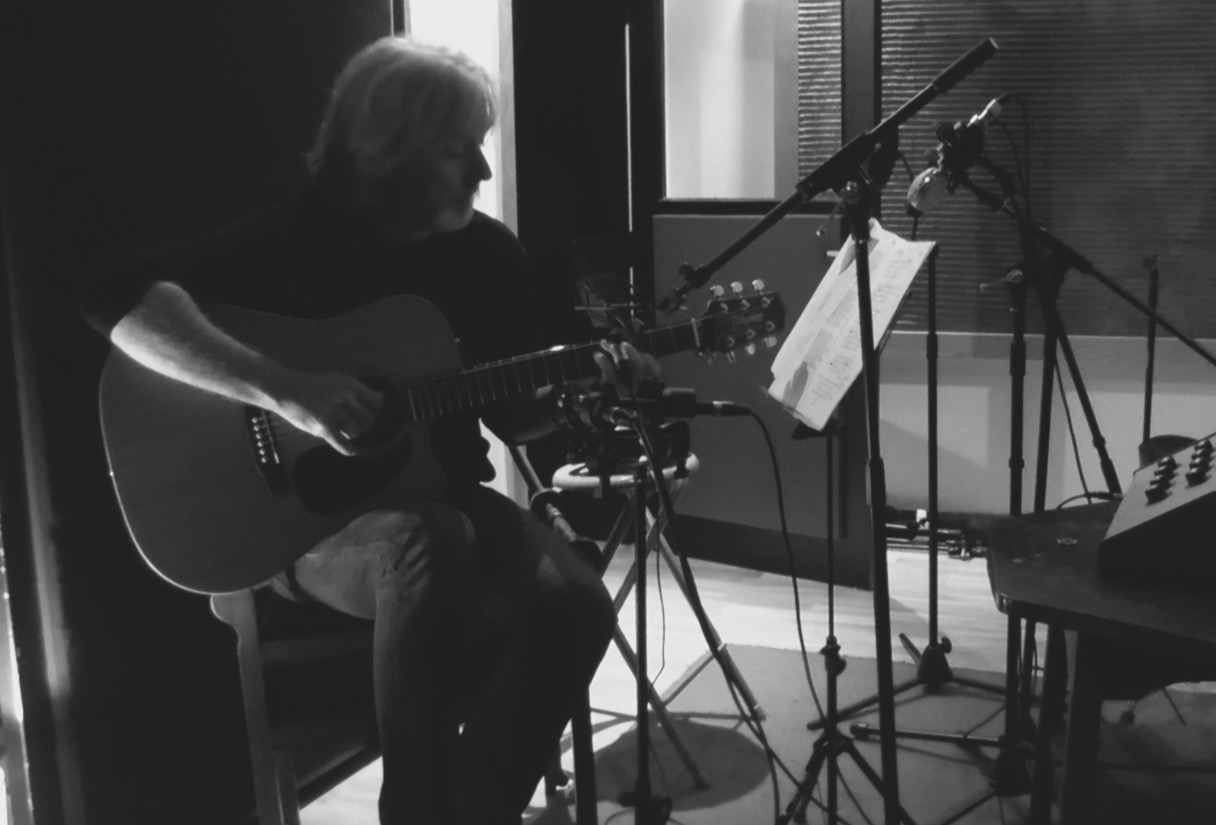
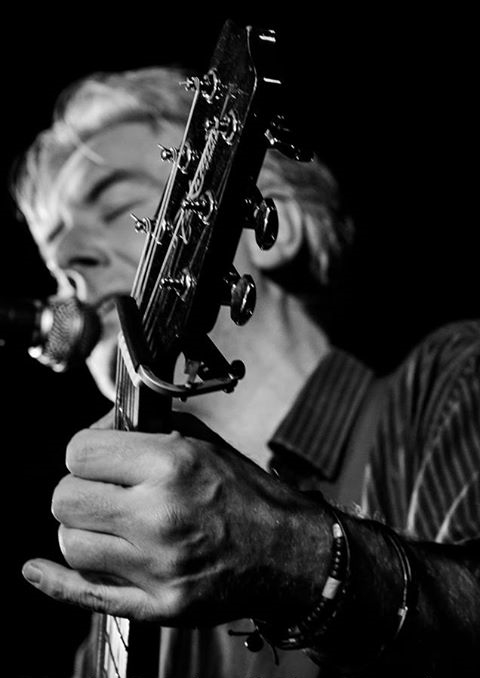
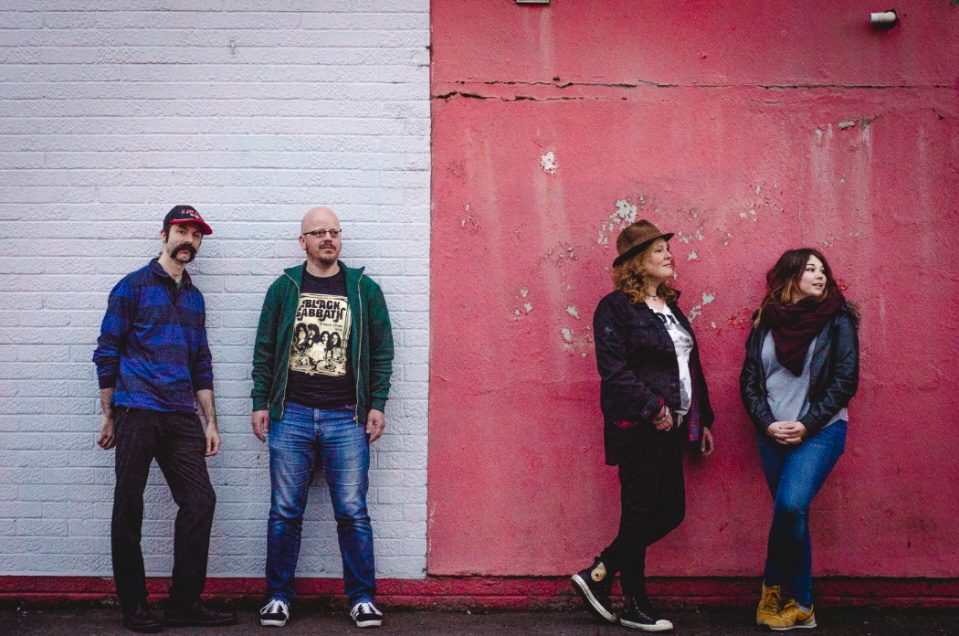
"Les Paul's" (The Paul's)

photo courtesy of Paul Robert Thomas

Album Review of “Les Paul’s” (The Paul’s): A Mile Until Dawn

As you may recall from when I reviewed their Night Worker album last summer, “Les Paul’s” (The Paul’s) are Paul Odiase and Paul Robert Thomas. The Pauls. That album, Night Worker, was an overt homage to David Bowie. A Mile Until Dawn is another mid-tempo, seventies rock-influenced disc, with a little broader range of influences. Still, though, my first comparison would be to Bowie, as the disc’s somewhat hauntingly stretched vocal and guitar lines clearly have their roots in that same ’70s prog rock neighborhood.

An inviting guitar intro kicks off the disc, providing the opening riffs to the medium-hard-driving “There’s Nothing New Under the Sun.” With a hooky riff, pop-inspired synth elements, and an engaging tempo, it provides a catchy kickoff of A Mile Until Dawn. The following track, “You Just Kiss and Tell,” continues along a similarly rockin’ pace, adding a little vocal, lyrical, and musical conflict to the mix.

"Les Paul's" (The Paul's) - A Mile Until Dawn

image courtesy of Paul Robert Thomas

Like any artistic envelope-pushing progressive rock disc, though, A Mile Until Dawn isn’t just a straightforward rocker. “A Thousand Eyes” adds an ethereal element with guitars dancing in the distant mist, or so it seems.

“Anna Frank,” meanwhile, takes a more foreboding tone, suited to its subject matter, as “Les Paul’s” (The Paul’s) prove again they’re willing to tackle heavy issues in their musical collections.

Personally, I’m a bit fond of the faster-tempoed numbers on this disc like the two album-openers and “I Knew You Once,” a bit danceable and rather memorable. Also, I’m struck by a couple tracks that show a bit of New Wave influence: “Don’t Kick Me When I’m Down,” which also sports a rather punk attitude, and ’80s synth-y “No Use Crying Over Spilt Milk,” which suggests to me something that might spring from a collaboration between David Bowie and A Flock of Seagulls. Both of these tracks have grown into personal favorites.

The two final songs, “You Screwed Me Up” and “You F-cked Me Up” are two versions of the same repetitive-heavy-beat-driven song, presumably one a more radio-friendly version of the other. This heavy-rhythm-driven, combatively low-to-mid-tempo power rocker pounds along beginning to end, a bit of a progressive jam-rock number that’ll have listeners banging their heads and mock-drumming as the album draws to a close.

As with the previous album of theirs I reviewed, “Les Paul’s” (The Paul’s) have delivered another disc of artistically progressive, classic rock-influenced rock ‘n roll, simultaneously familiar and envelope-pushing.

EP Review: Jimmy Lee Morris – Campervan

Jimmy Lee Morris

photo courtesy of Jimmy Lee Morris

by Eric Harabadian, Contributing Blogger

EP Review of Jimmy Lee Morris: Campervan (Automix Records)

Jimmy Lee Morris - Campervan

image courtesy of Jimmy Lee Morris

UK-based singer-songwriter Jimmy Lee Morris is a talented artist with no pretense. He writes songs that define the term “folk.” In other words, they are down to earth, and about people and relationships, with resonant melodies and memorable hooks. This four song EP Campervan is Morris’ latest and follows the 2016 album Wilderness Wood.

Jimmy Lee Morris has been crafting songs since the ‘80s, fronting bands such as Mojo Filter and The Collaborators. He’s worked with Pink Floyd producer Ron Geesin and has toured extensively throughout the UK and Denmark.

Jimmy Lee Morris

photo courtesy of Jimmy Lee Morris

With this current effort, Morris provides a lean and economical window into his creativity. “Campervan Song” opens the EP in a pleasant and forthright manner. This bears a well-thought-out melody with lyrics that address escape and the open road. It’s all about being self-reliant and throwing caution to the wind. Simply, the song states: “And here’s to the camper that never breaks down, and here’s to the journey it takes us upon, and wave to the others as we go along, it’s just you and me on the road.” And you get this traveling troubadour kind of feel too via Javier Forero’s driving percussion and Clare Lees’ light and billowy flute.

Bethan Lees

Bethan Lees; photo courtesy of Jimmy Lee Morris

Although Morris wrote all the material here no one could accuse him of being dictatorial or autocratic. Bethan Lees is a young and very special vocal chanteuse, and Morris is more than happy to place her in the spotlight on his beautiful tune “Amor Compartido (A Love We Share).” Bethan has an angelic and lilting soprano that sends this lovely song into stratospheric trajectory. It’s entirely sung in Spanish, and the rhythm section of Morris on acoustic guitar, along with Richard Leney’s lithe bass, Javier Forero’s percolating drums and producer Simon Scardanelli’s tasty lead guitar give this a brilliant salsa feel.

Jimmy Lee Morris

photo courtesy of Jimmy Lee Morris

“When I’m Gone” is a bluesy-flavored number with a classic Beatles-meets-Jim Croce kind of vibe. It’s a song about love and longing. Anyone that has ever been separated from their significant other or main squeeze for any length of time will certainly appreciate this. Phillipe Guyard chimes in with a wailing sax solo that really kicks.

The final selection in this brief, but fine, collection is another rootsy kind of tune called “Temptation.” As is Morris’ style, he is direct and to the point in the communication department. In this he sings: “I’m holding you, you’re holding me, I’m loving you and you’re loving me. We don’t need no complication, just give in to your temptation, stay with me.” This has a real down home feel courtesy of Morris’ mandolin and Duncan Campbell’s countrified Dobro.


Album Review: Hobo Chang – Beast

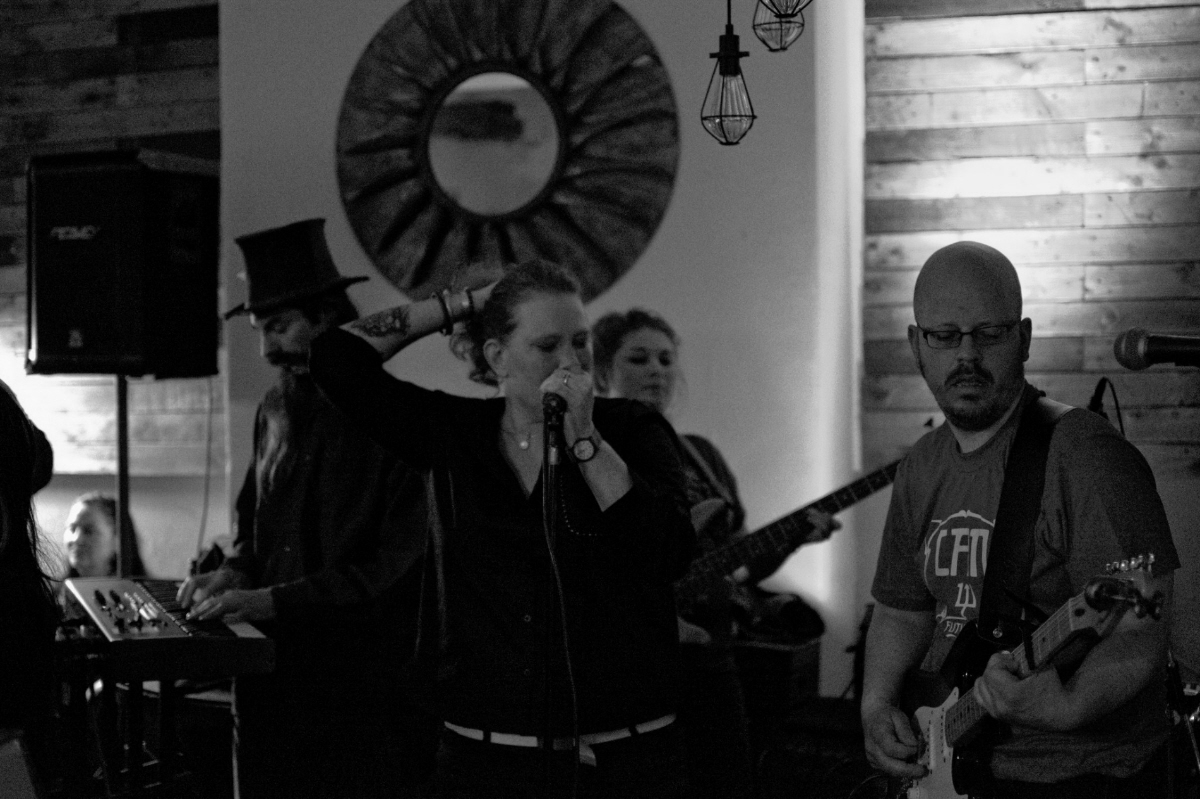
Hobo Chang

photo by Tom Eyers; photo courtesy of Hobo Chang

by James Morris, Contributing Blogger

Album Review of Hobo Chang: Beast

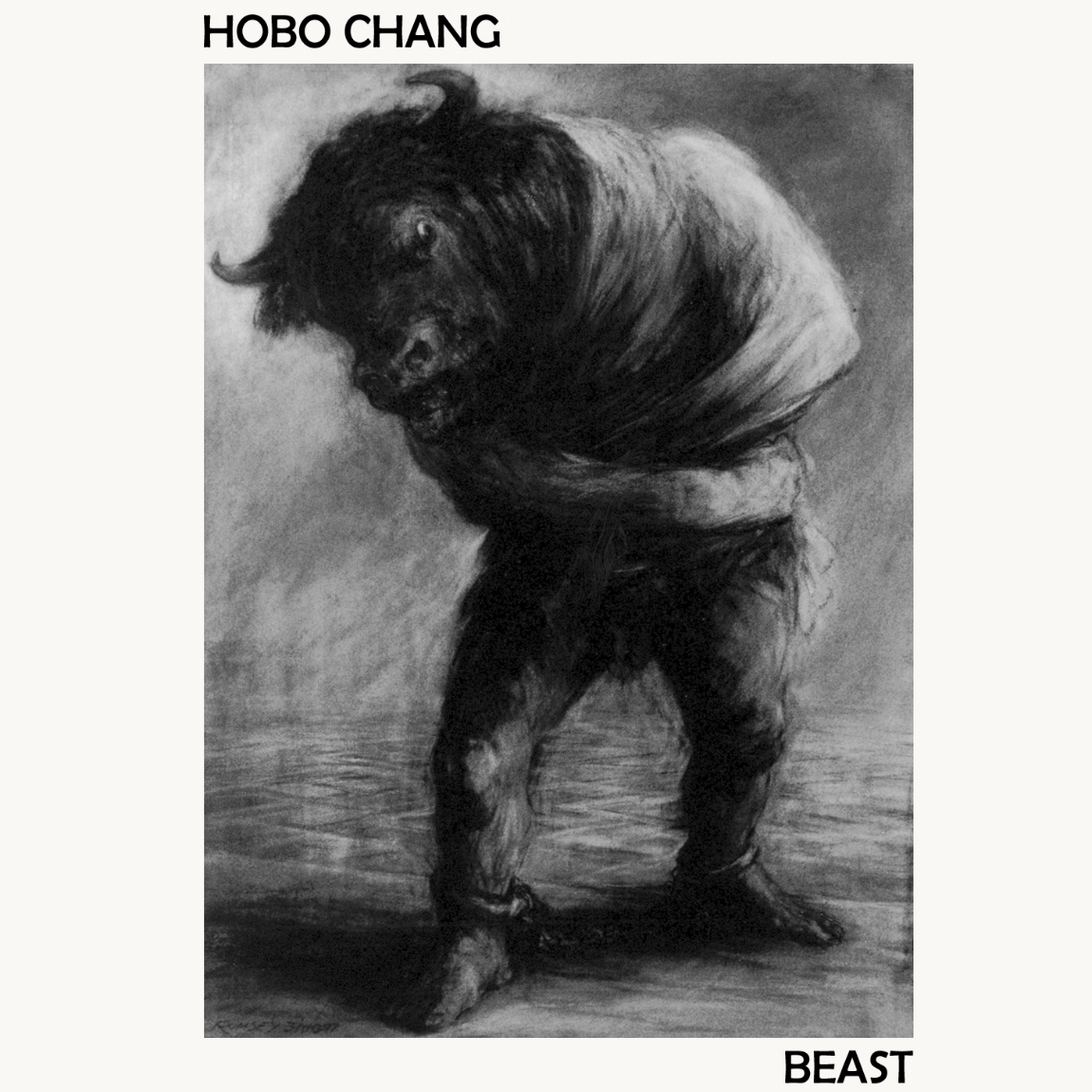
Hobo Chang - Beast

cover artwork by Paul Rumsey http://www.paulrumsey.co.uk/; image courtesy of Hobo Chang

Hobo Chang are a band from North East Essex in the UK and comprise of Fiona Harmon, Nick Munt, Phil Pain and Andrew Kearton. Together on this album release Beast, they have forged a sound like an illicit affair between ’70s prog rock and its snarling New Wave nemesis. There is a darkness and underground mood to the album. A swampy, lo-fi vibe creating a hypnotic and swirling sonic landscape with a vaguely disturbing mood that matches the album’s artwork of a struggling bull in a straight jacket. Fiona Harmon, the lead singer, has a voice that conjures up an intriguing crossover between Siouxsie Sioux, Dolores O’Riordan, and Cerys Matthews. Generally, the vocals are placed low in the mix and become a layer of texture within the music; an ethereal ambiance, like a sea washing against the shore. The band describe their sound as “a dark psychedelic funky train ride, experimental, apocalyptic and soulful with their roots in blues, jazz, reggae and the good bits of rock.”

Beast is a DIY approach to making albums. Only available as a download album through the band’s Bandcamp page, it is an indicator of the more accessible and modern way for bands to release and promote their music without the restricting, traditional expenses.

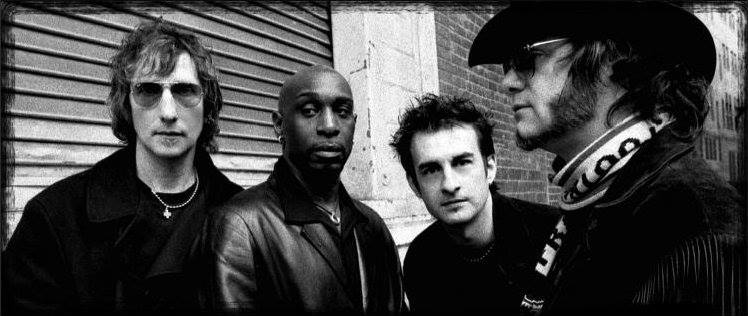
Hobo Chang

photo by Stuart Armitage; photo courtesy of Hobo Chang

The album is a dark, enveloping set of 10 songs. Not much light and shade within its tension, but I found it a fascinating listen and enjoyed the compelling journey of discovery. They have been getting many positive endorsements including musical poet John Cooper Clarke who said, “They’re a fantastic band, one of the great unsigned; I love them.”

You can catch the band live in the UK on the 28th May at Cosmic Puffin Festival or on 7th July at the 3 Wise Monkeys in Colchester. (Those are the dates currently listed on the “Gigs” page on Hobo Chang’s website; check back for others as they’re added.)

EP Review: Lillet Blanc – Lillet Blanc

Lillet Blanc

photo courtesy of Lillet Blanc

The Backstory

I discovered Lillet Blanc’s music while checking club listings (and sampling bands) to decide which live show to catch while in New York a few months ago. My final decision from among those I liked was based on time slot and neighborhood, so I went to a different gig that night. But Lillet Blanc’s EP was a free download, so I grabbed it, gave it some more listens, and decided it needed to be reviewed.

EP Review of Lillet Blanc: Lillet Blanc

Dream pop. Lillet Blanc’s Facebook page says “Lillet Blanc is the dream pop project of Emily Rawlings and Sean Camargo.” It’s jangly pop music with a floating, cloudy, dreamy film serving as a musical fog machine, residing in the same musical zip code as bands like Mazzy Star or Widowspeak but with Lillet Blanc’s offerings trending more out-of-focus and blurry, to the extent it’s possible for a kaleidoscope in or out of focus.

Lillet Blanc EP cover

image courtesy of Lillet Blanc

The first track of this eponymous 3-song EP (and, as I’ve written before, music journalists love reviewing self-titled collections because we get to use the word “eponymous”), “Foul Play” jumps right into the jangle, with the clean but slightly distorted guitar line reminding me a little of some of Amy & the Engine’s music. Even the breathy, kinda-squeaky (but not really), half-whispered vocal hints at a kinship, as if they might well share a stage. But Amy’s music is pure, catchy, mainstream pop-rock, while Lillet Blanc’s brand of pop is a bit much more ambient and “artsy.” Lillet Blanc’s entire style gives “Foul Play” a feeling of introspectiveness stronger than its lyrics warrant. In all, it’s a fun meander – I can’t call it a romp – through a well-performed song in an interesting, too-cool-for-it-all style.

Lillet Blanc

photo courtesy of Lillet Blanc

“Drenched” follows, a bit more atmospheric in nature. Or at least more dominantly atmospheric, much like the ethereal, eponymous 2013 EP of a now-defunct UK band I liked, Trophy Wife. “Drenched” seems to meander a little more drunkenly that the other two songs, its sound and vocal tone ever-so-slightly (though clearly intentionally) off-kilter. It serves as a nice midpoint in the collection.

The disc closes with a movement back toward the awakened side of dream-pop, with a couple catchy, subtle guitar hooks carrying the load during “Now and Yours.” There’s almost a hint of The Police’s early work in rhythms that occasionally bubble to the surface. Of the EP’s three tracks, this might reach most beyond the band’s core audience, serving as a good introduction to attract fans who might not otherwise typically sample their music. It caps off a solid collection of songs, an intriguing introduction to Lillet Blanc. I’ll be curious to see how this group’s sound and songwriting evolve from here.

Looking Ahead

Lillet Blanc will be performing Wednesday, May 24th at The Gateway in Brooklyn. Follow Lillet Blanc’s Facebook page to be alerted to future performances.


Album Review: Matt North – Above Ground Fools

Matt North

photo by Angelina Castillo; photo courtesy of Howlin’ Wuelf Media

Album Review of Matt North: Above Ground Fools (Round Badge Records)

Old-school. Or timeless. Probably more of the latter, as Matt North‘s music has a modern alt-rock attitude rooted in folky, songwriting-focused music styles of the past. Above Ground Fools won’t be mistaken for a “new country” album or a “cutting-edge rock” album. Rather, there is simply plenty of catchy, memorable, fun music on this disc that should appeal to anyone who enjoys a good song that’s well-delivered.

Indeed, Matt knows his way around song, drawing in the listener by telling bits of stories, filling them musically with rich, lush sound and, of course, a driving, engaging rhythm – he is a drummer, after all – and topping them off with a rough-edged voice equal parts outlaw country and gritty rock ‘n roll with a quirky streak. On honky-tonk-ish, rollicking “Seventeen Days,” that quirk sounds a bit David Byrne-esque, while it can add earnestness to a swaying, more serious-feeling, introspective, nostalgic crooner like “Cronkite and Cosell.”

Matt North - Above Ground Fools

image courtesy of Howlin’ Wuelf Media

But the catchiness – the sense that you, as a listener, have stumbled across something you’re really going to enjoy – starts at the very beginning with the musically unique intro to “A Good Day in Nashville.” The song itself is an up-tempo mover-and-shaker that chronicles the adjusted vision of what passes for ordinary in Nashville. A fun romp, musically and lyrically, from a man who’s familiar with the topic, simply telling it like it is.

Truth be told, I sing along to most of the songs on this album now; there’s nary a weak spot. I howl along to “No Hard Feelings.” I shimmy along with the frenetic energy and clever lyrical rhymes of “Miss Communication.” And I feign a little rock ‘n roll strut as I sign along with the slight staccato and harsh vocal edges in “I Sold It All.” The album is one cohesive country-tinged rock ‘n roll styled canvas but is painted with broad-stroked songwriting variety. That’s how Matt has crafted Above Ground Fools to be an album with staying power.

The record closes with a couple of my favorite tunes, the eminently playful “Badgering the Witness” and the ’90s loud-yet-jangly pop-rock styled “Come Here Go Away.”

After a couple dozen listens to Above Ground Fools, it’s clear Matt North is your surprisingly cool neighbor who’s mostly normal but sports a hidden quirky streak. You’re not quite sure if it’s snark or sarcasm, but you’re pretty sure he’s not serious. You think. And he makes a damn good record.

Album Review: Alissa Musto – What We Saw From the Piano Bar

Alissa Musto

photo courtesy of Alissa Musto

Album Review of Alissa Musto: What We Saw From the Piano Bar

Alissa Musto is an impressive singer, songwriter, and pianist, a rising star whose music appeals to those with tastes ranging from jazz to pop to singer-songwriter fare. I first encountered Alissa back in January, and I reviewed one of her gigs here. But that performance was tailored specifically to the space in which she was performing. An album provides an artist the opportunity to paint with a broader brush than in a venue-targeted set list, to cover more ground. While still a cohesive whole, it’s able shine a light on a performer’s talent from many angles. And, indeed, that’s what Alissa’s What We Saw From the Piano Bar does. It spotlights her singing talent – the many shades of her gravel-driven, emotional vocals. It showcases her songwriting talent – her ability to choose precisely appropriate lyrics to paint images. It highlights Alissa’s sophisticated, thoughtful approach to the album’s youthful subject matter appropriate to the college-age period during which the songs were written and recorded. And it highlights her musicianship – the ivory-tickling skills that allow her to infuse a jazz foundation into an original popular music album that should appeal to music fans while impressing musicians.

Alissa Musto - What We Saw from the Piano Bar

image courtesy of Alissa Musto

Right from the start, Alissa hits you with a tuneful melody and full, gravelly vocal passion on the attention-grabbing “Black Flak.” The emotional intensity of this song draws you in, relaxes a bit to let you breathe, and then reels you back in. And, of course, the lyrics and song title require, for those of us unaware but with a bit of intellectual curiosity, a Google search that yields the poem that inspired the lyrics. It’s the ideal album-starter, since it’s a serious, powerful song that immediately establishes Alissa’s musical street-cred, affording her the latitude to easily mix in a little more fun in some of the subsequent songs. And it’s a catchy song that’s single material, too, likely to become some listeners’ favorite.

My personal favorites rotate among at least a half of this collection, as I’ve given this disc dozens of listens, and they vary by my mood. Seemingly autobiographical, Alissa’s tunes clearly draw upon personal experiences, and like any good singer-songwriter, she delivers them with such emotion it’s hard to tell where real-life experience gives way to creative license.

Alissa Musto

photo courtesy of Alissa Musto

Besides “Black Flak,” my other immediate favorite was “Brovada,” a swingy, swanky, attitude-filled, energetic piano bar-styled ditty that stylistically recalls for me just a hint of Piano Man-era Billy Joel. Just a hint, though. This song is all Alissa Musto. A modern combination of swagger, sophistication, and humility.

“Palace,” meanwhile, rises and falls, soaring with power and crashing like an ocean. It’s a terrific example of Alissa’s utilization of gravelly vocals to emotional effect. The subtly song-driving piano line, smooth strings (those are strings, right?), and Alissa’s engaging vocals on songs like “Palace,” though, can cause you to forget to listen to the lyrics. But, at least sometimes, try to remember to listen to the words because, whether reminiscent, thought-provoking, or something in-between, the lyrics are always worth listening to.

Though it seems like the entire album is softer paced, as the disc has a pleasant, warm feel, appropriate for an evening of contemplation in front of a roaring fire, there are ample tempo and energy changes. Following “Palace” with “Kids at the Bar” is one such energy spike. “Kids” is a fun, energetic tale of being young, ambitious… and out for a night at the bar. Though specifically written to Alissa’s own circumstance (or a creatively-adjusted version thereof), the theme should ring true across ambition, gender, and (unless you’ve given up on life altogether) age.

Alissa Musto

photo by Geoff Wilbur

Other songs draw upon different influences or offer new spins on some of the same. “Pictures” has a rich vocal jazz flavor and a lyric line that engages beginning-to-end, while “Freedom” showcases some more drawn-out, richer vocals mixed in with Alissa’s immediately-identifiable gravelly voice, and it’s highlighted by such a soaring power that you’d have to be detached if you don’t simultaneously feel life’s struggles and a surge of patriotism as Alissa explores co-existing forms of “freedom” in her lyrics.

Finally, of note, the album closes with “Temporary Dreams,” another of my favorites. It’s a bit mellow in spite of its interesting keywork and emotional vocals, guiding the album down musically for a pleasant, soft landing.

In the end, it’s clear after a few (dozen) listens to What We Saw From the Piano Bar that Alissa Musto is a young performer you absolutely owe it to yourself to get to know. She has a unique mix of talent and persona, a certain je ne sais quoi that makes her stand out in a musical crowd, and I’d love to one day see her command the audience while headlining a concert hall or arena tour.

Alissa Musto

photo courtesy of Alissa Musto

For now, though, take this opportunity discover her music, check out her latest album, and relish the ability to see her perform in the smaller, more intimate settings she’s currently playing. So yes, check her out initially because you’re curious about what the current, reigning Miss Massachusetts sounds like, if that’s what it takes to get your attention. Or because you wonder what became of New England’s homegrown America’s Most Talented Kids pianist this many years later if you caught Alissa’s age-nine TV performance “back in the day.” Really, regardless of why you give her that first listen, you’ll keep listening to this exceptional singer-songwriter-pianist.

At just the beginning of her career, I can only imagine how her sound will evolve. I am confident her songwriting and performing will evolve, as all talented, ambitious artists do throughout their careers. In any case, I look forward to enjoying hearing that evolution. And getting out to another live gig sometime soon.

If you’re in New England, be sure to find your way to one of Alissa’s performances. As noted on her website, she performs Thursdays 6:00-8:00 PM at the Renaissance Hotel Patriot Place in Foxboro, MA, Fridays 6:30-10:00 PM at Tavolo in Providence, RI, and Saturdays 8:00 PM-midnight at Jacob Wirth in Boston.

Postscript

I’d also urge you to learn about Alissa’s charity, Changing Keys, which helps provide pianos to schools and community centers.

Album Review: The Sweetest Condition – We Defy Oblivion

The Sweetest Condition

photo courtesy of The Sweetest Condition

Album Review of The Sweetest Condition: We Defy Oblivion

I don’t have a lot of industrial synth-pop in my collection, but I’m not oblivious to originality and talent. Last spring, I reviewed The Sweetest Condition’s Edge of the World, gushing over its tight songwriting, tunefulness, power, and crossover appeal. Well, with We Defy Oblivion, Leslie Irene Benson and Jason Reed Milner have done it again.

The Sweetest Condition - We Defy Oblivion

image courtesy of The Sweetest Condition

There’s an interesting progression between albums. We Defy Oblivion, definitely dwells in a heavier neighborhood, with fewer forays toward the pop edge of The Sweetest Condition’s range. Again, though, the duo finds the monster hook in otherwise industrial pop. Leslie’s voice remains expressive and booming, when necessary, while tightly adhering to the songs’ requirements, resulting in genre-adhering music that can easily reach ears beyond its usual core audience.

Leslie Irene Benson

Jason Reed Milner; photo courtesy of The Sweetest Condition

In “Knock Us Down,” for example, the vocals are exceptionally staccato but their warmth keeps them from sounding inhuman, as can be the risk in this sort of musical cocktail. That particular song also sports a hypnotic synth rhythm and well-placed, not-too-simple drumbeat. The attention to detail includes thicker-and-thinner variations to the wall-of-synth theme buoyed by well-patterned song progressions. “Knock Us Down” is a microcosm of what The Sweetest Condition does best, which is why I mention it first, and it’s a catchy track, but it’s not necessarily even one of my favorites.

Leslie Irene Benson

Leslie Irene Benson; photo courtesy of The Sweetest Condition

For pure industrial synth, the album opens strong with “Deconstructing,” with a recurring pop rhythm (which usefully moves between different positions on the keys) before the song bursts forth into its chorus. This song, in its chorus, is one of the few locations on We Defy Oblivion in which I can draw the Madonna comparison to Leslie’s vocals; it was more common on the previous album. Again, not necessarily a typical vocal capability among industrial synth-pop singers, but it speaks to the breadth of The Sweetest Condition’s musical toolbox.

The Sweetest Condition

photo courtesy of The Sweetest Condition

Ah, but I promised you favorites. And the two cuts that reach farthest into my crossover-enjoying brain are “Faithless” and “Vices.” “Faithless” supports a hypnotically straightforward yet occasionally emotional vocal – and it’s the emotional infrequency that allows it to stand out so much – with a steady, catchy synth sequence.

“Vices,” meanwhile, utilizes another ear-catching, yet different, primary key sequence during the verses that explodes into the chorus. The music seems a bit edgy at times, building tension in the verses that releases powerfully during the chorus. It’s tied together with more emotional vocals, following the same pattern of tension and release. In this well-written, hooky song, the music itself is more suggestive than the lyrics.

The Sweetest Condition

photo courtesy of The Sweetest Condition

The most all-out energy on this album likely comes in “Keep Turning Me On,” a full-on, fast-tempo, potential dance club-pleaser that will leave the listener breathless after a single listen. I can only imagine the dance-floor carnage. The song before it, “Knock Us Down,” for which TSC has a video, is just as relentless, but insists at a more manageable medium-fast tempo.

Perhaps the poppiest, most mainstream track on We Defy Oblivion is “Depths Of Hell,” not that the lyrics would suggest a softening.

The Sweetest Condition

photo courtesy of The Sweetest Condition

A bit rougher but also memorable is the song “Nein Nein Nein.” The English-language verses suggest a rather rough evening to begin with, while the chorus implores “Ich will mehr, aber du sagst nein.” It’s supported by a stripped-down, rough-edged music bed befitting the lyrics.

Disc-ender “Unforgiven,” meanwhile, attempts to return the listener to a stable state. It’s a solid number, steadier than its immediate predecessor, and more traditionally, purely emotionally dark.

Once again, The Sweetest Condition delivers a solid collection of songs, a disc that will undoubtedly contain a few new favorites, if this is your genre. And an album that might surprise you if this isn’t. Personally, after how impressed I had been by Edge of the World, the bar for its follow-up was set exceptionally high, but with We Defy Oblivion Jason and Leslie have delivered an album that meets my unreasonably high expectations. It’s a helluva disc. I feel almost greedy for wondering what comes next.

Album Review: Matt Jaffe & The Distractions – California’s Burning

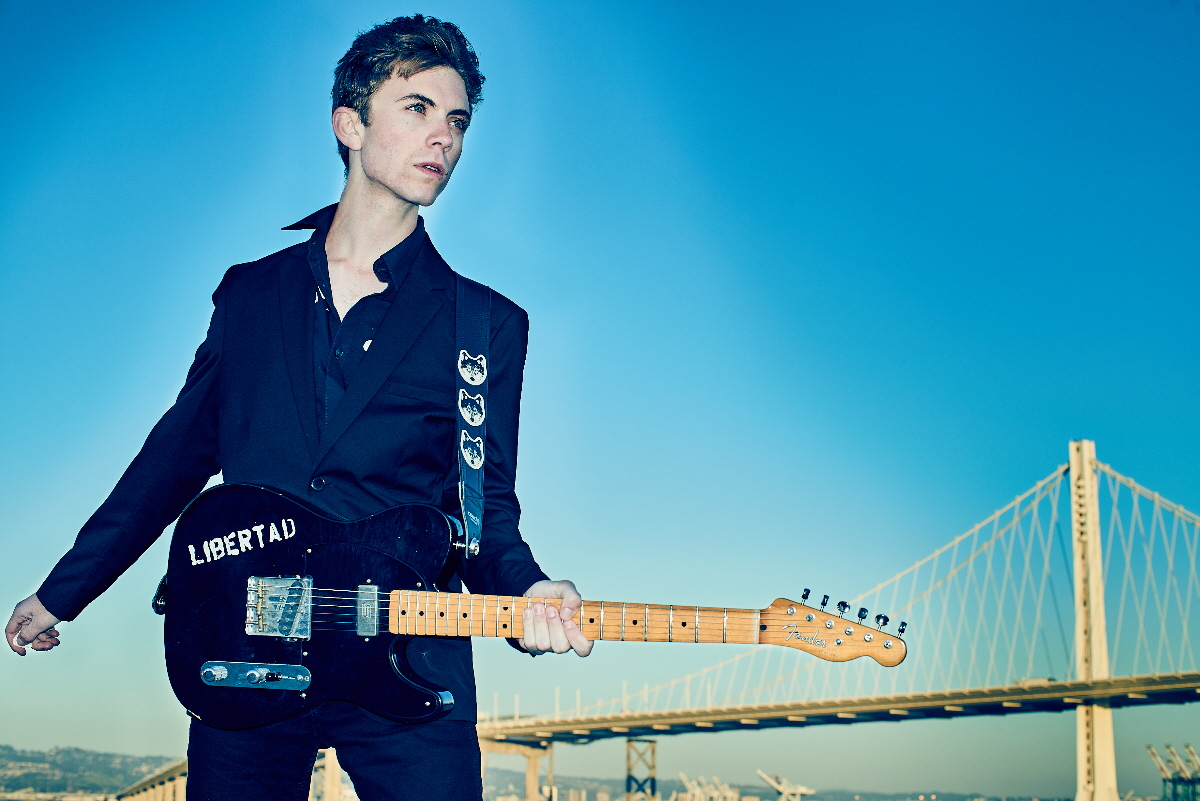
Matt Jaffe

photo by Edward Saenz; photo courtesy of Shore Fire Media

by Eric Harabadian, Contributing Blogger

Album Review of Matt Jaffe & The Distractions: California’s Burning

Hot off the heels of his Blast Off EP, San Francisco-based Matt Jaffe returns with a full-length collection of molten-tinged rock and roll. On his debut release, Jaffe was barely out of his teens yet brought a rich and studied new-wave energy to the table that reached way beyond his years. With California’s Burning, the 22-year-old Fender axeslinger/singer-songwriter returns with a brand new autobiographically-inspired concept and vision. As the story goes, Jaffe attended college on the East Coast, and, after being away for an extended period and then returning home, he took notice of the differences between the two coasts. There is obviously a rich and storied history of California—from its depictions in movies to topography and colorful characters—that all play a part in the narrative of his latest project.

Matt Jaffe & the Distractions - California's Burning

image courtesy of Shore Fire Media

Right out of the gate, your ears are under pleasant assault from the heavily syncopated “Love is Just a Drug.” Its catchy riffs, hooks and harmonies envelop your senses and may even get you up on the dance floor as well. “Wander No More” continues in an up-tempo manner, with a barnburner of a tune. This has an urgent Robert Gordon-meets-Blasters feel that features great guitarwork between Jaffe and fellow Distraction Adam Nash. “Fire on the Freeway” is kind of a country/blues mesh where you can feel the scorching heat from the leader’s Telecaster attack. Jaffe sings of “burning across the western plain” rife with rockabilly passion and paranoid imagery. “Hellhounds of Alcatraz” displays a lot of fancy lead playing augmented by very vivid and cinematic lyrics and propulsive grooves. Each track seems to play like a mini-novella in a way, and this tune seems to dabble in mystery, intrigue and Hitchcock-like suspense.

Matt Jaffe

photo by Edward Saenz; photo courtesy of Shore Fire Media

“I Wanna Be Cruel” offers a breather in the form of a ‘50s/’60s type ballad. Here Jaffe shows his more sensitive side that appears an homage to both Elvii—Presley and Costello. “Write a Song About Me” picks up the pace again and has all the earnestness and punk rock bravado of southern California rockers John Doe and X. Once that stick of dynamite is lit, there is no turning back, with the runaway freight train that is “Locomotive Lightning.” This is a song that observes a look beyond Los Angeles and takes in the whole western coastline. This is controlled chaos, with enough crazy rhythms and shifting tempos to challenge the most accomplished mosh pit aficionado. Other highlights include the aforementioned Costello-like pop and sizzle of “Baby’s On a Bender,” the acoustic pairing with backing vocalist Christina Alvarado on “Red Snow,” and his impressive and faithful take on Johnny Cash, with “Folsom Prison Blues.”

In Jaffe’s own words, “ We wanted to make a record that sounds like the records we like; one that sounds like the music that turns us on, with buzzsaw guitars and whiplash drums. Dials at eleven. Forget the polish and forget the shine. Nothing between us and your ears. California’s Burning, so come and join us right here in the hot seat.” Kind of sums it up, doesn’t it!?

Album Review: Robb Roy – Well, There You Have It

Robb Roy

photo by Kim Simms; photo courtesy of Robb Roy

by Eric Harabadian, Contributing Blogger

Album Review of Robb Roy: Well, There You Have It (Pure Recordings)

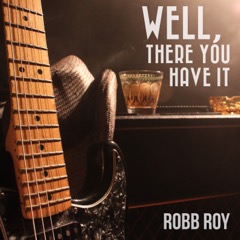
Robb Roy - Well, There You Have It

cover photo by Hillary Nash; image courtesy of Robb Roy

This is the fifth studio release by Detroit area alternative rockers Robb Roy. After an extended hiatus, to say it has been highly anticipated would be somewhat of an understatement. This dynamic and well-versed quartet always maintained a fervent fan base, and this new release should certainly satiate the faithful. This album features six new songs and four previously unreleased ones from their heralded past. While it is one of their strongest efforts to date, it was produced with a heavy heart in light of the passing of long-time guitarist Michael Kudreiko in 2016. But, make no mistake, Mike’s presence is all over this record, and it is a shining swansong by him, as well as a fitting tribute, indeed!

Robb Roy

photo by Kim Simms; photo courtesy of Robb Roy

At the helm for well over 30 years, lead vocalist and frontman Graham Strachan is in fine voice and partners most ably with fellow RR regulars John Cottos on bass, additional guitars, and backup vocals as well as the mighty Duane Huff on drums.

The album begins with what sounds like the crackle of a turntable needle on a phonograph record. Strachan has all the charisma and poise of a rock ‘n roll preacher as he spins a tale of “The Cure”’s musical baptism and salvation. “I can’t be saved till I’m cured,” he sings and, with that, begins a new chapter in the storied Robb Roy saga. That’s followed by a rousing tribute to a musician’s life, with “Stayin’ Up All Night.” This has a rough and tumble blues feel that kind of recalls early Peter Green-influenced Fleetwood Mac mixed with a smattering of Bad Company.

Robb Roy

photo by Kim Simms; photo courtesy of Robb Roy

The songwriting is diverse and multi-layered and this is never more evident than on the lovely “Let Love Show You the Way Home.” Strachan is joined by guest vocalist Gia Warner, and their interplay is magical. There is a great sing-along chorus that will resonate with you for a long time.

“Safety” is a song that had been sitting on the shelf for a while and was revived with new lyrics by Strachan and production assistance from veteran producer Chuck Alkazian. It is a ballad dedicated to Kudreiko’s family and features a sense of poetry and emotion rarely touched on in contemporary pop anymore.

“Half of a Broken Heart” is atmospheric and epic in sound and substance. It’s a great tale by Strachan about true love and connection—romantic or otherwise. “Hopelessly With Her” is yet another love song for grownups. Strachan challenges the various games people play in the ways in which they deal with each other. Questioning their ulterior motives he asks “If this is love then why do we make each other cry? If this is love shouldn’t we be happier?” Warner again joins in and makes this song a standout.

Robb Roy

photo by Kim Simms; photo courtesy of Robb Roy

“Song 86” follows and is a rally cry in the spirit of classic bands like The Alarm or Big Country, and “Brand New Day” keeps that up tempo vibe going, with an urge to making changes and adopting new ideas.

With, perhaps, a page from the U2 play book, Strachan crafts a like-minded anthem in “Never Change.” It is dynamic, with Huff’s metronomic precision underpinning a plea to hold onto innocence, civility, and, it appears, a sense of the past. The album concludes on an odd and mysterious note, with a track called “Skunk Hollow.” This is kind of a strange and surreal trip chock full of voodoo energy and ominous visions.

Robb Roy

photo by Kim Simms; photo courtesy of Robb Roy

In addition to the core members of Robb Roy, producer Alkazian plays keyboards as do Kid Rock’s piano man Jimmie Bones and organist Pat Brennan. Ultimately, Robb Roy is a band that has weathered many changes and challenges in its 30-plus year existence. From the richness and articulation of Strachan’s delivery to the impeccable playing and sterling production, this is a veteran band that proves, despite some hard knocks, they still remain steadfast and committed to their values and collective vision. Well… there you have it!


Album Review: Eliza Neals – 10,000 Feet Below

Eliza Neals

photo by Jane Cassisi; photo courtesy of Frank Roszak Promotions

by Eric Harabadian, Contributing Blogger

Album Review of Eliza Neals: 10,000 Feet Below (E-H Records)

The “Detroit Diva” returns with this strong follow up to her critically-acclaimed album Breaking and Entering. That previous release made a bold transition from her bluesy soul and R&B rep to more of a harder blues/rock style. With 10,000 Feet Below, Eliza Neals continues on that path by honing an even more defined vision of her craft. She is aided by frequent collaborator and award-winning guitarist Howard Glazer. But really she’s got some of the best musicians from Detroit, New Jersey and Nashville throwing down on this no holds barred collection of original Neals-penned gems.

Eliza Neals - 10,000 Feet Below

image courtesy of Frank Roszak Promotions

The album begins with an ode to a slick street-smart hustler named “Cleotus.” Right away, Neals and Glazer establish homage to the acoustic blues tradition with a simple but powerful pairing of soulful vocals and searing Dobro slide guitar. Neals delivers a tale that is compelling and chilling. “Another Lifetime” is currently blowing up on Sirius XM radio and for good reason. It’s a slow smoldering kind of blues that spins a yarn of lost love, again ignited by Glazer’s sensitive guitar licks. “Burn the Tent Down” is an incendiary mid-tempo rocker that has single written all over it. It’s a good time tune about southern barbecues and kicking that party vibe loose. Here Neals employs some of her considerable vocal skills as her multiple backups weave in and out in a most effective way. The title track “10,000 Feet Below” begins with Neals bellowing “Just got back from hell.” And then it’s all fire and brimstone from there! She has a way of really connecting words and feelings. You really feel her passion, which is further supported by her subtle piano stylings and Glazer’s tasteful electric fills. “You Ain’t My Dog No More” is kind of gimmicky but works in a novel sort of way. It’s just a fun Muddy Waters-like romp where Neals scolds her man for not treating her right; “No more treats”… indeed!

Eliza Neals

photo by Jane Cassisi; photo courtesy of Frank Roszak Promotions

At this juncture the “Detroit Diva” takes a break and delves into ballad territory with a sweet tune called “Cold Cold Night.” This features Paul Nelson on lead acoustic guitar. The song has a Stevie Nicks/Ellen McIllwaine sensibility to it. Neals can do a lot of amazing things with her voice, and this tune is a prime example of her melodic depth and range. That’s followed by the album’s sole cover tune in Skip James’ haunting “Hard Killing Floor.” The trio of Neals on keyboards, Glazer’s howling fills and drummer Demarcus Sumter’s spare accompaniment is meditative and riveting. “Call Me Moonshine” is another traditional sounding I-IV-V blues shaker that creeps along via Glazer’s sly turnarounds and Neal’s velvety Hammond B3 work. “Downhill on a Rocket” follows and is kind of a dark minor piece. The swampy New Orleans feel is further proffered by Neals’ line “Voodoo woman with a cross in her hand.” When she sings stuff like that it’s not just some line-reading off a corny script. She means business! The album concludes with another straight-ahead country blues track, “Merle Dixon,” and an atmospheric duet with legendary guitarist Billy Davis called “At the Crossroads.” Davis cut his teeth with classic artists like Jackie Wilson and Hank Ballard and the Midnighters. He brings that veteran Motor City poise and mojo for a performance that appropriately puts the cap on this essential set of tunes.
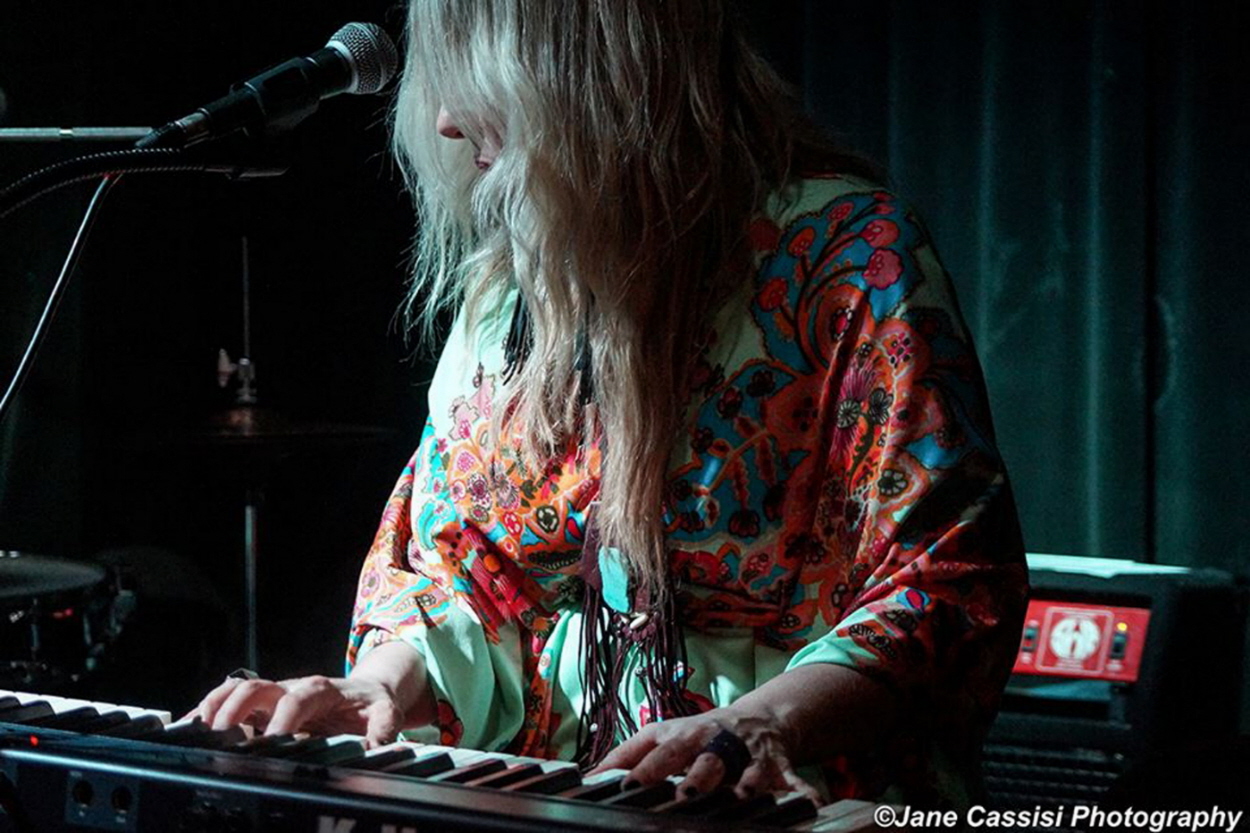
Eliza Neals and her various musical co-horts she affectionately dubs “The Narcotics” (duly named because “they are dope!”) have done it again. Her hot and sultry brand of blues is for real, with enough radio-ready punch and songwriting savvy to break through modern media platforms in a big way. Look out!