Album Review: Jeff Kollman – East of Heaven

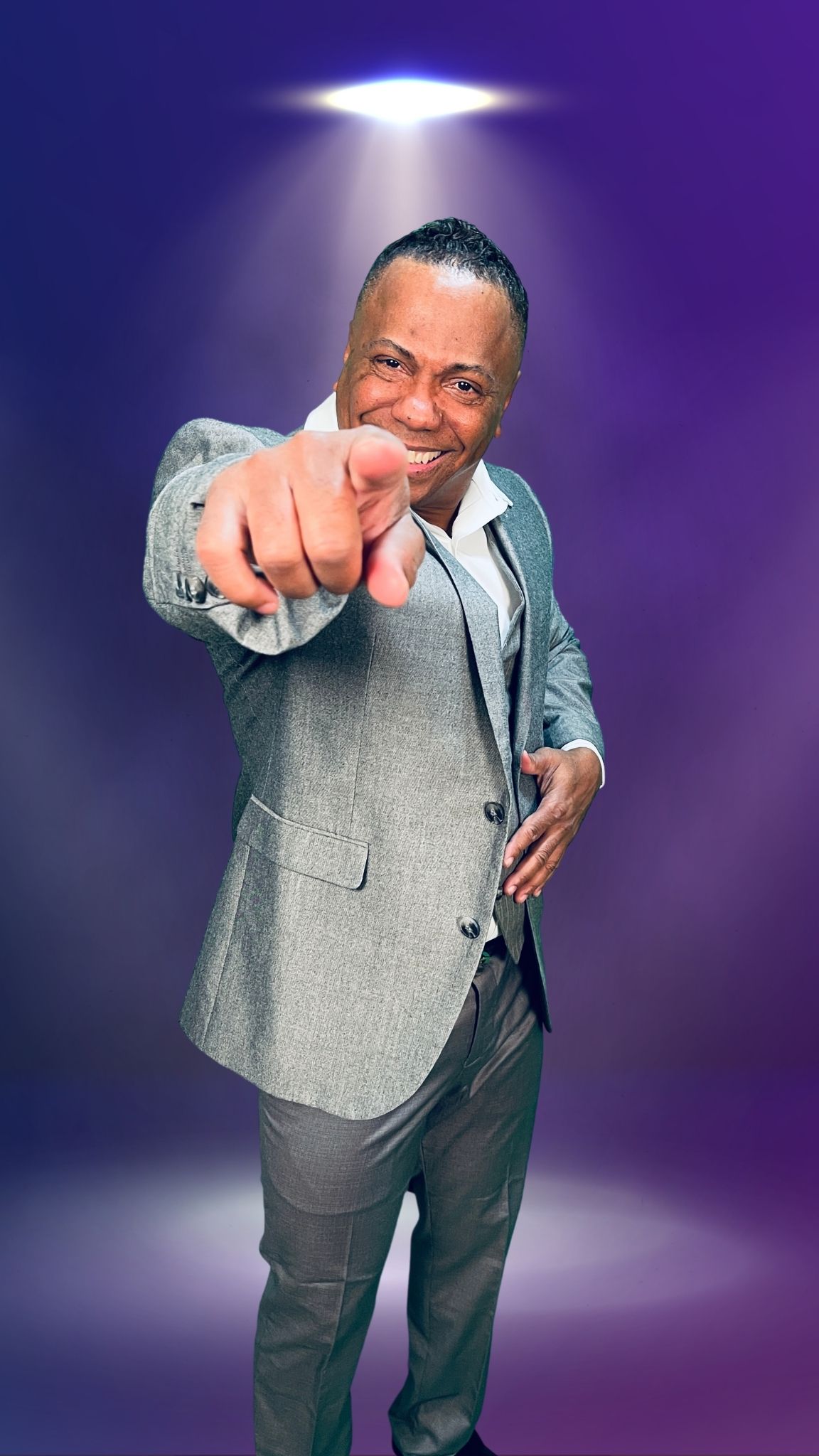
Jeff Kollman

photo courtesy of A.R.M.

Album Review of Jeff Kollman: East of Heaven (Marmaduke Records)

A few days ago, I reviewed an instrumental album from Lanterna. That was one of the two instrumental releases that have been gracing the top of my review-queue playlist during much of the last couple of years. This, Jeff Kollman‘s East of Heaven, is the other.

Jeff Kollman – East of Heaven

image courtesy of A.R.M.

East of Heaven is a classic rock-styled album, driven by Kollman’s axework. I don’t have many all-instrumental albums in my collection, but this one will sit proudly alongside my Steve Vai and Marc Bonilla discs. It’s one of those guitar-driven instrumental collections that can reach a broader market, with structured, catchy songs that’ll quickly become like old friends even for those of us who might typically like to sing along.

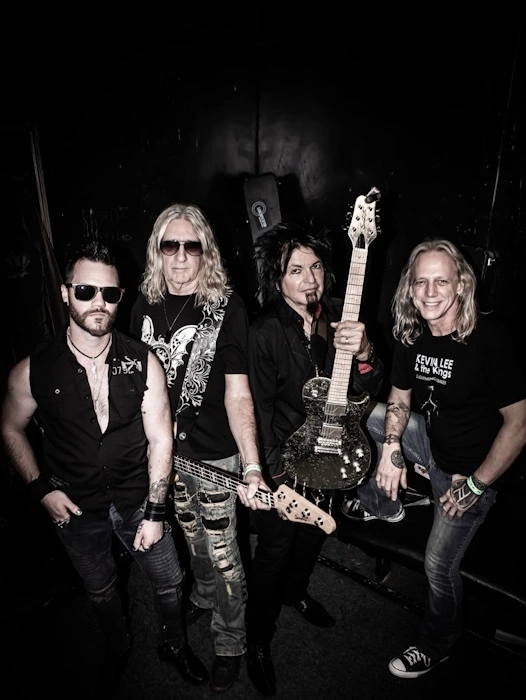
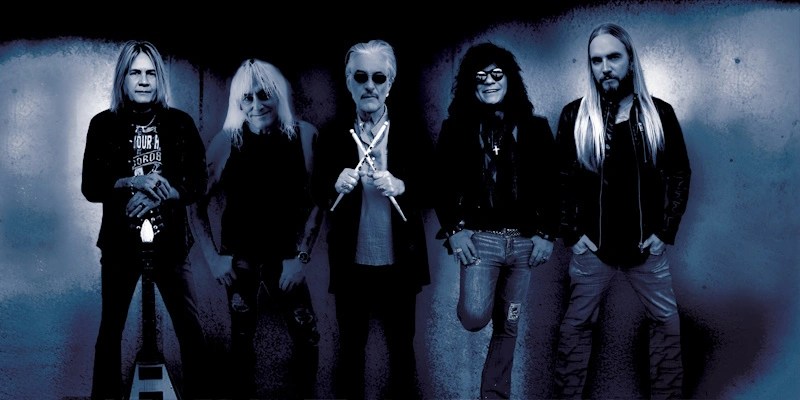
You may know Kollman from his hard-rockin’ stint with Edwin Dare in the ’90s or perhaps more recently from his prog-metal fusion group Cosmosquad. This disc falls clearly within the purview of someone with Kollman’s resume, showing off what he can do on a “solo” rock album. Of course, though Kollman’s guitarwork drives the record, his top-shelf bandmates make this truly a bandwide effort. Jeff is joined by Shane Gaalaas and Jono Brown on drums, Paul Shihadeh on bass, and Guy Allison on keyboards.

Jeff Kollman

photo courtesy of A.R.M.

East of Heaven opens with “Loss,” a 2-minute table-setting piece, sporting guitarwork with just a hint of distortion on what seems like a slowly-building music bed. It’s the sort of 2-minute album intro you might expect to kick off a classic rock album, particularly in the days when AOR ruled the world, and not necessarily just on concept-driven discs.

In the heart of the album, “Superstring Theory” is probably my favorite of the harder-rocking numbers, thanks to its driving rhythm. Other favorites include the more often – though not always – softer “Ghostly” and “East of Heaven” and the mellow guitar-picker “So Long Ago.” The songs on East of Heaven range from energetic to introspective to moody, though perhaps most often introspective, covering a broad spectrum of sounds and emotions.

Kollman closes the disc aptly with “See You On the Other Side,” a meandering piece with a recurring theme, traveling a musical journey that draws sonically upon many of the prior songs in the collection, combined in such a way that it seems to be saying “So long for now. We’ll meet again on the next album.”

If you’re a classic guitar rock fan, a guitar instrumental fan, or both, East of Heaven will be a welcome addition to your collection.

Jeff Kollman

photo courtesy of A.R.M.

More About Jeff Kollman

Since this album’s, there’s a newer single, “Green For Miles” (featuring Guy Allison), available from Jeff at his Marmaduke Records bandcamp page.

You can follow Jeff on Instagram for new announcements, including upcoming shows. Also, though there are no dates listed, you can watch the “Events” tab of Jeff’s Facebook page and the “Events” tab of Cosmosquad’s Facebook page for upcoming listings.

Album Review: Liz Bills and the Change – Liz Bills and the Change

Liz Bills and the Change

photo by Andy Twyman Photography; photo courtesy of Liz Bills

Album Review of Liz Bills and the Change: Liz Bills and the Change

This is the eponymous debut album of Liz Bills and the Change. Blog readers may be familiar with Liz, who has been featured in these pages as Analog Heart’s vocalist and as a solo performer. Her latest act, Liz Bills and the Change, is toned down from her hard-rockin’ Analog Heart gig, but it’s still very much Liz Bills-styled music. And with this release, Liz is back in a band format, bouncing off of other talented artists who share the studio and the stage with her, so it has a cool energy. Always one to move forward and expand upon what she’s built before, this band and new release are a great next musical step for Liz; in fact, Liz Bills and the Change snagged the Pop Act of the Year award at the 2021 New England Music Awards.

This album is engaging from the very first listen, but it has so many layers and so much depth it gets better each time through, though with Liz Bills’ songwriting skills, that’s no surprise.

While Liz Bills’ music is frequently deep and introspective, it’s also, without a doubt, a lot of fun. Liz exudes a warm, enthusiastic, authentic energy during her live performances; it features prominently in her songwriting and in her recordings, too.

On brand, this album kicks things off with high energy. An energetic rhythm drives “The Train Song” in such a way you’ll not only bounce along to it, but you’ll find yourself screaming along with Liz’s vocal train whistle, “Whoo Ooh!” And yet, it’s not just a fun song. The train serves as a metaphor for life’s journey or, more specifically, life’s best – or at least more interesting – journey, and Liz sings tuneful encouragement.

Life’s journey continues with “Somebody Else,” as the verses chug along (because now you’ve caught the train, if I were to continue to train metaphor) interrupted by serious tempo and mood changes in the chorus and bridges (because your life may not always be on the track you expected).

Liz’s songwriting drifts home during the disc, notably in the next song, “Home,” and a couple songs later, on “Mama’s Song.” There’s a little melancholy in the slow-tempoed but flowing “Home,” but shrouded more in remembrance than sadness. “Mama’s Song,” meanwhile, is an ode – a very personal lyrical love letter – to a mother from a child who knows the mother did her best and appreciates all she’s done, even as the child is just slowly coming to this realization gradually with each passing year. This introspection seemingly culminates with the revelation that is this song, which acknowledges just what the mother has accomplished and, perhaps, sacrificed.

Nestled in-between those two tracks sits “When I’m With You,” a tuneful, folksy, strumming love song. Even a slow song like this moves along with a bit of a motor when performed by Liz Bills and the Change. Liz’s music never gets too mellow, even when her songs are chill.

“Wi-Hi” is a fun, funky, dynamic song about the psychological ill effects of being constantly connected. “Gasoline” is a playful song about playing with fire, mixing imagery with metaphor – mostly metaphor, but it makes for a clever, fun ditty. And “Come Back to Me” closes the album with a funky rock ‘n roll flair, a style we’ve come to know well from Liz through the years.

Once again, Liz Bills has assembled an album that’s a fun listen – I’d dare you to try not to smile while listening, but you might hurt yourself – while being thoughtful and introspective, causing listeners to examine their own preconceived notions. It’s a stellar debut for Liz’s newest band, Liz Bills and the Change.

Looking Ahead

There are a few upcoming shows listed on the “Tour Dates” page of Liz’s website. She’ll be at the Summer Soiree 2023 in West Sidney, ME on July 27th, at TroutStock 2023 in Rutland, MA on August 4th, at the Boston Harbor Distillery in Boston, MA on August 25th, and at Wormtown 2023 in Greenfield, MA on September 14th. Of course, keep checking back to see new dates at they’re added. Also, be sure to follow Liz’s Facebook and Instagram accounts for show and career announcements.

Album Review: Lanterna – Hidden Drives

Lanterna

photo by Theo Merritt; image courtesy of Howlin’ Wuelf Media

Album Review of Lanterna: Hidden Drives (Badman Recording Co.)

You know how sometimes the way an album hits you is more about a sound than it is about the individual songs? Well, Lanterna‘s Hidden Drives is one such record. Over the last year or two, this collection of instrumental tracks has resided near the top of my to-be-reviewed queue, providing a warm, rich music bed conducive to the thoughtful analysis required by my work. Though Hidden Drives is soft and unstartling – important to those who listen to music while they work – it also features musical hooks and flourishes that embed themselves into the listener’s brain, capable of reappearing unprompted in the mind days or even weeks after the most recent listen.

Lanterna – Hidden Drives

image courtesy of Howlin’ Wuelf Media

Musically, Lanterna’s songs float and flutter – the fluttering a result of adeptly-picked guitar strings – while similar rhythmic themes seem to reappear from song to song. The reappearance is, of course, more complete in the handful of songs that are reprised at the back-end of the disc. Hidden Drives contains 15 tracks. It kicks of with ten songs, then ends with reimagined versions of five of those ten. For example, the smooth strummed, warm motor of the second song on the album, title track “Hidden Drives,” reoccurs on track 11, “Hidden Drives (Thomaston).” You know, to be honest, the differences in the remixes are generally too subtle for me to realize when the songs cycle back around. However, it’s the repetition – both the similarities of different songs and the repeating of several songs at the end – that causes this album to quickly feel like an old friend.

Much of the album is quiet and mellow, but you’ll find bursts of energy. “Chagrin Boulevard,” “Aqueduct,” and “Nice” are a few songs that provide that modest tempo variance. But the mellower songs are the backbone of Hidden Drives. Favorites include “Cupola” and “Cupola (University Avenue),” “Redwood” and “Redwood (Sans),” and “Flag.”

In all, I have really enjoyed listening to the disc regularly for months and months and months. If you dig light but interesting instrumental soft rock, whether as a soundtrack to your workday or in any other locale, you owe it to yourself to give Lanterna’s Hidden Drives a test drive.

Looking Ahead

Though there are no upcoming shows listed, you can find performance dates, as they’re added, at the bottom of the main page of Lanterna’s website and on the “Events” tab of the band’s Facebook page.

Album Review: Shawna Caspi – Hurricane Coming

Shawna Caspi

photo by Roni Hoffman; photo courtesy of Shawna Caspi

Album Review of Shawna Caspi: Hurricane Coming

This isn’t the first time I’ve reviewed Shawna Caspi. She’s one of my favorite folk-based artists, with a pure and precise – yet emotional – folk voice that makes every song seem like it’s telling a story. It takes a special artist to stand apart in this crowded genre, and Shawna does, indeed. (If you read my live review of Shawna’s WICN performance a few years ago, you already knew this.) Today, I’m writing a long-overdue review of Shawna’s most recent album, Hurricane Coming.

One of my favorite things about Hurricane Coming is that Shawna flexes her musical muscles a bit on this disc, with compelling and varied songwriting and, perhaps more importantly, a stretch of Shawna’s vocal range and style, with occasional growling grit and some emotional reaching-for-notes thrown in to complement Shawna’s sweet, smooth vocal power.

Shawna Caspi – Hurricane Coming

image courtesy of Shawna Caspi

That variance doesn’t start with song one, though. Shawna kicks things off with a strong steady strum and her comfortably smooth voice, engagingly dancing through a fast favorite in her inimitable, classic style – folky, uptempo songwriter rock with a rich music bed, “Wait Love.” That’s followed by the plaintive, pleading “Leaving Ain’t Easy,” a memorable track that features a sad guitar wail and is sure to be a favorite of some, particularly those wallowing in heartbreak.

Next song, “Ghost Town,” is the one in which Shawna seems the most like a stripped-down rocker. Yes, one of my favorites. It’s uptempo, driven by an energetic rhythm line, intermixed with some distorted country-style strumming and, well, those lyrics. The lyric that hits closest to home for me comes when Shawna croons, “I feel like the worst kind of person most of the time, a big city bully when I’m stuck in line with the postal clerk who types too slow, and I make a sign like I’ve gotta go.” And yet it’s a song about being welcomed and accepted, especially when we travel with open hearts, even when we’re outside our comfort zones.

Shawna Caspi

photo by Roni Hoffman; photo courtesy of Shawna Caspi

“Echo” exudes the full emotions of a melancholy remembrance. “One More Chance,” too, showcases Shawna’s ability to turn a phrase well, with a steady rhythm keeping the song moving even as its guitar parts and vocal line seem to want to meander. And “Hope Lives” is softly powerful, painting vivid pictures of an abstract emotion.

Shawna picks up the tempo a little on “Lay Low Shadow,” with a hint of country twang, though it’s really more the instrumentation than her vocal that waxes country, even if it sometimes feels otherwise. But it’s a brief uptempo interlude, as the mellow, sweet, emotional “Running Start” provides a slower but commanding follow-up.

Penultimate track “Celebrate” is playful and uplifting, with guitar picking dancing playfully, emphasizing the light-hearted hopefulness of celebrating small victories.

Final track “Hold the Light” is more densely instrumented, delivering a satisfying ending to Hurricane Coming. Throughout, though it pulls no punches about life’s difficulties, this album is hopeful. And, of course, pleasant to listen to, well-suited to Shawna’s vocal talents.

Since the Release

Hurricane Coming was nominated for a 2023 Canadian Folk Music Award in the Contemporary Album of the Year category.

Shawna Caspi

photo by Eric Thom; photo courtesy of Shawna Caspi

On the Road

Shawna has several upcoming gigs already scheduled in the U.S. and Canada this year. On July 21, you can catch her at the Two Way Street Coffee House in Downers Grove, IL, and on July 23, she’ll be performing a Knight Road House Concerts show in Ann Arbor, MI. August features several shows in Ontario plus a mid-month gig in Manitoba. Beyond that, there are New Jersey and Ontario shows booked later in the year, and a Fort Myers, FL performance already scheduled for April 2024. Be sure to check the “Gigs” page of Shawna’s website for dates, times, and venues.

Album Review: Carl Weingarten – Stop Me Try

Carl Weingarten

photo courtesy of Rock Rose Music

by Eric Harabadian, Contributing Blogger

Album Review of Carl Weingarten: Stop Me Try (Multiphase Records)

Carl Weingarten is a guitarist/composer who works in a lot of different artistic mediums. He is a master on slide guitar and Dobro but also is very facile in terms of programming and sound design. His background as a photographer and filmmaker seems to permeate most of his work in the jazz, blues, and ambient music fields. In particular, this album features five slices of electronica and chill-oriented pieces that are rife with dreamy imagery and surreal landscapes.

Carl Weingarten – Stop Me Try album cover

image courtesy of Rock Rose Music

This extended five track album features Weingarten playing the lion’s share of guitars, keyboards, and devices. Frequent partner – and an artist in his own right – Michael Manring blends subtle coloration with bold aural brush strokes on fretless bass. The result, to this reviewer’s ears, harkens back to some of the groundbreaking efforts by Ralph Towner, Terje Rypdal, and Eberhard Weber on the European ECM record label.

“A Fistful of Dust” is an example of this otherworldly sound utilizing various clever production ideas and melodic guitar figures. Strings and orchestral filigree mix with dense percussion for a Mediterranean/Near and Middle East cultural mash-up. “Ideas of May” is kind of moody, with a hint of jazzy samba beats. The droning and spacey guitars suggest some of David Gilmour and Robert Fripp’s finest work. “Night Life Again” focuses on the groove and interwoven themes and percolating rhythms. Various converging guitar sounds rally around a modal harmonic approach. “For Rosa” is kind of a modal blues, with an oscillating and bubbly beat. It’s also somewhat celestial and swings, ever so slightly. The title track, “Stop Me Try,” typifies the entire nature of this disc – dreamy, atmospheric and spiritually techno. The music gradually builds as it breathes and gets a funky undertone from Manring. The result sounds like something, not unlike the mid-’70s period for bassist Rosko Gee as a member of Krautrock experimentalists Can.

Album Review: Jimmy Ryan – Astral Café

by Eric Harabadian, Contributing Blogger

Album Review of Jimmy Ryan: Astral Café (Ryanetics Music Ltd.)

Cut from the same cloth as those progressive rockers like Jeff Beck, Joe Satriani, Eric Johnson, Al Dimeola, Vinnie Moore, Steve Morse, et al., Jimmy Ryan has been crafting that hearty fusion guitar sound since the ’90s. He first gained notoriety with his guitarist brother Johnny as The Flyin’ Ryan Brothers. After a series of group and solo records he culminated all his axe-bending efforts into this 2021 release Astral Café. And if you are a fan of the aforementioned guitar gods, be prepared for a real treat in what Jimmy Ryan brings to the café table. He’s kind of bluesy, jazzy, certainly rocky, and all points in between. The leader handles all guitars, bass and vocals on the album, along with co-producer Dan Van Schindel on drums/percussion and Johnny Ryan on one track.

Jimmy Ryan – Astral Cafe

image courtesy of Rock Rose Music

Thematically, the mostly instrumental album features a number of spacey titles and sounds, but Jimmy will also knock you out with his incredibly facile and booming voice. Astral Café kicks off with the driving Satriani-influenced “Starlord.” There are some smooth harmonized leads supported by Van Schindel’s nimble and relentless drumming. “Shatterbrain” follows and spotlights Jimmy’s penchant for great melodies and rhythm work.

The first musical detour comes in the form of his totally unique and revamped cover of Robert Johnson’s “Crossroads.” It’s a very muscular and visceral take on, arguably, one of the most famous tunes in the blues lexicon. His wah-wah guitar licks and clear guttural vocals transcend the genre in many ways.

Back to outer space, “Earthrise” has a slow and percolating feel that is ethereal and atmospheric. “Skydance” puts emphasis on melody and switches from a moderate to up tempo vibe in the mid-section. “Black Ice” is somewhat similar in tempo but more orchestrated, with changes in various portions of the song.

Jimmy Ryan

photo courtesy of Rock Rose Music

Jimmy delves back into his blues roots for a song popularized by Muddy Waters called “I’m Ready.” His throaty vocals and hard rock feel revitalize the song for modern ears. Back to back tracks “Dulcinea” and “Berserker” spotlight layered guitars and Black Sabbath-like riffage, respectively. And Jimmy further seals his classic rock roots with nods to Led Zeppelin on the bluesy “Plectrumelectrum.”

Another outstanding riff-fest can be found in the meticulously constructed instrumental “Dreadhulk.” It’s a relatively short piece that mixes angular melodies, with beefy bass lines for a succinct and memorable track.

“Celestial Voice” is dedicated to the late drummer Neil Peart and, indeed, makes musical references to that progressive Rush style. Here, Jimmy modulates his voice from a gritty façade to more of an airy and eloquent approach. The leader is joined by Johnny Ryan for the album closer “Quiet Flight.” This features their twin guitar attack, not unlike Wishbone Ash or Blue Oyster Cult. Johnny steps up to give his brother a run for his money and it really swings in spots too.

Jimmy Ryan is a consummate guitarist and composer that flawlessly unearths many musical styles. He covers a lot of fertile fusion-like territory, with ample grace, passion and tasteful finesse.

Album Review: Karen Shook – Moodswings Part 17

Karen Shook

photo courtesy of Karen Shook

by Eric Harabadian, Contributing Blogger

Album Review of Karen Shook: Moodswings Part 17

Karen Shook hails from the south side of Chicago. Raised on the music of Sarah Vaughan, Indigo Girls, Jimi Hendrix, Aretha Franklin, Brandi Carlile, Cyndi Lauper and the like, she has shared her gift of rock, soul, blues and country vocalizing and guitar chops with eager music students and fans throughout the Midwest. Shook was also a finalist in the Sonoma County Singer-Songwriter Competition (2018) and Suburban Chicago’s Got Talent (2019).

Karen Shook – Moodswings Part 17

image courtesy of Karen Shook

On Moodswings Part 17, the singer-songwriter tells you what she’s all about from the get go. In “I’m Here I’m Awkward” Shook sings, “I’m here, I’m awkward I might say something weird… I won’t disappear, I’m out now, I’m owning the truth, I’m living the best life I choose.” It’s a call to arms for anyone that’s got something valid to say. And she does it with a big booming voice amid the rumbling of Jim Seidel’s upright bass and the slam of Paul Griffin’s drums. It’s Shook’s wake up call for all you wallflowers out there.

“Mama Needs Some Strange” is bluesy and acoustic, with a strident tone and smooth harmonica backing from Phil Bava.

Shook speaks her truth on all 12 self-penned tracks. “Broke and Hungry” is one of her best, with a timeless message that states, “When you’re broke and hungry, you see the things that you didn’t need.” She kicks those big ticket items like cars, expensive clothes, etc. to the curb and seems to put it all in perspective.

Karen Shook

photo courtesy of Karen Shook

“Growing Pain” veers off the blues and country path slightly for a poppy radio-ready type of track. The hook “It’s okay if it’s uncomfortable… it’s just a growing pain” is another grain of truth aimed at perseverance and staying on your path.

“Next Time” is a reflective and moody piece that has a chamber music quality to it. Bassist Siedel and guest violinist Zachary Stordahl converge with Shook’s plaintive vocals for an album highlight.

“Unstoppable” follows and is another testament to her resolve in this heartfelt ballad. A little further down list “Breathe” offers some more good advice. “I know the whole world feels crazy… all you gotta do is breathe,” sings Shook. She goes on to say, “You say you’ve got a broken heart… Be here in the moment, be the love you seek.” She seems to sing from personal experience. And that wisdom is certainly appreciated in these troubled times.

“What You Are” is a nice slice of bluesy songwriting, with rhythmic subtleties blended between Shook’s acoustic guitar, the bass and Griffin’s groovy conga work. It is kind of a jazzy piece which leads into the album’s final two songs, “You Were the One” and the title track. Both tunes spotlight Shook’s ukulele playing, with the former somewhat reminiscent of Melanie or Joni Mitchell and the latter a solitary and personally-revelatory ballad.

Karen Shook

photo courtesy of Karen Shook

Karen Shook is a singer-songwriter with a perspective and personal vision that is authentic and artistically sound. She’s got a full live schedule on her website so do yourself a favor and check her out.

Looking Ahead

Per the “Shows” page of Karen’s website, you’ll find her tonight, Saturday, May 20th at 8:00 PM at Choppers in Antioch and tomorrow, Sunday, May 21st at 11:00 AM at the Black Barrell Tavern–Old Town in Chicago. It looks like she has one or two shows booked each week through late August, and then a few more scattered through the rest of the year with, I’m sure, more being added all the time. If you’re in – or visiting – Chicagoland and the surrounding areas, be sure to peruse the concert calendar.

Also check out Karen’s website for copies of Moodswings Part 17 on vinyl or compact disc.

Album Review: Matt Hillyer – Glorieta

Matt Hillyer

photo by Shane Kislack; photo courtesy of RPR Media

by Eric Harabadian, Contributing Blogger

Album Review of Matt Hillyer: Glorieta (State Fair Records)

Back in the mid-’60s The Lovin’ Spoonful had a hit called “Nashville Cats.” And in it, lead singer John Sebastian sang “Well there’s thirteen hundred and fifty two guitar pickers in Nashville. And they can pick more notes than the number of ants on a Tennessee ant hill.” No doubt one of those aspiring guitar pickers spawned by that monumental music town is none other than singer-songwriter Matt Hillyer. But, like they say, the cream always rises to the top and, with Hillyer, that is, indeed, the case.

Matt Hillyer – Glorieta album cover

image courtesy of RPR Media

For over 23 years, Hillyer honed his craft as a member of legendary honky-tonkers Eleven Hundred Springs. When the band called it quits at the end of 2021, the prodigious tunesmith parlayed his considerable acumen into a solo career. The result of that venture is evidenced here in his 2023 release Glorieta.

This is a diverse affair that packs a considerable traditional country wallop, but it also throws in a few interesting musical detours along the way. The title track kicks off the album and is an ode to a family retreat nestled deep in the hills of New Mexico. It contains a huge chorus with a nice mix of lyrical guitar and fiddle from Hillyer and Heather Stalling, respectively.

“Stolen Kisses” has a bit of a driving swing that’s equal parts Dwight Yoakam and Roy Orbison. The chord changes are tasty and reflect an upbeat mood. “Just Passing Through” continues that workman-like country feel, with a radio-ready ballad. And “You Gotta Keep Moving” is a catchy and endearing track, with an uplifting message of perseverance and overcoming heartbreak and defeat.

Matt Hillyer

photo by Shane Kislack; photo courtesy of RPR Media

“Ordinary Man” follows and is anything but ordinary. It is sort of an ode to Hillyer’s father, who “lived for his family, the most important thing in his life.” As his bio states, the song is “more Beatles than Bakersfield.” And this tale of an unrequited life does have a surreal, “Sgt. Pepper” vibe to it. It’s very reflective and atmospheric and somewhat atypical to what one might expect from a traditional or, even, modern country artist. But, again, Hillyer likes to color outside the lines and this song certainly nails that.

“Dirty Little Secrets” returns to a country format, with a catchy mid-tempo groove. “What Kind of Fool” ushers in a shuffle. It harkens back to a ’50s/’60s-flavored ballad. Hillyer finds a sweet niche here for some succinct and passionate guitar fills. “It’s All About the Ride” and “Holding Fast” are great slices of that pure honky tonk this songwriter made famous.

The record winds down with the eerie and noir-ish “Diablo Motel.” It’s got a decidedly Tex-Mex feel and some nice touches of accordion from Abel Casillas. Appropriately, Hillyer concludes with the clever and worldy-wise “That’s How You Know.” In it, the singer-songwriter depicts the goings-on at a house party that seems to be getting out of hand. But if you listen with a third ear, he makes excellent commentary on male-female relationships and human nature as a whole.

Matt Hillyer is a musician with a stellar reputation, particularly within the country music community. But, now as a solo artist, it’s obvious he’s got a ton of fuel left in the tank and is just getting started as far as what he creatively brings to the table. He’s a fully-formed singer-songwriter who respects the traditions of the past yet has a clear vision for how to blend that with a modern world perspective.

Matt Hillyer

photo by Weslie Delgado; photo courtesy of RPR Media

Looking Ahead

The “Tour” page of Matt’s website lists a few upcoming gigs around Texas. Matt opens, as a solo acoustic act, for Joshua Ray Walker on Friday, May 19 at the 11th Street Cowboy Bar in Bandera and on Saturday, May 20 at Gruene Hall in New Braunfels. You can also catch him on Friday June 2 at KHYI’s 27th Annual Texas Music Revolution in McKinney, on Friday, October 6 (solo acoustic) at The Great State Fair of Texas in Dallas, and on Saturday, October 7 opening for Dale Watson at The Truck Yard in Dallas.

Matt’s Instagram account is a good follow. You can also find him on Twitter and Facebook.

Album Review: Laura Ainsworth – You Asked For It

Laura Ainsworth – You Asked for It album cover

image courtesy of Eclectus Records

by Eric Harabadian, Contributing Blogger

Album Review of Laura Ainsworth: You Asked For It (Eclectus Records/Ratspack Records)

Texas-based vocalist and song stylist Laura Ainsworth has carved a unique niche for herself in the jazz and vintage pop worlds. Over the last 15 years or so, she has released four albums that spotlight her penchant for blending irony, humor, and legit chops with rare nuggets from the Great American Songbook. Her fifth and latest release emerged from her legion of fan requests for classic and more familiar fare. So, while the stunning ginger-haired musician complied with public demand, she still decided to put her own indelible imprint on the proceedings. “Whenever I perform live, fans always request the old, familiar favorites,” states Ainsworth from the album liner notes. “The band and I love performing them, but we felt there were already enough recorded versions. But fans keep asking me to record them, particularly ‘Cry Me a River’ and ‘Over the Rainbow.’ I do love to put a fresh, personal spin on even the most familiar songs. So I decided to do a requests album as a lark.”

Laura Ainsworth

photo by TGS Photography; photo courtesy of Eclectus Records

The album was produced by long-time keyboardist and music director Brian Piper and Ainsworth. And the combo that is on this disc brings a strong balance of orchestration and improvisation to their approach. Rodney Booth (trumpet, flugelhorn), Chris McGuire (tenor sax), Noel Johnston (guitar), Young Heo (bass), and Steve Barnes (drums) complete the ensemble.

The dozen songs Ainsworth has chosen reflect some of the finest and best loved works from stage and screen. And, on many of these cherished gems, she includes additional verses for the intros and reworks some of the arrangements. Singer Julie London had a hit with “Cry Me a River” in the ‘50s, Joe Cocker revamped the song for the late ‘60s, and Laura Ainsworth revitalizes this classic once again in the modern day. Few singers give this the gravitas and respect it deserves, as the fiery chanteuse delivers on all fronts. It’s an appropriately bluesy and slightly melancholic take, with a straight-ahead jazz feel.

Oscar Hammerstein and Jerome Kern’s “All the Things You Are” follows and gets the first of many personal signatures where Ainsworth sets up the song with a musical recitation. By doing this, not only does she make it uniquely her own, but it further connects with the listener in a profound way. Her vocals flow above a tasty horn chart and Piper’s inspired piano solo.

Laura Ainsworth

photo by Alan Mercer; photo courtesy of Eclectus Records

James Bond and Sean Connery fans will surely get a kick out of the kitschy and samba-like “Goldfinger.” Written by Anthony Newley and popularized in the ‘60s by singer Shirley Bassey, Ainsworth gives it all the sexy charm and cool one would expect. Kudos are bestowed saxophonist McGuire who rallies a smooth combo feel.

“Someone to Watch Over Me” is a tender ballad that features just the right amount of nuance and phrasing to tug at your heartstrings. These kinds of songs are Ainsworth’s calling card.

Guitarist Johnston takes a Barney Kessell/Joe Pass-influenced solo on the relaxed and swinging “Scotch and Soda.” In it, the leader cleverly sells the parallel between the inebriation one gets from alcohol and falling in love. Here’s an example of the way Ainsworth blends humor and lyrical wit, “People don’t believe me, they think that I’m just braggin,’ but I could feel the way I do and still be on the wagon.”

Laura Ainsworth

photo by Alan Mercer; photo courtesy of Eclectus Records

Rodgers and Hart’s “Isn’t it Romantic” is a prime example of a standard that has been performed by countless artists. But, true to form, Ainsworth and Piper add a sweet horn chart, a cha-cha beat and engaging interplay on piano, muted trumpet and sax, respectively.

There are some other noteworthy moments on this album as well, but this reviewer would be remiss if we didn’t make mention of this collection’s finale. “Over the Rainbow” is, undoubtedly, one of Harold Arlen’s most famous compositions and has a timeless mix of fantasy and wonder that has touched generations. Ainsworth and Piper boil this essential piece down to its essence with just voice and piano. And with it, the classic songstress properly delivers a message of hope and dreams to all those that will hear. It’s a very endearing and sincere performance.

Miscellany

Here at the Blog in 2021, Eric Harabadian also reviewed Laura’s previous album, Top Shelf.

This past October, Laura recorded “Have Yourself a Merry Little Christmas,” a song she released on December 3rd. You can view a YouTube video of the song here.

Also note that you can purchase both the 11-song digital album and the12-song “mini-LP CD” – a Japanese import with the extra track “As Time Goes By” – at: lauraainsworth.bandcamp.com. (In other words, if you buy the compact disc, you get a bonus track!)

You can remain informed about new releases and developments in Laura’s career on her website, on her Facebook page, or by following her on Twitter or Instagram.

EP Review: Cain Rising – Jimmy and the Angels

by James Morris, Contributing Blogger

EP Review of Cain Rising: Jimmy and the Angels

The world was a very different place when I last sat down to review new music from Cain Rising. It was back in 2017 when the band released their EP Rear View Mirror, which had followed the great 2015 self titled album Cain Rising.

Like most of the rest of the world, COVID-19 and the lockdown took their toll on the band. Without an outlet for their high energy live shows, the band decided to take a hiatus. Frontman and songwriter Jim Price, aka Southside Jimmy, carried on Cain Rising as a writing/studio project, and this has resulted in this latest EP, entitled Jimmy and the Angels. The title is an acknowledgment of the collaboration and support of band members old and new that brought these tracks to fruition during the lockdown.

Cain Rising – Jimmy and the Angels EP

image courtesy of Cain Rising

The Angels of the title are Jez Parry (bass guitar), Kev Hickman and Mark Edwards (drums), Greg Coulson (piano and Hammond organ), Kevin Blake and Ian Hopper (lead guitars), and Southside Jimmy (vocals and various other instruments).

So many of us had to adapt what we were doing when we were all plunged into lockdown during the pandemic. A lot of musicians got very creative during that time, and so it’s good to hear the result of those efforts with regard to Jimmy and the band.

What seems to have influenced the songwriting is not so much the lockdown itself but the fallout and political upheaval in the UK since the pandemic eased.

The opening track, “Welcome To My World,” captures the anger Jimmy feels, with his perception of an increasingly dysfunctional government in the UK, its descent into cronyism, as he sees it, and the deceit and disastrous effect it has had on the lives of ordinary citizens.

To lift the spirits somewhat, “Stand By Me” introduces gospel overtones and lyrics encouraging the best to rise to the surface in all of us. As Jimmy says, “especially important in these difficult times where people are being pushed to the wall by a seemingly uncaring, if not predatory, establishment.” With regard to the lyric, he speaks of condemning the “demons” that drag us down, but, as he notes, “demons” is probably not the word that will be used in live shows. Something a little more direct and profane, I suspect, to sum up his feelings towards the Government.

Track three, “Honeysuckle Rose,” could be interpreted as the third part of this trilogy of anger towards establishment, a very country story of the struggle to break even and its almost inevitable culmination of the protagonist falling into the grips of the darker side of society, the predators that feed off the failure of the state. However, if that is getting a bit heavy, then you can take a lighter view and just enjoy it in the spirit in which it was written as an homage to the storytelling inherent in country music.

Finally, the song “All the Way Round” is perhaps an attempt to lighten the mood a little. A flavour of Jimmy’s early folk influences creeps in here, from Dylan to The Strawbs. It’s a recognition of time passing and the need to grab life in your own hands, to make it count while you can and do it your way. “I came, I saw, I played the game, I changed the rules around!”

As with their previous releases, this is grown up country-tinged rock music, and the reference on style is very much Bruce Springsteen. Jim has a melodic but rocking style of singing, and the band lay down a really solid backing to present you with an accomplished and well-produced record.

Editor’s Note

It has been nearly five years since James Morris reviewed Cain Rising’s Rear View Mirror EP here at the Blog. Before the EP’s release, we reviewed three of the band’s singles. In the spring, James Morris reviewed “Rear View Mirror” and “Glasgow City Spires.” Over the summer, I wrote about “Social Man.” And then, of course, in the fall, James reviewed the EP. And today, we hope you’ve enjoyed reading James’ review of Cain Rising’s brand new release, Jimmy and the Angels. Be sure to check out those reviews, too, and give a listen the band’s rockin’ new 4-song recording. – GW