Album Review: William Shatner – The Blues

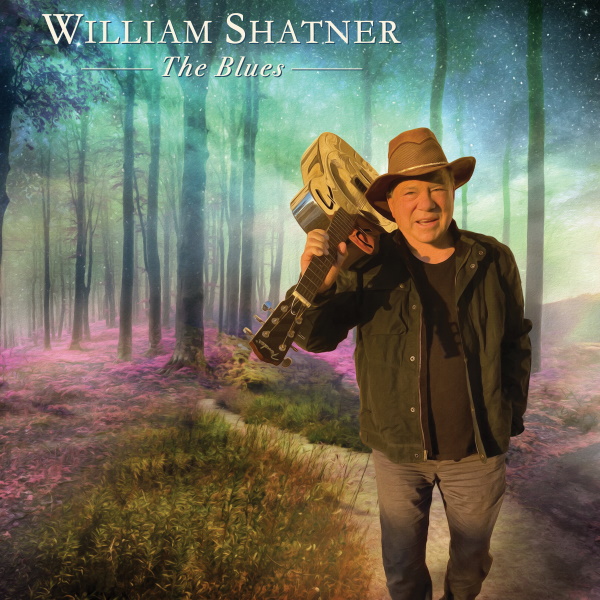
William Shatner – The Blues

image courtesy of Glass Onyon PR

Album Review of William Shatner: The Blues (Cleopatra Records)

One of a kind. This album. And William Shatner. The Blues grew on me slowly, and I guarantee it’s not for everyone – in fact, you probably really have to love Shatner and “get” his persona to dig this disc – but man, it’s got style. And it leaves me with a singular conclusion: William Shatner is a herky-jerky rock and blues beat poet.

First, make sure you’re in the right mood for this album. It’s never smooth – Shatner’s delivery guarantees that, as his vocals, more spoken than sung, are largely near but outside the pocket, farther off the beat than you’re accustomed and not consistently so, providing dissonance, but they also deliver a very original, hipper-than-perhaps-initially-apparent vibe. Never quite what you expect, the album is a work of art, and it has a style all its own, even if it takes a few listens to really understand its groove.

There’s also some amazing musicianship on this record, and you’ll recognize many of the famous tunes Shatner covers. The Blues contains 14 songs, most of them featuring big-name artists in accompaniment. In fact, here’s the track listing of all 14 songs, with the featured artists who appear with Shatner on the first 13 tracks: “Sweet Home Chicago” featuring Brad Paisley; “I Can’t Quit You Baby” featuring Kirk Fletcher; “Sunshine Of Your Love” featuring Sonny Landreth; “The Thrill Is Gone” featuring Ritchie Blackmore; ‘Mannish Boy” featuring Ronnie Earl; “Born Under A Bad Sign” featuring Tyler Bryant; “I Put A Spell On You” featuring Pat Travers; “Crossroads” featuring James Burton; “Smokestack Lightnin’” featuring Jeff “Skunk” Baxter; “As The Years Go Passing By” featuring Arthur Adams; “Let’s Work Together” featuring Harvey Mandel and Canned Heat; “Route 66” featuring Steve Cropper; “In Hell I’ll Be in Good Company” featuring Albert Lee; and “Secrets Or Sins” (without a “featured” superstar accompanying Shatner). Sure, I’m not the habit of just listing the tracks in a review, but how better to show the renowned musical talent appearing on this particular disc?

Album-opener “Sweet Home Chicago” quickly catches your ear, if largely due to the easy familiarity with this grand old blues standard. “I Can’t Quit You,” an otherwise mellow groove, is sung with a truly pain-felt wail. And on “Sunshine Of Your Love,” Shatner’s loud-whispered vocals, along with the psychedelic music, help create a sixties vibe; you’ll half-expect Austin Powers to pop in mid-song.

Among other favorites: “Mannish Boy” is reminiscent of what you’d expect in an old school, smoky Chicago blues club. There’s an almost carnival barker-esque flavor – there may be a little old-fashioned Batman villain hiding in there – to Shatner’s enthusiastic delivery of “I Put a Spell On You.” And the chugging-along tempo of “Smokestack Lightnin'” is accompanied interestingly with Shatner’s sobbing-style vocals.

Interestingly – and it’s hard to tell if it’s true or if you just become accustomed to Shatner’s delivery style – the album closes with four relatively mainstream songs, much more so than the first ten. So even if you decide to sample but can’t get into the arthouse beatnik-blues mostly resident early on the disc, at least give the last four tracks a listen. These last four songs are the ones I’d suggest are performed the least uniquely, thought that’s a relative term.

The first of those is “Let’s Work Together.” Shatner’s wails coincide with screaming guitars. His “let’s work together” delivery is commanding. And you’ll find yourself singing along each time he sings the lyrics “every boy, girl, woman, and a man.” This one’s fun, with the most minimal need to appreciate an artistic delivery required.

Next up, Shatner’s spoken delivery is so on-the-mark on “In Hell I’ll Be in Good Company” that I can’t imagine it performed any other way. This song and the preceding “Let’s Work Together” are frequently my two favorites on The Blues. Or at least the two into which I can sink and get comfortable.

Shatner then delivers a fun, light-hearted blues-rockin’ rendition of “Route 66,” supported quite well by the smooth, steady guitar-rich music bed. And finally, the album slows to close with a sparsely-instrumented blues number, guided by a softly sobbing guitar and Shatner’s delivery, as if revealing deep, dark life secrets, appropriately, on “Secrets Or Sins.”

This one-of-a-kind album is a great, irreverently reverent tribute to the blues from Shatner. When I’m in the mood, it’s a real treat to listen to. But most of the collection requires active listening, in much the same way modern art demands active viewing. So when I’m not in the mood, I skip it and listen to something else. And that’s the best way to appreciate this album. If you’re into music that’s really “out there” – or if you can appreciate comfortable old favorites that are performed purposefully this far from the mainstream – give William Shatner’s The Blues a listen. Or maybe two or three. I’m really glad I did.

Need more Shatner?

Need more William Shatner in your life? Try his YouTube page, which is really cool. Or his website, which also lists his personal appearances. And, of course, you can find him on Facebook and Twitter.

Album Review: Rob Williams – Weathering the Storm, Vol. 1

Rob Williams

photo by Peter Beliaev; photo courtesy of Skye Media

Album Review of Rob Williams: Weathering the Storm, Vol. 1

Rob Williams is a storyteller. His voice is strong and full, as if it’s dispensing life’s truths. More than that, though, he’s a songwriter. And from beginning to end, Weathering the Storm, Vol. 1 offers up songs that are interesting and memorable. That alone would be reason to enjoy this album.

But this record also kicks off with one of those songs that’ll make you sit up and take notice, the sort of song that could introduce a talented, respected career musician to a huge audience with just a little lucky break. Indeed, “Nameless” is such a song. It’s an uptempo, alt-country, roots rocker with a monster hook and overflowing energy. It’s one of those songs you’ll turn up the radio to hear every single time, even if it’s not your preferred genre. It would be easy to stop talking about Weathering the Storm, Vol. 1 after mentioning the potential monster hit, but that wouldn’t be fair to the rest of this fine compilation of songs, which are well-crafted, enjoyable listens. But yowza, “Nameless” is such a great singalong, dance-along earworm, and it wields a wicked hook! Ironically, this song that’s so capable of making Rob Williams a household name sports the chorus “If you wonder what became of me, I’m nothing but happy. Don’t want to be famous; I’m content being nameless.”

Rob Williams - Weathering the Storm Vol. I

image courtesy of Skye Media

The album ends with its other biggest potential breakout hit. The last song on the disc, “Good with the Changes,” would be a terrific second single. Sporting a nervous vocal tension and big, booming energy in the choruses, it’ll have you singing along “what do we do now?!” (and mumbling along to the words you don’t know) by the end of the first listen. Repeatedly, a touch of vocal melancholy pulls the listener in before the song, about aging gracefully and enthusiastically, breaks out in a rush of feel-good energy. The song structure and delivery are exceptional. On most albums, this would be the clear potential hit single. In this collection, it’s just the second-hookiest.

Find a way to work “Nameless” and “Good with the Changes” into a hit movie or TV series, and the world would remember Rob Williams’ name. Instead, that’s left to those of us lucky to discover his music. And once you’re familiar with his thoughtful, insightful, storytelling vocal style, you’re ready for the rest of this disc, which is a gem beginning-to-end, packed with meaty, well-written, intelligent songwriting.

In between its bookend hits, Rob’s songs get melancholy, defiant, dark, angsty, and a variety of other moods you’d expect to find in top-shelf songwriter material. They’re songs that slowly grow on you, too, so after a few listens you’re no longer sure the first or last song is your favorite anymore. Well-written songs will do that to you.

“Me and You” is a pleasant, hopeful, sway-to-it-with-a-smile-on-your-face tune about life’s pitfalls and the value of avoiding them.

“Falling Sky” is a much harsher song, using its rough edges to complement its lyrics about the dark, divisive worldview that can be subscribed to by those who are ensnared by the way the news is presented.

“A Hard Time” is a chug-along, earnest, energetic tune with jangly guitar buzz supporting the song’s cathartic vocal energy bursts.

Rob Williams

photo by Peter Beliaev; photo courtesy of Skye Media

“Only Heaven Knows” starts as a hillbilly-ish guitar picker that adds instrumental texture before chugging along like you’d expect from, well, a train song.

“Long Distance” is the first of two very memorable songs in this collection about relationships falling apart. In this one, Simon and Sarah clearly don’t have the same expectations of the future of their long distance relationship. Emotional and poignant, it’s a song about the pain an unequal power structure can cause in a relationship.

Two sons later, “Ghostwriter (Rosie and Justin),” is written from the point of view of “Justin” recalling a relationship that faded as the titular couple grew apart, perhaps not making the effort required to maintain their connection (“There were days when our paths didn’t cross and we stopped taking notice. There were nights that I slept on the couch just to let her sleep. There were weeks when we didn’t say three words to one another. Over time even three words became harder to speak”), something that is obvious in retrospect, as lyrically presented via Justin’s recollections. Rob’s emotional vocals and songwriting chops prove he’s an ideal artist for this type of song. You’ll feel tears well up and get a lump in your throat listening to both “Ghostwriter” and “Long Distance”; Rob’s delivery and the musical compositions behind the songs are spot-on.

In between the relationship songs, Rob squeezes “Moon’s Light,” a melancholy, reminiscent ode to times gone by, childhood memories, sung with the emotional pain that accompanies the singer’s realization of a life passing by too fast and of his place in the passage of generations of time. More haunting than memorable, it doesn’t exactly lighten the mood between “Long Distance” and “Ghostwriter.” In fact, after the sequence of “Long Distance,” “Moon’s Light,” and “Ghostwriter,” you’ll be emotionally wrought and really glad Rob closes the disc with the energetic and cheerful “Good With the Changes,” returning your psyche to equilibrium.

Weathering the Storm, Vol. 1 is an emotional disc that’s worth listening to from beginning to end. But if you want to start by sampling, after a quick listen to “Nameless” and “Good With the Changes,” you’ll be a Rob Williams fan before even hearing the rest of his songs.

Looking Ahead

Rob doesn’t have any live gigs booked at the moment, but when he does, you can find them on the “Events” tab of his Facebook page.

Album Review: Ryan and Pony – Moshi Moshi

Ryan and Pony

photo by Tony Nelson; photo courtesy of Howlin’ Wuelf Media

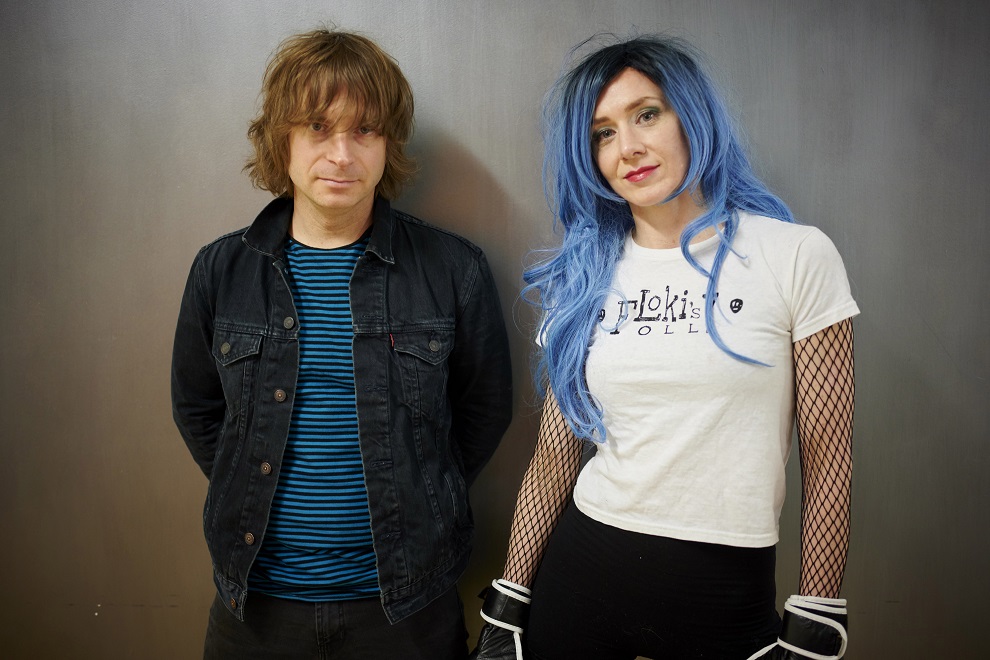
Ryan and Pony are the husband-wife team that recorded seven albums as dual lead vocalists of Minneapolis’ The Melismatics. When The Melismatics slowed down their touring schedule in 2013, the two began working on new material, working toward an album as a duo. Then, in 2016, Ryan began performing with Soul Asylum, setting the album project aside. However, after the completion of Soul Asylum’s Hurry Up and Wait album, Ryan and Pony resumed work on Moshi Moshi, which was released on Pravda Records on September 25, 2020.

Album Review of Ryan and Pony: Moshi Moshi (Pravda Records)

Fun, catchy rock and roll. Moshi Moshi is a collection of raucous, hooky, alt rock-influenced, mainstream, guitar-driven, radio-friendly rock and roll tunes with a big sound that packs an immense punch. From beginning to end, on my very first listen, I was blown away. Slick production, booming power hooks, liberal use of every sonic trick in the alt pop-rock magic kit, songs that don’t develop exactly the way you expect them to and, instead, create their own better, unique entities. This is one of my favorite rock and roll albums of 2020.

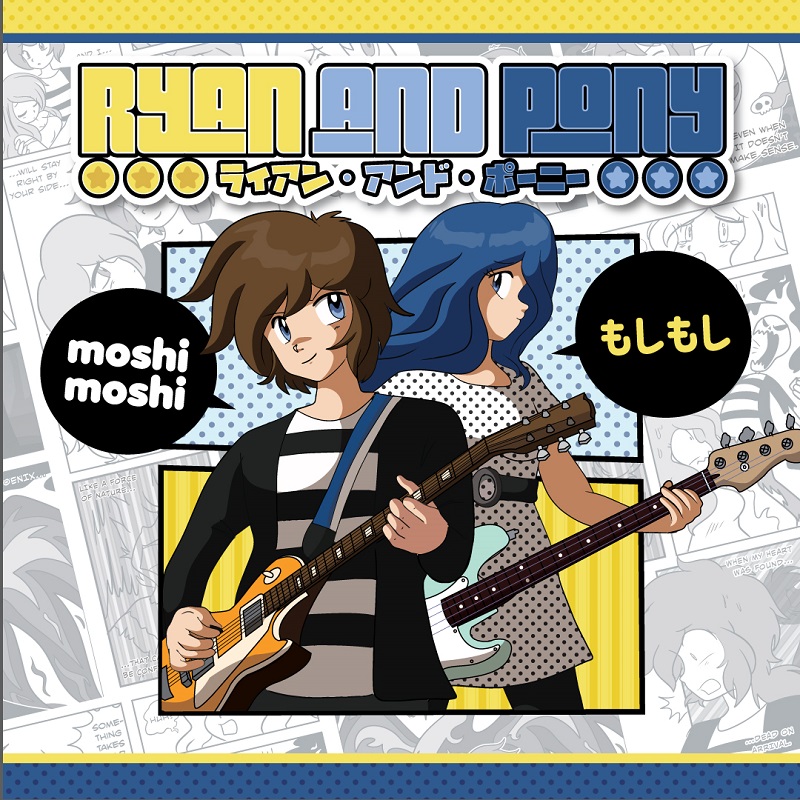
Ryan and Pony - Moshi Moshi album cover

image courtesy of Howlin’ Wuelf Media

“Starry Eyes” opens things up with alt-rock melancholy vocals spread on an ’80s-influenced pop-rock-meets-a-twirling-carnival cracker.

“Start Making Sense” is full of crunchy guitar riffs and hooks, a catchy number that churns forward, almost as if an anthem, if not for the chorus and verses, which position it more as a big-feelings song. “Start Making Sense” seems like a thoughtful tune, but it only dodges around its thoughts, leaving a great deal for interpolation. Still, it’s wicked catchy.

“Fast As I Can” sports a pair of jangly guitar bits that combine with the softly aggressive vocal delivery to produce yet another very original piece of rock ‘n roll. Ryan and Pony’s music is all so familiar – like the short bridge in “Fast As I Can” that actually recalls the sax portion of Duran Duran’s “Rio,” though that’s where that particular comparison begins and ends – yet always so very original.

The opening riffs and rhythm of “Thunderlove” suggest The Cars – yet another “I’ve heard that before” moment – but the song as a whole is a pleasant, fun, lightly energetic alt-rock ditty. And there are other bits of music in the song that recall favorite bands of past and present, as if Ryan and Pony have assembled all of our favorite rock music from disparate subgenres into big, fun songs… again and again throughout Moshi Moshi.

Ryan and Pony

photo by Tony Nelson; photo courtesy of Howlin’ Wuelf Media

“Be Still My Baby,” up next, opens as a ’50s rock-style crooner, and that vibe remains throughout, but it’s updated and combined with elements of more modern rock ‘n roll. Of course.

“Cinematic” follows with an abrupt opening and a sparse music bed before going all “what if Madonna wrote an actual rock song?” In other words, the pop music influence is strong on “Cinematic,” though it’s one of those cool pop record “deep cuts,” a pop song a little too slow-tempo to be a radio hit but not slow enough to be a ballad.

“First Night” rocks in a psychedelic classic rock manner in and around its punk-ish alt-rock beat. “Trouble in Mind”, meanwhile, reverts to old-school pop-rock, with lush vocals and a Barenaked Ladies-ish cadence. Very, very cool.

“Low” is a relatively straightforward low-end-cool alt-rocker, while “Take It Or Leave It” follows with a much more herky-jerky rhythm. If there’s one constant to the alt-rock subgenres on Moshi Moshi, it’s change. (And talent, but I chose to review this album, so that goes without saying.)

Ryan and Pony

photo by Tony Nelson; photo courtesy of Howlin’ Wuelf Media

Speaking of constant change, the next track, the penultimate song on the disc, “Come Find Me” is eerily reminiscent of Berlin’s “Take My Breath Away.” Not quite as lush as Berlin’s soundbed, but a sweetly pleasant song well-deserving of major movie credit-roll placement.

Finally, did I mention Ryan and Pony are from Minneapolis? Well, I think it’s a local ordinance that Twin Cities rock bands a required to cover a Prince song. And it’s pretty cool hearing this rendition of “I Would Die 4 U.” Ryan and Pony bring a different vibe to the classic pop-rock hit – a poppier vibe with thinner instrumentation, especially (though not just) in the verses, that shows off their raw, lonesome version of the tune’s guitar line a bit more. And unless I’m crazy there’s something about the rhythm and supporting instrumentation that reminds me of Modern English a little. (Granted, I might be crazy.)

Ryan and Pony sound like every hooky, guitar-based, radio-friendly, alternative pop-rock band you’ve ever loved but not exactly like anyone else. They’re all over the map yet cohesive, with a sound you’ll instantly recognize. And they write fun, catchy songs. All those things together are why Moshi Moshi is must-hear.

Backlog Progress

Publisher’s Note: For those trying to track how far I’ve progressed in emptying my review backlog from the last 3 years – my 2 1/2 year unplanned relative absence from reviewing recorded music (though other Blog contributors did) plus 6 months of making progress on the favorites I set aside during that time – don’t be fooled by this album’s release date. I had a pre-release review copy of this disc, so dial the calendar back a couple additional months. In normal times, this review would have published on the album’s release date. But yeah, I’m making headway. And I am now well into music I’ve received since I was able to start reviewing again, so that’s good news. – GW

Album Review: Ecorse Creek Orchestra – Tales From the Water Shed

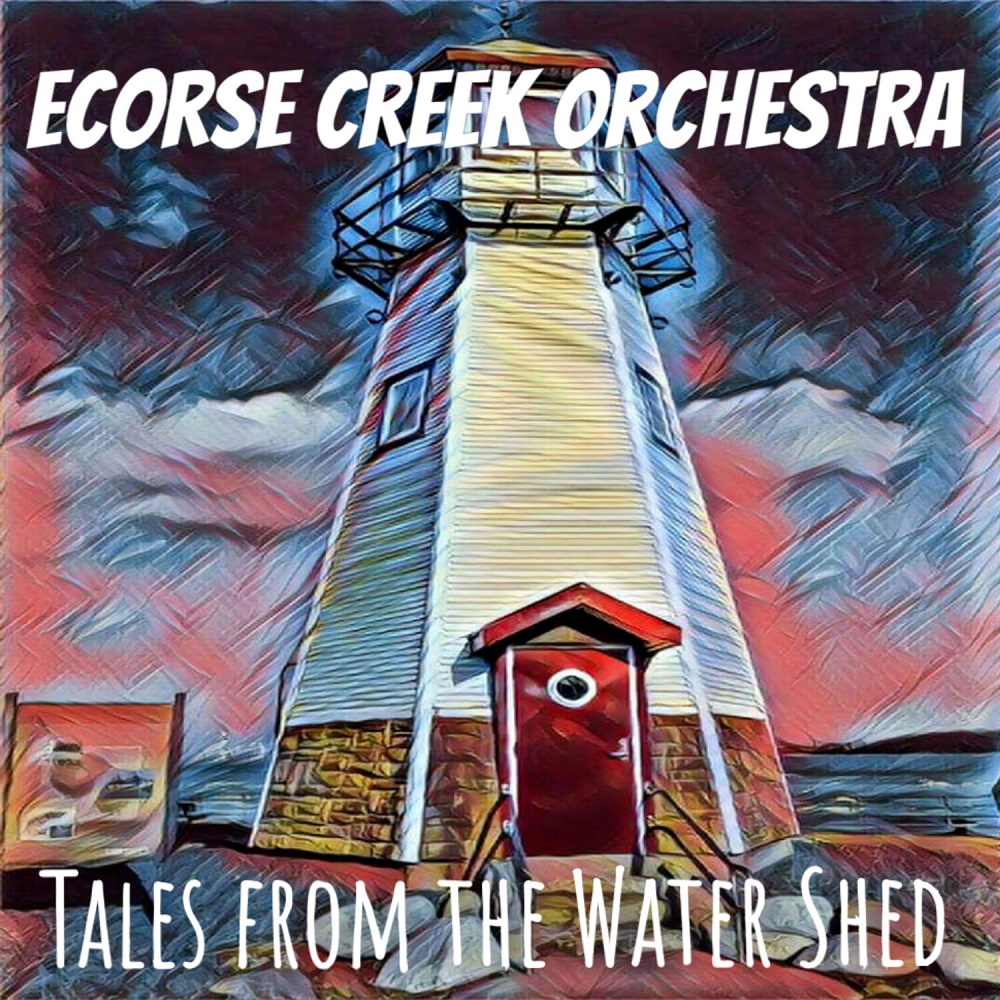
Ecorse Creek Orchestra - Tales From the Water Shed

image courtesy of Ecorse Creek Orchestra

by Eric Harabadian, Contributing Blogger

Album Review of Ecorse Creek Orchestra: Tales From the Water Shed

Ecorse Creek Orchestra is the pseudonym for Detroit-based singer-songwriter/multi-instrumentalist Dean Carls. This is the second release for ECO, following the debut EP Get Your Voodoo On. This is a diverse album rooted in quirky folk tales, amusing personal observations and avant-garde tunes.

“March of the Pandemic Shut-In” emerges on the scene as a semi-classical piano-based overture. The introduction of background TV and radio static and news reports reveal Carls’ wry sense of humor and commentary on what many humans have assuredly felt being inundated by all forms of media during quarantine and lockdown.

“Run Runaway” contains a Tom Waits-type growl fueled by a punchy horn chart. The story line seems to address the life of someone named Jackie who is trying to get one over on the mob. It’s got a very noir-like feel, with a moral that simply states “crime doesn’t pay!“

“I Spy, You Spy” is ripped right from today’s headlines. In these precarious times of Russian election interference and online hacking, Carls lays out a message that’s pretty straightforward, “These days it’s all too easy… I can get what I want through technology. I’m intruding on your privacy… I’ll watch you through your laptop, I’ll watch you through your phone, I’ll know when you’re at work and I’ll know when you’re at home.”

Carls dives into little-known history for a story about famed magician Harry Houdini in the song “Rosabelle Believe.” In it, the singer/composer details a tale of the magician and his wife Bess. Apparently he promised her that when he died he would try to communicate with her from the afterlife. And if he did contact her he would utter the title of a song that was the couple’s favorite known as “Rosabelle.” It’s got this gothic atmosphere, delivered by Carls, that gives it a slightly chilling effect.

“Let’s Go Let’s Go” shifts gears completely, with a track that has an upbeat early rock ‘n roll vibe. It’s got a repetitive chorus that indelibly hooks your ear. But then it throws a curve in the mid-section, with an odd time signature and tempo shift.

Hang on, because the song “Jolly Old Man” will hit you with something out of left field, yet again. Carls’ humor comes from all angles, and his ability to change his vocal sound and demeanor makes him a clever and formidable melodic chameleon. Here he takes the persona of some character right out of U.K. central casting, with the lines, “I’m just a Jolly Old Man, living in a manufactured can… I eat my din out of a tin… My body’s 90% sodium.” And the chorus hook will lull you into a trance, “But I like you and you like me and I like you and you like me and you.” Fans of Kevin Ayers, Monty Python, The Bonzo Dog Band and Abbey Road-era Beatles might get a kick out of this one.

“Party in the Backyard” follows and continues that deep cheeky humor that Carls cleverly places throughout. Again, he shifts his voice into a lower register to mimic a pretty convincing Jim Morrison-like cadence. The lyrics depict all aspects of a major house party in progress, complete with background crowd noise and some killer guitarwork. Pay attention, because in the middle of this tune Carls does a hilarious take-off on a Cheech and Chong-type bit that, when the cops are called for civil disturbance, the boys in blue get bamboozled by some fast talk. It’s a crazy track!

And then, from the ridiculous to the sublime, the album concludes with a somber tune dedicated to one of the most heinous race-related murders in history, “Emmett Till.” Till was a young black kid from Chicago who traveled through the southern U.S. to visit his uncle. He was murdered by a group of racists in 1955. Carls is joined by Australian Pink Floyd vocalist Emily Lynn who adds considerable melodic weight and drama to this heavy and sobering message. Carls sings, “They say he whistled at a white woman, but that ain’t no excuse… For taking a 14 year old boy’s life… His killers deserved the noose.” And the chorus chants “Crosses in Mississippi were burning, yet the world keeps turning… A country stood aside ignoring… But Emmett Till we won’t forget you.”

“I wanted to be true to the album title and make each song a tale of its own,” says Carls. “Some of the inspiration I drew from Johnny Cash’s songwriting because when you’re done listening to a Johnny Cash song, you know what the story of the song was about.”

Album Review: Dan Israel – Social Distance Anxiety Disorder

Dan Israel

photo by Steven Cohen; photo courtesy of Dan Israel

Album Review of Dan Israel: Social Distance Anxiety Disorder

Minnesota’s favorite son, singer-songwriter Dan Israel, kept busy during spring quarantine by unveiling a new album, Social Distance Anxiety Disorder, released just 8 months after his 2019 release, Social Media Anxiety Disorder, which was reviewed here by Blog contributor James Morris.

Dan Israel - Social Distance Anxiety Disorder album cover

image courtesy of Dan Israel

In the past I’ve noted that Dan is a singer-songwriter with a folk-meets-rock delivery, while his wide variety of influences is evident to varying degrees on different albums. Social Distance Anxiety Disorder showcases many of Dan’s influences, and most of the disc would be best described as a singer-songwriter rock ‘n roll album. The opening track, “Wit’s End,” is markedly more pop than folk, with a peppy, word-thick delivery blending harmony and hooks. “Bewildered,” though, cranks things up a bit, as it’s more of a strumming ’70s rock-era protest song that complains densely in the verses before opening things up more in the choruses. And “Bustin’ Out” has a hint of Beatles influence, with a crunchy guitar opening, a rich music bed, and several opportunities to sing along with the “ahhhhh” in the background.

Dan Israel

photo by Steven Cohen; photo courtesy of Dan Israel

“Don’t Think They’ll Say” comes across as Dylan meets a travelin’ road song. It flows neatly into the smooth “Trying for a Long Time,” a strummer with a calming, mellow vibe.

Some nifty plucking opens “Guess It’s Time/Everyone” before the song’s chunky, steady-paced beat kicks in. Seemingly a simple melody at first, additional instruments and rhythms join, and the song evolves into an attention-grabber.

“Little Bit of Your Love” follows energetically, as thumping drums and a past-midpoint guitar solo drive home a rock ‘n roll vibe to deliver a tune you might hear on some Tom Petty or John Mellencamp records, complete with an off-balance, Petty-esque rock vocal vibe. Dan cranks it up a little more, even, on “Something for the Pain,” a bluesy, gritty, and kind of psychedelic rock number equally befitting a concert stage and a seedy dive bar.

“Vision in My Dreams” settles things down a little, closing the disc with a thoughtful vocal line and a broad, open, expansive sound.

The breadth of this disc causes it to be one of my favorite Dan Israel albums, as I can play it easily on repeat due to the variety of tempos, moods, and influences showcased throughout. Dan is one of the handful of great, regionally-renowned American troubadours – a singer-songwriter whose music is peppered with influences that enable him to appeal to multiple fan bases. It’s always a pleasure to review one of his well-crafted, engaging releases, like Social Distance Anxiety Disorder.

Dan Israel

photo courtesy of Dan Israel

Looking Ahead

Dan isn’t performing live at the moment, but when he does, you’ll find his gigs on the “Shows” page of his website or the “Events” tab of his Facebook page. He does seem to regularly livestream on the “Videos” tab of his Facebook page; you can find some old livestreams on there now.

Album Review: Stick Men – Owari

Stick Men

photo courtesy of Moonjune Records

by Eric Harabadian, Contributing Blogger

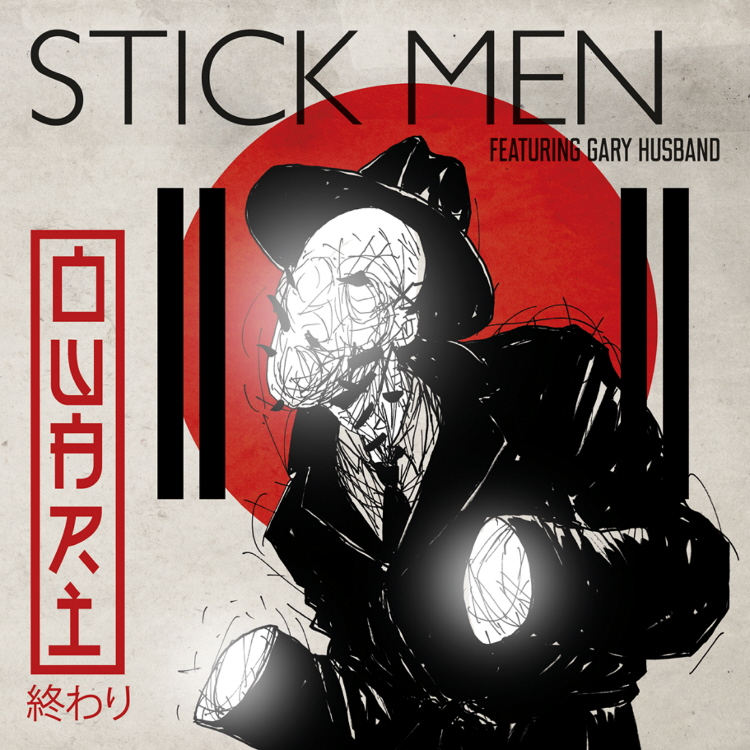
Album Review of Stick Men: Owari (Moonjune Records)

The credentials of the members of Stick Men are a jaw-dropping resume of epic musical proportions. The collective of bassist/Chapman Stick player and vocalist Tony Levin, drummer/percussionist Pat Mastelotto, guitarist Markus Reuter and guest keyboardist Gary Husband is a creative force to be reckoned with. Peter Gabriel, King Crimson, Mister Mister, The Rembrandts, Jack Bruce, Paul Simon, John Lennon, John McLaughlin and Allan Holdsworth, among others, have all benefited from the contributions of key members in this ensemble.

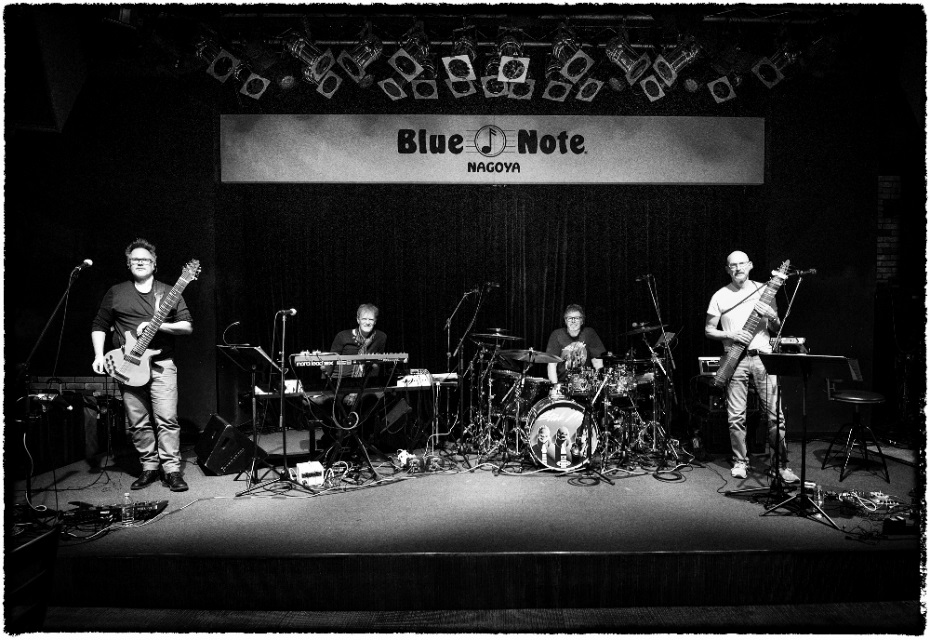
This album was recorded live in Nagoya, Japan at the Blue Note Club on February 28th, 2020. At this time, of course, the Covid-19 pandemic was emerging throughout Asia, and the band soon realized their sold out tour was about to come to a grinding halt. But, as they say, the show must go on, and they fulfilled their last date on the abbreviated tour, with this stellar document before a modest crowd.

“Hajime (Peace)” opens the album with some taped spoken word by Deborah Carter Mastelotto reciting frequent King Crimson lyricist Pete Sinfield’s poem “Peace.” It’s kind of an overture or ambient piece featuring feedback guitars, odd sounds, and orchestral washes.

“Hide the Trees” slowly builds into some wild intrepid guitar passages that blend with softer melodic lines and odd time signatures. Dense and complex soundscapes underpin heavily syncopated rhythms and Gary Husband’s keyboards.

Stick Men - Owari album cover

image courtesy of Moonjune Records

A constant pedal figure by Tony Levin anchors the controlled chaos and interwoven melodies of “Cusp.” Various themes waft indiscriminately through the dense musical blend, with effective drum accents by Pat Mastelotto.

The King Crimson classic “Larks’ Tongues in Aspic (Part II)” is an interesting transition, with its ever changing rhythm structures and key modulations. The song gradually builds in sonic power and emotion. There is a raw metallic energy that is offset by Husband’s jazzy dissonance on piano.

The cleverly titled “Schattenhaft” maintains a strong funky groove. It’s kind of an improvisational free-for-all, with a real sense of urgency typified again by intriguing keyboard comps from Husband.

“Crack in the Sky” changes the mood slightly where Levin recites vocals with poetic élan. It’s a dreamy, cinematic track that also puts the spotlight on Markus Reuter’s virtuoso legato guitar lines.

The title track “Owari” translates to “The End” in Japanese. And, in many ways, it signifies the state of being the band was in when faced with having to cancel the rest of their tour. It’s kind of a spacey, open-ended piece that musically bridges the gap between dreams and nightmares.

“Prog Noir” in effect translates to “dark prog.” And that’s exactly what this is. It’s a lurking behemoth-like monster of a tune, with its ominous vibe and feel. Levin’s smooth lead vocals and odd phrasing give this an otherworldly quality.

“Swimming in T” offers more experimentation and a swirling collage of sound and vision. “Level 5” is reminiscent of the Mahavishnu Orchestra’s asymmetrical rhythms and rocky sound. It’s a real showcase for all the improvisational strengths of the band.

The bonus track, appropriately titled, “The End of The Tour” is one huge soundscape that builds to a monumental crescendo. Husband steps out prominently on piano and synthesizer and rises above the ensemble’s well constructed tension.

For a live album, the engineering by Robert Frazza is amazing. It’s so quiet and clean as if it was recorded in a studio. You don’t hear any audience chatter or noise. I don’t know if that says something about the politeness of Japanese audiences or it’s more about the editing skills of Frazza, but it sounds phenomenal. Highly recommended!

Album Review: Bonnie Whitmore – Last Will and Testament

Bonnie Whitmore

photo by Eryn Brooke; photo courtesy of Conqueroo

by Eric Harabadian, Contributing Blogger

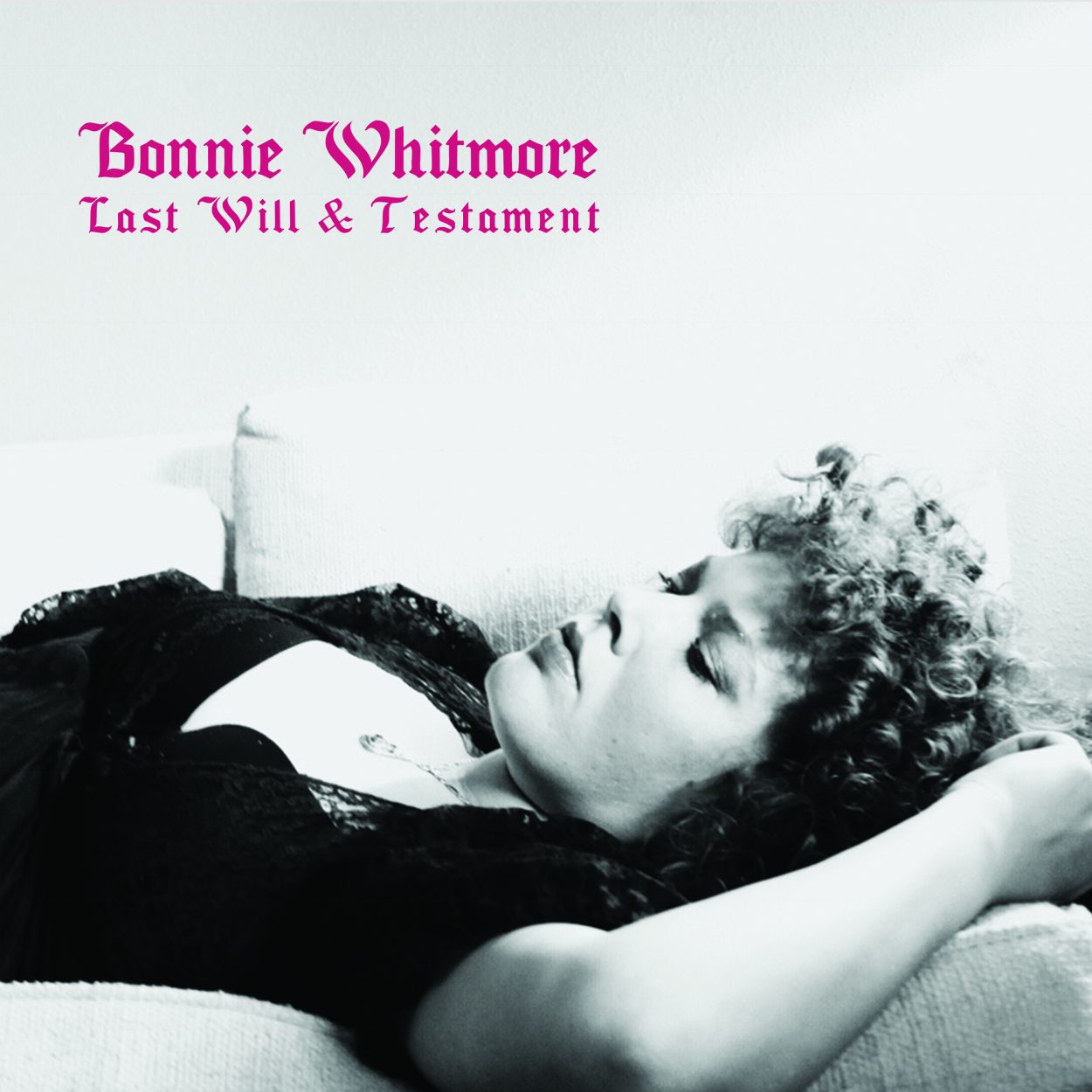
Album Review of Bonnie Whitmore: Last Will and Testament

Bonnie Whitmore is an accomplished vocalist, bassist, guitarist, and cellist from Austin, Texas. She has been a side woman to such notables as Eliza Gilkyson, Jimmie Dale Gilmore, and Butch Hancock, among others. She’s spent a number of years supporting other artists and has recorded some solo work in the past. But with Last Will and Testament, Whitmore is front and center with her strongest musical statement to date.

Bonnie Whitmore - Last Will & Testament

photo by Eryn Brooke; image courtesy of Conqueroo

She’s got a full cadre of some of the Austin scene’s finest, including her sister Martha on backing vocals and sister Eleanor who plays violin and provided some of the string arrangements on two of the tracks. Beginning with the title track, there is a lush Phil Spector-like wall of sound that emanates from your speakers. It’s a gothic feel, with some ‘60s flourishes and an incredible sonic landscape.

“None of My Business” follows and is soulful and slow. There is a tender R&B nature to this wrapped up in Jeff Lynne-like production. Whitmore’s got a big voice and blends really well with her backup accompaniment. “Right/Wrong” asks the question “How will you be remembered?” Amid a smooth samba-like structure with a nice horn arrangement, she explores making the right choices and reminds that “words can get lost in the haze of what really matters.”

Bonnie Whitmore

photo by Eryn Brooke; photo courtesy of Conqueroo

“Fine” features catchy hooks, a skilled use of dynamics and, perhaps, a Stevie Nicks influence in a country rocker about the cycles of a relationship.

Whitmore picks up the pace and infuses the song “Asked For It” with a punkish energy. Never afraid to speak her mind, the dynamic songstress tackles the subject of rape culture where in the bridge she sings “so go on and blame the victim, why should violence have consequence? And each time you silence them, recreates the same event.” It’s certainly material that makes one take pause and think.

“Time to Shoot” focuses on another aspect of human nature dealing with inner perception and knowing oneself. With an almost operatic feel Whitmore delivers the words “Time to shoot, take the shot, show the world what you’ve got. When it’s done, when you’re gone, were you right, were you wrong?” This dynamic artist always gets right to the heart of the matter.

Bonnie Whitmore

photo by Eryn Brooke; photo courtesy of Conqueroo

“Love Worth Remembering” lightens the mood a bit, with some good bluesy old school rock. It addresses unconditional love that will stay the course. The sentiment is sweet and honest and, again, talks about things most folks can relate to. “Imaginary” tends to stray from the norm here, with a waltz-type rhythm and cadence. It’s a quirky fantasy-filled piece supported, in a large part, by Betty Soo’s accordion drone.

“Flashes and Cables” was written by backing vocalist Will Johnson and is the only song on the album not written by Whitmore. It features a dramatic chorus and an interesting mix of guitar dissonance, vivid storytelling, and well-measured dynamics.

“George’s Lullaby” wraps the album, with a dedication to Whitmore’s late bassist friend and mentor George Reiff. It is certainly a tearjerker, with its somber, jazzy baroque-type feel.

Bonnie Whitmore displays that she is totally adept at carrying a whole album herself, in addition to being a support and utility player. She has an interesting and diverse point of view and cuts right to the chase, with her perceptive songs and stories of the human condition.

Album Review: Rachel Brooke – The Loneliness in Me

Rachel Brooke

photo by Jess Varda; photo courtesy of Hello Wendy

by Eric Harabadian, Contributing Blogger

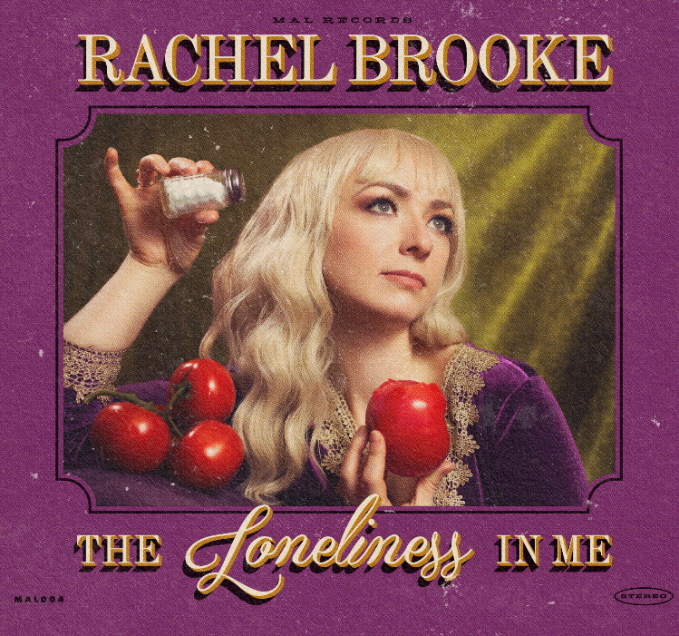
Album Review of Rachel Brooke: The Loneliness in Me (Mal Records)

From the wilds of northern Michigan (Traverse City, to be exact!), that classic Nashville vibe has been uncannily recreated by vocalist Rachel Brooke and her studio compadres. The Loneliness in Me is the latest in a long line of solo and collaborative recorded works by this vibrant artist. All of the dozen songs here were written by Brooke, with many co-written by her husband and fellow vocalist Brooks Robbins.  It’s a tight and satisfying collection filled with humor, love, heartbreak , irony and honest emotion.

Rachel Brooke – The Loneliness in Me album cover

image courtesy of Hello Wendy

The album begins with the slow and moody “It Ain’t Over Till You’re Crying.” Right away, Brooke hooks you with her angelic vocal twang as she spins a tale of love on the rocks. It’s got a lilting bluegrass feel that sets the tone she means business. “Great Mistake” is a nice mid-tempo ballad that is a mix of sweetness and melancholy. In it, she sings “I was always chasing rainbows… to be that never did grow old. While I was chasing some new heaven, someone stole my pot of gold.” Next up is a surreal and dreamy track called “The Hard Way.” This features some strong backing vocals and an interesting production quality on Brooke’s voice. When she elicits “The hard way is still a hard way to learn,” she seems to draw from personal experience.

The title track “The Loneliness in Me” is a certified single, with all the rowdiness and spirit of Loretta Lynn. Liz Sloan’s agile fiddle work really smokes and supports what sounds like an autobiographical account of Brooke’s experiences in the music biz. Her words are filled with dry humor and wit as she bellows, “I ain’t got time to worry about reality. I’m busy dreaming up tragic potentialities. I’m always prepared for any trouble unseen thanks to the loneliness in me.” It’s very tongue-in-cheek and has a good dance floor feel.

Rachel Brooke

photo by Jess Varda; photo courtesy of Hello Wendy

“Picture on the Wall” has a smooth and easy swing rhythm, with Jarrod Champion’s elegant Floyd Cramer-like piano. “It Won’t Be Long” is another slow to mid-tempo track, with stellar guitar and banjo accompaniment.

“The Ghost of You” further blends an ironic lyrical twist with a chilling sentiment as Brooke sings, “The ghost of you is always on my mind, the ghost of you still haunts me from time to time, the ghost of you still loves me, or so I’d like to think, the ghost of you comes back to me… but only when I drink.” And then she follows that up with a nod to Johnny Cash, with “’Cause every time I hit the streets I go out and walk the line. The ghost of you comes with me, the ghost of you is still mine.” Kudos to Dave Feeny who provides a warm and flowing pedal steel solo here.

“The Lovells Stockade Blues” adds some bluegrass flames to this collection, with a bawdy and shuffling beat. “Lucky and Alone” shifts gears, with what sounds like a relationship on the rails. It’s one of those loving and losing kind of songs where the blond songstress sings, “Lucky and alone, you’ll wake up and I’ll be gone. What good fortune to be in my company. I kept you around, but I wore the king’s crown. Your misery is clover to me, lucky and alone.”

Rachel Brooke

photo by Jess Varda; photo courtesy of Hello Wendy

That tongue is firmly planted in cheek again for “The Awful Parts of Me.” The hook here is delivered with a knowing grin and a pseudo femme fatale indifference: “You can have it all – revenge and apathy. You only love the awful parts of me.”

“Undecided Love” features a beautiful melody and a heartfelt lyric, with “Take all the time to decide, I’ll be here when she leaves you behind. Undecided love, call heads or tails I could be the one. In the balance I reside… my fate you decide, my love’s the undecided kind.” The album concludes with a somber and somewhat moody “I Miss It Like It’s Gone.” The song casts a gothic and surreal finale to the record and offers a nice contemplative resolve.

Rachel Brooke is an artist who comes from a musical family and embraces her country and bluegrass roots with love and appreciation. That sincerity comes through loud and clear in her songs, stories, and personality.

Looking Ahead

You can find Rachel’s upcoming shows on the “News and Shows” page of her website. She currently has shows scheduled on Friday, February 5th and Friday, March 5th at the American Legion Lounge in Grayling, MI. (Event announcements of the gigs, with additional details if you click on them, also appear on the American Legion’s Facebook page.)

Album Review: Blurred Vision – Redemption

Blurred Vision

photo by Eric Duvet; photo courtesy of Judy Totton Publicity

Album Review of Blurred Vision: Redemption

How does a band follow up a debut album the caliber of Organized Insanity? In the case of Blurred Vision, quite nicely, thank you. The gents don’t miss a beat on their second studio album, Redemption.

When I reviewed Blurred Vision’s London showcase, I leaned into the band’s obvious Pink Floyd influence. Then, later, when I reviewed Organized Insanity, I noted the broader classic rock influences, in addition to Floyd, that fleshed out the group’s sound. But the songs on Redemption package the band’s progressive and classic rock influences into an increasingly original Blurred Vision rock ‘n roll persona. Oh, sure, you can still pick out Pink Floyd, the Beatles, Electric Light Orchestra, and other influences, but Redemption is mostly just different flavors of Blurred Vision, variations on a theme. Whether it’s the band maturing or simply my increased familiarity coming into play – Sepp Osley‘s voice is unmistakable – it’s easy to identify the trademark Blurred Vision sound after just a few notes.

Blurred Vision

image courtesy of Judy Totton Publicity

The opening distorted electronic rhythmic beat of very first track, “One Day,” kicks things off strong, drawing the listener into the song and disc as the music builds into a somewhat haunting, rhythmic mid-speed soft-rocker.

“What Have I Become” follows, led by more aggressive drumming – not loud, but somewhat war dance-inspired – before the song rounds a corner into a singalong-styled openness. And perhaps the “I’m feeling numb” line is what suggests a “Comfortably Numb” comparison to me, not so much in the music itself as in its tempo and mood.

“Redemption” is similarly flavored, though features like the attention grabbing “I want to know” spoken mid-song and the enticing “waiting for the world to rise” lyric give “Redemption” an enticing uniqueness.

“Clever Dawn” ratchets things up a bit, with crunchy guitar and soaring bridges. The increased energy level serves as a nice transition to prepare the listener for the storm to come.

Blurred Vision

photo courtesy of Judy Totton Publicity

That “storm to come” is the first of the two energetic songs that most frequently get stuck in my head, “Magdalena.” It and “P.O.W.” are the songs I find myself singing to myself for days after playing Redemption. “Magdalena” is very nearly a clap-along number that always inspires involuntary dancing – in or out of your chair – and singalongs with “Whoo-hooo! Whoo-hooo! Whoo-hooo!” and “I wanna hear you sing it!” “P.O.W.” has a moderately tempoed, anthemic, high-energy, protest-song vibe. It’s not a singalong song; it’s a shout-along number! I imagine if it were ever released as a single, the natural short-version ending would be around the five-minute mark, but album rock fans will love the minute-plus creepy music interlude before a repeating siren-like guitar line begins the tune’s slowly building rocket-ride back to rockin’ awesomeness until “P.O.W.” clocks out at 8:36. I know Blurred Vision is a progressive classic rock band, but the three minute long instrumental sequence late in this song is probably the proggiest thing I’ve heard from these guys.

Sandwiched between those two tracks, you can hear the Beatles influence in “Mystic Garden,” though with a bit more ethereal, open, airy quality.

“Companion” and “Inside Out – Collision Course” close things out. Slow but steady tempoed “Companion” significantly reduces the temperature in the room after “P.O.W.” There’s an almost dreamlike sheen to its musicality, and it features some nifty, subtle dance-through guitarwork. “Inside Out – Collision Course” follows along the same sonic lines, then transitions via a drum run to a more energetic vibe – the transition between the “Inside Out” and “Collision Course” segments of this disc-closing number.

Blurred Vision, with its consistently high-quality songs and performances, has become one of my favorite bands over the last few years. And its position in a necessary but sparsely-traveled lane of the rock and roll highway, at least among currently active bands – the “peace, love, and rock ‘n roll,” classic, album-oriented rock lane, if you will – makes this band and album an absolute necessity, not just for fans of classic rock but also for people who appreciate great songwriting.

Looking Ahead

Whenever there are again tour dates in the future, you’ll be able to find them on the “Tour Dates” page of the Blurred Vision website.

The band has also hosted two annual John Lennon tribute concerts on Lennon’s birthday, October 9th, in support of the War Child UK charity, featuring Blurred Vision’s song for Lennon, “Dear John,” which appeared on Organized Insanity.

Album Review: Fuzztones – NYC

by Eric Harabadian, Contributing Blogger

Album Review of Fuzztones: NYC (Cleopatra Records)

Since 1980, lead vocalist-guitarist Rudi Protrudi has been at the helm of New York garage rockers Fuzztones. They have been named revivalists by some, but they actually are one of the architects of that classic proto-punk/alternative rock sound. However, in celebration of their 40 year anniversary, Protrudi and company decided to pay homage to those fellow New York City bands and songwriters that have influenced what they do. And it’s an impressive list of songs that could be ripped right from the playlist of Little Steven’s Underground Garage on Sirius Radio.

Fuzztones - NYC album cover

image courtesy of Glass Onyon PR

Joining founder Protrudi on this collection of eclectic musical nuggets are Lana Loveland on keyboards and vocals, Eric Geevers on bass and vocals and Marco Rivagli on drums and vocals. This is a tight and efficient unit that really knows how to effectively interpret their heroes, yet still retain a semblance of their own sound. Much in the spirit of the Sex Pistols’ Sid Vicious and his infamous take on Sinatra’s “My Way,” Fuzztones cover another classic by Ol’ Blue Eyes, appropriately, “New York, New York.” The band gives it a rocking spin that walks that line between irreverence and respect. Gender bending Jayne/Wayne County is represented here with a psychedelic take on their track “Flip Your Wig.” It’s very Seeds meets Question Mark and the Mysterians, with cool organ comps from Loveland and Protrudi’s buzz saw fuzz guitar work. The Cramps’ “New Kind of Kick” features a primal beat and screaming guitars. Greta harmonies frame a hazy, aural drug-like trip. The very lyrical and ‘60s-sounding “53rd & 3rd” is a Ramones cover. It’s reflective of life on the streets, with strong backup vocals and a catchy pop sensibility. Other highlights on this 15 track album are the urgency of the Dead Boys’ “High Tension Wire,” Blue Oyster Cult’s ultra-hip “Transmaniacom MC,” the lush production of Richard Hell’s “You Gotta Lose” and the fantasy feel of Patti Smith’s “Dancing Barefoot.”

The Fuzztones relocated to Los Angeles shortly after the release of their first album Lysergic Emanations in the early ‘80s, but have always remained close to their musical roots. “New York has always been at the core of the Fuzztones entity,” says Protrudi. “So, what better way to celebrate 40 years of fuzz than a tribute to the music that drew us there?”