
Single Review: beauty is the end – “helplessly hoping”

beauty is the end

photo courtesy of beauty is the end

Single Review of beauty is the end: “helplessly hoping”

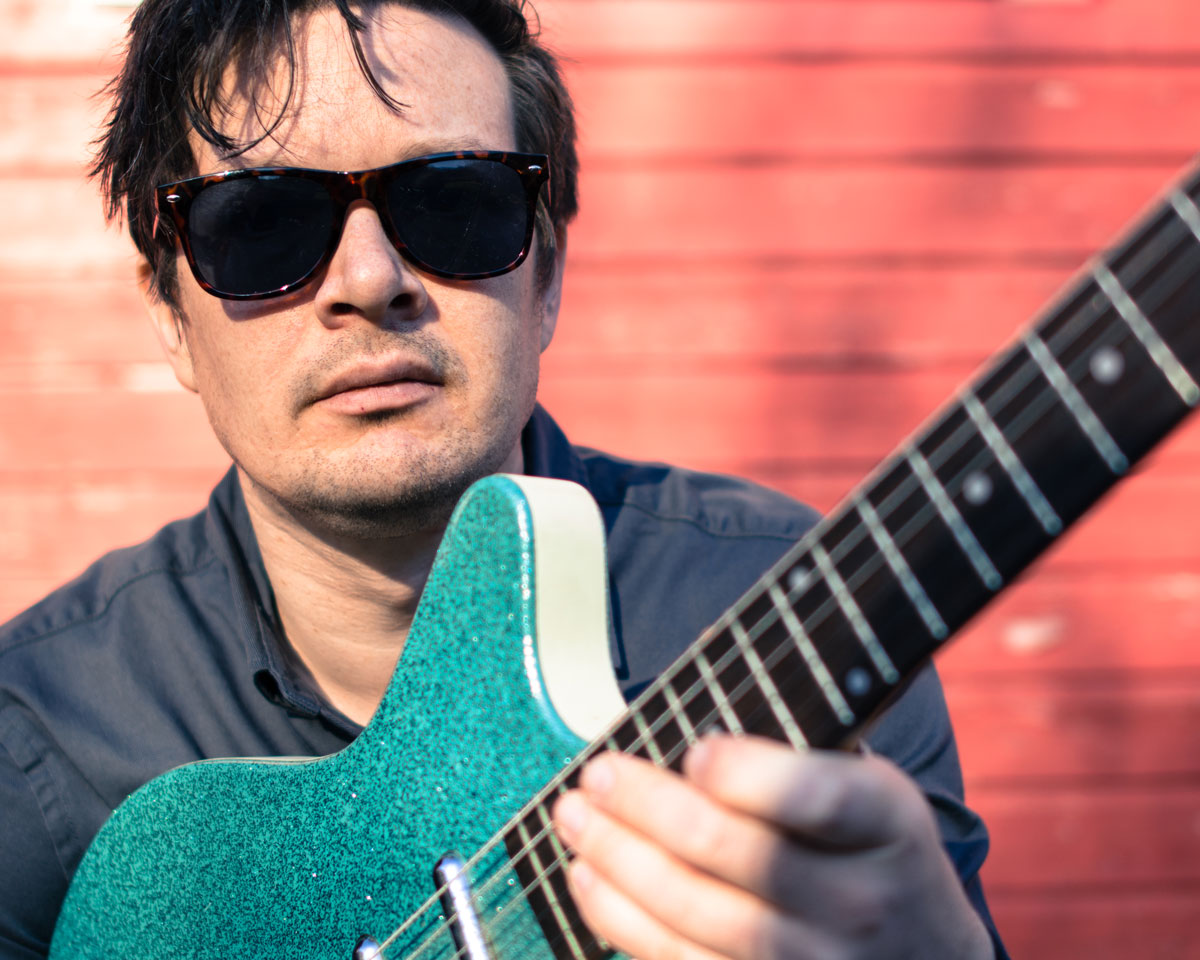
We’re reviewed the music of bandleader Clint Degan here before, in the role of Body English’s vocalist and guitarist, when I reviewed Stories of Earth. This, however, is a truly original, unique sound worth approaching with a fresh palate, featuring Cullen Corley on percussion and multi-instrumentalist Degan recording the remaining instruments and vocals. So grab some ginger and be prepared for a fresh musical dining experience on “helplessly hoping.”

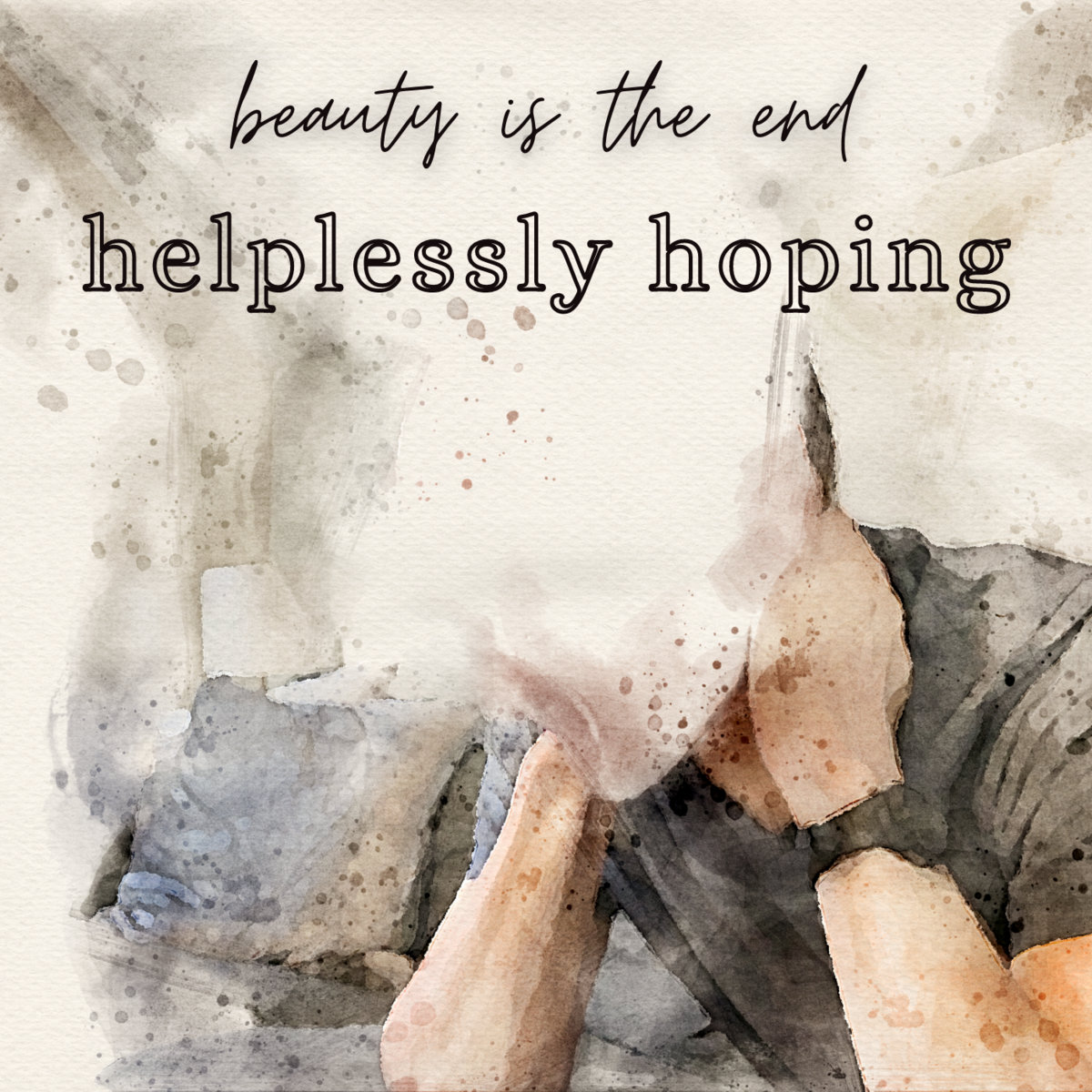
beauty is the end – helplessly hoping

image courtesy of beauty is the end

This song is timeless. But beauty is the end delivers an updated version of this Crosby, Stills & Nash classic. The harmonies are replaced by instruments or perhaps just less volume, serving up a modernized sound, adding a hint of progressive instrumentation, softening the harsh harmonic edges of the original with a thinner, more sensitive vocal line and softened transitions. This version completely changes the feel of the song without touching the main melody, and in the process of modernizing, it actually recalls a completely different set of ’70s bands. Call it a two-way transportation through time, if you want, landing at a different destination.

Whatever it’s quite cool and really pleasant, enjoyable listen, gradually becoming a favorite on my playlist. To be honest, after acclimating myself to the beauty is the end version, I find it hard to listen to the original. I’ve come to expect this version’s softness to the extent that Crosby, Stills & Nash’s harmonies in the original startle me. Yeah, yeah, I know. I should show more reverence to the trailblazers, but I really dig this version. Check it out for yourself.

To keep up with beauty is the end, follow the band’s Facebook page.

Single Review: Troubleshooting Pandora’s Box – “Pyrrha’s Song”

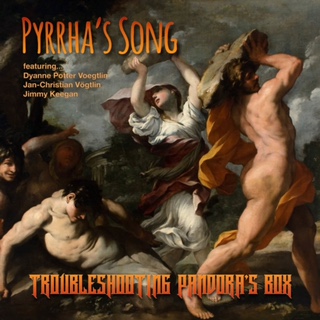
Troubleshooting Pandora's Box – Pyrrha's Song

image courtesy of Potter’s Daughter

Single Review of Troubleshooting Pandora’s Box: “Pyrrha’s Song” (Melodic Revolution Records)

The first song from the Troubleshooting Pandora’s Box project, spearheaded by Melodic Revolution Records founder Nick Katona, is “Pyrrha’s Song.” It features Dyanne Potter Voegtlin (keyboard, vocals) and Jan-Christian Vögtlin (bass, guitar, keyboards) from Potter’s Daughter (whose recent album I reviewed) with Jimmy Keegan (drums).

An edgy, symphonic-leaning progressive rock number, “Pyrrha’s Song” is purposefully tense and uncomfortable. Or, rather, never quite comfortable. Stray notes pop up suddenly and harshly within the melody to keep the listener off-balance and paying attention, while the drums crash and vocals test the song’s upper sonic limits, all set interestingly to a laid-back bass line.

This is what progressive rock is all about, putting great musicians in a situation to pursue a concept – not always an unsettling concept, but sometimes and in this case – and try to tell its story through music, typically in unexpected ways. “Pyrrha’s Song” is a cool song and a fun, interesting listen, though by necessity it’s an active listen. If you dig this sort of music, this Troubleshooting Pandora’s Box release is a fine example of it and well worth your listen.

More info about the project (Troubleshooting Pandora’s Box) and the song (“Pyrrha’s Song”) can be found here on this page of the Melodic Revolution Records website.

Album Review: Carl Verheyen – Sundial

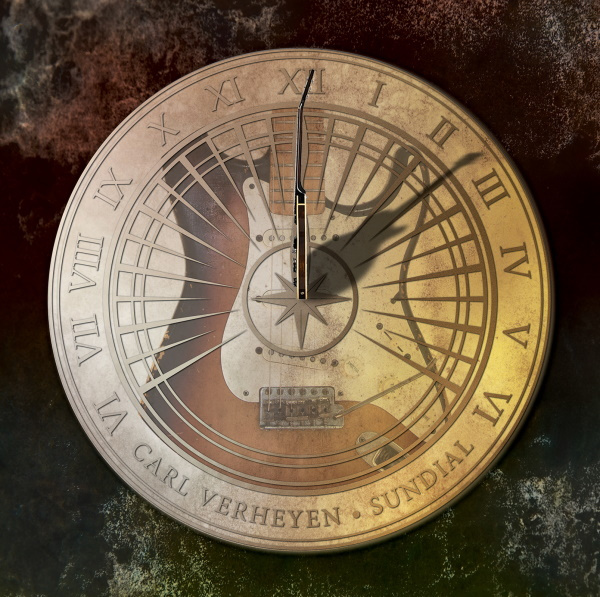
Carl Verheyen – Sundial

image courtesy of Glass Onyon PR

Album Review of Carl Verheyen: Sundial

There was a time when more rock ‘n roll albums blended catchy melodies and progressive guitarwork, energetic hook-driven tunefulness and meandering noodling, rock ‘n roll with both a soft touch and a musical passion. Carl Verheyen‘s Sundial harkens back to those ’70s and early ’80s albums on which rock music wasn’t as stylistically compartmentalized, especially when featuring a lead axeman capable of such guitar wizardry as Verheyen.

Carl kicks things off with the fun title track. “Sundial” recalls a Stranger-era Billy Joel tune, but with progressive rock-style guitar occupying the solo and bridge slots, constrained within the package of a broad-appeal pop-rock song. It’s a very cool, groovy, cheerful tune with a great big sound.

The cheerfulness carries on into the following song, the bright, happy, energetic guitar instrumental “Kaningie,” a song with a catchy beat and plenty of character. Something about the energy of this track reminds me of the sorts of energetic instrumentals Bob Malone sneaks onto his albums, daring you to notice – rarely on the first listen – that there weren’t, in fact, any lyrics.

You can hear the funk meet the blues in “Clawhammer Man,” a true ’70s-styled funk-rock attitude-filled gem.

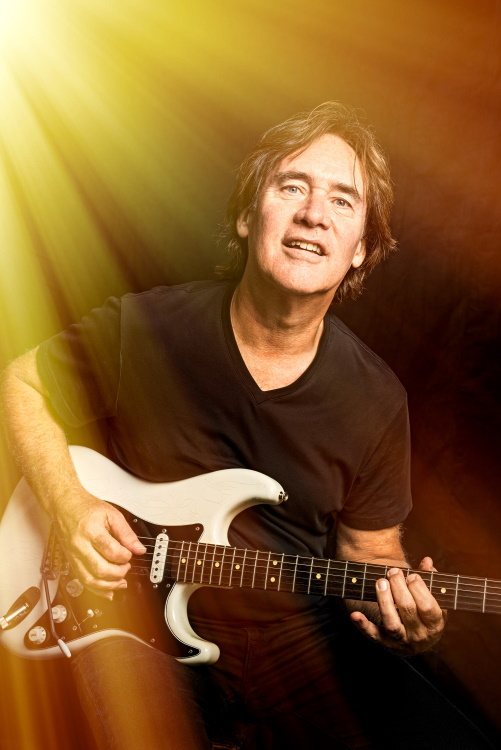
Carl Verheyen

photo by Rainer Hosch; photo courtesy of Glass Onyon PR

“Never Again” seems like a song you might have heard from Styx. A forceful musical beginning opens into a softer, lush, musically smooth chorus. If it were a Styx tune, I’d expect a faster tempo, while “Never Again” has a more blues-based, takin’-its-own-sweet-time vibe, but the blend of guitar and organ mix and verse-to-chorus transition “well, never again” recall something one might expect from the aforementioned Second City rock heroes.

“Garfunkel (It Was All Too Real)” maintains that same laid-back tempo, but it returns to a style in the neighborhood of late ’70s radio-friendly soft rock, recalling those nostalgic numbers that seemed to be telling a story in black and white. This track features plenty of keyboard but also leaves ample room for Verheyen’s guitarwork to dance through the melody, as well it should.

Verheyen cranks up the energy again on his cover of the Rascals’ “People Got to Be Free.” Mixing a ska rhythm, a faster-than-the-original tempo, and overriding rock guitar lines and vocal wails, this fun reimagination comes across as a completely different song than the original.

Next up, “Sprial Glide” is a tightly-structured, well-composed, mellow, progressive soft rocker, a 7-minute epic with recurring note-bending guitar and keyboard hooks holding it together before and after the mid-song guitar solo. “Sprial Glide” is the sort of musician-based masterwork you think of when you hear the phrase “album-oriented rock.”

“Michelle’s Song” is more of a crossover pop/soft rock number, the sort that used to dot pop-rock radio playlists, a song where folk-structured lyrics meet pop songwriting sensibilities and rock ‘n roll musicianship.

“No Time for a Kiss” is the last full-length song on the album, a progressive rock-flavored not-quite-ballad designed to showcase a melancholy wailing guitar line that complements the similarly-pained vocals.

The last track on the album is the minute-and-a-half “Sundial Slight Return,” tying the album together with the instrumental melody of the opening track, putting a bow on the release as you’d expect from a thoughtfully assembled album. Also, coincidentally, it offers an opportunity for prepare you mind to return to song number one, particularly helpful if you’re playing Sundial on repeat. And why wouldn’t you?

Looking Ahead

Carl has a lot of gigs scheduled this summer and fall, beginning in Westlake, CA on August 29th, followed by September 4th and 5th gigs in Seattle, a couple more California shows, and then a European tour. You can find details about upcoming dates on the “Tour Dates” page of Carl’s website or on the “Events” tab of his Facebook page.

Album Review: Zanov – Chaos Islands

Zanov

photo courtesy of Rock Rose Music

by Eric Harabadian, Contributing Blogger

Album Review of Zanov: Chaos Islands

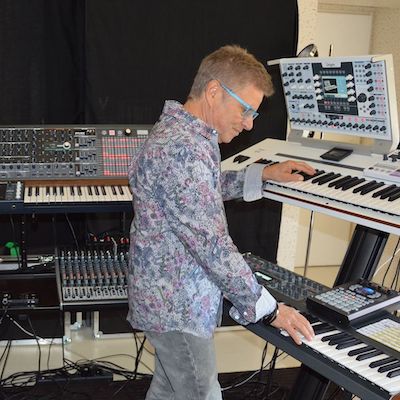
Pierre Salkzanov (aka Zanov) is a French electronic music wizard who has been on the ground floor of the synthesizer-driven music field since 1976. From 1977 to 1983, he produced three albums for the Polydor and Solaris labels. After a 30 year absence from the scene, he returned in 2014 with the album Virtual Future and in 2016 released Open Worlds. Both of these recordings came out on his label Zanov Music.

Zanov – Chaos Islands

image courtesy of Rock Rose Music

This latest release is a continuation of electronic exploration and sound design that is cut from the same cloth as fellow artistic comrades such as Tangerine Dream, Maurice Jarre, Jean-Michel Jarre, Klaus Schulze and Eberhard Schoener. As is the tradition with much of progressive and experimental music of this type, the album follows a conceptual path. That path is comprised of seven signposts or tracks that are built around the perspective where order and chaos combine to generate surprising beauty. Hence, each track is rooted in melody and rhythms, but there is a pervasive serendipity and unpredictability there as well.

Track one is called “Edge of Chaos Island.” According to the liner notes, the tune describes Chaos Island as a region, or state of mind, where “creative and decisive changes are taking place in the transition from order and chaos.” Zanov’s synthesized wall of sound envelopes the listener from all directions. What keeps the music flowing and together is an oscillating mid-tempo loop that ebbs and shifts, with changing themes and melodies.

Zanov

photo courtesy of Rock Rose Music

On “Inception Island” there is a surreal soundscape that’s created inspired by the cult film Inception. Nothing is what it seems with this track. It’s kind of cerebral, with fractal bits of thematic material and obscure sounds weaving in and out. Subliminal sounds permeate underneath other sonic layers on top.

Track three is called “Strange Attractor Island” and has an almost meditative or sci-fi feel to it. The mid-section is in ¾ time while various melodies emerge, build and fade away. But as soon as one melody diminishes, a counter theme develops.

“Three Body Island” sounds semi-classical. It’s rather slow and pensive, with mood shifts at the half mark that surrender to multiple counter melodies and arpeggiated chords.

On “Phase Space Island” the liner notes state: “At a glance one can see all possible states of a system, leaving out time.” The piece is a nice mix of a swirling sonic wash, with recurring themes and bubbling rhythms. True to its title there is the swell of phase shifting here.

Zanov

photo courtesy of Rock Rose Music

“All roads lead to bifurcations, some of them leading to perpetual change,” on “Instability Island.” To a degree this is true. But the overall track harbors a smooth and calming melody that is woven within. This provides an anchor that keeps the entire piece intact.

In regards to the seventh and final track “Emergence Island,” Zanov states it is “very complex and beautiful where surprising structures can emerge from a very simple iterative process.” This piece sounds somewhat reminiscent of German outfit Kraftwerk’s early work on their international hit “Autobahn.” There is a strong rhythmic undertow that consolidates this whole conceptual package in an assured and mechanized manner.

Zanov creates music that is lush, fills your speakers, expands your mind and transports the listener to another level of consciousness.

Album Review: Steinar Karlsen – Destination Venus

Steinar Karlsen

photo courtesy of Rock Rose Music

by Eric Harabadian, Contributing Blogger

Album Review of Steinar Karlsen: Destination Venus

Norway’s Steinar Karlsen knows his way around a guitar or two. He mixes a number of different styles together to create a unique brand of spacey and cinematic-based instrumental music. Picture an early Pink Floyd meets The Ventures mash-up for a taste of this super Scandinavian’s sonic vision.

All twelve tracks seem to tell a story that touch on various aspects of a journey through outer space. The album opens with “The Goodbye”’s slow and brooding minor key sounding Mediterranean blues. Right from the get-go Karlsen demonstrates impressive flamenco-sounding flourishes on electric guitar.

The fuzz-toned electric riffs of “Night Flight” blend elements of jazz and rock. It contains a meaty industrial strength-infused melody supported by spastic drums and a loose jam feel.

Steinar Karlsen – Destination Venus

image courtesy of Rock Rose Music

Karlsen shows his semi-classical side utilizing exotic modes and motifs in “The Karman Line.” Martin Langlie employs tasteful dynamics and snare-driven rhythms that really propel the piece into the band Focus territory.

“Weightless” is an interesting segue into experimentation that sets up a nice interlude for “Picnic on the Moon.” As the title suggests, this has a bright and light-hearted feel to it. The melody leans toward vintage surf rock, with modern overtones like Los Straightjackets.

The band goes on caravan for the exotic and cool “Space Camel.” The tune has a symphonic/gypsy vibe, with an obvious Middle Eastern quality.

“Monsters” swings as if Les Paul and Link Wray met and wanted to form a band. Eerie Theremin-like warbly saw sounds transport you to some bad B-movie sci-fi soundtrack music.

“The Trip” features really dense and animated drums and percussion. As the title indicates, you feel like you’re on an interstellar journey. The Farfisa-like organ gives it a cool retro feel that rips in an open and funky manner.

Another brief interlude called “Red Skies” leads into the signature track “Venus.” It’s got a catchy and danceable groove that spotlights a smooth breakdown between guitar and bass.

The mood alters slightly for the mellow “A Billion Stars.” Karlsen crafts a very lyrical and rich melody that harkens to one of Jeff Beck’s early instrumental fusion albums.

The voyage to Venus is concluded with a track called “Acid Rain.” It is an experimental Hendrix-like piece that dramatically pivots to an abrupt drum-induced finale.

Steinar Karlsen has released a successful series of guitar-oriented instrumental albums. This is certainly one of his best, with a playful and colorful blend of earnest, pop-induced melodies, thoughtful experimentation and brilliant musicianship. The perfect soundtrack for your resident billionaire’s next rocket ride through space.

Album Review: Cactus – Tightrope

Cactus

photo courtesy of Glass Onyon PR

Album Review of Cactus: Tightrope (Cleopatra Records/Purple Pyramid)

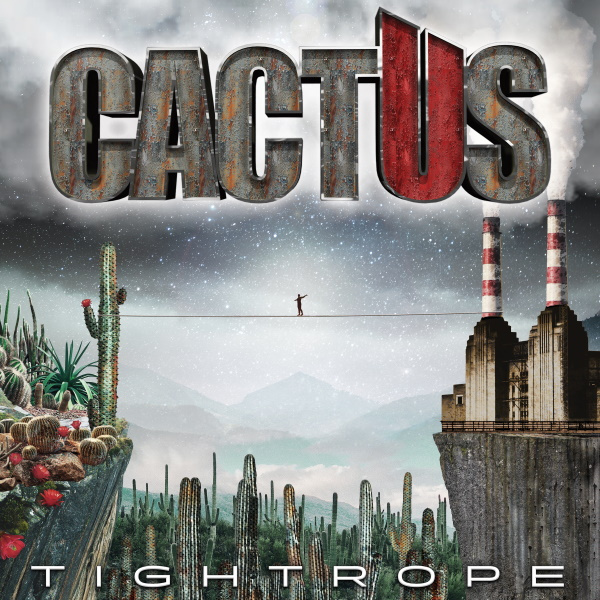
Classic hard rock from a bunch of veteran musicians who know how to make great music and still love rockin’. With that recipe, you just can’t go wrong. The new album from Cactus, Tightrope, hit stores on April 2nd. It’s album-oriented rock that straddles the ’70s and ’80s styles, with screeching guitar solos, instrumental mid-song jams, high-pitched vocal wails, a significant blues influence, and the inimitable drumming of Carmine Appice.

Cactus was an early 1970s classic rock band, founded in 1969, that released three albums from 1970 through 1974. An incarnation of the band continued to perform in the later ’70s. The band then disbanded until 2006, when it was resurrected by its original drummer, rock legend Appice. On this album, Appice is joined by longtime members Jimmy Kunes on vocals and Randy Pratt on harmonica. They’re joined by new members Paul Warren (lead guitar, vocals) and James Caputo (bass). Guest appearances are made by legendary rock vocalist Phil Naro (whose music I used to review regularly back in the ’90s when I published Geoff Wilbur’s Renegade Newsletter) and original Cactus guitarist Jim McCarty.

Beginning to end, Tightrope reminds you why that era of rock ‘n roll is timeless – why it persists to this day and was the foundation upon which the rock ‘n roll of my teens and twenties was built. With Tightrope‘s tricky beats, heavy rhythms, and sidewinding ways, Cactus also proudly displays the heavy blues influence that underpinned its lane of the ’70s classic rock superhighway.

Cactus – Tightrope

image courtesy of Glass Onyon PR

Album-opener “Tightrope” kicks things off with grinding guitar, stop-start rhythm, and edgily insistent vocals. Very classic ’70s rock with an uneven beat that stops each and every groove just as it’s getting started, purposely delivering an uneasily energetic ride balanced on a (as you may have guessed) tightrope.

The band takes that edginess into its next song, a growling, bluesy-wailing, juke joint-recalling rendition of “Papa Was a Rolling Stone.” Yowza, what a kickass cover!

“All Shook Up” begins all jangly with hints at Beatles-esque harmonies before digging in with crunchy guitars and a slightly gritty blues rock vocal wail.

“Poison in Paradise” follows, a slowly thumping, testifying, sad blues number, positively dripping with despair and regret. It’s a sign of the depth of the blues’ influence throughout this record that such a pure rockin’ blues number slips so nimbly into this collection.

“Third Time Gone” restores the energy, with a scene-setting blues rock harmonica piece helping get things rolling and steering the song, with some energetic fretwork that’ll appeal to guitar aficionados, and a kickass, harmonica-accompanied Carmine Appice drum solo toward the end.

“Shake That Thing” is another heavily thumping blues-heavy rock number, followed by “Primitive Touch,” which leans back into the sort of off-balance rhythm that’s the opening title track’s calling card.

“Preaching Woman Man Blues” returns the collection to the blues fold – in this case that of the relentlessly rhythm rockin’ blues variety – interestingly after an intro that seems significantly more classically-driven than blues-based, the first such strong appearance on Tightrope, though it’s pretty brief; still, it serves perhaps as foreshadowing that a bigger style variation might await.

But not yet. Indeed, the next track “Elevation” thumps away, as drums-and-harmonica driven as “Third Time Gone,” though with a vastly different rhythm line. I’m also quite fond of how “Elevation” ends so suddenly in a very live rock ‘n roll way.

Next is the longest song on the album. It’s one of my favorite 7-plus minute songs, a rarity for me as I tend to get antsy somewhere between four or five minutes. Indeed, “Suite 1 & 2: Everlong, All the Madmen” has some progressive rock leanings, and that’s not primarily a reference to it’s length; rather, my comparison is due to the song’s meandering ways. There is, in fact, a break point halfway through that serves as a dividing line between the “Everlong” and “All the Madmen” portions of the song, a great transition that rescues you, sonically with a bit of a circus or carnival musical flair, just as you think you’ll never get the hauntingly gurgling, otherworldly chorus of “Everlong” out of your head. It’s an inspired sound pairing, one that continues to improve after repeated listens.

“Headed For a Fall” picks up the tempo and delivers Tora Tora-esque blues rock that feels as if it’s delivered with a wink and a smile.

“Wear It Out” closes the disc with another slightly stylistically different take on the blues-rock that permeates Tightrope. As if a nod to the ’80s heavy rock that paid homage back to its ’70s roots, this is a song with a vocal line that might be found in a Honeymoon Suite song, though it might be some of the instrumental stylings that lead me to that comparison. Still, it’s dipped in and dripping from a purer blues and blues rock pedigree, augmented by judicious harmonica use and, as everywhere on this Cactus disc, driven by Carmine Appice’s intense rhythms that are simultaneously complex and straightforward, as only few drummers can accomplish.

I struggle to choose a standout track, with a different favorite upon each listen (but only just barely). “Suite 1 & 2: Everlong, All the Madmen” is always toward the top for me, in part because it’s such a unique song, but rarely number one. Simply put, this is a solid, cohesive collection of classic blues-based hard rock that’s an enjoyable listen every single time. My favorite way to experience Tightrope is beginning to end; I’m guessing that’ll be your favorite way, too.

Looking Ahead

There’s a “Cactus on Tour” page on the band’s website, but it’s currently devoid of dates. Be sure to check back periodically.

Album Review: Merry Clayton – Beautiful Scars

Merry Clayton

photo by Mathieu Bitton; photo courtesy of Shore Fire Media

by Eric Harabadian, Contributing Blogger

Album Review of Merry Clayton: Beautiful Scars (Motown Gospel/Ode Records)

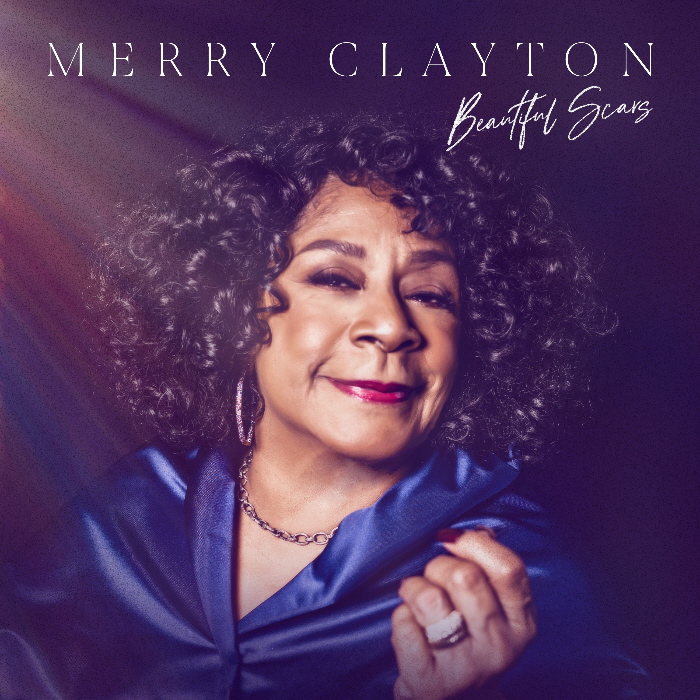
Go back and listen to some of your favorite tunes over the years – The Rolling Stones’ “Gimme Shelter,” Lynyrd Skynyrd’s “Sweet Home Alabama,” “Feelin’ Alright” by Joe Cocker, or Ringo Starr’s “Oh My My.” Or maybe check out early recordings by Bobby Darin, Ray Charles, Tom Jones, Carole King, Linda Ronstadt and Coldplay. All these classic songs and artists have one thing in common – Merry Clayton. She is, arguably, one of the most recorded session vocalists in pop music history. Her soulful and big booming voice has been a part of the soundtrack of our lives since the ‘60s.

In 2013, she starred in the Oscar-winning documentary 20 Feet From Stardom. As a result of appearing in that film, she bounced back into the public spotlight. But then, in 2014, tragedy struck in the form of a serious auto accident. As a result of trauma from the crash she lost both legs from the knee down. However, Merry Clayton is an amazing testament to the power of prayer, personal fortitude and purpose. It never kept her down. And it’s her faith in God and a higher power that brought her back full circle in making Beautiful Scars.

Merry Clayton – Beautiful Scars

image courtesy of Shore Fire Media

Multi award-winning producer Lou Adler partnered with his long-time friend Clayton to bring this album to light. And what an incredible album it is! It’s a blend of the sacred and the secular where the bottom line is all about positivity and praise. For instance, the album opens with a classic song by Leon Russell called “A Song for You.” The song is a pensive ballad focusing on dedication to a significant other, whether the “other” is a lover, the listener, or The Lord himself. Clayton’s beautiful interpretation of this song transcends earthly parameters and is, simply, pure love.

Sam Cooke’s wonderful “Touch the Hem of His Garment” is a stirring tune that is a prime example of an artist that could walk that secular/sacred line. Gerald Albright really shines here on sax and adds spiritual weight to Clayton’s reverent delivery.

The title track was written by celebrated composer Diane Warren. Although it is dedicated to Clayton’s late sister it certainly encapsulates the rise from adversity that the singer has experienced herself. In it Merry Clayton sings: “These are beautiful scars that I have on my heart, these are beautiful scars that I’ve made it this far. Every hurt I’ve endured, every cut, every bruise, wear it proud like a badge, wear it like a tattoo.”

Merry Clayton

photo by Mathieu Bitton; photo courtesy of Shore Fire Media

“Love is a Mighty River” was written by Coldplay’s Chris Martin. It’s a modern gospel tune, with a strong Mahalia Jackson feel. Kudos on this track go out to the brilliant voices of the Soweto Gospel Choir.

A simple message of looking to God for all things is expressed in keyboardist Terry Young’s funky “God’s Love.” It’s a catchy number that recalls something Chaka Khan might do. Some of L.A.’s finest session/side players show up and show out on this track.

Another Terry Young standout is a track called “Deliverance.” Clayton sings: “Deliverance is yours for the asking. Ask Jesus and I know he will deliver you.” There is a comfort and assurance in the singer’s words that should hit home with anyone with a pulse. The song is a powerful multi-dimensional piece that builds to a soul-stirring finale.

“Room at the Altar” has a lot of rhythmic vibrancy and really swings. It’s a rousing call and response number between Clayton and members of “L.A.’s Finest Choir.” Clayton sings: “Just call his name, ‘cause I know he answers prayer. I’m standing on the promises of God.” This is some of that old-time gospel that is sure to get you on your feet!

Merry Clayton

photo by Mathieu Bitton; photo courtesy of Shore Fire Media

Music director Terry Young’s “He Made a Way” is a mid-tempo pop tune that is sure to connect on a visceral as well as spiritual level. The song states: “Oh, what a friend you are to me, when I was bound you set me free. There’s no one like you, you brought me through… You’re always right there for me.”

The great Herb Alpert appears on “Oh, What a Friend.” It describes the definition of friendship and gets a decidedly light-hearted treatment via Tijuana Brass alum’s classic gossamer-toned trumpet.

Clayton and Adler’s blend of the secular with the sacred really comes together on the album finale “Ooh Child Medley.” In it the suite transitions from classic soul tune “Ooh Child” to the spiritual “It is No Secret (What God Can Do)” and concludes with the Jackie DeShannon joining Clayton for the uplifting “Put a Little Love in Your Heart.”

Beautiful Scars is a perfect album on so many levels, not the least of which is the great Merry Clayton’s return from the ashes to the recording world. Here’s to many more and fruitful years for this inspiring and essential artist!

Album Review: Sheila Landis and Rick Matle – Walkin’ After Midnight

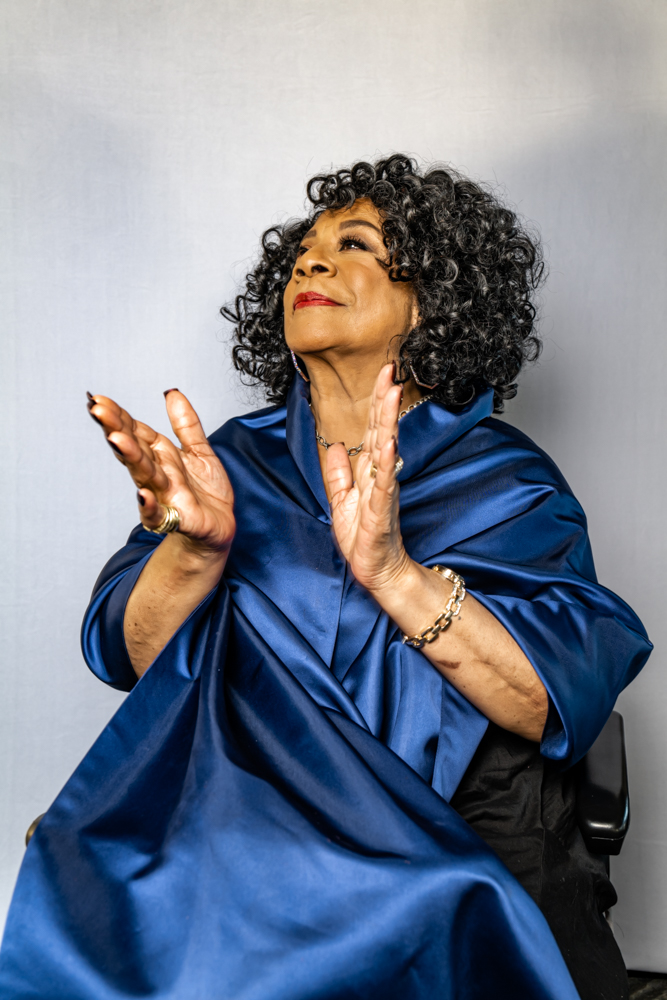
Shiela Landis & Rick Matle

photo by Bill Dwyer; photo courtesy of Shiela Landis & Rick Matle

by Eric Harabadian, Contributing Blogger

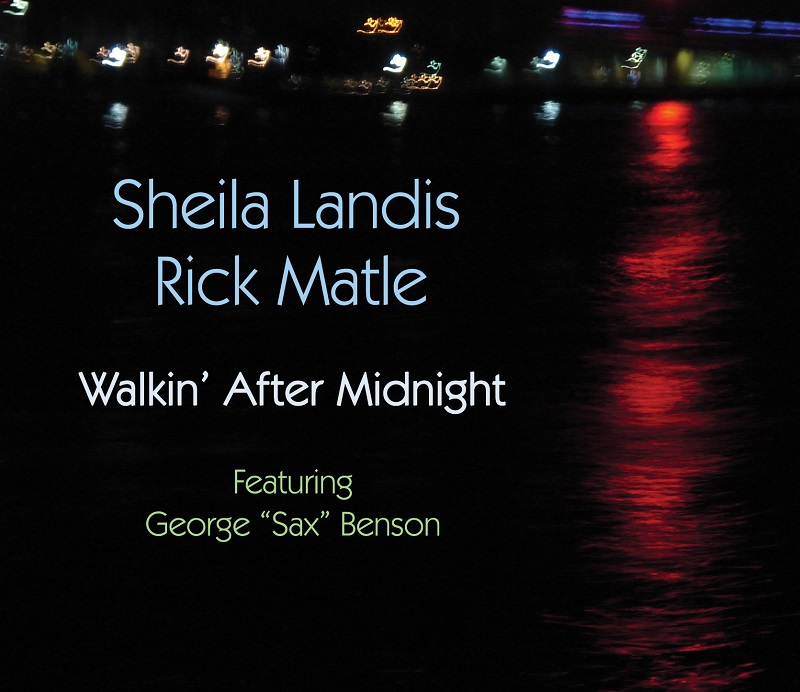
Album Review of Sheila Landis and Rick Matle: Walkin’ After Midnight, feat. George “Sax” Benson (SheLan Records)

Sheila Landis is a Detroit-based multi-award-winning jazz vocalist and composer whose career spans 45 years. Rick Matle is a guitarist’s guitarist and composer, with a musical resume nearly as long, having played in big bands and combos throughout the metro Detroit area. Together, since 1991, they’ve released a number of unique albums exploring all aspects of jazz, blues, world music, funk, and everything in between.

“Walkin’ After Midnight” is not only the title track of the album but was a signature hit for country crooner Patsy Cline. Landis, an ardent maven of Betty Carter, Ella Fitzgerald, Billie Holiday and all the greats, puts her gossamer spin on a classic singer and song. Detroit woodwind virtuoso George “Sax” Benson offers up some nice tenor work, with Matle ushering in cool bop lines. This is a well balanced mix of pop and swing courtesy of frequent collaborator Karen Tomalis on drums.

Shiela Landis & Rick Matle

image courtesy of Shiela Landis & Rick Matle

Louis Jordan’s “Knock Me a Kiss” is textbook vocalizing for Landis. She injects the suave and sexy tune, with just the right amount of playful humor and wordless scatting. Benson answers her phrasing by responding with smooth tenor shadings. “I Ain’t Got Nothin’ But the Blues” is a Duke Ellington classic. It gets a funky treatment here as if James Brown or Curtis Mayfield were arranging. Matle’s Wes Montgomery-like  guitar, along with Benson’s muscular sax, make this sizzle.

“Something Wonderful” is a Landis/Matle co-write, and it recalls an old-school R&B flavored tune. Growing up in the ‘60s and ’70s, they were both heavily influenced by the contemporary sounds of the day. This is their loving tribute where Landis sings, “The music of those Motown artists really touched my soul.”

Acclaimed poet Maya Angelou’s work was the basis for “Phenomenal Woman (Inner Mystery).” Afro-Cuban rhythms fueled by drummer Gayelynn McKinney make the vamp-like groove sparkle. The harmonized trumpets of David Thomas recall Hugh Masakela or vintage Herb Alpert.

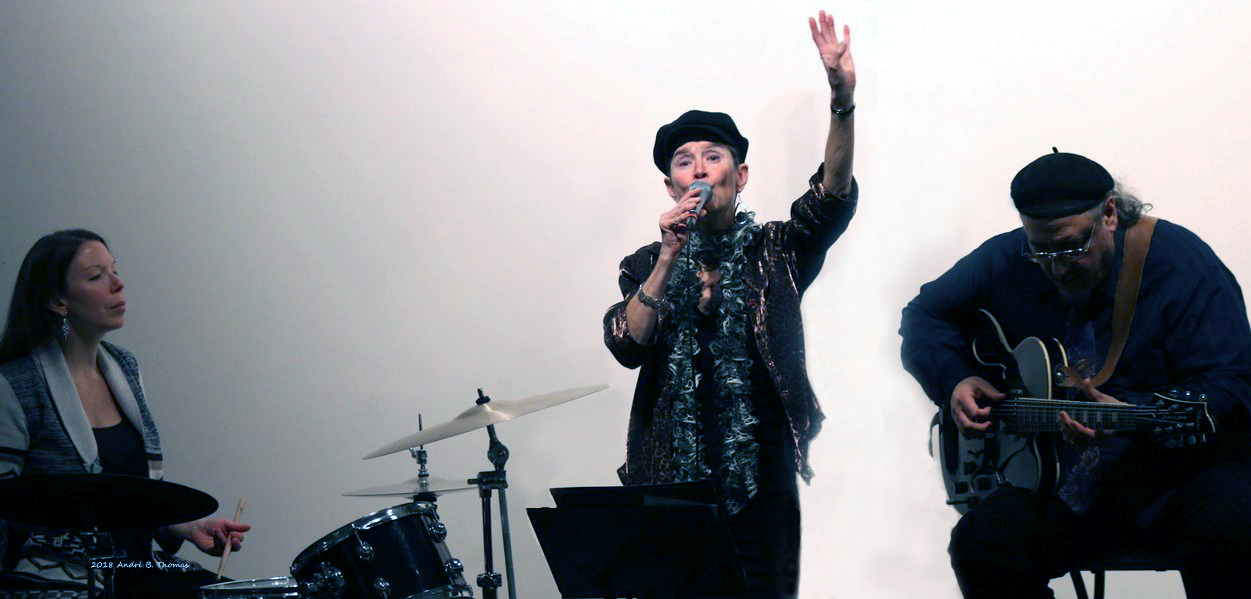
Shiela Landis & Rick Matle

photo by Andre B. Thomas; photo courtesy of Shiela Landis & Rick Matle

From there they bring it down a tad for a tune popularized by Peggy Lee, and written by Little Willie John, called “Fever.” Recorded in 2017 at the Arts, Beats & Eats festival, this is the kind of stuff Landis can really sink her teeth into. It’s appropriately cool, bluesy and mellow, with outstanding chordal guitar solos by Matle. At that same festival, a medley of Jimi Hendrix’s “Little Wing” and a poem set to music called “Bold as Love” take the sound and spirit of the guitar legend to amazing and noteworthy heights. The rhythm section of bassist Kurt Krahnke and drummer Tomalis interact with Matle and Landis for a true and authentic re-creation of the Jimi Hendrix Experience band. While they are somewhat faithful to “Little Wing’s” original intent, Landis takes liberties with it in a suitably psychedelic manner. The original Landis poem “Bold as Love” is not only a fitting tribute to Hendrix, but it is a showcase for all her formidable and incomparable vocal and lyrical skills. She beatboxes, scats, utilizes word play, and straddles the stratosphere with her incredible range. Meanwhile, led by Matle, the rhythm section takes a journey through a collage of sound referencing Hendrix’s catalog of hits. About Jimi’s legacy Landis recites: “He has the psychedelic showmanship of Louis Jordan in the Age of Aquarius.”

They return on that same concert to some mainstream jazz for an oldie but goodie “It Don’t Mean a Thing If it Ain’t Got That Swing.” The Duke Ellington number never sounded so lively and fun! And it really does swing where Landis mimics a muted trumpet, among her many vocal iterations.

They conclude the album with a novel and unusual track, recorded live in 2017 at the Detroit Jazz Festival, called “Kazoo Who?” It’s kind of a jamming sort of situation where the moral of the story is that everything goes better with a kazoo. Drummer David Taylor and bassist John Lindberg lay down a jazzy hip-hop-type groove as Landis raps about her love of the kazoo, leading to an impassioned solo on said instrument. You just gotta hear it to believe it! It’s cool and one kids young and old can really dig into.

Sheila Landis and Rick Matle are a great team in the same family as Tuck and Patti and artists of that ilk. The combination of Landis’ sturdy modern bop roots, with Matle’s sense of guitar experimentation and rock sensibilities single-handedly take  jazz in new and exciting directions.

Looking Ahead

Sheila and Rick have several upcoming shows this month around metro Detroit. This weekend, they’ll be at the Village of Rochester Hills Gazebo on Friday, July 9th and at Johnny’s Speakeasy on Royal Oak on Sunday, July 11th. For additional details on these and other live dates, be sure to check out the “Shows” page on their website.

Album Review: Annie Brobst – Where We Holler

Annie Brobst

photo courtesy of Annie Brobst

Album Review of Annie Brobst: Where We Holler

I reckon y’all know we’re big fans of Annie Brobst here at the Blog. From Eric Harabadian’s review of her debut album, My First Rodeo, to my coverage of her appearances at both Behind the Songs events and all three Local CountryFests, we’ve mentioned Annie’s name a lot. When she’s performing live, Annie owns the stage and the audience. She’s a big-stage-caliber country artist. And she’s proven to be a talented recording artist with songs that cover a broad swath of country music real estate.

Annie Brobst - Where We Holler

photo courtesy of Annie Brobst

Annie has a sweet, high voice that can be near-angelic on the slow songs, and she has an extra gear (or two or three) when she swings for the higher-tempo fences. The most frequent comparison for Annie vocals are to Miranda Lambert, all the way down to the puckishness in her delivery, though at times she amps it up to Dolly Parton-level mischievousness.

I’ll start my review with the biggest party song on Where We Holler, the sort-of title song “Holler & Swaller.” Long a drinking mantra at Annie Brobst concerts, this is the song behind the holler and swaller shouts (and shots) fired at Annie’s live shows. It’s the best showcase on this album for Annie’s comfort on that always-popular party-country end of the scale.

The album actually opens with “Jealous,” a reminiscent, relatable song that’s right in Annie’s sweet spot, one that’ll hit you with emotion then boom it to the rafters with a big sound in the chorus, tempering the pure-country melancholy guitar weep along with that hint of defiance that so often lurks beneath the surface of Annie’s vocals.

Annie Brobst - Where We Holler

photo courtesy of Annie Brobst

“Ain’t He the Worst” shows the first hint of Annie’s vocal playfulness in this downhome country mid-tempo twanger.

After the aforementioned “Holler & Swaller,” Annie follows with a more introspective, slow to mid-tempo drinking song, “Red Wine on My Mind.”

Annie follows with the biggest Opry-flavored number on the disc, “Amazing Greats,” paying homage to both the country gospel hymn that inspired the song’s sound and the country artists who inspired the woman behind the microphone.

“Little Girl Dreams” is one of the poppier country songs on the album, radio-friendly all the way down to its reminiscent lyrics, with small-town childhood memories of throwing rocks off a bridge to make a wish and of grandma sitting on the front porch.

Next up is the sassiest, most mischievous song on the album, “Baby Don’t Love Me.” It features the sort of fast-paced, playful lyrics that are invariably bound to be found on an Annie Brobst disc. (In that respect, it’s kind of a sister song to “You Either Love Me or You Don’t” from My First Rodeo.)

Annie Brobst

photo courtesy of Annie Brobst

Annie shifts gears almost immediately, tugging at the heartstrings with the heartfelt, small-town story-song “Make Lemonade.”

I’d call “On the Record” a “lite” version of “Baby Don’t Love Me,” not quite as sassy and a fair bit more serious. And that leads up to the last song in the collection, the soul-searching, sweetly sung ballad “On the Road That Leads Me to Kentucky.”

A strong album from beginning to end, Where We Holler is a disc worthy of being the second of many rodeos. Annie Brobst is firmly establishing herself as a dependably exceptional country artist, one whose diverse song styles deliver something for everyone, while providing the variety to keep a full-album listen interesting.

Looking Ahead

An Annie Brobst show is an event. So be sure to catch one if you can. At the “Buy Tickets” tab of Annie’s website, you’ll find a summer full of Massachusetts shows, starting the Saturday, June 26 Team Song Is Born MS Fundraiser at Endicott Grille in Danvers MA. There’s a single New Hampshire show currently booked (the Gear Jammer Truck Show at Monadnock Speedway in Winchester, NH on Saturday, July 31). And there’s one show far afield from Annie’s home base: the Freedom Jam STL 2021 concert in Eureka, MO on Saturday, August 28. She’ll also be headlining Local CountryFest this year – an annual concert I’ve not missed since its inception – on Saturday, September 11 at Indian Ranch in Webster, MA.

EP Review: Paola Bennet – Maybe the Light

Paola Bennet

photo by Mim Adkins; photo courtesy of Paola Bennet

by Eric Harabadian, Contributing Blogger

EP Review of Paola Bennet: Maybe the Light

The somewhat cryptic and surreal Paola Bennet is a singer-songwriter originally from Boston, Massachusetts. Based in Brooklyn, New York, this accomplished artist has steadily been garnering positive press and making her mark, with a series of groundbreaking independently released albums. This current five song EP is filled with interesting sound design and vivid dream-like textures. She has been compared to singers like Phoebe Bridgers, Sara Bareilles and Daughter, with a blend of darkness and light in her vocal delivery.

Paola Bennet – Maybe the Light

cover photo by Justin Oppus; image courtesy of Paola Bennet

“My Mother Says” is moody, spacey and somewhat ethereal. Bennet’s voice is warm and familiar, yet exotic and totally original. Her interplay on electric and acoustic guitars with producer Adam Tilzer is inventive. It’s not so much about solos and improvisation as it is the creation of an ambient sheet of sound. This combined with the vocal backing of Elijah Mann and Jordan Popky, and strings from Ward Williams, complete a rich aural picture.

“Anthea” puts emphasis on lush orchestration. What appears to be Bennet reaching out to a friend in need becomes a spiritually moving anthem on the definition and the pursuit of love.

Paola Bennet

photo by Scout Sheehan; photo courtesy of Paola Bennet

“In This Body” seems to address issues of body image and personal reflection, both physically and emotionally. With references to a lack of wholeness and houses falling apart, Bennet uses stark imagery to depict someone in various stages of inner struggle and crisis. That environment is further sparked, toward the finale, by heavy guitars and Brian Delaney’s well conceived drums.

“Astronaut” could almost be a companion piece to David Bowie’s “Space Oddity.” As with many of Bennet’s songs, it could, perhaps, be taken literally or figuratively. She sings about the the vastness and beauty of interstellar travel and documents the distance between the protagonist in the song and her love, the astronaut, in outer space. Benett sings: “I may never go further than crossing an ocean.” And then she sends a communiqué that she hopes connects with her significant other: “Do you miss it down here? Stars can’t love you like I do, my dear.”

Paola Bennet

photo by Mim Adkins; photo courtesy of Paola Bennet

“7:23 AM” concludes the EP, with subtle orchestration and a strong acoustic guitar figure. Bennet sings in almost hushed and laid-back tones as she describes the silence of the morning. It’s a peaceful and serene time where she expresses the beauty of simple pleasures and sharing those with her lover.

Paola Bennet is in a class by herself in terms of how she arranges and assembles her song concepts and ideas. The somewhat baroque quality provided by Williams’ cello and viola combined with avant-garde electronic embellishments defy the typical folk/Americana category. In a lot of ways she’s chosen a road less travelled. And we, the listener, are musically richer for the experience. Highly recommended!

Paola Bennet

photo by Mim Adkins; photo courtesy of Paola Bennet

Looking Ahead

Though no shows are currently on Paola’s concert calendar, keep an eye on the “Tour” page of her website for shows as they’re added.