
Album Review: Lindsey Luff – Lindsey Luff

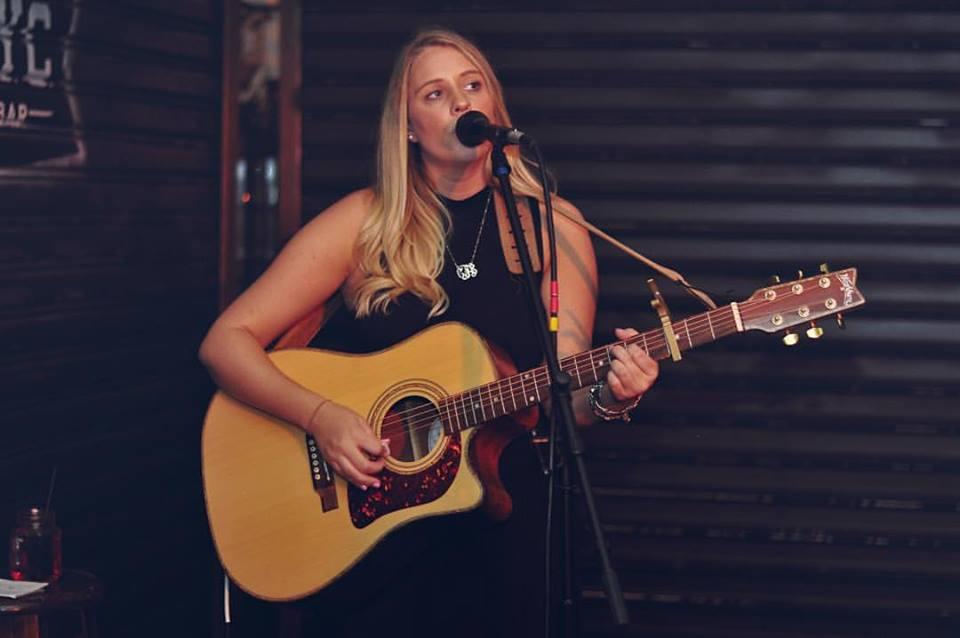
Lindsey Luff

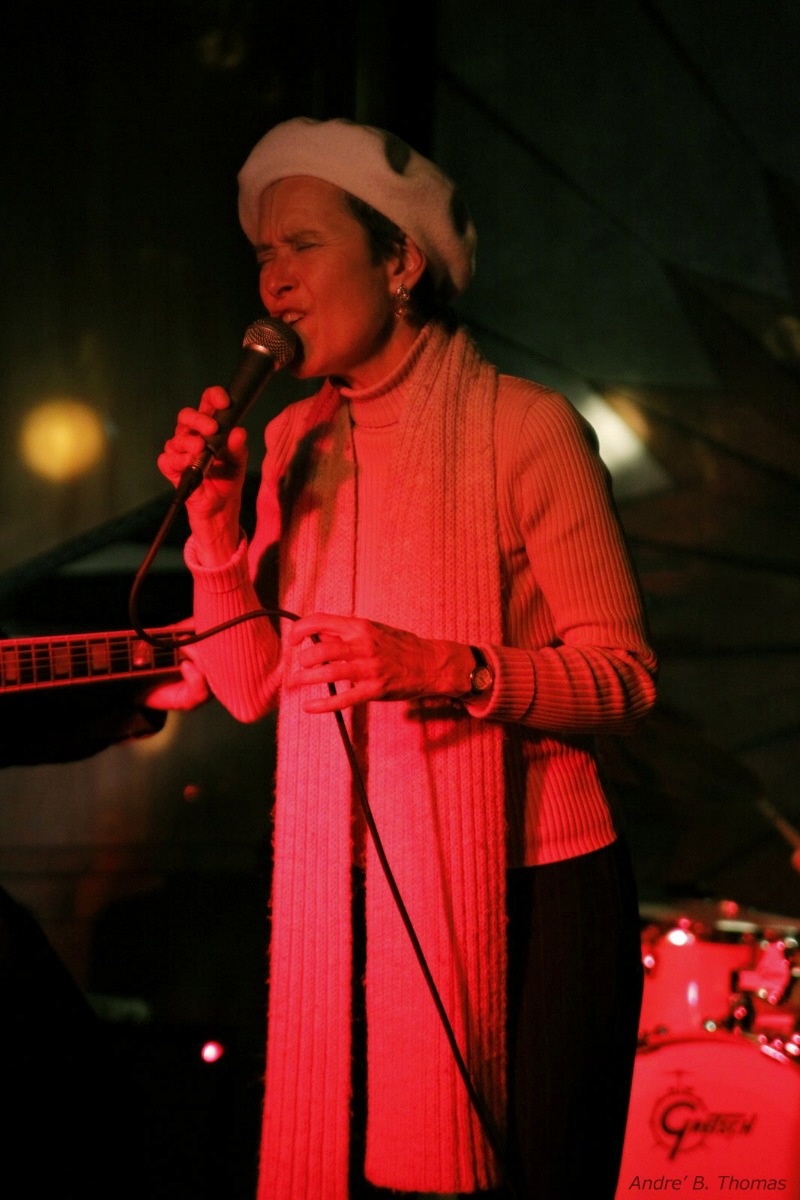
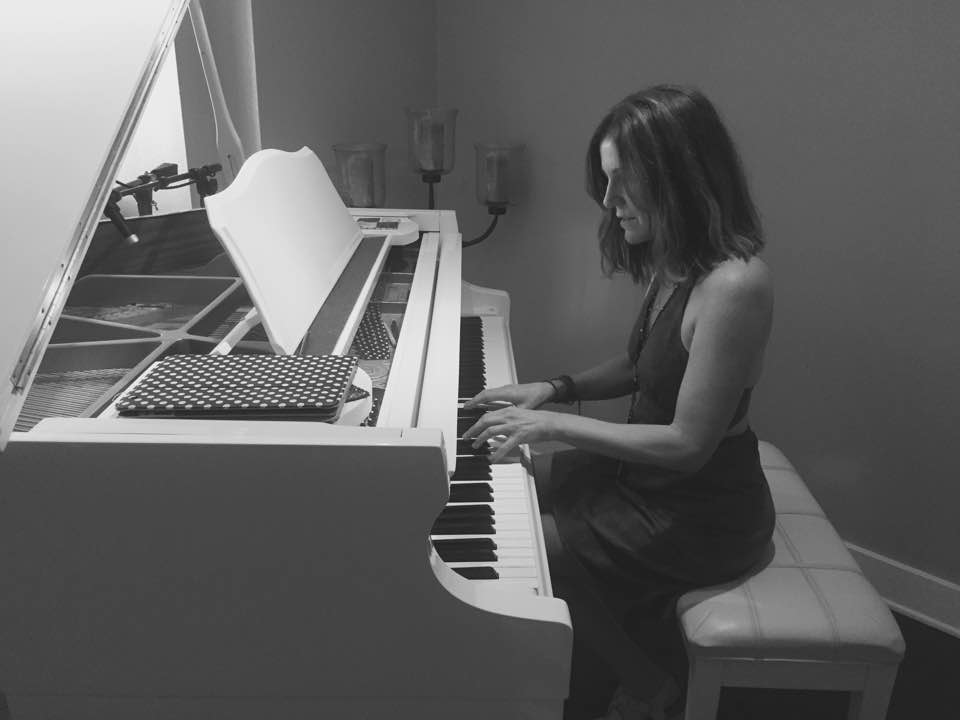
photo by Dustin Cohen; photo courtesy of Lindsey Luff

by James Morris, Contributing Blogger

Album Review of Lindsey Luff: Lindsey Luff

This self-titled debut album from Lindsey Luff is hyper radio-friendly. I would go so far as to say it is an album full of singles. But there is so much more to this record than its glossy radio appeal. Get under the surface and you discover a deeper introspective worth. The singer has created an album to be proud of whilst candidly revealing a life of heartache and pain. These are raw emotions dressed up in such a well-presented musical package that it offers both passing radio play enjoyment and for the more discerning, a darker more rewarding experience.

“Music has been a really healing process for me,” says Lindsey. “I think this record is a story of the pain I’ve gone through in my life. It’s me processing that anger, and giving it a name and a face. It adds skin and bones to everything I’ve dealt with, and it makes it clear that those things don’t define me.”

Lindsey has an absorbing and plaintive voice; an intriguingly lazy drawl with a depth of world weariness. She puts it to good use in this revealing and beautifully concise 32-minute, 9-track album.
Lindsey Luff

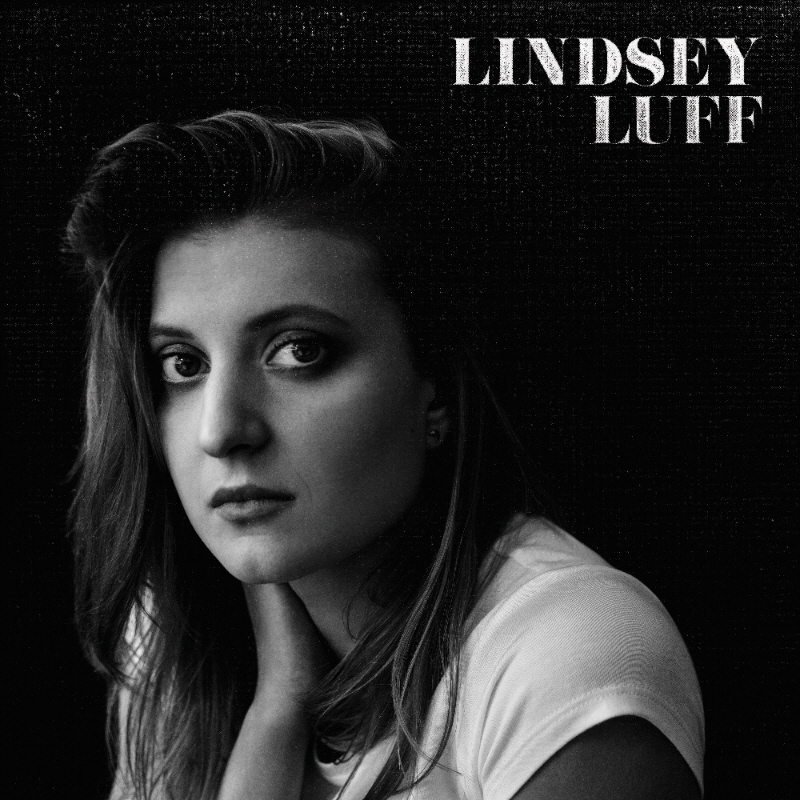
cover design by Stephen Brayda; photo by Dustin Cohen; image courtesy of Lindsey Luff

There are some real standout moments here, plus a few tracks that happily grow on you. Opening track “Anything at All” is certainly a grower for me. After a few listens I found myself enjoying it more and more and liked the “Ticket to Ride” line which nicely referenced Lindsey’s childhood listening preferences.

Second song, “Until It’s True,” has a driving beat and bright sound that put me in mind of Fleetwood Mac and KT Tunstall, which also applies to the next track, “Remind Me,” which comes at you with a country pop kick and ultra catchy chorus. Could be my favourite track, but the more I listen, the more contenders there are. What a great dilemma to have.

“If You’re Leaving” starts slowly with a great drum groove (bit like Paul Simon’s “50 Ways To Leave Your Lover”), and I have to admit, although it highlights the sonic geek in me, I really enjoyed the drum sound on the album, especially the relaxed and airy bass drum. Musically the album is beautifully played and its level of understatement gives the songs lots of room to breathe. This is particularly prevalent in the next song, “Homecoming,” with its warm acoustic opening and delicate vocal.

Next up is “What I Wouldn’t Do.” There is something reminiscent in the intro of KD Lang. I could also imagine a later-life Roy Orbison singing this. Very solid stuff and, yet again, another very radio friendly track.

Lindsey Luff

photo by Dustin Cohen; photo courtesy of Lindsey Luff

Track 7, “Weathered,” has a wonderful 3/4 swing that works so well in creating a swaying folky vibe, underlined by a weaving Gaelic lilt.

Penultimate track is “Wishing Well,” a love song to Lindsey’s husband, longtime supporter and childhood sweetheart.

Final track “Those Days Are Gone” is a stripped-back affair, just voice and ukulele. It is a nice way to end, a moment of solitude that focuses you directly on the singer for a final thoughtful moment before enticing you to take another listen from the top.

The album was co-written with a small group of collaborators, including the Lone Bellow’s Brian Elmquist. A similar approach was taken in the recording, filling the studio with guests, including singer/songwriter Sandra McCracken.

I completely agree with Lindsey Luff’s own conclusion on the album where she states that the songs don’t overshadow the challenging circumstances that birthed them. This is well-constructed, classic songwriting that draws from the musical influences of her childhood. Classic pop-style melodies woven through an alt-country landscape. This is a musically polished work but with the rough edge of painful raw emotions left unchecked. In the wrong hands it could have sounded mawkish, but Lindsey’s painful lyrics are delivered so boldly and honestly that the experience is very real, engaging and highly listenable.

It has been a pleasure to discover Lindsey’s music through this album, which is available now for download and streaming. Discover more through her website, where you can keep an eye out for any live shows at www.lindseyluff.com.
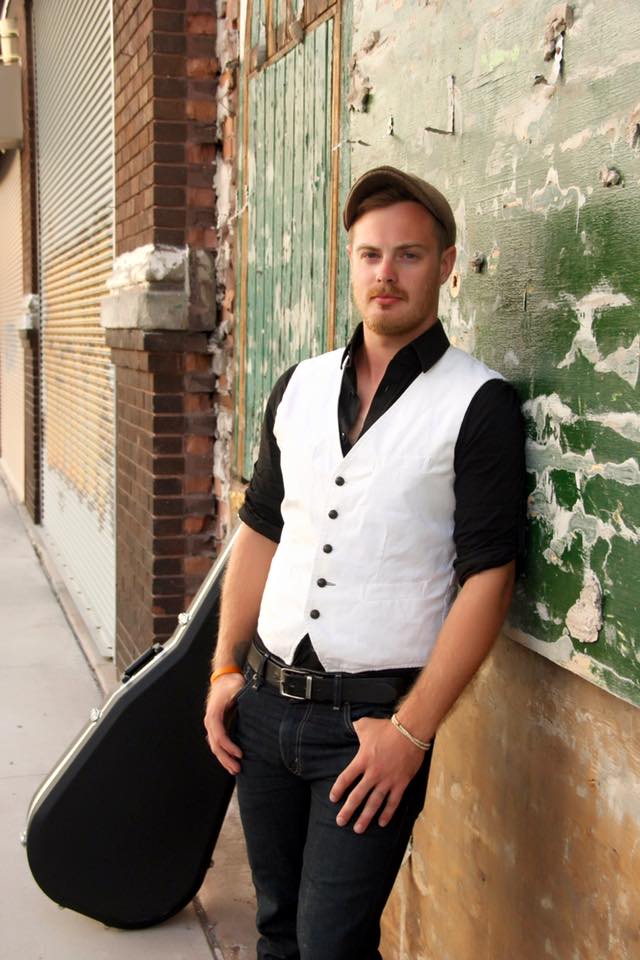

EP Review: Nate Jones – Testing the Waters

Nate Jones

photo by Jill Moninger; photo courtesy of Nate Jones

by Eric Harabadian, Contributing Blogger

EP Review of Nate Jones: Testing the Waters

This EP represents a nice cross-section of what you would get at a live Nate Jones show. He is a Detroit area singer-songwriter cut from the same cloth as artists like Jason Mraz, early John Mayer, and, even, classic James Taylor. No doubt a take-off on the local indie brew pubs and taverns Jones plays on a regular basis, the disc sleeve bears the stamp: “100% Genuine Craft Music; Made in Michigan.”

Nate Jones - Testing the Waters

image courtesy of Nate Jones

The dream-like ballad “Autumn Road” opens the disc and sets a romantic scene, with a vivid aural portrait suitable for framing. He begins with solo acoustic guitar lightly arpeggiated as he softly sings of a fall stroll—crunching leaves under foot—where two lovers are lost in each other. This is a great place to start as Jones immediately grabs your attention, with his graceful and engaging vocal style.

“Blonde in the Ballroom” follows and has a lilting and entrancing waltz-like feel. Jones sings in a buoyant and wistful manner about dancing with the song’s dream girl. Bassist Barry Schigelone and drummer Dan Bourquin give it a light kick that recalls something Fairport Convention or Mumford & Sons might do.

“Smoke Filled Room” features a lyrical tale of a femme fatale, with a steady propulsive groove and Oscar Sosa’s flamenco-tinged lead guitar. The song is rooted in a minor key and is the perfect vehicle for Jones’ emotive and dramatic delivery.

Nate Jones

photo by Brandon Hawk; photo courtesy of Nate Jones

“Love is Not a Victimless Crime” explores the perspective of songsmith as the prey or victim in a relationship. In it he sings “I’m the victim, you’re the thief, you stole my heart right from beneath my feet.” With practically anyone else those words might come across somewhat forced or a cliché. But Jones has a knack for conveying sincerity and vulnerability that is convincing and totally for real. This also has a bubbly rhythmic hip-hop vibe that bops along in a catchy and free-spirited fashion.

Subtle social relevance enters into the mix here with the track “Good Morning Rome.” It is a sly and clever reference to the fall of ancient Rome at the hands of its own people. The song makes comparisons to American society and its common foibles and faults.  The tune has a very loose, yet steady beat where Jones spins his cautionary tale while Sosa turns up the heat via sizzling blues riffs.

The bonus track here ends the disc as it began, with a solo acoustic piece. “King of Hearts” has all the majesty and wordcraft of a Shakespearean tragedy blended with masterful and brilliantly executed guitar work. Again, Jones sells the song right up to the final plea where he cries to reclaim his queen.

Nate Jones is a diverse and personable musician that lays it on the line by wearing his musical heart on his sleeve. That sincerity comes through loud and clear, with production that is lean, open, and brings out the best in this refreshing and original young artist.

EP Review: Aüva – Side Effects

Aüva

photo courtesy of Aüva

Aüva formed in January 2015 while studying at Berklee and is comprised of Miette Hope, Jack Markwordt, Jake LeVine, Michael Piccoli, Andy Metzger and Austin Birdy.

EP Review of Aüva: Side Effects

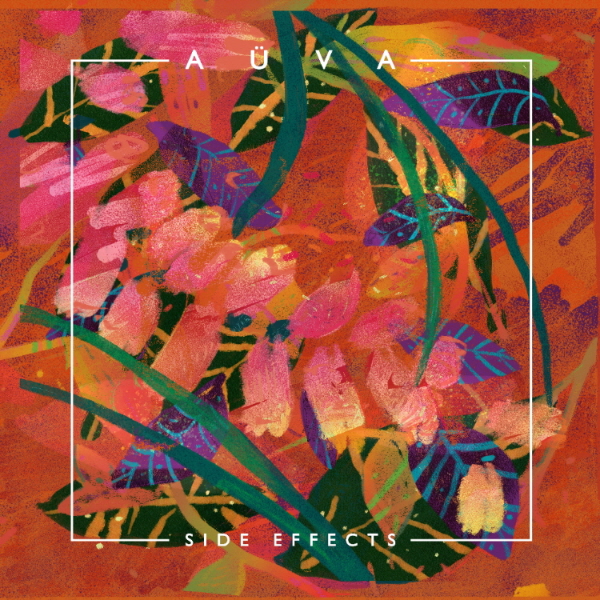
Psychedelic, enveloping pop-rock music. Aüva unleashes three new numbers within its lush, full sound on this 3-song EP, Side Effects, a follow-up to the band’s eponymous 2016 full album release.

Aüva - Side Effects

cover art by Nathan Gorey; image courtesy of Aüva

EP-opener “Pretend” is based in ’80s New Wave, an engaging pop-rock journey that reminds me a bit of Modern English and its MTV-conquering New Wave brethren, but Aüva utilizes richer production to form a more plush wall of sound. “All I Need” slows things down and sounds a bit more ’70s-influenced, though it’s otherwise a very modern number, a current take on a lava lamp ballad. EP-ender “Glitter & Weed” is a more energetic psychedelic pop-rocker atop a music bed I’d call a “din” and supplemented with some ’80s-style synth.

I stumbled across Aüva’s music while traveling down a local music rabbithole a few weeks ago and was quickly impressed by the band’s unique sound. I’m not sure if I should be listening to it in the shag-carpeted back of a van or in a black-lit lounge sitting in a bean bag chair, maybe with a slowly turning, subtly lit disco ball overhead. Regardless, the band’s full sound and vocal interplay between its male and female vocalists create eminently listenable, stylish pop-rock.

I’ll be watching the “shows” page of Aüva’s website to see if I can catch them live somewhere soon. I’m guessing their music will translate exceptionally well to a live performance.

Album Review: Zucchero – Black Cat

Zucchero

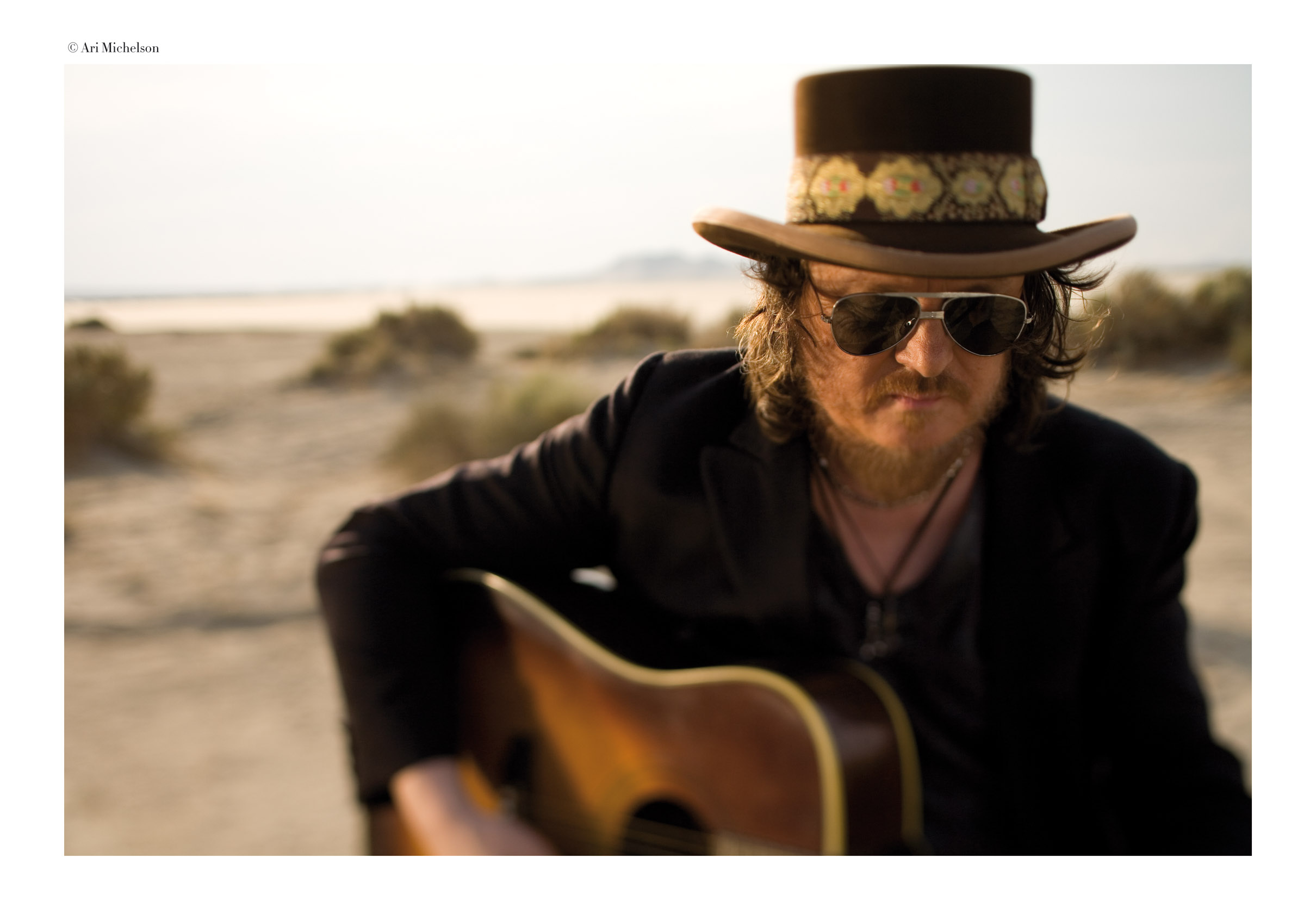
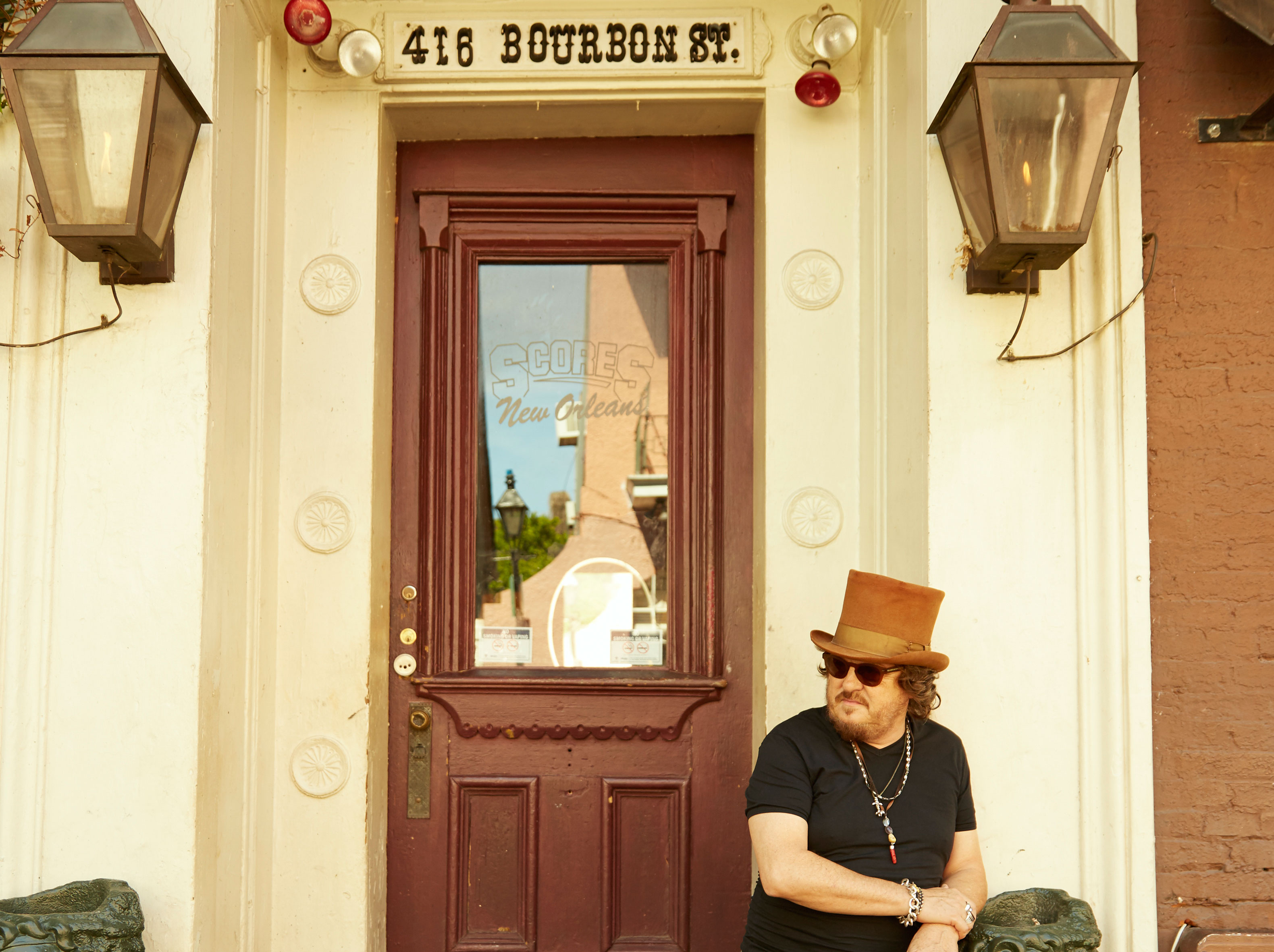
photo by Ari Michelson; photo courtesy of Rock Paper Scissors

by Eric Harabadian, Contributing Blogger

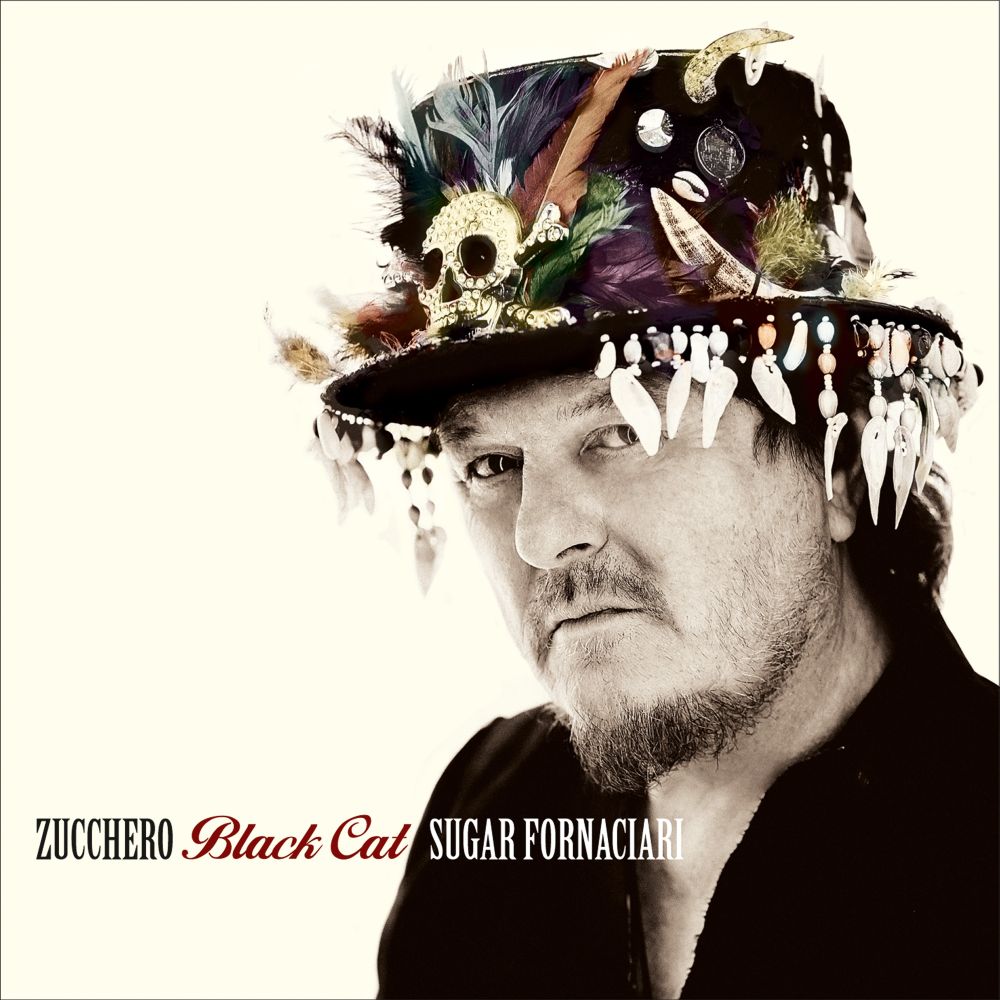
Album Review of Zucchero: Black Cat (Polydor/Universal)

Many folks may not know the name Zucchero in the United States, but he’s something of a musical phenomenon in his native Italy. Born Andelmo Fornaciari, Zucchero is kind of a cultural bon vivant, able to hang with opera greats like Luciano Pavarotti and filmmaker Tinto Brass, tour with Miles Davis, and rub shoulders with everyone from Nelson Mandela to Dan Aykroyd.

Zucchero - Black Cat

image courtesy of Rock Paper Scissors

This latest effort finds the Italian blues and soul-inspired pop star taking that same approach and applying the star-studded celebrity concept to this powerful and charismatic collection of tunes. You know you’re on the right track and have set a good course when you’ve got Don Was, T-Bone Burnett, and Brendan O’Brien producing, and everyone from Bono, Mark Knopfler and Elvis Costello helping out in the composition and playing departments.

This is a very interesting album in that many of the songs have a very rough-and-ready American raw blues and rock edge to them. But, contrary to a lot of other cultural crossover projects of this nature, the leader chooses to sing much of the album in his native Italian. This, of course, gives things a very cosmopolitan flavor and a very unique and somewhat provincial perspective. Zucchero has a powerful, almost operatic, voice and he really sells these songs in the process.

Zucchero

photo by Ari Michelson; photo courtesy of Rock Paper Scissors

“Partigiano  Reggiano” opens the album, with the phrase “Black cat, my bone.” Forgive the fact that you may not speak Italian, but the feel and intent is one of a bluesy romp, with a New Orleans groove and kickin’ horn chart. One doesn’t have to be fluent in the language to get the gist and energy of the tune that Zucchero conveys.

Another strong showing is “Ti Voglio Sposare.” It features more of a hard rock format, with a memorable chorus and a nice mix of Dobro and acoustic guitar elements.

The song “Streets of Surrender (S.O.S.)” is significant for its blend of Zucchero’s music with lyrics by U2’s Bono. The Italian crooner sings in English with a cadence and tone not unlike Joe Cocker or Gary Brooker of Procul Harum. The addition of strings makes this a real highlight.

Zucchero

photo by Ari Michelson; photo courtesy of Rock Paper Scissors

“Hey Lord” blends Italian and English in a seamless, yet, unusual mix of blues and gospel.

“Turn the World Down” is a tune penned by Elvis Costello that finds Zucchero delivering a hearty ballad with a strong message of hope, pause and reflection. In it he sings, “Get the word out, let the globe spin. Save everyone and everything. Turn the world down.”

There are over a dozen songs here, and each one features contributions from some of the top session musicians on the planet such as drummer Jim Keltner, bassist Nathan East and select National and Dobro guitar spotlights from Knopfler. Zucchero’s organ and pianowork on many of the tracks adds a choral and light classical feel to much of the album as well.

Zucchero

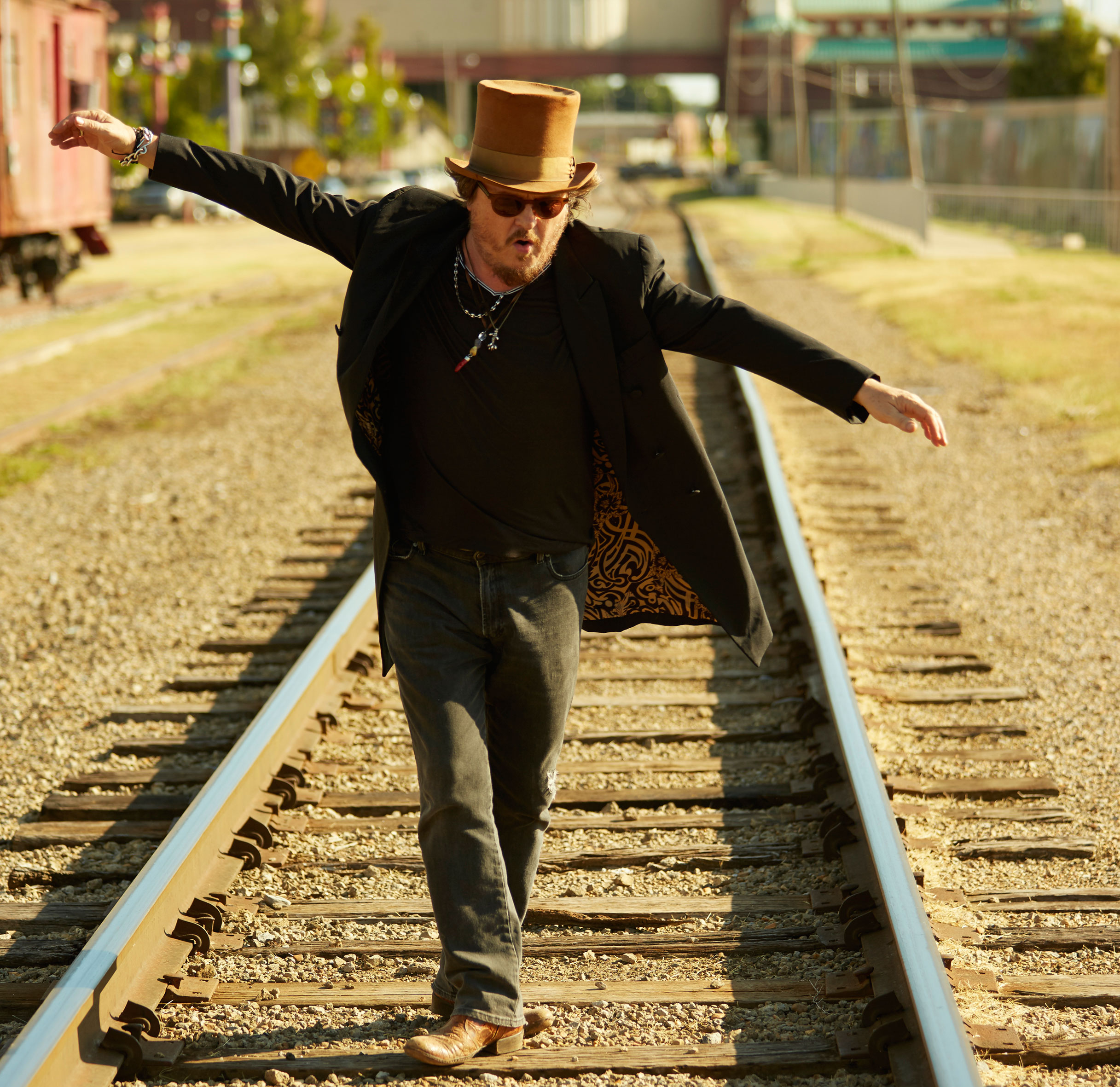
photo by Meeno; photo courtesy of Rock Paper Scissors

This is, perhaps, Zucchero’s most Americana-sounding release to date. The Italian pop star was inspired by America’s Afro-diasporic musics. Apparently he discovered in a lot of African American communities that the “black cat” was a symbol of good luck. “I decided to give this name to the album because, more than the others, it is a black album, with its roots in Afro-American music,” explains Zucchero. “The sounds are rough and rotten and anarchistic—cats are not as domesticated as dogs. I loved the sound of the words ‘black cat,’ and I felt it was in tune with the album.”

Looking Ahead

Zucchero is concluded the American portion of the tour earlier this spring, but he has dates throughout Europe steadily through September, with a South American tour scheduled for October. Check the “Black Cat World Tour” page of his website for details.

Album Review: Mike Sponza – Ergo Sum

Album Review of Mike Sponza: Ergo Sum

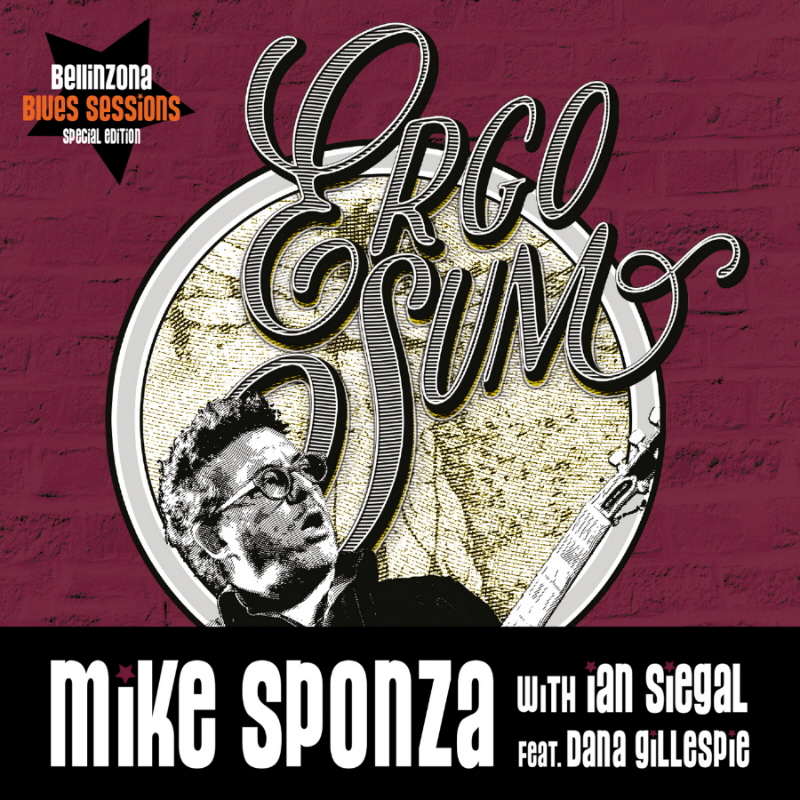
Blues music based on ancient poetry and recorded at Abbey Road Studios. Seriously, for those reasons alone, this would be worth a few listens. But the performers are also top talents, the songs are engaging and well-arranged. And if you didn’t know anything about the works referenced, you might never know the inspiration for this music. You’d simply consider it very interesting, entertaining, original blues. An ambitious, original project from Italian bluesman Mike Sponza, Ergo Sum is a musically-artistic success.

Mike Sponza - Ergo Sum

image courtesy of Frank Roszak Promotions

The disc kicks off with “Modus in Rebus,” a song that’s basically one great big blues hook. Crunchy guitar and a gravelly, insistent blues growl power this catchy number. It’s followed by “Carpe Diem,” which launches with an energetic travellin’ guitar line and a restrained, hoarse vocal; it’s a song you’d play during a road trip or that you’d expect to see during an energetic movie montage scene. Matel Kuzel contributes some well-placed saxophone wail. “Carpe diem. Baby.”

“Penelope” changes the album’s tempo a bit. It’s a slower-paced, emotional, blues jam-flavored number punctuated by vocal fits. It’s followed by “The Thin Line,” Mike Sponza’s collaboration with Dana Gillespie – it’s the only song not co-written with Ian Siegal – that suits Dana’s much smoother vocal delivery, also featuring a psychedelic blues organ sound not found earlier in the collection, augmented by well-placed horns.

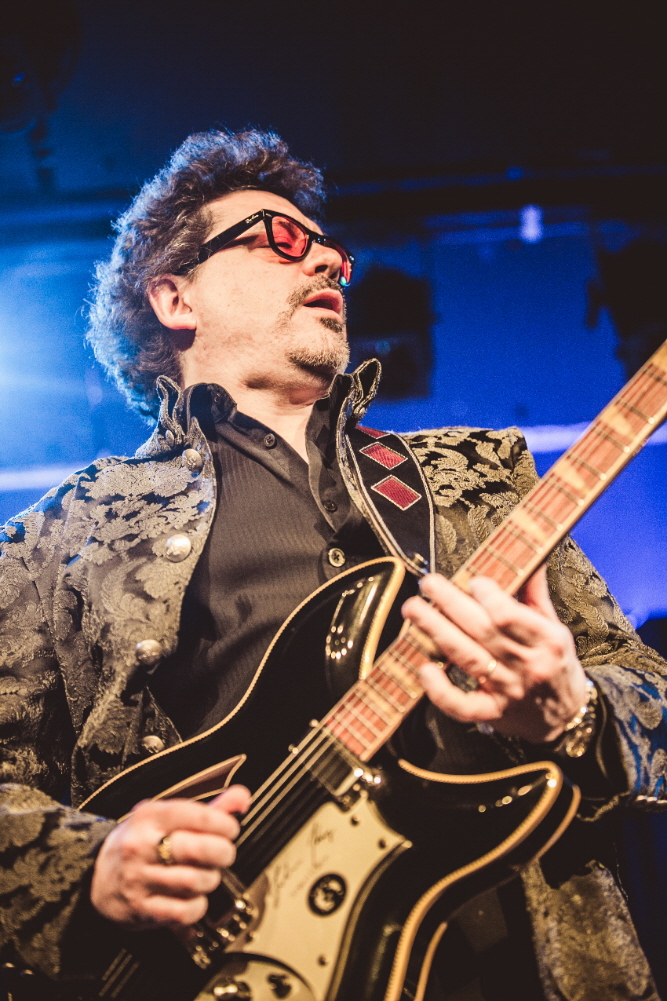
Mike Sponza

photo courtesy of Frank Roszak Promotions

The disc continues, exploring different blues styles as it works its way through more ancient poets. “See How the Man” is horn and groove-driven. “Poor Boy” is more of a romping swing. “Kiss Me” is a musically thumping and grinding, steadily-paced blues romp. And “Prisoner of Jealousy” closes the disc with a soulful ballad full of raw, heartwrenched emotion.

In sum, Ergo Sum is an ambitious effort, exceptionally well-executed by a cadre of talented purveyors of the blues. And if critiqued simply as a blues album, it’s an exceptional disc that touches all manner of subgenres and styles of the blues in an enjoyable fashion. In other words, it’s a success all fronts.

Looking Ahead

Per Mike’s website, he has some gigs around Europe this summer. Check back to his website to see if more shows are added, but at the moment his schedule is: June 23rd (Cittadella dei Giovani) in Aosta, Italy; June 24th (Blues Festival) in Correze, France; June 29th (Lent festival) in Maribor, Slovenia; July 7th in Parma, Italy; July 20th (SWR Festival) in Mainz, Germany; July 21st (Haus Am Walde) in Schwachhausen, Germany; August 4th (Blues Nacht) in Meppen, Germany; August 7th (Kastav Blues Festival) in Kastav, Croatia; August 25th (Rock Cafe) in Pula, Croatia; September 8th (Topos) in Leverkusen, Germany; and September 9th (Bischofsmühle) in Hildesheim, Germany.

I also hear there’s another Mike Sponza album in the works, so I look forward to that, as well.


EP Review: Caisy Falzone – Your Time

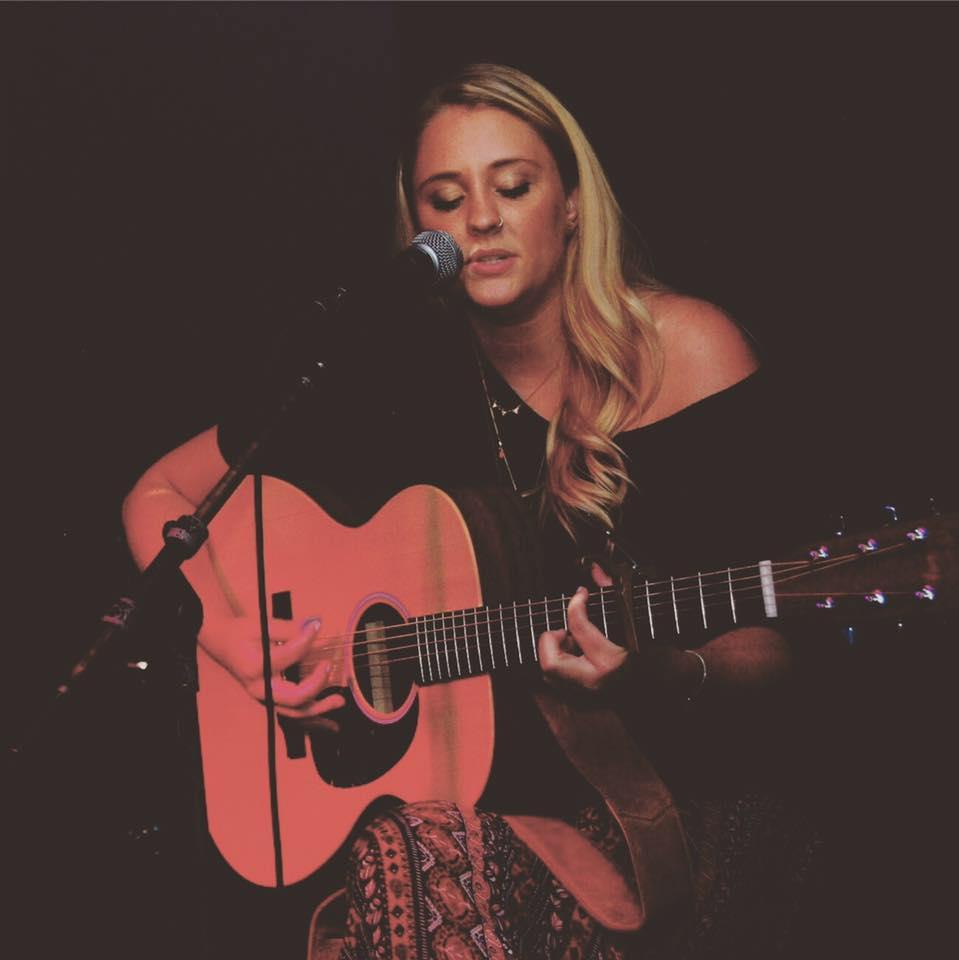
Caisy Falzone

photo courtesy of Caisy Falzone

I reviewed one of Caisy’s gigs at Pianos in New York back in February. Now, I’d like to introduce you to her EP.

EP Review of Caisy Falzone: Your Time

Caisy Falzone‘s voice is a little raspy, a bit emotional, and relatively alt-rock, and she utilizes it to good effect in a singer-songwriter setting. Coming across sometimes as hoarse, other times as gravelly, and often kind of hoarsely haunting, Caisy’s delivery actually reminds me most, from among those I’ve reviewed in Blog, of Sophia Ward (of local Boston-area band TOS), just in more of a singer-songwriter format (rather than in TOS’s more raucous rock-band setting).

Caisy Falzone - Your Time

image courtesy of Caisy Falzone

The EP itself, Your Time, is a nice little collection. It’s stripped-down singer-songwriter fare, rough-hewn a bit, primarily just vocals and chord-strumming with the occasional background vocal track. It showcases Caisy’s pleasantly raspy voice and her lyric and melody writing skills. It doesn’t purport to be a big production album; rather, it’s a nice little EP. Pleasant, easy to listen to, and a good representation of Caisy’s fun live gigs. I do wonder what these songs would sound like with a full band and lush production. Quite different, I suspect, but they’d still be the same well-written songs powered by Caisy’s sweetly gravelly voice. As much as I’d love to hear that rendition of these four songs, Your Time really does remind me of Caisy’s live show. And with that goal in mind for this recording, I’d change nothing.

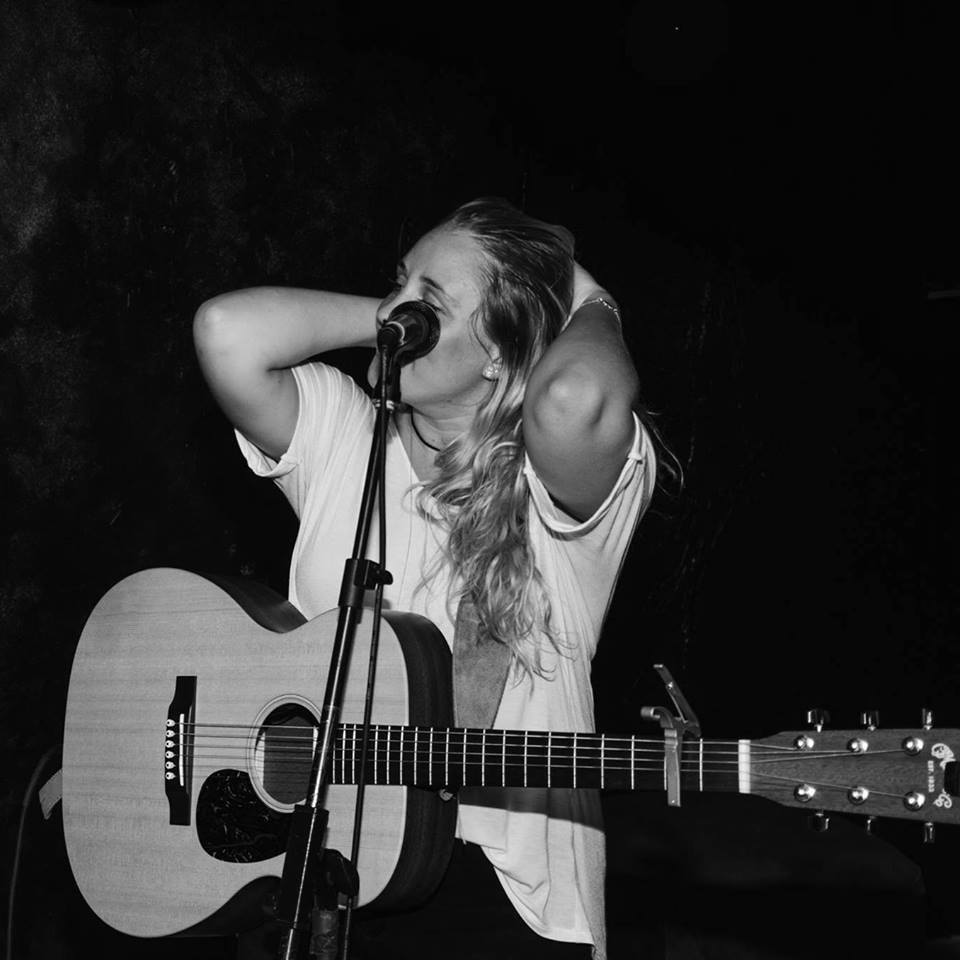
Caisy Falzone

photo courtesy of Caisy Falzone

Though none of the songs are fast-tempo, three of the four are mid-tempo. “Hold Me Down” is a bare-bones number, with Caisy’s voice showing vulnerability, in sync with the lyrics, her strumming gaining in intensity over the course of the song as the mood of the song ever-so-slowly builds in intensity, as well.

“Your Time” has a really cool tempo, with Caisy’s vocals carrying more emotion than their simplicity might otherwise suggest. On the whole, it’s a slow-things-down, thoughtful, melancholy number that’ll bring any room down emotionally… by design.

If I had to pick a favorite on this EP, it would be”Drift.” There are some cool lyrical elements; I’m oddly fond of her use of multiple “you (I) know”s as lyrical bridges; this track also has the best subtly catchy guitar-strum hook, used sparingly but just often enough.

Caisy Falzone

photo courtesy of Caisy Falzone

“Feel So Good,” the disc-ender, is Caisy’s ballad. It’s a nice tempo change. She sings with a more haunted tone, “bringing the room down” again with her melancholy delivery, not quite sad as much as simply exhausted.

As I mentioned at the beginning, Caisy’s Your Time EP is a good representation of her live performances. If you’ve seen her perform live, these songs will carry your memory back to the night of her show. If you haven’t, well, this is what she sounds like. I’d suggest snagging this four-song collection from Bandcamp, and I’d definitely recommend getting out to a Caisy Falzone gig. Bring friends. Drink. Enjoy. Make it a fun night.

Looking Ahead

The events page on Caisy’s Facebook page lists one upcoming gig, Jun 16th at Lovecraft in New York. If you check her Facebook page periodically, you can see other upcoming shows as she adds them.

Album Review: Jimmy Lee Morris – Gallery

Jimmy Lee Morris

photo courtesy of Jimmy Lee Morris

Backstory

We’ve reviewed several of Jimmy Lee Morris‘ recordings in the past here at the Blog. After I initially reviewed Wilderness Wood last spring, Jimmy contacted the Blog about writing some reviews for us, and as he’s such a talented wordsmith, he has been a terrific reviewer for us, too. Of course, since then he has continued to release music, rather prolifically, and he remains one of our favorite folk musicians. I reviewed his two-sided single last summer, and contributor Eric Harabadian reviewed his recent Campervan EP, which was a February release. Jimmy’s newest full-length album, Gallery, reviewed here, dropped on June 2nd.

Album Review of Jimmy Lee Morris: Gallery

Jimmy Lee Morris - Gallery

image courtesy of Jimmy Lee Morris

Relatively light and cheery from beginning-to-end. That was my immediate reaction to Gallery. And how could it not be, as most of the songs feature the mandolin, a cheerful instrument if ever there was one. Gallery as a whole recalls for me Jimmy’s Wilderness Wood album in its upbeat, hopeful reminiscence and nostalgia. As usual, though the songs mostly reside within a tight range of singer-songwriter-folk, he explores all manners of style, energy, and influences, resulting in an album that engages and surprises (in small ways) around each corner of this 8-song collection.

Javier Forero

Javier Forero; photo courtesy of Jimmy Lee Morris

Jimmy again surrounds himself with exceptional talent. On this CD, Javier Forero provides percussion, cajon and drums and Tim Kent plays octave guitar. Gallery was recorded, mixed, and mastered by Simon Scardanelli, who also supplied glockenspiel on two tracks.

“Mandolin Dreams” kicks things off in enthusiastically folky fashion, a high-tempo romp about a “vintage eight-string mandolin.” Then “5 O Clock in the Morning” quickly brings the tempo down, with Jimmy’s emotional, precise vocals straddling the border between melancholy and reminiscent. It’s followed by “Take Me Home,” which, musically true to its lyrics, is a mid-tempo drinking song with a sea shanty flavor. See what I mean? Small surprises.

Tim Kent and Jimmy Lee Morris

JLM with Tim Kent; photo courtesy of Jimmy Lee Morris

One of the songs that grew on me slowly to became a now-favorite, the title track “Gallery” is particularly slow-tempoed; Jimmy’s soft, sentimental, thoughtful croon carries the tune throughout.

“Stargazing” immediately lightens things up, though, with its playful melody and lyrics, like a romp through a meadow on a sunny day, when everything’s in bloom. “You and Me (Clinging to a Song)” maintains that energy, the two songs providing a back-to-back sunshine infusion, the latter with a bit of seventies radio-friendly folk-pop sprinkled into the mix.

Jimmy Lee Morris

photo courtesy of Jimmy Lee Morris

Penultimate number “Looking Back” sports a rich guitar sound as it builds from super-mellow to merely mellow, a hopeful song in which Jimmy deploys a particular warmth in his vocals, emoting in such a way that the words sound particularly profound, whether or not they actually are.

The disc ends much too soon with the song that quickly became my personal favorite and remains my very favorite on the disc, “End of the Road (’69 Campervan)” an energetic ode, presumably, to Jimmy’s much-sung-about campervan. The song becomes a bit ’60s pop-rock during the chorus, melding well with the old-school radio-friendly folk verses and bridges. In all, a well-crafted song to end a superb eight-song disc.

As always, Jimmy Lee Morris writes well-designed songs, surrounds himself with talented musicians and a top-notch producer, and performs his songs earnestly with an overarching sense of folk-rock fun. As a result, Gallery is yet another Jimmy Lee Morris album worth checking out.

EP Review: Wilkes – No Filter Part 1

Jason Wilkes

photo courtesy of Jason Wilkes

EP Review of Wilkes: No Filter Part 1

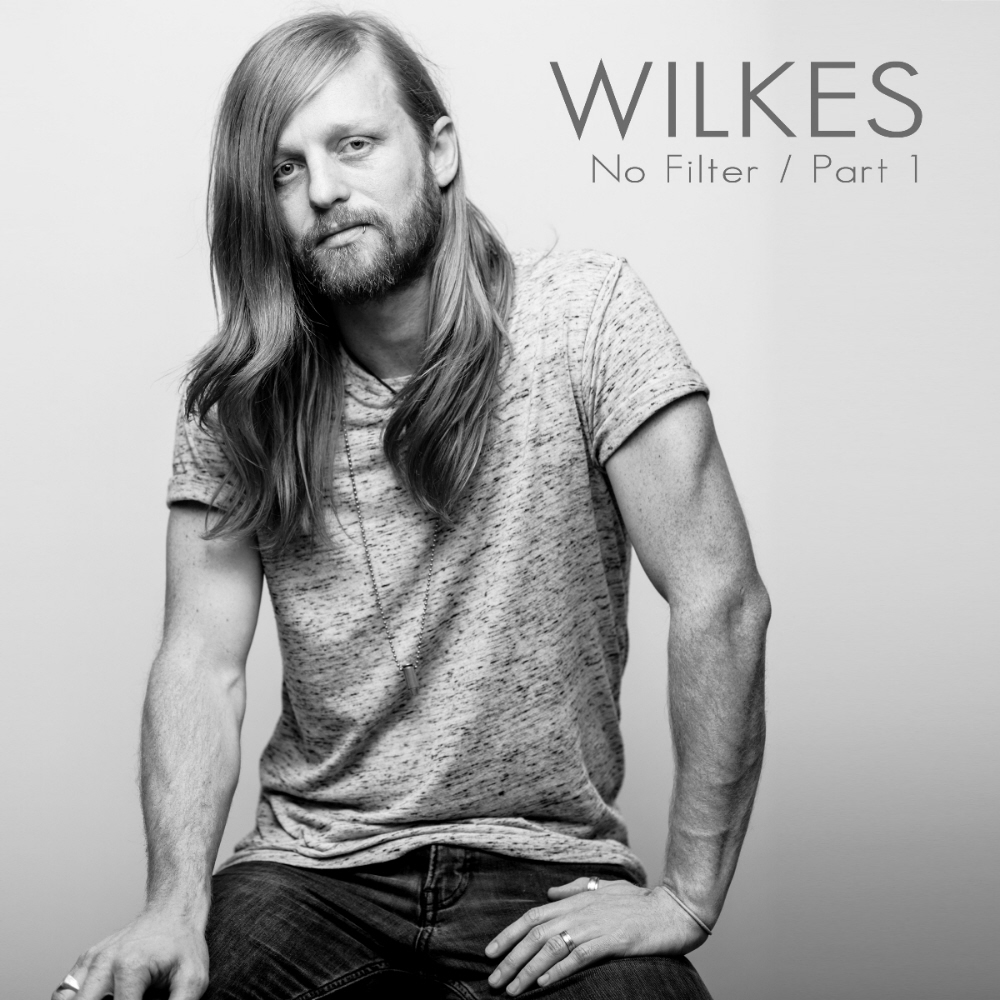
The first of a series of two EPs Jason Wilkes plans to release under the moniker Wilkes, No Filter Part 1 is a 3-song collection of catchy, hooky, acoustic, singer-songwriter, radio-friendly country-flavored rock songs. Or are they rock-flavored country? Their position on the country-to-rock scale varies a bit by song, though Wilkes’ songs are of crafted songwriter-caliber, so the modern country hits with which they share sonic similarity are definitely not the cookie-cutter ones. There’s a small-town, relatable feel to Wilkes’ music, yet a worldly singer-songwriter vibe to his thoughtful lyrics and intricate melodies, perhaps Middle America’s answer to Gavin DeGraw. Indeed, his delivery reminds me a little of DeGraw (who I consider the quintessential NYC singer-songwriter of his generation, so it’s not a comparison I toss around lightly), though their completed works feel quite different.

Wilkes - No Filter Part 1

cover photo by Tim Harman; image courtesy of Jason Wilkes

Jason Wilkes himself is no music biz neophyte; he’s been around the industry for a while, from since he was a teenager. For twelve years, Jason was a member of High Flight Society, releasing three records on Word Records/Warner Brothers Records and touring the country, toward the end of their run touring as Sam Hunt’s band. Jason also toured for three years as bass player, backing vocalist, and co-lead vocalist of the Christian rock band Disciple.

EP-opener “Let’s Go Back” is my personal favorite. It kicks off with Jason’s rich, textured voice and a hopeful, upbeat tempo. Bridges add warmth to the song, ramping up to the insistent, singalong-worthy choruses. This is a song that paints a rich, reminiscent story-picture with its uplifting tempo and style.

Lyrically, “Not Forever” could theoretically continue the “Let’s Go Back” story, though it’s more clear about the not-so-happy ending. Still, the hopeful, poignant nature of the memories recalled in the song and the uplifting music result in a fun musical romp through somewhat deeper lyrics than found on a typical “romp.” There’s a quick stop-start in the song, in particular, that serves as quite a hook.

Jason Wilkes

photo courtesy of Jason Wilkes

“Grown Up” is No Filter Part 1‘s ballad. Sonically, this is the most traditional-country-styled track among the three, in a sentimental ballad format that sounds quite familiar. The arrangement in “Grown Up” is pretty stripped-down, with Jason’s hoarse delivery doubling-down on the song’s sense of emotional rawness. Of the three, this is perhaps the track to which you feel as deeply as you listen while it’s playing, with a final guitar strum easing you and your emotions down to a soft, pensive landing.

This is an exceptional 3-song collection. When Jason contacted me a few months ago about a review, as soon as I sampled the songs I was quite excited about writing this review and sharing the music with my readers. It has taken longer to get through my review backlog and get to this EP than I had hoped, but I’d suggest you not delay making this part of your collection. Jason has made it available for free download. I’m looking forward to his Part 2 EP. Of course, I’ll review it when it’s available, but now that you know about Wilkes, I doubt you’ll wait for my review to get your own copy.

Album Review: Sheila Landis & Rick Matle – Beautiful Things

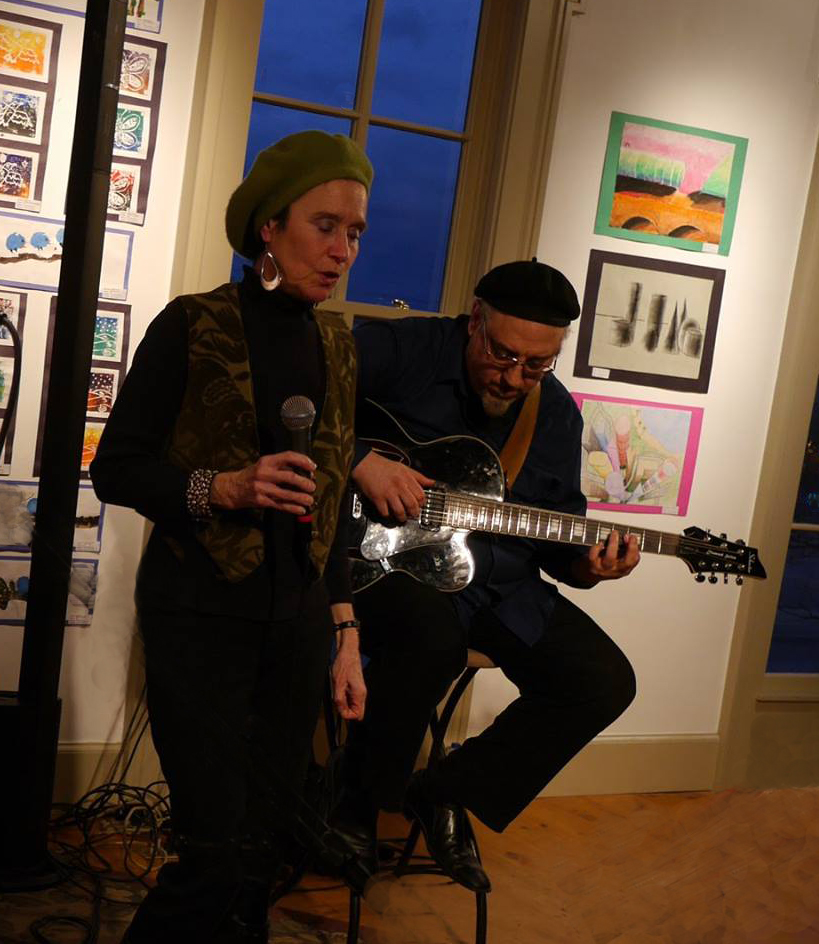
Sheila Landis & Rick Matle

photo courtesy of Sheila Landis & Rick Matle

by Eric Harabadian, Contributing Blogger

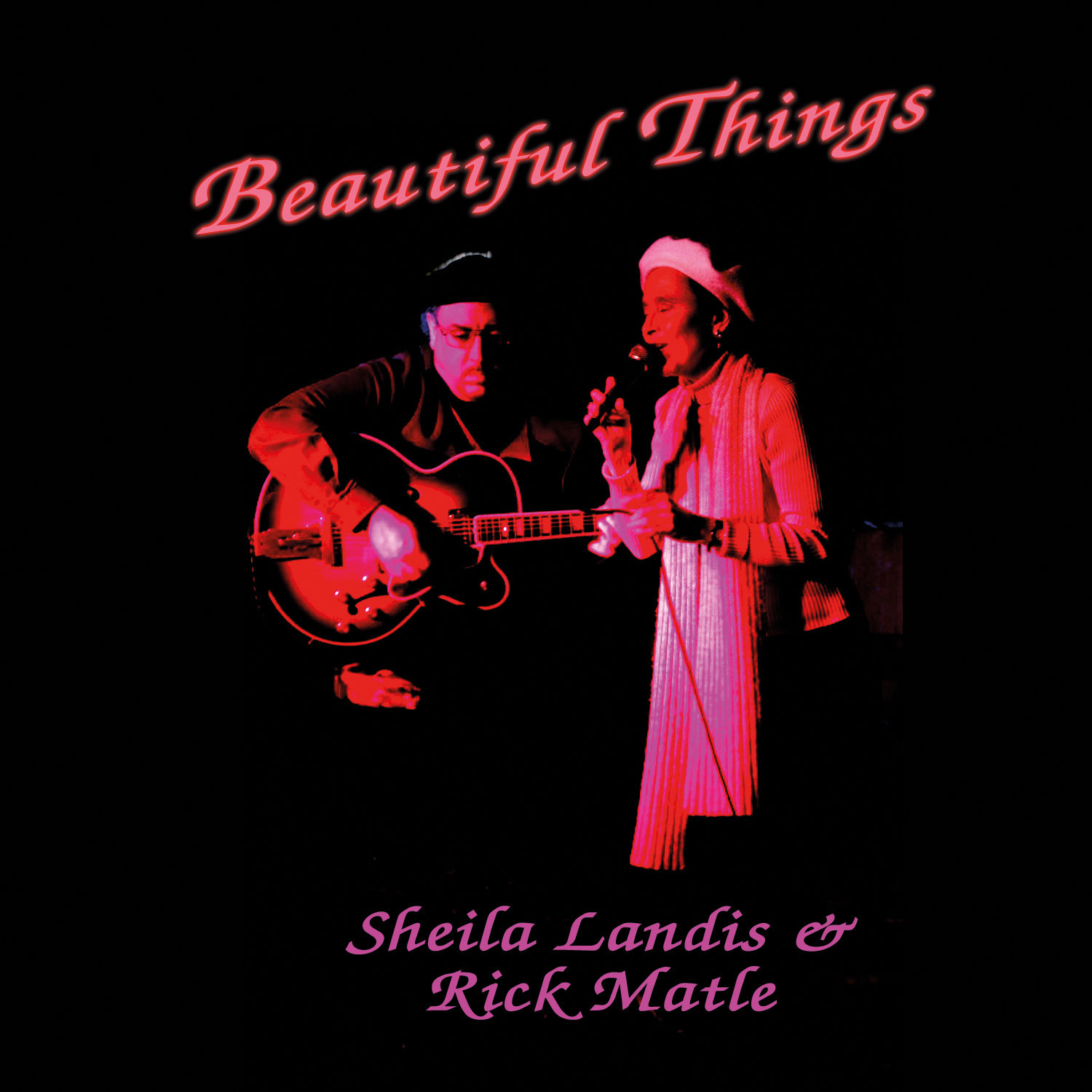
Album Review of Sheila Landis & Rick Matle: Beautiful Things (SheLan Records)

The Detroit-based duo of vocalist Sheila Landis and guitarist Rick Matle are two of the finest purveyors of the improvisational art form. They have decades of performance, individually and collectively, between them. Of all the music-oriented activities they are involved in, the appropriately titled Beautiful Things finds them working in their favorite habitat: playing live for appreciate crowds. All 15 of the selected tracks here were recorded at various venues around the Motor City, including the restaurant Beans and Cornbread, The Jewish Community Center of Metro Detroit, and The Village Theater at Cherry Hill in Canton, Michigan. Several of the tunes on this album were hand-picked favorites of Landis from the Ella Fitzgerald songbook. Essentially, the concept behind this project recalls the classic recordings and arrangements between Fitzgerald and guitarist Joe Pass.

Sheila Landis & Rick Matle - Beautiful Things

image courtesy of Sheila Landis & Rick Matle

They begin this superb collection of primarily traditional American standards, show tunes, and cover songs with “I’m Gonna Sit Right Down and Write Myself a Letter.” This one really swings out of the chute, with a light and airy feel. Matle’s 7-string guitar allows him to accompany himself on bass lines that parallel the chords and melody. Landis’ elastic vocalizing on top gives this song a very full and multi-dimensional quality.

Louis Jourdan’s “Knock Me a Kiss” follows, with lyrics that playfully laud cake, pie, and sugary confections in the same breath as love. Landis uses her voice in a lot of non-traditional ways on this recording and her “trumpet” solo here is convincingly quite good.

The duo slows things down a tad for Dinah Washington’s “Fine Fat Daddy.” It’s a languid walking blues tune where Landis takes a lot of liberties with her time and phrasing. Matle adds some nice inflections throughout, with some thoughtful delicate playing.

Sheila Landis

photo courtesy of Sheila Landis & Rick Matle

Next in the set is a piece by Antonio Carlos Jobim called “Vivo Sonhando.” This is a breezy and relaxing samba that fully spotlights their collective talents. Landis’ command of vocalese and melody is unique and self-assured while Matle’s subtle use of chord inversions and melodic choices moves this piece like a full band.

As aforementioned, Landis is a big fan of Ella Fitzgerald as evidenced by her uncanny and effervescent style. She pays tribute to her specifically here, with her original composition dedicated to the legendary singer entitled “When in Doubt, Make Coffee.” It’s a clever take off on “I Won’t Dance, Don’t Ask Me” and she sings in an appropriately caffeinated-fueled alliterated style.

Other highlights include another bluesy Landis original called “Taller in the Morning,” Matle’s flamenco vibe on “Besame Mucho,” the classic “Girl from Ipanema” and a stunning and sweet take on “Tenderly.”

Kudos go to Matle for the stellar production on this live recording. The performances are so pristine and delicately rich that you can hear a pin drop. Highly recommended!

Album Review: Trysette – Shadowgirl

Trysette

photo by Fred Bailey; photo courtesy of Trysette

The Backstory

A while back, I reviewed Trysette’s last CD, Feel So Pretty. This Aussie dynamo’s sweet, high, often breathy vocal style makes her songs quick and easy to identify. Indeed, some combination of vocal and stylistic uniqueness is a key to standing out from the crowd, and Trysette is a standout artist.

Trysette

photo by Robin Craig; photo courtesy of Trysette

While Feel So Pretty was an original composition, Shadowgirl is an album of cover songs. Early in 2016, Trysette created an account on Patreon through which her fans could pledge at least a dollar per song and be rewarded with a new cover-song every month. Patreon is a terrific website through which fans and friends can support their favorite artists in exchange for exclusive works of art – or, at least, access to them before anyone else. In this case, Trysette produced 10 songs during 2016, which her supporters (or “patrons”) received as they were produced. And, at the end of the year, Trysette packaged those songs into the album Shadowgirl.

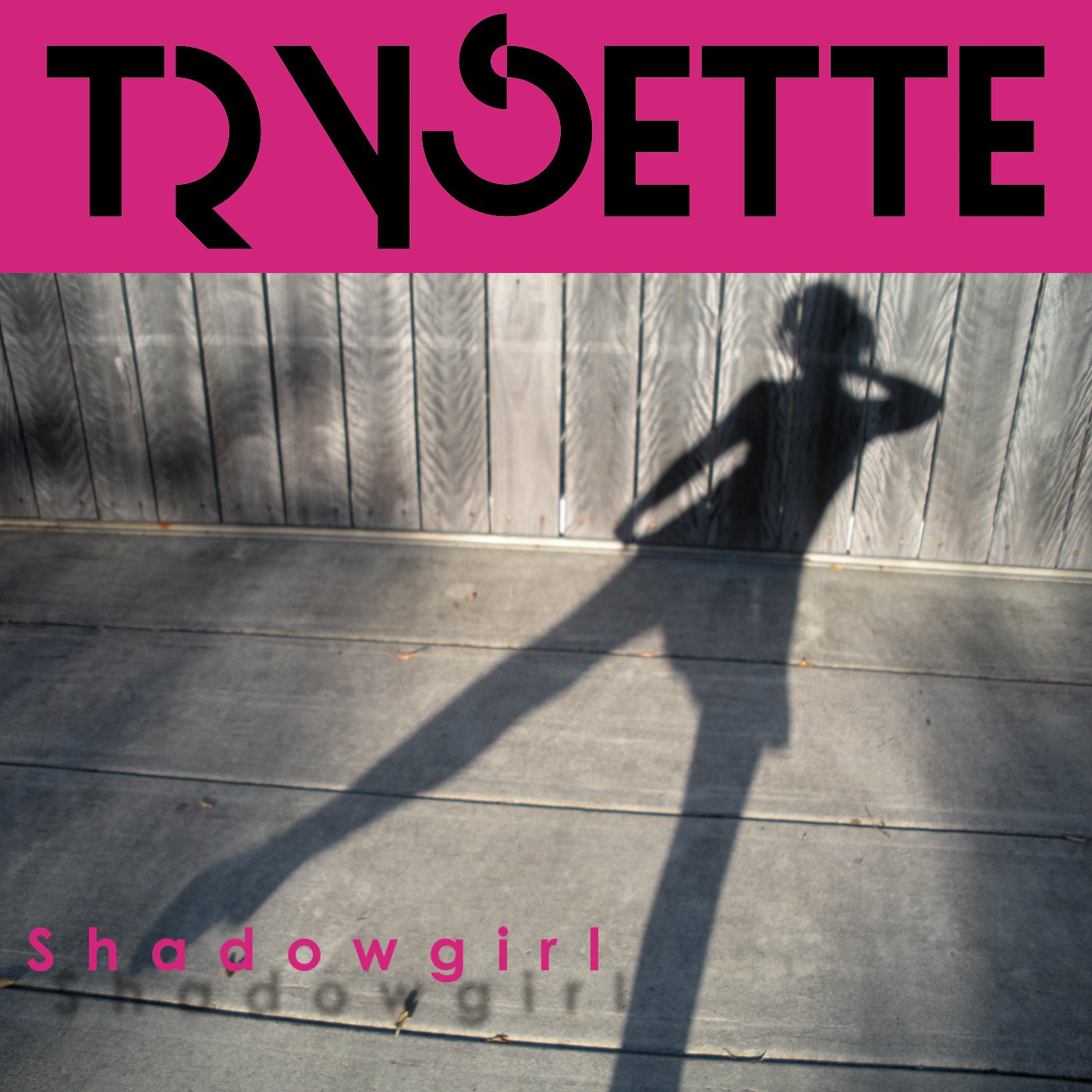
The album title for Shadowgirl stems from some long-shadow photo fun Trysette had on Facebook, which sparked her friends and fans to follow suit and found a home on this page of Trysette’s website. But that’s enough introduction; let’s move on to the music, shall we?

Album Review of Trysette: Shadowgirl

Trysette - Shadowgirl

image courtesy of Trysette

As I mentioned above, Trysette’s vocals are unique. Her voice is high and sweet and a little raw but with a smooth power. And, stylistically, she mostly utilizes a smoky, breathy delivery.

Oh, am I making it sound like she doesn’t have a powerful voice? Most certainly not the case. And she proves it from the start, with a warm, rich rendition of “Natural Woman.” Yes, the song that no one can resist singing along to. And I’m sure I’m not alone in failing to realize I’m singing until halfway through the chorus… every time. But this is about Trysette, not me. And I certainly don’t find all the intricate textures in the melody that she does. For such a familiar song, this truly is a Trysette original performance. No surprise; her covers quickly sound like they’re her very own songs. And that’s what makes this record full of cover songs a worthwhile addition to your album collection.

Trysette

photo by David Lassen; photo courtesy of Trysette

I’ll run through my personal favorites in the collection, though Trysette does such a fine job with them that each will be someone’s favorite.

“I’d Rather Go Blind” has a jazzy flair, with Trysette’s lyrical wails adding well-placed punctuation. Her exotic enunciation during “Beautiful” adds a personal twist to the number. And she really connects with the lyrics during “Landslide,” with some warm piano sounds supporting Trysette’s heartfelt gravelly crooning.

Cold Chisel cover “Flame Trees”, the way she performs it, has the elusive, light melody I’d expect from a Trysette original. It’s as if sunlight dances through the verses, saving what would otherwise be a melancholy musing. Though not adjacent on the album, the other song that most encompasses this same very Trysette-ish thoughtfully meandering nature is “Fix You.” Indeed, here the vocals plead a bit more forcefully, and the piano-work is more powerful, helping the song build and retreat, ebb and flow. In the end, though, it’s a terrific song, one I think improves upon Coldplay’s original.

Trysette

photo courtesy of Trysette

“I Try” is one of those slow-build soft-pop numbers, where Trysette’s vocal grows larger and more forceful as the song builds to power, supported by some backing vocals, too. “To Find You,” meanwhile, is delivered with stripped-down piano support and sung with an uneven pace in which Trysette moves forward and back around the melody, hoarsely, breathily delivering thoughtful wisdom, sounding very much like one of my favorite Trysette originals, “City Boy.”

To close the album, Trysette does a fine job, naturally, with the requisite December Christmas cover, “Santa Baby,” which is stylistically quite well-suited to her voice.

Trysette

photo courtesy of Trysette

But I’d like to close this review with “I Took a Pill in Ibiza,” my absolute favorite in this collection. Trysette’s voice softly struts, while a toe-tapping tempo drives the rhythm. Her version is sonically closer to the “Seeb Remix” of Mike Posner’s tune than the more deliberate original version of the song, but it’s bit slower than the remix and Trysette’s lightly playful vocal is at the steering wheel. She delivers this song in such a way I can’t imagine it being performed by anyone else.

Indeed, the key to creating a good cover album is selecting well-suited songs, and Trysette has done that. The covers that border on great are those that are stylistically adjusted a little to really suit the performer in such a way that the songs no longer feel like covers but, rather, strong originals, and Trysette has some of those in this collection. She’s a classic, original, talented singer (and pianist). I really enjoy Shadowgirl, and I hope it will tide me over until her next release.