
EP Review: Night Lights – 6 Feet Aparty

Night Lights

photo courtesy of DRPR

EP Review of Night Lights: 6 Feet Aparty (Position Music)

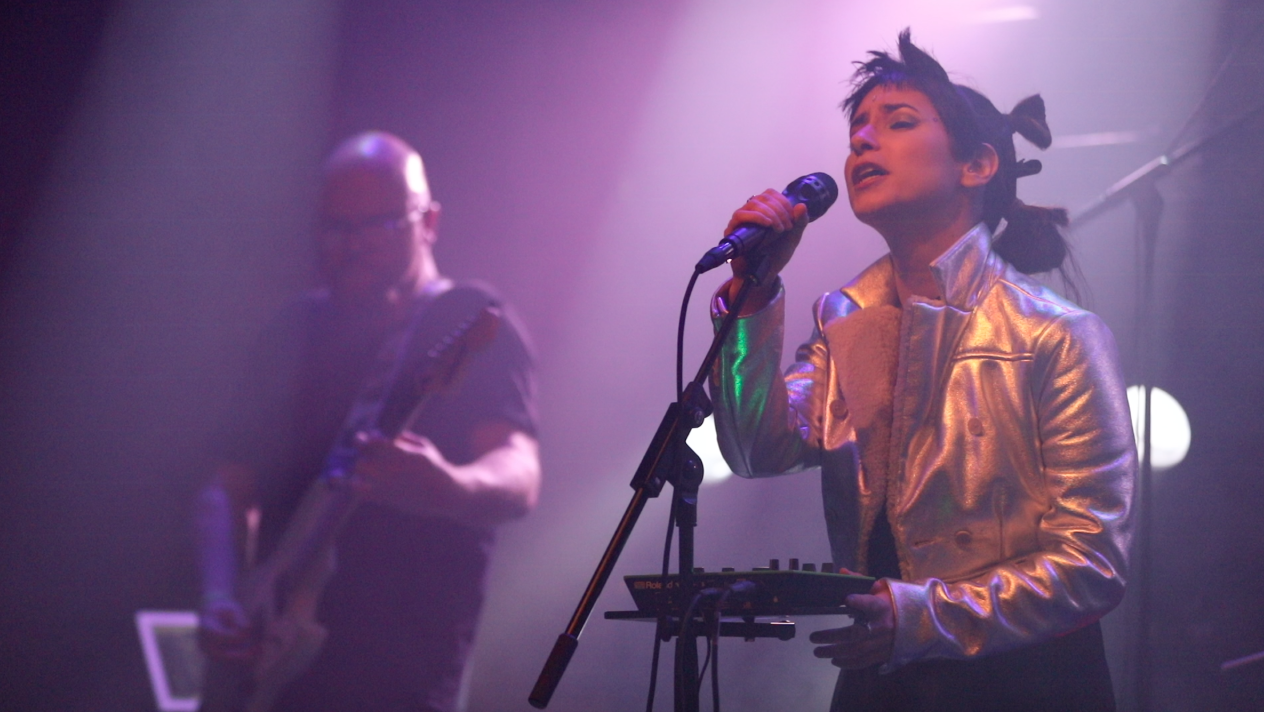
Indie pop group Night Lights delivers catchy, danceable, hooky pop on its current EP, 6 Feet Aparty. Mau Jimenez (vocals), Yusuke Sato (guitar), and Dag Eirik Hanken (drums) serve up the kind of synth-driven party pop that will quickly embed themselves into your brain so that you’ll soon react, as you hear the first notes, as if you’re hearing one of your favorite big pop hits. By all rights, that should be true. If not now, then soon.

Night Lights – 6 Feet Aparty

image courtesy of DRPR

For me, while all five songs on the EP have their appeal, there are a couple that really grab me.

First, “Look At Me Now” opens the EP strongly, with a sparse electronic beat accompanied by thin vocals before exploding into a full-on dance party with recurring synth riffs (including one occasional rhythm you’ll sing along to by the end of the first listen) and the occasional drum-beat breakdown keeping things lively.

“Here We Go Again” follows a slightly different pattern. It opens similarly, though this time with cheerful, soft music underscoring a rhythmic rap before picking up the tempo. It cycles back through this style, with each appearance of the “here we go again” lyric teasing that the song’s about to break out, but it never really quite does. Eminently danceable, this is a fun track to listen to, a nice option to keep the rhythm and dancing going while simultaneously bringing the energy level down, if you’re DJing, as a bit of a break to the breakneck-paced songs you’ll place before and after it.

Night Lights

photo by Nathan Tecson Studios; photo courtesy of DRPR

“Ready, Lose Yourself, Go” ups the ante again, starting at a higher energy level, with an almost Jimmy Eat World-like vocal texture atop a very danceable track. In addition, the “ready, lose yourself, go; oh-oh-oh-oh-oh-oh-oh-oh” lyric presents a great opportunity to sample for a quick-hit music blast at an event. In its entirety, though, the song itself is overwhelmingly radio-friendly with cool bridges and variety to keep listeners engaged for the entire 2:57 of the song.

Song four, “Revolution,” seems like a song I was already familiar with before the first listen, though I’m sure I wasn’t. The song with perhaps the broadest potential cross-genre appeal, it’s a familiar verse and chorus based structure with lyrical insights in the verses and a hooky-beyond-belief main chorus lyric: “You know we’re gonna start a revolution, oh yeah yeah yeah yeah.” This is Imagine Dragons-styled stuff. I could absolutely envision them scoring an enormous hit with “Revolution.” I could also picture a poppy version of this song being a huge hit for Katy Perry. Of course, given a chance, Night Lights would be the ones scoring that hit.

Night Lights

photo by Nathan Tecson Studios; photo courtesy of DRPR

The EP closes with “Fire,” with a dominant synth rhythm and a danceable beat. An old-school dance number with variety of tempos and intensity, it’s another song that seems already-familiar even though it clearly isn’t, except for those lucky enough to already be familiar with Night Lights. And now, that includes you.

Give these songs a listen. You know I’m selective when I choose danceable synth-pop to share; I only review stuff that really stands out, music that’d liven up your dance party, whether it’s a packed roomful of people or just you and your family jamming inside your own house during the pandemic. (What? You don’t own a disco ball and danceclub lighting at home? Me, either, but that doesn’t sound like a bad idea.)

Looking Ahead

Though there aren’t currently any dates listed, you can keep an eye out for Night Lights’ future live performances on the “Events” tab of their Facebook page.

Single Reviews: Divine Astronaut – “Undone” and “Whither”

Divine Astronaut

photo courtesy of Divine Astronaut

Single Reviews of Divine Astronaut: “Undone” and “Whither”

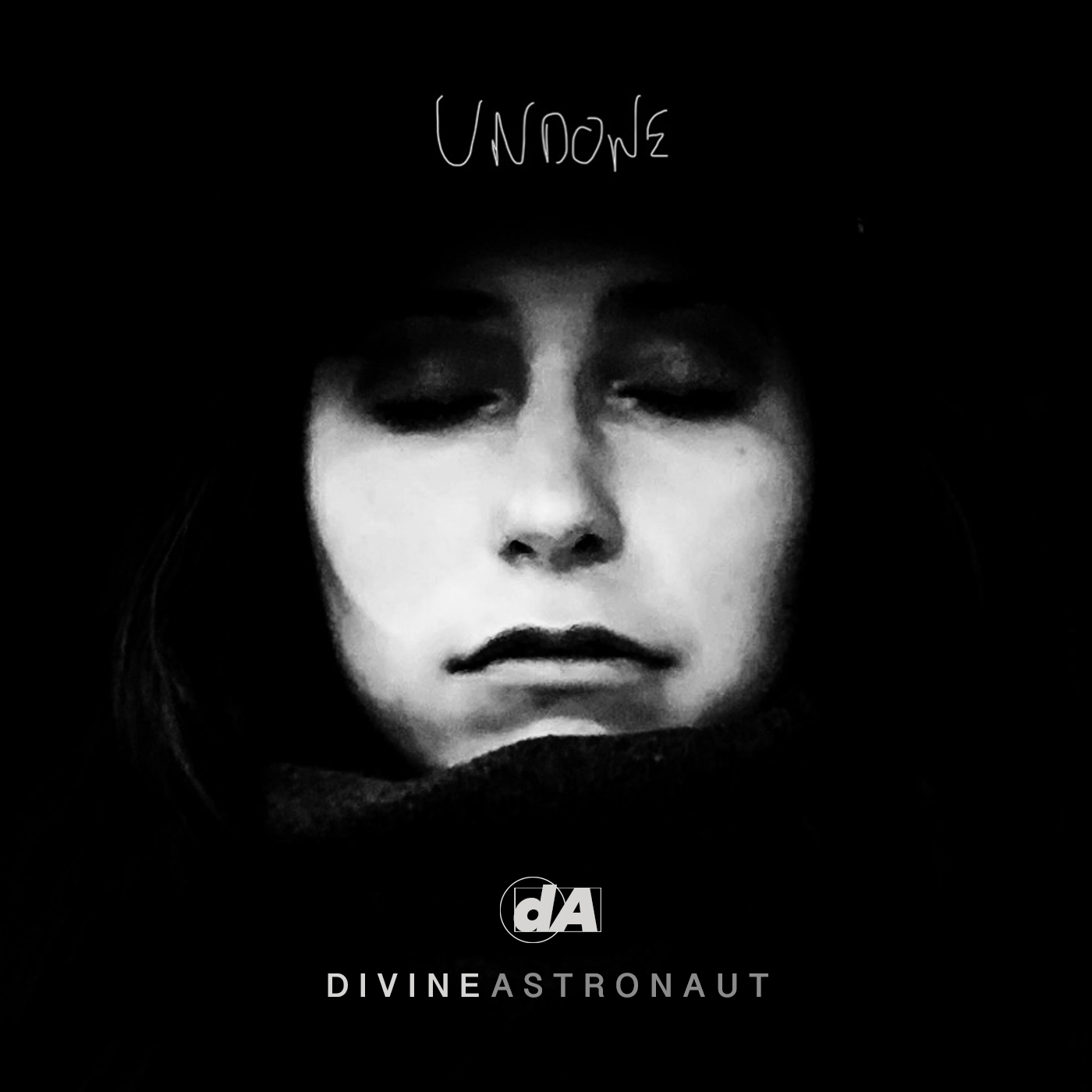
“Undone” was released as a single in late 2019, followed by “Whither” in the summer of 2020. These aren’t even Divine Astronaut‘s most recent singles, as “Voices” and “Ransom” dropped in the summer and fall of 2020, respectively, with a brand new video for the song “Only You”, showcasing perhaps DA’s softest side, joining them just a month ago. But “Undone” and “Whither” are the two MP3s that were sent my way last fall, and I’ve been enjoying in my playlist for several months now. So consider this an introduction to Divine Astronaut, and then go check out these two songs plus the group’s newer releases.

By “group”, I mean “duo.” Divine Astronaut consists of vocalist Livvy Holland and producer/multi-instrumentalist Moonhead. Livvy’s voice is that of a decade-spanning vocalist, while Moonhead’s music bed is a modern, buzzy, electronic wall of sound that simultaneously recalls ’80s New Wave and DJ-based modern electronic rock arena events. Indeed, the sound of Divine Astronaut is big enough, broad enough, and powerful enough to dub them an arena act, as it both fills the room and lends itself to the sort of light shows that would energize a stadium or a night sky.

Divine Astronaut – "Undone"

image courtesy of Divine Astronaut

It’s not surprising that Moonhead has cited as influences producers Trevor Horn and BT, as well as bands including Portishead, Bjork, Enigma, Peter Gabriel, Massive Attack, NIN, and Radiohead. The Bjork influence coincides just a touch with Livvy’s vocals, particularly in the sparser moments of “Whither,” though just a little, as her vocals are big, textured, and powerful, even when she sings softly. Livvy’s voice can slice through the mist, the fog, and a seriously dense music bed, as she displays more on “Undone,” between the two songs.

Turning specifically to these two songs, which are a bit yin and yang, showcase different sides of Divine Astronaut’s musical capabilities. The vocals on “Whither” advance timidly, tentatively, almost uncertainly, accompanying an understated music bed that relies on subtlety to convey strength and power, including a nice little bit of synthwork mimicking a ’70s classic rock guitar run during a late-song bridge.

“Undone,” meanwhile, will light up the arena and get a sea of fans moving, as it starts quietly, merely hinting at the power about to be unleashed. In my memory between listens, I imagine remembering Livvy launch into some serious power as she sings “when it all comes down,” but it’s illusion set up by the music and her voice gearing up and crescendoing specifically as she delivers those lyrics. Moonhead’s synthwork is louder and crunchier on “Undone,” though it’s again illusory, as the music never really builds to the power it conveys. Though I like both of these songs, this is perhaps my favored of the two, though for personal reasons rather than musical ones, as it recreates an energetic, packed concert arena abuzz with excitement and noise.

Divine Astronaut

photo courtesy of Divine Astronaut

Divine Astronaut has captured something special in the pairing of this duo’s talents, resulting in modern synth-driven pop-rock with broad-based appeal, music that’s cool, well-written, and performed exceptionally well, able to reach well beyond the band’s core set of listeners, offering the constant opportunity for breakout hits. On the Geoff Wilbur’s Music Blog spectrum, comparing Divine Astronaut to artists I’ve reviewed here at the Blog, I’d pair Divine Astronaut with ZagreuS and The Sweetest Condition, falling somewhere between the two but more likely to share a stage with ZagreuS.

An upcoming Divine Astronaut album, to be entitled Made Not in Berlin, is reported to be scheduled for a 2021 release, and I’m looking forward to hearing it. And catching a Divine Astronaut live performance. Whether in a large arena or a small listening room – hopefully with a great lighting system – I’d expect it to be an event.

Album Review: Hope Dunbar – Sweetheartland

Hope Dunbar

photo by Karyn Rae Photography; photo courtesy of Skye Media

Album Review of Hope Dunbar: Sweetheartland

When this album hit my inbox, I sighed. “Not another Americana artist,” I thought to myself. “I’m tired of reviewing Americana artists; I get sooo much music from this genre (relative to my preferred mix).” (Yes, my thoughts have semicolons and parentheses; I’m a writer.) I’ve got nothing against Americana, but its artists (perhaps second only to folk artists) are really active in promoting their music, so I get too much and, as a result, only review Americana music that is truly exceptional. This particular album came from a publicist who has introduced me to some amazing music, so rather than setting it aside to quickly sample and decide about at a later date, I downloaded it and put it in my review queue, deciding to give it a chance, acknowledging I’d probably eventually skip reviewing it. You see, I maintain a queue of music that I’m likely to review, and I play it while I work, during periods when background music is helpful to block out distractions without being a distraction itself, so that I’m familiar with the music by the time I begin to write about it. Also, after a few listens, I sometimes decide not to review an album because it just doesn’t stack up against the others in the queue (IMHO). I also remove albums from the list when I complete their reviews. As items are removed from the top of the list, songs move up the list so I begin hearing them during my workday and, eventually, review them.

Hope Dunbar – Sweetheartland

image courtesy of Skye Media

After reaching Sweetheartland two or three days on my way through the queue, I realized I’d definitely be writing this review. It’s a solid, well-written disc with a big potential breakout hit, a song that you must hear, a song I had to tell you about, though with each additional listen that early favorite catchy song turned out to be several favorites. From a label executive’s standpoint, that would suggest at least one song that could break an artist, then several others that could be hits once the world was aware of the artist. Now, an independent artist may have a much harder time getting those radio opportunities, but the exceptional songs necessary to make it happen are here on this disc. And beyond individual potential hits, Hope Dunbar has assembled a great full-album listening experience, too, on Sweetheartland.

The clearest breakout song on this disc – the song that sealed my decision to review Sweetheartland and began my journey toward discovering Hope Dunbar’s immense talent – is “What Were You Thinking,” a rockin’, fast-tempo, clever, humorous Americana number with sass, brass (not horns), and a fun, healthy take on a response to infidelity, leading to a reassessment that eventually turns the “what were you thinking” line into “what was I thinking” after the song turns. One of my favorite lines during the transition process, of course, is “all I need is a lighter, your clothes, and a gasoline can.” That’ll get his attention,

Hope Dunbar

photo by Karyn Rae Photography; photo courtesy of Skye Media

The second most-likely crossover hit, IMHO, is “John Prine.” It builds toward the catchy part, so it’s perhaps not as likely to latch on as a first offering, but it’s the song I find myself singing days later. It’s a love song, though not the romantic kind, rather the intellectual love a songwriter feels toward a master of the craft. “John Prine, John Prine, I wish your songs were mine. I wish I could steal one of your lines, and no one would know.” It’s a song that builds to energy, with the catchy, multiple repeats of the chorus backloaded.

The title track and album-opener, “Sweetheartland,” also is a catchy tune, one with a happy, bouncy, traditional country-Americana sway with pockets that leverages an intense vocal edge similar to that of Natalie Maines perched atop its already-edgy folk-country, Americana vocal style.

“Evacuate” is a tensely energetic, engaging number. And I had never thought about “evacuate” that closely before, but now I know “It’s a fancy way to say get out.” Through it’s crashing and frenetic energy, this is a song that’ll suck you in… as it’s telling you to evacuate.

“Woman Like Me” shows a softer side in the form of a big, sweeping slow song. Lyrically, it highlights the value and beauty of life experience: “Call me a rose whose first bloom is gone. But a woman like me sings the prettiest songs.” Gotta admit, she does. Or she can, anyway. As you’ve probably already noted, she also sings some of the fiercest songs.

Hope Dunbar

photo by Karyn Rae Photography; photo courtesy of Skye Media

Bluesy-twangy “Dog Like You” sounds like something Shania Twain might sing whenever she wanted to lean a little more old-school Opry.

“The Road Is” more folky but over an ominous aural backdrop. It’s a lyrically clever brief telling of multiple tales around the meaning of the road in various situations. Hope’s vocal power places emphasis adeptly as dictated by the emotion required by each various stretch of “the road.”

“Dust” is steadily progressing song with an almost war drum rhythm and whose quickly-escalating late-song “oh, oh-woah” mini-bridge forms an edgy, almost alt-country crescendo leading to the song’s most intense uttering of “we don’t wear rings because the promise didn’t last.” Oh.

Disc-ender “More,” after which there is no more, is a self-effacing introspective song from the indie songwriter about her lot in life (“I write down a few words, pick up my guitar, and sing”), seemingly a blend of satisfaction and dissatisfaction, essentially deciding that life is good but it’s OK to want more.

And that’s a good way to leave the disc. To leave the listener wanting more, which Hope does after a mere nine terrific songs.

This disc is strong throughout with pockets of amazingness. You know, one of the cool things about getting an advance review copy of an album is that I’m able to give it dozens of listens over a period of time and become familiar enough with it to write a thoughtful review, one in which I’m able to uncover both its obvious and subtle features, and still sometimes complete the review before the album is released. That was the case with Sweetheartland. Though I’ve played it dozens of times before writing this review, the album’s release date is today, April 2nd, 2021, so go out and be one of the first to pick up a copy… or download a copy… or save it to your streaming service if you don’t purchase music, though especially during a pandemic when artists can’t easily tour, this might be a good time to support them by buying music.

Speaking of touring, when Hope is able to tour again, you’ll find the dates here on the “Live” page of her website. And until COVID-19 allows touring to resume, Hope will support Sweetheartland‘s release with livestreams. Notably, she has a livestreamed set scheduled at TheBoot.com’s Facebook page on April 5, 2021 at 9:00 PM EDT/8:00 PM CDT.

Publisher’s Post Script

Thanks for indulging me at the beginning of this review. I’ve often thought of giving a peek behind my writing process, and this review seemed to lend itself to that, so I did. I hope some of you found it interesting. -GW

Single Review: 3Mind Blight feat. Trysette – “Situations”

3MindBlight and Trysette

photo courtesy of Trysette

Single Review of 3Mind Blight feat. Trysette: “Situations”

This song is a pairing of two seemingly disparate musical talents whose commonality is as versatile songwriters and performers. 3Mind Blight is a longtime music producer and award-winning songwriter who launched his career as a solo recording artist in 2018, combining influences ranging from rap to metal, orchestral to pop, and beyond. Trysette (who we’ve reviewed at the Blog several times over the years) is an Australian singer, songwriter, and pianist whose solo performances have made her one of the Blog‘s favorite artists, though she may be best recognized by those who don’t subscribe to Geoff Wilbur’s Music Blog as a backup singer for Bob Malone and for John Fogerty; also, as a co-writer of “Under My Skin,” a current chart-climber released by Nashville recording artist Nate Smith.

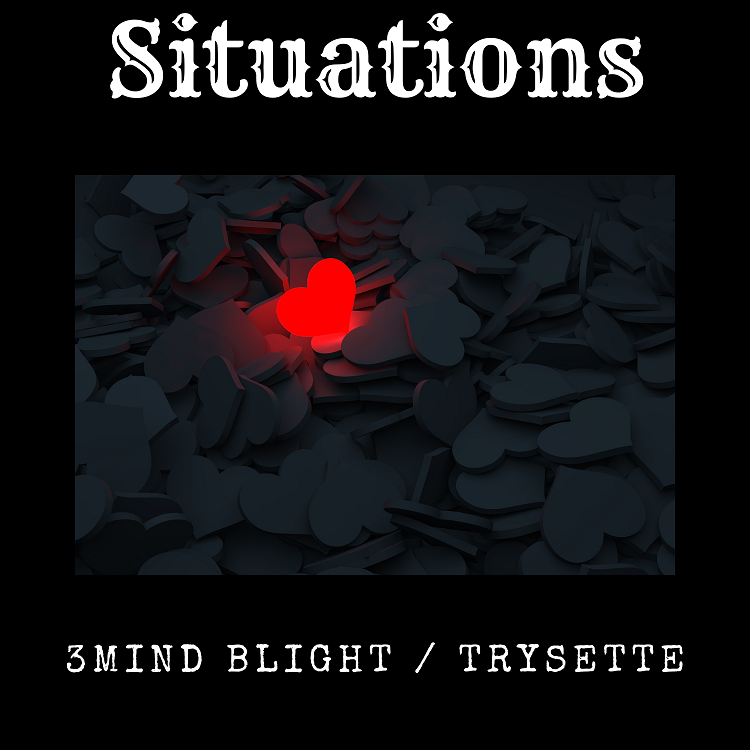
3Mind Blight feat. Trysette - Situations

image courtesy of Trysette

On “Situations,” 3Mind Blight leans more heavily, though not exclusively into the rap end of his repertoire, musically and lyrically intersecting with Trysette’s soaring, high vocals to tell a tale of emotions.

The song kicks off with an alien, deep-sea-echoing music bed one might expect in dream pop, with 3Mind Blight delivering rhythmic rapping vocals that he extends into more tuneful, soaring spoken word, then giving way to Trysette’s higher, spoken-sung reply atop a lighter more airy musical backdrop.

As the song progresses, the vocals trend more toward traditional singing, while the floating synth extends a feeling of uneasiness, until Trysette’s vocals and 3Mind Blight’s late-song rap resolve the internal lyrical conflict that was reflected by the music.

3Mind Blight

3Mind Blight; photo courtesy of Trysette

The song’s sudden ending suggests perhaps a solid resolution to the lyrical message, though the uneasy music bed that lasts right up until the very final note hints that perhaps a clean resolution isn’t so easy.

It’s a well-crafted song with a radio-ready length, coming in easily under three minutes. The song was released a couple weeks ago, and it’s no surprise it has started garnering attention for this pair of talented artists. No foolin’.

Looking Ahead

You can keep up with 3Mind Blight’s music on Spotify, and you can see what he’s up to via his Twitter account.

Trysette

Trysette; photo courtesy of Trysette

In addition to her songwriting collaborations during COVID-19, Trysette has recorded a series of cool “Shoot the Breeze” videos on YouTube, chatting with some of her “rock star friends,” and she generally shares any new goings-on with her fans via her Facebook page. Also, when she’s back on the road again, you may be able to catch her performance schedule on the “Tour Dates” page of her website.

Looking Back

To continue your new-music discovery tour, if you’re not already familiar with Trysette’s catalog, don’t forget to check out some of the Blog‘s other reviews of her music. Most recently, I reviewed her multi-artist collaboration TRX+J. A few years before that, I reviewed her album of covers, Shadowgirl. And back in 2015, I reviewed her full-length release of originals, Feel So Pretty.

Single Review: Urban Ladder Society – “Juke Joint Lover”


Urban Ladder Society – "Juke Joint Lover"

image courtesy of Frank Roszak Promotions

Single Review of Urban Ladder Society: “Juke Joint Lover”

Urban Ladder Society dubs itself as an all-star band, and you sure can tell by the tight musicianship, the musical twists and turns, and the experienced touch of knowing just when to turn on the heat and when to dial it back. The band is comprised of Victa Nooman, Henry Roosterman Stevens, Chris Gill, and Jante Mayon.

The song itself, “Juke Joint Lover,” is an instant classic. It is a steady, rhythmically-progressing classic blues tune, structured to easily fit solos and jams that I assume could stretch for several minutes when performed live. The beat is smooth, dripping with attitude befitting the lyrics, “I can be your juke joint lover. Let me love you like no other. I can be your juke joint lover. You can call me your big brother. If you’ sick ‘n tired of your man, darlin’ just give me your hand, and we can.” This five-minute, six second tune chugs along like any other smooth blues joint until the 3:07 mark, when… boom! If you hadn’t already known, you realize this song lives at the intersection of blues-meets-hip-hop, and ULS includes a top-shelf rapper onboard in Victa Nooman. Rhythmically varied, the word-heavy rap atop a classic blues musical backdrop with texture-adding guitar riffing dancing throughout, does most of the vocal heavy lifting the rest of the way, guiding this tune to its conclusion. It gives Urban Label Society a unique element not found in most blues bands, an original sound whose individual ingredients are blended deftly together to appeal to a broad audience. This song is my first introduction to Urban Ladder Society, but I’ll definitely be back for more.

Album Review: Falling Doves – Electric Dove

Falling Doves

photo courtesy of Head First Entertainment

Album Review of Falling Doves: Electric Dove

Sporting a sound reminiscent of ’80s/’90s-era Enuff Z’Nuff, with a hint of Mr. Big, maybe, a dash of screeching blues-based rock guitar, and some heavy melodic punk, the Falling Doves deliver a distorted, powerful rock ‘n roll album. Bands the Falling Doves have shared the stage with include Echo & The Bunnymen, Peter Murphy of Bauhaus, Fastball, and Gilby Clarke. Yeah, that sounds about right.

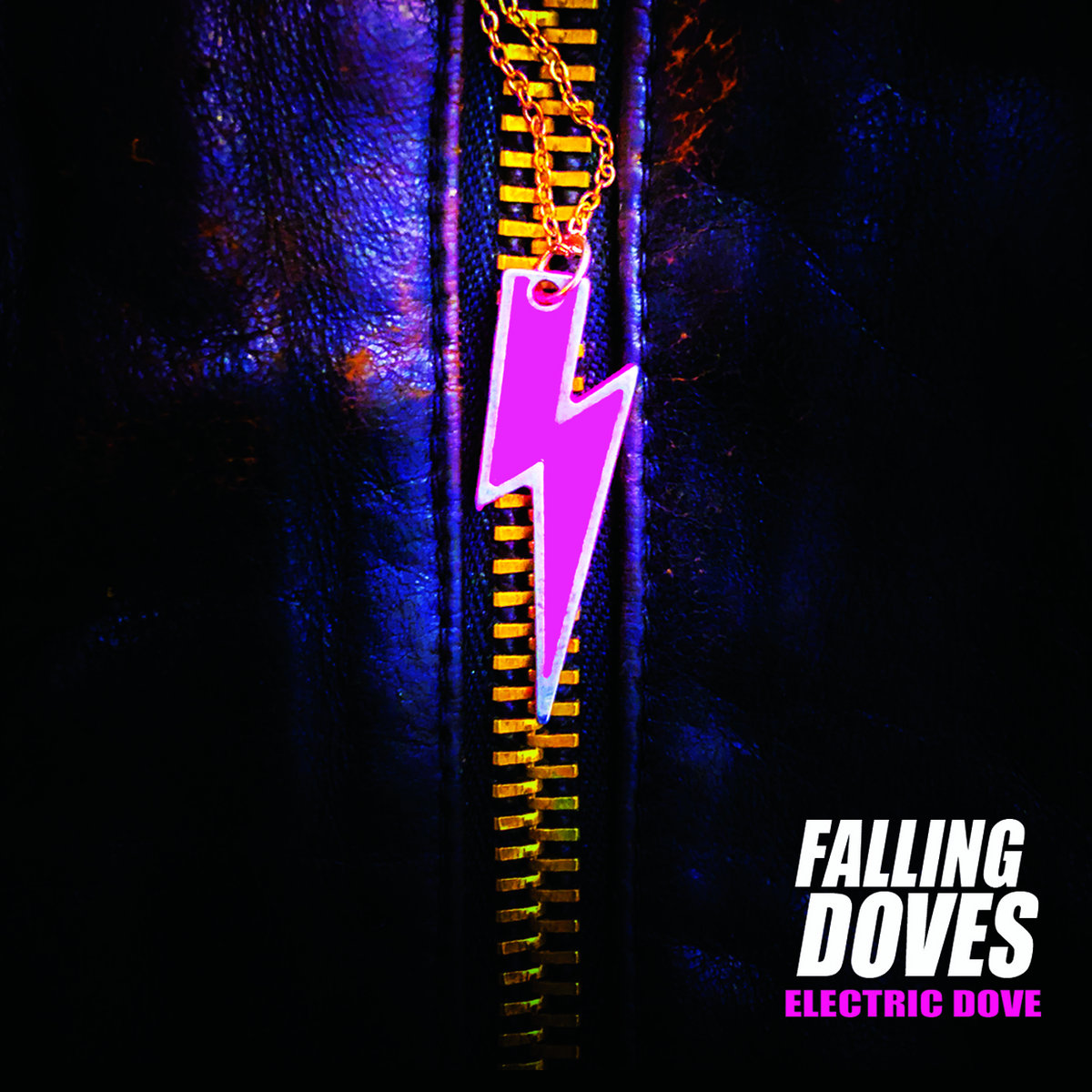
Falling Doves – Electric Dove

image courtesy of Head First Entertainment

And yet, second song “Hello Stars” sounds like a hard rock song that might be heavily influenced by shoegaze, with a loud, buzzing rock and roll sound field and crunchy guitars driving a well-structured song that keeps acting as if it’s about to meander off, but it doesn’t. It’s a neat trick, and an engaging song. “NYC” is kind of like this, too. And until putting the pieces together while analyzing this album, I never realized that Enuff Z’Nuff actually has a bit of the heavy rock-meets-dream pop vibe in several of its songs. Of course, Enuff Z’Nuff predated shoegaze, so… well, I have to wonder which foundation musician in that musically distant genre was a secret EZ’N fan.

But I digress. Back to Falling Doves, and one step back to the album-opener, “Art of Letting Go”, which is an aggressive, disc-launching melodic hard rocker, with drums, crunchy guitars, distorted guitars, and vocal wails befitting a hard rock band, a catchy song and quick favorite that’ll cause unintentional – though definitely not undesired – headbanging whenever you listen to it.

Falling Doves

photo courtesy of Head First Entertainment

“Dialing You!” is another straightforward rocking favorite on the disc, with a steady rhythm, vocal snarl, and a couple mean guitar hooks. “Strange Love” stands out for its guitar wails during a couple short bridges and a wall of music backdrop so complete that it almost seems like some static fill had been included specifically to ensure there are no gaps.

“December Took You Away” is a driving straightforward rocker with the vocals and guitar adding just a hint of side-to-side rhythm. There’s perhaps a smidgeon of Green Day-like defiance mixed in, with a classic guitar run in the middle of the song playing a major role in redirecting it forward – it’s subtle but very cool once you notice it.

“Something About Her Ways” – particularly the opening stanza – exhibits the strongest old-school alt-hard-rock influence on the disc, adding the sort of small variances of ingredients from song to song necessary to provide an enjoyable full-album listening experience.

After “NYC,” mentioned earlier, distorted, disjointedly rhythmic rocker “Changes,” old school alt-pop rock-seasoned “Tomorrow Night” (depending on my mood, I alternately hear hints of Human League and Blondie when I listen), and the raucously, punkishly hard rocker “Don’t Have the Time” solidly drive the disc to a close.

In the end, Enuff Z’Nuff fans won’t be able to unhear the stylistic similarities, and I mean that in the most complimentary possible way. For the rest of you, this is a solid hard rock album with catchy rhythms and a hint of the ethereal echoing in the music, particularly in the vocals. Good stuff.

Falling Doves

photo courtesy of Head First Entertainment

More Recently

During the pandemic, the Falling Doves have added several releases on Bandcamp, including a couple of “virtual tour” releases and a cool EP of covers, Electrafixation.

Looking Ahead

Keep an eye on the band’s website and/or the “Events” tab of its Facebook page for upcoming shows.

Album Review: Johnny Never – Blue Delta

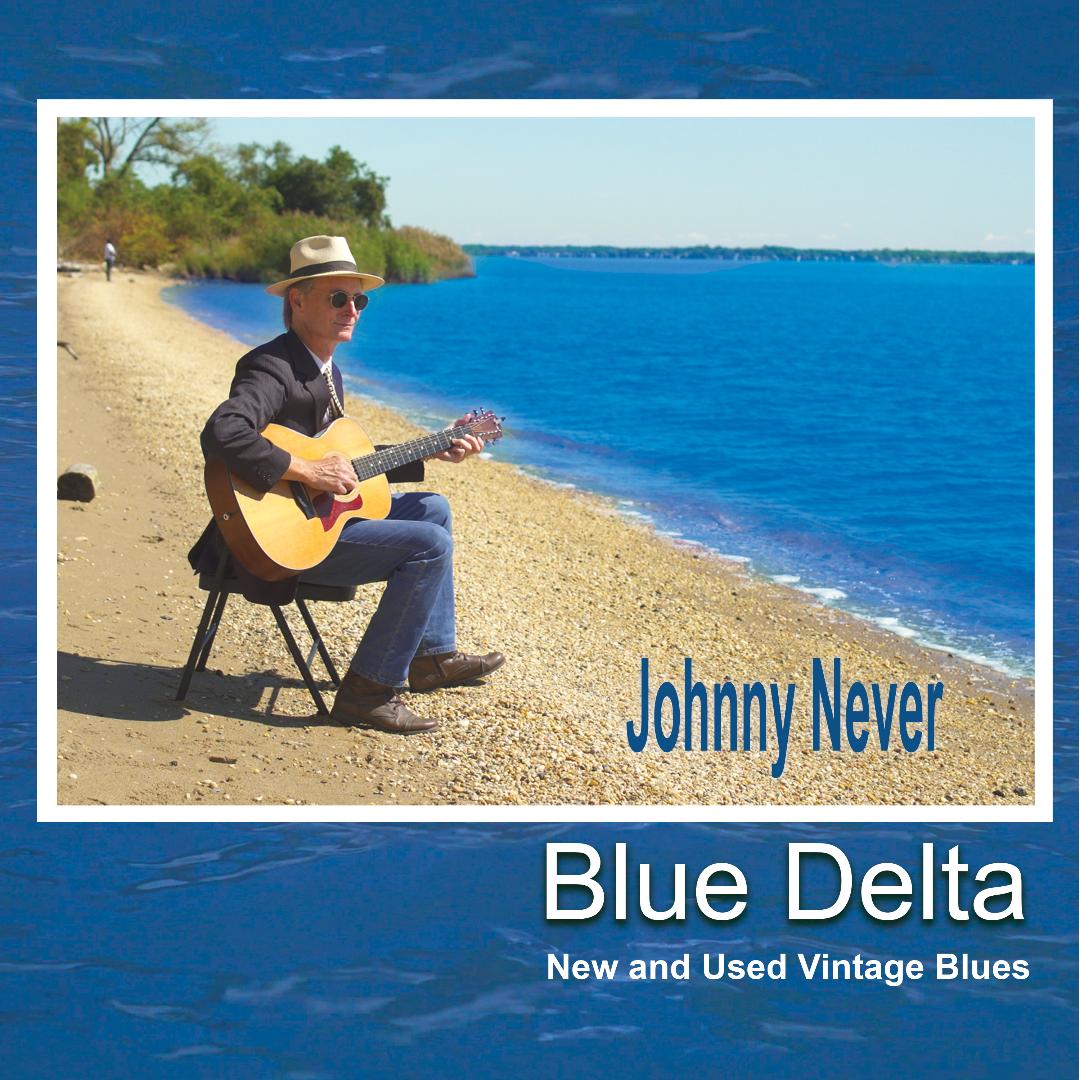
Johnny Never – Blue Delta

image courtesy of Frank Roszak Promotions

Album Review of Johnny Never: Blue Delta

I’ll admit that, while I am a blues fan, I’m not well-versed in identifying the specific styles of blues, nor do I have an awareness of their varied histories. But I enjoy it, and I know what good blues sounds like. I also know Johnny Never plays a very specific style of blues, and that he is an exceptional purveyor of his style of blues. Still, I’ll have to accept the press information that this is Delta Blues but played in a Piedmont finger-style. I include that for readers to whom that means something. For the rest of us, Johnny Never’s Blue Delta is an absolutely top-shelf collection of a very specific style of blues.

You’ll find eight originals and five covers on this album.

Disc-opener “Blue Delta Blues,” a Johnny Never original, kicks things off with the sort of crooning warble, something you might recall if you’re old enough to have played your parents’ (or grandparents’) old 45s, with a warmth yet an almost grainy quality reminiscent of sitting in front of the speakers while listening to AM radio. It has a cool groove, a toe-tapping rhythm, and a nostalgic catchiness.

A harmonica drives another original, “Black Smart Phone,” while some guitar plucking provides texture behind Johnny’s somewhat gravelly croon.

Among the covers, I enjoy the almost vaudevillian flavor of Johnny’s energetic rendition of Robert Johnson’s “Last Fair Deal.” Johnny adds a shaky howl to his delivery of Son House’s “Death Letter.”

Original “Shake It Up and Boogie” is bit of a jam, with harmonica wailing and loose guitar picking supporting a number befitting a mid-sized room and a stage, especially as you picture the backup singers leaning in to echo “shake it up and boogie.” Its album placement is clearly by design, as it shares a similar rhythm to Johnny’s rendition of Tommy Johnson’s “Canned Heat.”

“Falls Off the Bone (Blues in 7/8)” has an intriguing rhythm, with Johnny’s vocals seeming to run long at times, start late at others. He seems to ignore the expected vocal pocket throughout the song but artfully, in a way that makes the song a compelling listen. And again I suspect song placement on the album was purposeful, as it almost seamlessly flows into Johnny’s version of Roosevelt Sykes’ “44 Blues.”

The disc continues with strength and variety, with the big blues sound of “Witherin’ Heat Blues,” the heartbreaking dirge-like emotion of “Whiskey Glass,” and the intricate picking-driven sway of “Dark Night Blues (Murdoch Blues).”

The penultimate track on the album, Johnny’s version of Big Bill Broonzy’s “Hey Hey,” has a nice travelling-song feel, an energetic near-final number that leans into Johnny’s hoarse vocal delivery – sounding as if he’s tunefully hoarse at the end of a long night of singing the blues – to deliver a tune that’ll get the joint hopping just before last call.

And that last call, Johnny’s original “Blue Eyed Girl,” can perhaps be that song of lament that sends you home at the end of the night. Or on to the next album (or Blue Delta on repeat) because, you know, this is a record and not a late night at the club.

Beginning to end, Blue Delta is constantly on-point. Especially on the more sparsely-instrumented numbers, I can see Johnny sitting in that folder chair on the beach, as on the album cover, just strumming, plucking, and crooning, though these songs are all equally well-suited to 2:00 in the morning at a dimly lit blues joint. Blue Delta is a solid recommendation for blues fans, regardless of whether or not you know “Delta blues” by name.

Interview: Dean and the Singing Blue Jeanne’s

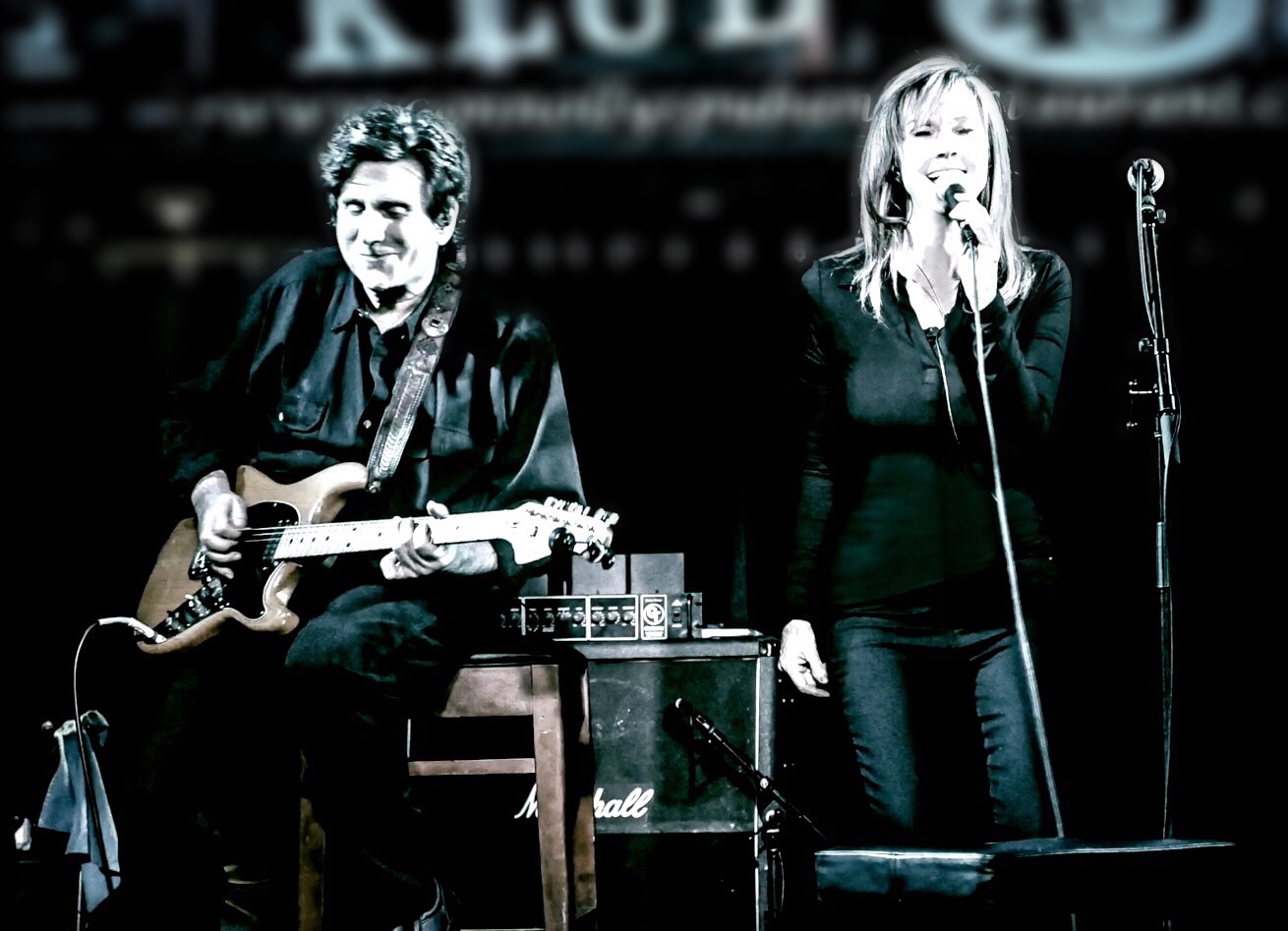
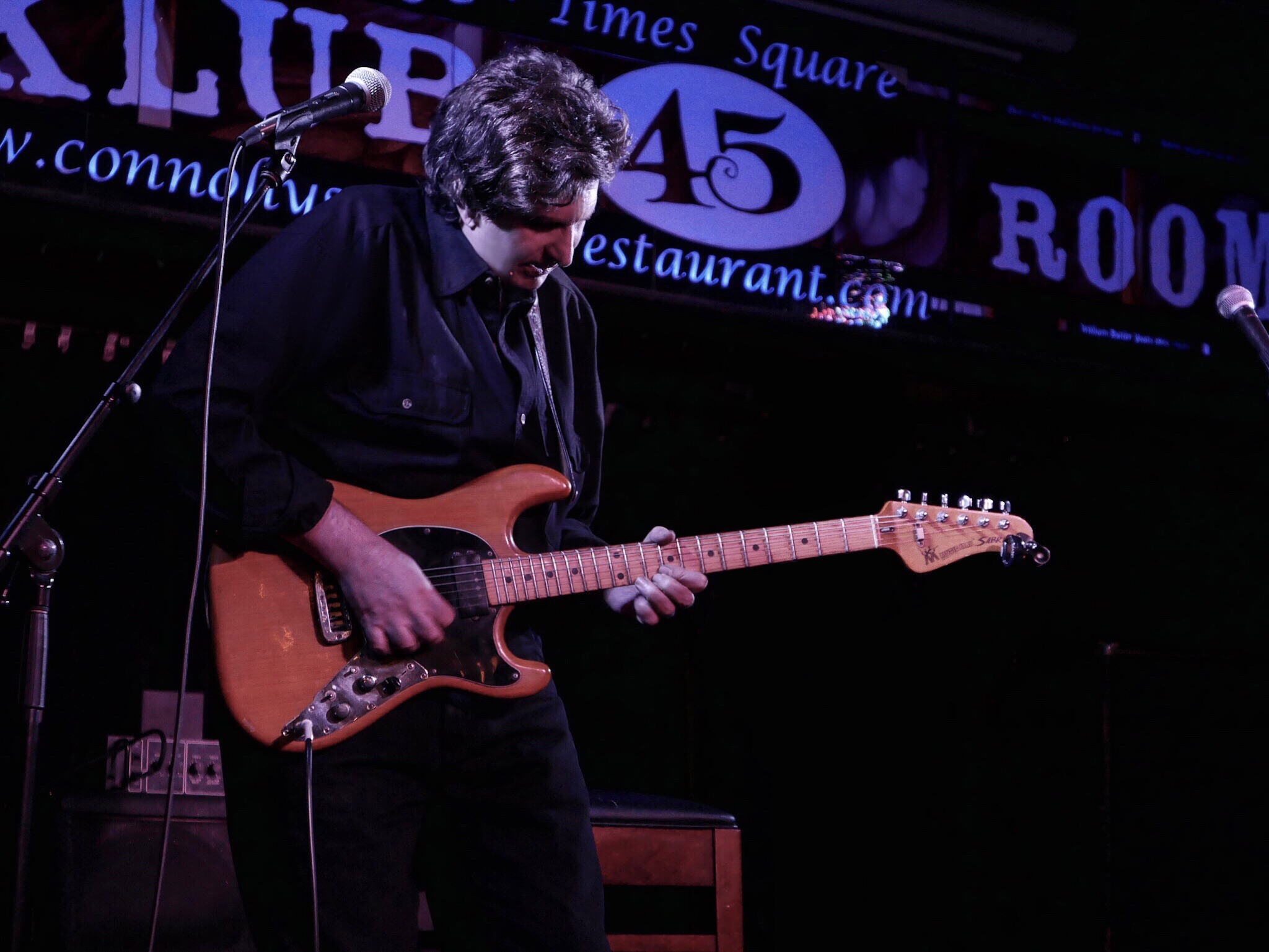
Dean Bailin & Jeanne Waller

photo by Jonny Tessler; photo courtesy of Dean Bailin & Jeanne Waller

by Eric Harabadian, Contributing Blogger

Dean and the Singing Blue Jeanne’sInterview and Video Review of “Fantasy House”“3 Coins in a Wishing Well”, and “Enter This Night”

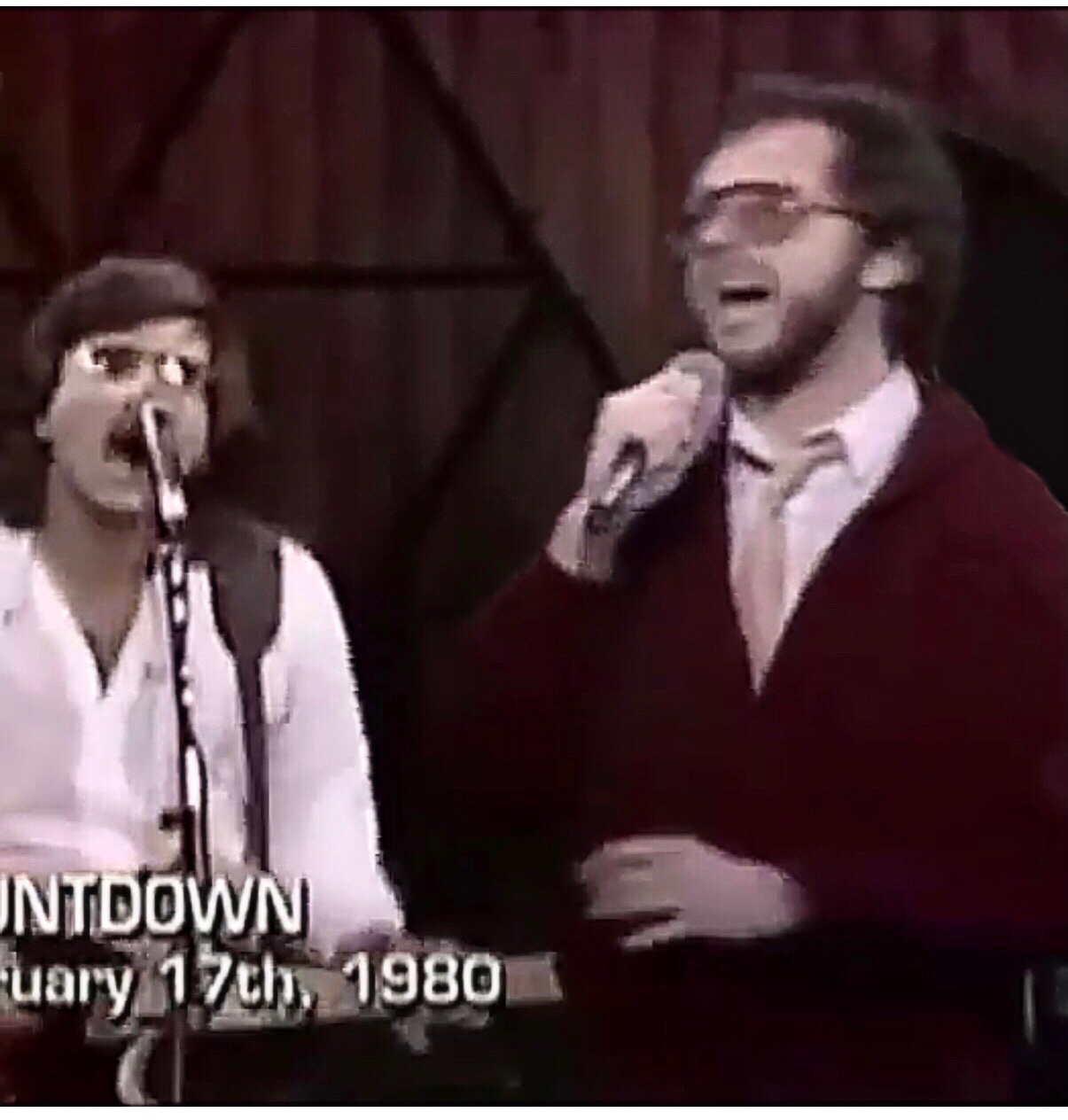
Dean Bailin and Jeanne Waller are native New Yorkers who have each plied their trade as full-time musicians since the ‘70s. They’ve seen a lot of trends and artists come and go in their collective 80 years in the business. Waller has travelled the country doing musical theater and singing in society bands and orchestras. Bailin has been an industrious session guitarist/multi-instrumentalist, songwriter, producer and engineer as well as a recording and touring artist as part of Rupert Holmes’ early band. Remember Holmes’ #1 hit single “Escape (The Pina Colada Song)”? Bailin played perhaps, one of the most famous guitar licks in pop music history, with the song’s signature flowing ascending and descending melodic interlude.

Dean Bailin and Rupert Holmes

Dean with Rupert Holmes, photo courtesy of Dean Bailin & Jeanne Waller

“What was amazing was coming home from a gig one night and I’m hearing myself on WABC radio in New York,” recalls Bailin. “I said, ‘Oh my goodness, we’re on Top 40 radio! ‘ And sure enough, the song shot up the charts. It was amazing to be a part of it, and a life changing event. It was a great thing for Rupert and led to touring and additional albums.”

“And I wanted to say that ‘Escape’ was #1 in two decades – from the end of 1979 to the beginning of 1980,” adds Waller.

As the years ensued, Bailin found himself in demand as a session guitarist in New York City. Some of his credits included work with Gilda Radner, Rodney Dangerfield, Kurtis Blow and many others. From 1985 to 2015 he built a production studio in Manhattan and wrote and produced songs for Petula Clark, Felix Cavaliere and a myriad of NYC solo artists and bands. “I worked with so many diverse people,” explains Bailin. “I had my own studio, could play all the instruments, and charged people by the hour. I saved artists a lot of money doing things that way. Working with so many different people makes you a chameleon, of sorts. It forced me to expand my horizons.”

Dean Bailin & Jeanne Waller

photo by Glen Coleman; photo courtesy of Dean Bailin & Jeanne Waller

Bailin and Waller were always friendly to each other over the years playing in various NYC bands and meeting for coffee to talk shop every so often. And then, about five years ago, their creative professional and personal partnership took a significant upward turn. “We set up a meeting to get together,” says Bailin. “I kind of looked at it as a date (laughs). But Jeanne came over and I played her some of the music I had been working on.”

“I knew he played on ‘Pina Colada’ and in some of the bands I worked in. But I had no idea he was such a good songwriter,” says Waller. “I knew people knew Dean as a great guitarist but didn’t know about the songs. And the first song I heard was ‘Enter This Night.’”

The mid-‘60s Motown-influenced “Enter This Night” was just one of a huge body of original tunes that Bailin had stockpiled in his studio since the early ‘80s. The clever and ingenious lyrical and musical pop elements in his songs really spoke to Waller and it offered a sense of creative direction for her in the process. “My background was in musical theater and singing in country clubs and places like The Waldorf in New York,” explains Waller. “But I always wanted to sing pop music. When I heard Dean’s music I said this is the music I waited so long to hear!”

Jeanne Waller

photo by Glen Coleman; photo courtesy of Dean Bailin & Jeanne Waller

“What got me about Jeanne is she has a remarkable musical vocabulary,” says Bailin. “She knows so many songs from the great songwriters going back to Cole Porter, Irving Berlin and so on. But she’s well versed in pop music from the ‘60s and ‘70s on as well.”

So, about 2015, Waller embarked on a mission to learn the lion’s share of Bailin’s original music library. And her extensive theatrical background provided the groundwork for the next chapter in this couple’s lives as video stars.

As Waller became more versed in Bailin’s material they put together a live act around Manhattan. They developed a nice following where they performed as a duo to backing tracks of many original songs. They were getting a strong reaction at various venues until the pandemic hit in March 2020. “We were devastated,” says Bailin. “We just tried to make use of all the time we were together.”

“Being that we were in Manhattan and the New York area, we were at the epicenter of what was to come,” says Waller.

Dean Bailin

photo by Jonny Tessler; photo courtesy of Dean Bailin & Jeanne Waller

“The first song that we ever did on video was called ‘Faith, Hope and Love’ and we did it in my living room on March 23rd, 2020, with a cell phone. We dedicated it to all the front line and hospital workers. It was just guitar and vocals. We put it up on Facebook and the response was really nice. I think we must’ve been one of the first ones to post something like this on Facebook. We did it just to say thank you to all these people. We didn’t know what was gonna happen. And when we recorded it I was scared. You can hear it in my voice. We just wanted to help.”

What’s that familiar phrase about life dishing out lemons? The couple loaded a bushel into the musical blender, pressed “chop,” and established a whole new career paradigm. “Dean had this song he had written called ‘Fantasy House.’” explains Waller. “We were pretty good at putting songs together in our head. His songs are very personality-oriented. I saw a movie star, a hippie, Olive Oyl – all the characters mentioned in the song. My theatrical background always had me working out a show in my head. Meanwhile, Dean had mastered this video software so we could do beautiful color and sound. I ordered all these costumes – dresses and wigs and things from Amazon. And because he was learning how to do everything it wasn’t very expensive.”

Dean Bailin & Jeanne Waller

photo by Jonny Tessler; photo courtesy of Dean Bailin & Jeanne Waller

What led to their video excursions was Bailin and Waller going to see a friend performing at a Lower East Side Manhattan nightclub. Bailin’s high school buddy Jonny Tessler was there capturing the event with a very high-end video camera. Later Bailin took a look at some of the footage and the images were very crisp and clear. Soon after, Bailin approached Tessler about shooting video for a couple of their song projects. Additional accoutrements like green screens and whatnot were purchased, and the trio were shooting their first video forays in Waller’s living room. “The first video we did was ‘Fantasy House,’” recalls Bailin. “And we did it with our good friend and a brilliant keyboard player named Joel Diamond. We were all wearing the masks the whole time except when we were on camera. This was when the pandemic was in full bloom and everybody was afraid of everybody.”

Dean Bailin & Jeanne Waller

photo by Jonny Tessler; photo courtesy of Dean Bailin & Jeanne Waller

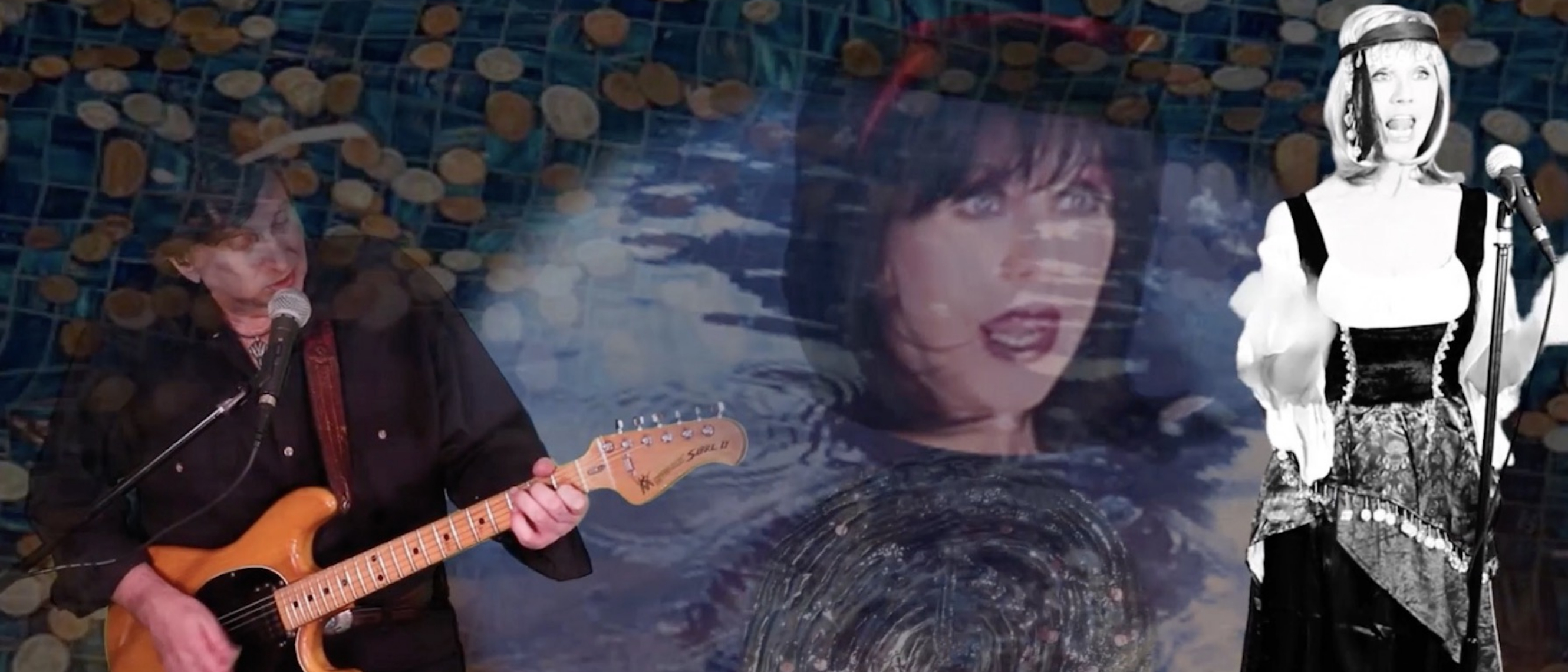
In a matter of 12 hours they shot the video for “Fantasy House” and another original tune “3 Coins in a Wishing Well.” The whimsical and funky “Fantasy House” is a playful romp that employs kind of a ‘80s B52’s meets Tom Tom Club sensibility mixed with “Pee Wee’s Playhouse” whimsy. With the blend of the couple’s dulcet vocal harmonies and Bailin’s hip guitar breaks, the song and video offer a very cool alternate reality. “3 Coins in a Wishing Well” takes another turn to more of a mystical direction. In the video, Waller plays a number of different characters, including a gypsy and a witch. Again, it’s a well crafted and graphically compelling aural and visual experience.

“What I saw from Jeanne was her natural ability to take on different characters,” explains Bailin. “She really rose to the occasion and became those characters. And that’s how we came up with our name of ‘Dean and the Singing Blue Jeanne’s.’ I would regularly put three or four images of Jeanne in our videos and she could act out and sing all these different parts. It’s a takeoff on that ‘60s group ‘The Swinging Blue Jeans’—you know ‘Hippy Hippy Shake?’”

Dean Bailin & Jeanne Waller

photo by Jonny Tessler; photo courtesy of Dean Bailin & Jeanne Waller

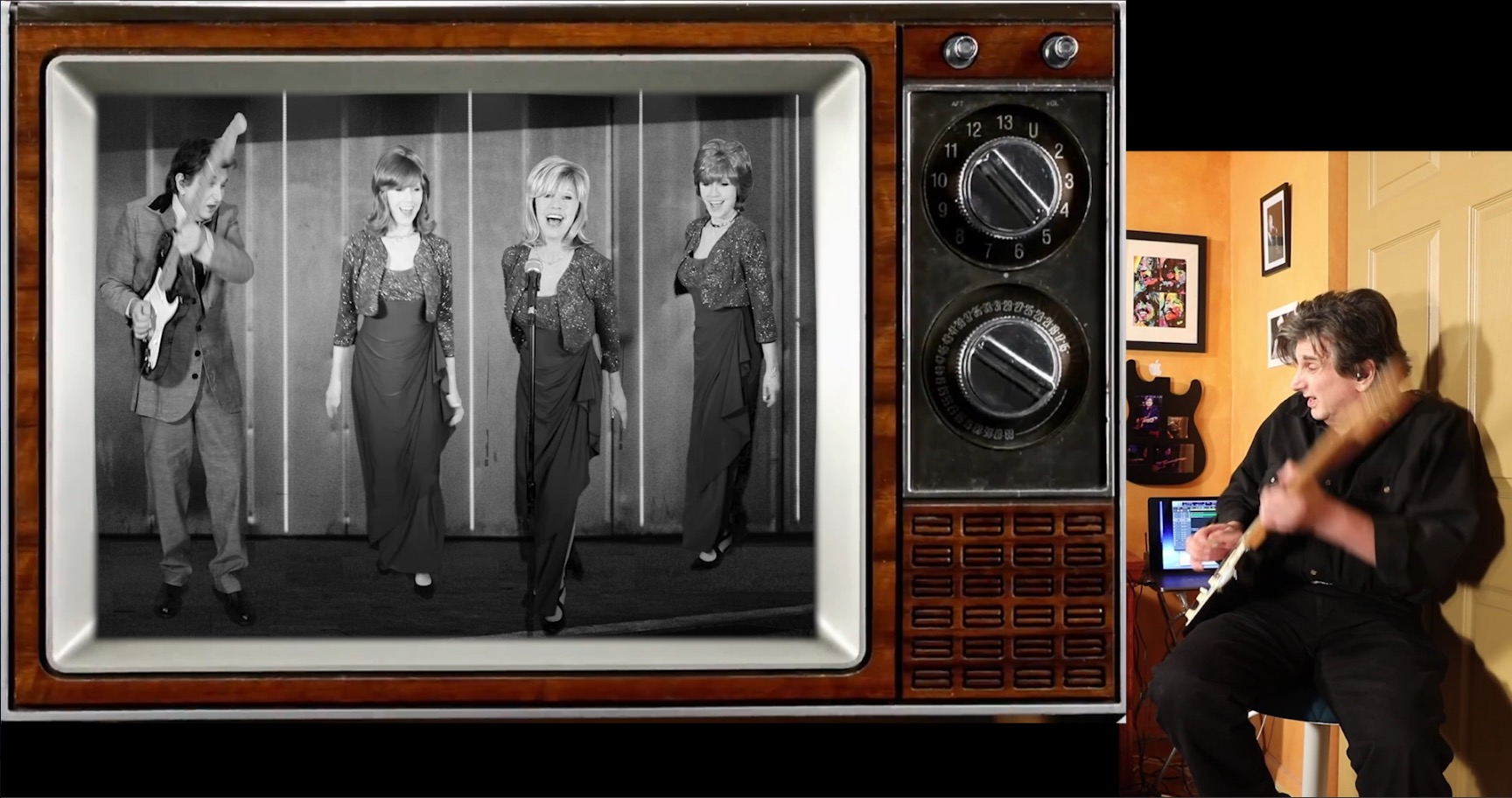
Arguably, the multiple “Jeannes” concept comes together most effectively on the afore-mentioned “Enter This Night.” It’s a brilliant song inspired by the Detroit Motown experience. As a Supremes-type vocal trio, Waller magically appears on Bailin’s television screen as all three vocalists. They are appearing on the “Ed Sullivan Show” in some sort of time travelling continuum that falls somewhere between fantasy and reality. Oh, and it’s a ton of fun too!

We’ve started building quite a fan base on Facebook,” says Bailin. “Somehow our videos have been shared over and over. We’ve done a little on Spotify, but have mostly focused on Facebook. We’ve got direct contact with people there. We know immediately who our fans are and we’re up to 4,000 people now.”

“We’ve heard from hospital workers and many other people that our music has given them some joy and has helped them. It feels very rewarding that we’ve offered value to people’s lives,” says Waller.

“It’s been a great ride and this is another chapter,” says Bailin. “We’re having fun, and if cats have nine lives I’d like to think that we’re cats.”

Single Review: Victoria Bailey – “Skid Row (Acoustic)”

Victoria Bailey

photo by Stefanie Vinsel Johnson; photo courtesy of Skye Media & Rock Ridge Music

Single Review of Victoria Bailey: “Skid Row (Acoustic)” (Rock Ridge Music)

Last year, Victoria Bailey released her album Jesus, Red Wine & Patsy Cline. “Skid Row” was one of the songs on that album. This acoustic version of “Skid Row,” however, is a standalone single; it does not appear on the album.

Victoria Bailey - Skid Row (Acoustic)

image courtesy of Skye Media & Rock Ridge Music

The song is a terrific introduction for those of us who maybe haven’t heard Victoria before. A strong, steady strum provides a firm backdrop for Victoria’s voice. And what a voice! She has an old-fashioned warble but a modern firmness, perfect for bringing an old-fashioned dancehall number like “Skid Row” to modern fans.

Victoria showcases her storytelling skills in the mostly-sung but also-a-little-spoken verses, crooning amiably and memorably in the verses.

I decided to review this song with an uninitiated ear, so I haven’t gone back to check out Jesus, Red Wine & Patsy Cline, but after a couple dozen listens of this track… well, I’m a-gonna! Victoria is a rare memorable voice in a crowded Americana field. Give her a listen. And this acoustic version of “Skid Row” is a great place to start.

Upcoming Performances

Victoria Bailey

photo by Stefanie Vinsel Johnson; photo courtesy of Skye Media & Rock Ridge Music

You can find Victoria’s upcoming live performances at the “Live” page of her website. There is currently one show listed, OC Music Presents Music on the Runway at Hangar 24 in Irvine, CA, on Saturday, April 3rd. There’s additional detail on the Facebook event listing. Of course, I always suggest calling ahead when heading out during the pandemic because situations can change quickly.

Victoria has done some live-streamed events. The next one I’m aware of is Friday, April 2nd at 6:00 PM PDT (9:00 PM EDT) as part of the “Live and Socially Distanced” series on The Boot’s Facebook page. I’m a little concerned that I can’t find it mentioned anywhere online right now, but keep your eyes open for it.

Album Review: Kristian Montgomery & the Winterkill Band – Prince of Poverty

Kristian Montgomery

photo courtesy of Kristian Montgomery & the Winterkill Band

Album Review of Kristian Montgomery & the Winterkill Band: Prince of Poverty

The sound. It’s such a unique, original sound, yet comfortable and familiar. Or perhaps uncomfortably familiar. A uniquely specific blend of rockabilly, country-rock, and blues influences, on Prince of Poverty, Kristian Montgomery & the Winterkill Band deliver energetic, fast-paced numbers, soulful, heartfelt ballads, and catchy mid-tempo songs in-between.

This album grabs the listener quickly, with the seething, growling, barely-concealed rage of “They’ll Remember My Name” making an instant impression. The churning power of the rhythm supports Kristian’s understated, edgy vocal snarl, with surreptitiously catchy lyrics driving the chorus, with some soaring guitar wails judiciously thrown in to maintain a somewhat frantic flavor to the soundbed. In the end, even if you don’t listen closely enough to hear the rest of the lyrics, you’ll unconsciously sing along to “They’ll remember my… they’ll remember my… they’ll remember my… they’ll remember my name.”

Kristian Montgomery & the Winterkill Band - Prince of Poverty

image courtesy of Kristian Montgomery & the Winterkill Band

Next up is another song that’ll wend its way into your musical memory bank, “Tired of Being Tired.” With a tempo and vocal delivery that perfectly conveys desperate exhaustion, it’s a well-written piece of bluesy, sway-along, hauntingly relatable Americana.

“Working Hands” picks up the energy with, well, energetic picking. Just that hint of hillbilly energy adds an off-kilter edge to this raucous knee-bouncing foot-stomper.

“A Warm Grave” takes the mood and tempo down a bit, dipped in pensive, thoughtful melancholy: “Some things can’t be replaced. We’re gon’ die someday. It will be a disgrace if all we leave behind is a warm grave.”

“Don’t Call Me Baby” has an old-school rock flavor, reminding me of, among other music comparisons, a more ragged, rough-and-tumble version of a Georgia Satellites tune. The song’s uptempo, energetic motor and especially hooky lyric that begins “She’s a bitter pill to swallow lately…“, combined with Kristian’s gravelly, urgently insistent vocal marks this as another of the album’s many memorably catchy tunes.

Slow, heartfelt thoughtfulness describes the mellow “Soul For Soul,” though some raw, gritty guitar riffs add hints of a stormy undercurrent.

Kristian Montgomery

photo courtesy of Kristian Montgomery & the Winterkill Band

“That Kind of Love” resumes the rattly, jangly, bluesy mid-tempo country-rock vibe with keenly insightful verses build around the chorus: “That kind of love can kill a man, they say. That kind of love can make a coward brave.”

“I’ll Find My Way Home” has a defiant independence that drives the song straight forward, with a fun recurring riff that adds plenty of texture while helping give the song its swagger.

Finally, Prince of Poverty closes with two energetic, memorable, hooky numbers that are likely to become quick favorites.

The first of those, “American Fire,” is a lament of America’s recent direction, highlighting some of the dangers and missteps of turning a blind eye in the name of patriotism. It’s a wicked catchy git-along song, too, so I’m guessing some people will find themselves singing along before they realize whether or not they agree with the sentiment.

And the album closes on yet another high note, a fun number with almost a John Cougar Mellencamp-does-the-Opry feeling to it, “Just Driving Around.” It end the collection with a good, warm feeling: “Some people get slowed down, stuck in these dead end towns, but I’ve got it figured out ’cause I met a girl who’s happy just driving around.” In the end, this might be the most country song on the disc, at least in its content, as it revels in the sentiment that the best things in life are the simplest. But it’s not corny; it’s simply a full, memorable little ditty that’s “gonna haunt your ass.”

In closing, as I said in the beginning, there’s something so familiar about the style of Kristian Montgomery & the Winterkill Band. And yet, the precision of the songwriting, talent of the musicianship, and sincerity of the delivery insists this is something special. You’ll have some immediate favorites upon first listen, but that will evolve over multiple listens, as Prince of Poverty is a disc with staying power from a talented artist worth getting to know.

Looking Ahead

Prince of Poverty is the second “pandemic album” from Kristian Montgomery & the Winterkill Band, a follow-up to The Gravel Church. And, in the spirit of “let no dust settle,” Kristian is working on a third. As a fan of really good music, I can only be excited by the prospect of his creative talent continuing to flow freely. To mix in a sports metaphor, all he does is score touchdowns.