Album Review: Odds Lane – Last Night on Cherokee

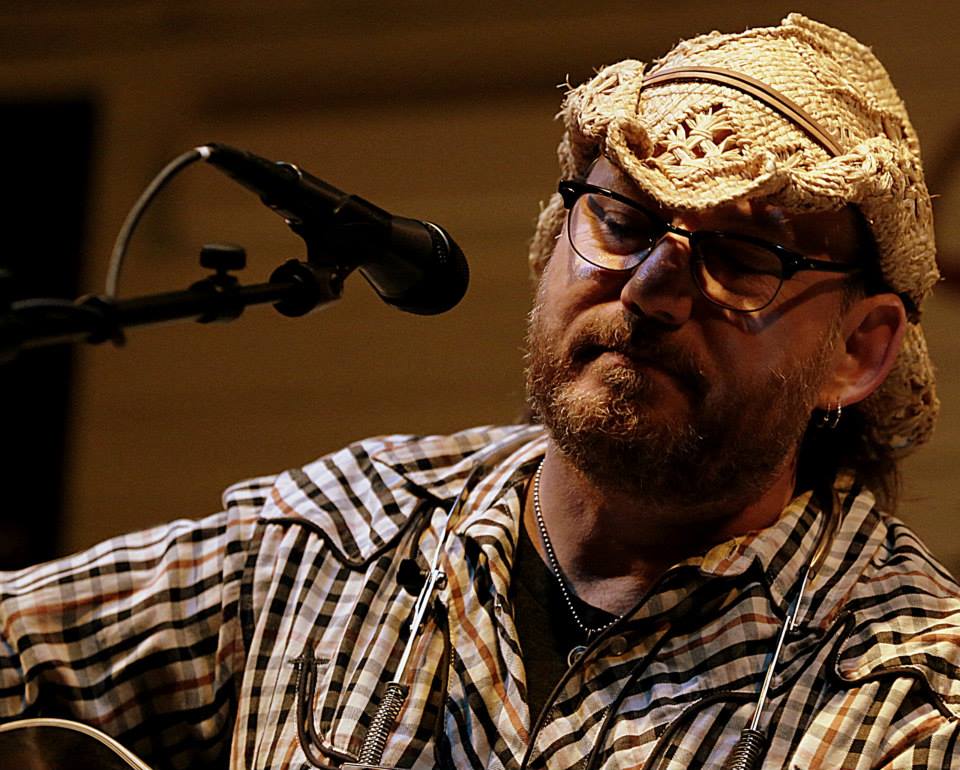
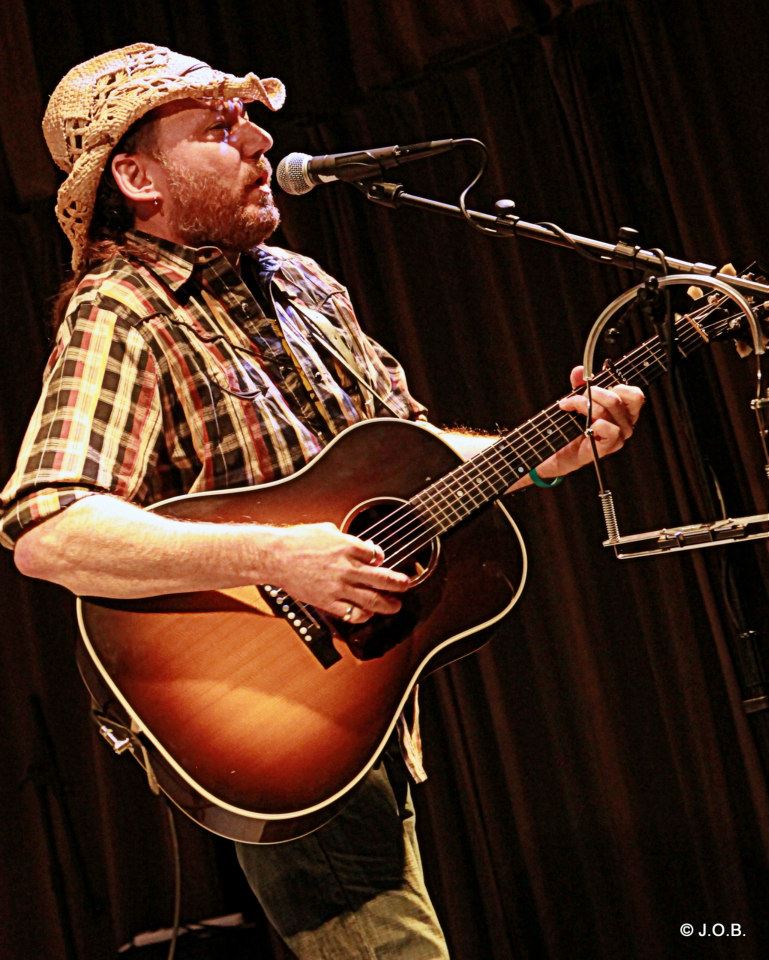
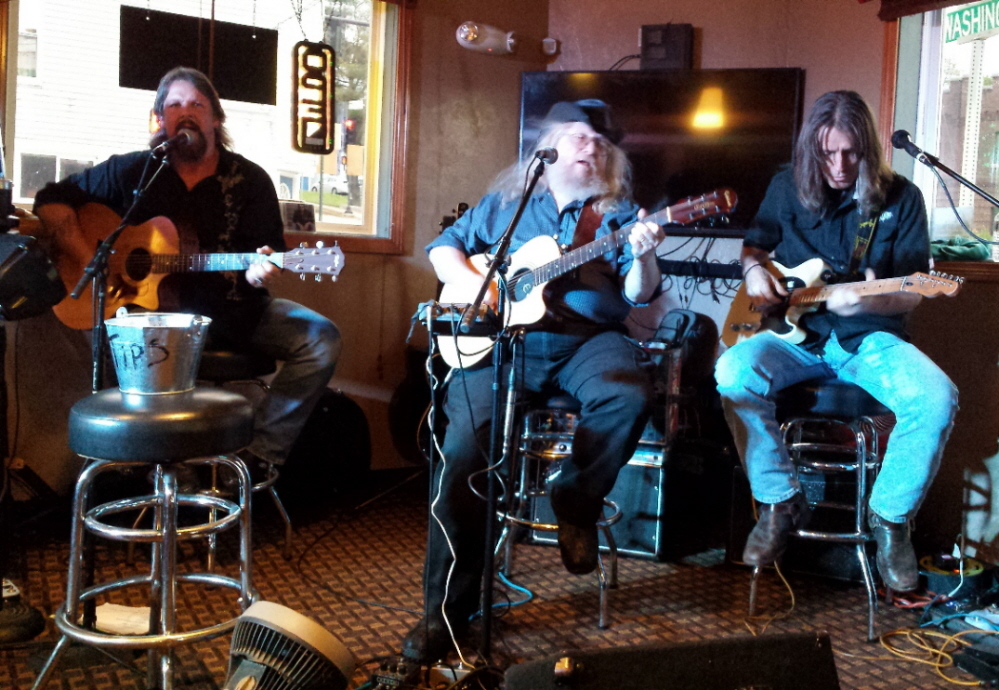
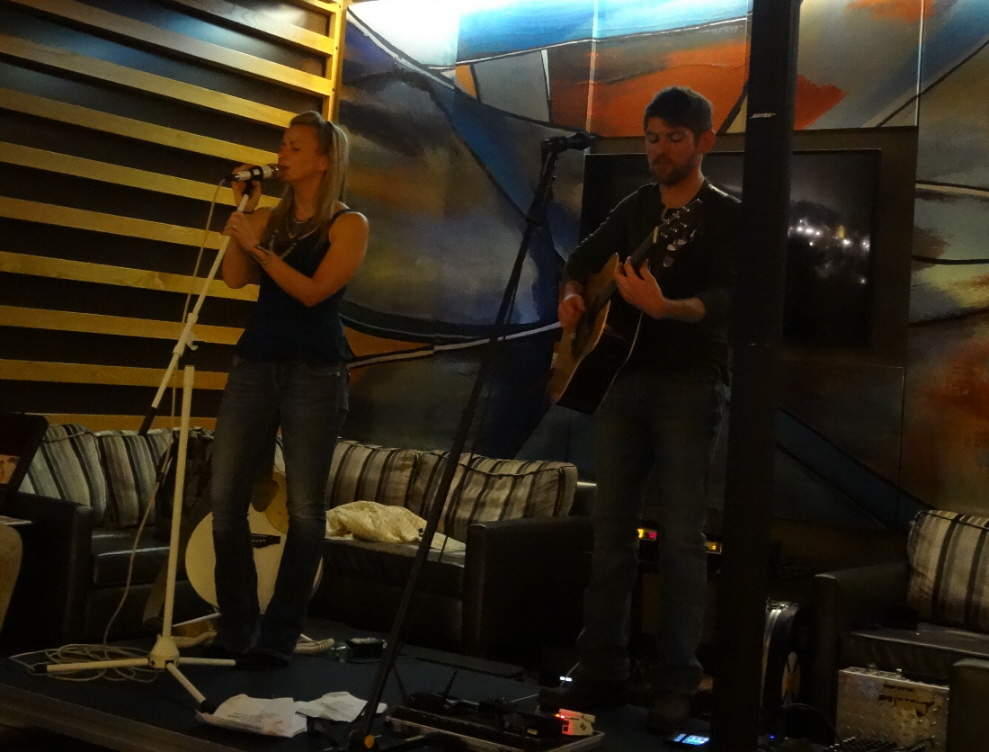
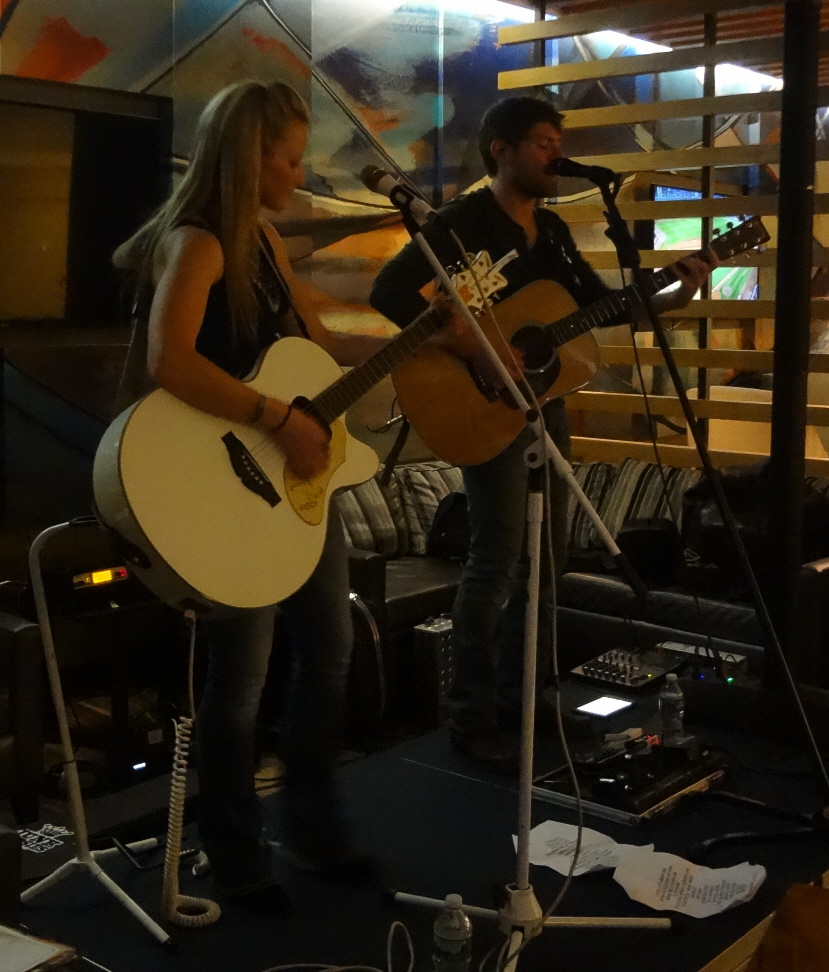
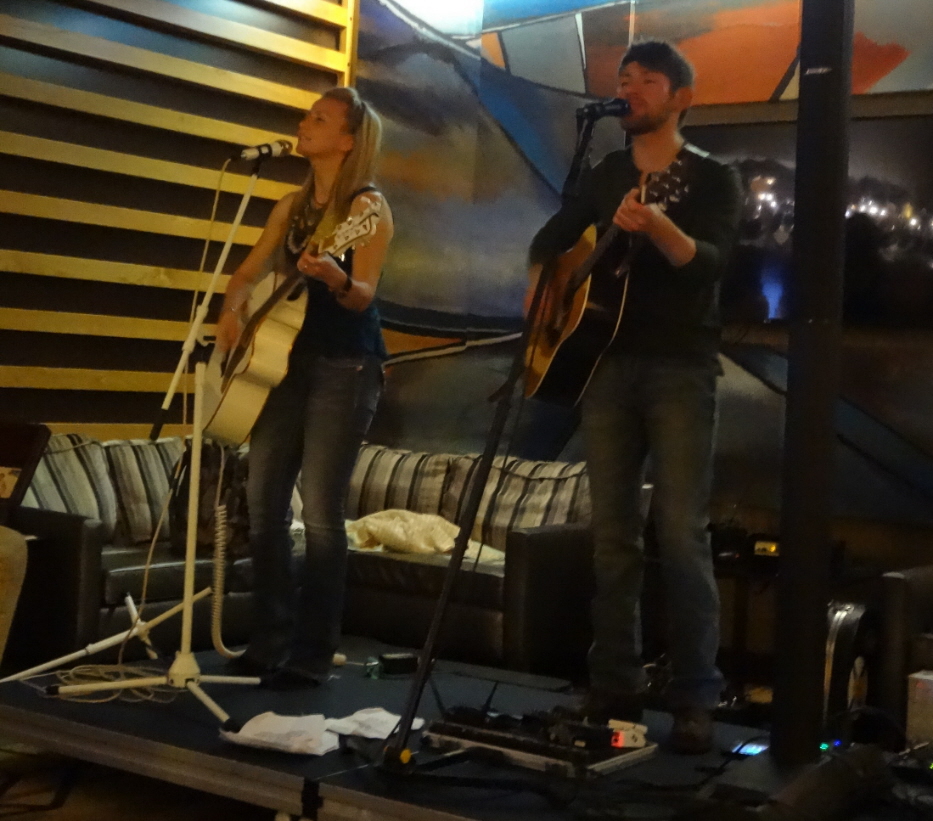
Odds Lane

photo courtesy of Bongo Boy Records

Album Review of Odds Lane: Last Night on Cherokee (Bongo Boy Records)

Odds Lane delivers blues rock that leans heavily on the blues while mixing it with a raucous, rocking rawness. What keeps the songs interesting, though, is the infusion of other influences into the music, suggesting the musical palette of Doug Byrkit and Brian Zielie reaches well beyond the St. Louis-based duo’s stylistic base.

Whether it’s the slapping boogie rhythm of incessantly catchy “Falling Down” or the chunky beat driving “Take It Slow,” Odds Lane’s style feels old and familiar, like you’ve heard it before. For a reason. Because this is what the good stuff sounds like. Last Night on Cherokee is an album full of textbook oozing-the-blues blues-rock numbers. And it’s clearly the result of a pair of talented musicians/songwriters.

Odds Lane - Last Night on Cherokee

image courtesy of Bongo Boy Records

Last Night on Cherokee starts strong with the thumping, pulsing blues rocker “This is What It’s Like.” A perfect introduction. An ideal first single. Straight-ahead blues rock. Part George Thorogood, party Fabulous Thunderbirds. And maybe an alt-rock tinged jangle for additional character. Great way to kick off the disc.

There are catchy numbers throughout the album, but three have made it onto my oft-sampled (and shared via Twitter) phone-on-shuffle playlist. In addition to “This is What It’s Like” and “Take It Slow,” my other favorite from this disc is the traveling-song tempoed “Red & Yellow Clowns.” It’s catchy…  until you listen to the lyrics. Then it’s catchy and kind of creepy. Just don’t listen to it for the first time while walking somewhere dark and deserted. Trust me. But with the creative lyrics and song-long transition from Americana flavored laid-back number to jangly rhythmic tune to, finally, almost-frenetic blues rocker with crunchy guitar, it’s quite possibly my favorite song in this collection.

That’s not to suggest the rest of the disc isn’t solid. It’s a great listen beginning-to-end, touching all the blues-rock bases with style and substance. There’s a booming, thumping rhythm on “Dust to Dust” that’ll rattle the windows, the strong reggae influence behind “100 Miles,” a fair bit of psychedelic influence in “Too Close to the Sun” and “End of the Line,” the jangly rock core of “Bottom of the Sea,” and amazing, classic blues guitar riffs propelling solos that, while relatively brief, are the driving forces in the progression of songs like “Strange Love” and “The Lonely.” This is a blues rock – or, perhaps more appropriately, a rockin’ blues – album you’ll be glad to have in your collection for years to come, a disc that continues to get better across multiple listens as you discover its nuances. Often, they’re in-your-face nuances, but they’re nuances nonetheless.

I’m fully aboard Odds Lane’s rough-edged, broadly-influenced blues bandwagon. Don’t let it ramble too far down the road before you join me for a ride.

Looking Ahead

Check out the “shows” page of Odds Lane’s website to see where you can catch them live. They’ll be performing twice on Tuesday, April 18th at Firecracker in St. Louis – first at 11:00 AM, then again at 8:30 PM. They have May dates listed in St. Louis (May 4th and 10th), Clayton (May 5th), and New Offenberg (May 6th), Missouri and in Springfield, Illinois (May 18th). Again, check out the band’s website for more details on those and other upcoming gigs.

EP Review: Alchemilla – The Divide

Alchemilla

photo by Joshua Pickering; photo courtesy of Alchemilla

Alchemilla – The Divide

The Backstory

Alchemilla is one of my favorite local bands, and I still haven’t made it out to a live gig yet. Their time slots are just too plum, I suppose. They play late sets in close to Boston, while I tend to prefer early sets in the outer western suburbs. One of these days I’ll make the trek, but the stars have not yet aligned, so I’ve just been enjoying the band’s recorded music.

EP Review of Alchemilla: The Divide

Wall-of-sound hard rock with melodic undertones. That’s Alchemilla. Heavy music that screams hard rock credibility, so you start listening to the music for its “sound,” but with songs whose earworm qualities slowly reveal themselves so you eventually rave about the band’s tunefulness. And, indeed, the group’s newest release, its The Divide EP, is a solid continuation of its previous release, the Hearts EP I reviewed in the Blog more than a year ago.

Alchemilla - The Divide

image courtesy of Alchemilla

By comparison to the overwhelming heaviness of Hearts, The Divide is perhaps a smidgen lighter, though you’d never guess if this was your first exposure. The music will still melt your face, but there’s possibly a bit more open space in the sound wall, a slight sound evolution that gives the new music a little freshness. It’s a great record-to-record progression, similar enough to leave longtime Alchemilla fans thrilled, but just different enough to provide a fresh, unique collection of songs that occupy their own space in the band’s timeline; it’s the sort of progression one would hope for from a favorite heavy rock band.

“Fatal” kicks things off with crunchy hard rock guitar and enough space for Kat Bondi’s tuneful vocal roar to be noticed between the instruments, announcing (with authority) the greater presence of classic rock spices in the band’s trademark wall-of-sound stew this go-round.

Alchemilla

photo by Alchemilla; photo courtesy of Alchemilla

Not that Alchemilla’s forceful drumming can be ignored, as it steps up to drive the tempo even harder on the next track “Big Star,” combining with a crunchier guitar sound to crank up the volume a bit.

Energetic tunefulness comes next, as “Pass Blind” introduces itself as Alchemilla’s crank-it-while-driving-on-the-open-road number. Just when it seems the song won’t leave time to breathe, though, it unveils an almost ’70s black-lit-room softly heavy, well-placed guitar bridge that carries the tune most of the way to its conclusion before briefly regaining its faster tempo. It goes together well but still surprises me a little with each listen; though it makes sense as it’s happening, in my memory it almost feels like two songs.

Alchemilla

photo by Joshua Pickering; photo courtesy of Alchemilla

Then, ah, here comes the tempo respite. Title track “The Divide” plods along, its pace a bit more reminiscent of many songs on Hearts, providing continuity to Alchemilla’s musical journey. Tunefully plodding, with its vocal roar and psychedelic classic rock-flavored bridge. In the end, it’s one of my favorite songs on this disc, though depending on my mood, my top choice can be any of the six. Back to “The Divide,” though, there’s enough space and a relaxed enough tempo (finally) to allow the listener the think and appreciate… not just this song, but the EP so far.

The softer side of Alchemilla continues to rule the record a bit longer, with the almost psychedelically heavily mellow “Flooded Lands,” offering a vegetative respite enveloped by sound, perhaps lounging on a bean bag chair in front of a lava lamp and black light Zeppelin and Rush posters, before the collection closes again with another energetic rocker, “Got to Choose.” The album-ender slyly tricks the listener with a mellow enough opening, almost flowing from the previous track, before cranking up the tempo a little more than a minute in. By the end of the song, “Got to Choose” is almost frenetic. Fully awake and alert, it leaves the listener ready to start the journey over again.

In the end, hard-rockin’ or mellow, Alchemilla’s music is listenable, tuneful, heavy rock that only improves with multiple listens. And, indeed, encourages multiple listens. Compared to Hearts, The Divide is another helping of the same delicious rock ‘n roll steak, perhaps with a few different spices.

Looking Ahead

I don’t see anything on Alchemilla’s concert calendar right now, but you can bet I’ll be watching for a show I can get to. (And you’ll know when I do… because you’ll see the review.)

EP Review: Erin Pellnat – Dream in Color

Erin Pellnat

photo courtesy of Erin Pellnat

by Eric Harabadian, Contributing Blogger

EP Review of Erin Pellnat: Dream in Color

Erin Pellnat - Dream in Color

image courtesy of Erin Pellnat

Dream in Color is a four-song EP by Brooklyn, NY-based singer-songwriter Erin Pellnat that blends superior compositional craftsmanship, with insightful lyrics and tasteful musicianship. This talented young musician also currently fronts the NYC-based band Caretaker, with all instruments played, and the recording produced, by her father and co-writer Christopher Pellnat.

“Blue Skies and Happiness” opens the album where a jazzy samba-like rhythmic undercurrent sets the stage for a tale of love gone wrong. Based on Irving Berlin’s 1926 standard “Blue Skies,” Pellnat’s song reveals a touch of gray, with the opening lines: “Blues skies and happiness/Those were your promises/But it’s been raining for days and I’m so sad/Why does it have to be so bad?” This bossa nova-flavored  track kind of has an Eliane Elias meets Jobim quality to it.

Erin Pellnat

photo courtesy of Erin Pellnat

The title track “Dream in Color” is another slice from the songwriter’s collective pie. It’s kind of psychedelic folk, with a “glass half-full” perspective. Pellnat urges the listener to consider accentuating the positive aspects of life, with these opening lines: “Think fast, faster than you can haul ass/Away from your deep and dark past/Silence the voices and ask/Why don’t you dream in color?” She sings it with such laconic and self-assured conviction, how can you refuse?

“Stay” spotlights another interesting song construction that features lilting Beatles-esque verses paired with a waltz-like chorus. The spirit of this piece is ethereally poetic, with a subtle British folk rock quality to it. The violin and accordion are nice touches and add to the song’s allure and mystique.

Erin Pellnat

photo courtesy of Erin Pellnat

“Forever Kisses” finds Pellnat ever the hopeless romantic again, with the lines: “No love is lost in the end/Whether a lover or friend.” The tender folk song is driven by an odd-metered snare drum and atypical chord changes. This all adds to the eclectic and unique nature of the tune. She concludes the piece and this superb set of songs with words that are as prophetic as they are profound: “Why can’t we stay the same?/Young and beautiful again?”

With this being a debut release for the versatile and erudite singer, there is nowhere to go but up, as they say. Consider, if you will, some thoughtful and sophisticated pop that elevates the genre. It takes you, the listener, on a wonderful path that is least travelled and well worth the journey.

Album Review: Gretchen Peters – The Essential Gretchen Peters

Gretchen Peters

photo by Gina Binkley; photo courtesy of Gretchen Peters Management

by Eric Harabadian, Contributing Blogger

Album Review of Gretchen Peters: The Essential Gretchen Peters (Scarlet Letter Records)

Gretchen Peters has been on the national music scene since 1996. She is a singer-songwriter who has plied her trade recording nearly a dozen albums and has written hits for Martina McBride, Etta James, Trisha Yearwood, Patty Loveless, George Strait, Anne Murray, Shania Twain, and Neil Diamond and has co-written with Bryan Adams. So, this album – a collection of demos, live tracks, alternate takes and album cuts – has been a long time coming.

Gretchen Peters - The Essential Gretchen Peters

cover photo by Gina Binkley; image courtesy of Gretchen Peters Management

When you’ve got such a prolific composer and performer as Peters, there is a wealth of material to draw from. Perhaps the greatest takeaway from experiencing Peters’ music is that there is a timeless quality to it. A classic song has staying power and can really speak to the heart and soul of the listener. That’s the kind of gift Peters has. You can hear it in the barroom banter of friends trying to define their purpose in “The Meaning of Life” or dealing with life’s futile struggles in “When All You Got is a Hammer.” There are also beautiful love songs that span the human condition from the longing of “On a Bus to St. Cloud” to her duet with Bryan Adams, “When You Love Someone.”

Gretchen Peters

photo by Gina Binkley; photo courtesy of Gretchen Peters Management

What’s really remarkable is that many of the songs on this two-disc package have been major and minor hits for many other people. But it’s nothing like hearing a master storyteller like Peters deliver them with her own inimitable candor and poise. She knows how to wrap an emotion around a lyric and make it come alive. She has a sincerity in her voice that’s not unlike Dolly Parton or Bonnie Raitt, sweet but with a knowing world-weariness to it. And it is that very sincerity that informs the self-reflective “Five Minutes” and the personally empowered “Woman on the Wheel,” with just the right amount of gusto and grit to get the message across.

To paraphrase a video interview seen a few years ago, she could be sitting at home writing songs and collecting hefty royalty checks for them. But thankfully she has always stayed true to her muse to be a performer as well as a writer. Hence, she writes from a place of experience and is compelled to complete the circle by going out there and playing those songs for people. With The Essential you have the Gretchen Peters story… so far. Here’s to her continuing that musical journey for many years to come.


Album Review: Circuline – Counterpoint

Circuline

photo by Rob Shannon of http://fotopic.com/; photo courtesy of Circuline

by Eric Harabadian, Contributing Blogger

Album Review of Circuline: Counterpoint (Inner Nova Music)

Circuline is a NYC-based progressive rock band that blends theatrical vocals with a very vivid and cinematic fusion-esque approach. The personnel includes keyboardist Andrew Colyer, drummer/keyboardist Darin Brannon, lead vocalist Natalie Brown, lead vocalist/guitarist William “Billy” Spillane, bassist Paul Ranieri, and guitarist Beledo. What’s nice is that they augment the ten tracks here with a series of special guest guitarists from some of the finest progressive sources on the planet. And, to the band’s credit, those guest artists add something extra and unique to each track.

Circuline - Counterpoint

image courtesy of Circuline

“New Day” opens the disc, with a sound collage of musical snippets and taped speaking voices. Atop that is a cacophony of multi-layered guitars courtesy of Beledo and Randy McStine of the band Lo-Fi Resistance.

Guest guitarist Doug Ott, of the band Enchant, and Fright Pig’s Alek Darson trade off solos and ornamental riffs on the personally reflective track “Who I Am.” This cut kind of sets the pace for the inventive and eclectic pace of this disc.

Circuline

photo by Rob Shannon of http://fotopic.com/; photo courtesy of Circuline

“Hollow” is a standout track that not only features great vocal harmonies from Brown and company but puts a spotlight on Colyer’s Keith Jarrett-like melodic fluidity. The lyrics are quite insightful, as well, and could be applied to what’s going on in society at the moment: “Rest your head… no one said it would be easy to change the ways of the land… casting your lines from sinking sand. I don’t want to follow you. I don’t want your hollow view.”

Circuline

photo by Rob Shannon of http://fotopic.com/; photo courtesy of Circuline

“Stay (Peter Frankenstan)” is another highlight that features guest guitarist Stanley Whitaker of Oblivion Sun and Happy the Man fame. This track has a very Pat Metheny/Jeff Beck kind of quality to it atop jungle-induced rhythms. In it, the futility and fragility of life is discussed, with dynamic vocals from Brown that reach the stratospheric range.

Just like the movie, their song “Inception” is abstract in content and execution, with crazy drums and a trance-like mid-tempo feel. Glass Hammer’s guitarist Alan Shikoh adds tasteful depth to Beledo’s lead guitar riffs.

Circuline

photo by Rob Shannon of http://fotopic.com/; photo courtesy of Circuline

“Summit” closes the disc with a smooth, mid-tempo, swinging groove. Colyer’s creative comping behind Sound of Contact guest guitarist Matt Dorsey is textbook in how it’s done.

Counterpoint is an album that works well on a number of fronts: as a collection of individual songs, as a compendium of some of the best and brightest in progressive music today, and as a soundtrack to your adventurous musical and spiritual soul.

Album Review: Richard Palmer-James – Takeaway

by Eric Harabadian, Contributing Blogger

Album Review of Richard Palmer-James: Takeaway (Primary Purpose Records)

Musician Richard Palmer-James may not be that proverbial “household name” one thinks of in recording artist circles, but he has quite a colorful pedigree. He was a founding member of Supertramp and probably had some of his greatest international success as a lyricist working with British band King Crimson on three of their key albums. The singer-songwriter collaborated with long-time associate bassist John Wetton on the King Crimson releases Larks’ Tongues in Aspic, Starless and Bible Black, and Red.

Richard Palmer-James: Takeaway

image courtesy of Glass Onyon PR

According to Palmer-James himself, “ Having spent the last few decades writing words for other people to sing, and thus being obliged to comply with the ambitions and sensibilities of others, I wanted to present a collection of songs that are uncompromisingly my own.” And on his latest solo effort Takeaway, that’s exactly what he’s done. Armed with his trusty arsenal of guitars, mandolin, and words, Palmer-James gets back to his roots. Vivid storytelling draped in flourishes of blues and folk-oriented rock is the order of the day. This is music for grown-ups; sophisticated, yet never snobby or pretentious.

Takeaway is a collection of songs that seem very cinematic and stand alone as little “movies” in and of themselves. The lead track “Aerodrome” depicts a dichotomy of past wartime versus modern time where an aircraft hangar, which once housed fighter planes, now serves as a venue for trance or rave parties. In it Palmer-James sings, “Sad to say the world we knew went down in flames… you’ll understand it’s hard to understand your fun and games.” In two lines he summarizes a generational divide to a T. The next tune, “A Very Bad Girl,” is a rousing blues-tinged rocker with a wry and clever lyrical twist. Here he takes the position of initially criticizing this “bad” girl’s behavior but actually has more in common with her than first realized. There are also songs like “Dance for Me” which, on the surface, seems like an innocuous folk song about cutting loose but appears to have a deeper side that deals with persevering in the face of adversity.

Palmer-James is joined on this album by a crack unit of, primarily, German musicians from Munich, where the British singer-songwriter has resided for many years. Co-producer Evert van der Wal does a great job of capturing his mellow honey-dripped tenor voice to perfection. As a result, his vocals add a tinge of vulnerability and world-weariness to many of the subjects in his songs. It’s a performance style he’s obviously crafted after years of singing in pubs, taverns, and intimate spaces. And, perhaps, that is exactly Richard Palmer-James’ appeal, that you will listen to his words and delivery and feel like you’re connecting and sharing a drink with a very dear friend.


Album Review: Brett Newski – Land Air Sea Garage

Brett Newski

photo by Emma McEvoy; photo courtesy of Reybee, Inc.

Album Review of Brett Newski: Land Air Sea Garage

Brett Newski‘s music combines ’90s/’00s pop-rock singing and songwriting, a punk attitude, and a coffeehouse delivery style to form a catchy, engaging, understated-yet-rich sound that would comfortably fill an auditorium. He’s simultaneously unique and familiar. Think Matchbox 20’s songwriting with Green Day’s attitude and a hint of a nod to Wally Pleasant’s offbeat delivery, perhaps a little more oddly unique than Barenaked Ladies. And damn, the songs on Land Air Sea Garage are catchy.

There is a great deal of detail in Brett’s songwriting, and if you pay attention to lyrics on this disc you’ll learn the following three things, and probably more, from his songs: 1) There must be at least two Mollies; 2) Girls with purple hair are the arbiters of who is and isn’t cool; and 3) “Post-normal” is a fun self-descriptor, and we should really all consider using that phrase more often.

Brett Newski - Land Air Sea Garage

image courtesy of Reybee, Inc.

The most surprising thing about the song production on Land Sea Air Garage may be how Brett’s able to maintain the purity-of-rawness of his stripped-down music while recording it with such lush, rich, room-filling sound.

The album opens with a raw-alt-folky-rock explosion via the energetic mid-tempo “Garage.” That’s followed by a jog to the mildly hauntingly eerie “Stranger,” suggesting a little Americana influence, mostly by way of a surf guitar-esque edge in spots, at least to the degree someone like Chris Isaak might mix that with alt-pop-rock.

Indeed, Brett maintains his central musical persona throughout the album, with various external influences making cameos, resulting in a cohesive, complete disc with more than enough variance from song-to-song to keep it interesting across dozens of listens.

The most noticeable song on the disc, of course, is “D.I.Y.” It’s the song that most reminds me of Wally Pleasant, with its lyrical cleverness drawing a vivid picture in each verse. The song also leaves the listener to wonder why Brett uses the f-word freely repeatedly in the chorus but swallows it in one verse. This traack simultaneously embraces and critiques D.I.Y./punk/alt-music culture throughout, including an amusing nugget referencing Modest Mouse. And wow, it’s a monster earworm! I guarantee, within a listen or two, you’ll be singing along to this one.

Brett Newski

photo by Emma McEvoy; photo courtesy of Reybee, Inc.

Also interesting is “Molly,” a love-gone-wrong warning tale in which Brett creeps along wistfully throughout the verses before belting out its faster-tempo, jangly “damaged goods” chorus and building in power through the end. It’s a great song-tempo format when done this well, one I’d expect to conclude with an out-of-breath exhale at a live performance.

“Bending Spoons & Skipping Prayers,” a mild-manneredly rambunctious number, is also worth noting because it utilizes a recurring Neil Diamond/”Sweet Caroline”-ish sing-along segment that jumped out at me as something special during my very first listen.

But my enduring personal favorite seems to be “Barcelona.” The song itself is simply a mid-tempo, strumming, alt-pop-rocker with some well-placed orchestration. But it’s well-written and just hooky enough to grow on the listener. It wasn’t an early favorite, but now, after several dozen listens, it’s the tune I most often sing along to. I’d rate it “most likely to still be a favorite in ten years.”

Seriously, though, the whole disc is strong, including the songs I didn’t mention by name. One of those may well end up being your personal favorite.

Land Air Sea Garage was my introduction to Brett Newski’s music. The album showcases his meticulous attention to detail when crafting his songs (in such a way that it’s supposed to seem he didn’t try very hard), his awareness of the importance of a subtely great hook if a song is to withstand multiple listens, and his comfortably mainstream-yet-quirky delivery. It leaves me hoping to catch him on tour and anxiously awaiting his next release. I suspect his longtime fans are just as satisfied by this disc.

Looking Ahead

From clicking the “Tour” tab on Brett’s website, it looks like he has a few shows lined up this month (March 8th in Youngstown, OH; March 11th in Pittsburgh, PA; March 12th in Fort Wayne, IN; and March 15th in Madison, WI) before heading to SXSW in Austin March 15th-18th. That’s followed by a March 24th through April 12th tour of South Africa. And on April 28th, he’s releasing his next album. So spin Land Air Sea Garage with impunity because there’s a new album coming to replace it soon. (“Join it.” Not “replace it”; “join it.” You’ll be allowed to keep this one, too.)

Album Review: GunHill – Nightheat/One Over the Eight

by Eric Harabadian, Contributing Blogger

Album Review of GunHill: Nightheat/One Over the Eight (JLB Media)

Here is a “two-fer” of some ’90s rock that may have slipped by your musical radar completely. Fronted by ex-Uriah Heep and long-time Lucifer’s Friend vocalist John Lawton, these rare slices of British vinyl are presented here for the first time as a double CD. One Over the Eight was released in 1995 and the out-of-print Nightheat came out in 1997. Both albums reflect the times in terms of production and song styles but received a modern up-to-date sheen that gives each a very relevant and radio-ready sound.

Gunhill: Nightheat & One Over the Eight

image courtesy of Glass Onyon PR

One Over the Eight is a nice overview of originals and covers that define classic rock and soul. Lawton is a singer’s singer and draws a line in the sand from the get-go with a deep cut by Whitesnake called “Walking in the Shadow of the Blues.” That’s followed by a passable, yet effective take on Lennon/McCartney’s “Eleanor Rigby.” The covers keep on coming strong, with a soulful showcase for Lawton’s voice on Bill Wither’s “Aint’ No Sunshine.” Guitarist Riki Robyns’ slightly metallic tone digs deep into cuts like “Better By You, Better Than Me” and Rainbow’s “Stone Cold.” They also write some fairly strong ballads as well on tracks like the ethereal “Angel.” All in all, this particular release comes off like a band that cut its teeth on the pub rather than arena or concert circuit.

Nightheat bumps things up a notch or two, with more effective production as well as songwriting. The band kicks this one off appropriately with an up-tempo rocker by Lawton called “Don’t Stop Believing.” Bad Company’s “Ready for Love” follows and is certainly in their wheelhouse of moody and hook-filled classic rock. “Nobody Loves You the Way I Do” is dramatic in a John Waite/Paul Rodgers/David Coverdale kind of way. Rousing rockers like “Don’t Look Back” and “Any Day Now” are nice blends of heavy rock and hook-filled soul. Also, one would be remiss not to mention Lawton’s brilliant and heart-wrenching take on the perennial “When a Man Loves a Woman.” He sings the you-know-what out of that song!

If you’re looking for real rock and roll that delivers a good balance of strong originals and quality covers, you would be well-served to check out this two album compilation. Understandably, GunHill may be a name that, for decades, has been only familiar to European audiences, but now everyone can enjoy these gems of really fine British rock that still resonate and hold up under modern digital scrutiny.

Album Review: Ava Wolfe – Casablanca

Album Review of Ava Wolfe: Casablanca

blank CD

Blank CD; photo by Geoff Wilbur

Ava Wolfe describes this as a “pop noir” album on her SoundCloud page, and no matter how hard I try, I can’t come up with a better description. Ava’s voice is soft, sensual, sexy, and powerful, and the songs upon which she drips her dangerously delivered lyrics are those you’d expect to hear in a way-too-cool lounge that would be a modern-day descendant of Rick’s. Add the occasionally old movie audio clip, and I really can’t improve upon the term “pop noir.” The hook-laden album in all its black-and-whiteness is deliciously enticing.

It doesn’t hurt that Ava kicks Casablanca: The Album off with “xkss,” an alluring, terribly original-sounding attention-grabber. Why is this song unforgettable? It could be the slowly building, subtly dominant rhythm. It might be the oh-so-cleverly-utilized audio clips, from Casablanca to a judiciously positioned segment from Le Mans, an exceptional clip I couldn’t quite place at first. There are a lot of well-placed elements in this song, but it wouldn’t come together this spectacularly without Ava’s sultry, precise delivery. The first early release from Ava’s Casablanca album last year, “xkss” is the song that hooked me and the reason I began following Ava’s music.

Beginning to end, as you listen to this CD – especially the first few times through as you grow accustomed to the music – you realize you’re listening to something special, though you can’t quite put your finger on why. There’s something coolly seductive about Ava’s music. Much of it resides in her sensually powerful vocals, but the music and arrangements are attention-grabbingly unique, a modern sound drenched in nostalgia for something that never quite existed as it’s being presented. In the end, you’re drawn to the Ava’s songs even though you can’t help feeling as if they’re perhaps just a little too cool for you to comprehend. In any case, it’s an exceptional performance from an true pop music artist… a star who isn’t famous yet.

Indeed, it’s hard to decide which songs to highlight, as the album Casablanca itself is a work of art. The brash coldness of “cool” is a powerful, moving number that’s almost ambient at times. “m.a.f.i.a. land” adds just a dash of hip-hop to its stripped-down vibe, the song’s music sporting the bare-bones frame of a dance number, employing rhythm but at a mellower tempo. And “sapphires” is a glamorous number, with orchestration supporting a piano-esque keyboard line behind Ava’s richly breathless vocals; the delivery suggests it could only be sung by a “jewel-covered pop goddess.” And those are just the first four tracks from this 10-song collection.

I have other favorites on Casablanca, too. “jazz baby,” for example. It’s perhaps the most pop-accessible song on the disc. Ava’s vocals are sweet and rich; along with an almost folky guitar, they’re stretched across a warm string bed. The song builds and soars. The tempo changes a bit. And then the song ends abruptly; because on Casablanca, every song must be coolly different in at least one way.

“bordeaux” is a richly-sung number that gives the feeling of a jet-setting drive through the French countryside in a convertible. An Aston Martin perhaps. Or an MG. With a gorgeous, educated, seductively (that word again!) playful woman in the passenger seat. Scarf flapping in the wind. Something straight out of an old James Bond movie. Or more likely a less obvious film, one whose semi-obscurity would require a true film buff to recognize. It’s not the only song on the album that hints at that imagery, but it’s strongest with “bordeaux.”

Other favorites include “come on,” “my man (mon homme),” and the album-closer, “wheels up,” a softly brooding number, again almost ambient at times but with soaringly half-whispered, pop star-caliber vocals from Ava. And, remaining true to the style and ambiance of the entire album to the final note, “wheels up” ends by fading to black.

Ava Wolfe is a pop artist. A unique talent with a vision. And her vision, Casablanca, is a truly special collection of music.

Album Review: Lucifer’s Friend – Too Late to Hate

by Eric Harabadian, Contributing Blogger

Album Review of Lucifer’s Friend: Too Late to Hate (Lucifer’s Records)

Many music fans worldwide will be happy with the release of this new studio album by German/British band Lucifer’s Friend. This is, perhaps, “breaking news,” as they say, because it’s been 36 years since the band’s last release Mean Machine in 1981. Lucifer’s Friend began in 1970 and has gone through a number of stylistic and personnel changes. But original core members vocalist John Lawton, guitarist/keyboardist Peter Hesslein, and bassist Dieter Horns are back at the helm to deliver an album packed with raw rock and roll dynamite.

Lucifer’s Friend: Too Late to Hate

image courtesy of Glass Onyon PR

Now when a number of “classic” bands of the past decides to reform it seems like they’ve returned to the scene for a major payday or some ulterior motive. Often there may be only one original member from the band’s “glory” days, and an album or series of live performances is just an excuse to cash in on a retread of the “hits.” Well, that is certainly not the case here! These veteran musicians came to play and have released an album of totally new and original material that is strong and truly makes a statement. Lucifer’s Friend is one of the original hard rock and progressive bands from the ’70s and brings that ample volume of experience and expertise to the proceedings here. Right out of the gate, “Demolition Man” revs on all cylinders, with a driving force and uptempo vibe that won’t be denied. The spirit of Deep Purple and Whitesnake combined fuel the following track, “Jokers and Fools.” They lay off the accelerator a tad for the ballad “When Children Cry” but pick the pace right back up for the heavy-hitting “Straight for the Heart.” A little down the list, “Don’t Talk to Strangers” features a well-constructed chorus and huge guitar riffs by Hesslein. And when you have such a charismatic and brilliantly melodic singer as Lawton in the mix, blues rockers like “This Time” and “Sea of Promises” just flow like butter.

This is contemporary hard rock that may have eluded your radar screen in the past. But if you’re looking for something fresh on the music scene, you can’t go wrong here.