
Album Review: Jimmy Lee Morris – Truth is the Talisman

Jimmy Lee Morris

photo courtesy of Jimmy Lee Morris

Album Review of Jimmy Lee Morris: Truth is the Talisman

You know how we feel about Jimmy Lee Morris here at the Blog. He’s a singer-songwriter with an identifiable sound, a voice that can range from smooth and soft to that of an edgy rocker, and an ability to write in a variety of styles and voices, melding influences ranging from the obvious folk to multiple subgenres of rock ‘n roll and at times a touch of the blues.

His Truth is the Talisman release is a collection of 20 songs, spanning 40 years of songwriting, recorded by Jimmy during the 2020 COVID-19 lockdown. Album-opener “Moon Over Cairo” had its roots in 1980, while the title track is all 2020. The album itself was released in January 2021, so I’m a bit behind on sharing it with you, but please take a listen and enjoy. It’s an interesting trip, spanning a variety of times and influences, covering the many faces/voices of Jimmy Lee Morris.

Though I’ll skip around a bit and share thoughts on several of my favorite songs, there are no weak links on this album; you can depend on the quality of every track, with each of them potentially being one of your favorites.
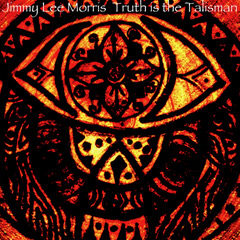
Jimmy Lee Morris – Truth is the Talisman

image courtesy of Jimmy Lee Morris

Of course, the very first song, the aforementioned “Moon Over Cairo,” is one that’s particularly worth mentioning. It’s got an eerie, “Wicked Game”-ish opening, a compelling rhythm, and a delivery that pulls the listener in, as if revealing an important secret. With prominent pianowork augmenting – and occasional guitar noodling supporting – the relentless rhythm, this is a slower-tempoed rock song, recalling for me something you might hear from Peter Gabriel or Sting.

The title track, next, is more dead-center the sort of sonically-rich storyteller I’ve grown to expect from Jimmy. “Truth is the Talisman” is well-crafted, lyrically insightful, and thoughtfully delivered with a warm earnestness. As always, Jimmy sets a high bar for himself.

“Get Away” follows, a bit of a “travellin’ song,” lightly voiced, with a little faster tempo than the song before it but still motoring along at just a modest tempo, tossing in some neat little playful hooks and just a hint of psychedelic feedback.

Both musically and lyrically, “You’ll See It in Her Eyes” sounds like it could have been the lead song on the soundtrack of a ’70s movie about starcrossed lovers. The pianowork, guitar accents, and Jimmy’s voice all stoke the melancholy.

Jimmy Lee Morris

photo courtesy of Jimmy Lee Morris

“Atlantic Highway” has a light, Wilderness Wood-like classic Jimmy Lee Morris vibe, as best embodied on that disc by its title track and “Campervan Song.” “Atlantic Highway” is a cheerful number that’ll lift your spirits with lyrics like “Mr. Harrison said if you don’t know where you’re going, any road you chose to take will take you there. So let yourself go where the wind is blowing, and you will always find yourself somewhere.” In all, the song is laid back, with the purpose of having the listener grin along.

The rest of the disc falls within the parameters of the songs above, all centering around Jimmy’s trademark, central sound while continually exploring his various influences.

“Hold Me Close,” for example, is a sweet, soft, almost lullaby-tempo love song.

I’m also particularly fond of the broad, bright openness of “Giving It All Away,” a song that occasionally brings to mind a dash of John Mellencamp, both early on and in some of the in-song transitions, though the places it travels elsewhere in-between are more uniquely Jimmy Lee Morris.

“I’ve Been Sinking Down” is a versatile number that’s delivered with a bit of an off-balance vibe throughout and that, with some restructuring, I’d think could be performed in a variety of styles, befitting band formats ranging from a jug band to a blues outfit to anything in-between. In the case of Jimmy’s “original” version, it’s a toe-tappin’ strummer atop a low-level but solidly rich music bed. In its present form, it serves as a solid lead-in to “Someone Like You,” a mid-tempo guitar-rocker that leans on just a little distortion and a ’50s/’60s rock-inspired arrangement to augment its energy level.

Another favorite, “Tomorrow Is Too Late,” which follows “Someone Like You,” is similarly styled and keeps its predecessor’s energy going.

Also noteworthy is “Love Will Come Your Way,” a rich, warm, mid-tempo number whose smooth delivery makes it feel like you’re lying contentedly on a sunny patch of grass, despite the actual weather outside on any particular day.

The album’s penultimate track, “I Never Thought,” is a slower number, primarily with a rich, orchestral feel but with a few bluesy chords scattered throughout to provide its uniquely original character. Think slow-dance song at a big country-leaning dancehall.

Jimmy closes the disc with the raucous, rock ‘n roll “Hey Hey.” As if directly from a Happy Days sock hop or the Back to the Future “Enchantment Under the Sea” dance, if you didn’t know this was a Jimmy Lee Morris original, you could be convinced it’s a timeless rock ‘n roll classic. It’s a satisfying way to end the album.

And that’s it. I almost feel bad about skipping over some of the other songs on the disc, as they’ve become like old friends of mine during the last few months of listening, but they’re all along the lines of the songs I’ve written about above, with just enough variety to maintain interest, causing Truth is the Talisman to pass much quicker than you’d expect from a 20-song opus. It’s a solid disc, worthy of many. many listens, something that never surprises me from a Jimmy Lee Morris collection.

More From Jimmy Lee Morris

Jimmy has been busy since releasing Truth is the Talisman in January. In May, he released a four-song single featuring three additional tracks alongside “In the Diamond Rain”; and in August, he made available a nine-song LP entitled Homespun, which he notes on his Facebook page was recorded in 2007/08 with his late musical collaborator Andy Coote playing drums. As if that hasn’t kept him busy enough, he has branched out into some children’s book writing, as well.

Looking Ahead

There haven’t been any recent performances mentioned, but if and when Jimmy Lee Morris plays live, you can find those dates on the “Events” tab of his Facebook page.

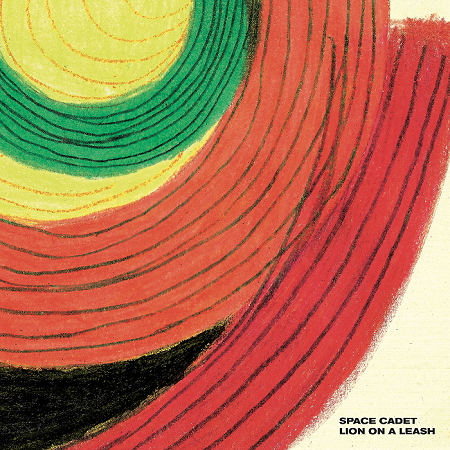
Album Review: Space Cadet – Lion on a Leash

Space Cadet

photo courtesy of Earshot Media

Album Review of Space Cadet: Lion on a Leash (Wiretap Records)

The songs on Space Cadet‘s Lion on a Leash (available digitally and on vinyl) recall the jangly, energetic radio-friendly rock of Harvey Danger and Semisonic. Vocalist Matt Hock and guitarist David Walsh were two-fifths of punk rock outfit The Explosion, and a bit of that frantic punk energy can be found powering Space Cadet’s songs, as well. Within my personal music collection, the band whose sound most closely matches Space Cadet’s is Thought Beneath Film, whose 2014 release Cartographers preceded the launch of Geoff Wilbur’s Music Blog by just enough time that I never reviewed the album.

Space Cadet – Lion on a Leash

image courtesy of Earshot Media

Lion on a Leash kicks things off energetically with “Forever For a While.” Its vibe is laid-back despite its uptempo beat and bouts of “la la la la la la” lyrical whimsy that’ll engender an easy smile and a bit of desk-chair dancing.

Perhaps the catchiest track on the album – though there are many, so it’s open for debate – is “Start Running Away,” which features a powerful rhythm, a prominent repetitive hook, and a guitar solo by Brian Baker (Bad Religion/Minor Threat) that adds that extra touch of texture to turn the song’s journey into something truly special. To put it in terms American Bandstand fans might understand: I’d give in an 85. It’s got a good beat, and you can dance to it.

“If Only” is next, with a lush, grainy rock ‘n roll music bed atop an enticing, drum-led rhythm, while “No Accident” follows, guided by a more purposeful beat, a mainstream ’60s rock guitar buzz – with the music opening a bit for the beginning of the chorus – and a neat little bit of meandering guitar for a closing.

The tempo picks up again on “Scream for You,” sporting a catchy guitar hook and a bit of “hey, hey” lyric to grab the listener’s ear. This is a dancefloor-filler or, alternately, in a concert setting, the sort of song that’ll get the audience jumping up and down and encourage even those who’re hearing the song for the first time to join in on the aforementioned “hey hey” and the fun, singalong-worthy “the enemy’s on the inside” lyrics. I very much dig this tune.

There’s a bit of a sharper edge on “Bad Luck.” I could hear anyone from The Romantics to the J. Giels Band performing a version of this song.

“Safe and Sound” follows with one of the biggest jangly hooks on the record, a bit of a distorted, even-tempoed, storytelling suburban anthem.

“Lose Control” picks the energy back and’ll get the concert crowd moving once again. It’s followed by album-closer “Slö,” a mostly-instrumental track with some nice instrumentation mixed behind a heavy, lush wall of power-alt-rock sound. It’s hard to think of a better way to close this catchy, updated-throwback-’90s rock record.

Tl;dr

Dig the catchy, jangly, punk-inspired, updated ’90s pop-rock Space Cadet delivers on Lion on a Leash. Pick hits would be “Forever For a While,” “Scream for You,” and “Safe and Sound,” plus “Start Running Away,” which is notable also for its guitar solo by Brian Baker (Bad Religion/Minor Threat), who appears on the track. It’s strong beginning to end, though, so you may find your own favorites.

Album Review: Popa Chubby – Tinfoil Hat

Popa Chubby

photo courtesy of Frank Roszak Promotions

Album Review of Popa Chubby: Tinfoil Hat

A couple years ago I shared the awesomeness that is a Popa Chubby live performance. Well, there ain’t nothin’ like one of his records, too. Popa Chubby is a one-of-a-kind blues cat, and to those who like their blues guitar-driven and rockin’, he’s one of the elite.

This newest album, Tinfoil Hat, is an ode to that weird year that was 2020, including those bits that have continued in 2021. It’s a folk-in-the-style-of-blues protest album. As Popa Chubby states in the album-ending number, “1968 Again,” “It’s 1968 all over again.” In the context of that song, he’s drawing comparisons between this past year of civil rights marches, protests, and loony politicians and the events of that sizzling, raw ’60s summer of change. In that vein, this album, Tinfoil Hat, is mostly one long, groovin’, bluesy protest album.

To kick things off, if you’re in-line with his pro-vax, pro-mask, pro-civil rights, anti-Trump viewpoint, you’ll find this album a rollicking, rousing musical protest romp. On the other hand, if you differ with Popa Chubby on one of those issues, you’ll have to choose your songs carefully. And if you differ on all of them, well, there are still three or four songs you’ll totally dig, but you’ll want to skip the rest.

I’ll actually kick off with those tracks (so you can skip the rest of the review if it’s likely to rile you up).

Popa Chubby – Tinfoil Hat

image courtesy of Frank Roszak Promotions

“Embees Song” is a bluesy crooning love song. Sweet, soulful, and rough around the edges. “I want to know that you want me, baby. Every morning you drive me crazy when you make my coffee and you shake it for me.” There’s a reason bluesy-growled love songs are the best. You can feel the heart in every gruff, emotionally-wailed lyric.

The instrumental “Boogie for Tony,” of course, with its lack of lyrics, falls into this everyone’ll-love-it grouping. The energetic number is reminiscent of the sorts of tuneful, melodic, high-octane instrumentals you’ll often find on Bob Malone’s rockin’ blues albums except, of course, that Bob’s are piano-driven while Popa Chubby’s instrumentals are guitar-powered. Doesn’t matter that it’s an instrumental, though; it’s so catchy you’ll soon find yourself “singing along.”

“Someday Soon (A Change is Gonna Come)” has an implied message in the context of the album, but as a standalone song, you can just rock to it, with its guitar runs and the occasional variance from its even-keel vocal sitting atop a churning, steady blues rhythm.

And, again if taken outside the context of the album, “Can I Call You My Friends” is an anthemic number that you can also just rock to. (Of course, the accompanying music video will quickly disabuse you of that notion.) The militarily rhythmic tempo builds as the lyrics intensify, and there’s some very cool guitar noodling in the bridges. This is one of the songs on Tinfoil Hat most likely to get stuck in your head.

Several of the songs are about COVID-19, particularly complaining about those who refuse the vaccine and/or who refuse to wear masks. Kicking things off is a song for anyone who doesn’t traffic in conspiracy theories – for those who cringe when they hear the term “do your own research.” The disc-opening title track, “Tinfoil Hat,” is a current events-driven blues-rocker mockin’ the crazies.

“Baby Put on Your Mask” gets the pro-masking point across with lyrics that, for example, rhyme “don’t make me spank that ass” with “baby, put on your mask.” Not exactly Robert Frost or, for a more recent reference, Amanda Gorman, but clever and effective.

“Another Day in Hell” is a heavy, slow-paced guitar rocker that could pass for a song solely about those who make our lives miserable at any time, if not for the opening reference to mask-refusing COVID deniers, though a deeper dig suggests it is, at its core, a reference to the monotony of remaining isolated during the height of the pandemic.

The reggae-infused “Cognitive Dissonance” is a very cool musical change of pace, one that, among other things, highlights the disparity of impact upon different segments of the population during the pandemic and the deference to the economy at the expense of human lives, including lyrics like “humans expendable, testing undependable” and “you say ‘my body, my choice,’ but a mask has no voice.”

Civil rights, which for most of the past year-plus has primarily revolved around addressing the disproportionately violent police response to minorities in the U.S., forms the basis of “No Justice No Peace,” reflecting the famous rallying cry. The song is driven by a heavy wall of sound and a plodding, undeniably forward-moving pace. Lyrically, the song can be summed up by its own lyrics, “You can’t turn the guns on your citizens and expect them to comply. It’s America, and the people say, ‘No more black men die.'” There’s also a long, shredding, wailing guitar solo that runs through the song’s midpoint that encompasses the full spectrum of anguish better than any vocal could. For this particular topic, “No Justice No Peace” is an exceptionally suitable, compelling, well-constructed, angry protest song.

“You Ain’t Said Shit” is a bluesy protest number with a catchy recurring guitar hook, and it’s quite obviously about a certain recent ex-president. And if you don’t catch on from early lyrics like, “Why don’t you just shut your mouth. You don’t know what you’re talking about. You got the best words, but you know that you ain’t said shit,” it becomes increasingly obvious as the song goes on with references to “stable genius” and, at the very end, “covfefe.”

I know I’ve taken the songs out of order. The disc-ender is actually “1968 Again,” which is an astute choice for tying together this collection of songs. Tinfoil Hat is the sort of top-shelf rockin’ blues you’d expect from Popa Chubby. It strays a bit farther from blues than usual in spots, with homages to the folky protest songs from a half-century ago and topical references to the last year – year and a half, actually, by the time I’ve finally written this review. Your enjoyment of this disc will depend upon whether or not you agree with Popa Chubby’s politics, but his position is very clear, as is (as always) his musical and songwriting talent.

Looking Ahead

You can catch Popa Chubby live at a variety of dates and locations. He has shows in the northeast U.S. (NY, NJ, PA, MA, RI, MD) in November December, and on January 1st. He’ll be in Brussels on FJanuary 19th and then will tour around France for the rest of the month. In February 2022, you can catch a few Florida dates. And in May 2022, he has a tour of Germany scheduled, with an opening date in Rubigen, Switzerland. Find additional details about these tour dates (and others, as they’re announced) on the “Tour” page of his website.

EP Review: Caisy Falzone – All That I Know

Caisy Falzone

photo courtesy of Caisy Falzone

EP Review of Caisy Falzone: All That I Know

I first discovered Caisy Falzone‘s music when she performed upstairs at Pianos in 2017. Later that year, I reviewed her four-song EP, Your Time. I was drawn by the personal nature of her well-written, stripped-down singer-songwriter fare.

Caisy’s new five-song EP, All That I Know, retains the intimate appeal of her songwriting but quite interestingly presents it with a slightly different arrangement, a bit more dreamy and floaty that my live experience or that on her Your Time EP.

Caisy Falzone – All That I Know

photo courtesy of Caisy Falzone

The first song, “Drift,” is one of two tracks in this collection that appeared previously on Your Time. Here on All That I Know, it has been reimagined into a dreamy, almost shoegaze, echoingly ethereal pop number, yet Caisy’s vocals pierce the musical veil a bit more than is typical of dream pop, ably highlighting the identifiable features of her vocal that help listeners recognize it quickly as a Caisy Falzone tune.

“Stay” follows, with a much slower tempo that matches the wistfully melancholy lyrics, Caisy’s upward vocal lilt at the end of the word “stay” subtly punctuating the emotion, convincingly compelling the listener to “just stay with me for tonight.”

“Into You/Into This” follows with a upbeat, cheery pop rhythm that matches Caisy’s peppy, thoughtful vocals. Probably my favorite of the three new songs on this EP, I enjoy bouncing along to the song’s tempo, its well-placed stop-starts, and its indie-rock mini guitar run. If I were an independent filmmaker producing a relationship-focused film, I’d probably place this in the soundtrack in support of a relationship-building montage and/or as a closing credits number.

Caisy Falzone

photo courtesy of Caisy Falzone

“Hold Me Down” is the second of the two holdovers from Your Time. It retains the persistence of Caisy’s prior recording but is produced with more of a soft echo-chamber ambience, delivering a vibe that’s even a bit more introspective, both as a standalone and definitely as part of this collection. As was true a few years ago, I still really dig the way the song slow-builds through its length, ending more powerfully than it began.

“Anything, Anyway” closes the EP with a guitar-picking melancholy, again true to the EP’s production value but a bit more stripped-down and vulnerable than the preceding tracks. Caisy’s slowly stylized guitar picking and hoarsely melancholy delivery, with the occasional pause adding emphasis to an already slow tempo, provide the perfect fade-to-black for this EP.

All That I Know is a stylized slow burn, a package of introspective deep thought that presents Caisy Falzone’s songwriting style in an echoey, softly thoughtful package. It’s coolly interesting at first listen, and it continues to grow on you from there. While remaining true to Caisy’s past, this EP also highlights that her journey as an artist continues, leaving me excited for her future releases, while I enjoy the intriguing music she’s creating today.

Caisy Falzone

photo courtesy of Caisy Falzone

Looking Ahead

You can find Caisy live performance schedule on her Facebook page or from Bandsintown, either via the “live shows” tab of her Facebook page or directly on the Bandsintown website. Both pages are empty. Caisy may also mention upcoming shows, when they happen, on Twitter.

Album Review: Sumo Cyco – Initiation

Sumo Cyco

photo by Francesca Ludikar; photo courtesy of Napalm Records

Album Review of Sumo Cyco: Initiation (Napalm Records)

Sumo Cyco has moved in and out of my awareness over the years, always attention-grabbing while clearly honing its sound with each successive release. Sumo Cyco is a heavy rock band with a raw metal edge and a punk attitude. Sonically, the band has the aggression and speed of many bands in its musical neighborhood with a world-class lead singer (Skye “Sever” Sweetnam) capable of bringing a level of tunefulness and softness to the mix, exploiting the ability to provide greater contrast to her raw, roaring metal vocals. In other words, range. The ability to achieve that range provides interesting contrasts within individual cuts but also the capacity to deliver a broader range of songs within an identifiable Sumo Cyco heavy rock style, satisfying core heavy rock fans while appealing to perhaps a broader demographic, particularly on individual tracks. Of course, “Sever” doesn’t achieve that range of musical styles all by herself. Serious props to the rest of this band: Matt “MD13” Drake (lead guitar), Matt “Trozzi” (drums), and Oscar Aneset (bass). You all know by now how much I love versatile bands like this, and upon sampling a couple of songs on the new album, Initiation, I knew Sumo Cyco had delivered a musical collection I needed to write about.

Sumo Cyco – Initiation

image courtesy of Napalm Records

Like any good heavy rock band, Sumo Cyco kicks the album off with a couple of its most aggressive songs, appropriately greeting listeners to Cyco City with “Love You Wrong”. This track begins with a crash and rawly shouted vocals, and throughout the song the tempo and vocal aggression suggest mosh pits and a frantic, fear-filled confused rampage, but the lesser-instrumented verses and monster hooky chorus more welcomingly reel the listener in. Yes, the chorus is primarily “Not gonna love you, not gonna love you wrong” repeated several times, but damn, it’s an earworm. With each successive listen, this increasingly becomes a favorite. Then again, that’s true of so many of the tunes on this disc.

Perhaps the next-most-rough-edged song on the disc, “Bystander” aggressively urges actively taking part in your life, as if you couldn’t guess from the title. Worth noting is the rhythmic drum-driven bridge that accompanies the lyrics “We are uninvited, watching from afar. We are all misguided, divided, falling apart.” The most infectious part of “Bystander,” though, is its unrelenting, insistent pace.

Next up, “Vertigo” shows shades of Lady Gaga-meets-Gwen Stefani through the lens of a ’90s pop-punk-influenced mainstream heavy rock band. It’s all beat and rhythm atop grinding guitar and a wall of staticky background vocals. Very effective… and sound effect-ive.

Sumo Cyco

photo by Francesca Ludikar; photo courtesy of Napalm Records

The end of “Vertigo” flows sonically directly into “Bad News,” with rhythmic vocal verses ultimately combining with another one of those monster hook choruses. Actually, something you might find at a dance club in a vampire movie, an intense, energetic rock track with a sort of underlying club mix vibe.

Next, “No Surrender” thrashes tunefully, before “M.I.A.” follows with a rhythmic spoken-song effort that, of all the songs on Initiation, most closely resembles one Gwen Stefani would perform. But, of course, Sumo Cyco-style. Lyrically, you’ll find yourself hooked on “Do you remember? ‘Cause I forget.”

The back half of this album begins with “Cyclone.” The speed-guitar runs and aggressively, sneakily melodic verse are among this track’s standout features, though the softly sung “I can’t help myself I’m falling, in a downward spiral I’m falling…” will also pleasantly catch you off guard.

There’s a reggae-esque opening to “Run With the Giants”… up until the ripping guitars and sirens. But you can hear and enjoy the meshing of reggae and hard rock throughout – an enjoyably, intentionally harsh transition between the styles at times, smoother at others. The driving chorus is supported by a full, distorted heavy rock sound while implanting in your brain the memorably repeated “Gotta run with it, gotta run with it, yeah we’ll run with the giants!” You’ll be singing along by song’s end.

“Overdrive,” next, has a serious funky rhythm and dancefloor vibe that almost overrides (overdrives?) its rockin’ guitar line, while “Power & Control” has just a hint of a soul-rock vibe, especially where Skye/Sever lets her voice soar a bit… with, you know, a much thrashier music bed.

One of the most memorable songs on the album, though, is “This Dance is Doomed.” You’ll frantically sing along with “doom da da da doom da da da day,” sometimes hours or days after you actually last heard the song.

The album closes with bonus track “Awakened,” which you’ll not find on every release. This song opens catchily with a tuneful “My heart’s been awakened…” It then flows into a classic-cool heavy rock vibe, yet still a bit sidewinding, befitting Sumo Cyco’s trademark style. It’s a fun, energetic way to end an album, though the prior song, if that’s the last on your version of Initiation, also provides a great final sendoff. They both encourage another listen. Immediately. Over and over.

In the end, Sumo Cyco is a unique band. One of a kind. The kind of band whose music deserves a spot in a well-rounded playlist. If you love it loud, you’re gonna love this heavy rock masterwork, Initiation – some songs immediately while others will grow on you like a fungus. But you won’t have anything else quite like Sumo Cyco’s music in your collection, and once you’ve heard it, you’ll occasionally crave it.

I’m hoping to get a chance to catch Sumo Cyco live one of these days. They do a great job of transferring their energy into their recordings, but I can only imagine how much they must rock the room live. For those of you in the UK, there are some dates listed on the “events” tab of the band’s Facebook page – a late October/early November tour with Wednesday 13. As always during a pandemic, double-check event status before leaving the house.

Post-Publication Addendum: It looks like the Sumo Cyco/Wednesday 13 UK tour has been postponed until 2022, per this Facebook post. COVID-19 strikes again. Yep, always a good idea to double-check (ahead of time and even day of show) before traveling any distance to a concert during a pandemic. -GW

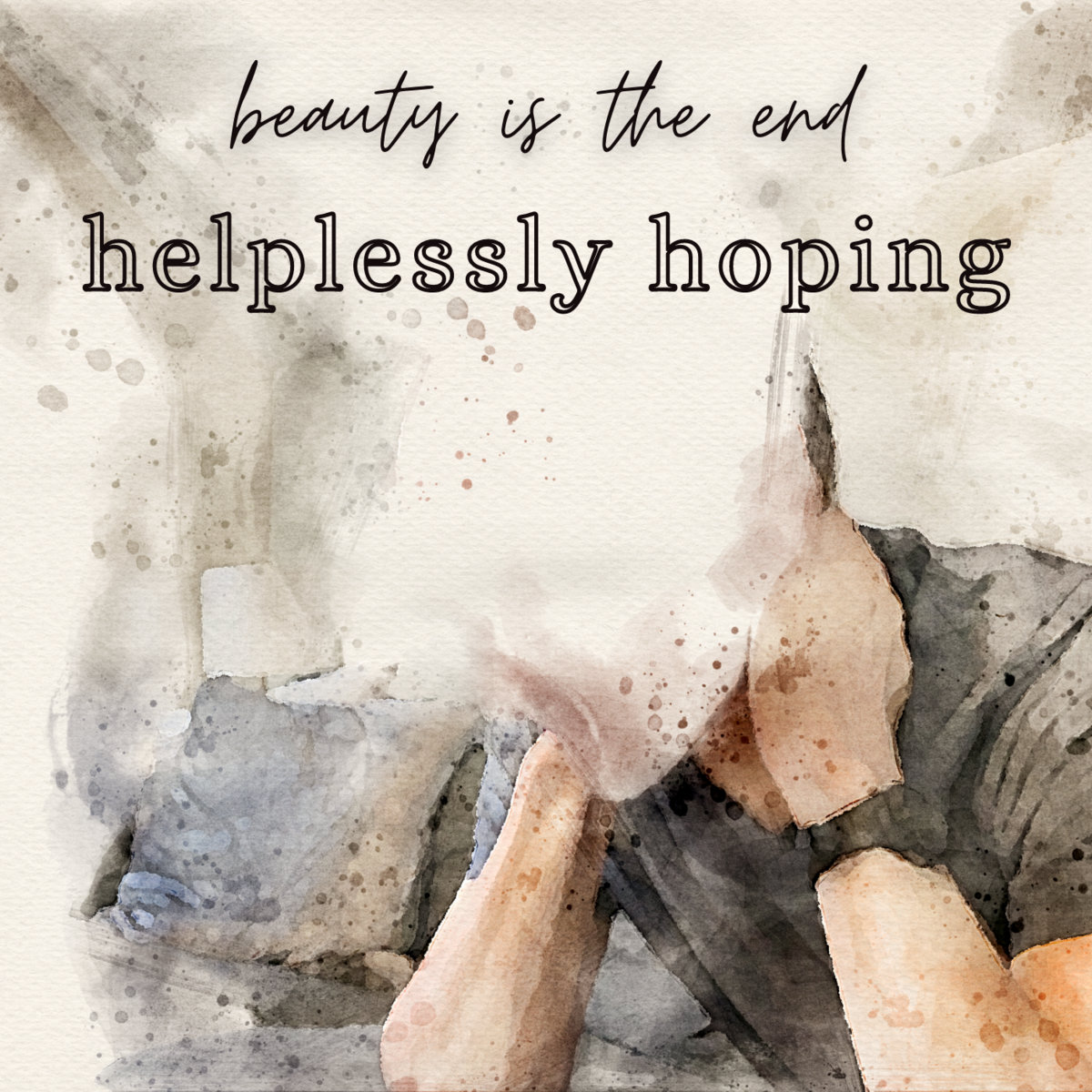
Single Review: beauty is the end – “helplessly hoping”

beauty is the end

photo courtesy of beauty is the end

Single Review of beauty is the end: “helplessly hoping”

We’re reviewed the music of bandleader Clint Degan here before, in the role of Body English’s vocalist and guitarist, when I reviewed Stories of Earth. This, however, is a truly original, unique sound worth approaching with a fresh palate, featuring Cullen Corley on percussion and multi-instrumentalist Degan recording the remaining instruments and vocals. So grab some ginger and be prepared for a fresh musical dining experience on “helplessly hoping.”

beauty is the end – helplessly hoping

image courtesy of beauty is the end

This song is timeless. But beauty is the end delivers an updated version of this Crosby, Stills & Nash classic. The harmonies are replaced by instruments or perhaps just less volume, serving up a modernized sound, adding a hint of progressive instrumentation, softening the harsh harmonic edges of the original with a thinner, more sensitive vocal line and softened transitions. This version completely changes the feel of the song without touching the main melody, and in the process of modernizing, it actually recalls a completely different set of ’70s bands. Call it a two-way transportation through time, if you want, landing at a different destination.

Whatever it’s quite cool and really pleasant, enjoyable listen, gradually becoming a favorite on my playlist. To be honest, after acclimating myself to the beauty is the end version, I find it hard to listen to the original. I’ve come to expect this version’s softness to the extent that Crosby, Stills & Nash’s harmonies in the original startle me. Yeah, yeah, I know. I should show more reverence to the trailblazers, but I really dig this version. Check it out for yourself.

To keep up with beauty is the end, follow the band’s Facebook page.

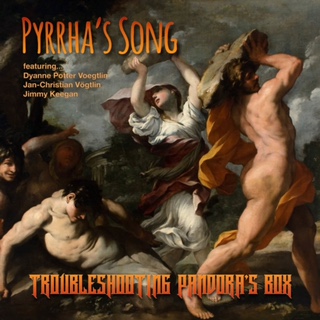
Single Review: Troubleshooting Pandora’s Box – “Pyrrha’s Song”

Troubleshooting Pandora's Box – Pyrrha's Song

image courtesy of Potter’s Daughter

Single Review of Troubleshooting Pandora’s Box: “Pyrrha’s Song” (Melodic Revolution Records)

The first song from the Troubleshooting Pandora’s Box project, spearheaded by Melodic Revolution Records founder Nick Katona, is “Pyrrha’s Song.” It features Dyanne Potter Voegtlin (keyboard, vocals) and Jan-Christian Vögtlin (bass, guitar, keyboards) from Potter’s Daughter (whose recent album I reviewed) with Jimmy Keegan (drums).

An edgy, symphonic-leaning progressive rock number, “Pyrrha’s Song” is purposefully tense and uncomfortable. Or, rather, never quite comfortable. Stray notes pop up suddenly and harshly within the melody to keep the listener off-balance and paying attention, while the drums crash and vocals test the song’s upper sonic limits, all set interestingly to a laid-back bass line.

This is what progressive rock is all about, putting great musicians in a situation to pursue a concept – not always an unsettling concept, but sometimes and in this case – and try to tell its story through music, typically in unexpected ways. “Pyrrha’s Song” is a cool song and a fun, interesting listen, though by necessity it’s an active listen. If you dig this sort of music, this Troubleshooting Pandora’s Box release is a fine example of it and well worth your listen.

More info about the project (Troubleshooting Pandora’s Box) and the song (“Pyrrha’s Song”) can be found here on this page of the Melodic Revolution Records website.

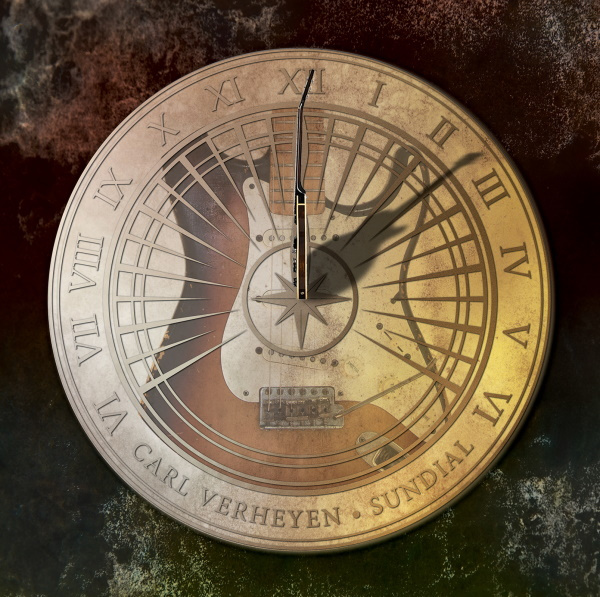
Album Review: Carl Verheyen – Sundial

Carl Verheyen – Sundial

image courtesy of Glass Onyon PR

Album Review of Carl Verheyen: Sundial

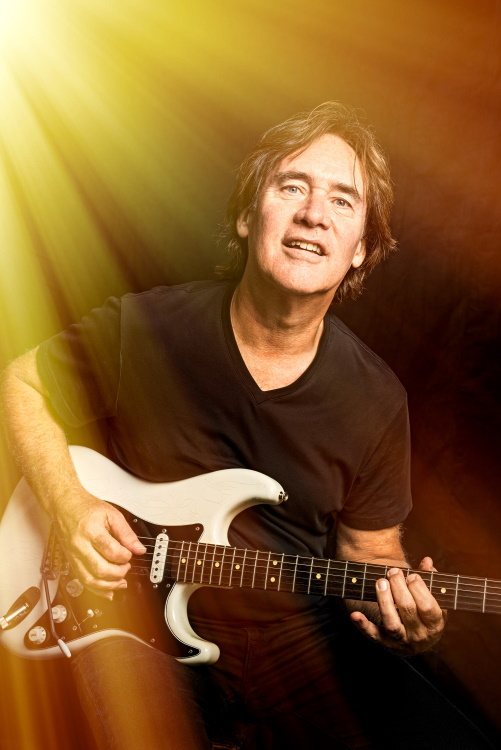
There was a time when more rock ‘n roll albums blended catchy melodies and progressive guitarwork, energetic hook-driven tunefulness and meandering noodling, rock ‘n roll with both a soft touch and a musical passion. Carl Verheyen‘s Sundial harkens back to those ’70s and early ’80s albums on which rock music wasn’t as stylistically compartmentalized, especially when featuring a lead axeman capable of such guitar wizardry as Verheyen.

Carl kicks things off with the fun title track. “Sundial” recalls a Stranger-era Billy Joel tune, but with progressive rock-style guitar occupying the solo and bridge slots, constrained within the package of a broad-appeal pop-rock song. It’s a very cool, groovy, cheerful tune with a great big sound.

The cheerfulness carries on into the following song, the bright, happy, energetic guitar instrumental “Kaningie,” a song with a catchy beat and plenty of character. Something about the energy of this track reminds me of the sorts of energetic instrumentals Bob Malone sneaks onto his albums, daring you to notice – rarely on the first listen – that there weren’t, in fact, any lyrics.

You can hear the funk meet the blues in “Clawhammer Man,” a true ’70s-styled funk-rock attitude-filled gem.

Carl Verheyen

photo by Rainer Hosch; photo courtesy of Glass Onyon PR

“Never Again” seems like a song you might have heard from Styx. A forceful musical beginning opens into a softer, lush, musically smooth chorus. If it were a Styx tune, I’d expect a faster tempo, while “Never Again” has a more blues-based, takin’-its-own-sweet-time vibe, but the blend of guitar and organ mix and verse-to-chorus transition “well, never again” recall something one might expect from the aforementioned Second City rock heroes.

“Garfunkel (It Was All Too Real)” maintains that same laid-back tempo, but it returns to a style in the neighborhood of late ’70s radio-friendly soft rock, recalling those nostalgic numbers that seemed to be telling a story in black and white. This track features plenty of keyboard but also leaves ample room for Verheyen’s guitarwork to dance through the melody, as well it should.

Verheyen cranks up the energy again on his cover of the Rascals’ “People Got to Be Free.” Mixing a ska rhythm, a faster-than-the-original tempo, and overriding rock guitar lines and vocal wails, this fun reimagination comes across as a completely different song than the original.

Next up, “Sprial Glide” is a tightly-structured, well-composed, mellow, progressive soft rocker, a 7-minute epic with recurring note-bending guitar and keyboard hooks holding it together before and after the mid-song guitar solo. “Sprial Glide” is the sort of musician-based masterwork you think of when you hear the phrase “album-oriented rock.”

“Michelle’s Song” is more of a crossover pop/soft rock number, the sort that used to dot pop-rock radio playlists, a song where folk-structured lyrics meet pop songwriting sensibilities and rock ‘n roll musicianship.

“No Time for a Kiss” is the last full-length song on the album, a progressive rock-flavored not-quite-ballad designed to showcase a melancholy wailing guitar line that complements the similarly-pained vocals.

The last track on the album is the minute-and-a-half “Sundial Slight Return,” tying the album together with the instrumental melody of the opening track, putting a bow on the release as you’d expect from a thoughtfully assembled album. Also, coincidentally, it offers an opportunity for prepare you mind to return to song number one, particularly helpful if you’re playing Sundial on repeat. And why wouldn’t you?

Looking Ahead

Carl has a lot of gigs scheduled this summer and fall, beginning in Westlake, CA on August 29th, followed by September 4th and 5th gigs in Seattle, a couple more California shows, and then a European tour. You can find details about upcoming dates on the “Tour Dates” page of Carl’s website or on the “Events” tab of his Facebook page.

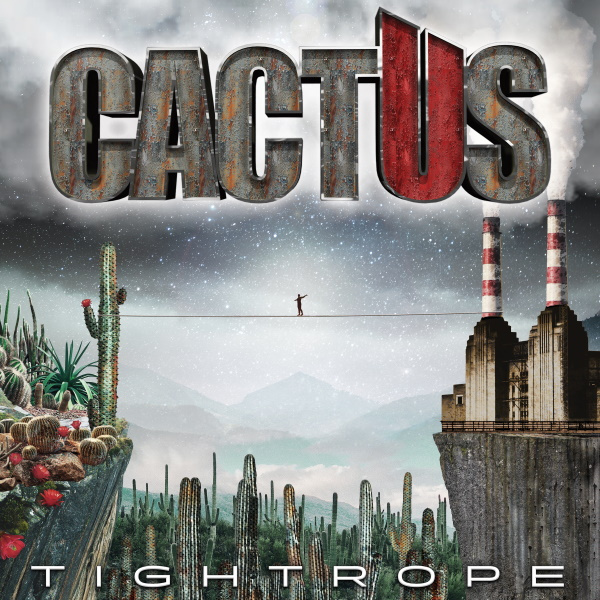
Album Review: Cactus – Tightrope

Cactus

photo courtesy of Glass Onyon PR

Album Review of Cactus: Tightrope (Cleopatra Records/Purple Pyramid)

Classic hard rock from a bunch of veteran musicians who know how to make great music and still love rockin’. With that recipe, you just can’t go wrong. The new album from Cactus, Tightrope, hit stores on April 2nd. It’s album-oriented rock that straddles the ’70s and ’80s styles, with screeching guitar solos, instrumental mid-song jams, high-pitched vocal wails, a significant blues influence, and the inimitable drumming of Carmine Appice.

Cactus was an early 1970s classic rock band, founded in 1969, that released three albums from 1970 through 1974. An incarnation of the band continued to perform in the later ’70s. The band then disbanded until 2006, when it was resurrected by its original drummer, rock legend Appice. On this album, Appice is joined by longtime members Jimmy Kunes on vocals and Randy Pratt on harmonica. They’re joined by new members Paul Warren (lead guitar, vocals) and James Caputo (bass). Guest appearances are made by legendary rock vocalist Phil Naro (whose music I used to review regularly back in the ’90s when I published Geoff Wilbur’s Renegade Newsletter) and original Cactus guitarist Jim McCarty.

Beginning to end, Tightrope reminds you why that era of rock ‘n roll is timeless – why it persists to this day and was the foundation upon which the rock ‘n roll of my teens and twenties was built. With Tightrope‘s tricky beats, heavy rhythms, and sidewinding ways, Cactus also proudly displays the heavy blues influence that underpinned its lane of the ’70s classic rock superhighway.

Cactus – Tightrope

image courtesy of Glass Onyon PR

Album-opener “Tightrope” kicks things off with grinding guitar, stop-start rhythm, and edgily insistent vocals. Very classic ’70s rock with an uneven beat that stops each and every groove just as it’s getting started, purposely delivering an uneasily energetic ride balanced on a (as you may have guessed) tightrope.

The band takes that edginess into its next song, a growling, bluesy-wailing, juke joint-recalling rendition of “Papa Was a Rolling Stone.” Yowza, what a kickass cover!

“All Shook Up” begins all jangly with hints at Beatles-esque harmonies before digging in with crunchy guitars and a slightly gritty blues rock vocal wail.

“Poison in Paradise” follows, a slowly thumping, testifying, sad blues number, positively dripping with despair and regret. It’s a sign of the depth of the blues’ influence throughout this record that such a pure rockin’ blues number slips so nimbly into this collection.

“Third Time Gone” restores the energy, with a scene-setting blues rock harmonica piece helping get things rolling and steering the song, with some energetic fretwork that’ll appeal to guitar aficionados, and a kickass, harmonica-accompanied Carmine Appice drum solo toward the end.

“Shake That Thing” is another heavily thumping blues-heavy rock number, followed by “Primitive Touch,” which leans back into the sort of off-balance rhythm that’s the opening title track’s calling card.

“Preaching Woman Man Blues” returns the collection to the blues fold – in this case that of the relentlessly rhythm rockin’ blues variety – interestingly after an intro that seems significantly more classically-driven than blues-based, the first such strong appearance on Tightrope, though it’s pretty brief; still, it serves perhaps as foreshadowing that a bigger style variation might await.

But not yet. Indeed, the next track “Elevation” thumps away, as drums-and-harmonica driven as “Third Time Gone,” though with a vastly different rhythm line. I’m also quite fond of how “Elevation” ends so suddenly in a very live rock ‘n roll way.

Next is the longest song on the album. It’s one of my favorite 7-plus minute songs, a rarity for me as I tend to get antsy somewhere between four or five minutes. Indeed, “Suite 1 & 2: Everlong, All the Madmen” has some progressive rock leanings, and that’s not primarily a reference to it’s length; rather, my comparison is due to the song’s meandering ways. There is, in fact, a break point halfway through that serves as a dividing line between the “Everlong” and “All the Madmen” portions of the song, a great transition that rescues you, sonically with a bit of a circus or carnival musical flair, just as you think you’ll never get the hauntingly gurgling, otherworldly chorus of “Everlong” out of your head. It’s an inspired sound pairing, one that continues to improve after repeated listens.

“Headed For a Fall” picks up the tempo and delivers Tora Tora-esque blues rock that feels as if it’s delivered with a wink and a smile.

“Wear It Out” closes the disc with another slightly stylistically different take on the blues-rock that permeates Tightrope. As if a nod to the ’80s heavy rock that paid homage back to its ’70s roots, this is a song with a vocal line that might be found in a Honeymoon Suite song, though it might be some of the instrumental stylings that lead me to that comparison. Still, it’s dipped in and dripping from a purer blues and blues rock pedigree, augmented by judicious harmonica use and, as everywhere on this Cactus disc, driven by Carmine Appice’s intense rhythms that are simultaneously complex and straightforward, as only few drummers can accomplish.

I struggle to choose a standout track, with a different favorite upon each listen (but only just barely). “Suite 1 & 2: Everlong, All the Madmen” is always toward the top for me, in part because it’s such a unique song, but rarely number one. Simply put, this is a solid, cohesive collection of classic blues-based hard rock that’s an enjoyable listen every single time. My favorite way to experience Tightrope is beginning to end; I’m guessing that’ll be your favorite way, too.

Looking Ahead

There’s a “Cactus on Tour” page on the band’s website, but it’s currently devoid of dates. Be sure to check back periodically.

Album Review: Annie Brobst – Where We Holler

Annie Brobst

photo courtesy of Annie Brobst

Album Review of Annie Brobst: Where We Holler

I reckon y’all know we’re big fans of Annie Brobst here at the Blog. From Eric Harabadian’s review of her debut album, My First Rodeo, to my coverage of her appearances at both Behind the Songs events and all three Local CountryFests, we’ve mentioned Annie’s name a lot. When she’s performing live, Annie owns the stage and the audience. She’s a big-stage-caliber country artist. And she’s proven to be a talented recording artist with songs that cover a broad swath of country music real estate.

Annie Brobst - Where We Holler

photo courtesy of Annie Brobst

Annie has a sweet, high voice that can be near-angelic on the slow songs, and she has an extra gear (or two or three) when she swings for the higher-tempo fences. The most frequent comparison for Annie vocals are to Miranda Lambert, all the way down to the puckishness in her delivery, though at times she amps it up to Dolly Parton-level mischievousness.

I’ll start my review with the biggest party song on Where We Holler, the sort-of title song “Holler & Swaller.” Long a drinking mantra at Annie Brobst concerts, this is the song behind the holler and swaller shouts (and shots) fired at Annie’s live shows. It’s the best showcase on this album for Annie’s comfort on that always-popular party-country end of the scale.

The album actually opens with “Jealous,” a reminiscent, relatable song that’s right in Annie’s sweet spot, one that’ll hit you with emotion then boom it to the rafters with a big sound in the chorus, tempering the pure-country melancholy guitar weep along with that hint of defiance that so often lurks beneath the surface of Annie’s vocals.

Annie Brobst - Where We Holler

photo courtesy of Annie Brobst

“Ain’t He the Worst” shows the first hint of Annie’s vocal playfulness in this downhome country mid-tempo twanger.

After the aforementioned “Holler & Swaller,” Annie follows with a more introspective, slow to mid-tempo drinking song, “Red Wine on My Mind.”

Annie follows with the biggest Opry-flavored number on the disc, “Amazing Greats,” paying homage to both the country gospel hymn that inspired the song’s sound and the country artists who inspired the woman behind the microphone.

“Little Girl Dreams” is one of the poppier country songs on the album, radio-friendly all the way down to its reminiscent lyrics, with small-town childhood memories of throwing rocks off a bridge to make a wish and of grandma sitting on the front porch.

Next up is the sassiest, most mischievous song on the album, “Baby Don’t Love Me.” It features the sort of fast-paced, playful lyrics that are invariably bound to be found on an Annie Brobst disc. (In that respect, it’s kind of a sister song to “You Either Love Me or You Don’t” from My First Rodeo.)

Annie Brobst

photo courtesy of Annie Brobst

Annie shifts gears almost immediately, tugging at the heartstrings with the heartfelt, small-town story-song “Make Lemonade.”

I’d call “On the Record” a “lite” version of “Baby Don’t Love Me,” not quite as sassy and a fair bit more serious. And that leads up to the last song in the collection, the soul-searching, sweetly sung ballad “On the Road That Leads Me to Kentucky.”

A strong album from beginning to end, Where We Holler is a disc worthy of being the second of many rodeos. Annie Brobst is firmly establishing herself as a dependably exceptional country artist, one whose diverse song styles deliver something for everyone, while providing the variety to keep a full-album listen interesting.

Looking Ahead

An Annie Brobst show is an event. So be sure to catch one if you can. At the “Buy Tickets” tab of Annie’s website, you’ll find a summer full of Massachusetts shows, starting the Saturday, June 26 Team Song Is Born MS Fundraiser at Endicott Grille in Danvers MA. There’s a single New Hampshire show currently booked (the Gear Jammer Truck Show at Monadnock Speedway in Winchester, NH on Saturday, July 31). And there’s one show far afield from Annie’s home base: the Freedom Jam STL 2021 concert in Eureka, MO on Saturday, August 28. She’ll also be headlining Local CountryFest this year – an annual concert I’ve not missed since its inception – on Saturday, September 11 at Indian Ranch in Webster, MA.